Downtown Toronto
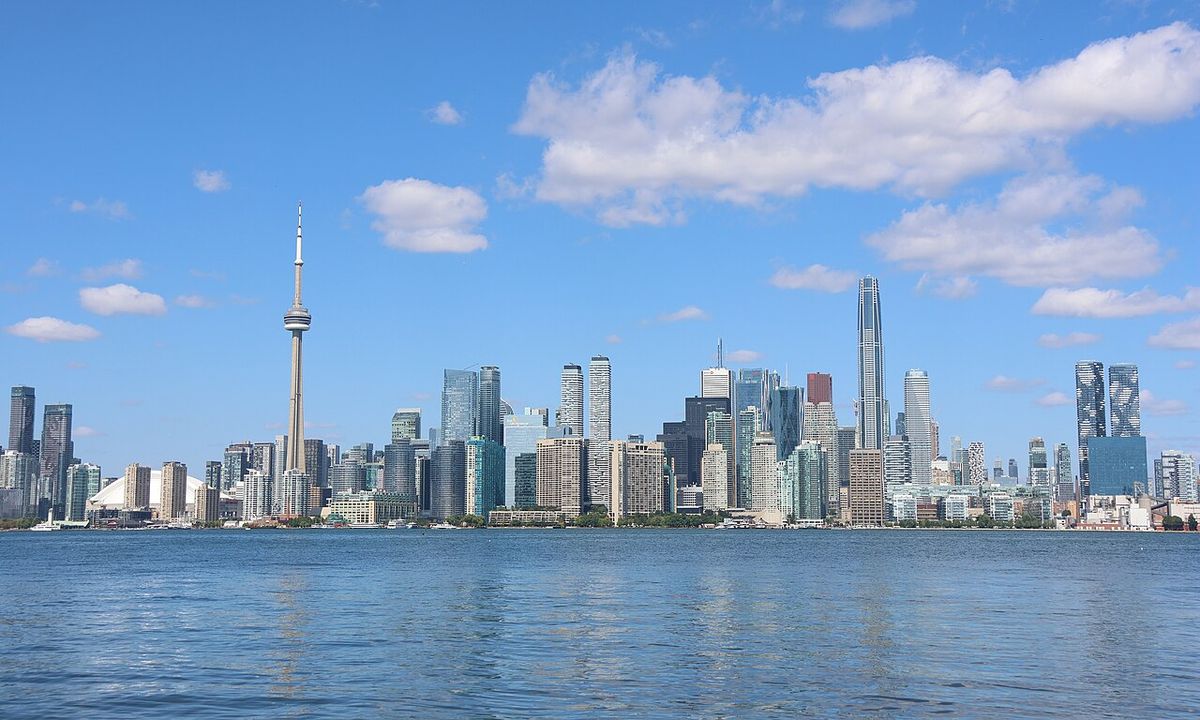
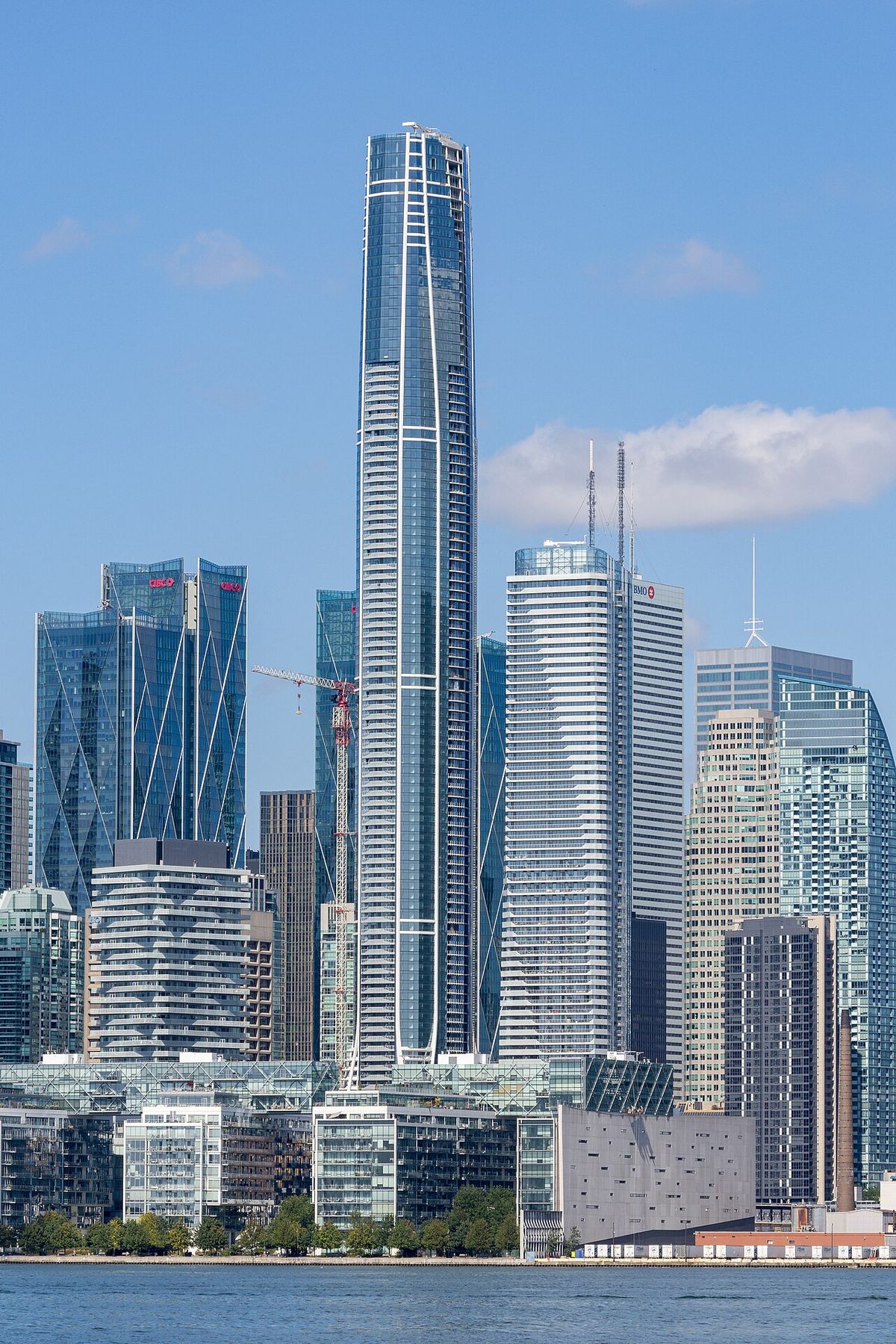
Downtown Toronto is the historic and economic core of Canada's largest city, encompassing the city centre within the boundaries of Old Toronto. It is the seat of municipal and provincial government and the undisputed financial heart of the nation, home to the Toronto Stock Exchange and the headquarters of Canada's major banks. The district is defined by its dense concentration of skyscrapers, forming the second-tallest skyline in North America, and its mix of distinct neighbourhoods, world-class cultural institutions, and major retail destinations. As the country's primary commercial and cultural hub, downtown Toronto is a critical engine for the national economy and a major destination for residents, workers, and visitors alike.
Geography and Boundaries
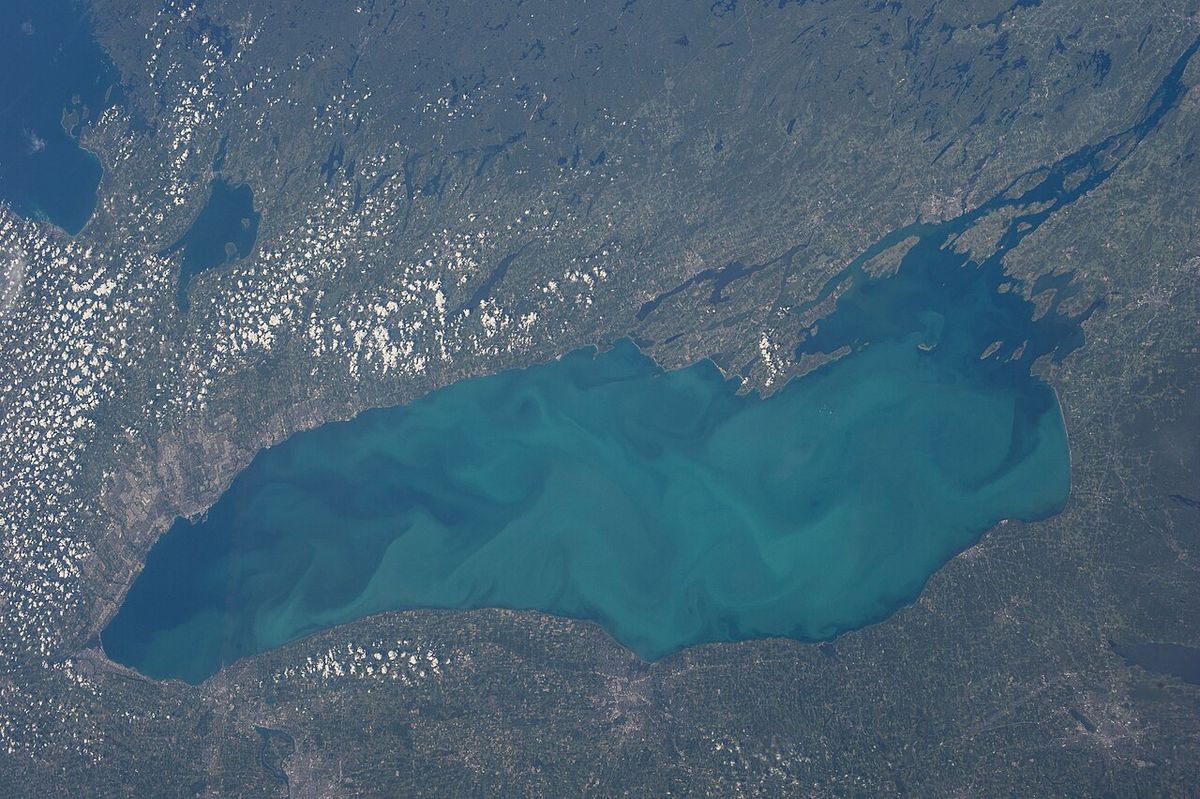
Downtown Toronto is geographically contained within the former municipality of Old Toronto, covering an area of approximately 16.6 square kilometres. Its boundaries are clearly defined by major physical and infrastructural features. To the northeast, Bloor Street serves as a primary demarcation line. The northwest border follows a Canadian Pacific Railway line, while Bathurst Street forms the western limit. The district extends south to the shoreline of Lake Ontario and east to the Don Valley. This compact area houses the seat of the municipal government at Toronto City Hall and the provincial government at the Ontario Legislature, solidifying its status as a centre of political power. The area's defined limits contribute to its high population and employment densities, which were recorded at 143 people and 303 jobs per hectare respectively in the 2016 census.
Historical Neighbourhoods and Districts
Downtown Toronto is a collection of distinct and historically significant neighbourhoods, each with its own character. The Financial District, centred on Bay and King Streets, is the epicentre of Canadian finance, housing the Toronto Stock Exchange and the head offices of the nation's largest banks. Immediately to the east lies the St. Lawrence and Old Town area, one of Toronto's oldest sections, featuring a high concentration of 19th-century heritage buildings. This area contains the original ten-block site of the Town of York, founded in 1793, which was Toronto's first neighbourhood. Key historical sites here include St. Lawrence Hall, St. James' Cathedral, the Gooderham Building, and the Bank of Upper Canada building.
To the west, the Entertainment District is a dense cluster of theatres, restaurants, nightclubs, and sporting venues. This area was redeveloped from industrial lands beginning in the early 1980s, spurred by the Mirvish family's refurbishment of the Royal Alexandra Theatre and construction of the Princess of Wales Theatre. It is now home to Roy Thomson Hall and the Canadian Broadcasting Centre. Other notable historic districts within the downtown boundaries include Cabbagetown, Corktown, and the Distillery District, a preserved Victorian-era industrial complex. The Harbourfront area along the lake has been transformed from industrial and railway lands since the 1970s into a mixed-use zone featuring the Rogers Centre stadium, numerous condominiums, and the Harbourfront Centre cultural campus.
Architecture and Skyline Development
A period of major growth in the 1970s saw Toronto surpass Montreal as Canada's largest city, prompting a wave of corporate relocations and skyscraper construction. All of Canada's Big Five banks built major towers downtown from the late 1960s through the early 1990s. This created a dense forest of high-rises, giving downtown Toronto the second-highest number of skyscrapers over 200 metres in North America, after only Midtown Manhattan in New York City. Notable architectural landmarks include First Canadian Place, the tallest building in Canada at 298 metres. The CN Tower, while not an office building, remains the tallest free-standing structure in the Americas at 553.33 metres. Other significant towers include the modernist TD Centre, Scotia Plaza, Commerce Court, and the reflective Royal Bank Plaza. The historic Fairmont Royal York Hotel represents an earlier era of grand hotel architecture. Since 2007, intensive urban consolidation has continued this trend with the construction of numerous new office, hotel, and condominium towers, a process sometimes described as Manhattanization.
Economy, Retail, and Major Attractions
Downtown Toronto is the undisputed financial and business capital of Canada. The Financial District is home to the Toronto Stock Exchange, the largest in Canada and one of the top ten globally by market capitalization as of 2021. The district's high job density of 303 jobs per hectare underscores its role as a massive employment centre for over half a million people. Beyond finance, the area is a major hub for legal, professional, and creative services. The retail sector is equally robust, anchored by the CF Toronto Eaton Centre, a multilevel mall and office complex that is the city's top tourist attraction with over a million weekly visitors and an estimated 600 retail stores, 150 bars and restaurants, and 7 hotels in the surrounding area.
Traditional shopping districts include Queen Street West and the area surrounding Sankofa Square, a public square used for performances and art displays. Flagship department stores for The Bay, Saks Fifth Avenue, and Holt Renfrew are located downtown. The PATH network, the world's largest underground shopping complex, connects much of the Financial District's retail and services. Emerging retail destinations noted in recent years include the redeveloped Mirvish Village, the Well complex, and the renovated St. Lawrence Market North building. The Yorkville area, north of Bloor Street, functions as an upscale shopping district with more than 700 designer boutiques, spas, and galleries, having developed this character since the early 1970s.
Education and Cultural Institutions
Downtown Toronto is a major centre for postsecondary education and cultural institutions. It is home to four public universities, including the large St. George campus of the University of Toronto, located in the Discovery District, and Toronto Metropolitan University in the Garden District. Specialized institutions include OCAD University, an arts school whose main building is in Grange Park, and the French-language Université de l'Ontario français in the East Bayfront. Public colleges with downtown campuses include George Brown College, with several others like Seneca Polytechnic and Humber College operating satellite branches. Private career colleges such as the Toronto Film School are also present.
The cultural landscape is rich and varied. Major performance venues include the historic Massey Hall, the Royal Alexandra Theatre, Roy Thomson Hall, and the Sony Centre for the Performing Arts. Museums such as the Royal Ontario Museum, located at Bloor Street and Avenue Road and the largest museum in the city, and the Art Gallery of Ontario are key attractions. The area also hosts the headquarters of the Canadian Broadcasting Corporation and the Royal Conservatory of Music, a non-profit music education institution. The retail core has experienced a renaissance in recent years driven by Business Improvement Area initiatives that brought in new retail and updated cleanliness standards.
Transportation Networks and Connectivity
Downtown Toronto is served by an extensive multi-modal transportation network. The primary arterial roads include Yonge Street, which begins at the Toronto Harbour and runs north through downtown all the way to Barrie, as well as Dundas, Bloor, Queen, King, and University Avenues. The intersection of Bloor and Yonge Streets, where the city's major subway lines cross, is one of the busiest in Toronto. Public transit is administered by the Toronto Transit Commission, providing subway, streetcar, and bus services throughout the area.
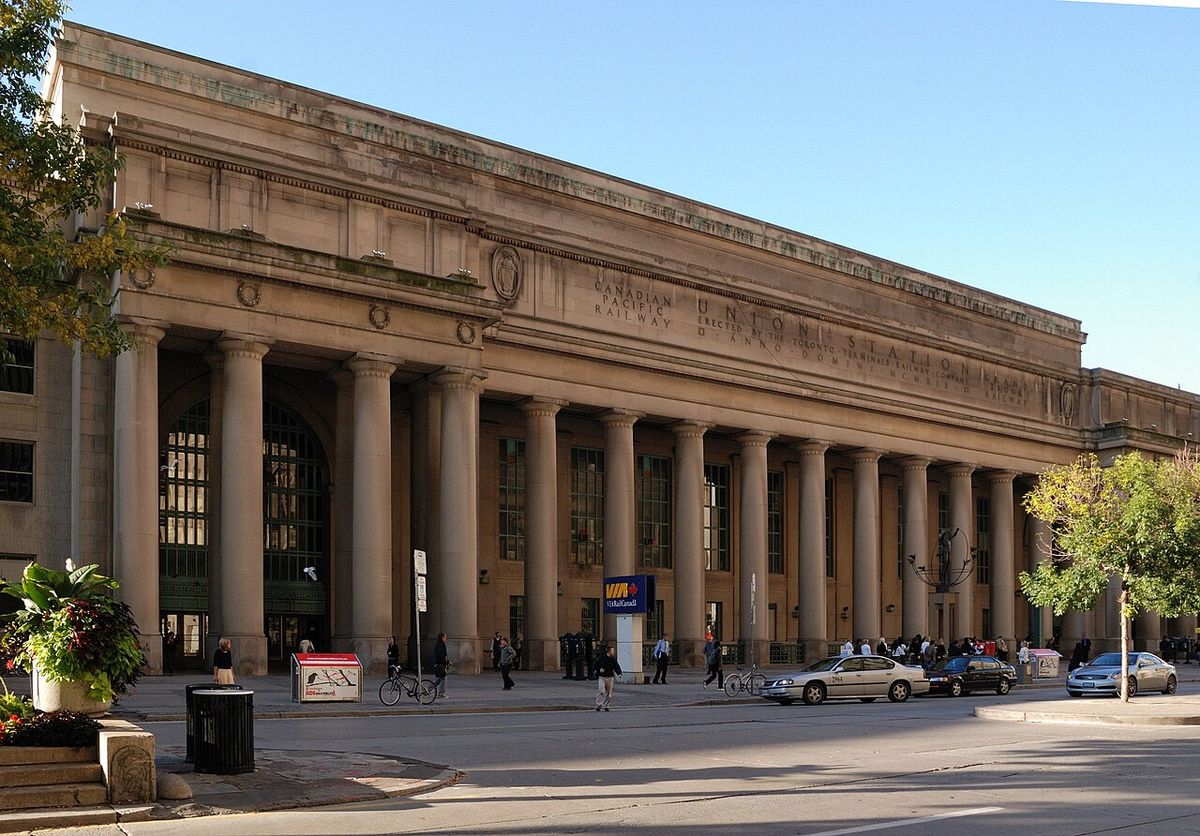
Union Station acts as the major intermodal hub, connecting local transit with GO Transit's regional commuter rail and bus network, as well as Via Rail's inter-city passenger services. A significant feature of downtown pedestrian movement is the PATH network, an extensive system of underground pedestrian tunnels, skyways, and at-grade walkways that provides climate-protected access. For air travel, Billy Bishop Toronto City Airport is located on the Toronto Islands adjacent to downtown, offering regional flights. The larger Toronto Pearson International Airport is located approximately 27 kilometres to the northwest, connected to downtown by express rail and highway links. This comprehensive infrastructure supports the daily movement of hundreds of thousands of people into and within the core.
Demographics and Urban Life
According to the 2016 census, the population of downtown Toronto was 237,698, with a remarkably high job count of 503,575 positions located within the area. This creates a dynamic where the daytime population swells significantly with commuters. The population density was 143 people per hectare, while the job density was more than double that at 303 jobs per hectare. This imbalance highlights the district's primary role as a central business and employment zone for the broader Greater Toronto Area. The area is also a centre for major public events and festivals, with the St. Lawrence Market neighbourhood hosting marathons, bicycle races, and large outdoor festivals during spring and summer months.
Primary and secondary education in the area is provided by four public school boards. English-language instruction is offered by the secular Toronto District School Board and the separate Toronto Catholic District School Board. French-language instruction is provided by the secular Conseil scolaire Viamonde and the separate Conseil scolaire catholique MonAvenir. Several independent schools also operate within downtown Toronto. The ongoing conversion of industrial lands east of Yonge Street to mixed residential and commercial uses indicates the area continues to evolve, adding new residential capacity to the established employment core.
Questions about Downtown Toronto
What are the boundaries of downtown Toronto?
Downtown Toronto is located entirely within Old Toronto. Its boundaries are Bloor Street to the northeast, a Canadian Pacific Railway line to the northwest, Bathurst Street to the west, Lake Ontario to the south, and the Don Valley to the east. This defines an area of approximately 16.6 square kilometres. It contains the municipal government at City Hall and the provincial government at the Ontario Legislature.
Which universities are located in downtown Toronto?
Downtown Toronto is home to four public universities. These are the University of Toronto's St. George campus, Toronto Metropolitan University, OCAD University, and the Université de l'Ontario français. Public colleges with downtown campuses include George Brown College, and others like Seneca Polytechnic operate satellite branches. The Royal Conservatory of Music is also headquartered downtown.
What is the population and job density of downtown Toronto?
In 2016, the population of downtown Toronto was 237,698 with 503,575 jobs located within that area. The population density was 143 people per hectare. The job density was 303 jobs per hectare. This indicates a high concentration of both residents and employment opportunities in the city centre.
What are some key historical landmarks and districts in downtown Toronto?
Historical districts include St. Lawrence, Cabbagetown, Corktown, the Distillery District, and Old Town. The St. Lawrence area features one of the largest concentrations of 19th century buildings in Ontario. Landmarks include St. Lawrence Hall, St. James' Cathedral, and the Gooderham Building. The original Town of York, dating back to 1793, is also located here.
What major retail and entertainment attractions are found in downtown Toronto?
The CF Toronto Eaton Centre is a top tourist attraction with over one million visitors weekly and houses 330 stores. The Entertainment District, redeveloped in the early 1980s, is home to hundreds of restaurants, nightclubs, and live theatres like the Royal Alexandra Theatre. Yorkville is an upscale shopping district with over 700 designer boutiques. The PATH underground network is the largest underground shopping complex in the world.
What transportation hubs and services serve downtown Toronto?
Union Station is the major intermodal transportation hub, providing access to local transit, regional GO Transit services, and inter city rail like Via Rail. The Toronto Transit Commission administers buses, streetcars, and subways. The PATH network connects much of downtown through underground pedestrian tunnels. Nearby airports include Billy Bishop Toronto City Airport and Toronto Pearson International Airport located 27 km to the northwest.
Sources: Wikipedia and current public reporting, checked by the Your Space Hamilton desk. Last updated 2026-10-18.