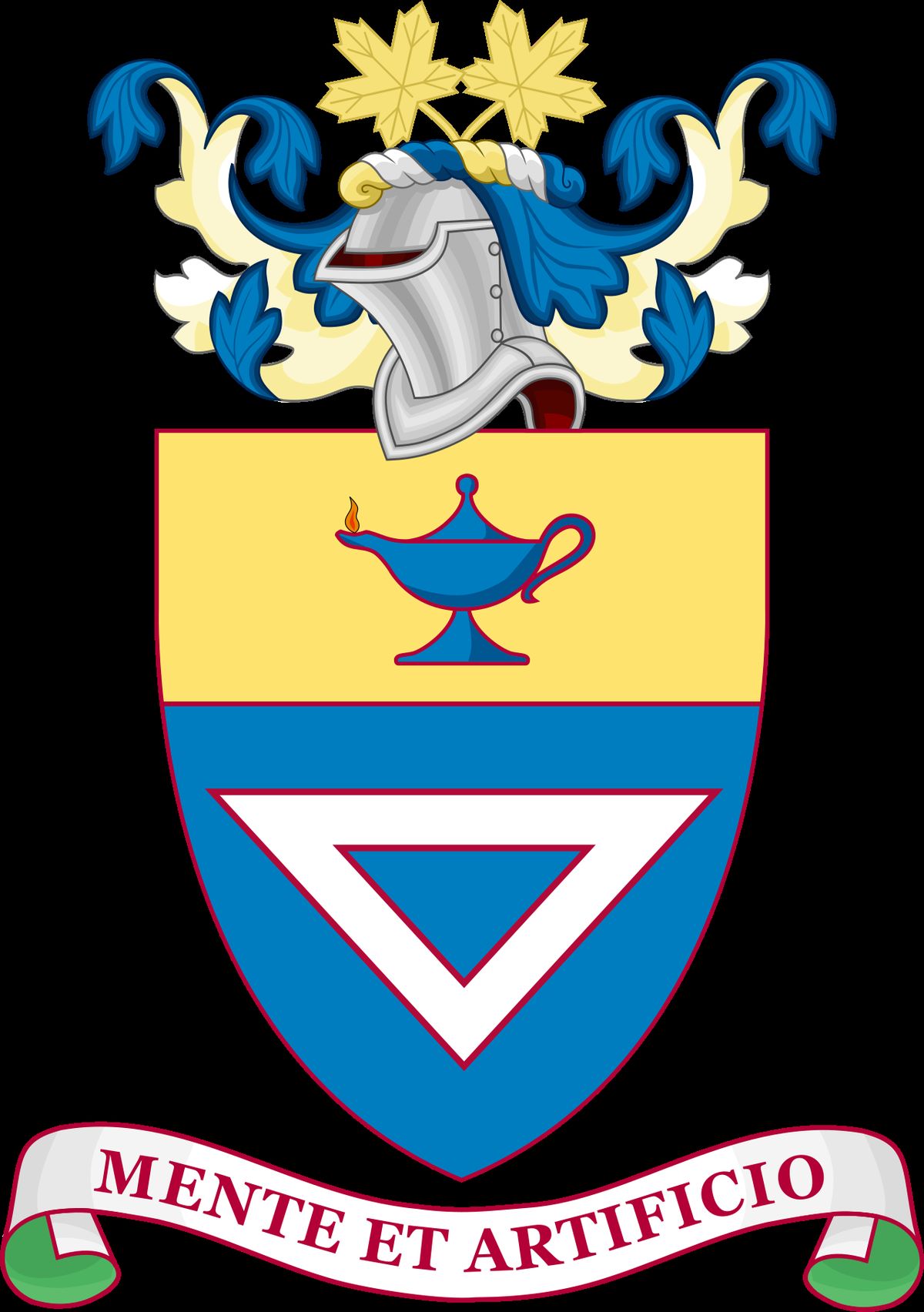
The Royal Conservatory of Music
The Royal Conservatory of Music (RCM) is a non-profit music education institution and performance venue headquartered in Toronto, Ontario. Founded in 1886 as The Toronto Conservatory of Music, it was incorporated by royal charter from King George VI in 1947, becoming The Royal Conservatory of Music. Its historic Toronto home, McMaster Hall, was designated a National Historic Site of Canada in 1995 for its influence on music education across the country. The institution operates a world-renowned examination system, professional training schools like The Glenn Gould School, and presents approximately 100 performances annually across its three concert venues, Koerner Hall, Mazzoleni Concert Hall, and Temerty Theatre.
Founding and Early Expansion
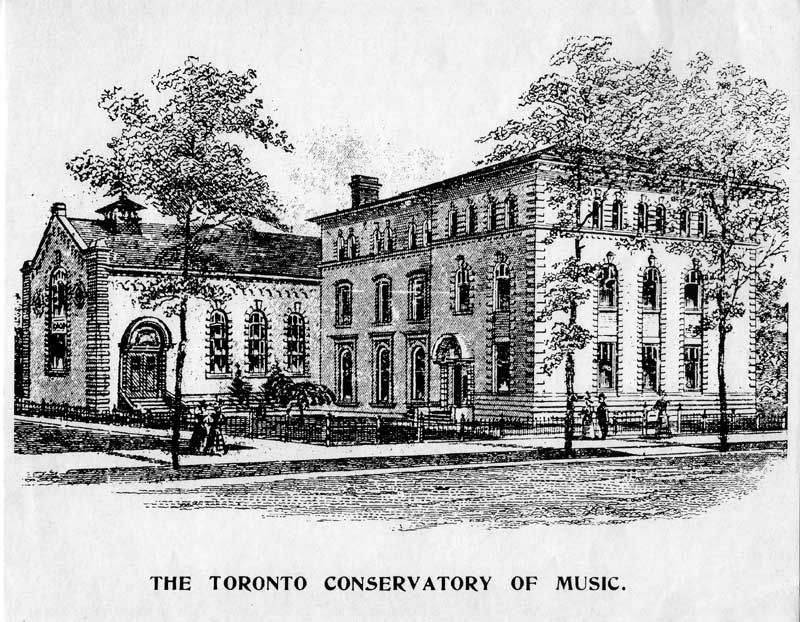
The Royal Conservatory of Music was founded in 1886 by American-born organist Edward Fisher as The Toronto Conservatory of Music. It opened its doors in September 1887, occupying two floors above a music store at the corner of Dundas Street (then Wilton Street) and Yonge Street. As the first institution in Canada dedicated to training singers and instrumentalists while fostering a love of music in children, its initial enrolment of just over 100 students grew to nearly 300 within its first two quarters. The conservatory's rapid growth necessitated a move in 1897 to a new property at College Street and University Avenue, the future site of the Intact Centre. From its earliest days, it maintained an affiliation with the University of Toronto to prepare students for degree examinations, sharing premises with the university's Faculty of Music from 1919 onward. A significant early milestone was the founding of the Toronto Conservatory Orchestra in 1906 by principal Frank Welsman, an ensemble that evolved into the Toronto Symphony Orchestra two years later. In its first year, the conservatory hired Italian musician and composer Francesco D'Auria to join its teaching staff, setting a precedent for engaging international talent.
Between 1918 and 1924, the conservatory expanded through a series of mergers with other Toronto music schools. The Toronto College of Music, founded in 1888 by conductor F.H. Torrington, had been the first music conservatory affiliated with the University of Toronto. After Torrington's death in 1917, the school merged with the Canadian Academy of Music in 1918. The academy itself had been founded in 1911 by Albert Gooderham, who financed the school out of his personal fortune and served as its only president during its 13-year history. This consolidated academy then merged into The Toronto Conservatory of Music in 1924, significantly broadening the institution's resources, faculty, and student body.
Post-War Growth and Architectural Transformation
One of its most famous pupils, pianist Glenn Gould, studied theory, organ, and piano, graduating at age 12 in 1946 with an ARCT diploma of the highest honours. In 1947, King George VI granted the institution a royal charter, formally changing its name to The Royal Conservatory of Music in recognition of its status as one of the Commonwealth's greatest music schools. Under the leadership of principal Ettore Mazzoleni from 1945 to 1968, and with board chairman Edward Johnson from 1947 to 1959, the conservatory saw substantial growth. Key initiatives from this era included the establishment of a Senior School under director Arnold Walter in 1946, which offered a two-year program with professional performance training combined with theory and history. The initial success led to a three-year Artist Diploma program and the conservatory's Opera School, begun in 1946, which provided training in all aspects of opera production and later became the Canadian Opera Company in 1959.
Space constraints forced a major relocation in the 1960s. After the University of Toronto sold the College Street property to Ontario Hydro in 1962, the conservatory moved to its current home at 273 Bloor Street West, the original McMaster Hall and Castle Memorial Hall. This move resulted in the loss of the concert and recital halls from the old site, as well as the library, residence, and all three pipe organs. From 1963 to 1991, the conservatory was governed by the University of Toronto before regaining its full independence under newly appointed president Peter Simon. Upon independence, the institution developed a master plan to renovate its historic building and expand with new facilities on the same site, temporarily moving to the former Ursula Franklin Academy during construction.
The renovation and expansion were carried out by Kuwabara Payne McKenna Blumberg Architects (KPMB) in stages. The first major phase was the 1997 renovation of Mazzoleni Concert Hall within the historic Ihnatowycz Hall, a building originally constructed in 1901. The original building, McMaster Hall, was renamed Ihnatowycz Hall in 2005 in recognition of the contribution of alumni Ian Ihnatowycz and Marta Witer. As a designated heritage building, the renovation maintained the original decorative red brick, Medina sandstone, and polished granite. The new construction, named the TELUS Centre for Performance and Learning, opened in September 2008 and includes the acoustically designed, 1,135-seat Koerner Hall, which opened on September 25, 2009. The centre also houses academic spaces, studios, a new-media centre, a library, and a rehearsal hall.
Educational Programs and Schools
The Royal Conservatory operates a diverse array of educational programs serving learners of all ages and skill levels. Its foundational Royal Conservatory Certificate Program sets and supports standards for music examinations across Canada and internationally, conducting over 100,000 exams annually in more than 300 communities worldwide. Examinations are held three or four times each year through a network of local centres. The program spans 11 grades from beginner to the advanced Associate of The Royal Conservatory of Music (ARCT) and Licentiate of The Royal Conservatory of Music (LRCM) certifications. Achievement in these exams is recognized for credit toward secondary school graduation in many Canadian provinces, with a Level 8 Certificate and Level 8 Theory counting as a Grade 12 credit. The program also plays an important role in entrance requirements for professional music programs at universities and colleges. In 2011, the conservatory partnered with Carnegie Hall to launch The Achievement Program in the United States, which it took over solely in 2013 as The Royal Conservatory Music Development Program before merging it with the Certificate Program in 2016.
The Glenn Gould School, established in 1987 and renamed in 1997 to honour the famed pianist, is the conservatory's centre for professional training at the post-secondary and post-bachelor levels. With an enrolment limited to 130 students, it offers an accredited four-year Bachelor of Music (Honours) degree in Music Performance in piano, voice, and all orchestral instruments. The school also offers a two-year post-bachelor Artist Diploma in performance and pedagogy, as well as The Rebanks Family Fellowship and Performance Diploma Program, a one-year career development program. The faculty consists of internationally acclaimed performers, teachers, and scholars, and the school presents more than 125 master classes each year with artists such as Stewart Goodyear, Anton Kuerti, and James Ehnes. Alumni have established careers as soloists, orchestral musicians, and recording artists, including pianist Jan Lisiecki, singers Isabel Bayrakdarian and Robert Gleadow, and the St. Lawrence String Quartet.
- The Royal Conservatory Certificate Program: conducts 100,000+ exams annually worldwide across 11 grades.
- The Glenn Gould School: professional training school with 130-student limit, established 1987, offers Bachelor of Music and Artist Diploma.
- The Frederick Harris Music Co.: Canada's oldest print-music publisher, founded by Frederick Harris in 1910, donated to RCM in 1944.
- The Phil and Eli Taylor Performance Academy: weekend program for young artists. Alumni include Katie Stillman and Karen Ouzounian.
- The Royal Conservatory School: offers individual and group instruction in classical, popular, folk, jazz, and world music.
- The Marilyn Thomson Early Childhood Education Centre: launched in October 2013 to spread online music learning to young children.
- Exchange Program Partners: includes Conservatoire National Supérieur de Musique et de Danse de Paris, Shanghai Conservatory of Music, Sibelius Academy, and Royal Academy of Music, London.

Performance Venues and the ARC Ensemble
The Royal Conservatory presents about 100 performances each year across three primary venues, featuring classical, jazz, world, and pop music artists from around the world. The largest is Koerner Hall, a 1,135-seat concert venue that opened in September 2009 as part of the TELUS Centre for Performance and Learning. Named for donors Michael and Sonja Koerner, it was designed by KPMB Architects under Marianne McKenna, with theatre consultant Anne Minors Performance Consultants and acoustics company Sound Space Design. Its signature element is an acoustically transparent veil of twisting oak strings that forms the backdrop for the chorus and extends over the stage and hall. The hall also houses a unique collection of antique musical instruments donated by the Koerner family and valued at one million dollars, and features three tiers of glass-fronted lobbies overlooking Philosopher's Walk.
Mazzoleni Concert Hall is a 237-seat, 6,000-square-foot venue originally known as Castle Memorial Hall when it opened in 1901. At that time it contained a chapel with stained glass windows and a library, but by the 1960s the University of Toronto had bricked up the windows and removed a rear balcony while using it as a lecture hall. Restoration began in 1996, and the hall was named in honour of former principal Ettore Mazzoleni. Temerty Theatre is a multipurpose performance and event space located on level two of the TELUS Centre, described as a granite cube floating above Bloor Street. It can accommodate up to 150 seats and is designed for events, performances, rehearsals, and Learning Through the Arts activities, replicating the acoustic quality and stage size of Koerner Hall to prepare students for live performance. The venue is named in honour of James and Louise Temerty.
The institution is also home to the ARC Ensemble (Artists of The Royal Conservatory), established in 2002 and composed of senior faculty from The Glenn Gould School under artistic director Simon Wynberg. The ensemble has garnered international acclaim and three Grammy Award nominations. Its album dedicated to the works of Polish-American composer Jerzy Fitelberg was nominated in the categories of Best Chamber Music Performance and Producer of the Year, Classical (David Frost). Previous nominations were for its 2007 recording On the Threshold of Hope and its 2008 album Right Through The Bone, devoted to the music of German-Dutch composer Julius Röntgen.
Notable Faculty and Honorary Fellows
Throughout its history, The Royal Conservatory has been shaped by a distinguished faculty of performers, composers, and educators. Early influential teachers included Healey Willan, who was appointed head of the theory department in 1913 and served as vice-principal from 1920 to 1936. Conductor Sir Ernest MacMillan was appointed principal in 1926, and pianist Alberto Guerrero taught from 1922 to 1959, counting Glenn Gould among his students. Other notable faculty have included violinist and conductor Luigi von Kunits, pianist and conductor Leon Fleisher, and Boyd Neel, who served as dean from 1953 to 1971. The conservatory's Opera School was launched under the direction of Nicholas Goldschmidt from 1946 to 1957. Additional prominent teachers have included violinists Joan Barrett and Paul Kantor, accordionist Joseph Macerollo, and former opera singer Laura de Turczynowicz, who headed the Royal Conservatory Opera Company from 1926 to 1928.
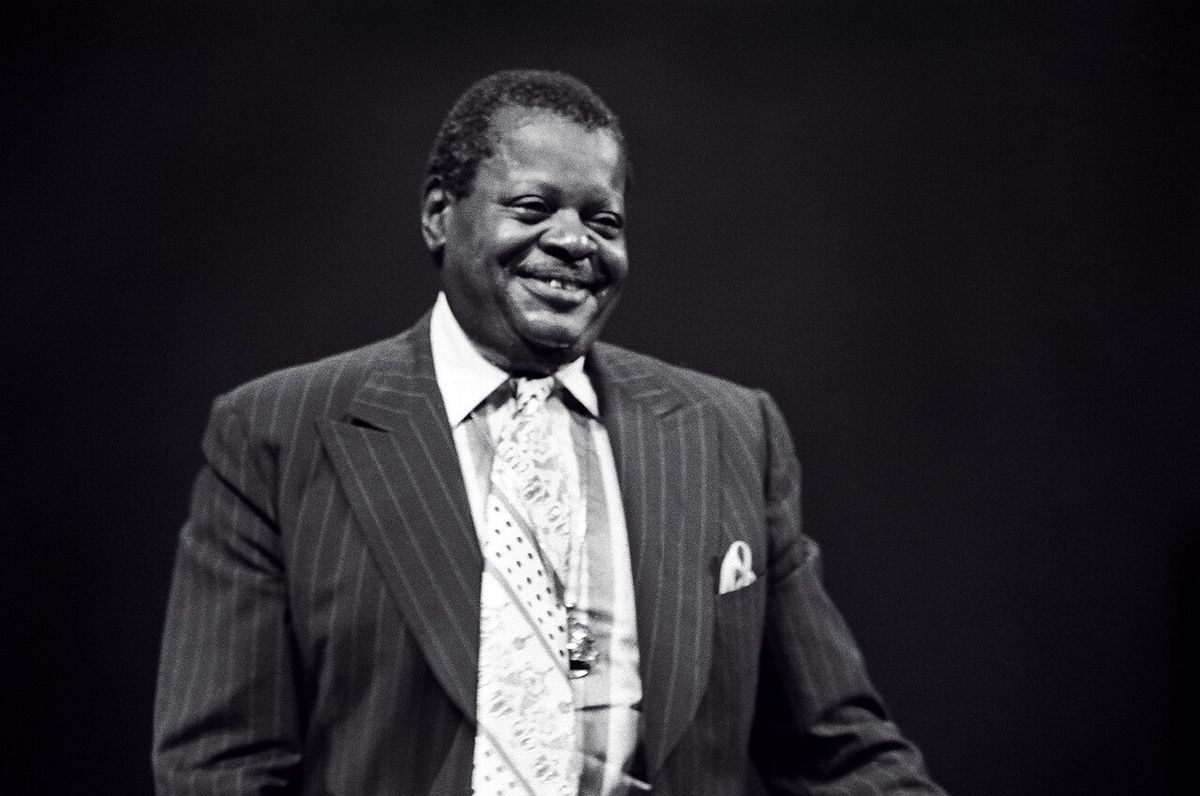
The highest honour bestowed by the institution is the Honorary Fellowship. It is awarded to individuals who have made significant contributions to arts and culture in Canada and around the world. The conservatory began awarding these fellowships in 1990. Early recipients included musician and lecturer John Kruspe and educator Norman Burgess. The list of recipients reflects a broad spectrum of Canadian artistic life. This spectrum includes performers, writers, administrators, and patrons.
| Year | Recipient | Notable Contribution |
|---|---|---|
| 1990 | John Kruspe | Musician and lecturer |
| 1991 | Gordon Kushner | Pianist, conductor, and teacher |
| 1992 | William Littler | Educator and music critic at the Toronto Star |
| 1993 | Adrienne Clarkson | Journalist and stateswoman |
| 1993 | Robert Goulet | Singer and actor |
| 1994 | Robertson Davies | Author |
| 1994 | Lois Marshall | Soprano and mezzo-soprano |
| 1995 | Maureen Forrester | Operatic contralto who gave master classes |
| 1995 | David Mirvish | Art collector and dealer |
| 1996 | Mario Bernardi | Conductor and pianist |
| 1998 | Tomson Highway | Writer |
| 1999 | Teresa Stratas | Soprano |
Governance and National Role
The Royal Conservatory of Music is governed as a non-profit organization, with Tim Price serving as the current chair of the board and Alexander Brose as the president and chief executive officer. Its national role is cemented by the Royal Conservatory Certificate Program, which provides a standardized curriculum and assessment system used by teachers and students across the country. The program's syllabi and associated publications are largely supplied by The Frederick Harris Music Co., Limited, the publishing house donated to the conservatory in 1944. Frederick Harris had established the Canadian office in Toronto in 1910, beginning a long association with the conservatory that led to an increased emphasis on publications for teaching and learning. This integrated system of instruction, examination, and publication has made the conservatory's methods a fundamental part of music education in Canada, influencing generations of musicians. The conservatory's influence extends into the community through The Royal Conservatory School, which offers instruction to people of all ages and abilities, and through its early childhood education initiatives. Its performing arts division not only presents international artists but also provides a platform for students and faculty through the ARC Ensemble and performances in its theatres. The designation of its building as a National Historic Site of Canada in 1995 formally recognized the institution's lasting impact on the country's musical development. From its origins in a rented room above a music store to its current status with a royal charter and a multi-venue performance centre, The Royal Conservatory of Music continues to fulfil its founding mission of training musicians and fostering a national appreciation for music.
Questions about The Royal Conservatory of Music
When was The Royal Conservatory of Music founded and by whom?
The Royal Conservatory of Music was founded in 1886 by Edward Fisher, an American-born organist. It originally opened in September 1887 as The Toronto Conservatory of Music, operating from two floors above a music store at the corner of Dundas and Yonge Streets in Toronto. Fisher established the institution as Canada's first school dedicated to training singers and instrumentalists while also fostering music appreciation in children. The conservatory's royal charter, which changed its name to The Royal Conservatory of Music, was granted by King George VI in 1947.
What is The Glenn Gould School?
The Glenn Gould School is the professional training division of The Royal Conservatory of Music, established in 1987. Originally called The Royal Conservatory of Music Professional School, it was renamed in 1997 to honour the celebrated Toronto-born pianist and former conservatory pupil Glenn Gould. The school offers an accredited four-year Bachelor of Music in Performance and a two-year post-bachelor Artist Diploma, with enrolment limited to 130 students. It is renowned for its faculty of internationally acclaimed performers and for presenting over 125 master classes annually with artists such as James Ehnes and Anton Kuerti. The school is supported by funding from the Department of Canadian Heritage through the National Arts Contribution Program.
How many concert venues does The Royal Conservatory have?
The Royal Conservatory operates three primary performance venues within its TELUS Centre for Performance and Learning in Toronto. Koerner Hall is the largest, with 1,135 seats, and opened in September 2009. Mazzoleni Concert Hall is a 237-seat venue originally built in 1901 as Castle Memorial Hall and restored in 1996. Temerty Theatre is a flexible, multipurpose space that can accommodate up to 150 attendees for performances, rehearsals, and events. Together, these venues host approximately 100 performances each year across classical, jazz, world, and pop genres.
What is the Royal Conservatory Certificate Program?
The Royal Conservatory Certificate Program is the division that sets and administers standardized music examinations across Canada and internationally. It conducts over 100,000 examinations each year in more than 300 communities worldwide. The program encompasses 11 grade levels, from beginner to the advanced diplomas of Associate and Licentiate of The Royal Conservatory of Music. Success in these exams is recognized for credit toward secondary school graduation in many Canadian provinces, with a Level 7 Certificate and theory counting as a Grade 11 credit and a Level 8 Certificate and theory as a Grade 12 credit. The program also plays a role in university and college music program admissions.
Who are some famous alumni of The Royal Conservatory?
The Royal Conservatory counts many of Canada's most celebrated musicians among its alumni. Its most famous pupil is arguably the pianist Glenn Gould, who graduated at age 12 in 1946. Other notable alumni from The Glenn Gould School include concert pianist Jan Lisiecki, soprano Isabel Bayrakdarian, bass-baritone Robert Gleadow, pianists David Jalbert and Richard Raymond, harpist Mariko Anraku, and the St. Lawrence String Quartet. Alumni from the Taylor Performance Academy for Young Artists who have launched successful careers include violist Karen Ouzounian and violinist Katie Stillman.
What is the ARC Ensemble?
The ARC Ensemble (Artists of The Royal Conservatory) is a professional chamber ensemble founded in 2002 and composed of senior faculty members from The Glenn Gould School. Under the artistic direction of Simon Wynberg, the ensemble has gained international recognition and has been nominated for three Grammy Awards. Its nominated recordings include works dedicated to composers Jerzy Fitelberg and Julius Röntgen, with nominations in categories such as Best Chamber Music Performance and Producer of the Year, Classical. The ensemble's 2007 album On the Threshold of Hope also received a Grammy nomination.
Sources and further reading
- The Royal Conservatory of Music (Wikipedia)
- The Royal Conservatory of Music: Home (rcmusic.com)
- Royal Conservatory of Music Spring 2023 Season Features (torontoguardian.com)
Checked by the Your Space Hamilton desk. Last updated 2026-10-22.