Bay Street
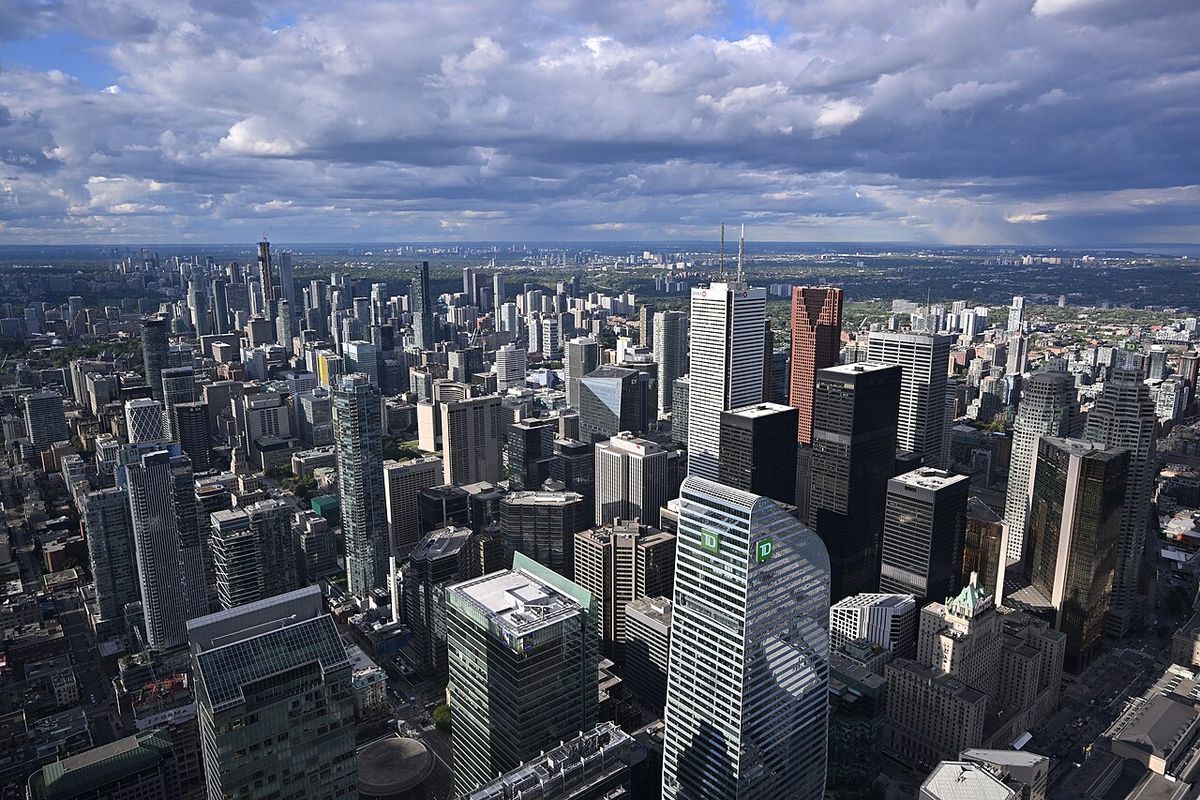
The Bay Street Corridor is a densely populated vertical neighbourhood and the heart of Toronto's Financial District, running north from Queen Street to Bloor Street along Bay Street. It is the epicentre of Canada's financial services industry, with the term 'Bay Street' often used as a metonym for the nation's entire financial sector, analogous to Wall Street in the United States. The area has transformed from a purely commercial banking hub into a forest of residential condominium towers, housing a predominantly young, professional, and highly educated population. Its significance to Canada lies in its dual role as the country's primary financial nerve centre and as a model of high-density urban living in the downtown core.
Historical Development and Urban Form
For much of its early history, the street south of Queen Street was the primary section, with the area north to College Street known as Terauley Street. A major consolidation occurred in the 1920s when the city joined several discontinuous streets, including Terauley, St. Vincent Street, and Ketchum Avenue, under the single Bay Street name, extending it north to Davenport Road. This created the continuous thoroughfare known today, with slight curves remaining at Queen and College Streets marking the old street alignments. The neighbourhood now called the Bay Street Corridor occupies the historic area once known as St. John's Ward, a former municipal ward of the City of Toronto. The 20th century saw the solidification of Bay and King Street as the symbolic centre of Canadian finance, with major bank towers constructed mid-century. The late 20th and early 21st centuries have been defined by a dramatic vertical residential expansion, with glass-and-steel condominium towers rising alongside and above the financial institutions, creating the dense vertical neighbourhood of today.
The Financial Heart of Canada
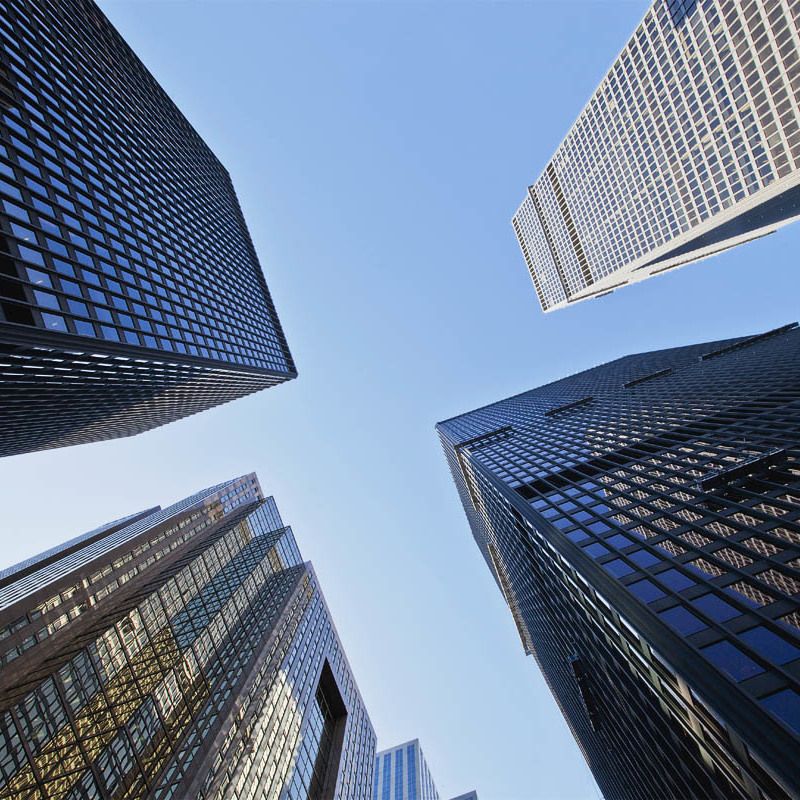
Bay Street serves as the preeminent symbol and operational centre of Canada's financial services industry. The intersection of Bay and King Streets is particularly significant, hosting the headquarters or major offices of four of Canada's five largest banks. The Bank of Montreal is located at First Canadian Place, Scotiabank at Scotia Plaza, the Canadian Imperial Bank of Commerce at Commerce Court, and the Toronto-Dominion Bank at the Toronto-Dominion Centre. The Royal Bank of Canada's Royal Bank Plaza sits just one block south of this core intersection. Historically, this corner was nicknamed the 'MINT Corner' for the Montreal, Imperial, Nova Scotia, and Toronto banks represented there. Within the legal and business professions, the term 'Bay Street' is also colloquially used to refer to Toronto's large, full-service corporate law firms. The financial cluster has gradually expanded northward over decades, with significant additions like the Bay Adelaide Centre complex continuing to define the skyline. This concentration of economic power has ingrained the phrase 'Bay Street' in the Canadian lexicon as a metonym for the nation's financial elite and their institutions, similar to the use of 'Wall Street' in the United States.
Demographics and Neighbourhood Character
The Bay Street Corridor is one of the most densely populated and demographically distinct neighbourhoods in Toronto. According to recent data, approximately 69 percent of households are renter-occupied, reflecting the area's transient, professional nature. The population is overwhelmingly of working age, with more than 67 percent of residents between 25 and 64 years old, a figure significantly higher than the Toronto average of 58 percent. The neighbourhood is a major draw for highly educated individuals, with 79 percent of adult residents holding a bachelor's degree or higher. It is popular with young and established professionals, recent immigrants, and people living alone, with single-person households making up 50 percent of all homes. Families with children constitute only 14 percent of households. The area exhibits remarkable ethnic diversity, with residents reporting 169 different ethnic origins, and 62 percent are first-generation immigrants. The dominant industries for employment are professional, scientific, and technical services, aligning with the nearby financial, medical, and university sectors. This creates a fast-paced, career-oriented community where the convenience of an ultra-central location is prioritized over traditional neighbourhood amenities.
Real Estate Market and Housing
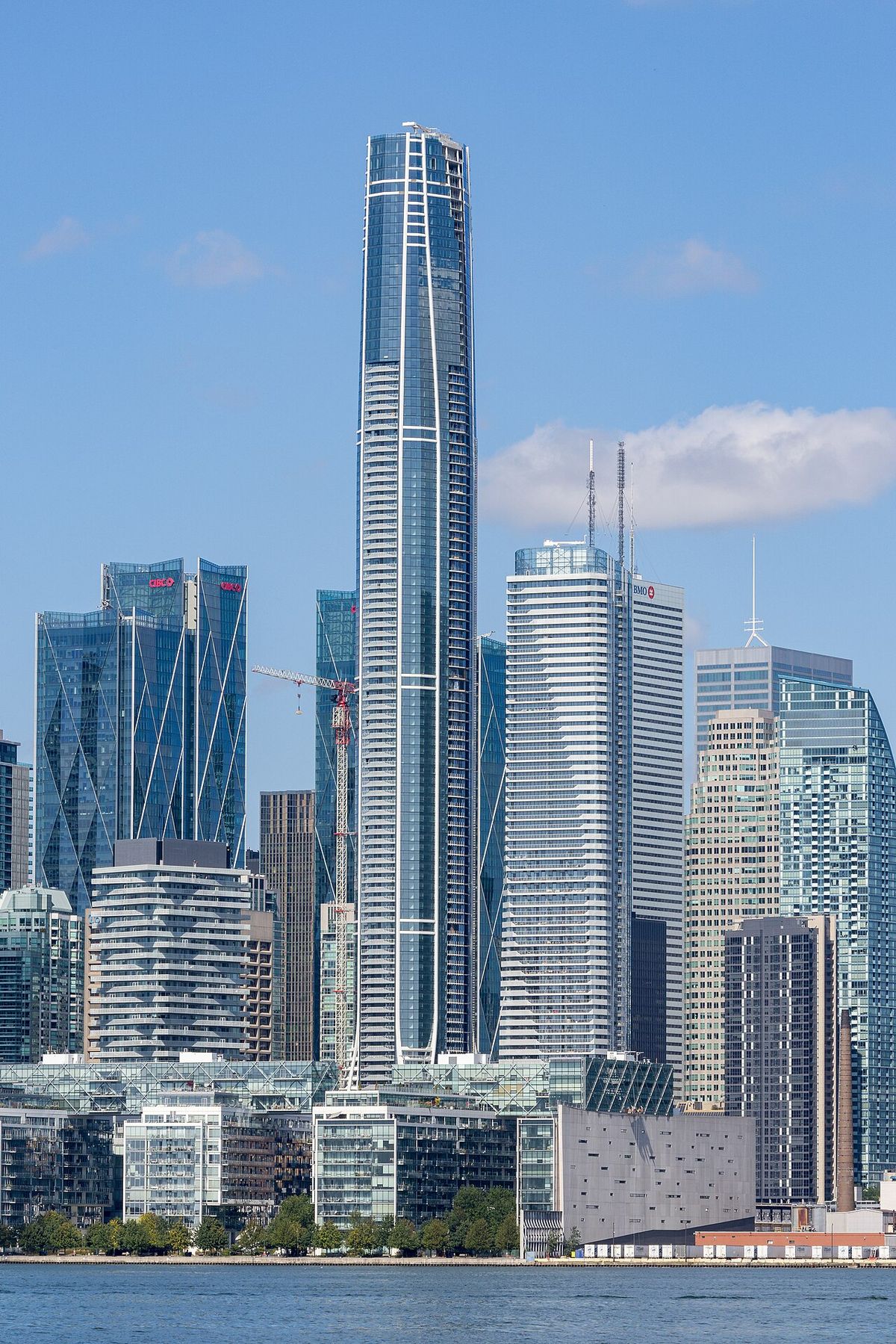
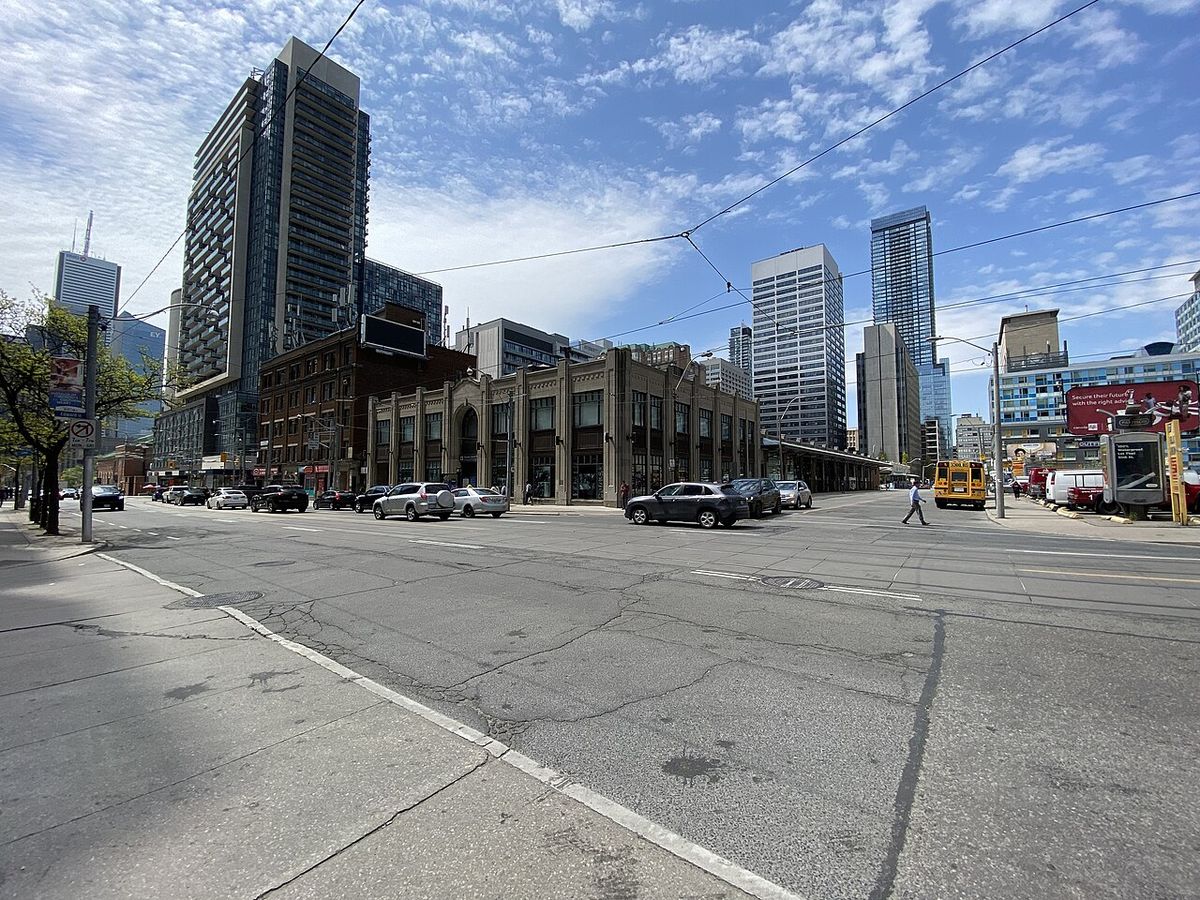
The Bay Street Corridor is fundamentally a condominium market, characterized almost exclusively by high-rise apartment buildings with floor-to-ceiling windows and modern amenities. The real estate market tells two distinct stories for houses and condos. Detached houses are exceedingly rare, but those that exist have shown remarkable growth, with the neighbourhood ranking first out of 43 comparable Toronto areas for house price growth rate as of 2026. The average price for a house was reported at approximately $704,881 to $842,616, with a recent value change increase of 8.09 percent. The condo market, which represents the vast majority of housing, operates differently. As of 2026, the average condo price was $806,010, which was priced above neighbouring areas like the Church Yonge Corridor and Kensington Chinatown. Condo sales, however, were slower, with an average of 56 days on market and a sold-to-list price ratio of 90.08 percent, indicating a buyer's market where negotiation is common. The constant development of new 40-plus storey towers ensures the housing inventory continues to evolve, catering primarily to downtown professionals and students.
- Average Condo Price (2026): $806,010
- Average House Price (2026): $704,881
- House Growth Rank (2026): 1st out of 43 Toronto neighbourhoods
- Condo Days on Market (2026): 56 days on average
- Primary Housing Type: High-rise condominium apartments
- Luxury Example: St. Regis Residences (units over $2M)
Transportation and Walkability
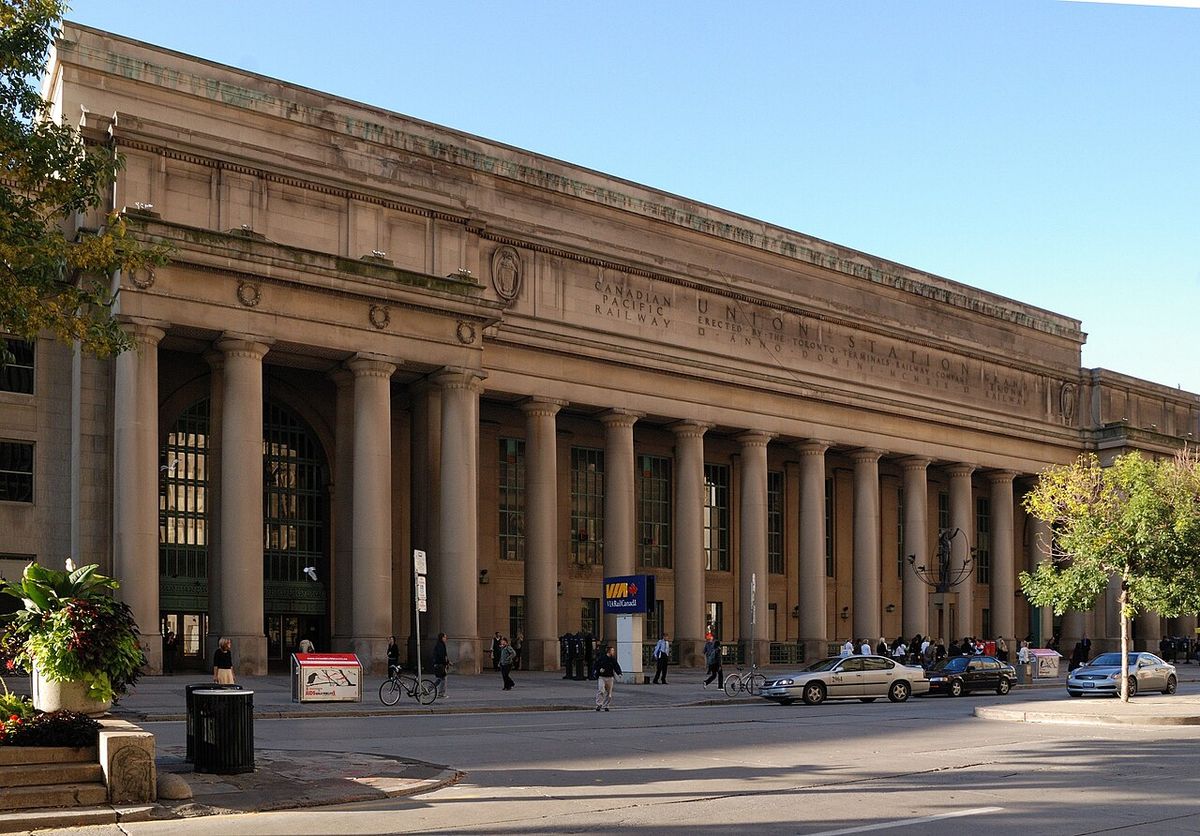
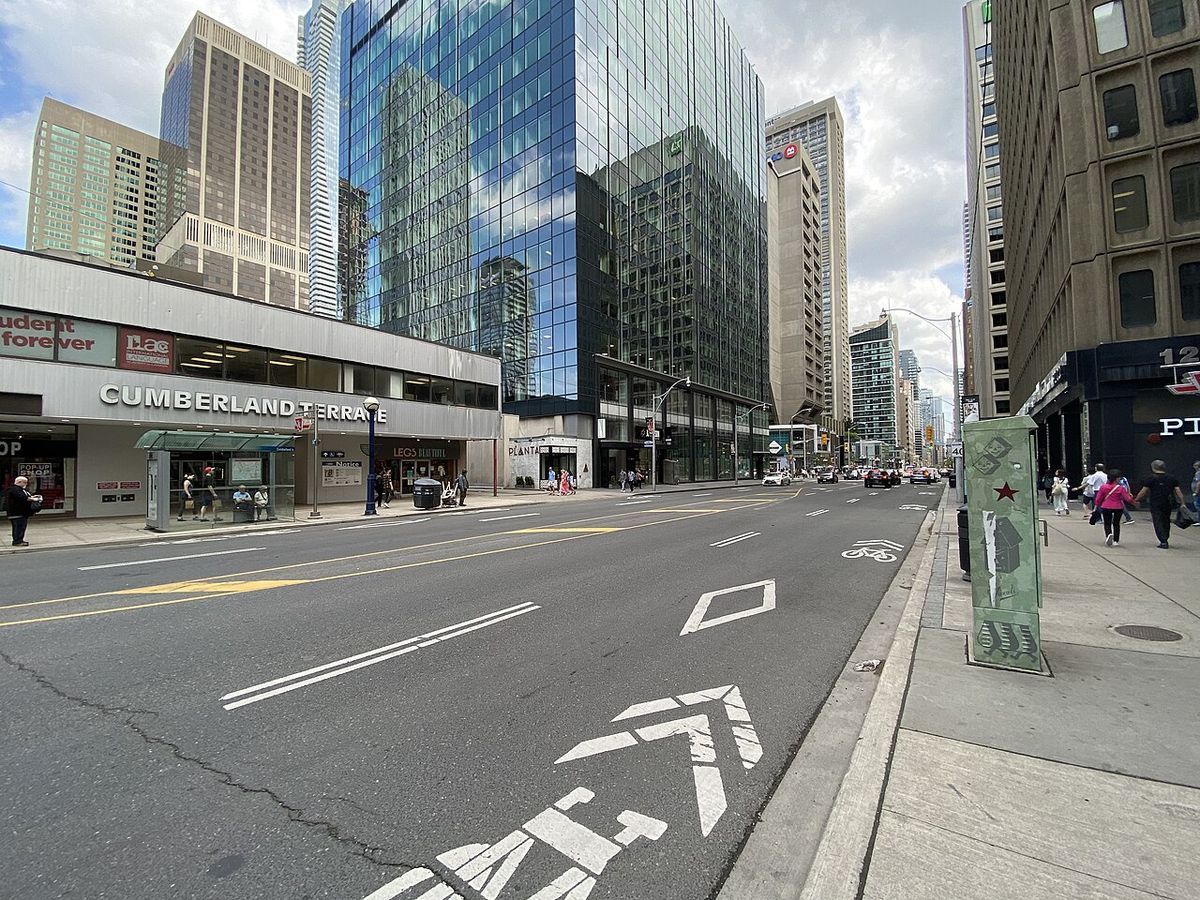
Transportation access is a defining feature and a major attraction of the Bay Street Corridor. The neighbourhood is exceptionally walkable, with a Walk Score among the highest in Canada, and is connected to Toronto's underground PATH network, which provides climate-controlled access to shops and services throughout the financial district. Bay Street itself is served by the 19 Bay bus route, one of the few bus lines exclusively serving downtown. The area is bookended by major subway stations, with Bay station at Bloor Street on the Bloor-Danforth line and multiple stations on the Yonge-University line accessible via the PATH or a short walk. Union Station, Canada's busiest transportation hub, is at the southern edge of the corridor, providing connections to regional GO Transit, VIA Rail, and intercity bus services. Streetcar lines on Queen, Dundas, and College Streets are all within easy reach. This comprehensive network makes car ownership largely unnecessary and expensive, with deeded parking spots commanding premium prices. The convenience of walking to work, class, or transit is the primary lifestyle draw for most residents, effectively eliminating traditional commutes for those employed in the adjacent financial, hospital, or university districts.
Landmarks, Amenities, and Green Space
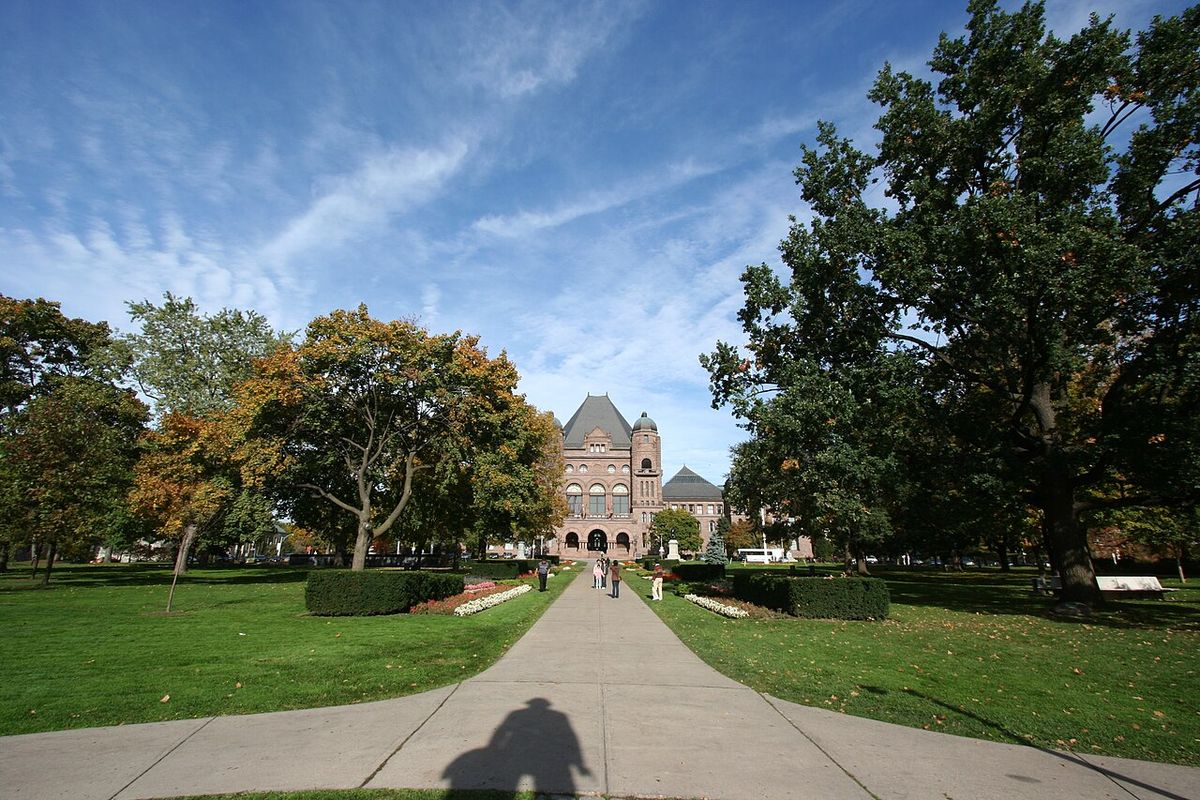
While the Bay Street Corridor is dominated by commercial and residential towers, it is adjacent to several major cultural, educational, and recreational landmarks. The area backs directly onto the University of Toronto's St. George campus to the west and the hospitals and research institutes of the Discovery District along University Avenue. A key cultural institution on its eastern edge is the Toronto Reference Library at Yonge and Asquith Avenue. Retail and dining are largely focused on major destinations rather than local street-level strips, with the high-end shops of Yorkville's Mink Mile to the north and the Eaton Centre to the east. The neighbourhood itself has limited dedicated green space, with Barbara Ann Scott Park at College Park serving as the primary local park. Residents often utilize the larger Queen's Park and the University of Toronto grounds just to the west, or the Village of Yorkville Park to the north. The area's amenities are geared toward convenience and urban living, with building amenities like gyms, lounges, and concierge services supplementing the public offerings. The street-level experience is more functional than charming, characterized by office lobbies, institutional buildings, and transit infrastructure rather than a traditional neighbourhood main street.
- Toronto Reference Library: Major public library at Yonge and Asquith.
- University of Toronto St. George Campus: Adjacent to the west of the corridor.
- Discovery District: Medical and research hub along University Avenue.
- Barbara Ann Scott Park: Primary neighbourhood park at College Park.
- Yorkville (Mink Mile): High-end shopping district to the north.
- Toronto Eaton Centre: Major shopping mall to the east.
Current Market Statistics and Trends
The Bay Street Corridor's real estate market in 2026 demonstrates clear divergence between its limited house segment and its dominant condo market. Market activity remains high, with hundreds of new listings appearing within a typical two-month period. The data reveals a neighbourhood in a state of nuanced transition, where overall density continues to increase and buyer behaviour varies significantly by property type. This market dynamic highlights the neighbourhood's appeal to different buyer profiles, from investors and first-time buyers in the condo market to those seeking scarce low-rise property types. The table illustrates the competitive advantage of the rare house, which leads the city in growth, compared to the more saturated and negotiable condo market.
| Metric | Figure (2026) |
|---|---|
| Average Condo Price | $806,010 |
| Average House Price | $704,881 |
| New Listings (56 days) | 181-184 |
| Median Days on Market | 40 days |
| Condo Sold-to-List Ratio | 90.08% |
| Condo Price per Sq. Ft. | $831 |
| House Growth Rank (Toronto) | 1 out of 43 |
| Condo Growth Rank (Toronto) | 24 out of 44 |
Condo prices show a slight upward trend, with an average price of $806,010 as of 2026. However, these properties face longer selling times, averaging 56 days on the market. In this market, condos frequently sell below their initial asking price, with a sold-to-list ratio of 90.08 percent. This reflects the high volume of condo inventory available to buyers in the downtown core. The inventory is a result of the continuous construction of new residential towers over the past three decades. Significant condominium development on Bay Street boomed during the 1990s, and construction continues on large, 40-plus storey condominiums today.
Questions about Bay Street
What is the Bay Street Corridor known for?
The Bay Street Corridor is known as the heart of Canada's financial industry and Toronto's Financial District. It is also known as a dense vertical neighbourhood of high-rise condominiums. The term 'Bay Street' is often used as a metonym to refer to Canada's financial services industry. The area houses many who work in the financial district, the Discovery District, and nearby hospitals and schools. It is the glass-and-steel stretch of Bay between roughly Queen and Bloor where banking towers give way to condo towers.
Is the Bay Street Corridor a good place to live for families?
The Bay Street Corridor is primarily designed for working professionals and students, not families. The neighbourhood packs close to 17,000 people into a small footprint, and children are the exception rather than the rule. It lacks the green space and family-oriented street life found in other areas. Its strengths are walkability and transit access for commuting adults. For families or anyone wanting quiet and green space at the door, it is generally considered a tough fit.
How walkable and transit-friendly is the neighbourhood?
The Bay Street Corridor is exceptionally walkable and transit-friendly, arguably among the best in Canada. It is served by the Bay subway station, multiple other subway stations via the PATH network, the 19 Bay bus, and nearby streetcar lines. Union Station is at its southern edge. The extensive PATH system allows residents to access shops and offices indoors year-round. This comprehensive network makes car ownership largely unnecessary.
What are the main types of housing available?
Housing in the Bay Street Corridor is overwhelmingly composed of high-rise condominium apartments. The area is mostly high-rise condos with floor-to-ceiling windows and modern amenities. Detached houses effectively do not exist here. The market consists almost entirely of condo units, from studios to multi-bedroom layouts. This is essentially a condo market, with significant development of large condominiums and multi-use buildings continuing today.
What is the historical significance of Bay Street?
Bay Street was originally known as Bear Street and was renamed in 1797 because it connected to a bay at the Toronto Harbour. It was extended and consolidated in the 1920s, joining several discontinuous streets. The intersection of Bay and King Street became the centre of Canadian banking and finance. Historically, this intersection was known as the 'MINT Corner'. Bay Street succeeded Montreal's St. James Street as the centre of Canada's financial services industry in the 1970s.
What is the average price of a condo in the Bay Street Corridor?
As of 2026, the average price for a condominium in the Bay Street Corridor is $806,010. This figure is based on current real estate reports and represents a specific point in the market cycle. This average condo price is positioned above those in neighbouring areas such as the Church Yonge Corridor, where condos average $598,332, and Kensington Chinatown, at $666,202. Luxury residences in buildings like the St Regis Residences command prices well over $2 million, reflecting the premium for high end amenities and central location.
Sources and further reading
- Bay Street (Wikipedia)
- Bay Street Corridor, Toronto, July 2026 Real Estate Report (honestdoor.com)
- Bay Street Corridor Neighbourhood & Real Estate Guide (getwhatyouwant.ca)
- Bay Street Corridor, Toronto Neighbourhoods (hoodq.com)
- Bay Street Corridor Real Estate Trends (zolo.ca)
Checked by the Your Space Hamilton desk. Last updated 2026-10-26.