Great Lakes
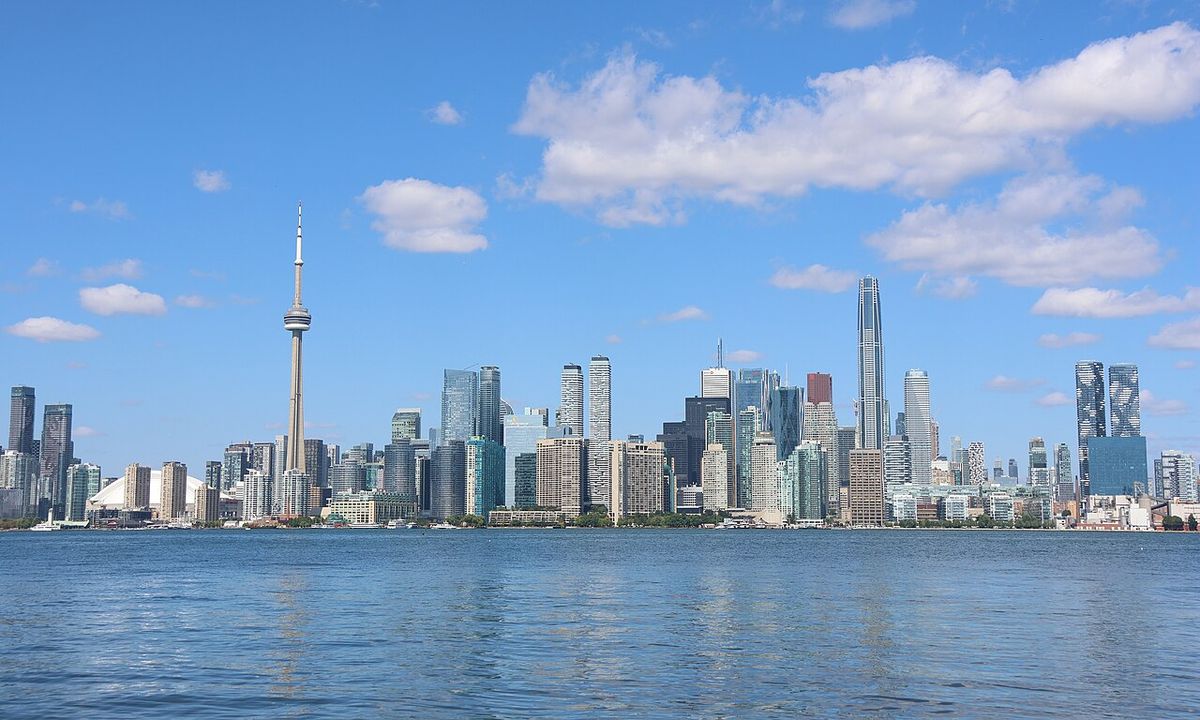
The Great Lakes are a series of five large, interconnected freshwater lakes spanning the Canada, United States border: Superior, Michigan, Huron, Erie, and Ontario. They form the largest group of freshwater lakes on Earth by total surface area and contain more than 20 percent of the world's surface fresh water. This immense system has been a vital corridor for transportation, trade, and settlement for centuries and supports a globally significant ecosystem. The lakes are central to the identity and economy of the Great Lakes region, which includes major Canadian cities like Toronto, Hamilton, and Mississauga.
Geography and Hydrology
The Great Lakes are located within the Great Lakes Basin, a single, naturally interconnected watershed that drains eastward to the Atlantic Ocean via the Saint Lawrence River. Water flows from Lake Superior into Lakes Michigan and Huron, south to Lake Erie, and finally north to Lake Ontario before reaching the sea. This chain includes several key connecting waterways like the St. Marys River, the Straits of Mackinac, and the Niagara River. Hydrologically, Lakes Michigan and Huron are considered a single body of water, Lake Michigan, Huron, because they are joined at the Straits of Mackinac and share the same water level.
The system's vast scale is difficult to comprehend. The combined surface area of the five lakes is roughly equal to the size of the United Kingdom. The lakes drain an even larger watershed, and the total coastline measures approximately 10,500 miles. The lakes are divided among the Canadian province of Ontario and eight American states, with Michigan and Ontario bordering portions of four lakes each. Lake Michigan is the only one of the five situated entirely within the United States.
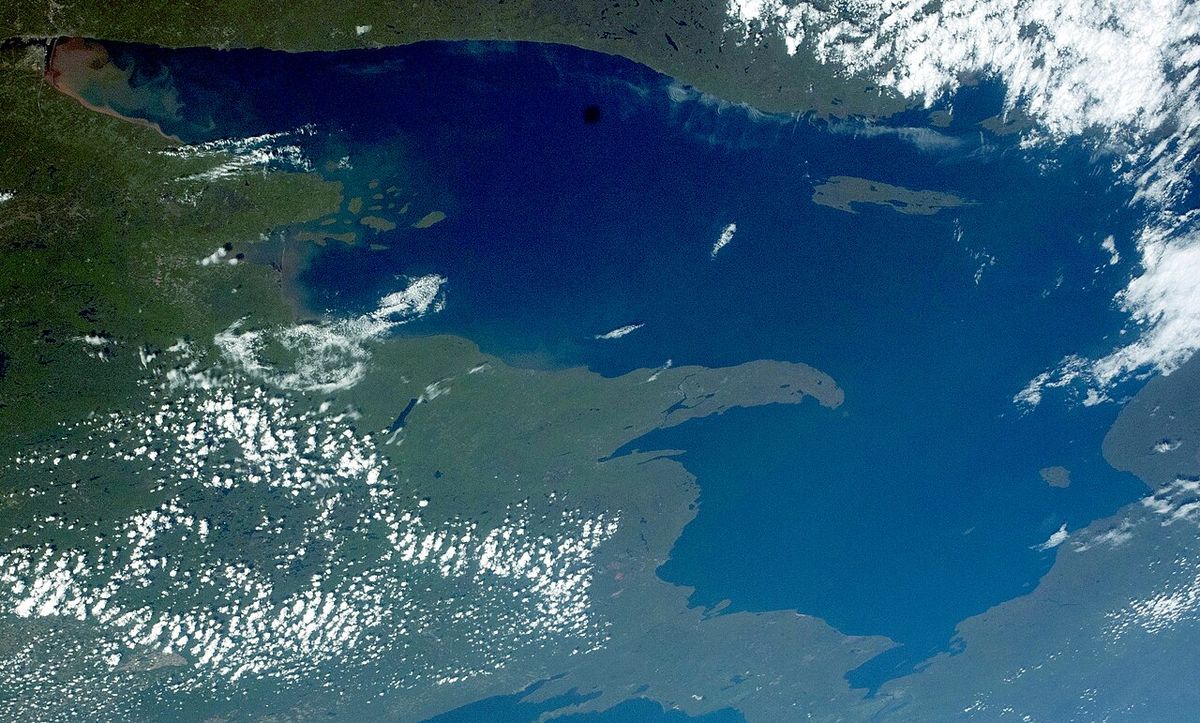
Approximately 35,000 islands are scattered throughout the lakes. The largest is Manitoulin Island in Lake Huron, which is the world's largest island in a freshwater lake. These islands, along with numerous large peninsulas like Michigan's Upper and Lower Peninsulas and Ontario's Bruce Peninsula, define much of the lakes' complex shoreline. The lakes also feature several significant bays, including Georgian Bay on Lake Huron, Green Bay on Lake Michigan, and Saginaw Bay on Lake Huron.
Geological Formation and Physical Characteristics
The Great Lakes began to form near the end of the last ice age, around 14,000 years ago. Retreating continental glaciers carved out deep basins in the land, which subsequently filled with meltwater. This glacial origin explains the lakes' great depths and their alignment along ancient geological features like the Niagara Escarpment. Lake Superior, the deepest and most voluminous, holds more water than the other four lakes combined.
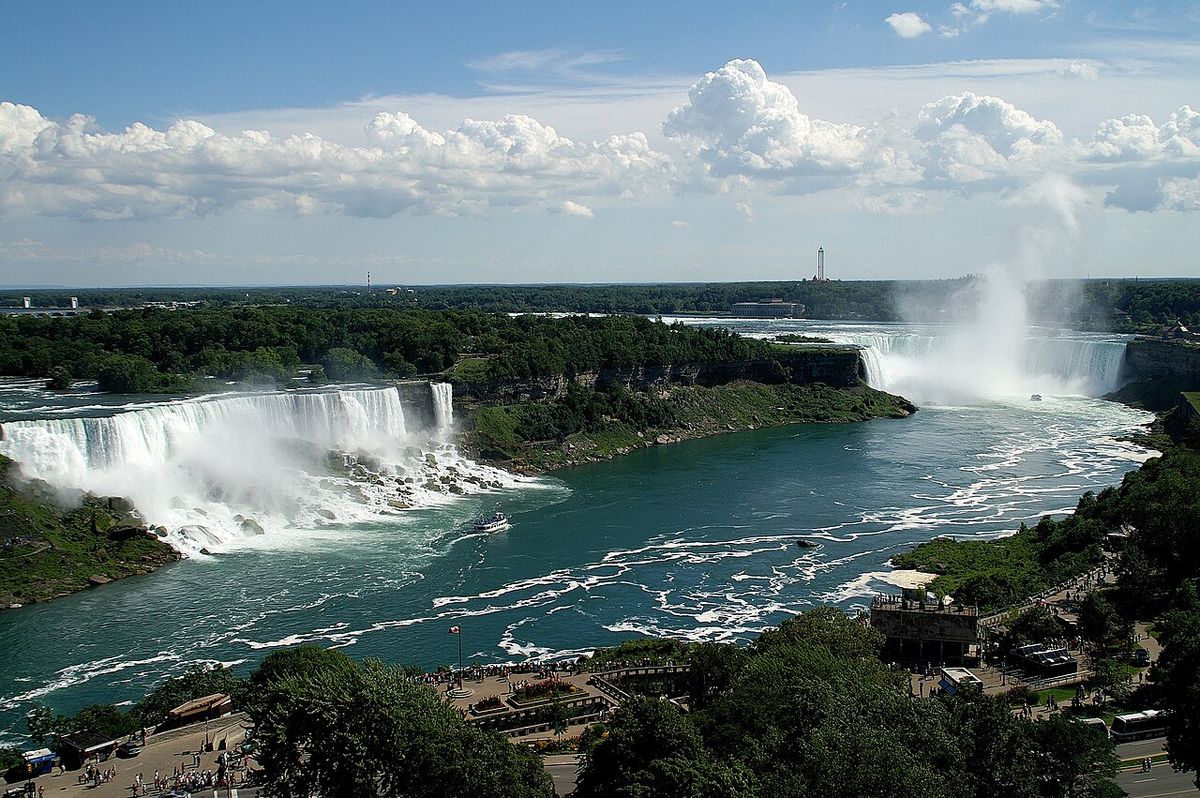
The lakes exhibit sea-like characteristics, including sustained winds, strong currents, rolling waves, and distant horizons, which is why they have long been called inland seas. Their bathymetry, or underwater topography, is varied. The surfaces of Lakes Superior, Huron, Michigan, and Erie are all at roughly the same elevation, while Lake Ontario is significantly lower. The Niagara Escarpment creates a dramatic drop between Lakes Erie and Ontario, resulting in Niagara Falls.
Modern water levels are primarily maintained by a balance between precipitation, evaporation, and outflow. Only about one percent of the total volume is renewed annually by rivers and rain. Outflows from Lakes Superior and Ontario are regulated by control structures, while the outflows from Michigan, Huron and Erie are not. This regulation, particularly at the Moses-Saunders Power Dam on the Saint Lawrence River, helps keep Lake Ontario's level relatively constant. Water levels in the upper lakes can fluctuate significantly, with record lows observed in 2013 and record highs in 2020.
Ecology and Environmental Significance
The Great Lakes constitute one of the world's most significant freshwater ecosystems. They provide habitat for a diverse array of aquatic species and are a crucial stopover for migratory birds. The surrounding region, known as the Great Lakes region, is rich in biodiversity. The lakes themselves contain over 20 percent of the planet's liquid surface fresh water, a resource of immense global importance.
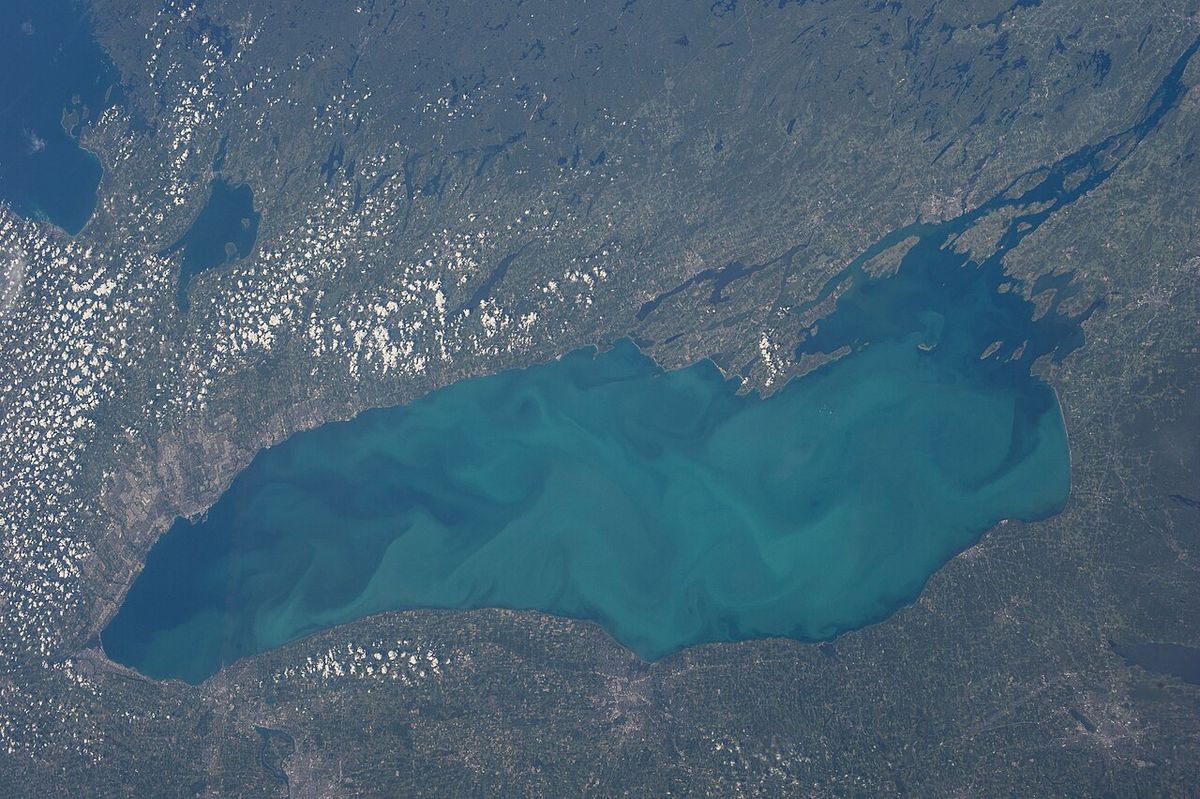
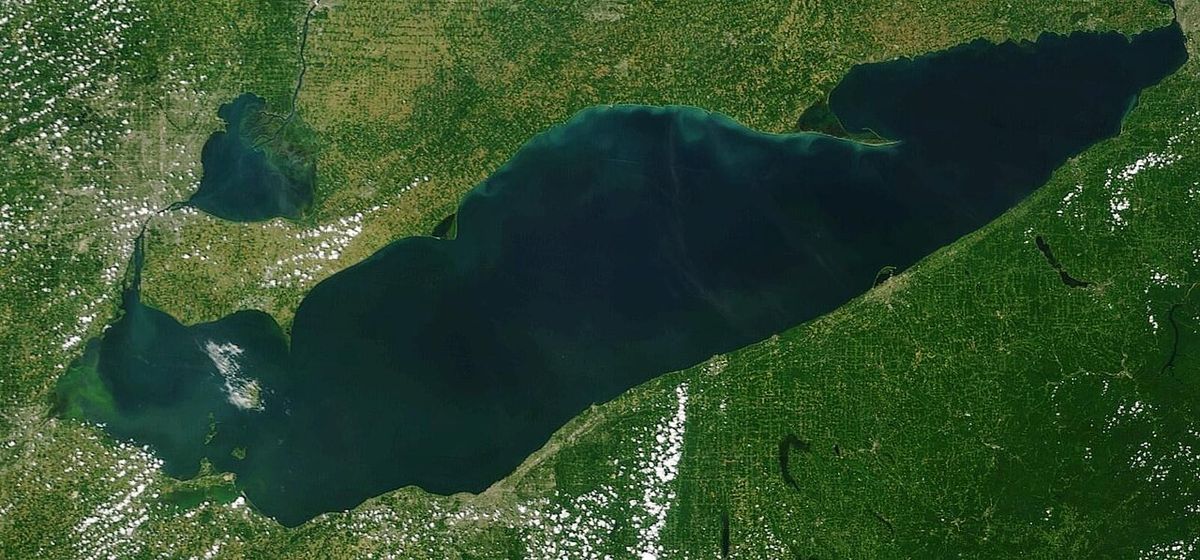
This ecosystem faces ongoing environmental pressures. Invasive species, such as zebra and quagga mussels, have altered food webs and water clarity. Nutrient runoff from agriculture and urban areas contributes to algal blooms, particularly in the western basin of Lake Erie. Long-term concerns also include the impacts of climate change, which affects water temperatures, ice cover, and lake levels. Conservation efforts are coordinated binationally through agreements like the Great Lakes Water Quality Agreement.
Winter brings a dramatic transformation, as large sections of the lakes freeze over. The extent of annual ice cover varies greatly, from less than 20 percent in mild winters to over 90 percent in severe ones. Data indicates a general decline in maximum ice cover over recent decades, consistent with regional warming trends. A unique winter phenomenon is the formation of ice volcanoes, where storm waves erupt through the ice sheet, creating conical mounds of slush. This process has been credited with helping to protect some southern shorelines from worse rocky erosion.
Human History and Cultural Importance
Indigenous peoples have lived around the Great Lakes for thousands of years, and the lakes' names reflect this deep history. Lake Michigan's name comes from the Ojibwe word mishi-gami, meaning great water. Lake Ontario is derived from the Wendat word ontarí'io, or lake of shining waters. Lake Superior's Ojibwe name is gichi-gami (great sea), while Lake Huron is named for the Wendat (Huron) Confederacy. Lake Erie is named for the Erie tribe, a shortened form of an Iroquoian word meaning 'long tail'.
For First Nations, the lakes were vital sources of food, transportation, and spiritual significance. The arrival of European explorers and settlers in the 17th century transformed the lakes into a major corridor for the fur trade. The lakes later became crucial for industrial shipping and immigration. The lakes facilitated the growth of a major North American population centre known as the Great Lakes megalopolis. Major cities within this region include Chicago, Detroit, Toronto, and Cleveland. The lakes have been a major source for transportation, migration, trade, and fishing, serving as a habitat to many aquatic species.
The lakes have also inspired Canadian art and folklore. They are famously referenced in Gordon Lightfoot's song The Wreck of the Edmund Fitzgerald, which recounts a shipwreck on Lake Superior. Their scale and power have made them a enduring subject in literature and a defining feature of the Canadian landscape, symbolizing both natural bounty and formidable challenge. The lakes continue to be central to recreational life and regional identity for millions of people.
Transportation and Commerce
The Great Lakes have been a highway for commerce since the days of canoe-based fur trade. This system allows ocean-going vessels and large lake freighters, known as lakers, to transport bulk commodities like iron ore, coal, grain, and limestone. The system includes important canals like the Welland Canal, which bypasses Niagara Falls. Navigation is constrained by the size of the system's locks and channels. The largest vessels that can transit the entire Seaway are of Seawaymax size. Wider ocean-going container ships cannot fit, which limits container shipping on the lakes. Most shipping is seasonal, as significant ice cover from January to March interrupts traffic, requiring icebreakers to keep channels open. The lakes are also connected to the Mississippi River basin via the Illinois Waterway, allowing barge traffic to reach the Gulf of Mexico.
Beyond commercial shipping, the lakes support extensive recreational boating and tourism. Historic canals like the Erie Canal in New York and the Trent, Severn Waterway in Ontario provide popular routes for pleasure craft. Events like the Great Lakes Waterfront Trail Adventure, a supported multi-day cycle tour, highlight the recreational use of the lakeshores. The lakes' beaches, parks, and coastal trails are major summer destinations for millions of residents and visitors. Pleasure boats can also enter or exit the system via the Erie Canal and Hudson River.
Contemporary Management and Recreation
Management of the Great Lakes is a shared responsibility between Canada and the United States, coordinated through the International Joint Commission. Key issues include regulating water levels, protecting water quality, and controlling invasive species. Provincial and state agencies manage the extensive park systems along the shores, which offer camping, hiking, boating, and fishing. For example, Saskatchewan Provincial Parks announced its 2026 camping reservation schedule, with bookings opening in April 2026 for seasonal sites and on staggered dates for nightly sites.
Professional development for park management is fostered through institutes like the Great Lakes Park Training Institute (GLPTI), which holds its 80th conference in 2026. That year, GLPTI will offer a Women in Parks Leadership certificate program from February 23 to 26, designed to address leadership challenges in evolving park agencies. Such programs underscore the professional infrastructure supporting recreation and conservation around the lakes. The institute is a premier conference for parks and recreation professionals, featuring educational sessions and hands-on workshops on timely topics.
Recreational access is carefully managed due to high demand. Popular destinations, whether a major provincial park or a remote area like Joffre Lakes Park in British Columbia, often require advance reservations for camping or day use. Park agencies emphasize Leave No Trace ethics and preparedness, especially in remote areas where cell service is unavailable and conditions can be severe. These measures aim to balance public enjoyment with the protection of fragile ecosystems and respect for Indigenous territories and traditional uses, as seen in collaborative management efforts.
Challenges and Future Outlook
The Great Lakes region confronts several interconnected challenges. Climate change is producing observable effects, including warmer water temperatures, reduced winter ice cover, and more volatile precipitation patterns that can lead to both extreme high and low water levels. These changes stress infrastructure, shorelines, and aquatic habitats. Ensuring the long-term resilience of coastal communities and ecosystems is a growing priority for researchers and policymakers.
Water quality remains a persistent concern despite decades of cleanup efforts. Problems like nutrient pollution, chemical contaminants, and plastic microdebris require ongoing monitoring and remediation. The threat of new aquatic invasive species also necessitates vigilant biosecurity measures at ports and canals. Furthermore, water diversion proposals and increased consumption for agriculture, industry, and municipalities pressure the basin's water budget. Human activities like power generation that cause evaporation are also factors.
Looking ahead, the future of the Great Lakes depends on continued binationally coordinated science, investment, and stewardship. Priorities include modernizing water infrastructure, restoring wetlands and other natural buffers, and engaging the public in conservation. The lakes are a shared treasure, and their management requires balancing ecological health, economic needs, and recreational access for generations to come. The ongoing work of park professionals, scientists, and community leaders will be crucial in addressing these complex issues and shaping a sustainable future for the basin.
Questions about Great Lakes
Are the Great Lakes connected to the ocean?
Yes, the Great Lakes are connected to the Atlantic Ocean via the Saint Lawrence River and the Saint Lawrence Seaway. The lakes connect ultimately to the Atlantic Ocean via the Saint Lawrence River as their primary drainage outflow. The Great Lakes Waterway enables modern travel and shipping by water among the lakes and out to the Atlantic. The lakes are also connected to the Mississippi River basin through the Illinois Waterway, providing an alternate route for barge traffic to the Gulf of Mexico.
Do the Great Lakes freeze over completely in winter?
The Great Lakes rarely freeze over completely. The extent of winter ice cover varies significantly each year based on weather patterns, ranging from as little as 10 percent to over 90 percent of the total surface area. The lakes are so vast and deep that it takes an exceptionally cold and prolonged winter for near-total ice coverage to occur, as it did in the winter of 2013 to 2014. Long-term data shows a general decline in maximum ice cover due to warming trends.
What do the names of the Great Lakes mean?
The names of the Great Lakes have Indigenous origins. Michigan comes from the Ojibwe mishi-gami (great water). Ontario is from the Wendat ontarí'io (lake of shining waters). Superior is an English translation of the French lac supérieur (upper lake), though its Ojibwe name is gichi-gami (great sea). Huron is named for the Wendat (Huron) people, and Erie is named for the Erie tribe, from an Iroquoian word meaning 'long tail'.
How much of the world's fresh water is in the Great Lakes?
The Great Lakes collectively contain over 20 percent of the world's surface fresh water by volume. This amounts to about 5,439 cubic miles of water. To put this in perspective, there is enough water in the Great Lakes to cover the contiguous 48 United States to a uniform depth of about 9.5 feet. They hold about 84 percent of North America's surface freshwater, though they supply only a small portion of U.S. drinking water on a national basis.
Can you go camping in parks on the Great Lakes?
Yes, there are numerous provincial, state, and national parks along the shores of the Great Lakes that offer camping. Reservations are often required, especially at popular parks, and are typically made months in advance. For example, Saskatchewan Provincial Parks opens reservations for its 2026 summer season in April 2026. It is important to check specific park regulations, as some backcountry areas require permits and have limited facilities, and parks may close due to wildfire recovery or other factors.
Sources: Wikipedia and current public reporting, checked by the Your Space Hamilton desk. Last updated 2026-10-18.