New research maps global threats to freshwater species, with Canada facing multiple pressures
A study published in Science maps the main human activities driving declines in freshwater biodiversity worldwide.
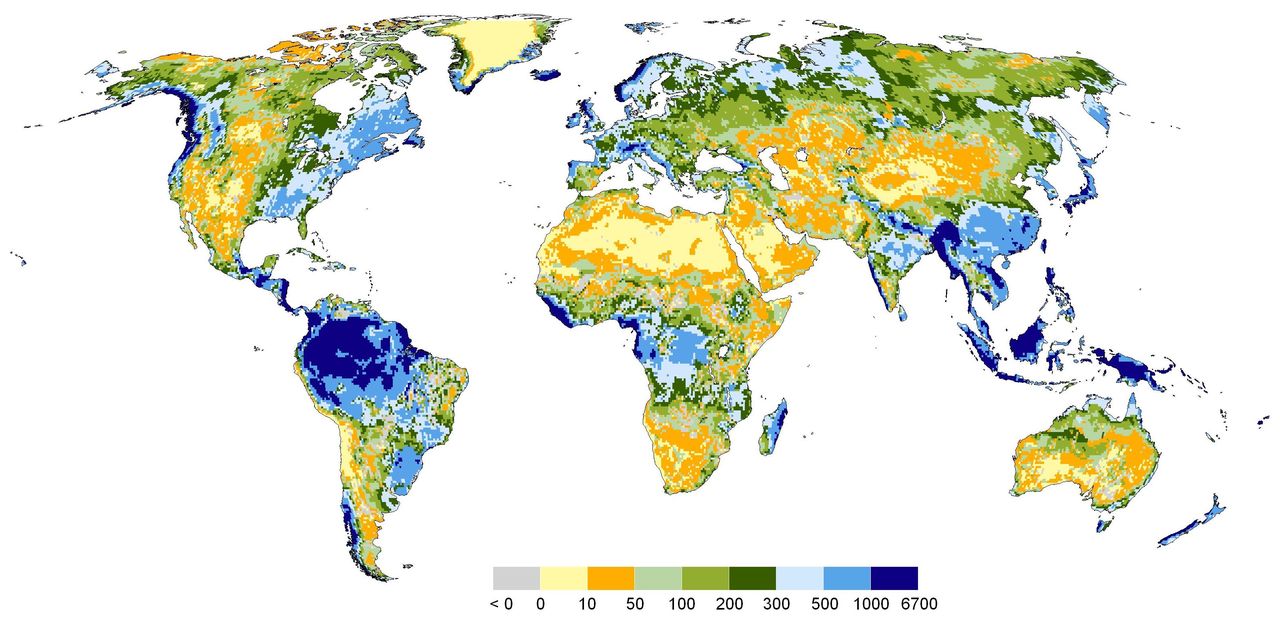
Researchers have created a global map identifying the primary human pressures causing freshwater wildlife populations to decline. The study, published in the journal Science, analyzed threats to more than 2,100 species listed as at risk by the International Union for Conservation of Nature. The team reviewed five groups of freshwater animals: amphibians, reptiles, fish, mammals, and dragonflies and damselflies. They produced a colour-coded illustration showing the intensity of different threats across various regions. A companion index links specific human activities to declines in freshwater biodiversity.
Christophe Brabant, a PhD candidate at McGill University who worked on the research, said freshwater species are disappearing faster than those on land or in the oceans. "We generally know pretty well which threats are impacting freshwater species, we don't really know where those threats are happening across the world," Brabant said. The IUCN estimates that one quarter of all freshwater species face extinction. The mapping method accounts for the fact that different threats affect species in different ways, rather than treating all impacts as equal.
In Canada, the main threats to freshwater life are modifications to natural systems such as dams, along with hunting and fishing, agriculture, urban development, pollution, and energy and mining projects. Around the world, agriculture and aquaculture were found to be the leading cause of decline, especially in the global south. Pollution ranked as the second most significant threat category, with high impacts noted in eastern China, India and Europe. The third most important driver was the use of biological resources, which includes hunting and fishing, a major pressure in northern latitudes including Canada.
READ MORE: Study finds most at-risk species face years-long delays for federal protection
READ MORE: Study identifies seven molecules in human milk linked to baby growth
Brabant said the findings show that effective conservation cannot rely on a single, universal approach. The research also revealed a dense concentration of overlapping threats in northwestern Africa, Europe, the lower Himalayas and the Missouri River basin. In areas with a high proportion of species nearing extinction, the intensity of most threats was also found to be greater. The map depicts disease and invasive species as a green band across provinces near the Canada-U.S. border, pressures that are worsened by global warming.
Climate change was identified as the main threat in only a few small areas globally and is not the leading cause of decline in Canada according to the study. Brabant noted this may reflect gaps in how threats are recorded by the IUCN, rather than the true scale of the climate risk. "It's hard to know … that threat isn't recorded very well," he said. Long-term research at the Experimental Lakes Area in northwestern Ontario provides clearer evidence of climate impacts on freshwater ecosystems.
Scientists at the International Institute for Sustainable Development site have monitored lakes there since the 1960s. "We're only beginning to understand what climate change impacts are on various species in isolation," said research fellow Mike Rennie. A study he co-authored last year, based on decades of data from one undisturbed lake, showed air temperatures rose by about 2 C between 1986 and 2016. Ice cover duration on the lake decreased by nearly three weeks, and researchers observed a notable decline in the size of adult lake trout during that period.
Rennie explained that these cold-water fish rely on cooled shallows for winter feeding, and less ice cover reduces their hunting time and space. "Nothing else is going on except we're seeing these changes in things like ice cover," he said. He described these shifts as the best indicator of how climate warming is affecting small lakes and cold-water fish. Applying the threat map data to real-world conservation is complicated by practical constraints like limited funding, according to Frederik Noack, the Canada Research Chair in environmental economics at the University of British Columbia. Noack said conservation planners must decide how to allocate resources for the greatest benefit. "Just knowing there's a high intensity of threats on endangered species doesn't necessarily make that the target of conservation funding," said Noack, who co-leads the Wildlife and Conservation Economics Laboratory. He referenced an economic model called the Noah's Ark Problem, which frames the challenge of choosing which species to protect when resources are limited.
With files from CBC News