Niagara Peninsula
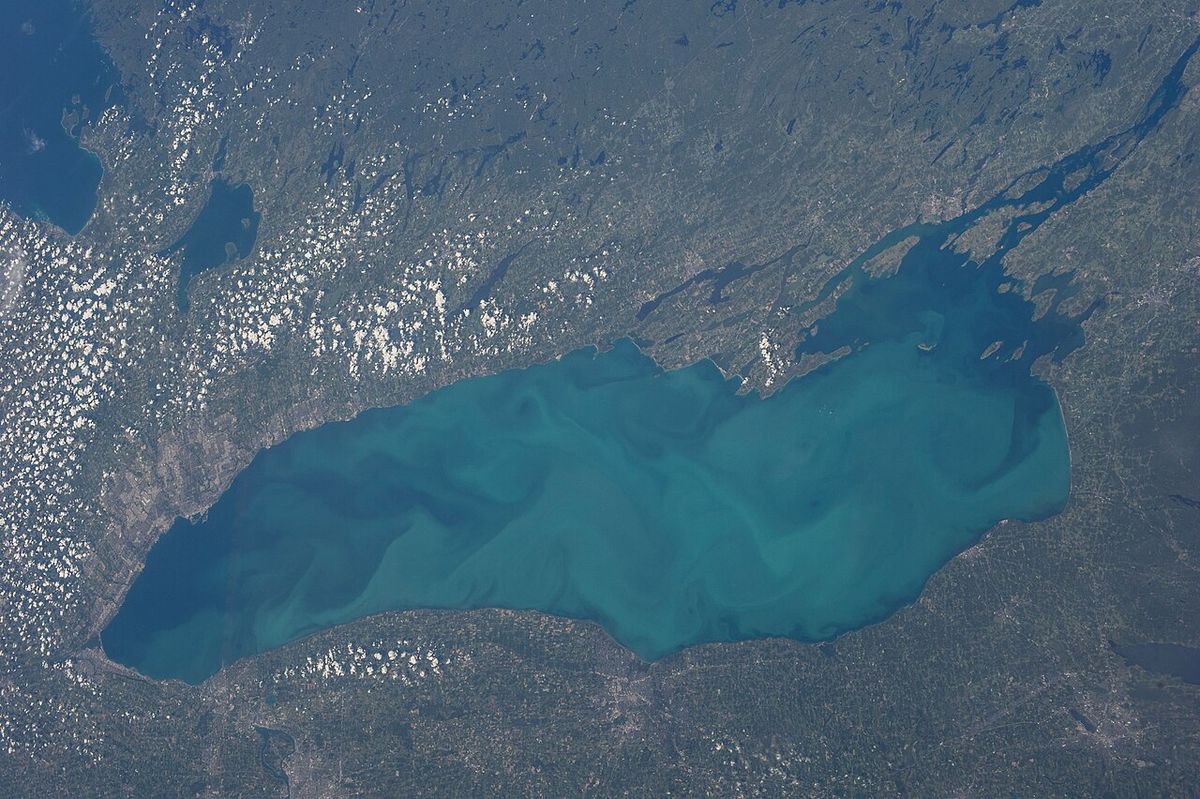
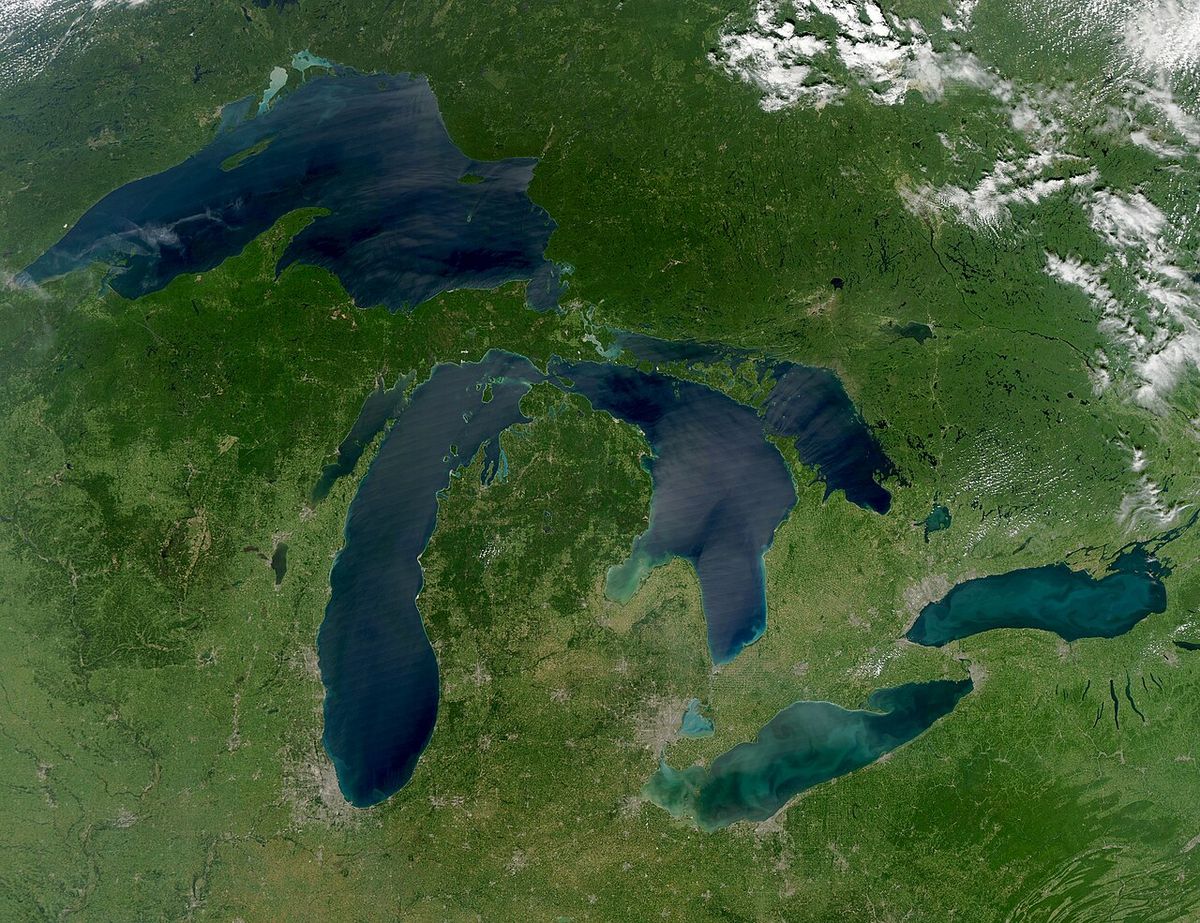
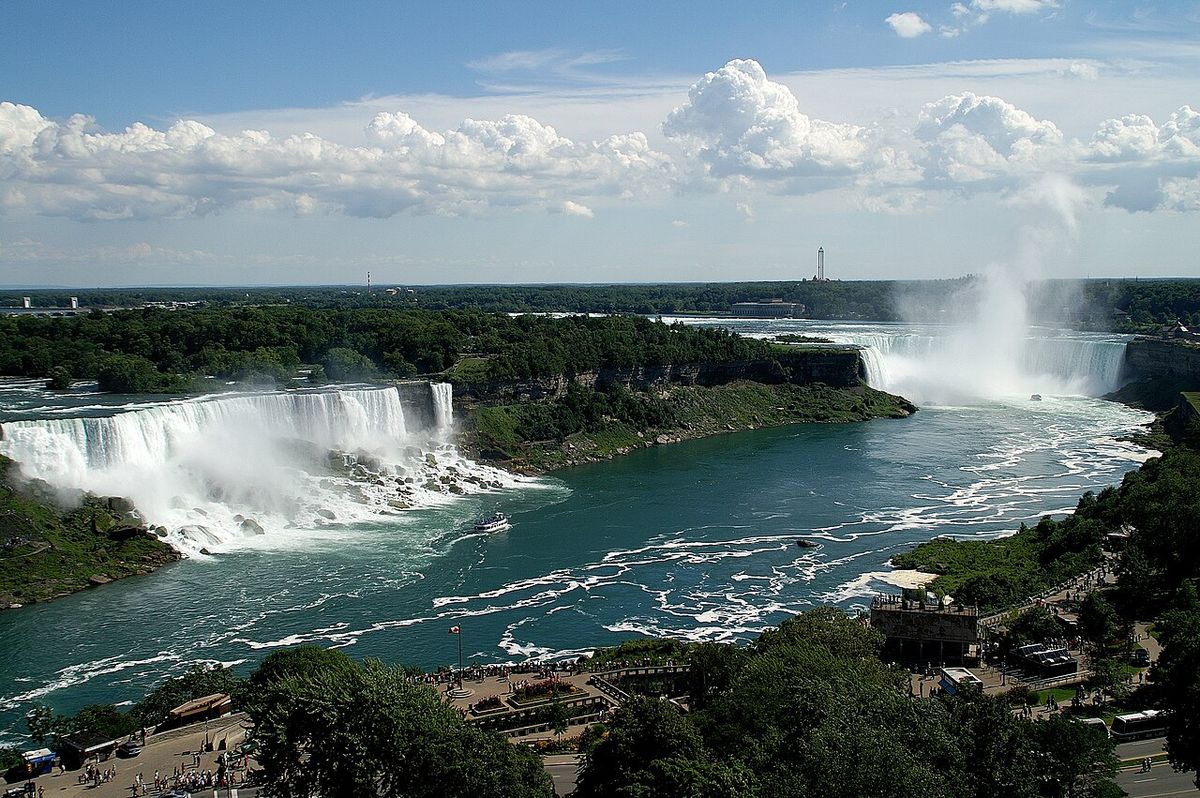
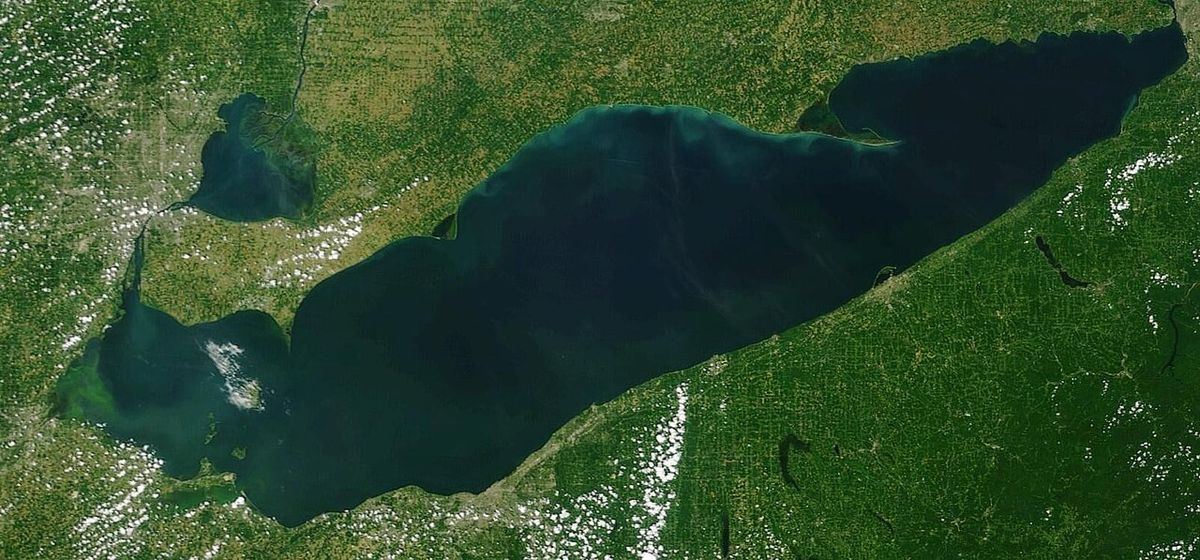
The Niagara Peninsula is a major geographic and cultural region in Southern Ontario, Canada, situated between the southwestern shore of Lake Ontario and the northeastern shore of Lake Erie. Stretching from the Niagara River in the east to the City of Hamilton in the west, it forms a key part of the densely populated Golden Horseshoe. The region is internationally renowned for the natural wonder of Niagara Falls and has evolved into a premier destination for tourism, viticulture, and outdoor recreation. With a population of roughly 500,000, the Niagara Peninsula is governed largely by the Regional Municipality of Niagara and is characterized by a rich blend of historical significance, agricultural bounty, and modern attractions.
Geography and Governance
The Niagara Peninsula occupies a strategic isthmus connecting the Lake Ontario and Lake Erie basins, a positioning that has strongly influenced its development and economy. While commonly called a peninsula, the landform is technically an isthmus, bounded by water on the north and south. The region's most significant geographic feature is the Niagara Escarpment, a UNESCO World Biosphere Reserve designated in 1990, which runs through the area and creates dramatic landscapes including the Niagara Gorge. The majority of the peninsula falls under the jurisdiction of the Regional Municipality of Niagara, a regional municipality encompassing several cities and towns. Major urban centres within the region include St. Catharines, Niagara Falls, and Welland, which serve as economic and cultural hubs. Other significant municipalities include the historic town of Niagara-on-the-Lake, the towns of Lincoln, Grimsby, and Fort Erie, and the townships of Wainfleet and West Lincoln. The westernmost portion of the peninsula incorporates parts of the City of Hamilton and Haldimand County. This governance structure supports a diverse range of communities from densely populated urban areas to expansive rural and agricultural lands, particularly along the Lake Ontario shoreline where tender fruit farming thrives.
Historical Overview
The human history of the Niagara Peninsula begins with its original inhabitants, the Attiwonderonk, commonly known as the Neutral Nation, who established a presence in the region for centuries. The Neutrals were known as skilled traders who maintained neutrality between neighbouring First Nations such as the Wendat, Anishinaabeg, and Haudenosaunee. This period ended around 1650 when the Haudenosaunee, seeking to expand their territory during the Beaver Wars, effectively displaced the Neutral people. For over a century afterwards, the region saw only sporadic use, as the Haudenosaunee did not establish permanent settlements there. European settlement began in earnest in the late 18th century with the arrival of United Empire Loyalists following the American War of Independence. Niagara-on-the-Lake, originally named Newark, served briefly as the first capital of Upper Canada. The 19th century saw successive waves of immigrants, first from the British Isles and later from Italy, Germany, Poland, and other parts of Central Europe, shaping the cultural fabric of the communities. The area's economic foundation shifted from agriculture to industry with the development of water-powered mills and, critically, the harnessing of hydro-electric power at Niagara Falls. This energy spurred significant industrial growth in cities like St. Catharines and Niagara Falls, complemented by the construction of the Welland Canal system to connect the Great Lakes.
Modern Economy and Tourism
While heavy manufacturing, particularly in the automotive sector, has diminished since the late 20th century, the Niagara Peninsula's economy has successfully diversified. Tourism remains a fundamental component, attracting over 14 million visitors annually, primarily to Niagara Falls and the surrounding Niagara Parks system. The region's hospitality sector has experienced sustained growth, offering a wide range of accommodations and experiences. Beyond the falls, cultural tourism is anchored by attractions like the Shaw Festival Theatre in Niagara-on-the-Lake and historic sites related to the War of 1812, including Fort George and several battlefield locations. The peninsula's viticulture industry has become a major economic and tourism driver over the past thirty years. Recognized as a designated viticultural area under Ontario's Vintners Quality Alliance (VQA), the region is famed for its European-style wineries and vineyards. These establishments offer tours, culinary pairings, and seasonal events, attracting visitors seeking a unique cultural experience. The production of ice wine, a sweet dessert wine made from grapes harvested while frozen on the vine, has garnered international prestige for several local vintners. The industry supports a thriving agri-tourism sector, with established wine routes and dedicated tour services operating from major centres.
- Niagara Falls Attractions: Journey Behind the Falls, Niagara City Cruises, Whirlpool Aero Car, and White Water Walk.
- Cultural Sites: Shaw Festival Theatre, Fort George National Historic Site, Brock's Monument.
- Natural & Horticultural Sites: Niagara Parks Butterfly Conservatory, Niagara Parks Floral Showhouse, and the seasonal Niagara's Fury experience.
- Wine Tourism: Dozens of VQA wineries offering tours, tastings, and seasonal events like ice wine harvests.

Conservation and Natural Areas
The Niagara Peninsula Conservation Authority (NPCA) manages the region's watershed, protects natural habitats, and provides public access to green spaces. The NPCA oversees numerous conservation areas that offer hiking, education, and recreation, balancing public use with environmental stewardship. Key conservation areas include Ball's Falls, Binbrook, Chippawa Creek, Long Beach, and Rockaway. The authority promotes initiatives like the Trees for All program, which partners with corporations and communities to expand the tree canopy and restore habitats. The NPCA also administers a NaturePlus Pass, providing vehicle entry to fee-based parks for members. A significant recent development is a new management agreement between the NPCA and Parks Canada for Niagara Shores Park, a 14-hectare forested area in Niagara-on-the-Lake. This licence of occupation, effective until 2031, empowers the NPCA to address long-standing environmental challenges such as shoreline erosion, which has claimed approximately 90 metres of land since 1950. The authority will undertake habitat restoration, tree planting, ecological research, and visitor improvements, including trail maintenance and new signage. This project is integrated into the broader Lake Ontario Coastal Resilience Pilot Project, aiming to develop practical solutions for shoreline hazards and habitat protection, with an internal work plan anticipated by Spring 2026. The NPCA also hosts community-focused fundraising events that highlight conservation. The inaugural Golden Hour signature event was held on July 24, 2026, at Ball's Falls Conservation Area. This sunset concert experience, featuring performances by acts like the Great Lake Swimmers and Minuscule, was designed to unite live music with conservation storytelling to support the protection of the Niagara Peninsula watershed.
Living in the Region
The Niagara Peninsula is noted for its moderate climate and its appeal as a residential and retirement destination. The region has both the highest density and the highest growth rate of seniors in Ontario, with the city of Port Colborne having the highest percentage of seniors relative to its total population. Factors contributing to this include a reasonable cost of living, particularly for housing, and proximity to major urban centres and the United States via multiple border crossings. The three major cities of St. Catharines, Niagara Falls, and Welland provide comprehensive urban services, while the southern and western parts of the peninsula remain largely rural or partially urban. Higher education is served by Brock University in St. Catharines and Niagara College, which has campuses in Welland and Niagara-on-the-Lake, both offering a range of undergraduate and postgraduate programs. The region's infrastructure received a significant boost in the 1990s with the upgrade of a major telecommunications fibre backbone running through the peninsula, connecting Toronto to the United States via Buffalo, New York. This infrastructure advantage helped attract professional call centres and other knowledge-based industries to diversify the local economy beyond traditional manufacturing and tourism.
Transportation and Infrastructure
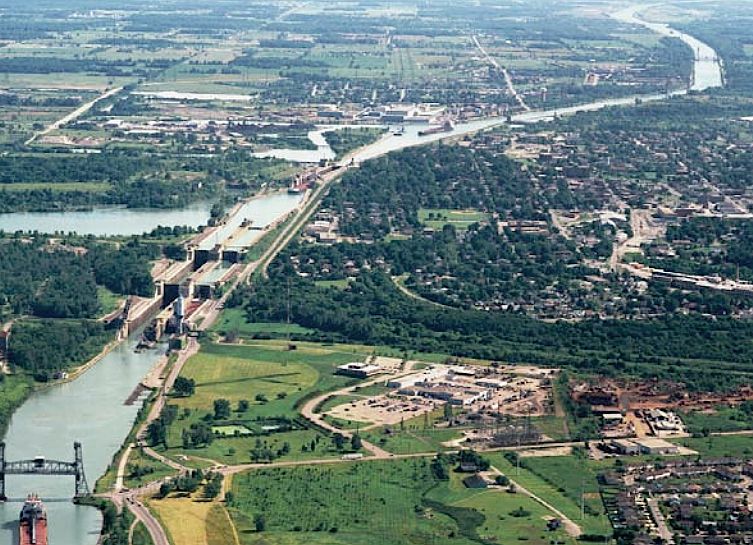
The transportation network of the Niagara Peninsula is critical for both regional mobility and continental trade. The Queen Elizabeth Way (QEW) is the primary east-west freeway, linking Toronto with Buffalo, New York, and serving as a major corridor for the North American trucking industry. It is estimated that nearly one-third of all goods imported and exported between Canada and the U.S. are transported on this route. Supplemental highways include Highway 406, running from St. Catharines to Welland, and Highway 405 (the General Isaac Brock Parkway), connecting the QEW at Niagara-on-the-Lake to the Lewiston-Queenston Bridge international crossing. Public transit within the peninsula includes municipal services like Niagara Transit, which operates in St. Catharines, Thorold, Niagara Falls, and Welland. Inter-city bus service is provided on a limited basis by operators such as Coach Canada. Rail service is available via Via Rail, with stops in Grimsby, St. Catharines, and Niagara Falls on routes to Toronto and, in partnership with Amtrak, onward to New York City. The region possesses significant maritime infrastructure, most notably the Welland Canal, which allows ships to bypass Niagara Falls, and the major Great Lakes ports of Hamilton and Port Weller.
| Major Transportation Route | Description | Key Termini |
|---|---|---|
| Queen Elizabeth Way (QEW) | Primary freeway for trade and travel | Toronto to Buffalo, NY |
| Highway 406 | North-south freeway | St. Catharines to Welland |
| Highway 405 | Connector to U.S. border | Niagara-on-the-Lake to Queenston/Lewiston Bridge |
| Welland Canal | Shipping canal bypassing Niagara Falls | Port Weller (Lake Ontario) to Port Colborne (Lake Erie) |
Visitor Information and Passes
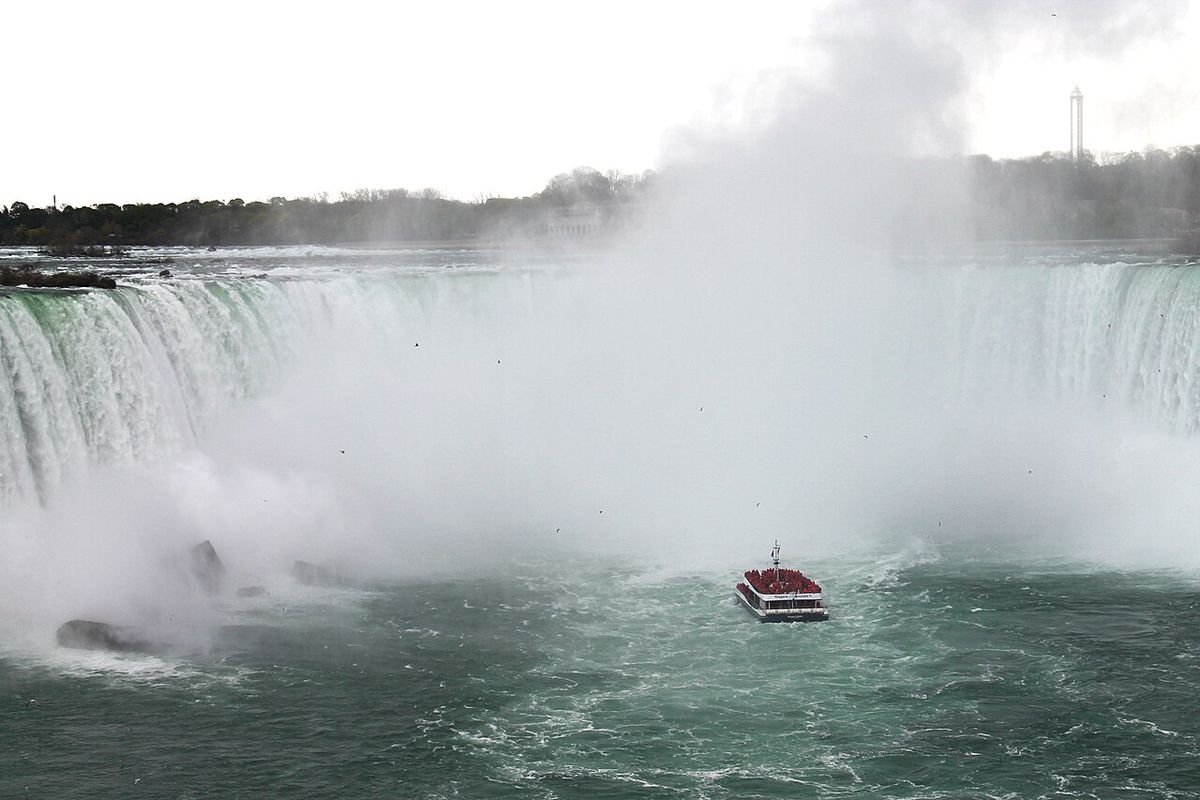
For visitors, Niagara Parks offers a comprehensive parking pass system to facilitate exploration of its extensive properties along the 56-kilometre Niagara Parkway. The 2026 Niagara Parks Parking Pass is valid for entry at most Niagara Parks parking lots until December 31, 2026, regardless of the purchase date. Each pass can activate up to two vehicles from the same household and must be physically present in the vehicle. Passes can be purchased online and are mailed to the purchaser, though an express pickup option is available for an additional fee at the Niagara Parks Parking Office on the Niagara Parkway. The office is open daily from 9:00 a.m. to 8:00 p.m. Individual attraction pricing for 2026 provides a guide for planning. Niagara City Cruises, which offers boat tours into the basin of the falls, is priced at $32.75 for adults and $22.75 for children aged 3 to 12. The Journey Behind the Falls experience costs $25 for adults and $16.50 for children. Other popular paid attractions include the Whirlpool Aero Car and the White Water Walk, each at $19 for adults and $12.50 for children, and the Niagara Parks Butterfly Conservatory at the same rate. The Niagara Parks Floral Showhouse offers admission for $8 for adults and $5 for children.
Questions about Niagara Peninsula
What are the main tourist attractions in the Niagara Peninsula?
The premier attraction is Niagara Falls, which draws millions of visitors each year. The surrounding Niagara Parks system offers numerous experiences like Journey Behind the Falls, boat cruises, and the Whirlpool Aero Car. The region is also famous for its wine country, with dozens of wineries offering tours and tastings. Cultural highlights include the Shaw Festival Theatre in Niagara-on-the-Lake and historic War of 1812 sites like Fort George. Conservation areas such as Ball's Falls provide extensive hiking and nature experiences.
What is the Niagara Peninsula known for besides Niagara Falls?
Beyond the falls, the peninsula is renowned as one of Canada's premier viticultural regions, producing award-winning wines, especially ice wines. It has a rich agricultural sector, particularly fruit farming along the Lake Ontario shore. The area possesses significant historical importance as an early settlement site in Upper Canada and a theatre of war in 1812. It is also a popular retirement destination due to its climate and cost of living, and is home to post-secondary institutions like Brock University and Niagara College.
What transportation options are available in the Niagara Peninsula?
The primary road artery is the Queen Elizabeth Way (QEW), a major freeway connecting Toronto to the U.S. border at Buffalo. Highways 406 and 405 provide additional north-south and border access routes. Public transit includes municipal bus services in major cities and limited inter-city bus routes. Via Rail offers passenger train service connecting Grimsby, St. Catharines, and Niagara Falls to Toronto. The region is also a critical hub for maritime shipping via the Welland Canal and the ports of Hamilton and Port Weller.
What passes are available for visiting Niagara Parks in 2026?
Niagara Parks offers a 2026 Parking Pass valid for entry at most of its parking lots along the Niagara Parkway until December 31, 2026. The pass can be used for two vehicles from the same household and must be physically present in the vehicle. It can be purchased online for mail delivery or picked up express at the Niagara Parks Parking Office for an additional fee. The pass provides access to parklands for visiting gardens, hiking trails, and other outdoor attractions, though separate tickets are required for specific paid experiences like the boat cruise or Journey Behind the Falls.
What is the Niagara Peninsula and where is it located?
The Niagara Peninsula is a geographic and cultural region in Ontario, Canada, lying between the southwestern shore of Lake Ontario and the northeastern shore of Lake Erie. Technically an isthmus, it stretches from the Niagara River in the east to the City of Hamilton in the west. It is located within the Golden Horseshoe region of Southern Ontario. The region has a population of roughly 500,000 residents. The area directly across the Niagara River in New York State is known as the Niagara Frontier.
How is the Niagara Peninsula addressing environmental conservation?
Environmental conservation is led by the Niagara Peninsula Conservation Authority (NPCA). The NPCA manages conservation areas like Ball's Falls and runs initiatives such as Trees for All to grow the tree canopy and restore habitat. The authority has a strategic plan reaffirming commitment to shared stewardship of natural resources and appreciation of Indigenous culture. It also hosts fundraising events like the Golden Hour signature summer concert at Ball's Falls Conservation Area to support watershed protection. The NPCA is working on a multi year project for habitat restoration and planting more trees at Niagara Shores Park.
Sources and further reading
- Niagara Peninsula (Wikipedia)
- Niagara Falls Parking Pass | Get ready for your next ... (niagaraparks.com)
- Niagara Peninsula Conservation Authority: NPCA (npca.ca)
- Niagara conservation authority strikes deal with feds over ... (niagaranow.com)
Checked by the Your Space Hamilton desk. Last updated 2026-10-26.