Financial District, Toronto
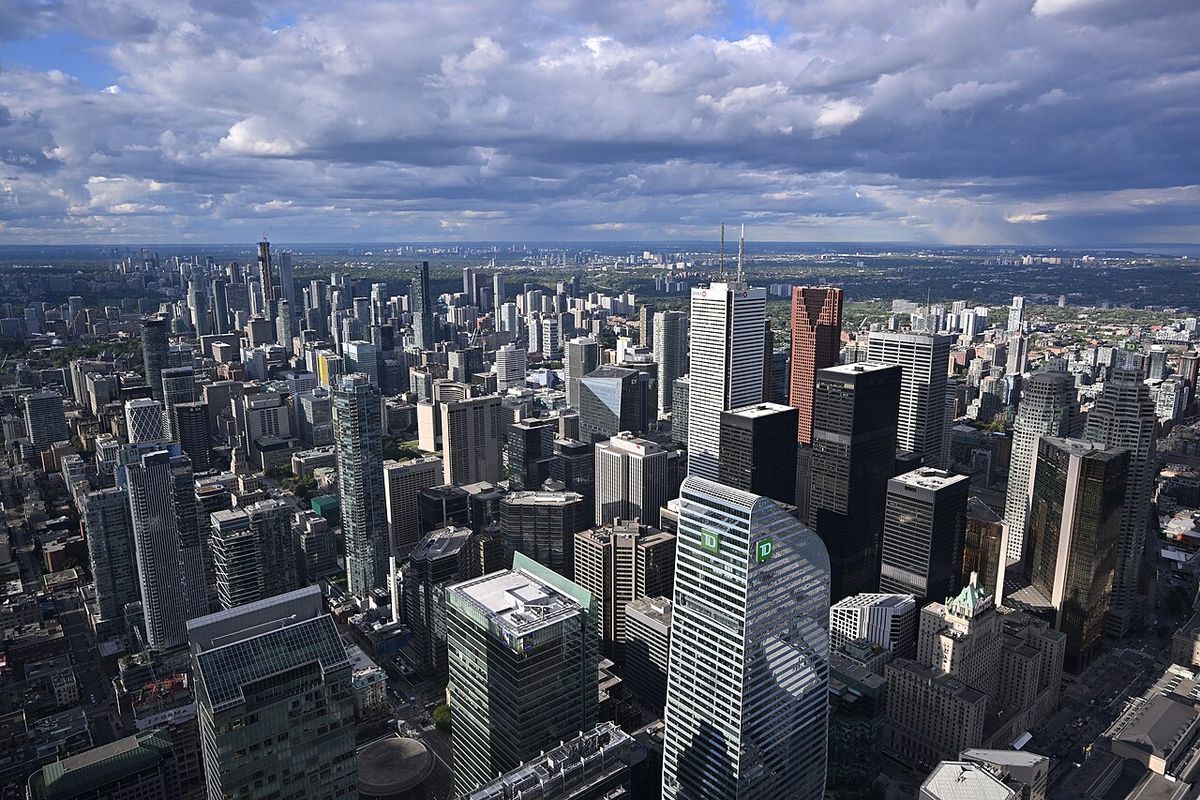
The Financial District is the central business district of downtown Toronto, Ontario, and the undisputed heart of Canada's finance industry. Centred on the intersection of King and Bay Streets, its dense cluster of skyscrapers houses the headquarters of major banks, law firms, and multinational corporations. The district is characterized by its weekday bustle of over 100,000 commuters and the extensive PATH underground pedestrian network, the world's largest underground shopping complex. While primarily a commercial powerhouse, the area also features significant historic sites, modern residential developments, and is a key destination for business and tourism in Canada's largest city.
History and Development
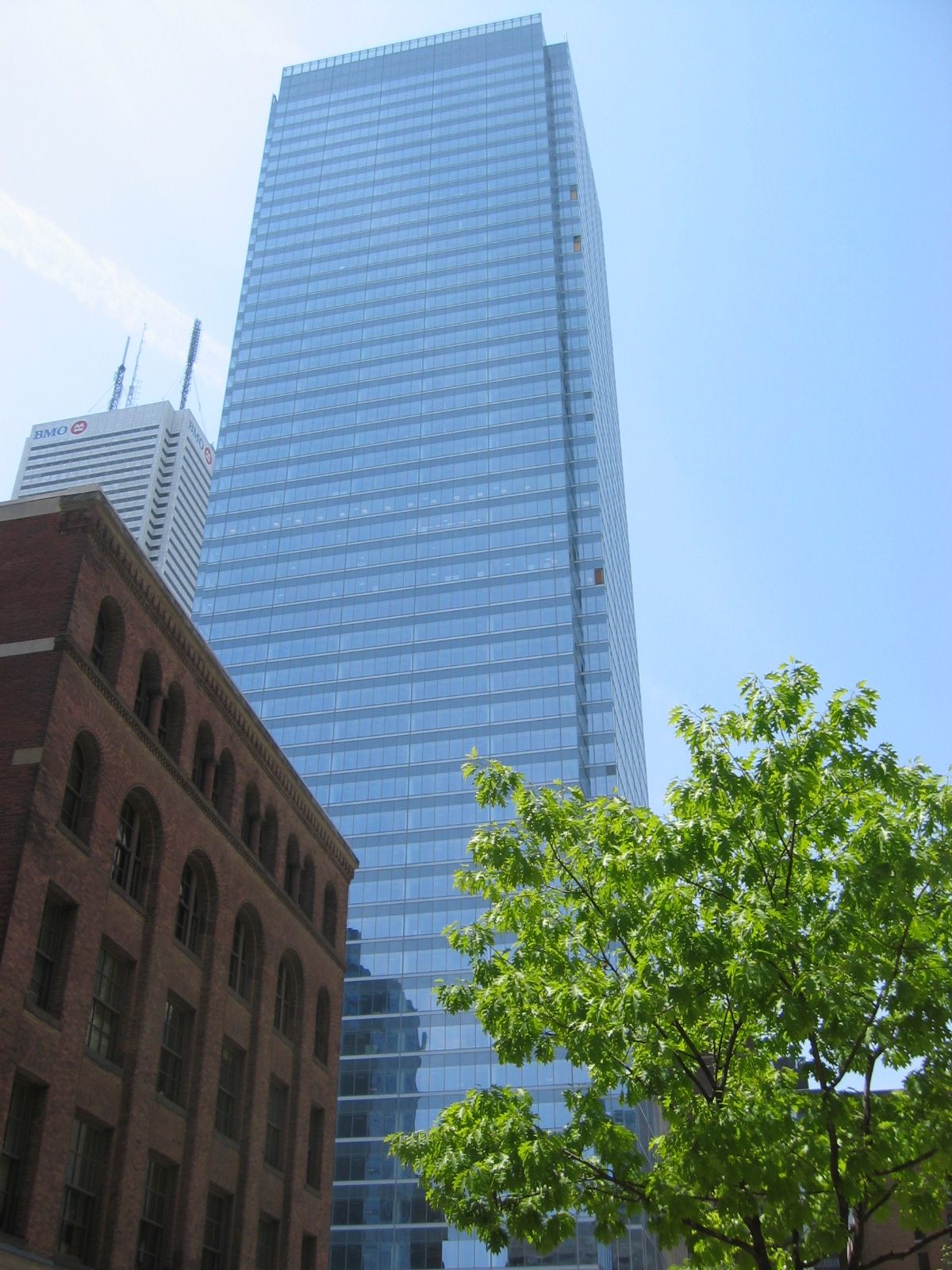
Its emergence as a national financial centre began in the mid to late 19th century with several regional banks establishing head offices in the city. The district's modern form and prominence were solidified in the second half of the 20th century as it became the central hub for Canada's major banks, known as the Big Five. While the Canadian Imperial Bank of Commerce and Toronto Dominion Bank have historic roots in Toronto, the Royal Bank of Canada, Scotiabank, and the Bank of Montreal relocated their operational or corporate headquarters to the district between 1931 and 1976. This consolidation of financial power drove the construction of the office towers that define the skyline today. The area continues to evolve with new commercial and residential developments, such as CIBC Square, which extend its traditional boundaries and increase its density.
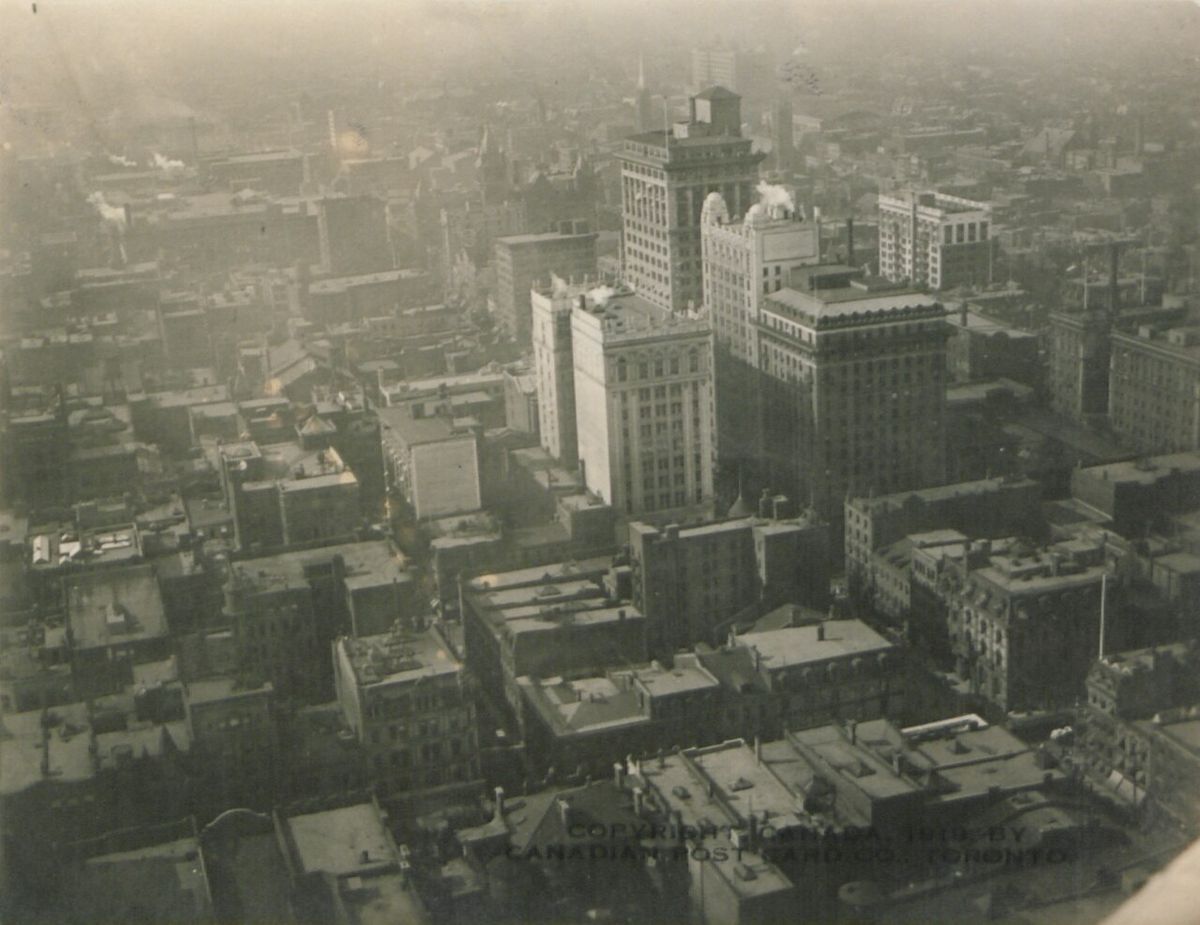
The intensive development of the mid-20th century led to the demolition of several significant historic buildings to make way for new skyscrapers. Notable losses included the Old Toronto Star Building, which was replaced by First Canadian Place, and the head office buildings of the Bank of Toronto and The Dominion Bank, which were succeeded by the Toronto Dominion Centre and Commerce Court West respectively. Facades from some of these 19th and early 20th century structures were preserved and can now be found at Guild Park and Gardens in Scarborough. The Brookfield Place complex on Yonge Street also incorporated retained facades from 19th century buildings into its modern design. This pattern of redevelopment highlights the district's constant tension and balance between preserving its architectural heritage and meeting the demands of a growing global financial centre.
Economic and Corporate Significance
The Financial District is the anchor of Toronto's economy and the central nervous system of Canada's finance industry. It hosts the corporate or operational headquarters of all five of Canada's major banks, known as the Big Five. The Canadian Imperial Bank of Commerce and Toronto Dominion Bank are historically based in Toronto, with CIBC forming from a 1961 merger and TD from a 1955 merger of Toronto based predecessors. The Royal Bank of Canada, Scotiabank, and the Bank of Montreal established their head offices in Halifax and Montreal during the 19th century before relocating their primary executive offices to Toronto in the 20th century. This concentration makes Bay Street, the district's main thoroughfare, the Canadian equivalent of Wall Street.
Beyond banking, the district is home to a dense concentration of other major corporate headquarters, national and international law firms, and large accounting and brokerage houses. Notably, many of Toronto's most prominent law firms, historically referred to as the Seven Sisters, are based in the area. The Toronto Financial District Business Improvement Area represents commercial businesses within the district, working on streetscape improvements and promoting the area. The economic activity generates immense demand for office space, driving the construction of new towers and supporting a vast ecosystem of ancillary businesses including advertising agencies, consulting firms, and professional services, all housed within the district's glass and steel skyscrapers.
The relocation history of the major banks to Toronto's core illustrates the district's rise to national financial dominance. Scotiabank relocated its head office from Halifax to Toronto in 1931. The Bank of Montreal moved its operational headquarters from Montreal to Toronto in 1975, though its legal head office remains in Montreal. The Royal Bank of Canada moved its head office from Halifax to Montreal in 1907, and then relocated its corporate headquarters to Toronto in 1976. CIBC was established in Toronto in 1961 from the merger of the Canadian Bank of Commerce and the Imperial Bank of Canada, while Toronto Dominion Bank was established in Toronto in 1955 from the merger of the Bank of Toronto and The Dominion Bank.
Transportation and the PATH Network
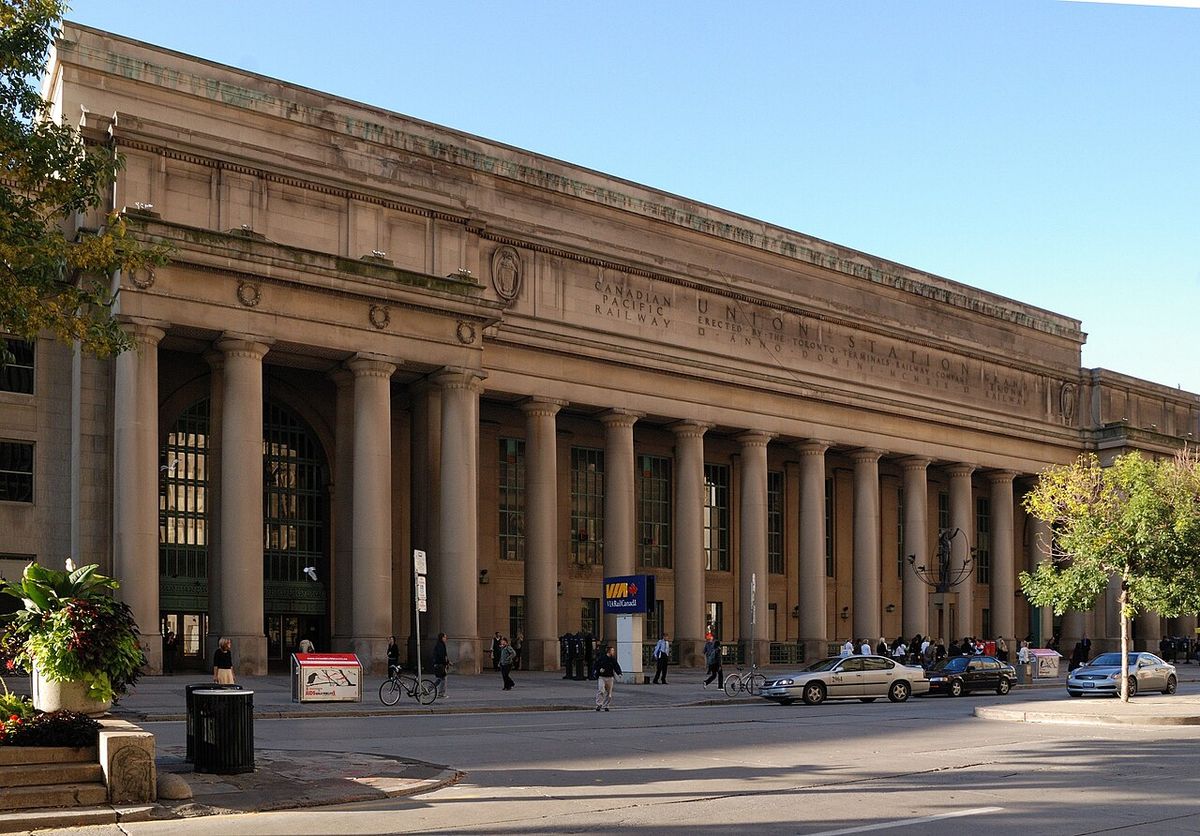
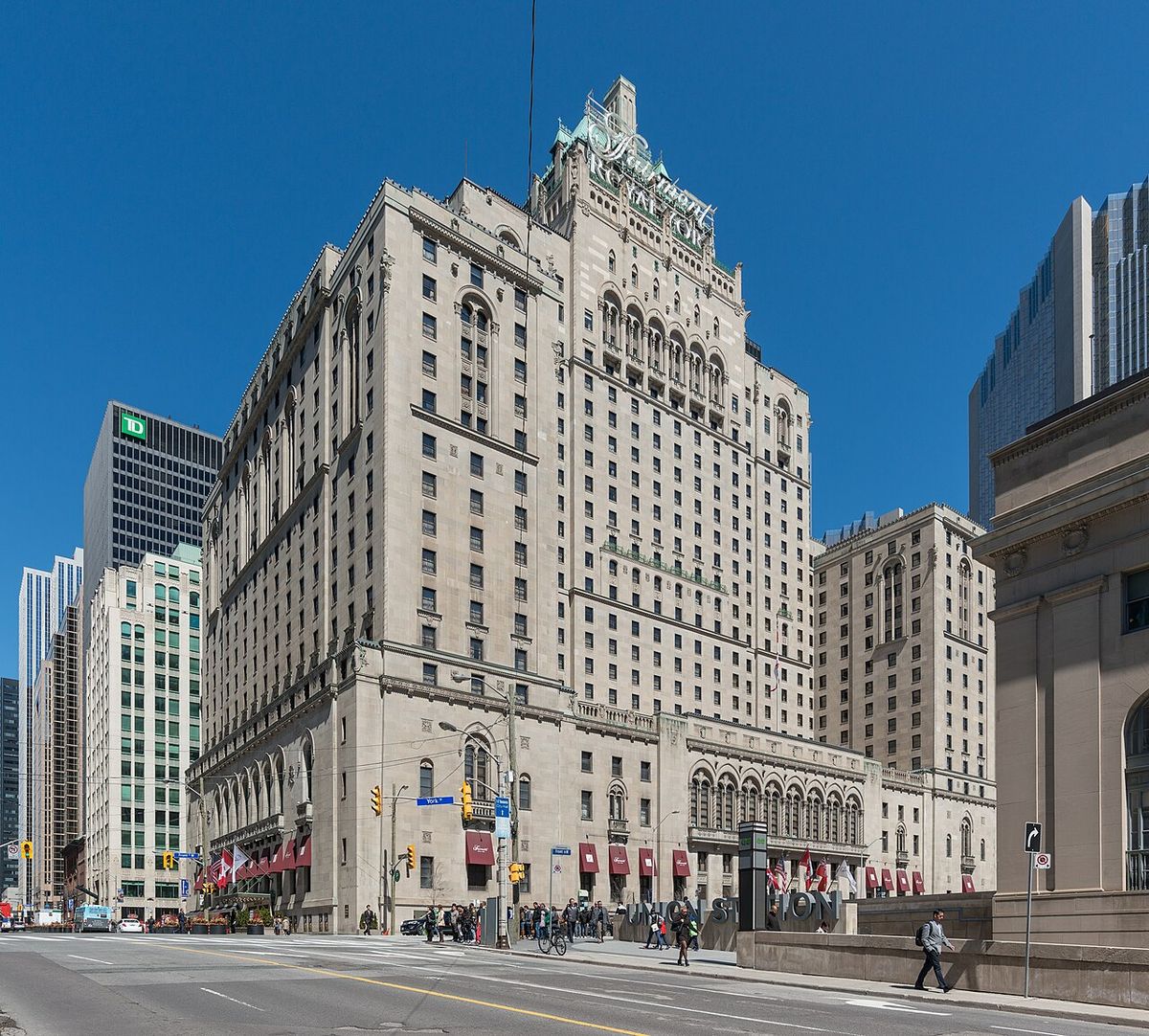
Transportation infrastructure is critical to the functioning of the Financial District, which sees an estimated 100,000 commuters enter and leave each working day. The primary hub is Union Station at the district's southern edge, which is the central terminal for the GO Transit commuter rail and bus network serving the Greater Toronto Area. Union Station also provides connections to VIA Rail intercity services and the Toronto Transit Commission's subway system, with the nearby St. Andrew and King stations also providing key TTC access on the Line 1 Yonge University line. This multi modal connectivity is essential for moving the massive workforce that sustains the district's daytime population.
A defining feature of the district is the PATH network, the world's largest underground pedestrian shopping complex. This extensive system of walkways connects dozens of office towers, six hotels, five subway stations, and major venues like the Scotiabank Arena and the Metro Toronto Convention Centre. However, its character is distinctly weekday oriented. The vast majority of PATH retailers are only open during business hours, and the underground corridors, while accessible, become quiet and nearly deserted during evenings and weekends when the office workforce departs. The network continues to expand, with new tunnels under construction, such as a connection from Union Station to the Backstage Condo on Yonge Street and The Esplanade.
Landmarks and Built Environment
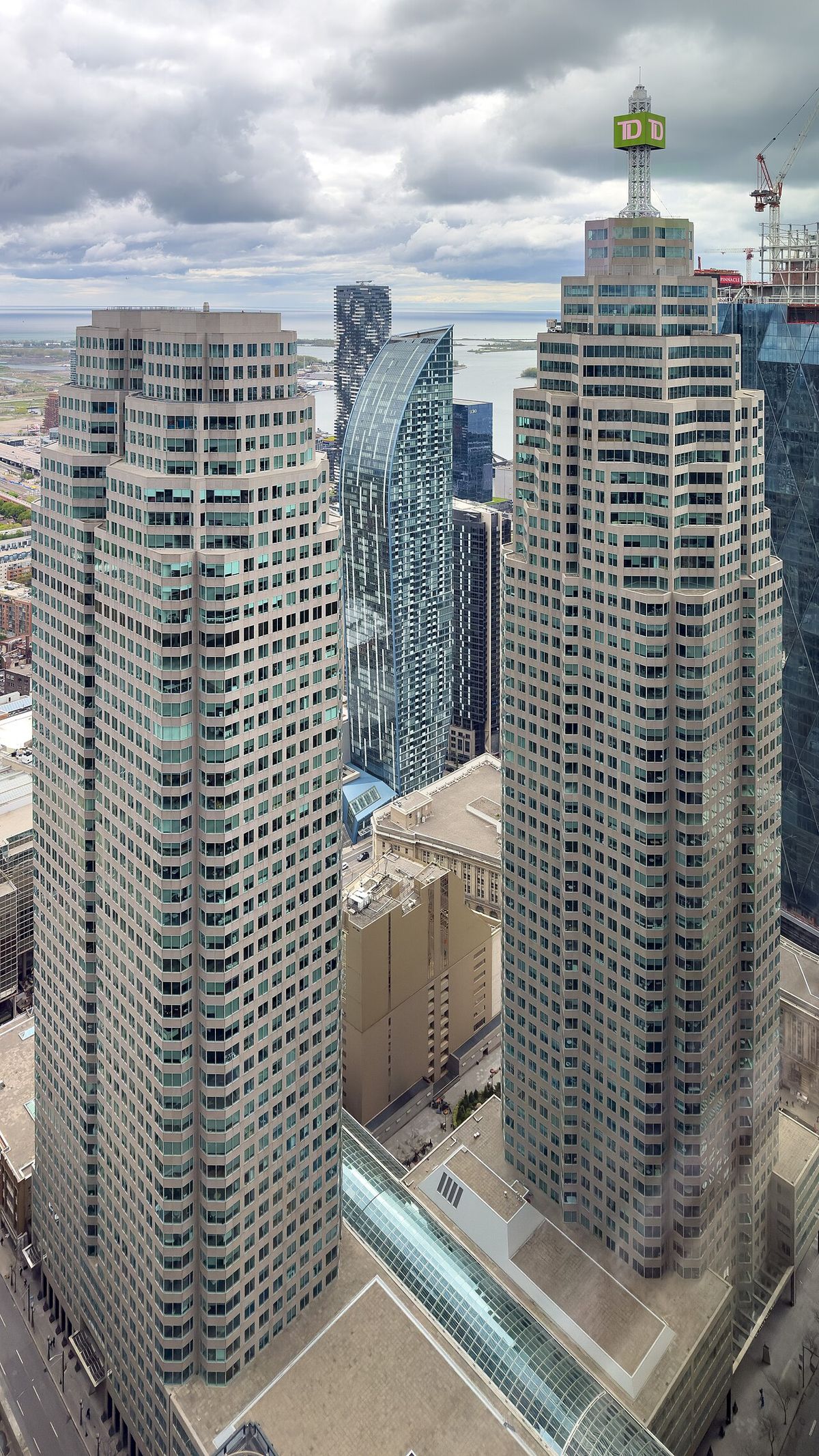
The Financial District's skyline is dominated by some of Canada's tallest skyscrapers, most of which exceed 200 metres in height. These towers are not just office buildings but also serve as architectural landmarks and corporate symbols. Major complexes include First Canadian Place, the tallest building in Canada for decades and the operational headquarters of the Bank of Montreal. The Toronto Dominion Centre, a multi tower complex, is the global headquarters of Toronto Dominion Bank. Scotiabank Arena, while primarily a sports and entertainment venue, is physically integrated into the district's fabric and connected to the PATH. Other significant towers include the Royal Bank Plaza, Commerce Court, and the newer CIBC Square, which represents the next generation of office development in the area.
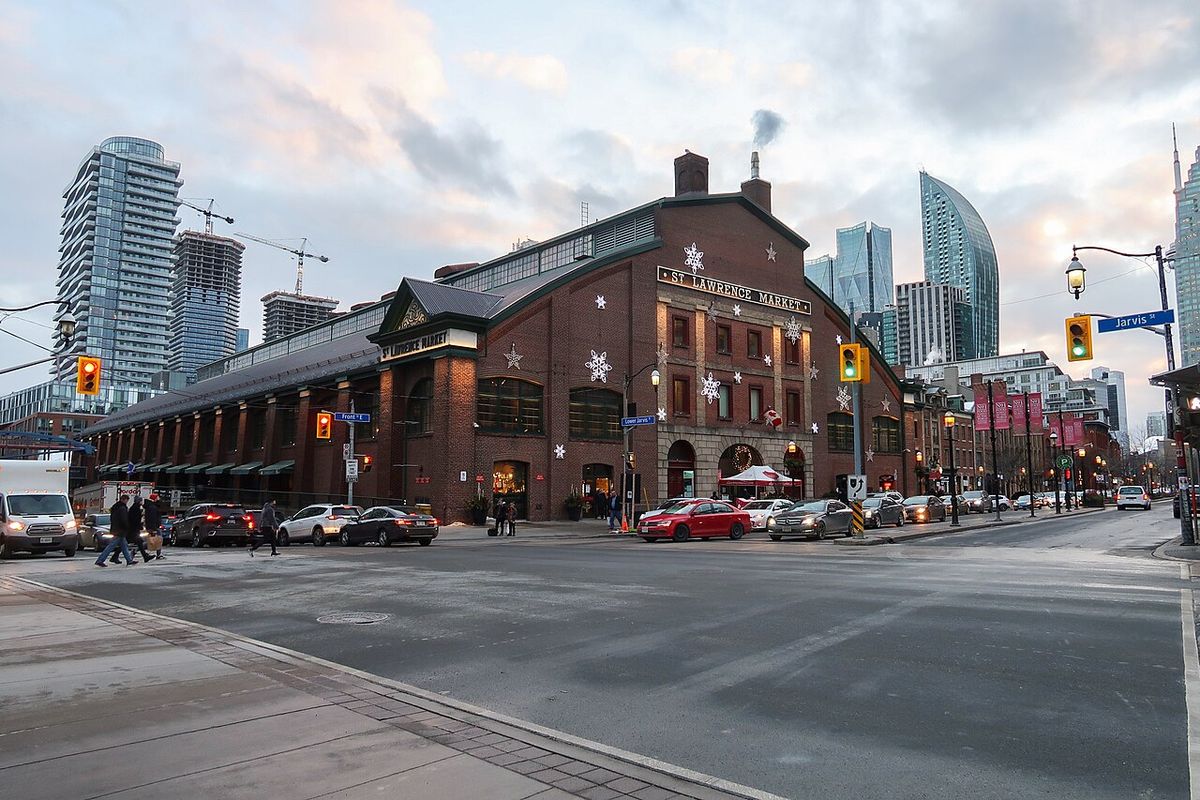
The district's built environment is a mix of modern skyscrapers and preserved heritage structures, illustrating Toronto's layered history. While many historic buildings were lost to 20th century development, efforts at facade retention and integration are visible, such as at Brookfield Place. The area is also surrounded by and integrated with historic neighbourhoods like Old Town Toronto and the St. Lawrence Market neighbourhood, where 19th century buildings coexist with new condominiums. Key nearby cultural landmarks include the Flatiron Building, St. James Cathedral, the Hockey Hall of Fame, and the St. Lawrence Market complex. This blend of old and new extends to residential development, with new condominium towers being built inside and around the edges of the financial core, many of which connect directly to the PATH system.
Several notable historic buildings were demolished during the district's mid-20th century construction boom. The Old Toronto Star Building was demolished and replaced by First Canadian Place. The Bank of Toronto head office was demolished for the Toronto Dominion Centre, and The Dominion Bank head office was demolished for the Commerce Court West tower. Facades from 19th century buildings along Yonge Street were retained and incorporated into Brookfield Place, and facade elements from the Toronto Star and Bank of Toronto Buildings were recovered and are now located at Guild Park and Gardens in Scarborough.
Culture and Community Life
While the Financial District is fundamentally a workplace, it supports a community culture centred around business, dining, and retail. The area is known for its high concentration of upscale restaurants, cocktail bars, and coffee shops that cater to the professional lunch and after work crowds. Establishments like Richmond Station, The Chase, and Dineen Coffee Co. are popular destinations. The PATH network itself is a major shopping destination on weekdays, offering everything from convenience retail to high end boutiques. Above ground, streets like King Street West and Adelaide Street feature a mix of financial services, designer showrooms, and restaurants that contribute to the area's streetscape.
The district's community life is also shaped by its Business Improvement Area and its relationship with surrounding historic neighbourhoods. The Toronto Financial District BIA engages in public improvements and promotion. The area borders Old Town Toronto, which hosts community events like pedestrianized markets on Market Street during the summer and seasonal festivals in Berczy Park, though some planned events like a 2026 Halloween gathering have been cancelled. Cultural institutions such as Massey Hall, the St. Lawrence Centre for the Performing Arts, and the Sony Centre for the Performing Arts are located just east of the district, while art galleries like the Collision Gallery operate within it. This blend of high finance, heritage, and culture creates a unique urban character that defines Canada's premier business address.
The district is adjacent to several distinct and historic neighbourhoods that contribute to its context. Old Town Toronto, the original Town of York, lies to the east and features historic architecture and the St. Lawrence Market. The St. Lawrence Market Neighbourhood is the largest in Old Town, home to the market complex, the Hockey Hall of Fame, and performing arts centres. The Town of York Neighbourhood forms the historic ten block core of the original town, bounded by George, Berkeley, Front and Adelaide Streets. The King East Design District, from Church to Parliament Streets, is known for its concentration of home decor and design stores, and Corktown, east of Parliament Street, was originally settled by Irish immigrants in the 1800s.
Questions about Financial District, Toronto
Which major Canadian banks are headquartered in the Financial District?
The district houses the corporate or primary operational headquarters of all five of Canada's major banks. The Canadian Imperial Bank of Commerce and Toronto Dominion Bank have historic roots in Toronto. The Royal Bank of Canada, Scotiabank, and the Bank of Montreal were founded in Halifax and Montreal but relocated their main executive offices to Toronto in the 20th century. Their flagship towers, such as First Canadian Place for BMO and Royal Bank Plaza for RBC, are landmarks in the area.
How do people commute to the Financial District?
An estimated 100,000 commuters travel to the Financial District each weekday. The primary transit hub is Union Station at its southern edge, which serves GO Transit commuter trains and buses, VIA Rail, and the Toronto Transit Commission subway. The nearby King and St. Andrew subway stations on the Yonge University line also provide direct access. The extensive PATH network allows pedestrians to move between buildings and transit stations without going outside.
Is the Financial District only offices, or do people live there?
While primarily a commercial zone, the Financial District has a growing residential population due to new condominium development. Many new residential towers are being built inside and around the edges of the district, often connected to the PATH system. Real estate listings show active sales and rentals for condominiums in the area. The neighbourhood is also surrounded by residential areas like the St. Lawrence neighbourhood and the Bay Street Corridor, which have significant populations.
What are some notable landmarks in or near the Financial District?
Key landmarks include First Canadian Place, the Toronto Dominion Centre, Scotiabank Arena, and the Royal Bank Plaza. The district is adjacent to historic sites in Old Town Toronto, such as the St. Lawrence Market, the Flatiron Building, and St. James Cathedral. Cultural venues like Massey Hall and the Hockey Hall of Fame are nearby. The area is also a short walk from major attractions like the CN Tower, Rogers Centre, and the Toronto waterfront.
What are the boundaries of Toronto's Financial District?
The Financial District's traditional core is roughly bounded by Queen Street West to the north, Yonge Street to the east, Front Street to the south, and University Avenue to the west. Its central point is the intersection of King Street and Bay Street. These boundaries are not absolute, as many office towers in the downtown core have been and are being constructed outside this area, which extends the general boundaries. Examples of this expansion include the Telus Harbour, RBC Centre, and CIBC Square. This ongoing development reflects the area's growth and high demand for commercial and residential space.
What is the PATH system in Toronto's Financial District?
The PATH is a system of underground walkways that connects the bank towers and many other buildings in Toronto's Financial District. This network is lined with retail establishments, making it one of the city's most important shopping districts. The vast majority of these stores are only open on weekdays during business hours when the district is populated. During evenings and weekends, the walkways remain open but the area becomes almost deserted and most stores close. The PATH connects dozens of buildings, six hotels, five subway stations, and several landmark stadiums, serving as a vital pedestrian route for the estimated 100,000 commuters who enter and leave the district each working day.
Sources and further reading
- Financial District, Toronto (Wikipedia)
- Neighbourhood: Financial District & Underground City (destinationtoronto.com)
- Find Your Neighbourhood (toronto.ca)
- Financial District Listings (movesmartly.com)
Checked by the Your Space Hamilton desk. Last updated 2026-10-26.