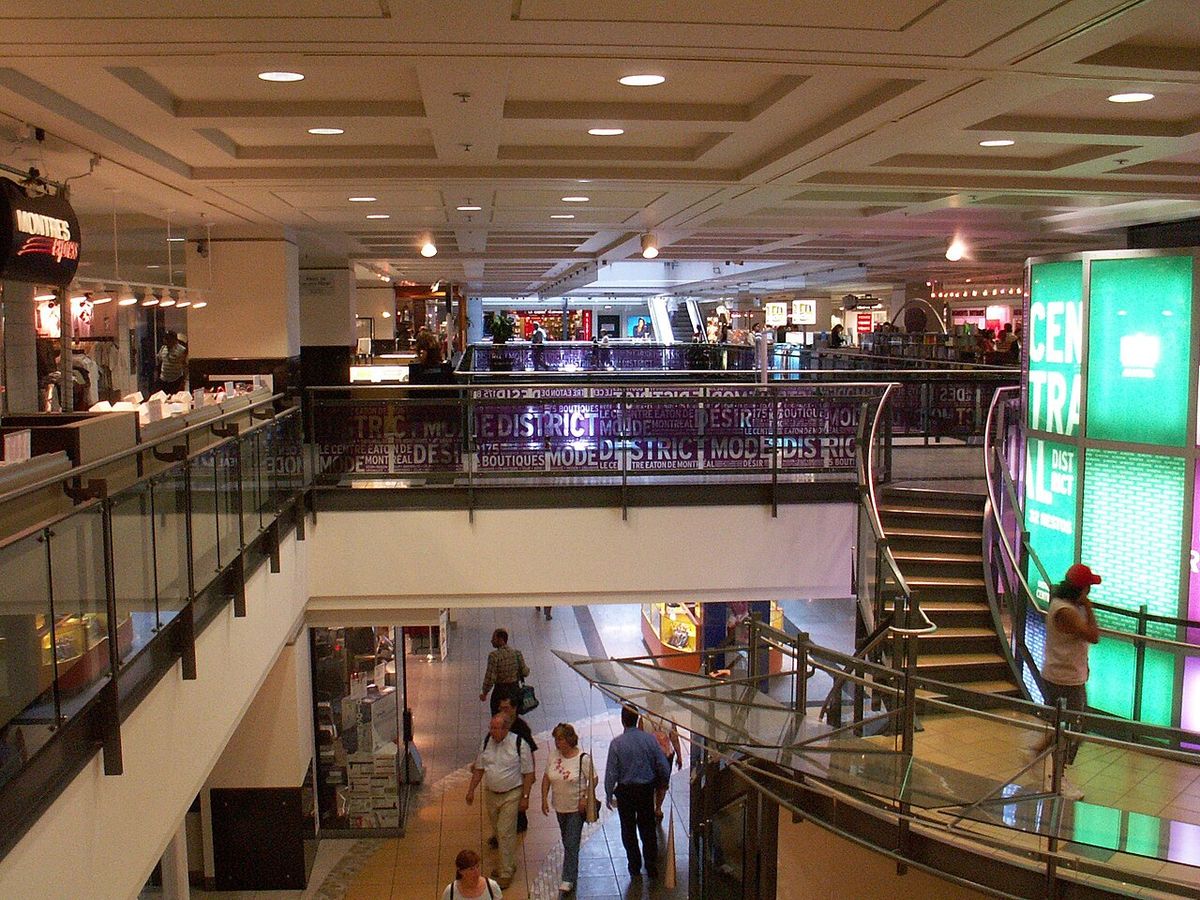
Metro Toronto Convention Centre
The Metro Toronto Convention Centre (MTCC), originally and still colloquially known as the Metro Convention Centre, is a major convention complex located in downtown Toronto, Ontario. Situated along Front Street West in the former Railway Lands, it is owned by Oxford Properties and operated by the Metropolitan Toronto Convention Centre Corporation, an independent agency of the Government of Ontario. As Canada's leading convention and trade show facility, it has hosted over 20,000 events since opening, generating billions in economic impact for the city and region. The centre is a primary component of Toronto's Convention District, directly connected to major transit, attractions, and hotels.
Location and Facilities
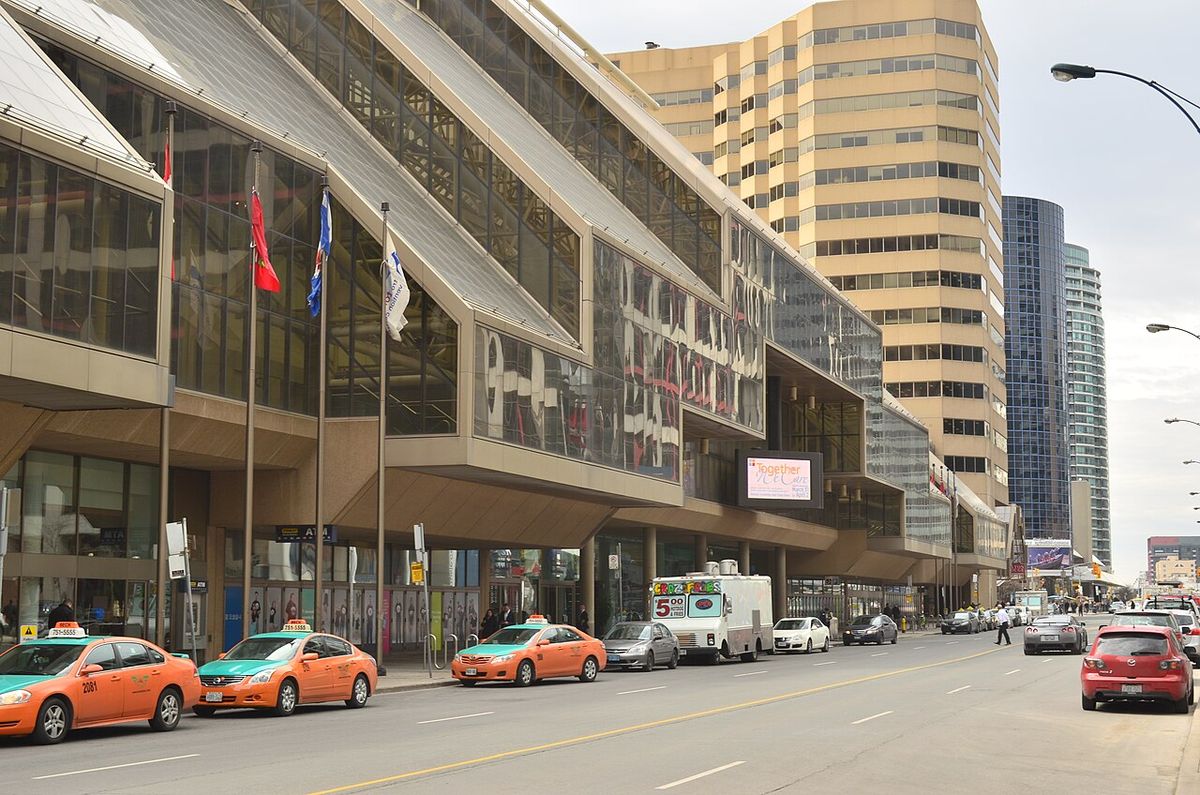
The Metro Toronto Convention Centre is strategically positioned in the heart of Toronto's downtown core, within the area historically known as the Railway Lands. Its address is 255 Front Street West, with its South Building located at 222 Bremner Boulevard. The complex offers a total of 700,000 square feet of space, which includes 442,000 square feet of dedicated exhibit space. This expansive facility is designed to accommodate a wide variety of events, from intimate meetings to large-scale international conventions. The centre's layout is divided between its original North Building and the later South Building addition, which is largely underground and situated south of the active rail lines.
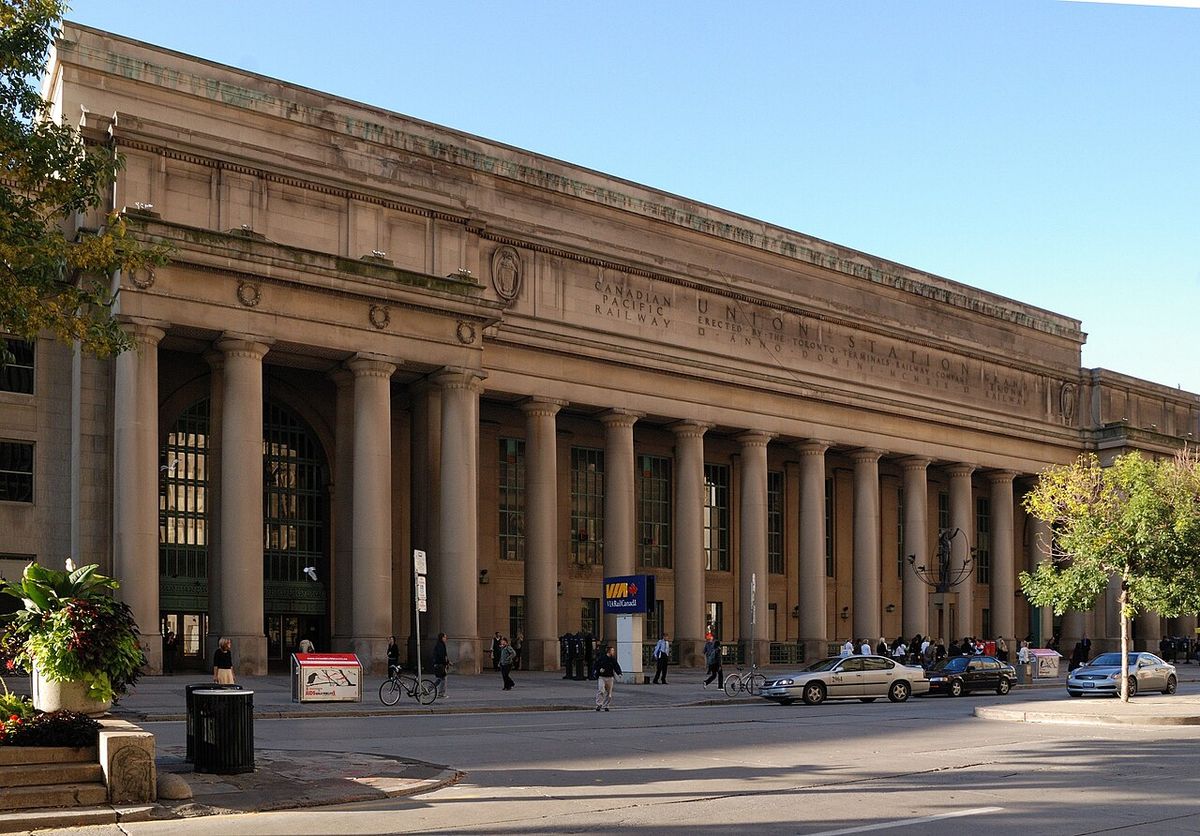
Among its key venues is the 1,232-seat John Bassett Theatre, a state-of-the-art performance and presentation space. The facility also contains 77 meeting rooms, multi-purpose ballrooms, and a contemporary 11,000-square-foot meeting space on the 600 Level of the South Building. The MTCC is physically integrated into the city's infrastructure through the SkyWalk, a covered pedestrian bridge that connects it directly to Union Station, the Rogers Centre, the CN Tower, and Ripley's Aquarium of Canada. It is also accessible via Toronto's extensive underground PATH network, providing all-weather access to downtown offices, shopping, and transit. Adjacent to the convention centre is the 586-room InterContinental Toronto Centre hotel, which was originally built as part of the complex.
At the west end of the property stands a 265,000 square foot Class-B office building at 277 Front Street West. The centre is located along Front Street West in downtown Toronto, placing it within a 25 minute drive of Toronto Pearson International Airport. It is within walking distance to numerous hotels, restaurants, and major tourist attractions. The complex also includes a 1,200 stall parking facility, which was purchased by Oxford Properties as part of its acquisition of the complex in 2011. The property is today owned by Oxford Properties.
History and Development
The site of the Metro Toronto Convention Centre was once part of the federally owned Railway Lands, characterized by tail-end rail tracks and parking lots until the early 1980s. During the 1970s, this area was included in the ambitious but unrealized "Metro Centre" master plan, which aimed to redevelop the entire rail yard. Instead, development occurred piecemeal, leading to landmarks like the CN Tower and Roy Thomson Hall. The convention centre and its adjoining hotel were completed in 1984, a project built by CN Real Estate with designs by Architects Crang and Boake. This initial development marked a significant step in transforming the industrial railway lands into a new mixed-use district for the city.
Ownership of the complex was transferred to the Canada Lands Corporation, a federal Crown corporation, in 1995. To meet growing demand, a major southward expansion was undertaken. Designed by Bregman + Hamann Architects, this new addition opened in 1997, adding substantial convention space south of the rail corridors and east of the CN Tower. In April 2011, Canada Lands Corporation put the centre and hotel up for sale. By September of that year, Oxford Properties, the real estate arm of the OMERS pension plan, completed the purchase for CA$238 million, acquiring the North Building, the hotel, the office tower, and a 1,200-stall parking facility.
In October 2012, Oxford proposed a comprehensive redevelopment that would have demolished the existing MTCC to make way for a new complex featuring a casino, hotel, retail, and an updated convention centre, but these plans were not advanced. The facility served a critical public health role in January 2021, when a section was converted into a large-scale COVID-19 vaccination clinic. Looking to the future, in early 2026, Ontario Premier Doug Ford announced provincial plans to build a new two-million-square-foot convention centre in Toronto, which would replace the existing MTCC. The current centre continues to operate and host a full schedule of events.
Economic and Community Impact
The Metro Toronto Convention Centre has been a substantial economic engine for Toronto and Ontario since its opening. A 2018 report covering the previous 34 years estimated the centre had generated CA$6.3 billion in direct spending economic impact for the community. This impact is primarily driven by spending from conference delegates, trade show attendees, and public show visitors on local services such as dining, hotel accommodations, shopping, and transportation. The centre's operations also support a significant number of jobs in the hospitality and service sectors, sustaining a record 7,622 jobs in the community during its 2017/18 fiscal year according to the Ontario Tourism Regional Economic Impact Model (TREIM).
The MTCC's role extends beyond direct financial metrics, as it acts as a key platform for knowledge exchange, professional development, and international diplomacy. By hosting major academic, scientific, and political gatherings, the centre facilitates connections that drive innovation and policy development. Its operations have also incorporated sustainability initiatives, including waste diversion from landfills, the use of clean energy, and partnerships with local farms and wineries to source food and beverages. These efforts integrate environmental stewardship into the event planning process, aligning with broader corporate and municipal sustainability goals. The centre's management reports high satisfaction from event organizers, who praise staff service, flexibility, and attention to detail.
Notable Events and Conferences
The Metro Toronto Convention Centre has a storied history of hosting high-profile national and international events across diverse sectors. It has been a frequent venue for political conventions and summits, including the 14th G7 summit in 1988, the 2003 Progressive Conservative leadership election, the 2010 G20 Toronto summit, the 2004 Conservative Party leadership election, and the 2012 New Democratic Party leadership election. The centre also hosted the XVI International AIDS Conference in 2006, a major global health gathering. In the area of entertainment and sports, it was the site of the 1985 NHL Entry Draft and served as the annual home for the NHL Awards for many years.
The MTCC's calendar is filled with annual consumer and trade shows that draw hundreds of thousands of visitors. It has been the home of the Canadian International Auto Show since 1986 and Fan Expo Canada, a major pop culture convention, since 1997. The Gemini Awards, celebrating Canadian television, were held at the centre from 1986 to 2002, with the exception of the 2000 ceremony. Other recurring events include the Art Toronto contemporary art fair since 2000, the Enthusiast Gaming Live Expo (EGLX) from 2015 to 2019, and auditions for television talent competitions like So You Think You Can Dance Canada and Canadian Idol. The 2016 Microsoft Worldwide Partner Conference also took place at the venue.
In 2026, the centre's event schedule demonstrates its continued prominence with a dynamic lineup of world class gatherings. The calendar for that year includes 17 citywide conventions. Significant events scheduled for 2026 include Quantum Week 2026, the Friends of Africa Economic Summit, and Canada's Bridal Show. This diverse portfolio highlights the MTCC's ability to attract and execute major events. The centre has hosted many large scale events over the years, adding significant economic impact to the community.
- 14th G7 Summit (1988)
- XVI International AIDS Conference (2006)
- 2010 G20 Toronto Summit
- NHL Entry Draft (1985)
- Canadian International Auto Show (annual since 1986)
- Fan Expo Canada (annual since 1997)
- Gemini Awards (1986 to 2002, except 2000)
- Quantum Week 2026
Architecture and Design
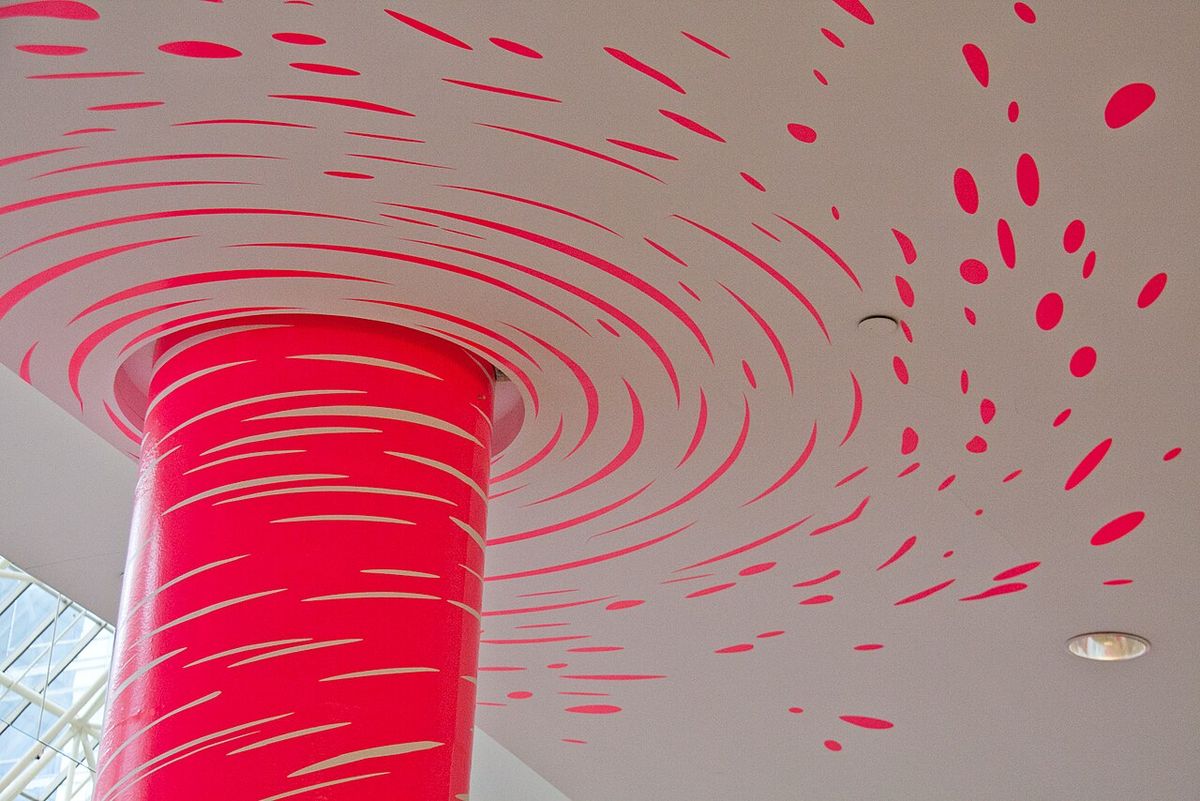
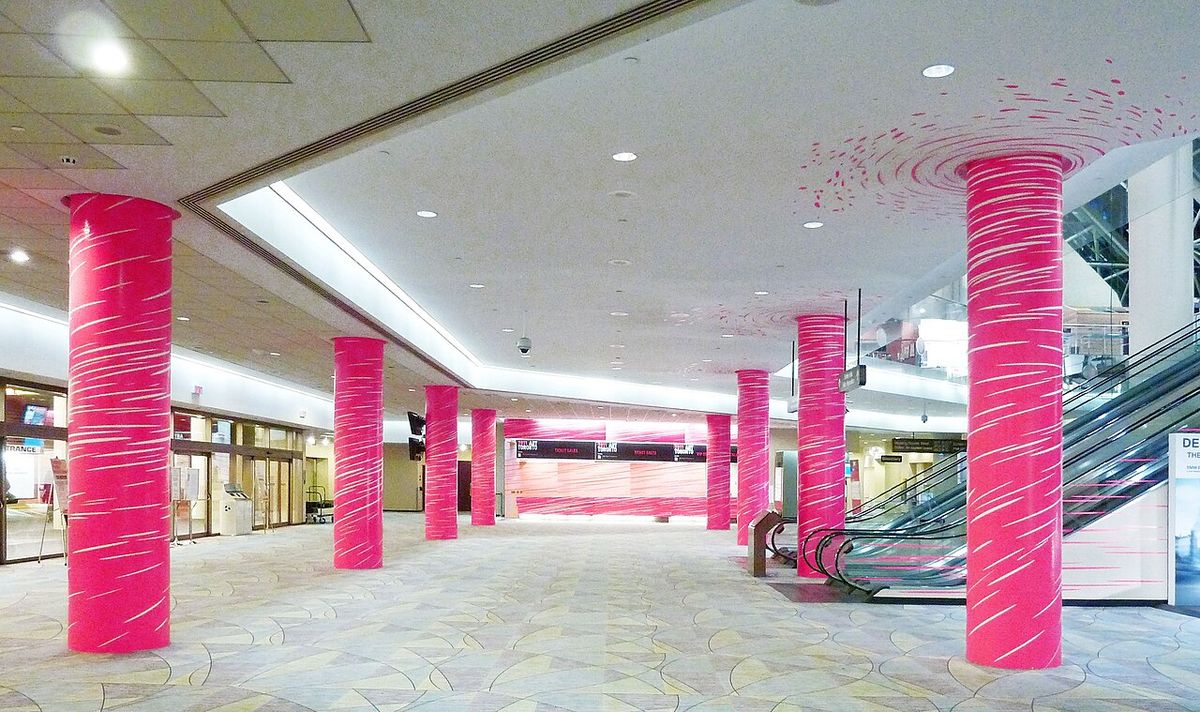
The original convention centre building, opened in 1984, was designed by the architectural firm Crang and Boake. Its construction represented a modern approach to convention facility design, integrating with the urban fabric of the developing Railway Lands. The 1997 southward expansion, designed by Bregman + Hamann Architects, presented an architectural challenge as it was built primarily underground, east of the CN Tower and south of the active railway corridors. This innovative design allowed for a significant increase in functional space without disrupting the sightlines or operations of the surrounding area, effectively burying the new exhibition halls beneath the landscape. The centre's interior has occasionally served as a setting for large-scale art installations, such as Achim Zeman's 2011 work Str@del in the entrance hall, which used red and white fluorescent foils to create an immersive optical effect.
- Original Architects: Crang and Boake (1984)
- Expansion Architects: Bregman + Hamann Architects (1997)
- Art Installation: Str@del by Achim Zeman (2011)
- Key Feature: Underground South Building addition
- Connected Structures: SkyWalk to Union Station, Rogers Centre, CN Tower
- Office Building: 277 Front Street West (265,000 sq ft)
Future and Replacement Plans
In early 2026, a significant announcement was made regarding the long-term future of the Metro Toronto Convention Centre. Ontario Premier Doug Ford revealed provincial government plans to construct a new, much larger convention centre in Toronto. The proposed facility is envisioned to encompass two million square feet, which would more than double the size of the current MTCC complex. This plan explicitly involves replacing the existing convention centre, signalling a potential end to the facility's operations at its current Front Street location after over four decades of service. The announcement reflects a desire to modernize Toronto's convention infrastructure and compete for even larger international events that require more space.
The details regarding the timeline for this replacement, the exact location for the new centre, and the fate of the existing buildings and land have not been fully disclosed as of 2026. The current MTCC continues to operate and book events into the foreseeable future, including a full slate of conferences and trade shows scheduled for 2026 and beyond. The centre's owner, Oxford Properties, had previously explored major redevelopment options for the site in 2012, which included demolition and rebuilding, but those plans were not pursued. The new provincial initiative represents the most concrete step yet toward a comprehensive renewal of Toronto's primary convention venue, though the existing centre remains active in the interim.
Questions about Metro Toronto Convention Centre
Where is the Metro Toronto Convention Centre located?
The Metro Toronto Convention Centre is located at 255 Front Street West in downtown Toronto, Ontario, within the area known as the Railway Lands. Its South Building is at 222 Bremner Boulevard. It is situated in the heart of Toronto's Convention District, within walking distance of major hotels, the CN Tower, Rogers Centre, Ripley's Aquarium, and numerous restaurants. The centre is directly connected to Union Station via the SkyWalk pedestrian bridge and is also accessible through the city's underground PATH network.
How big is the Metro Toronto Convention Centre?
The Metro Toronto Convention Centre encompasses a total of 700,000 square feet of space. This includes 442,000 square feet of dedicated exhibit space, spread across its North and South Buildings. The facility also contains 77 meeting rooms, multi-purpose ballrooms, and the 1,232-seat John Bassett Theatre. A notable feature is the 11,000-square-foot contemporary meeting space on the 600 Level of the South Building. The connected InterContinental Toronto Centre hotel adds 586 guest rooms to the complex's capacity.
What major events have been held at the MTCC?
The MTCC has hosted a wide array of major events, including international political summits like the 1988 G7 summit and the 2010 G20 Toronto summit. It has been the venue for numerous political party leadership conventions in Canada. Significant recurring events include the Canadian International Auto Show since 1986, Fan Expo Canada since 1997, and the Art Toronto fair since 2000. The centre has also hosted the NHL Awards, the Gemini Awards, the XVI International AIDS Conference in 2006, and the Microsoft Worldwide Partner Conference in 2016.
Is the Metro Toronto Convention Centre being replaced?
Yes, in early 2026, Ontario Premier Doug Ford announced provincial plans to build a new two-million-square-foot convention centre in Toronto to replace the existing Metro Toronto Convention Centre. The announcement indicates the current facility will be superseded by a significantly larger modern complex. Specific details regarding the construction timeline, exact location, and the future of the current site are not yet fully available. The MTCC continues to operate and host scheduled events in the interim.
How do I get to the Metro Toronto Convention Centre?
The centre is highly accessible by multiple modes of transportation. It is directly connected to Union Station, Toronto's main transit hub for GO Transit, Via Rail, and the Toronto Transit Commission subway, via the covered SkyWalk pedestrian bridge. It is also linked to the underground PATH system. By road, it is approximately a 25-minute drive from Toronto Pearson International Airport. The facility is surrounded by major highways and is within walking distance of many downtown destinations, making it convenient for both local and out-of-town attendees.
What is the economic impact of the MTCC?
The Metro Toronto Convention Centre has a substantial economic impact on Toronto and Ontario. A 2018 report covering 34 years of operation estimated it generated CA$6.3 billion in direct spending impact, which comes from delegate expenditures on hotels, dining, shopping, and transportation. According to the Ontario Tourism Regional Economic Impact Model, the centre sustained 7,622 jobs in the community during the 2017/18 fiscal year. By hosting thousands of events and attracting visitors from around the world, the MTCC acts as a major economic driver for the city's tourism and hospitality sectors.
Sources and further reading
- Metro Toronto Convention Centre (Wikipedia)
- Plan (mtccc.com)
Checked by the Your Space Hamilton desk. Last updated 2026-10-30.