Snowbelt
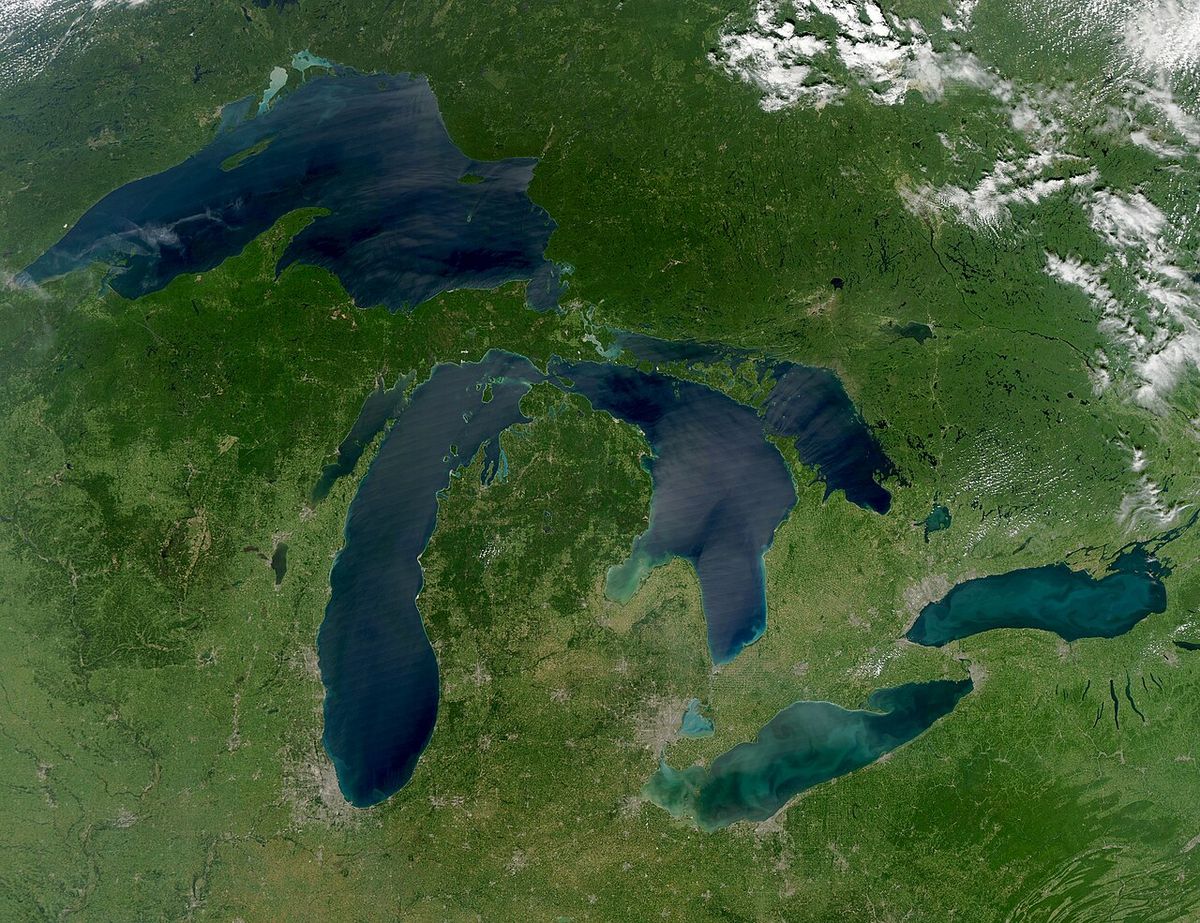
The Snowbelt, also known as the Snow Belt or Frost Belt, is a geographic region in North America adjacent to the Great Lakes where heavy lake-effect snowfall is a dominant and recurring meteorological phenomenon. In Canada, the Snowbelt significantly impacts communities along the eastern shores of Lake Superior, Lake Huron, and Georgian Bay in Ontario, bringing persistent winter weather that shapes local life and economies. The phenomenon occurs when cold continental air masses traverse the relatively warmer waters of the lakes, absorbing moisture that is subsequently deposited as snow upon reaching the colder land. This process results in some of the most substantial and consistent seasonal snowfalls on the continent, with major effects on transportation, recreation, and regional climate patterns.
Mechanism of Lake-Effect Snow
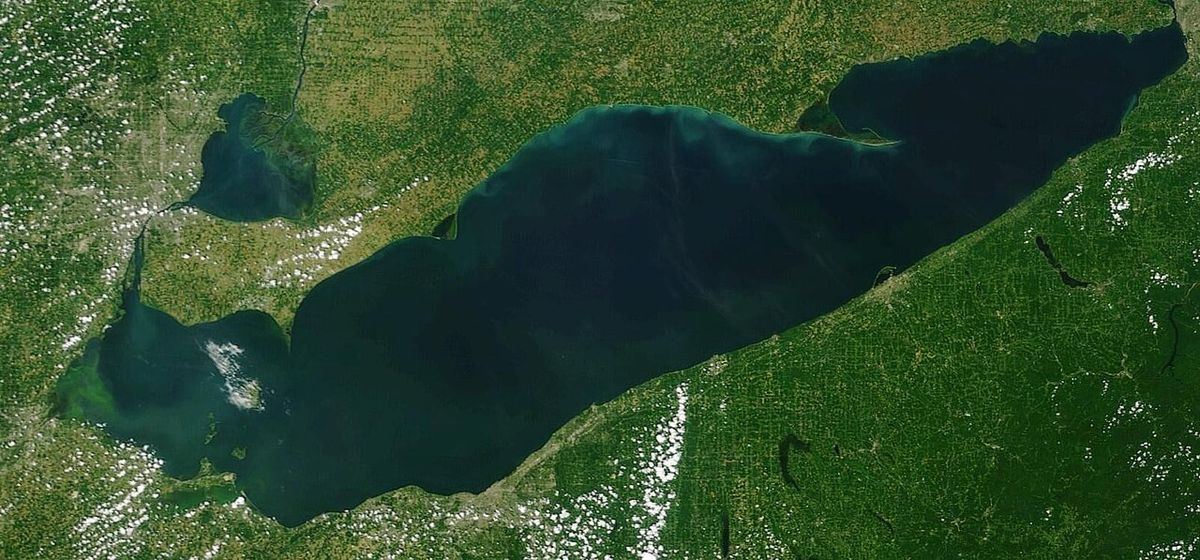
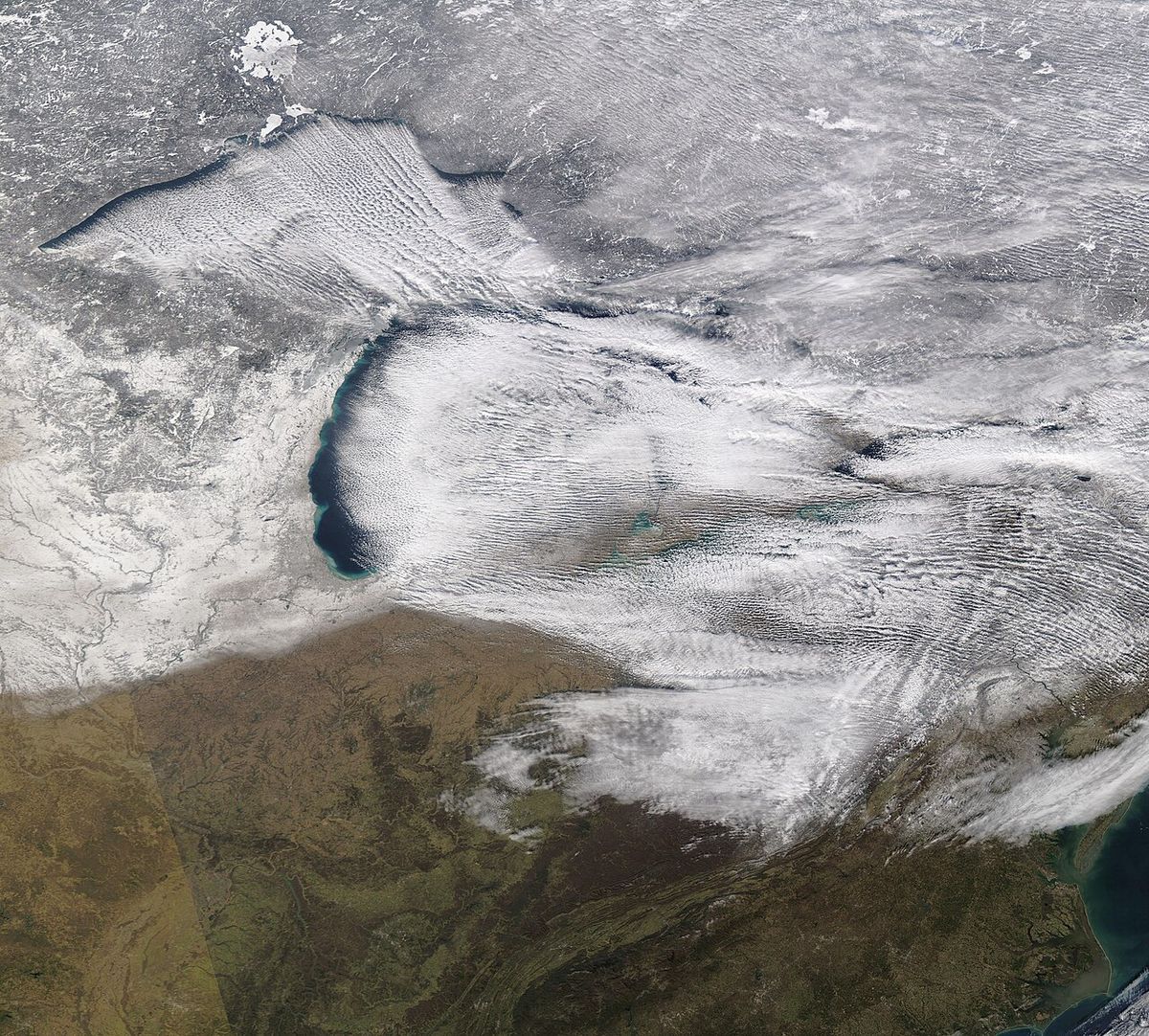
Lake-effect snow, the engine of the Snowbelt's notorious winters, is a direct consequence of the temperature differential between cold air and warmer lake water. As frigid Arctic air masses, typically from the northwest, sweep across the vast, unfrozen surfaces of the Great Lakes in late autumn and winter, they rapidly gain heat and moisture through evaporation. This warmer, moisture-laden air becomes unstable as it continues its journey overland, where the surface is colder. The air is forced to rise, cooling adiabatically, which causes the absorbed moisture to condense and precipitate as snow in concentrated bands downwind of the lakes. The intensity and location of these snowbands are dictated by factors including the direction and duration of the wind, the temperature contrast between air and water, and the distance the air travels over the lake, known as the fetch. The phenomenon persists throughout the winter until a lake's surface freezes over, which effectively cuts off the moisture source, though shallow Lake Erie can freeze completely most seasons. Notably, the blizzard conditions of the Great Lakes Blizzard of 1977 in Buffalo were caused not by falling snow but by high winds blowing existing powder snow from the frozen surface of Lake Erie, demonstrating that hazardous winter weather can continue even after the lake-effect snow mechanism is temporarily suspended.
Geography of the North American Snowbelt
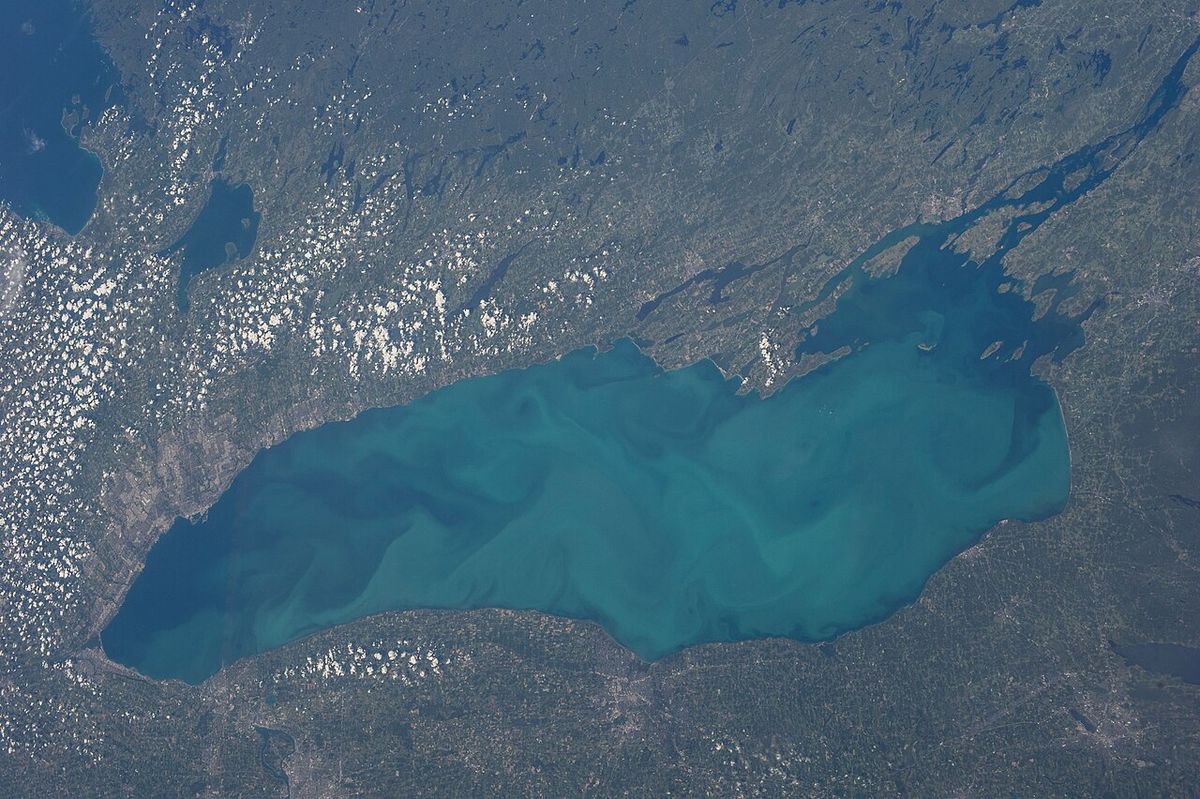
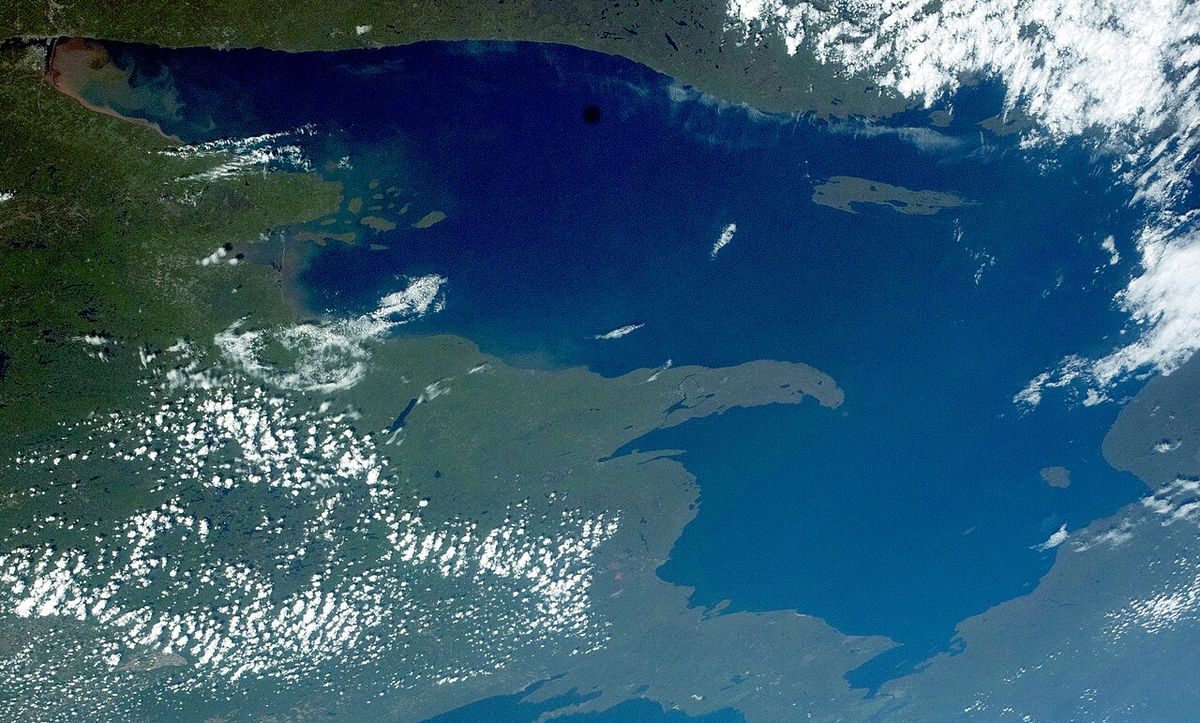
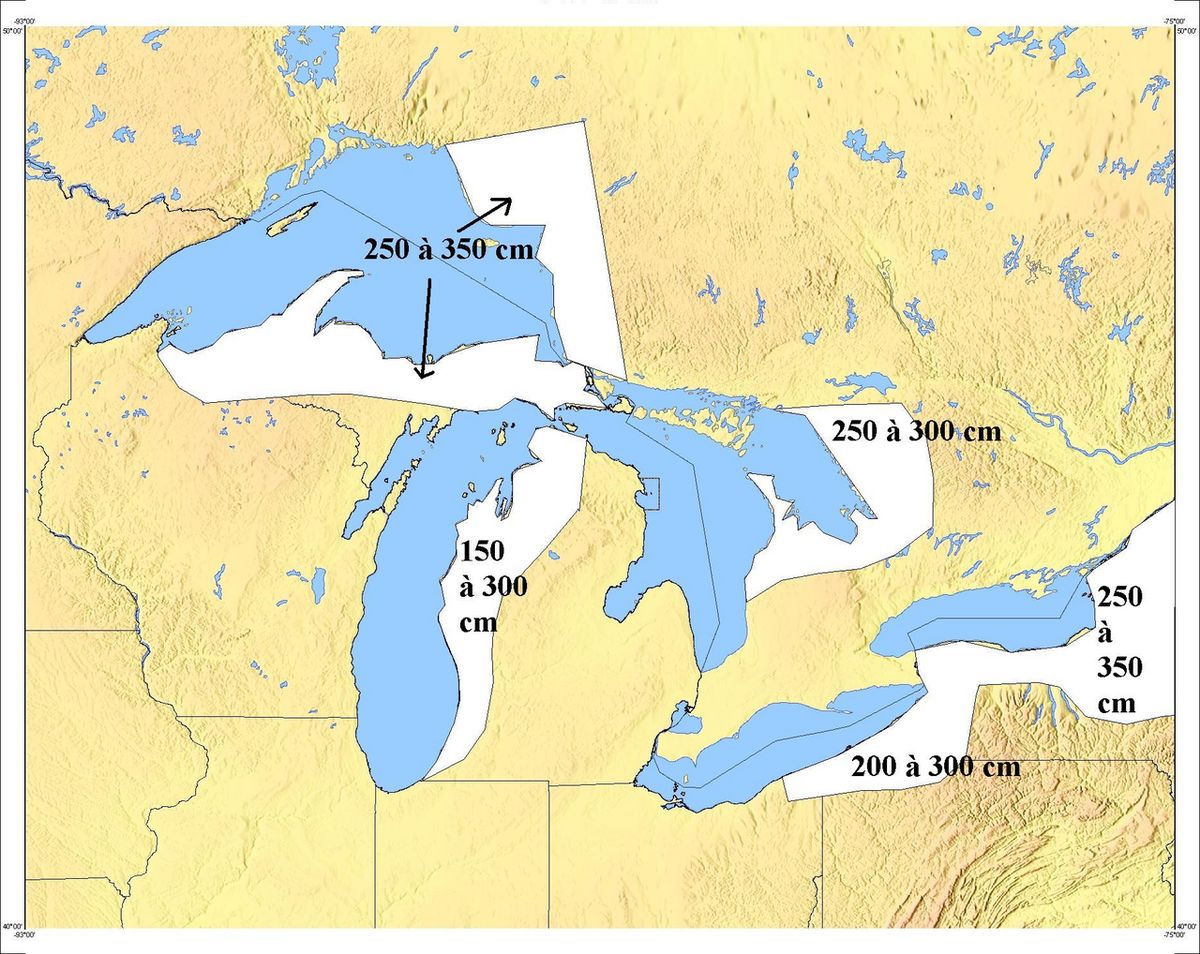
The Snowbelt is not a single contiguous zone but a series of discrete regions positioned downwind, or to the lee, of the Great Lakes. In the United States, the most pronounced belts are found southeast of Lake Erie, affecting cities from Cleveland, Ohio, to Buffalo, New York, and south of Lake Ontario, stretching from Rochester through Syracuse to Utica and north to Watertown, New York. Another major U.S. snowbelt runs along the eastern shore of Lake Michigan from Gary, Indiana, north through Western and Northern Michigan to the Straits of Mackinac. The eastern and southern shores of Lake Superior also create a snowbelt impacting northwest Wisconsin and the entire Upper Peninsula of Michigan. In Canada, the province of Ontario contains significant Snowbelt areas that experience frequent and heavy lake-effect events. This includes the eastern shore of Lake Superior from Sault Ste. Marie northward to Wawa, as well as the eastern and southern shores of Lake Huron and the massive Georgian Bay. Communities from Parry Sound along Georgian Bay to London, Ontario, can be affected, particularly when prevailing north-westerly winds are established. The Niagara Peninsula and the north-eastern shores of Lake Ontario are especially vulnerable to heavy snowfall when south-westerly winds prevail, channelling moisture from the lake's full length.
Impacts on Transportation and Infrastructure
The relentless snowfall in the Snowbelt presents formidable challenges for transportation networks and public infrastructure. In Ontario, key highways paralleling the lakeshores are frequently subjected to sudden whiteout conditions and rapid snow accumulation, leading to closures and dangerous travel. Highway 21, which runs along the Lake Huron coast, and Highway 26 south of Georgian Bay as far east as Barrie, are notably susceptible to disruption during lake-effect snow events. These conditions necessitate substantial and ongoing investments in snow removal equipment, road salt, and maintenance crews. Municipalities within the belt must budget for higher winter control costs compared to regions outside the influence of the lakes. The economic impact extends to delayed shipments, cancelled flights, and increased wear on vehicles and road surfaces. The weight of heavy, wet snow can lead to roof collapses on older buildings and barns, while utility lines are at risk from ice accumulation and falling tree limbs. The persistent cloud cover associated with the lake-effect process also reduces solar gain, contributing to longer periods of icy conditions on roads and sidewalks even after precipitation has ended.
Economic and Recreational Opportunities
While presenting challenges, the reliable and abundant snow of the Snowbelt has also fostered significant economic and recreational industries. A strong skiing and winter tourism sector has developed in regions close to major urban centres like Buffalo and Toronto. The lake-effect snow that falls on the northern slopes of the Allegheny Plateau in New York and Pennsylvania has earned the region the nickname "ski country." In Ontario, the snowbelt south of Georgian Bay supports several ski resorts, with major destinations including Blue Mountain on the Niagara Escarpment and resorts on the Oro Moraine. These facilities provide winter employment and attract visitors, contributing substantially to local economies. Beyond downhill skiing, the Snowbelt enables a wide range of winter activities that define the regional culture, including snowmobiling on extensive trail networks, cross-country skiing, ice fishing on inland lakes, and snowshoeing. The consistent snow cover is crucial for these industries, making the Snowbelt a predictable destination for winter sports enthusiasts from less snowy regions.
Notable ski regions and resorts within the Snowbelt include areas near major cities such as Buffalo and Toronto. The Erie and Ontario snowbelt region, which extends to the northern slopes of the Allegheny Plateau, is nicknamed ski country. To the south of Georgian Bay, ski resorts are located on the Niagara Escarpment at Blue Mountain. Other resorts are also found on the Oro Moraine in the same region.
- The "Ski Country" region of the Allegheny Plateau in New York and Pennsylvania.
- Blue Mountain resort on the Niagara Escarpment in Ontario.
- Ski resorts located on the Oro Moraine south of Georgian Bay, Ontario.
- The Wasatch Front in Utah, which markets its light, dry lake-effect snow from the Great Salt Lake as the "Greatest Snow on Earth."
The winter tourism economy in these areas is directly tied to the meteorological patterns that define the Snowbelt. Healthy skiing industries have been established in these snowbelt regions. The reliable, heavy snowfall from lake-effect snow events supports these industries. This creates a unique symbiosis between the regional climate and local commerce.
The Great Salt Lake Snowbelt
A significant Snowbelt outside the Great Lakes region exists in the western United States, influenced by the Great Salt Lake in Utah. This lake-effect phenomenon shares the same fundamental mechanics but occurs in a semiarid climate. Because the Great Salt Lake is saline and rarely freezes completely, it can produce lake-effect precipitation year-round, though snow is the dominant form in winter. The southern and southeastern sides of the lake, including the populous Wasatch Front, receive substantial snowfall from this effect. It contributes to annual snowfall totals ranging from 55 to 80 inches (140 to 200 cm) in the valleys directly south and east of the lake and is a primary factor in the incredible average of 500 inches (13 m) of snow that falls in the adjacent Wasatch Range mountains. The snow is typically very light and dry due to the arid surrounding air, a quality famously celebrated by the state's ski industry with the slogan "Greatest Snow on Earth." In Salt Lake City itself, the lake effect is responsible for roughly six to eight snowfalls per year, accounting for approximately 10 percent of the city's total annual precipitation.
Climate Change and Future Trends
The future of Snowbelt weather patterns is linked to the broader effects of climate change, which are projected to alter the lake-effect snow regime in complex and sometimes contradictory ways. A key factor is the warming of both air and water temperatures across the Great Lakes basin. On one hand, warmer lake surface temperatures and a reduction in seasonal ice cover could extend the period during which the lakes are open and capable of fueling lake-effect snow events, potentially lengthening the snow season if overlying air masses remain cold enough. This could lead to more intense snowfall events in some contexts. Conversely, the general warming of the continental air masses that flow over the lakes is expected to raise the altitude at which snow forms, leading to more precipitation falling as rain rather than snow, especially at the beginning and end of the winter season. This trend toward more lake-effect rain is likely to manifest sooner and more strongly in the southern portions of the Snowbelt, such as areas south of Lake Ontario and Lake Erie, as these regions warm more quickly due to their lower latitude. The net effect is an uncertain balance between increased potential for heavy snow events and an overall shift in the precipitation type, which could significantly impact the skiing industries and ecosystems that depend on reliable seasonal snowpack.
Global Analogues
Similar lake-effect or ocean-effect snow conditions are observed in several other parts of the world where cold winds traverse large bodies of relatively warm water before encountering land. One of the most famous examples is found on the west coast of the Japanese island of Hokkaido, an area known as "snow country." There, the cold northwesterly winds emanating from the Siberian high-pressure system in winter cross the Sea of Japan, picking up ample moisture that is deposited as prodigious snowfall upon reaching the mountainous terrain of Hokkaido. An analogous situation occurs on the west side of Russia's Kamchatka Peninsula, where winds cross the Sea of Okhotsk. In Europe, the east coast of Sweden, particularly in the early winter before the Baltic Sea freezes, can experience modified ocean-effect snow events when easterly winds move over the open water. These global analogues demonstrate that the fundamental physics of the Snowbelt phenomenon are not unique to North America but occur wherever the necessary geographic and meteorological ingredients align.
Questions about Snowbelt
What causes lake-effect snow in the Snowbelt?
Lake-effect snow is caused by cold, dry air masses moving over the relatively warmer, unfrozen water of the Great Lakes. The air rapidly gains heat and moisture through evaporation. When this now warmer, moisture-laden air moves over the colder land downwind, it is forced to rise and cool, causing the moisture to condense and fall as concentrated bands of snow. The process continues as long as the lake surface remains warmer than the air passing over it, typically ceasing when the lake freezes over.
Which parts of Canada are in the Snowbelt?
In Canada, the primary Snowbelt regions are in Ontario, along the eastern and southern shores of the Great Lakes. This includes the eastern shore of Lake Superior from Sault Ste. Marie north to Wawa, the eastern and southern shores of Lake Huron, and the extensive shoreline of Georgian Bay from Parry Sound to the London area. The Niagara Peninsula and north-eastern Lake Ontario shoreline are also affected, particularly under south-westerly wind patterns.
How does the Snowbelt affect daily life in Ontario?
The Snowbelt significantly impacts daily life through frequent and heavy snowfall events that disrupt transportation. Highways like 21 and 26 are often closed due to whiteouts and rapid accumulation, affecting commutes and freight. Municipalities face high costs for snow removal and road maintenance. Conversely, the reliable snow supports major winter tourism and recreation industries, including ski resorts at Blue Mountain and on the Oro Moraine, snowmobiling, and ice fishing, which are central to the local economy and culture.
Is there a Snowbelt outside the Great Lakes region?
Yes, a prominent example is the region influenced by the Great Salt Lake in Utah. Similar lake-effect processes generate significant snowfall on the southern and eastern shores of that lake. This contributes to the famous light, dry powder in the Wasatch Range, which is often called the Greatest Snow on Earth. Globally, ocean-effect snow occurs in places like the west coast of Japan's Hokkaido island and the Kamchatka Peninsula in Russia. Sweden's east coast can also be affected by similar conditions, particularly in the early winter.
Will climate change make Snowbelt winters worse?
Climate change is expected to alter Snowbelt winters in complex ways. Warmer lakes with less ice cover could potentially fuel more intense lake-effect snow events and extend the season. However, the overarching warming of air temperatures means more precipitation may fall as rain instead of snow, especially in early and late winter. This shift toward rain is likely to occur faster in the southern Snowbelt regions. The net effect is uncertain, balancing possible heavier snowfalls against an overall reduction in snow days.
Why is the snow in Utah's Wasatch Range called the 'Greatest Snow on Earth'?
The slogan "Greatest Snow on Earth" refers to the light, dry powder snow produced by the Great Salt Lake effect. The lake's salinity prevents it from freezing, allowing it to generate lake-effect snow all winter. As cold winds pick up moisture from the lake and rise over the Wasatch Range, the snow that forms falls through the dry, semiarid air, resulting in snow with an exceptionally low water content. This creates ideal, fluffy conditions for skiing and snowboarding, which the local industry famously promotes.
Sources and further reading
- Snowbelt (Wikipedia)
- Hazardous travel with potent, prolonged snow squall setup (theweathernetwork.com)
- What is a Lake Effect Snow? (weather.gov)
- Over 500-Mile Long Lake-Effect Snowband Hammered ... (weather.com)
- What's lake effect snow and where are Ontario snowbelt ... (toronto.com)
Checked by the Your Space Hamilton desk. Last updated 2026-10-23.