Asian carp in North America
Invasive carp, a group of four fish species formerly known as Asian carp, represent one of the most significant ecological threats to freshwater ecosystems in North America. Originally imported from East Asia for aquaculture in the 1960s and 1970s, these fish escaped into the wild and have since proliferated throughout the Mississippi River basin. Their presence poses a severe risk to native biodiversity, commercial and recreational fisheries, and even human safety, with a particular focus on preventing their establishment in the Great Lakes. Coordinated binational efforts between Canada and the United States are underway to monitor, deter, and control the spread of these invasive species.
Species and Origins
The term invasive carp collectively refers to four distinct species of cyprinid fish: bighead carp (Hypophthalmichthys nobilis), silver carp (Hypophthalmichthys molitrix), grass carp (Ctenopharyngodon idella), and black carp (Mylopharyngodon piceus). All four species are native to major river systems in China and Russia, including the Pearl, Yangtze, Min, Amur and Yellow rivers, covering a geographic range from southern Russia to Northern Vietnam. They were imported to the United States beginning in the 1960s and 1970s by the aquaculture industry in southern states. The fish were utilized for their specific feeding habits: bighead and silver carp to consume plankton, grass carp to control aquatic vegetation like hydrilla, and black carp to eat snails. These intentional introductions set the stage for their eventual escape and establishment in North American waterways following flooding events in the 1990s and earlier.

Ecological Impact and Threats
Invasive carp pose a severe threat to aquatic ecosystems where they become established through competition, habitat destruction, and potential disease introduction. Bighead and silver carp are filter feeders that consume vast quantities of plankton, which forms the foundational food source for native larval fish and mussels. An individual carp can consume between five to twenty percent of its body weight in plankton each day, leading to direct competition and potential starvation for native species. Grass carp are herbivores that aggressively feed on aquatic plants, which can destroy critical wetland habitats, reduce water clarity, increase shoreline erosion, and eliminate spawning and nursery areas for other fish. Black carp are carnivorous, feeding on native snails and mussels, including species that are already endangered.
The proliferation of these species can lead to a dramatic shift in ecosystem composition and fragility. In some infested areas of the Mississippi River basin, invasive carp have comprised up to eighty percent of the total fish biomass. A 20-year study in the Upper Mississippi Basin showed that Asian carp populations out-compete native sport-fish species. Beyond competition, there is also an unknown threat from parasites and diseases the carp may introduce, such as the Asian tapeworm. The socio-economic impacts are also severe, with a 2011 risk assessment finding that activities most likely to be impacted in the Great Lakes include commercial, recreational and subsistence fishing, recreational boating, wildlife viewing, and beach and lakefront use.
Specific Threats by Species:- Bighead and Silver Carp: Compete for plankton, reducing food for native fish larvae and mussels. Silver carp leaping behaviour injures boaters.
- Grass Carp: Remove aquatic vegetation, destroying fish habitat, increasing turbidity, and disturbing lake and river bottoms.
- Black Carp: Prey on native snails and mollusks, threatening already vulnerable species.
- All Species: High reproduction rates and dominance can reduce overall biodiversity and ecosystem resilience.
Spread and Current Presence in North America
Following their escape from aquaculture facilities, invasive carp have spread extensively through connected waterways. The Mississippi River basin, including its major tributaries the Ohio and Missouri Rivers, is now heavily infested. Populations of bighead, silver, and grass carp reach extremely high numbers from Louisiana north to South Dakota, Minnesota, and Ohio. Grass carp have been reproducing in the Mississippi River since the 1970s and are also established in watersheds in Texas. In Louisiana, a 2013 to 2014 survey found that fourteen percent of juvenile fish in the Mississippi, Atchafalaya, Ouachita, and Red Rivers were Asian carp. Commercial fishermen have reported catching 47,000 pounds of carp in a single four-hour outing on the Mississippi and Atchafalaya Rivers.
The northward expansion of these species brings them alarmingly close to the Great Lakes watershed. Bighead and silver carp have been detected within 47 miles of Lake Michigan via the Illinois Waterway. The primary connection point is the Chicago Area Waterway System (CAWS), which links the Mississippi River basin to the Great Lakes via the Chicago Sanitary and Ship Canal. This artificial link is considered the most likely pathway for a large-scale invasion. Individual carp have been found further north, including bighead carp caught by recreational fishermen in the St. Croix River in June 2015 and by commercial fishermen in the Minnesota River in February 2016, prompting concern from Minnesota authorities.
The Great Lakes and Canadian Waters
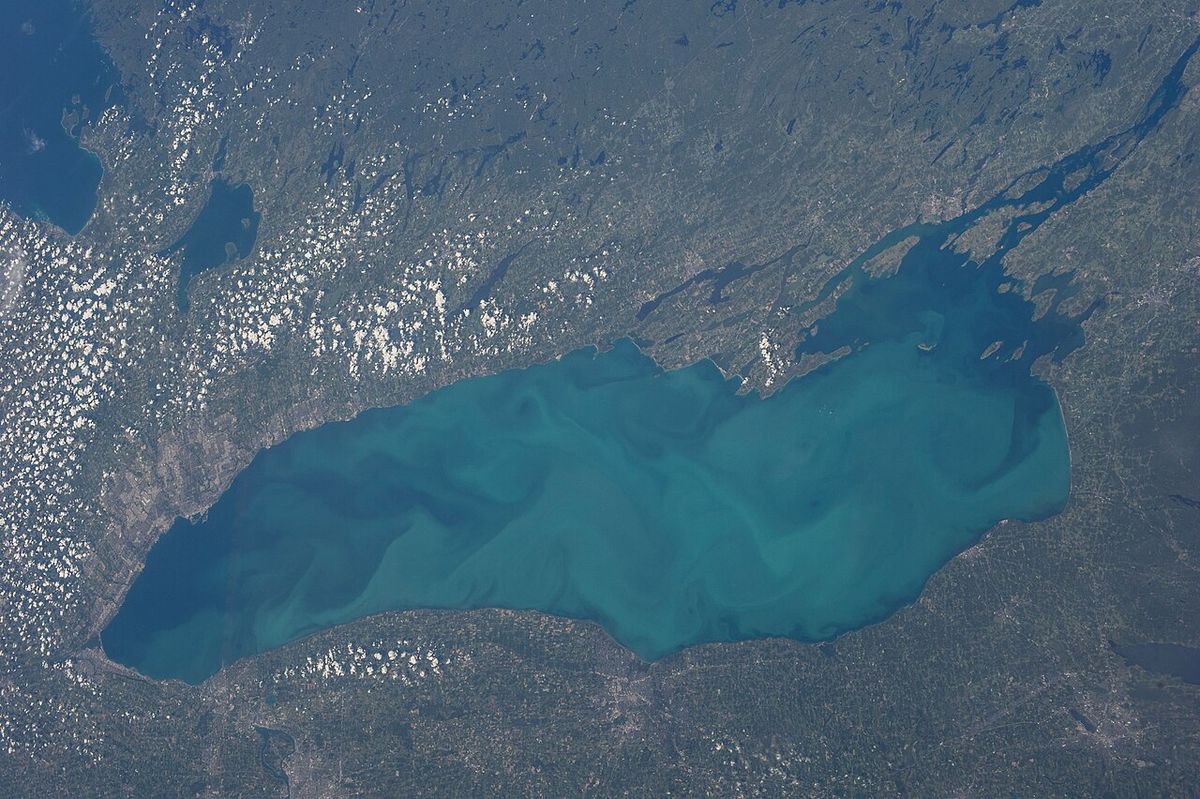
The potential establishment of invasive carp in the Great Lakes is the primary driver of binational management efforts between Canada and the United States. The Great Lakes represent one of the world's largest freshwater ecosystems, supporting a fishery worth billions and a way of life for millions. While no self-sustaining populations are confirmed in the lakes, individual captures have occurred in Canadian waters. Three bighead carp were collected in western Lake Erie between 2000 and 2003, believed to be intentional releases. Approximately 23 grass carp have been captured singly in the waters or tributaries of Lake Huron, Lake Ontario, and Lake Erie since 2012, with the most recent in Lake Erie in 2018.
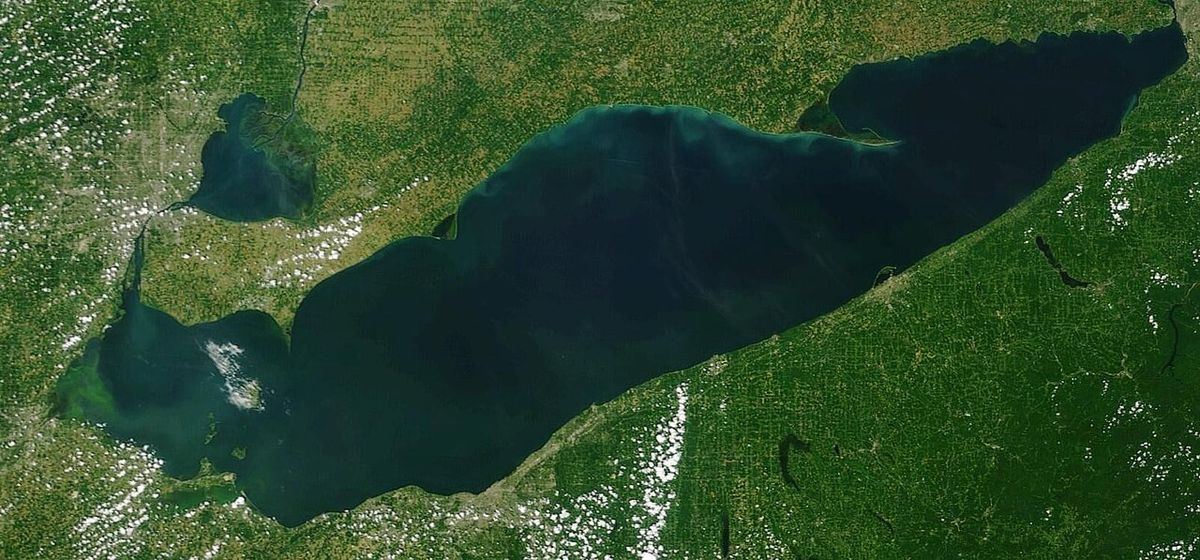
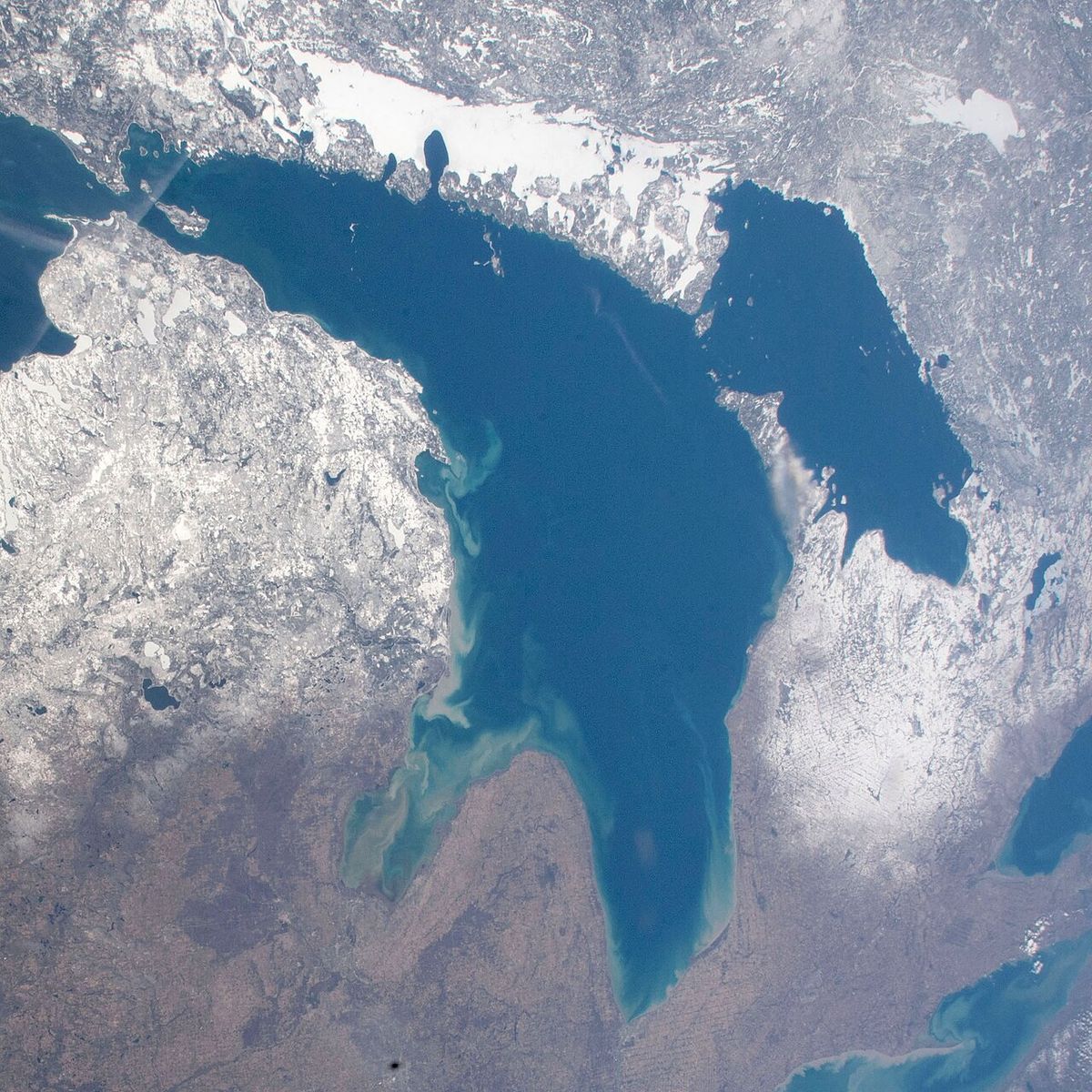
Most grass carp caught in Canada have been infertile triploids, likely escapees from vegetation control programs. However, natural reproduction was confirmed in Ohio's Sandusky River, a tributary of Lake Erie, in 2013. In July 2015, five grass carp were found in contained ponds near Toronto's Lake Ontario waterfront, and three more were found near the Toronto Islands that September. In July 2025, a grass carp was found in the waters of Lake Huron near the Bruce Nuclear Generating Station in Kincardine, Ontario, with Fisheries and Oceans Canada reporting a second carp accompanying it. No silver or black carp have yet been found in any Great Lake. Ongoing surveillance, including environmental DNA (eDNA) sampling, is critical for early detection.
Notable Captures in Canadian Great Lakes:- Bighead Carp: Three specimens in western Lake Erie (2000 to 2003).
- Grass Carp: 23 single captures since 2012 in Lakes Huron, Ontario, and Erie.
- 2025 Incident: One grass carp in Lake Huron near Kincardine, with a second observed.
- Monitoring: Public reporting via Ontario’s Invading Species Hotline at 1-800-563-7711 is encouraged.
Management and Control Strategies
Managing invasive carp is a complex, long term challenge that requires coordinated action across jurisdictions. Complete eradication from large, connected river systems is currently impossible, so strategies focus on population control and, most critically, preventing spread into uninvaded waters like the Great Lakes. A layered approach is employed, combining physical barriers, active removal, and continuous monitoring. The most prominent infrastructure is the electric fish barrier system in the Chicago Sanitary and Ship Canal, operated by the U.S. Army Corps of Engineers. The first demonstration barrier was completed in 2002, with a permanent barrier construction beginning in 2004 after positive test results.
Additional management tools include commercial fishing partnerships to harvest large numbers of carp from infested areas, with efforts like the 2022 "Copi" rebranding campaign to develop markets for the fish as food. Biocontrol research is exploring the potential of native predators like alligator gar, reintroduced between Tennessee and Illinois, to consume juvenile carp. Sound is also being investigated as a potential deterrent by the U.S. Geological Survey, though its effects on fish behaviour range from short term avoidance to hearing loss. Monitoring relies on traditional methods like netting and electrofishing, supplemented by eDNA sampling, which can detect genetic material from carp in water samples and provide an early warning.
Key Management Actions and Entities:- Physical Barriers: Electric barriers in the CAWS. 18 other potential sites identified from Minnesota to New York.
- Harvest Programs: Commercial netting. Initiatives to use carp as seafood (e.g., Silverfin Cakes).
- Monitoring: eDNA sampling, netting, sonar. Coordinated by the Monitoring and Response Work Group.
- Legislative Action: Laws like the Upper Mississippi CARP Act to authorize rapid response and lock closures.
- Binational Coordination: Through the Invasive Carp Regional Control Committee (ACRCC), Great Lakes Fishery Commission, Fisheries and Oceans Canada, U.S. Fish and Wildlife Service, and U.S. Geological Survey.
- Public Engagement: Encouraging reporting of sightings and exploring culinary markets for carp.
Legal and Political Challenges
The threat to the Great Lakes has sparked significant legal and political action spanning over a decade. In December 2009, Michigan's Attorney General Mike Cox filed a lawsuit with the U.S. Supreme Court seeking the immediate closure of the Chicago Sanitary and Ship Canal locks. This action was supported by other Great Lakes states and the province of Ontario, which filed its own suit in an American court on January 1, 2010. The opposing side, led by Illinois Attorney General Lisa Madigan and supported by shipping and industry groups like the Illinois Chamber of Commerce, argued that closing the vital waterway would disrupt the movement of millions of tons of iron ore, coal, and grain, totaling over $1.5 billion a year, and contribute to the loss of hundreds or thousands of jobs.
The Supreme Court rejected the initial injunction request in January 2010 but took no action on older cases regarding Chicago water withdrawal. Subsequent legal battles in lower federal courts saw Wisconsin, Minnesota, Ohio, and Pennsylvania join Michigan in a July 2010 suit against the U.S. Army Corps of Engineers. All requests to close the locks were ultimately denied, with a federal district court dismissing the lawsuit in December 2012. The court determined that complete hydrological separation would violate federal laws requiring the Army Corps to maintain a navigable connection between the two systems. This legal outcome highlighted the conflict between navigation laws and ecological protection, shifting emphasis to technological barriers and management within the existing legal framework.
Recent Developments and Ongoing Concerns
Management efforts continue to evolve with new findings, technologies, and persistent incursions. In 2015, the locks of St. Anthony Falls Lock and Dam on the Mississippi River in Minneapolis were closed to control the spread of Asian carp, making the city the head of navigation again. Positive eDNA tests for silver carp in Wisconsin's Sturgeon Bay in Lake Michigan in 2013 and 2014 prompted renewed monitoring. The U.S. Environmental Protection Agency funded an initiative in June 2022 to rebrand Asian carp as "Copi" to increase their appeal as a sustainable seafood choice and encourage harvest. In Canada, the Toronto and Region Conservation Authority launched a proactive surveillance program after discovering grass carp in Toronto Harbour in 2015.
Despite these efforts, the fundamental threat remains active and adaptive. The 2025 discovery of a grass carp in Lake Huron demonstrates the persistent risk of individual fish entering the lakes. The Great Lakes Fishery Commission, along with partners, states that preventing introduction and establishment is the only effective approach to sustaining the valuable fishery. Annual action plans are developed by the Invasive Carp Regional Control Committee, focusing on monitoring the upper Illinois Waterway and managing populations there. The U.S. Army Corps of Engineers and other agencies continue to assess long term solutions, including the Great Lakes Commission's 2012 conclusion that physical separation of the watersheds is the best long term solution. The situation demands continuous funding, monitoring, and cross-border cooperation to protect North America's freshwater systems.
| Selected Control and Monitoring Milestones | Year | Location/Initiative |
|---|---|---|
| First electric fish barrier completed | 2002 | Chicago Sanitary and Ship Canal |
| Supreme Court litigation begins | 2009 | Michigan vs. Illinois et al. |
| Natural reproduction confirmed in Lake Erie tributary | 2013 | Sandusky River, Ohio |
| Five grass carp discovered in Toronto Harbour | 2015 | Lake Ontario, Canada |
| St. Anthony Falls locks closed to carp | 2015 | Mississippi River, Minneapolis |
| "Copi" rebranding campaign announced | 2022 | U.S. Federal and multi-state |
| Grass carp found in Lake Huron | 2025 | Near Kincardine, Ontario |
Questions about Asian carp in North America
What are invasive carp and where did they come from?
Invasive carp, formerly known as Asian carp, are a group of four fish species: bighead, silver, grass, and black carp. They are native to river systems in China and Russia. They were intentionally imported to the southern United States in the 1960s and 1970s for use in aquaculture to control algae and aquatic plants. Escapes during flooding events in the 1990s and earlier allowed them to enter and spread through North America's natural waterways, most notably the Mississippi River basin. The term now specifically refers to these four later introductions, not the common carp which arrived much earlier.
Why are invasive carp a problem in Canada?
Invasive carp are a major problem because they threaten the Great Lakes, a vital Canadian ecosystem and economy. They compete aggressively with native fish for food, with bighead and silver carp consuming the plankton that larval fish and mussels need. Grass carp destroy aquatic plants that provide habitat. Their establishment could devastate commercial and recreational fisheries worth billions of dollars, disrupt the ecological balance, and even pose a safety risk due to silver carp leaping. While not yet established, individual carp have been caught in Lakes Erie, Ontario, and Huron, with natural reproduction occurring in U.S. tributaries that flow into the lakes.
Can invasive carp hurt people?
Yes, primarily silver carp pose a direct physical danger. When startled by noises like boat motors, silver carp exhibit a dramatic leaping behaviour, propelling themselves up to three metres out of the water. Given that they can grow to over 40 kilograms (100 pounds), collisions with these airborne fish have caused serious injuries to boaters, including cuts from fins, black eyes, broken bones, back injuries, and concussions. This behaviour makes infested waterways hazardous for recreational activities and has been a focus of public safety warnings.
Have invasive carp reached the Great Lakes?
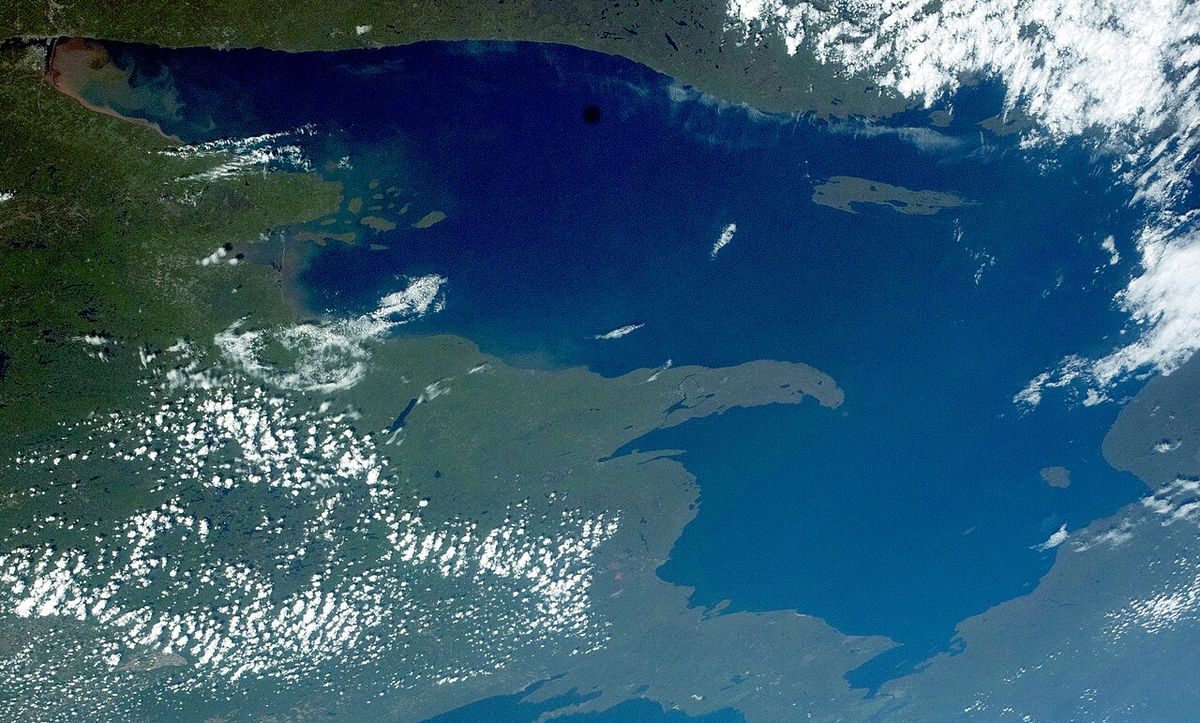
Individual invasive carp have been found in the Great Lakes, but there is no confirmed evidence of established, reproducing populations in Canadian waters. A few bighead carp were caught in Lake Erie in the early 2000s. Over 20 grass carp have been captured singly in Canadian waters since 2012, with one found in Lake Huron in 2025. Most of these grass carp were sterile triploids. However, natural reproduction has been confirmed in U.S. tributaries like the Sandusky River in Ohio, which flows into Lake Erie, and grass carp have been found in every Great Lake except Lake Superior, heightening concerns about potential establishment.
What is being done to stop invasive carp from entering the Great Lakes?
A multi-faceted approach is focused on the Chicago Area Waterway System, the main connection between the Mississippi basin and the Great Lakes. The primary tool is an electric fish barrier system that uses pulsed currents to deter carp. Other strategies include intensive monitoring using nets, electrofishing, and environmental DNA (eDNA) testing, commercial harvesting programs to reduce populations, and research into sound deterrents. Binational agencies like the Great Lakes Fishery Commission and the Invasive Carp Regional Control Committee coordinate annual action plans to monitor the upper Illinois Waterway and respond to any carp movements toward the lakes. Physical separation of the watersheds remains a recommended long term solution.
What should I do if I think I see an invasive carp in Ontario?
If you see a fish you suspect is an invasive carp in Ontario waters, you should report it immediately. Do not release the fish. You can contact the Ontario Invading Species Hotline toll-free at 1-800-563-7711 or report the sighting online through the EDDMapS Ontario website. Providing details like the location, date, and a photo if possible helps fisheries officials like the Toronto and Region Conservation Authority or Fisheries and Oceans Canada investigate and respond quickly to potential new invasions, which is crucial for early detection and rapid response.
Sources and further reading
- Asian carp in North America (Wikipedia)
- Invasive Carp in North America (naisma.org)
- Asian Carp (dfo-mpo.gc.ca)
- Invasive Carp (trca.ca)
- Great Lakes Fishery Commission, Invasive Carps (glfc.org)
Checked by the Your Space Hamilton desk. Last updated 2026-10-27.