Burlington, Ontario
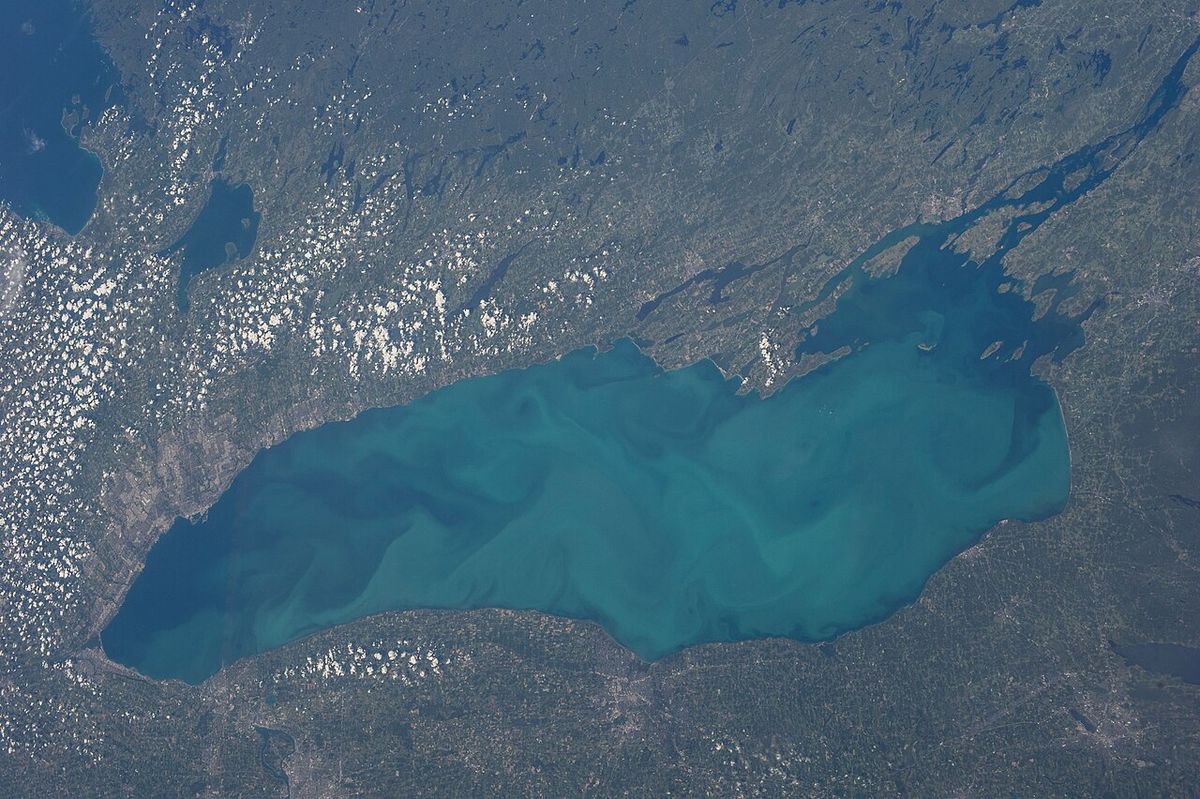
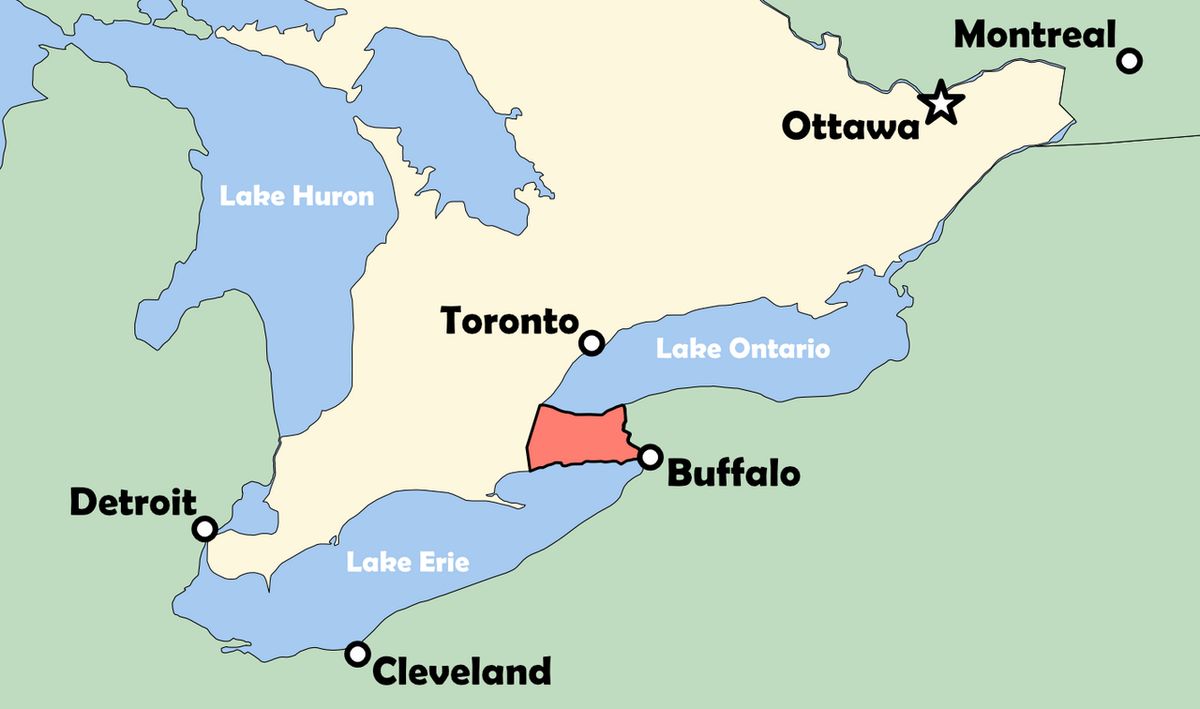
Burlington is a city in the Halton Region of Ontario, situated at the western end of Lake Ontario and forming part of the Greater Toronto Area and the Golden Horseshoe. Founded in 1874 and achieving city status a century later in 1974, Burlington is recognized for its blend of urban amenities and natural landscapes, including the Niagara Escarpment. With a 2021 population of 186,948, it is the twenty-eighth most populous municipality in Canada. The city is noted for its quality of life, economic diversity, and cultural offerings, from the Royal Botanical Gardens to the annual Sound of Music Festival.
History and Settlement
The land that became Burlington was originally home to the Mississauga nation. The British Crown acquired the territory through a series of Upper Canada Treaties between 1792 and 1818. In 1797, Treaty 8 secured the Brant Tract, a 14 square kilometre parcel on Burlington Bay that was granted to Mohawk leader Joseph Brant for his service in the American Revolutionary War. Brant settled there around 1802, an act for which he is often called the founder of Burlington, with the city continuing to celebrate an annual Joseph Brant Day. A long-standing land claim by the Mississaugas of the Credit First Nation regarding the Brant Tract and Toronto Purchase was settled with the Canadian government for $145 million in 2010.
Following the War of 1812, the area was surveyed and opened for agricultural settlement. The fertile soil and moderate climate allowed early farmers to prosper, shipping produce from lakeside docks at Port Nelson and Wellington Square. Lumber from surrounding forests also competed for space on these busy wharves. In the latter half of the 19th century, increased wheat production from Western Canada convinced local farmers to switch to fruit and vegetable production. In 1873, the villages of Wellington Square and Port Nelson merged to form the Village of Burlington, which was incorporated as a town in 1914. The arrival of large steamships made the small local docks obsolete, and railways became the primary mode for shipping goods.
The farming tradition thrived, with mixed farming and market gardens becoming dominant. In the early 20th century, the area was declared the Garden of Canada. The first peaches grown in Canada were cultivated in the Grindstone Creek watershed in southwest Burlington, and over 40 per cent of that watershed remains devoted to farms, orchards and nurseries. During the First World War, 300 local men volunteered for the Canadian Expeditionary Force, with 38 not returning. By 1906, the town had its own newspaper, the Burlington Gazette, a town library, and a local rail line connecting to Hamilton.
Post-Second World War growth was spurred by cheap Niagara hydro power and the new Queen Elizabeth Way highway, encouraging light industry and families to move to the area. Burlington annexed most of the Township of Nelson and Aldershot in 1958, and its population increased rapidly as new homes were built. The last cash crop farm within the city was replaced by the Burlington Centre mall by 1967. By 1974, with a population exceeding 100,000, Burlington was incorporated as a city. Growth continued into the 21st century, with the population increasing by 9% between 2001 and 2006, compared to the national rate of 5.4%, and reaching 186,948 by 2021.
Geography and Climate
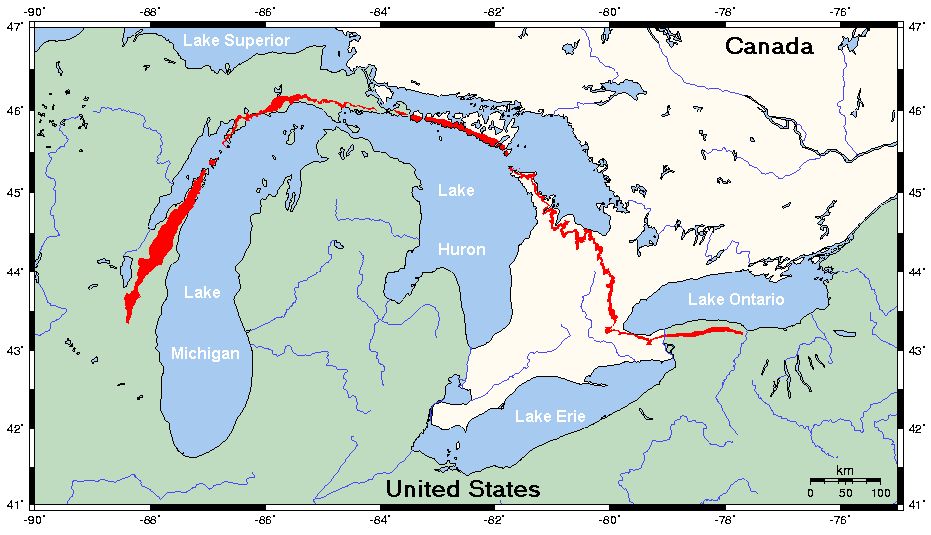
Burlington occupies 187 square kilometres at the southwestern tip of Lake Ontario, northeast of Hamilton and the Niagara Peninsula. Its geography is defined by the Niagara Escarpment, Lake Ontario, and the sloping plain between them. The main urban area lies south of the Parkway Belt and Highway 407, while land to the north is primarily agricultural, rural residential, or conserved for environmental purposes. The Niagara Escarpment, a UNESCO World Biosphere Reserve, runs through the city's western sections, sheltering rare Carolinian forest ecosystems and allowing the most northerly tracts of this forest type to thrive.
Mount Nemo Conservation Area, operated by Conservation Halton, features limestone cliffs rising roughly 200 metres above the lake level. A vertical forest of white cedar on the escarpment face includes many trees that are more than one thousand years old. The city's varied habitats support species typically found further south, such as the paw-paw tree, green dragon, southern flying squirrel, hooded warbler, and the rare eastern pipistrelle bat. Hamilton Harbour is bounded by a sandbar called the Beach Strip, deposited during the last ice age, which is bisected by a canal for ship access, with the Burlington Bay James N. Allan Skyway and the Canal Lift Bridge crossing it.
The city's climate is humid continental, moderated by Lake Ontario. Monthly mean temperatures range from 22.5 °C in July to -4.4 °C in January. Annual precipitation averages 763 mm of rain and 99 cm of snow. The lake's proximity moderates winter temperatures, and the Niagara Escarpment provides a sheltering effect that contributes to the unique local microclimate. The city is no longer a commercial port, but recreational sailing vessels are served by a 215-slip marina in LaSalle Park.
Demographics
According to the 2021 census, Burlington's population was 186,948, living in 73,180 of its 74,891 total private dwellings. This represented a change of 2% from its 2016 population of 183,314. With a land area of 186.12 square kilometres, the population density in 2021 was 1,004.4 people per square kilometre. The 2016 census recorded a median age of 43.3, higher than the national median of 41.2, with seniors aged 65 and over comprising 19.2% of the population, which is also above the national average of 16.9%. Minors up to age 19 made up 22.6% of the population, nearly identical to the national average of 22.4%.
In terms of religious affiliation, 58.3% of residents identified as Christian in 2021, with Catholics being the largest denomination at 29.4%. Other Christian groups included Anglican (5.8%) and United Church (5.2%). Other religions included Muslim (4.3%), Sikh (2.3%), Hindu (1.1%), Buddhist (0.6%), and Jewish (0.4%). A total of 32.4% of the population reported no religious affiliation. English is the predominant mother tongue, spoken by 78.7% of residents according to 2016 data, followed by French (1.6%), Spanish (1.5%), Polish (1.3%), and Arabic (1.2%). Nearly all residents (99.1%) can converse in English, while 9% know French and 2.5% know Spanish.
The 2021 census recorded a visible minority population of 20.9%. The city's ethnic composition is diverse, with many residents reporting multiple ancestries. The leading ethnic origins from the 2016 census, in descending order, were English, Canadian, Scottish, Irish, German, Italian, French, Dutch, Polish, and Chinese. The gender split in 2016 was 48% male and 52% female.
Economy and Major Employers
Burlington's economic strength lies in the diversity of its economic base, achieved through its geography, proximity to large southern Ontario industries, its location within the Greater Toronto and Hamilton Area, and its transportation infrastructure including the Port of Hamilton on Burlington Bay. This diversity has allowed for sustained economic growth. The city's economy is largely driven by the automotive and manufacturing sectors, with no single employer or job sector dominating. The leading industrial sectors by employment are food processing, packaging, electronics, motor vehicle and transportation, business services, chemical and pharmaceutical, and environmental industries.
The top five private sector employers in Burlington are Fearmans Pork Inc, Cogeco Cable, Evertz Microsystems, Boehringer Ingelheim and EMC2. Other notable businesses include The EBF Group, ARGO Land Development, The Sunshine Doughnut Company and TipTapPay Micropayments Ltd. The largest public sector employers in the city are the City of Burlington, Burlington Economic Development, the Halton District School Board, the Halton Catholic District School Board and Joseph Brant Hospital. Burlington Centre and Mapleview Centre are popular malls within the city. Burlington Centre is a two-storey mall opened in 1968, and Mapleview Centre is a two-storey mall opened in 1990.
Seasonal festivals like Canada's Largest Ribfest and the Sound of Music Festival draw significant visitor spending. In 2026, Burlington was ranked the best place to live in Ontario by World Atlas, citing its location, amenities, and quality of life. The city's 2026 budget process concluded in December 2025 with a 5.80% increase in the municipal budget. With the most recent proposed tax figures from Halton Region, the completed budget results in an overall property tax increase for residents of 4.49%, which includes services delivered by the City, Halton Region, and the Boards of Education. This represents an additional $43.68 in property taxes for every $100,000 of residential current value assessment. The budget process began with a Financial Forecast report approved in July 2025 and included a Mayoral Direction to limit the City's share of the total tax increase to less than 3%.
Arts, Culture and Attractions
Burlington has an active arts scene and numerous cultural institutions. The Burlington Performing Arts Centre, opened in 2011, features a 718-seat Main Stage with a six-storey fly tower and an orchestra pit, and a 148-seat Community Studio Theatre designed as a Black Box space for rehearsals, recitals, and exhibits. The city is home to several renowned musical groups. The Burlington Teen Tour Band, formed in 1947, is a celebrated marching band for ages 13 to 21 that has represented Canada internationally, including at the Tournament of Roses Parade and D-Day anniversary ceremonies in France in 2019 and 2024. Its junior counterpart, the Junior Redcoats, is for children aged 9 to 12 and is directed by Caroline Singh. The Burlington Concert Band, operating since 1908, is the city's oldest band, composed of volunteer musicians with an open membership policy, and is led by musical director Joanne Romonow. The Burlington Symphony Orchestra, formed in 1973, is a community orchestra under the direction of Denis Mastromonaco.
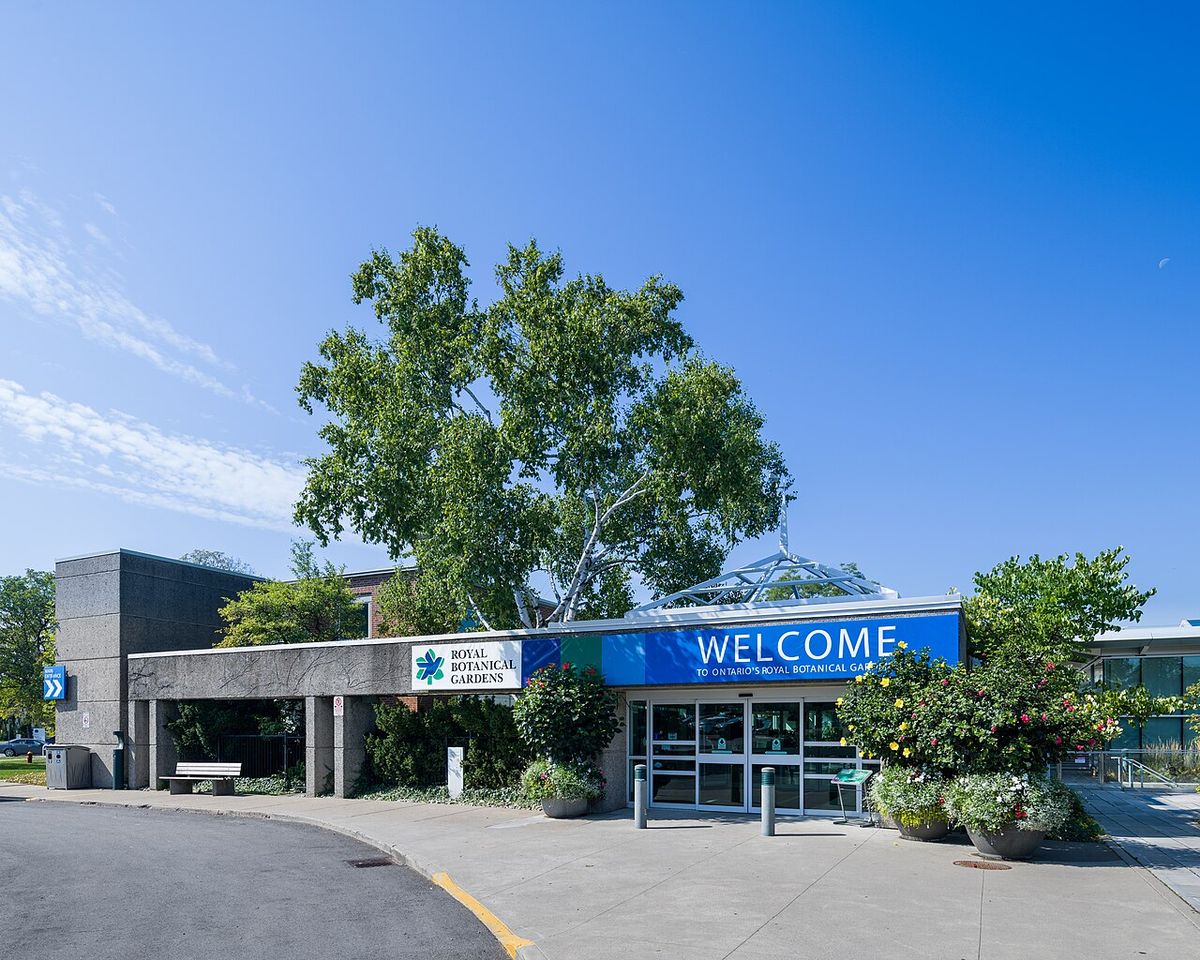
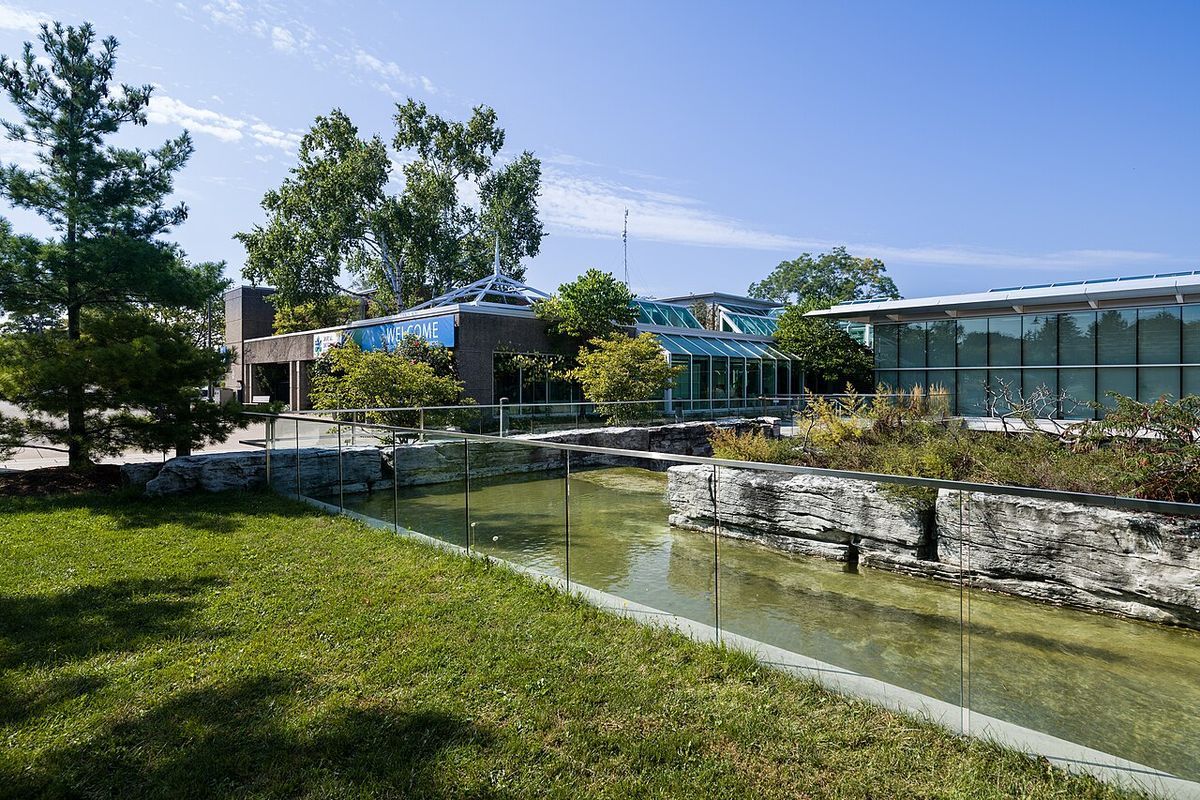
The city manages 115 parks encompassing 580 hectares. Spencer Smith Park on the lakefront is a central hub featuring a shoreline walking path, an observatory, a water jet play area, a restaurant, and the Burlington Rotary Centennial Pond used for model sail boating and ice-skating. The Brant Street Pier opened in the park in 2013. The park hosts major festivals including Ribfest, the Sound of Music Festival, Canada Day celebrations, a Children's Festival and the Lakeside Festival of Lights. The Royal Botanical Gardens is Canada's largest botanical garden, a National Historic Site with over 11 square kilometres of gardens and nature sanctuaries, including four outdoor display gardens and a Mediterranean Garden under glass, plus three on-site restaurants and a gift shop.
Other key attractions include the Art Gallery of Burlington with permanent and temporary exhibits, and the Joseph Brant Museum which has exhibits on local history, the Eileen Collard Costume Collection, and Captain Joseph Brant. Ireland House at Oakridge Farm is a museum depicting family life from the 1850s to the 1920s. Freeman Station, a 1906 Grand Trunk Railway building, reopened as an interpretive centre in 2017 but was temporarily closed in 2023 because the building could not receive an occupancy permit without certain upgrades. The local sections of the Bruce Trail along the Niagara Escarpment provide extensive hiking trails. Kerncliff Park, in a decommissioned quarry on the boundary with Waterdown, is a naturalized area on the escarpment lip with dramatic overlooks. The city also offers recreational facilities including four indoor and two outdoor pools, one splash park, nine splash pads, seven arenas like the Appleby Ice Centre, six community centres and nine golf courses.
- Burlington Teen Tour Band: Founded 1947, directed by Jeff Thomblison, known as "Canada's Musical Ambassadors."
- Burlington Concert Band: Oldest band, founded 1908, volunteer-based, directed by Joanne Romonow.
- Royal Botanical Gardens: Canada's largest, a National Historic Site with 11 km² of gardens.
- Spencer Smith Park: Lakefront park with Brant Street Pier, Rotary Pond, and major festival grounds.
- Burlington Performing Arts Centre: Opened 2011 with a 718-seat Main Stage and 148-seat studio theatre.
- Joseph Brant Museum: Exhibits on local history and Captain Joseph Brant.
- Bruce Trail: Hiking trail through the Niagara Escarpment UNESCO Biosphere Reserve.
- Freeman Station: 1906 Grand Trunk Railway station, interpretive centre.
Government and Infrastructure
Burlington's local government is led by a mayor and a six-member city council, with each councillor representing one of the city's six wards. As of 2026, the mayor is Marianne Meed Ward. The city councillors are Kelvin Galbraith (Ward 1), Lisa Kearns (Ward 2), Rory Nisan (Ward 3), Shawna Stolte (Ward 4), Paul Sharman (Ward 5), and Angelo Bentivegna (Ward 6). The city is divided into the federal electoral ridings of Burlington, Milton, and Oakville North-Burlington, represented by Members of Parliament Karina Gould (Liberal), Adam van Koeverden (Liberal), and Pam Damoff (Liberal), respectively. Provincially, the city is represented in the Legislative Assembly of Ontario by MPPs Natalie Pierre (Progressive Conservative) for Burlington, Zee Hamid (Progressive Conservative) for Milton, and Effie Triantafilopoulos (Progressive Conservative) for Oakville North-Burlington. The next municipal election is scheduled for October 2026, with the online voting period extended to October 25, 2026.
Major transportation corridors are critical to the city's connectivity. The Queen Elizabeth Way and Ontario Highway 403 run concurrently throughout most of Burlington. Other key routes include the tolled Highway 407 ETR and Highway 6. Important north-south arterial roads are Burloak Drive, Tremaine Road, Appleby Line, Walkers Line, Guelph Line, Brant Street, and Waterdown Road. East-west arterials include Lakeshore Road, New Street, Fairview Street, Harvester Road, Mainway, Upper Middle Road, Dundas Street, Britannia Road, and Derry Road. The Burlington Bay James N. Allan Skyway and the Canal Lift Bridge provide access over the canal bisecting the Beach Strip into Hamilton Harbour. The city is no longer a commercial port, but recreational boating is served by a 215-slip marina in LaSalle Park.
Recent Developments and Statistics
Recent years have seen continued development and planning in Burlington. In 2026, Brock University opened a new campus in the city within the Robert Bateman Community Centre. The city's 2026 budget, approved at a Special Meeting of Council on December 2, 2025, focused on investments in services and infrastructure that support a high quality of life. The municipal budget increased by 5.80%, leading to a total property tax increase for residents of 4.49% when combined with regional and school board levies. This equates to an additional $43.68 per $100,000 of residential current value assessment. The budget process involved extensive public engagement, including six in-person town halls, a Food for Feedback event, an online survey, and a Telephone Town Hall on November 5, 2025.
The process to review and approve the City of Burlington’s 2027 budget will begin in December 2026, after the municipal election. Engagement opportunities for the 2027 budget, including an online survey and the Food for Feedback event, are scheduled to begin in September 2026. A preliminary look at financial pressures is provided in the Financial Forecast report presented to City Council in June 2026. The city's demographic and economic profile shows steady growth and a high quality of life. The following table presents key population statistics from recent censuses, illustrating Burlington's growth trend and age structure compared to national averages.
Burlington's festivals and tourism remain strong, with the 2026/27 Discover Burlington Visitor Guide promoting local eats, outdoor adventures, arts and culture, family fun, festivals, and events. The city also founded the Burlington International Games (B.I.G.) in 1969, an athletic and cultural exchange for youth that originally took place between Burlington, Ontario, and Burlington, Vermont, and expanded to include cities from Quebec, Japan, the Netherlands, and other U.S. locations before ceasing in 2010 due to limited participation. The games celebrated their 40th anniversary in 2009. Sports facilities include the Appleby Ice Centre, a four-pad arena used year-round for skating and ice hockey, and numerous community centres, pools, and golf courses.
Questions about Burlington, Ontario
What is Burlington, Ontario known for?
Burlington is known for its scenic location on Lake Ontario at the foot of the Niagara Escarpment, a UNESCO Biosphere Reserve. It is famous for the Royal Botanical Gardens, Canada's largest botanical garden, and its festival scene, including Canada's Largest Ribfest and the Sound of Music Festival. The city has a rich agricultural history as part of the 'Garden of Canada' and is recognized for its high quality of life, having been ranked the best place to live in Ontario for 2026 by World Atlas. The Burlington Teen Tour Band, a renowned youth marching band, is also a notable cultural institution.
Who is considered the founder of Burlington?
Mohawk leader Captain Joseph Brant is often referred to as the founder of Burlington. For his service to the British during the American Revolutionary War, he was granted a 14 square kilometre tract of land on Burlington Bay through Treaty 8 in 1797. Brant and his household settled there around 1802. The city honours his legacy with an annual Joseph Brant Day celebration in early August and the Joseph Brant Museum. The land was originally purchased from the Mississauga nation through a series of treaties between 1792 and 1818.
What are the major shopping malls in Burlington?
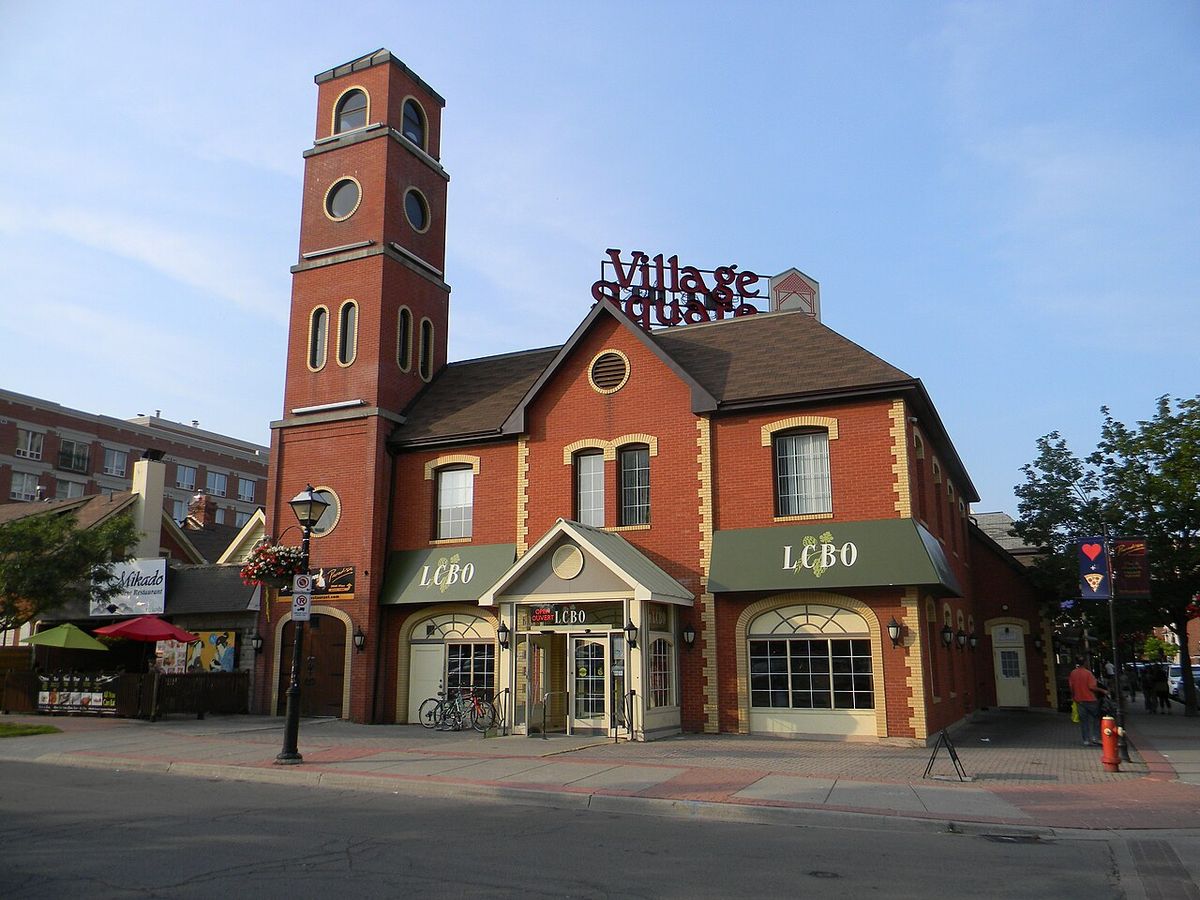
The two primary shopping malls in Burlington are Burlington Centre and Mapleview Centre. Burlington Centre is a two-storey mall that opened in 1968, replacing the last cash crop farm within the city. Mapleview Centre is a larger two-storey mall that opened in 1990. These centres serve as major retail hubs for the city and the surrounding region, offering a wide variety of stores, services, and dining options for residents and visitors. The city's downtown Village Square also features historic landmarks, businesses, and dining.
What is the Burlington Teen Tour Band?
The Burlington Teen Tour Band is a prestigious marching band for youth aged 13 to 21 that has been operating since 1947. Known as 'Canada's Musical Ambassadors,' the band has represented the country in major international parades, including the Tournament of Roses Parade in Pasadena, California on five occasions. It has also performed at significant commemorative events, such as the 75th and 80th anniversaries of D-Day on Juno Beach in France in 2019 and 2024. The band is directed by managing director Jeff Thomblison. Its junior version, the Junior Redcoats, is for children aged 9 to 12.
How is the City of Burlington governed?
Burlington is governed by a mayor and a six-member city council, with each councillor elected from one of the city's six wards. As of 2026, the mayor is Marianne Meed Ward and the councillors are Kelvin Galbraith, Lisa Kearns, Rory Nisan, Shawna Stolte, Paul Sharman, and Angelo Bentivegna. The city operates within the regional municipality of Halton. Federally, Burlington is represented by MPs in three ridings: Burlington (Karina Gould), Milton (Adam van Koeverden), and Oakville North-Burlington (Pam Damoff). Provincially, it is represented by MPPs in the corresponding ridings, all from the Progressive Conservative party.
What was the property tax increase in Burlington's 2026 budget?
The completed City of Burlington 2026 Budget included a 5.80% increase in the municipal operating budget. When combined with the tax levies from Halton Region, including police services, and the local school boards, the overall property tax increase for Burlington residents was 4.49%. This translates to an additional $43.68 in property taxes for every $100,000 of a home's current value assessment. The budget was approved by city council on December 2, 2025, after a public engagement process that included town halls, an online survey, and a telephone town hall.
Sources and further reading
- Burlington, Ontario (Wikipedia)
- Budget (burlington.ca)
- 2026 Budget (getinvolvedburlington.ca)
- Welcome to Burlington, Ontario Canada | Discover Burlington (tourismburlington.ca)
Checked by the Your Space Hamilton desk. Last updated 2026-10-26.