Telephone
The telephone is a telecommunications device that converts the human voice into electronic signals for transmission over distances, enabling real-time conversation between users. Its invention, historically linked to Alexander Graham Bell's 1876 patent, changed global communication, business, and social interaction. From early direct-wire connections to today's integrated global network with landlines, cellular, and internet services, the telephone became essential to modern infrastructure. In Canada, it evolved from a luxury to a necessary tool, connecting remote communities and supporting the nation's economic and social development.
Invention and early development
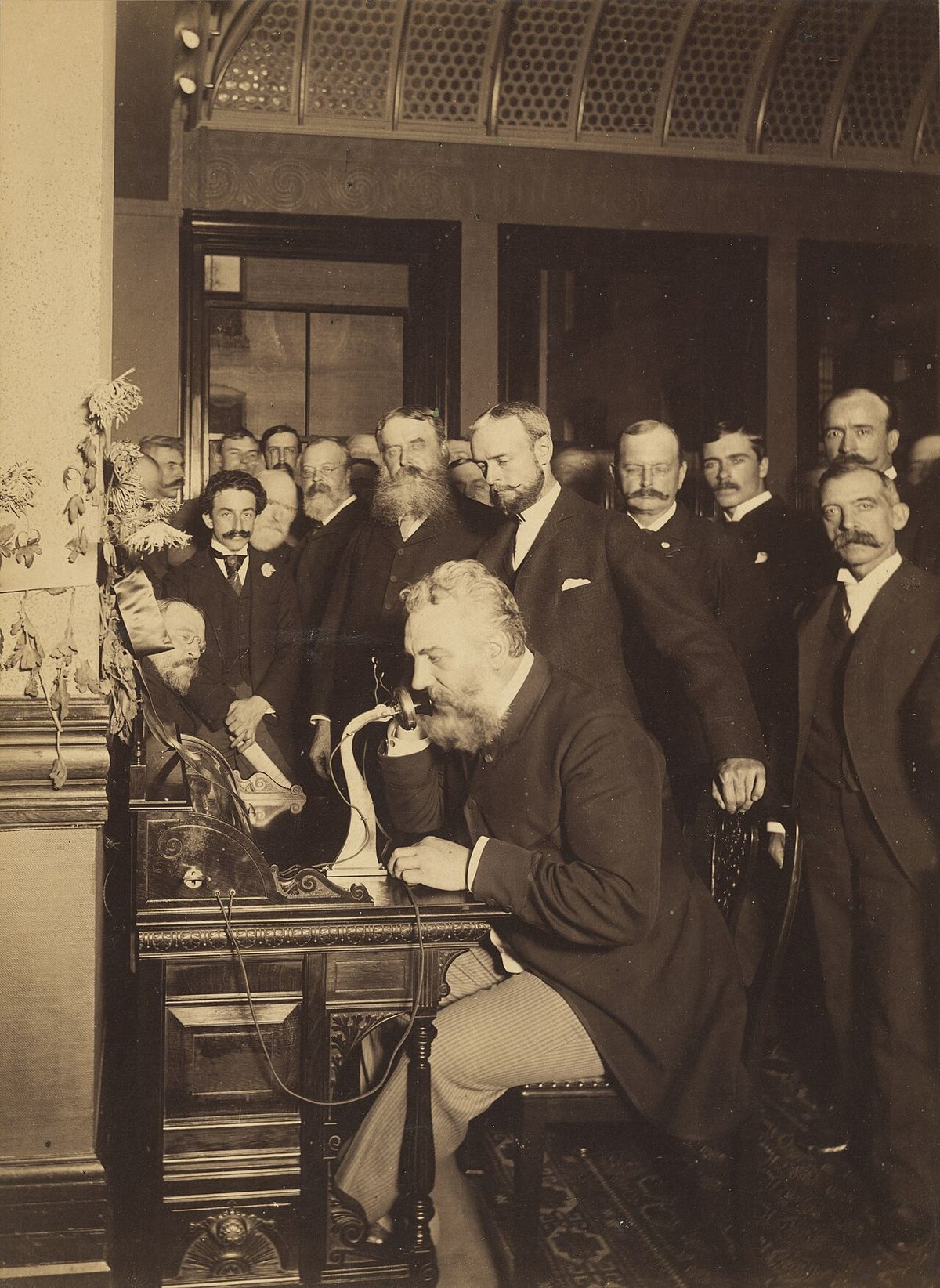
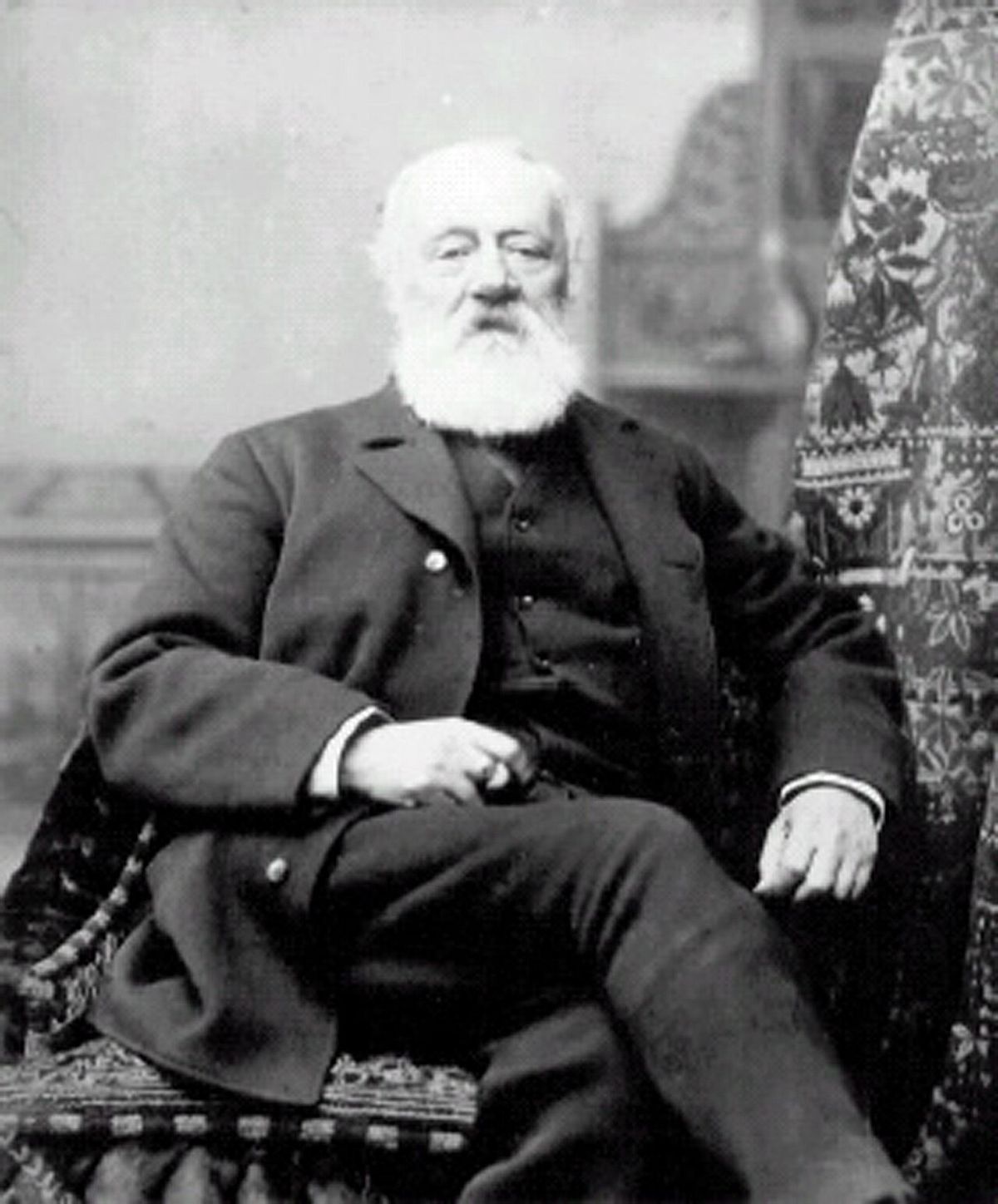
The invention of the electric telephone was the result of work by several 19th-century inventors, leading to ongoing disputes over credit. Key pioneers included Charles Bourseul, who published a theory of electric speech transmission in the magazine L'Illustration in 1854, and Johann Philipp Reis, who publicly demonstrated a device he called the 'telephone' before the Physical Society of Frankfurt on 26 October 1861. Reis used his device to transmit the German phrase 'Das Pferd frisst keinen Gurkensalat' ('The horse does not eat cucumber salad'). Antonio Meucci filed U.S. patent caveat No. 3335 for a 'Sound Telegraph' on 28 December 1871, but after renewing it for two years, he allowed it to lapse in 1874. The first United States patent for an apparatus that produced clearly intelligible speech was awarded to Alexander Graham Bell on 7 March 1876, numbered 174,465 and titled 'Improvement in Telegraphy'. This patent described the use of 'undulating current', which is now called amplitude modulation, and became the master patent for the telephone. Just three days later, on 10 March 1876, Bell successfully transmitted the first complete sentence to his assistant, Thomas Watson, using a liquid transmitter, saying, 'Mr. Watson, come here, I want to see you.' Elisha Gray filed a patent caveat for transmitting the human voice through a telegraphic circuit on 14 February 1876, the same day Bell applied for his patent, but Gray abandoned his caveat after being notified of an interference by the U.S. Patent Office.
The subsequent years saw rapid technical improvements and competing patents that shaped the industry. Thomas Edison filed a patent application for a carbon transmitter on 27 April 1877, though the patent was not published until 1892 due to litigation. Edison was granted patent 222,390 for a carbon granules transmitter in 1879. Bell himself was granted U.S. patent 186,787 on 30 January 1877 for an electromagnetic telephone using permanent magnets, iron diaphragms, and a call bell. The concept of a telephone switch, proposed by Hungarian engineer Tivadar Puskás in 1876, was crucial for moving beyond simple point-to-point connections and enabling the formation of exchanges. These foundational developments transformed the telephone from a scientific demonstration into a viable commercial instrument, setting the stage for the creation of large-scale networks. The term 'telephone' itself is derived from the Ancient Greek words tēle, meaning 'far', and phōnē, meaning 'voice'.
Technical operation and components
The fundamental operation of a telephone involves converting sound waves into electrical signals and back again. A microphone, or transmitter, converts the sound of a voice into a fluctuating electrical current. This signal is sent through a wire or other communication channel to the receiving telephone. There, an earphone, or receiver, converts the electrical signals back into audible sound waves. In most traditional telephones, the transmitter and receiver are combined into a single handset. The system allows for transmission in both directions simultaneously, enabling natural conversation. Most telephones also include an alerting mechanism, such as a ringer, buzzer, or visual indicator, to signal an incoming call.
Early telephones were powered locally, often by batteries that required regular inspection by outside plant personnel, or by a hand-cranked magneto generator in rural systems. By the 20th century, most telephones in urban exchanges were powered centrally from the telephone exchange over the same wires used for voice, a system known as common battery. The method of initiating a call evolved from simple whistling into the transmitter to alert another party or an exchange operator, to the use of a rotary dial or a keypad to send addressing signals. The address itself is a telephone number, a unique identifier within the global public switched telephone network that routes the call to its intended destination. Early telephones used a single wire for the subscriber's line with ground return to complete the circuit, similar to telegraphs, but this was later replaced by twisted pair wiring to reduce crosstalk and interference.
Different transmitter technologies were used in early instruments. Some used a water microphone, some had a metal diaphragm that induced current in an electromagnet, and some were dynamic, using a diaphragm that vibrated a coil of wire in a magnetic field. The Edison and Berliner carbon granule transmitter, however, became dominant because it was much louder than other types, even though it required an induction coil for impedance matching. The carbon transmitter's patents helped maintain the Bell telephone monopoly's viability well into the 20th century. Sound-powered telephones, which use the energy of the speaker's voice to power the transmitter, survived in military and maritime applications throughout the 20th century due to their reliability when external power fails.
Evolution of telephone technology and design
The physical design and underlying technology of the telephone underwent significant evolution from the late 19th to the mid-20th century. The earliest commercial instruments were often simple wooden boxes with a single opening for both speaking and listening, requiring users to alternate between shouting and listening. These were quickly followed by the 'candlestick' design of the 1890s, which featured a upright stand for the transmitter and a separate receiver that hung on a switchhook. When the receiver was on the hook, it activated a switch that disconnected the line. Cradle-style telephones, which integrated the handset into a base unit, became popular for their convenience. A major milestone was the introduction of the model 202 desk set and similar designs in the early 20th century, which combined the carbon granule transmitter and electromagnetic receiver into a single molded plastic handset cradled on a base containing the dial and switchhook. This basic form factor endured for decades.
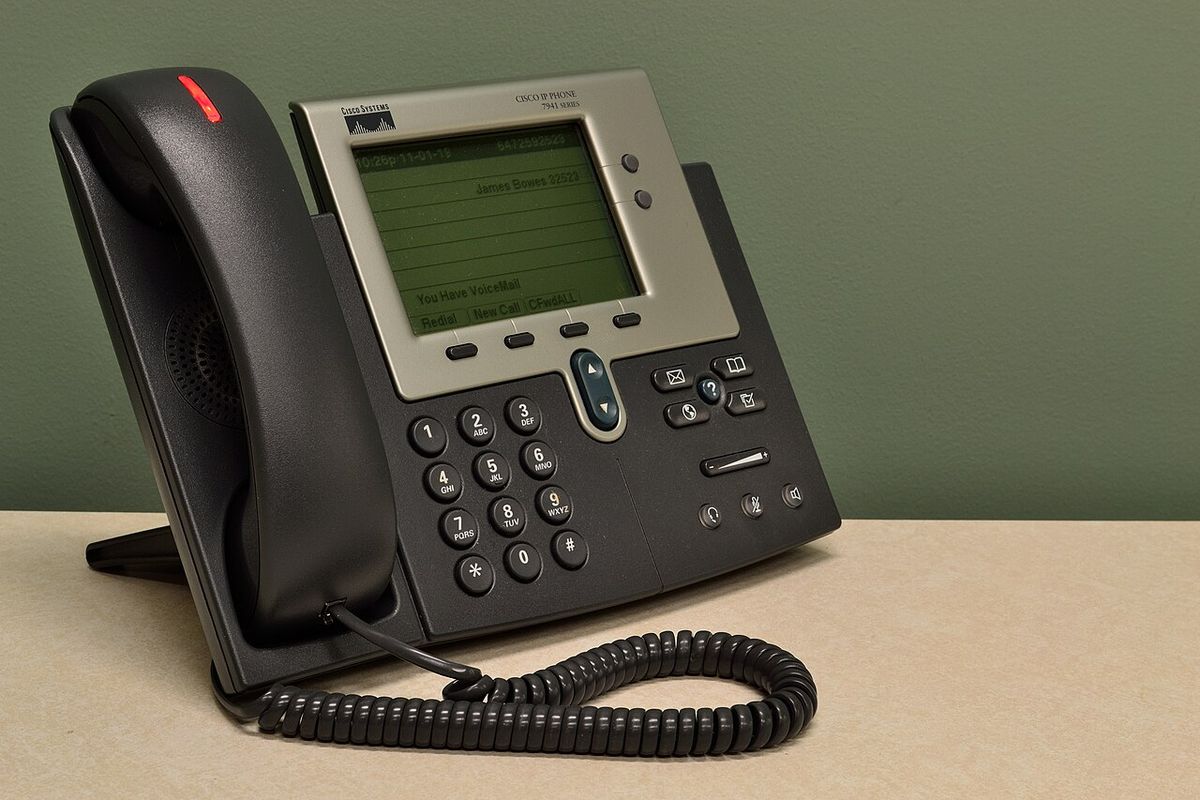
Signaling and switching technology advanced in parallel with physical design. Manual switchboards, operated by human operators, were deployed to connect multiple subscribers. The invention of the Strowger switch enabled the first automatic exchanges, allowing customers to dial numbers directly without operator assistance. The rotary dial became commonplace in the 1930s in many areas. A major innovation was the introduction of Touch-Tone signaling using push-button telephones by the American Telephone & Telegraph Company in 1963. While most urban systems converted to dial service early, some magneto-operated manual exchanges remained. The village of Bryant Pond, Maine is recorded as the last telephone exchange in the United States to convert from magneto to direct-dial service, which occurred on 11 October 1983. After World War II, more efficient telephone sets like the model 500 telephone in the United States were developed, supporting larger local networks.
- 1844: Innocenzo Manzetti first moots the idea of a 'speaking telegraph'.
- 26 October 1861: Johann Philipp Reis demonstrates his 'telephone' device.
- 7 March 1876: Alexander Graham Bell receives U.S. patent 174,465.
- 10 March 1876: First successful transmission of intelligible speech by Bell.
- 1877: Thomas Edison files for a patent on the carbon transmitter.
- 1890s: 'Candlestick' telephone design becomes popular.
- Early 20th century: Introduction of the integrated handset and cradle design.
- 1930s: Rotary dial becomes commonplace. Sets integrate bell and induction coil.
- 1963: AT&T introduces Touch-Tone push-button service.
- 1983: Last U.S. magneto exchange (Bryant Pond, Maine) converts to dial service.
The rise of telephone networks and exchanges
The first telephones were leased in pairs and connected by a direct wire, limiting communication to two specific points such as a home and a shop. The economic and practical benefits of a centralized switching system were quickly realized by companies like Western Union, which extended its telegraph exchange principle to telephones in New York City and San Francisco. The telephone exchange, initially manned by operators, allowed any subscriber to be connected to any other subscriber on the same exchange. These exchanges were soon linked together, forming local and then long-distance networks. This interconnected system evolved into the automated, worldwide public switched telephone network. The PSTN became a universal system where any telephone, regardless of its specific technology or location, could reach another through its unique number. The network's growth was rapid in the post-World War II era, supported by more efficient telephone sets and improved switching infrastructure.
Early network construction faced technical challenges that required engineering solutions. Single-wire circuits with ground return were prone to interference, crosstalk, and hum from nearby AC power lines, leading to the standard adoption of twisted pair copper wires. For long-distance connections, four-wire circuits were used. In remote areas not served by mainline networks, resourceful communities sometimes created improvised systems using existing barbed wire fences as transmission lines. Users at the start of the 20th century typically did not place long-distance calls from their own phones but made an appointment and were connected with the assistance of a telephone operator. The integration of the telephone into daily life changed patterns of work, commerce, and personal communication, making it a household necessity rather than just a business tool.
Specialized and mobile telephones
Alongside the mainstream evolution of landline telephones, specialized variants were developed for particular environments. Sound-powered telephones, which operate without an external power source by using the energy of the sound waves of the operator speaking, found critical applications in military and maritime contexts. These systems often included a hand-cranked magneto generator, sometimes called a howler or growler, to alert the receiver of a call. They could operate over distances up to 48 kilometres using 1mm core diameter twisted-pair wiring. Their reliability during power failures made them indispensable on ships and in other strategic installations. For greater mobility away from fixed lines, various radio-based telephone systems were developed in the mid-20th century for transmission between mobile stations on ships and in automobiles.
The most significant leap in mobility came with the cellular telephone. The first public demonstration of a handheld mobile phone was in 1973. This convergence of communication and computing technology within a single portable device gave rise to the smartphone, which has become the dominant form of telephone worldwide. Modern telephony now encompasses a broad spectrum of technologies, including traditional fixed-lines, cellular networks, satellite phones, and Internet-based Voice over IP services. These are all integrated into the public switched telephone network, allowing any device to reach another through a unique telephone number, though some Internet-based services may not always be directly connected to the PSTN.
The telephone in Canada
The telephone arrived in Canada almost immediately after its invention, with the first Canadian patent issued to Alexander Graham Bell in 1877. Given Canada's vast geography and sparse population in many regions, the telephone was a necessary tool for connecting isolated communities, supporting resource industries like forestry and mining, and enabling government administration. Early networks expanded from major cities like Montreal and Toronto, often following the routes of railway lines which provided ready-made rights-of-way. The challenges of serving remote areas led to technical adaptations and the persistence of manual magneto exchanges and party lines in some locales longer than in more urbanized countries.
Telephone service in Canada evolved through a mix of private companies, most notably Bell Canada, and publicly owned crown corporations or cooperatives. This hybrid model aimed to ensure universal service across a challenging landscape. The mid-20th century saw rapid network expansion and the introduction of customer-dialed long-distance service, eliminating the need for operators to place most calls. The telephone's history in Canada is linked to the nation's efforts to overcome distance and foster communication across its regions.
Cultural impact and terminology
The telephone's integration into society influenced language and created new social norms. The term 'telephone' itself was adopted into the vocabularies of many languages from its Greek roots. Various slang terms emerged in different English-speaking regions. In the United Kingdom, the blower became a slang term for a telephone, originating from navy slang for a speaking tube. In the United States, a somewhat dated slang term referred to the telephone as 'the horn'. The act of receiving a call became known as being 'on the horn', as in the phrase 'I couldn't get him on the horn.' The telephone changed the pace of business and personal life, enabling instant communication that replaced written correspondence for many matters. It created new jobs, from switchboard operators to line repair technicians, and new industries centred on telecommunications equipment and services.
The telephone also affected architectural and interior design. Homes and offices were built with designated spaces for telephone tables or nooks. The distinct ring of a telephone became a universal sound, and the etiquette of telephone conversation developed its own rules. The device featured prominently in literature, film, and music, often as a plot device or symbol of connection and isolation. As the technology evolved from a shared party line to a private household instrument, it changed concepts of privacy and community. The later development of mobile phones and smartphones further transformed these social dynamics, making constant connectivity an expectation. The telephone's journey from a novel invention to an everyday object shows its deep embedding into the fabric of modern life.
Questions about Telephone
Who invented the telephone?
Credit is frequently disputed among several pioneers. Alexander Graham Bell was the first to be granted a U.S. patent for an electric telephone that transmitted intelligible speech on 7 March 1876. Other key contributors include Johann Philipp Reis, who demonstrated a voice-transmission device in 1861, and Antonio Meucci, who filed an early patent caveat in 1871. Elisha Gray also filed a caveat on the same day as Bell's patent application. Charles Bourseul published the theoretical principles for electric speech transmission in 1854.
How did old telephones work without electricity?
Many early telephones, particularly in rural or remote areas, did not draw power from a central exchange. They used local batteries that required periodic inspection and replacement by outside plant personnel. For signaling, these phones often featured a hand-cranked magneto generator. Turning the crank produced a high voltage alternating current that would ring a bell on the operator's switchboard or on another party's telephone to alert them of an incoming call. The voice transmission itself in some early models was powered by the sound energy of the user's voice in dynamic or sound-powered designs.
What is a sound-powered telephone?
A sound-powered telephone is a specialized device that operates without an external power source like a battery or central exchange. The energy from the sound waves of the user's voice powers a moving-coil microphone, converting speech into electrical signals. These telephones are used in critical applications such as on ships and in military settings because they remain operational during power failures. They often include a hand-cranked magneto for generating a separate ringing signal, and stations are connected via twisted pair wires to reduce interference over distances of several kilometres.
When did rotary dial phones become common?
Rotary dial telephones, which allowed customers to dial numbers directly without operator assistance, became commonplace in many areas during the 1930s. Their adoption followed the deployment of automatic switching equipment like the Strowger switch in telephone exchanges. However, some manual magneto systems persisted in smaller or more remote communities in North America into the 1960s. The last known magneto exchange in the United States, in Bryant Pond, Maine, converted to direct-dial service on 11 October 1983.
How did the telephone switchboard work?
Early telephone switchboards were manually operated by human operators. A subscriber would lift the receiver, which completed a circuit and alerted the operator at the central exchange via a light or a drop indicator on the switchboard. The operator would then plug a cord into the jack corresponding to the caller's line and ask for the desired number. After identifying the corresponding jack for the recipient, the operator would use another cord to connect the two jacks, completing the circuit. For long-distance calls, operators at different exchanges would coordinate to connect the lines between cities using trunk lines.
What was the first thing said over the telephone?
On 10 March 1876, Alexander Graham Bell successfully transmitted the first complete, intelligible sentence to his assistant Thomas Watson. Speaking into his liquid transmitter, Bell said, 'Mr. Watson, come here, I want to see you.' Watson, in an adjacent room, heard each word distinctly through the receiver. This event marked a successful proof of concept for the device that used fluctuating electrical currents to reproduce sound. It occurred just days after Bell was granted his foundational United States patent for improvements in telegraphy. This transmission demonstrated the telephone's ability to clearly replicate human speech, moving beyond earlier experimental devices that could not transmit intelligible voice.
Sources: Wikipedia and current public reporting, checked by the Your Space Hamilton desk. Last updated 2026-10-19.



