Plestiodon fasciatus
The five-lined skink (Plestiodon fasciatus) is a small to medium-sized lizard native to North America and the only lizard species indigenous to Ontario. Known for its distinctive juvenile appearance featuring five cream stripes on a dark body and a bright blue tail, this reptile is a vital component of healthy eastern Canadian ecosystems. In Canada, the species exists in two distinct populations, both of which face conservation challenges. The Carolinian population in southwestern Ontario is federally and provincially listed as Endangered, while the Great Lakes-St. Lawrence population is listed as a species of Special Concern.
Physical Description and Identification
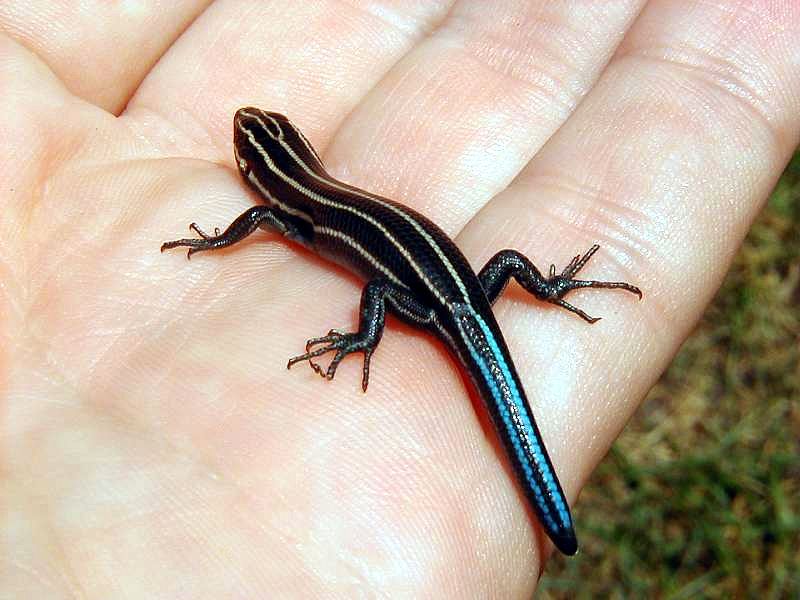
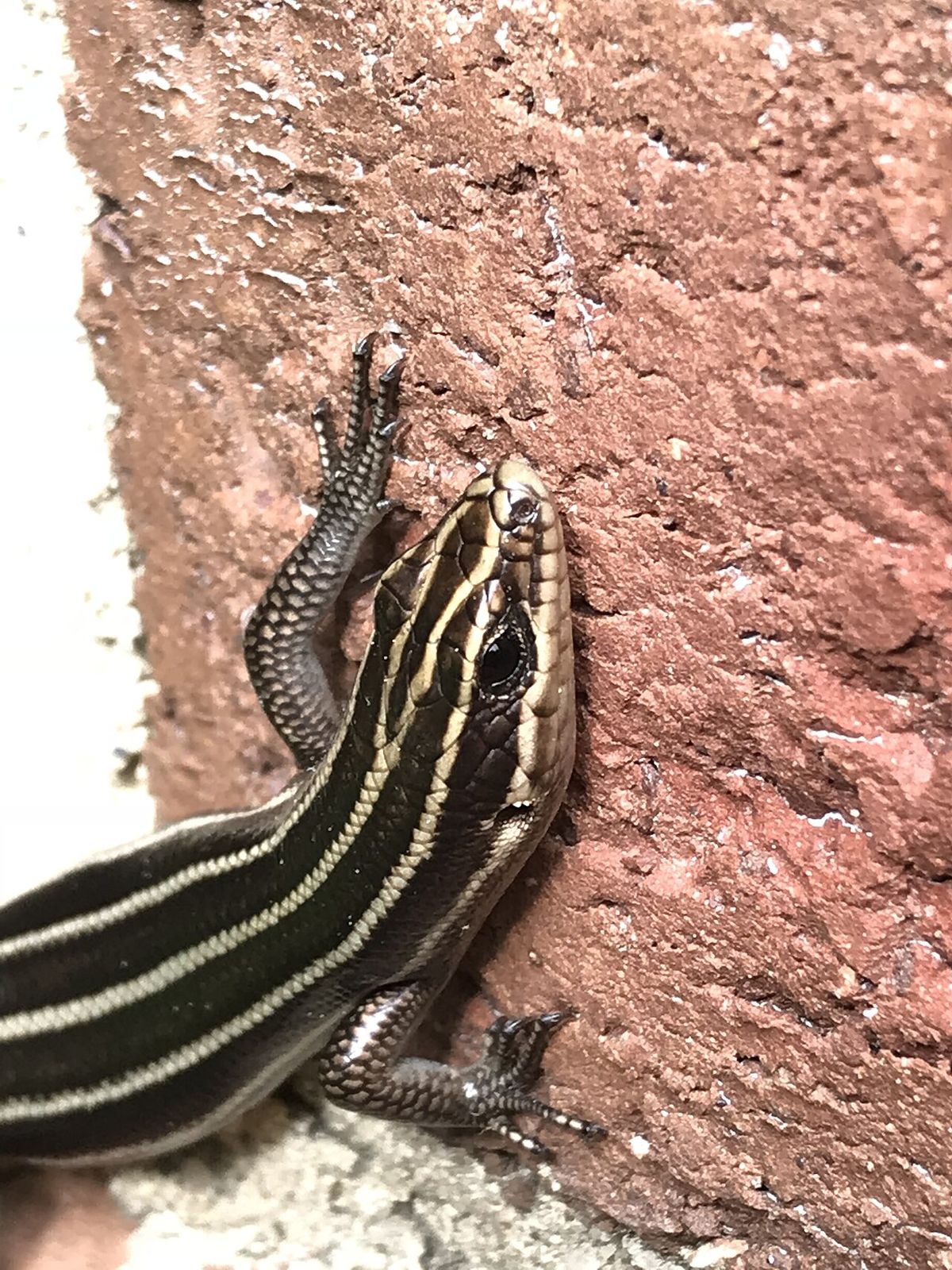
The five-lined skink is a smooth, slender lizard with a body length, excluding the tail, that contributes to a total length ranging from 12.5 to 21.5 centimetres. Its most recognizable feature is the pattern of five white to yellowish stripes running from the snout down the body and onto the tail, set against a darker background. Coloration changes dramatically with age and sex. Juveniles and young adult females are glossy black with very distinct stripes and possess the characteristic bright blue tail. As they mature, the dark background colour fades to brown, grey, or olive, and the stripes may become faint or disappear entirely, particularly in older males. Adult males often develop a widened head and, during the spring breeding season, exhibit a bright orange or reddish colouration on the snout and jaws. The blue tail colour dulls with age, transitioning to light blue or grey, and is more commonly retained in adult females than males. Identification can be challenging where its range overlaps with similar species like the southeastern five-lined skink (P. inexpectatus) and the broad-headed skink (P. laticeps), often requiring examination of scale patterns for definitive classification.
Distribution and Canadian Populations
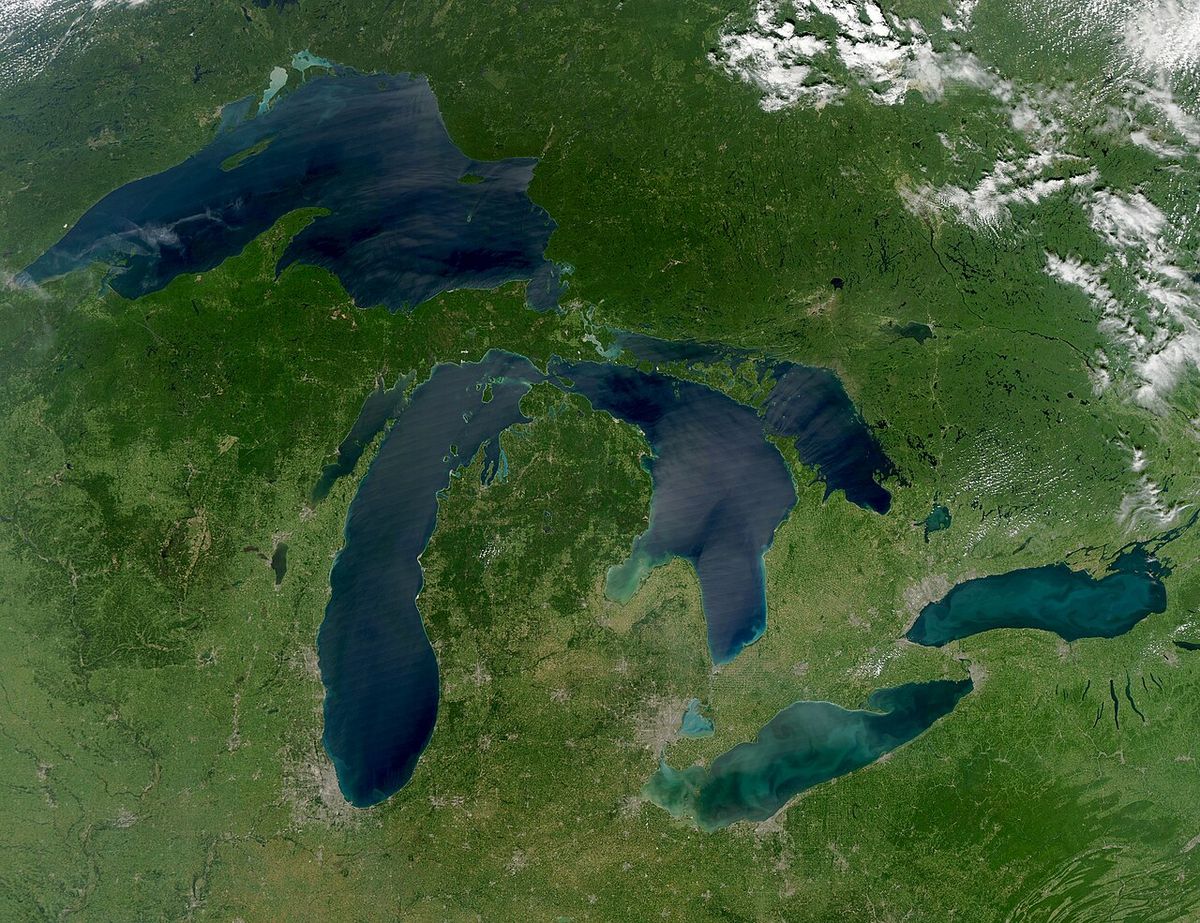
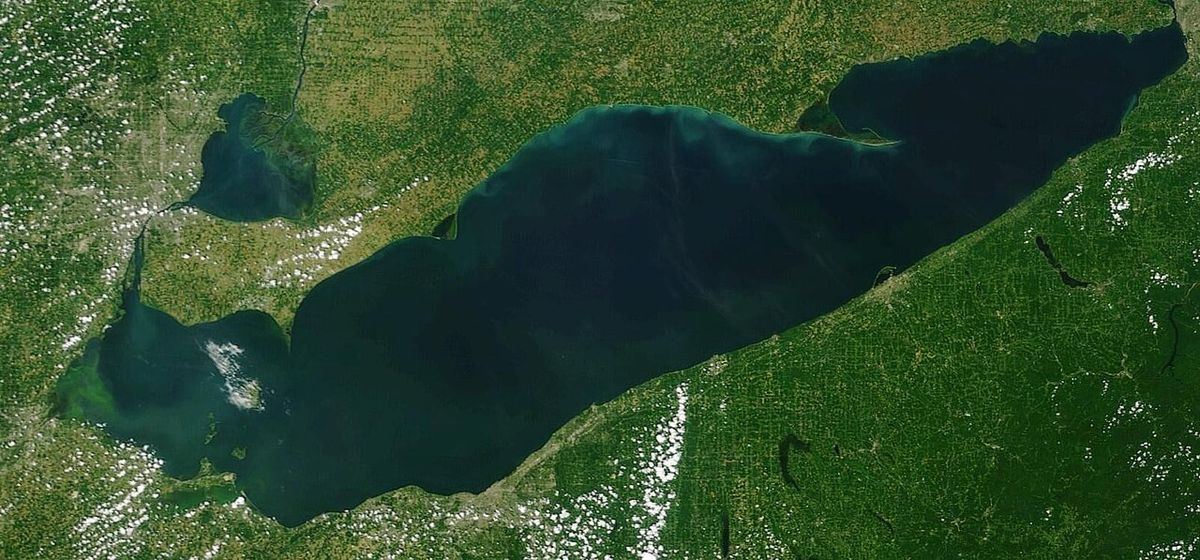
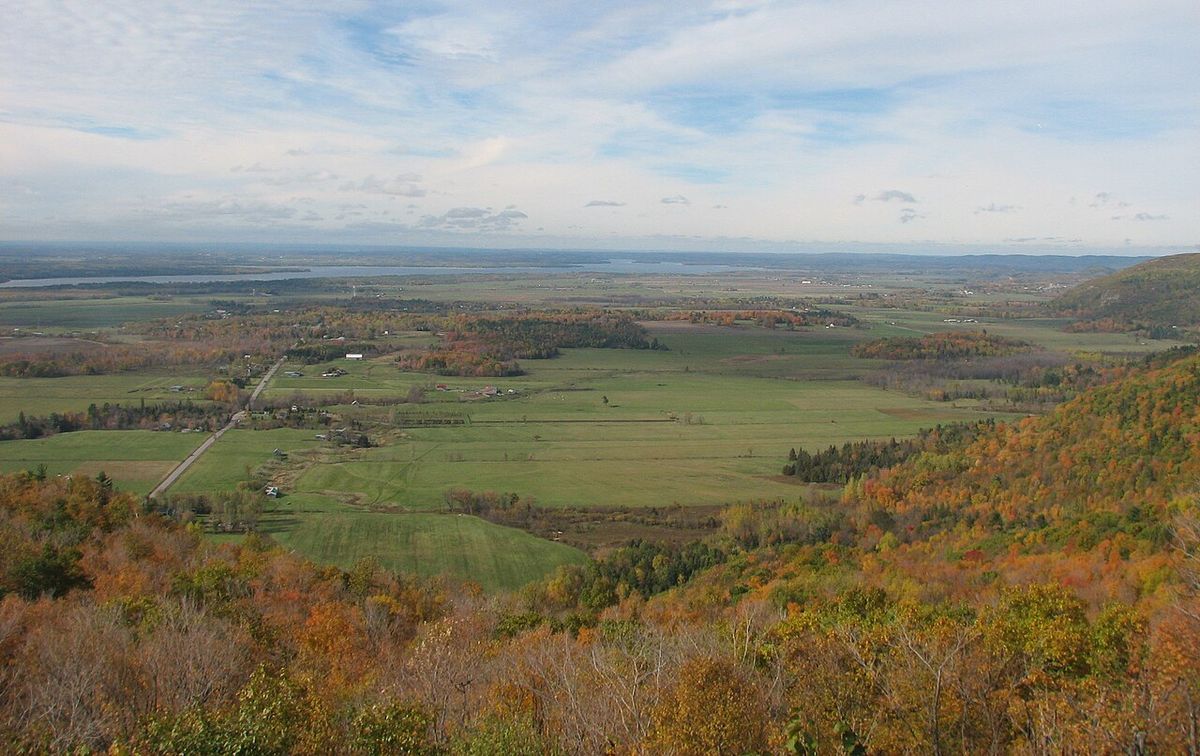
The species' broad North American range extends from northern Florida to southern Ontario, and west to parts of Minnesota, Missouri, and eastern Texas. In Canada, the five-lined skink is found exclusively in Ontario, where it exists in two phylogenetically distinct populations at the northern extreme of its range. The Carolinian population inhabits southwestern Ontario, with its range ending around Point Pelee National Park. This population is associated with open forests, meadows, beaches, and stabilized sand dunes along the Lake Erie shoreline. The Great Lakes-St. Lawrence population resides in the Ottawa Valley in eastern Ontario. This population is typically found in forest openings, specifically large rock outcrops, and tends to be more tolerant of sparse or rocky conditions than its southern counterpart. Being at the extreme northern edge of the species' habitat makes these Canadian populations ecologically significant, as they experience unique evolutionary pressures.
Habitat and Behaviour
Five-lined skinks are primarily ground-dwelling reptiles that prefer moist, wooded or partially wooded areas with ample cover and basking sites. Ideal habitats include areas with rotting logs, stumps, rock piles, loose bark, and abandoned buildings, often in disturbed environments like forest edges. They require a permanent water source such as a river or stream. During cool, sunny mornings, they can be observed basking in the sun to regulate their body temperature, but they spend most of their time hidden under cover. They are not strictly territorial, and individuals do not maintain fixed home ranges. From late fall through winter, skinks enter a dormant state, hibernating in groups under rocks, logs, or within rotting wood. A key anti-predator behaviour is caudal autotomy, where the skink can disconnect its tail when caught by a predator. The thrashing, detached tail distracts the predator while the lizard escapes to shelter. Although a new tail will regenerate, the process consumes significant fat reserves needed for winter survival.
Diet and Ecological Role
The five-lined skink is an insectivorous predator, playing an important role in controlling invertebrate populations within its ecosystem. Its diet consists predominantly of a wide variety of arthropods. Skinks hunt by using their keen sense of smell to track prey through leaf litter and woody debris, and they will also climb trees in search of food or to bask. While invertebrates form the core of their diet, they have been reported to occasionally consume other small prey items such as newborn mice, frogs, and even other lizards. Their voracious appetite means their predation can be a major ecological factor for some of their prey species, contributing to the balance of their local food webs.
- Spiders and their larvae
- Crickets and grasshoppers
- Beetles
- Earthworms
- Other insects and their larvae
Reproduction and Life Cycle
Five-lined skinks reach sexual maturity at approximately two to three years of age. The breeding season begins in May, with internal fertilization occurring after mating. Females lay a single clutch of eggs each year, between mid-May and July, depositing them in a carefully selected nest site. They prefer secluded locations under cover, such as beneath a rotting log, stump, board, or rock, or within an abandoned rodent burrow. Soil moisture is a critical factor in nest selection, with females often choosing spots with higher humidity and adjusting the depth of the nest cavity accordingly. The female lays between 15 and 18 parchment-like eggs, which are initially white but become mottled tan after contact with the nest soil. Females exhibit a high degree of parental care, brooding the eggs for the entire incubation period, which ranges from 24 to 55 days depending on temperature. They defend the nest against small predators and will actively regulate conditions by urinating in the nest to maintain humidity, turning the eggs, and transferring body heat from basking. Several females may nest communally, alternating foraging and guarding duties to keep the eggs protected at all times. After hatching in late summer, the young skinks, measuring 5 to 6.4 centimetres, leave the nest within a day or two. The bright blue tail of the hatchlings is thought to serve as a target for predators, directing attacks away from the more vital body. With a potential lifespan of up to six years, the cycle begins anew as these young skinks grow and eventually reproduce.
Conservation Status and Threats
In Canada, both populations of the five-lined skink are legally protected due to significant threats and declines. The Carolinian population is listed as Endangered under both the federal Species at Risk Act and the Ontario Endangered Species Act, 2007. The Great Lakes-St. Lawrence population is listed as a species of Special Concern under the same legislation. The species is also designated as a Specially Protected Reptile under Ontario's Fish and Wildlife Conservation Act, making it illegal to collect or harm them. The primary threat to the Carolinian population is extensive habitat loss and fragmentation in southwestern Ontario, where natural landscapes have been converted for agriculture and urban development. For both populations, the removal of critical microhabitats like shoreline debris, logs, and loose rocks for landscaping or development is a serious concern. Other significant threats include high levels of road mortality, with one study at Point Pelee National Park documenting nearly one skink killed per day. Predation pressure from abundant raccoons, skunks, and domestic cats, as well as illegal collection for the pet trade, further impact populations. Conservation efforts focus on habitat protection and stewardship, public education, and research to better understand population dynamics. Protecting existing habitat complexes and maintaining essential cover objects like logs and rocks are crucial for the skink's survival in Canada.
Comparison with Similar Species
In regions where their ranges overlap, the five-lined skink can be difficult to distinguish from two closely related species. Careful observation of scale patterns is often necessary for accurate identification. The southeastern five-lined skink (Plestiodon inexpectatus) is very similar in appearance and shares parts of the southeastern United States range. The broad-headed skink (Plestiodon laticeps) is also similar, though adult males are notably larger and develop a more prominently swollen red head during breeding season. A key distinguishing feature for the five-lined skink is the position of the pale lateral stripe on its body. In P. fasciatus, the top pale line typically occupies the third and fourth scale rows counting from the middle of the back. In contrast, the line is on the fourth and fifth rows in P. inexpectatus, and primarily on the fourth row in P. laticeps. The five-lined skink also usually possesses two enlarged postlabial scales behind the mouth, a characteristic often lacking in the broad-headed skink.
Legal Protections and Human Interaction
In Ontario, it is illegal to capture, kill, or possess a five-lined skink without specific authorization due to its status under the Endangered Species Act, 2007. This protection extends to its habitat. While the species can be maintained in captivity with proper care, taking skinks from the wild in Canada is prohibited. In some American states within its range, general restrictions also apply, such as limits on the number that can be possessed without a permit. For the Canadian populations, the greatest positive human interactions involve stewardship. This includes reporting sightings to conservation authorities, protecting habitat on private property, and being vigilant for reptiles on roads, especially in known skink areas. The public is also urged never to release pet reptiles into the wild, as this can introduce diseases or create competition for native species. Observing these colourful lizards in their natural environment is a privilege that requires respect for their protected status and fragile habitat.
Questions about Plestiodon fasciatus
Where can you find five-lined skinks in Canada?
Five-lined skinks are found only in Ontario, Canada. They exist in two separate populations. The endangered Carolinian population lives in southwestern Ontario, in habitats like the beaches and dunes of Point Pelee National Park and along the Lake Erie shoreline. The Great Lakes-St. Lawrence population, which is of Special Concern, lives in the rocky outcrops of the Ottawa Valley in eastern Ontario.
Why do young five-lined skinks have blue tails?
The bright blue tail of juvenile five-lined skinks is believed to serve as a defence mechanism. The vivid colour attracts predators to the tail, which is expendable. If a predator grabs the tail, it can break off and continue to twitch, distracting the predator while the skink escapes. The blue colour may also function in intraspecific communication, signalling to more aggressive adult males that the individual is a juvenile or a female.
What do five-lined skinks eat?
Five-lined skinks are primarily insectivores, feeding on a wide variety of invertebrates. Their diet includes spiders, crickets, beetles, grasshoppers, earthworms, and other insects and their larvae. They hunt by using their keen sense of smell to track prey through leaf litter and woody debris. Occasionally, they may also consume other small animals like newborn mice, frogs, or other lizards.
Are five-lined skinks endangered?
In Canada, the conservation status depends on the population. The Carolinian population in southwestern Ontario is listed as Endangered at both the federal and provincial level. The Great Lakes-St. Lawrence population in eastern Ontario is listed as a species of Special Concern. Globally, the International Union for Conservation of Nature lists the species as Least Concern, but the Canadian populations are at the northern edge of their range and face significant threats.
How can you tell a male five-lined skink from a female?
Males and females can be distinguished by several characteristics, especially during the breeding season. Adult males often have a widened head and develop bright orange or reddish colouration on their snout and jaws in the spring. Their body colour tends to fade to a uniform brown or grey, and their stripes may disappear. Females are more likely to retain the faint body stripes and some blue-grey tail colour as they age. Juveniles of both sexes look similar, with bold stripes and bright blue tails.
What is the biggest threat to five-lined skinks in Ontario?
The most significant threat is habitat loss and fragmentation. For the endangered Carolinian population, extensive conversion of natural landscape to agricultural and urban uses has caused drastic decline. For both populations, the removal of critical microhabitats like logs, rocks, and shoreline debris is a serious concern. Other major threats include road mortality, with high death rates documented on roads through their habitat, illegal collection for the pet trade, and increased predation in areas where predator numbers are high.
Sources and further reading
- Plestiodon fasciatus (Wikipedia)
- Plestiodon fasciatus (Five-lined Skink) | INFORMATION (animaldiversity.org)
- Five-lined Skink, PLESTIODON FASCIATUS (backyardnature.net)
- » Five-lined Skink (ontarionature.org)
Checked by the Your Space Hamilton desk. Last updated 2026-10-27.