Wolverine
The wolverine (Gulo gulo) is the largest terrestrial member of the weasel family (Mustelidae) and a formidable carnivore native to the remote northern reaches of Canada. Known for its remarkable strength, thick frost-resistant fur, and solitary nature, this elusive predator holds a significant place in Canada's boreal and alpine ecosystems. Its population, concentrated in Northern Canada and Alaska, faces challenges from habitat fragmentation and climate change. The wolverine's tenacious character and ecological role make it a notable, though rarely seen, part of Canada's wilderness.
Taxonomy and Physical Description
The wolverine belongs to the genus Gulo, a Latin word meaning 'glutton'. Genetic evidence suggests that the wolverine is most closely related to the tayra and martens, all of which shared a Eurasian ancestor. There are two subspecies: the Old World form, Gulo gulo gulo, and the New World form, G. g. luscus. Recently compiled genetic evidence suggests most of North America's wolverines are descended from a single source, likely originating from Beringia during the last glaciation and rapidly expanding thereafter, though considerable uncertainty to this conclusion is due to the difficulty of collecting samples in the extremely depleted southern extent of the range.
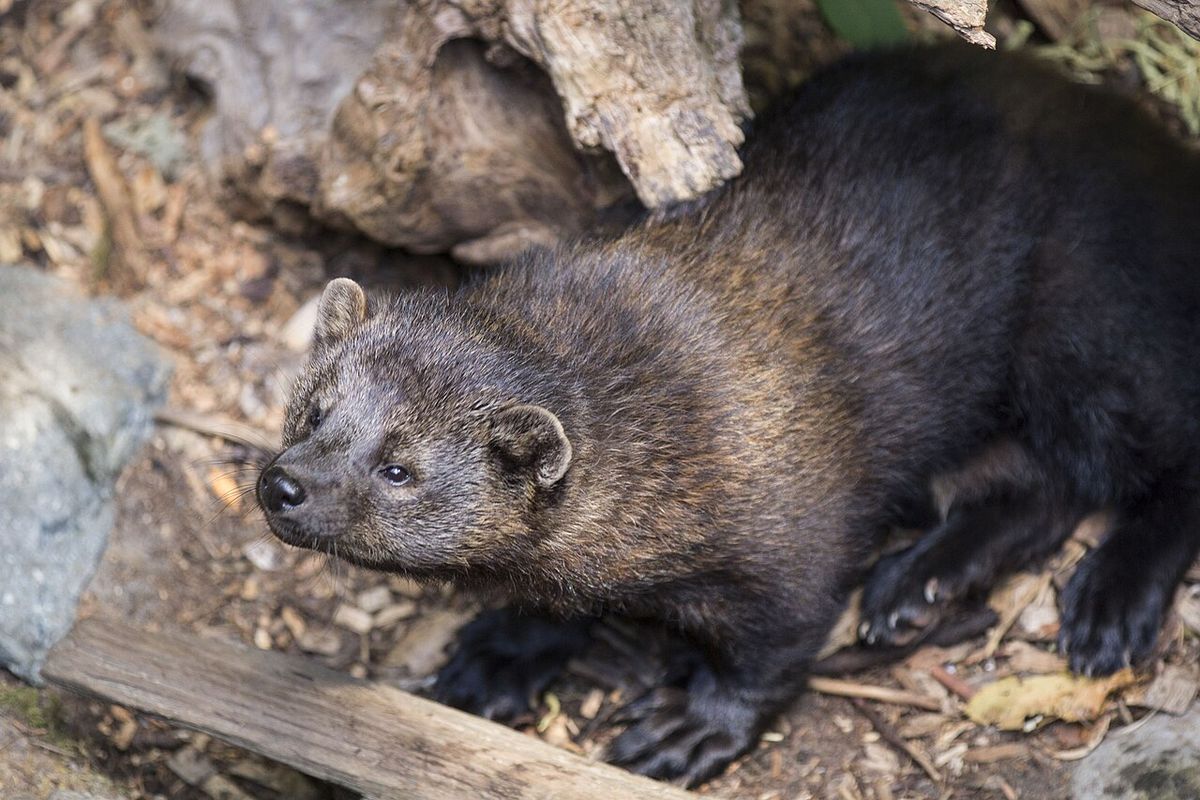
Anatomically, the wolverine is a stocky, low-slung animal with strong limbs, a broad head, and small eyes and ears, resembling a large fisher. Its most distinctive features are its large, five-toed paws equipped with crampon-like claws and a plantigrade posture, allowing it to traverse steep terrain, climb trees, and move over deep snow with surprising ease. Adults are roughly the size of a medium dog, with males typically 10 to 15 percent larger than females in linear measurements and 30 to 40 percent heavier, and it is the largest land-dwelling mustelid, though several aquatic otters are bigger. The wolverine's fur is exceptionally thick, dark, and oily, providing highly effective insulation and frost resistance, a trait that made it historically valuable as a lining for winter parkas in Arctic conditions.
A light-silvery facial mask is distinct in some individuals, and a pale buff stripe runs laterally from the shoulders along the side and crossing the rump. Some individuals display prominent white hair patches on their throats or chests. Like many other mustelids, it has potent anal scent glands used for marking territory and sexual signaling, with the pungent odor giving rise to the nicknames 'skunk bear' and 'nasty cat'. Wolverines possess a special upper molar in the back of the mouth that is rotated 90 degrees, towards the inside of the mouth, allowing them to tear off meat from prey or carrion that has been frozen solid. Wolverines have the highest compressive strength per trabecular bone volumetric fraction at the mandibular condyle among all carnivore mammals.
Distribution and Habitat
The wolverine is found primarily in remote reaches of the northern boreal forests and subarctic and alpine tundra of the Northern Hemisphere, with the greatest numbers in Northern Canada, the U.S. state of Alaska, the mainland Nordic countries of Europe, and throughout western Russia and Siberia. Wolverines live primarily in isolated arctic, boreal, and alpine regions of northern Canada, Alaska, Siberia, and Fennoscandia. They are also native to European Russia, the Russian Far East, northeast China and Mongolia. Its population has steadily declined since the 19th century owing to trapping, range reduction and habitat fragmentation. The wolverine has become essentially absent from the southern end of its range in both Europe and North America.
Most New World wolverines live in Canada and Alaska. However, wolverines were once recorded as also being present in Colorado, areas of the southwestern United States, the Midwest, New England, and in New York and Pennsylvania. According to a 2014 U.S. Fish and Wildlife Service publication, wolverines are found in the North Cascades in Washington and the Northern Rocky Mountains in Idaho, Montana, Oregon, and Wyoming. Individual wolverines have also moved into historic range in the Sierra Nevada Mountains of California and the Southern Rocky Mountains of Colorado, but have not established breeding populations in these areas. In 2022, Colorado Parks and Wildlife considered plans to reintroduce the wolverine to the state. A wolverine, a male, was finally captured and tagged in Utah in 2022 before being released back into the wild to better understand the animal's range. In August 2020, the National Park Service reported that wolverines had been sighted at Mount Rainier, Washington, for the first time in more than a century.
The animal exhibits a low population density and requires a very large home range. The range of a male wolverine can be more than 620 square kilometres. This need for expansive, connected habitats brings wolverines into direct conflict with human development and infrastructure, leading to further range reduction. Their dependence on late-spring snowpack also makes them particularly vulnerable to the effects of climate warming, which threatens to shrink suitable denning areas and further isolate populations across their range.
Diet and Hunting Behaviour
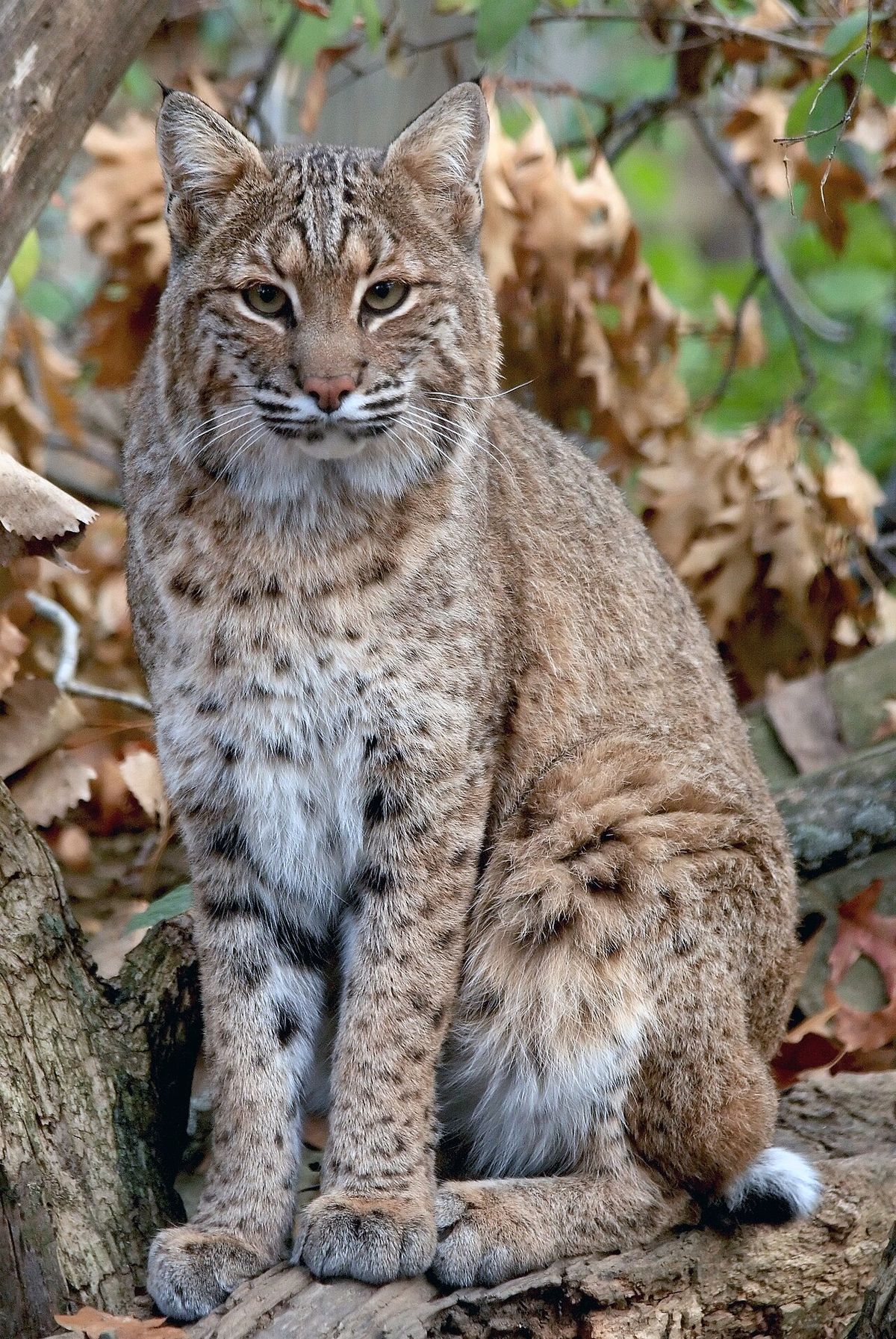
Wolverines are opportunistic carnivores with a diet that shifts based on season and availability, and scientists consider them to be opportunistic carnivores with a highly varied intake. They are primarily scavengers, with carrion constituting a major part of their food intake, especially in winter and early spring, and they may find carrion themselves, feed on it after a predator like a wolf pack has finished, or simply take it from another predator. They often follow the trails of wolves or lynx to scavenge from their kills and are known to cache surplus food for leaner times, which is of particular importance to lactating females in winter. This scavenging behaviour, combined with a seemingly voracious feeding style when food is located, contributed to its 'glutton' reputation and scientific name, though this style is believed to be an adaptation to food scarcity in a harsh environment.
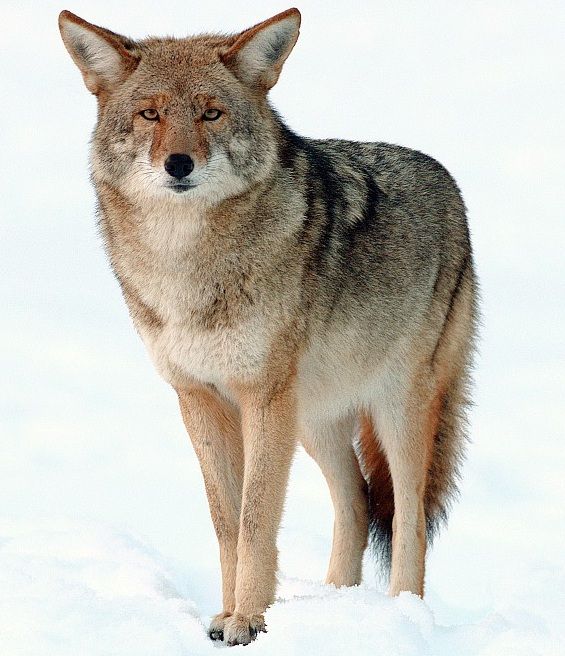
Despite their reliance on carrion, wolverines are also powerful and versatile active predators, and their prey mainly consists of small to medium-sized mammals. They prey on animals like porcupines, squirrels, beavers, marmots, rabbits, voles, and lemmings, and remarkably, they have been documented killing prey many times their own size, including adult deer, caribou, sheep, and even moose and elk, particularly when these animals are weakened by winter or immobilized by deep snow. Their prey list also includes other predators such as martens, mink, foxes, lynx, weasels, coyote, and wolf pups, and they have been known to kill Canada lynx in the Yukon, demonstrating their competitive nature. Diets are sometimes supplemented by birds' eggs, birds like geese, roots, seeds, insect larvae, and berries, providing flexibility when meat is scarce.
Wolverines inhabiting the Old World, specifically Fennoscandia, hunt more actively than their North American relatives. This may be because competing predator populations in Eurasia are less dense, making it more practical for the wolverine to hunt for itself than to wait for another animal to make a kill and then try to snatch it. They often feed on carrion left by wolves, so changes in wolf populations may affect the population of wolverines. Adult wolverines appear to be one of the few mammalian carnivores to pose an active threat to golden eagles. Wolverines were observed to prey on nestling golden eagles in Denali National Park. During incubation in Northern Sweden, an incubating adult golden eagle was killed in its nest by a wolverine.
Reproduction and Life Cycle
Wolverines are induced ovulators. Successful males will form lifetime relationships with two or three females, which they will visit occasionally, while other males are left without a mate. Mating season is in the summer, but the actual implantation of the embryo in the uterus is stayed until early winter, delaying the development of the fetus. Females will often not produce young if food is scarce. The gestation period is 30 to 50 days, and litters of typically two or three young are born in the spring.
Kits develop rapidly, reaching adult size within the first year. Fathers make visits to their offspring until they are weaned at 10 weeks of age. Also, once the young are about six months old, some reconnect with their fathers and travel together for a time. This critical dependence on spring snow cover for successful reproduction is a key vulnerability for the species in the face of climate change.
Predators and Interspecies Interactions
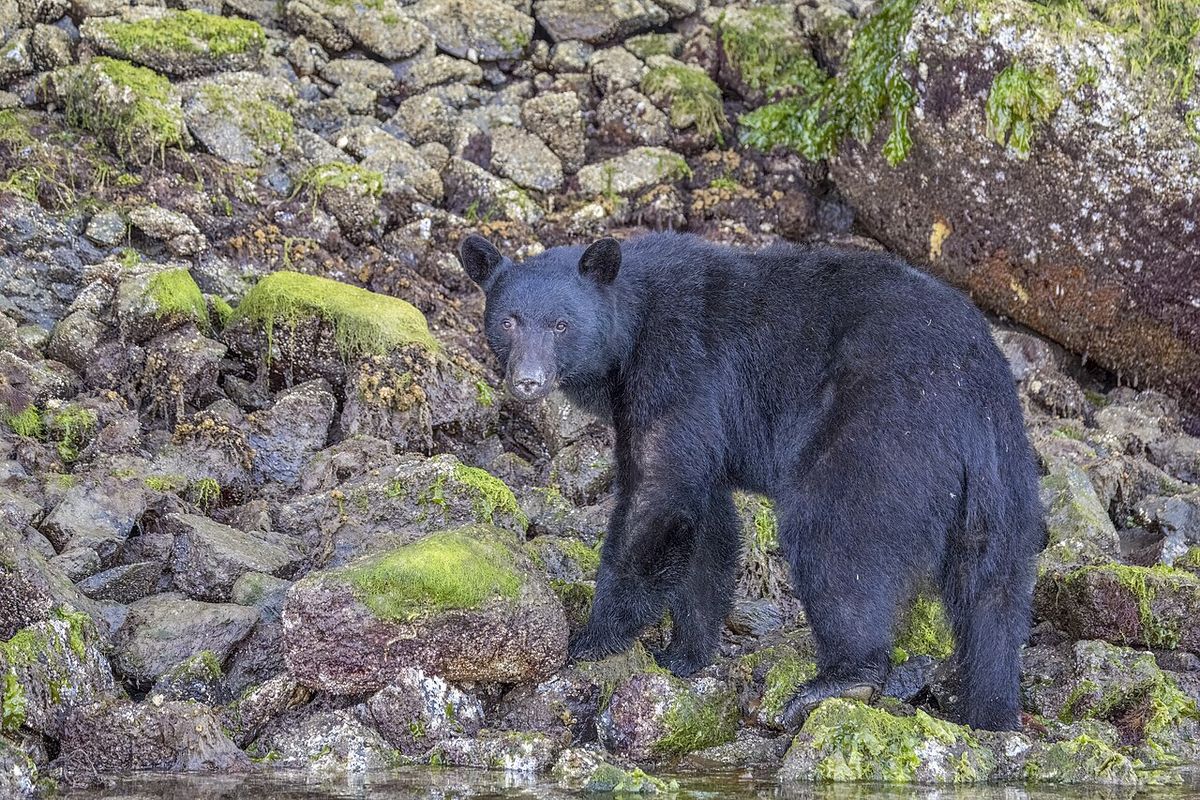
Wolves, American black bears, brown bears and cougars are capable of killing adult wolverines, while smaller predators like golden eagles can kill young and inexperienced individuals. Wolves are thought to be the wolverine's most important natural predator, with the arrival of wolves to a wolverine's territory presumably leading the latter to abandon the area. It has been reported that packs of grey wolves occasionally kill wolverines, either to defend their kills or to protect dens containing their own pups. In North America, another less frequent predator is the cougar.
Armed with powerful jaws, sharp claws, and a thick hide, wolverines, like most mustelids, are remarkably strong for their size. They may defend against larger or more numerous predators such as wolves or bears. At least one account reported a wolverine's apparent attempt to steal a kill from a black bear, although the bear won what was ultimately a fatal contest for the wolverine. There are a few accounts of brown bears killing and consuming wolverines as well. In some areas such as Denali National Park, wolverines seemed to try to actively avoid encounters with grizzly bears.
Wolverines have been observed to use urine as a scent-marking behavior. Headspace analysis of the volatiles emanating from urine samples identified 19 potential semiochemicals. The major classes of identified chemicals are the ketones: 2-heptanone, 4-heptanone and 4-nonanone and the monoterpenes: alpha-pinene, beta-pinene, limonene, linalool and geraniol. In other mammals, the excretion of these terpenes is unusual. The conifer needles that are found in wolverine scat are likely the source of these monoterpenes.
Conservation Status and Threats
The wolverine is listed by the IUCN as Least Concern because of its wide distribution, remaining large populations, and the unlikelihood that it is in decline at a rate fast enough to trigger even Near Threatened. The world's total wolverine population is not known. The animal exhibits a low population density and requires a very large home range. However, the species has disappeared from large portions of its historical range in both Europe and North America, primarily due to overtrapping, habitat loss, and fragmentation from human development and infrastructure over many decades.
The wolverine's low population density and requirement for vast, connected territories make it especially susceptible to human pressures. Hunting and trapping further reduce their numbers across their range. Climate change poses a profound and specific threat, as the animal depends on persistent spring snow cover for successful denning and reproduction. In response to these threats in the United States, the U.S. Fish and Wildlife Service listed the wolverine population in the contiguous 48 states as threatened under the Endangered Species Act in November 2023.
Conservation efforts are complicated by the animal's elusive nature and large spatial needs. Legal protections, careful management of trapping, and maintaining landscape connectivity are essential for its survival. Reintroduction programs, such as those considered in Colorado, represent active efforts to restore the species to parts of its former range. The wolverine's future in Canada and across its range will depend on concerted conservation strategies that address habitat protection and the overarching challenge of climate change.
Questions about Wolverine
Are wolverines dangerous to humans?
Wolverines have a reputation for ferocity and strength out of proportion to their size, with the documented ability to kill prey many times larger than itself. However, they are solitary animals that inhabit remote wilderness areas, making encounters with humans very rare. There are no documented cases of unprovoked wolverine attacks on humans in the provided notes. Humans pose a far greater threat to wolverines through habitat encroachment and historical trapping.
Where can you see a wolverine in Canada?
Wolverines are found primarily in remote reaches of the northern boreal forests and subarctic and alpine tundra of Northern Canada. They live primarily in isolated arctic, boreal, and alpine regions of northern Canada. Seeing a wolverine in the wild is exceptionally difficult due to their low population density, vast home ranges, and preference for the most remote areas. Even in these areas, sightings are rare and often fleeting as wolverines are largely nocturnal and incredibly elusive.
What is the difference between a wolverine and a badger?
While both are muscular mustelids, wolverines and badgers differ significantly in size, build, and habitat. Wolverines are larger, with a broader head, shorter legs, and famously large, snowshoe-like paws adapted for snow travel, and they have a bushy tail and thick, dark, hydrophobic fur. Badgers, like the American badger, are more compact and powerful diggers, with strong forelimbs and claws for burrowing, and they have a different facial stripe pattern. Wolverines have a Holarctic distribution across northern continents, while badgers have various species across North America, Europe, and Asia, and their diets also differ, with wolverines being more wide-ranging scavengers and predators.
Why are wolverines so strong for their size?
Wolverines are a muscular carnivore with a reputation for ferocity and strength out of proportion to its size. Anatomically, they have strong limbs, broad and rounded heads, and large, five-toed paws with crampon-like claws. Wolverines have the highest compressive strength per trabecular bone volumetric fraction at the mandibular condyle among all carnivore mammals. Combined with powerful jaws, sharp claws, and a thick hide, these traits enable wolverines to take on prey much larger than themselves and defend their food from formidable competitors.
How does climate change affect wolverines?
Climate change is a major threat to wolverines because of their specific dependence on spring snow cover for denning and reproduction. Female wolverines dig dens deep into snowdrifts in February to give birth and raise their kits until May, and warmer temperatures cause earlier spring snowmelt, which can collapse dens or eliminate suitable denning sites altogether. Furthermore, a shrinking snowpack fragments their alpine and boreal habitat, isolating populations and reducing genetic diversity over time. The U.S. Fish and Wildlife Service cited climate change impacts on denning habitat as a primary reason for listing the species as threatened in the contiguous United States in 2023, highlighting the severity of this environmental challenge.
What does a wolverine eat?
Wolverines are opportunistic carnivores with a highly varied diet that includes both scavenging and active hunting. They are primarily scavengers, feeding on the carcasses of large animals like moose, caribou, and elk, especially in winter, and they often scavenge from wolf kills. They also actively hunt, preying on animals ranging in size from rodents and porcupines to beavers, marmots, and adult deer when they are weakened. Their diet is sometimes supplemented by birds, eggs, insects, and occasionally berries or roots, and they are known to cache surplus food, burying it in snow or dirt to consume later during times of scarcity in their harsh environment.
Sources: Wikipedia and current public reporting, checked by the Your Space Hamilton desk. Last updated 2026-10-18.