Burrowing owl
The burrowing owl (Athene cunicularia) is a small, long-legged, ground-dwelling owl native to the open grasslands and prairies of North and South America. In Canada, the species is listed as Endangered under the federal Species at Risk Act, with its population in the country having declined by over 96 percent since 1987. Unlike most owls, it is active during the day and nests in underground burrows, typically those abandoned by mammals like badgers, ground squirrels, and prairie dogs. This unique lifestyle makes the burrowing owl a key indicator of the health of Canada's threatened prairie ecosystems, and its conservation has become a focal point for recovery efforts across the western provinces.
Physical Description and Adaptations
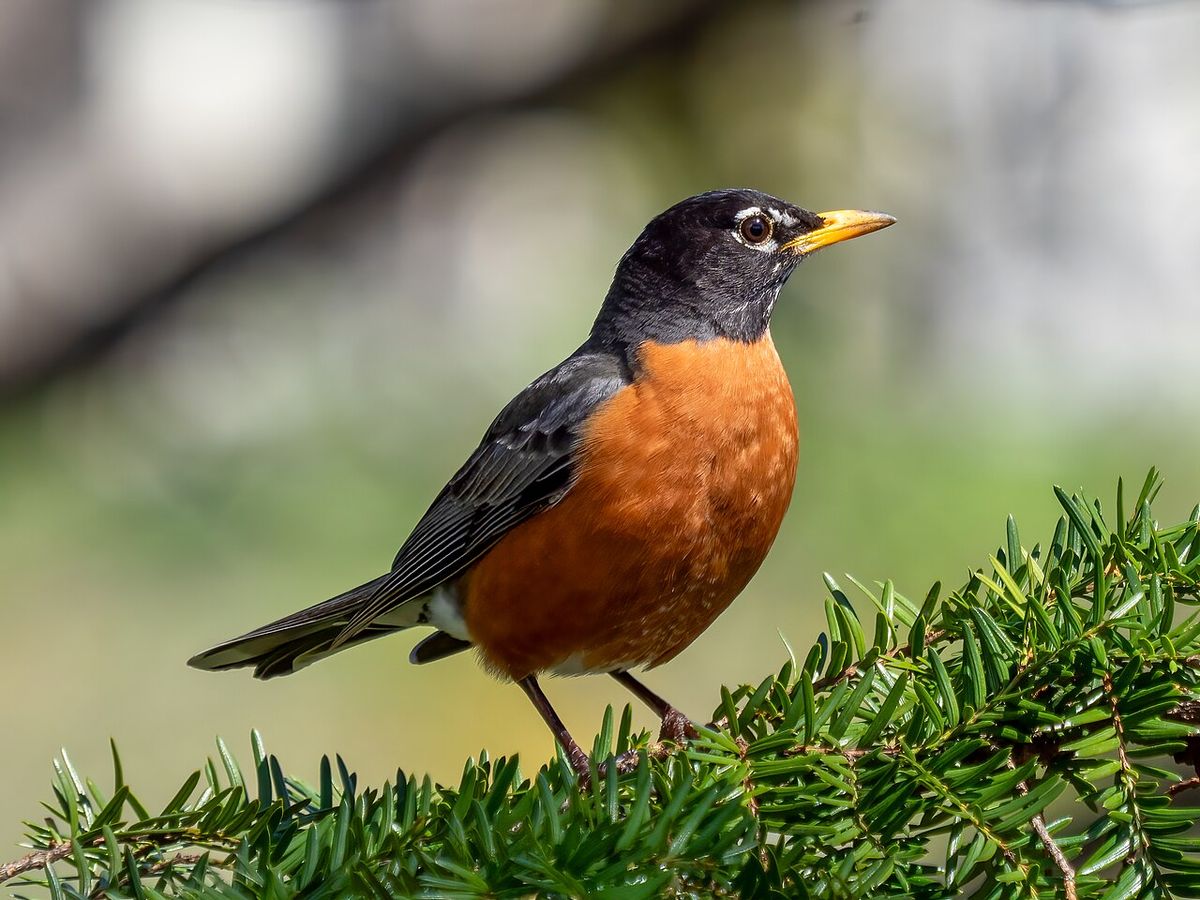
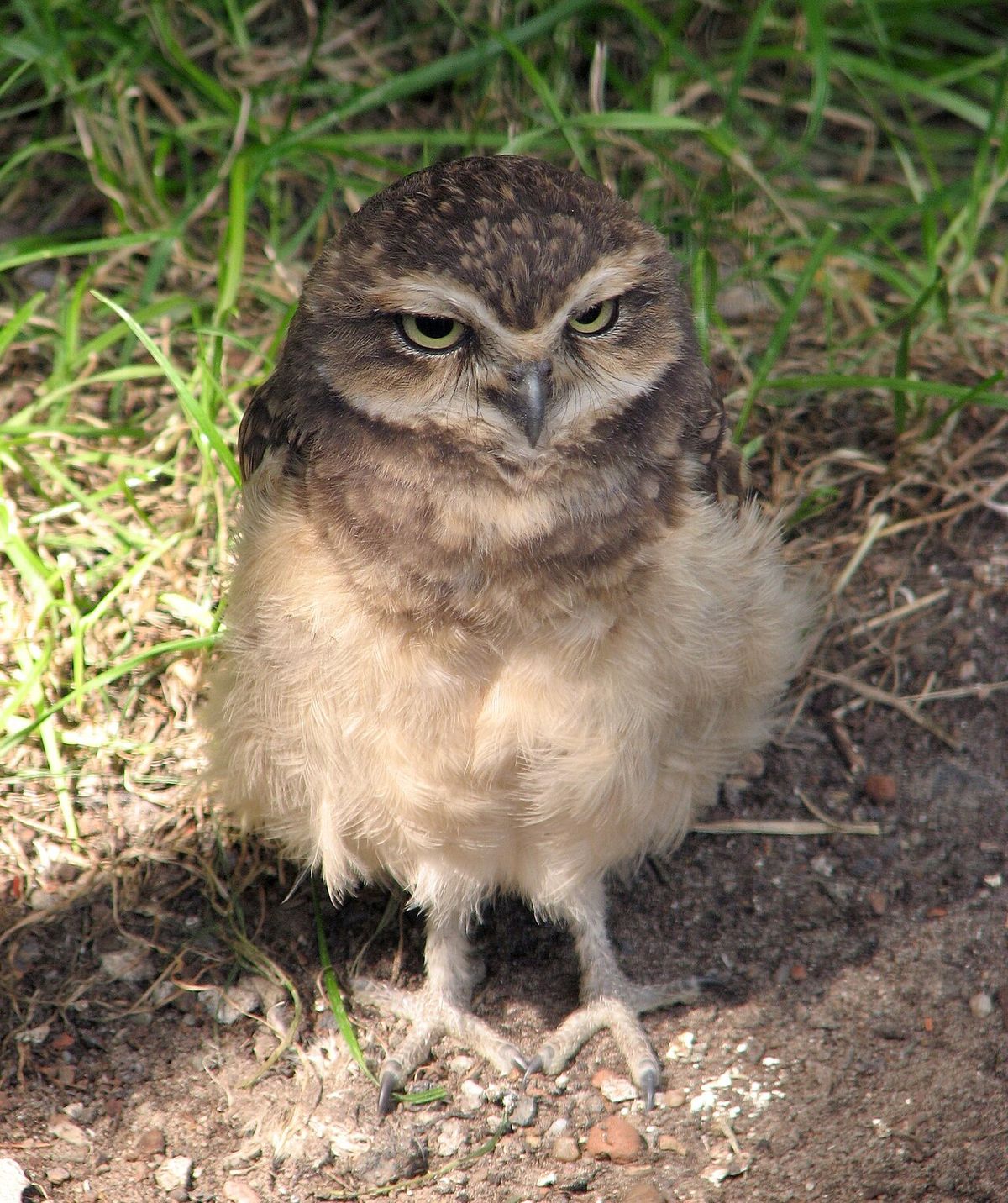
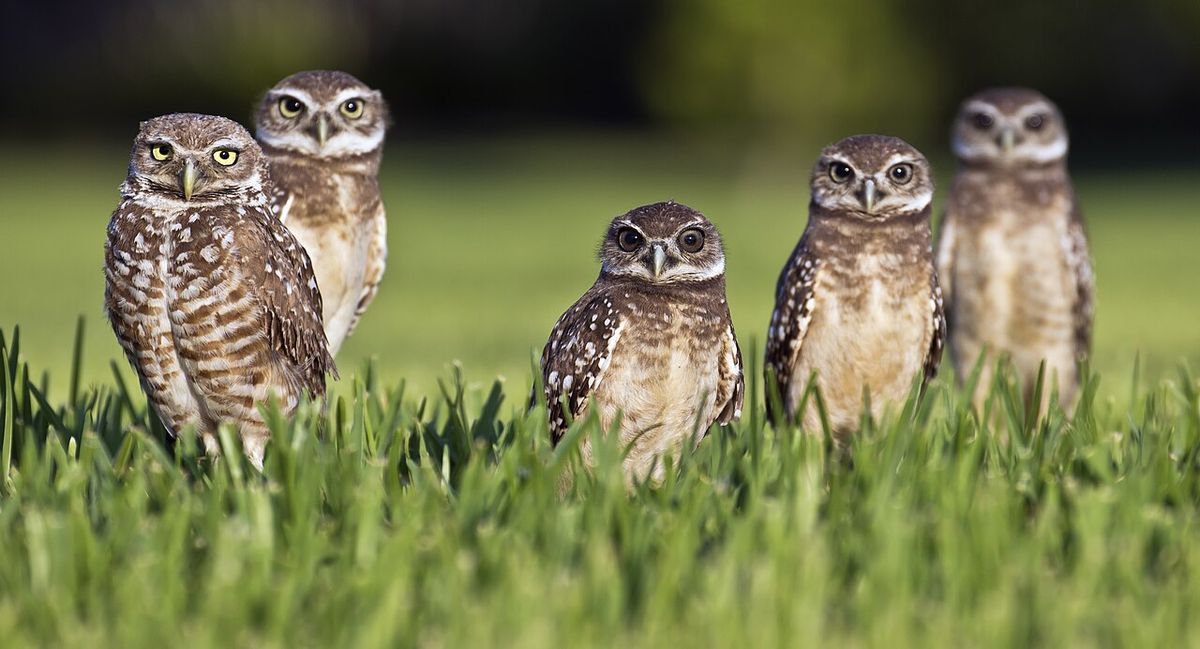
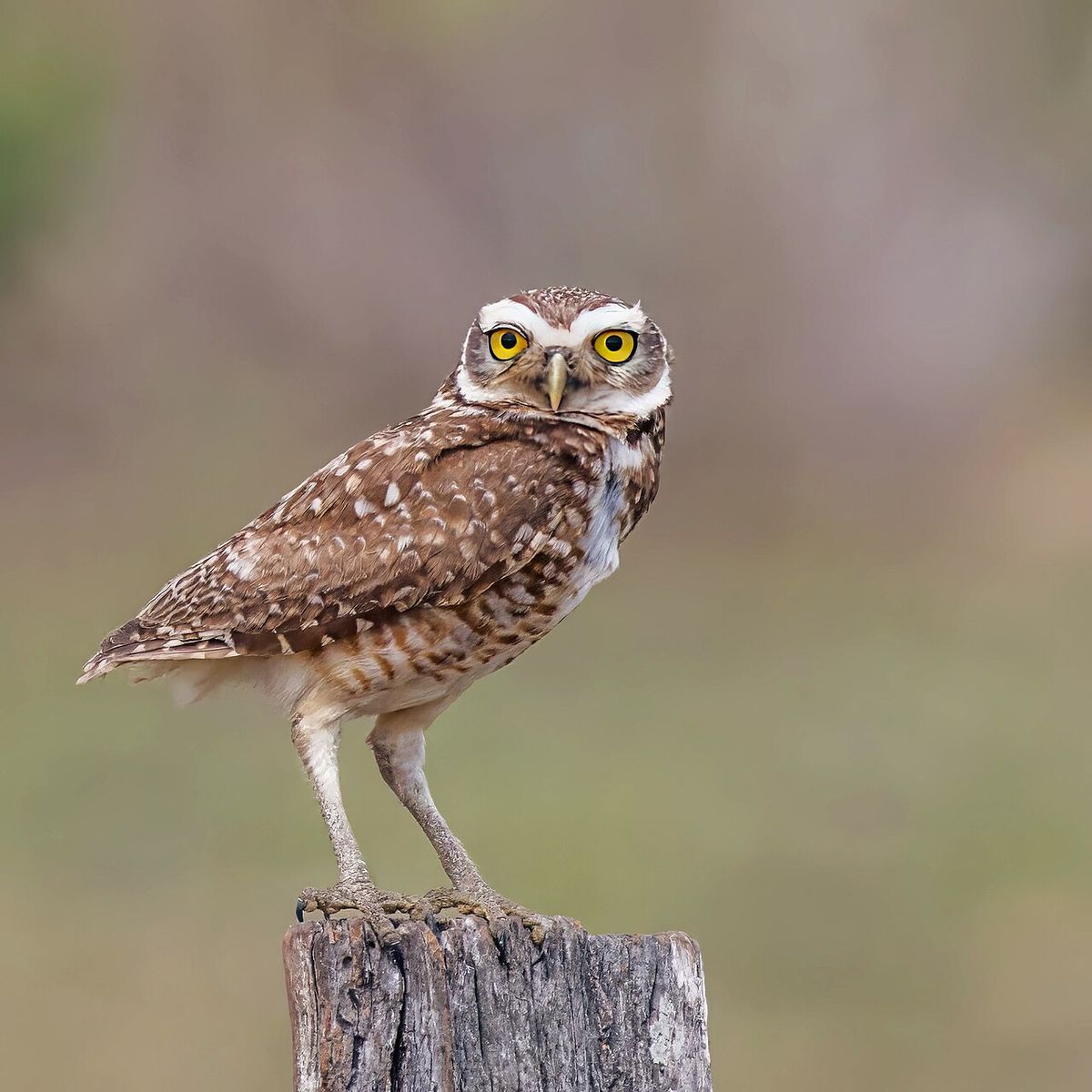
The burrowing owl is a small, terrestrial owl distinguished by its proportionally long legs, a feature that facilitates running and sprinting after prey on open ground. Adults measure between 19 and 28 centimetres in length with a wingspan of roughly 53 to 61 centimetres, making them slightly larger than an American robin. They have bright yellow eyes, prominent white eyebrows, and a white chin patch, but lack the ear tufts common to many other owl species. Their plumage is brown with white spotting on the wings and back, and their chests are white with variable brown barring. Juveniles are similar but lack much of the white spotting and barring, often showing a buff-coloured breast. Sexual dimorphism is minimal, though males may appear lighter in colour due to sun-bleaching from spending more time outside the burrow.
Their long legs are a key adaptation for life on the prairie, allowing them to pursue prey on foot and providing momentum for their typically low, short flights. Unlike forest-dwelling owls, burrowing owls have evolved for open landscapes, which also influences their hunting behaviour and nesting strategy. Another unique adaptation is their ability to produce a rattling hiss when threatened inside their burrow, a form of acoustic Batesian mimicry thought to deter predators by resembling the sound of a rattlesnake. This hissing behaviour has been observed to be an effective defence against animals familiar with the dangers posed by rattlesnakes.
Distribution and Habitat
The burrowing owl has a broad range across the Americas, from southern Canada through the United States and Mexico to Patagonia in South America. In Canada, its breeding range is now largely restricted to the prairie grasslands of southern Alberta, Saskatchewan, and Manitoba. Historically, it was more widespread, but habitat loss has severely contracted its distribution. The owls are year-round residents in much of the southern United States, Mexico, and South America, but the populations that breed in Canada and the northern United States migrate south for the winter, primarily to Mexico and the southern U.S. This species is inextricably linked to open, dry areas with low vegetation.
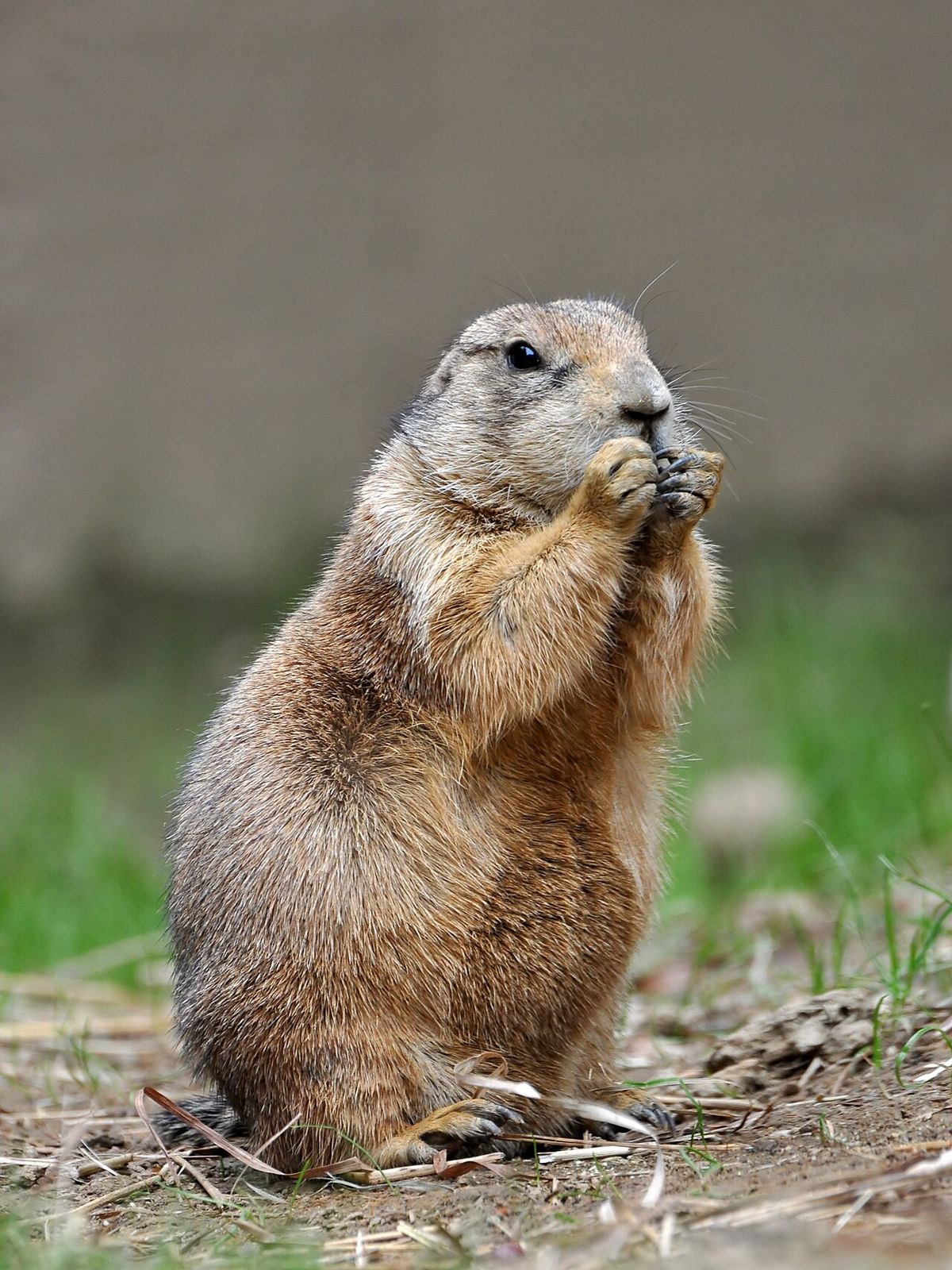
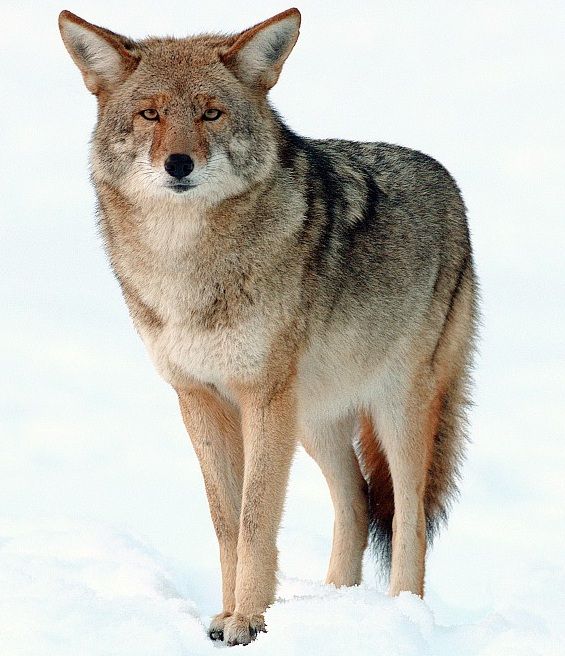
Its preferred habitats include native grasslands, rangelands, agricultural fields, deserts, and plains. They have also adapted to human-altered environments such as airports, golf courses, and vacant urban lots. A critical component of their habitat is the presence of burrows for nesting and shelter. In most of Canada, the soil is too hard for the owls to excavate their own homes, so they depend entirely on repurposing abandoned burrows dug by other animals. Badgers are a primary source of burrows, while ground squirrels, often called gophers in Saskatchewan, provide many nesting sites. Prairie dogs create extensive burrow systems used by owls in some regions, and coyotes and foxes also dig burrows that may be later occupied.
Burrowing owls nest and roost in burrows, which are typically 3 to 3.7 metres long and angled downward to keep the nesting chamber dark and protected. They do not often construct these dwellings themselves, rather repurposing disused burrows previously excavated by other species such as American badgers, foxes, ground squirrels or prairie dogs. The owls' reliance on these structures creates a direct ecological link between their survival and the presence of healthy populations of burrowing mammals. In Florida, where soils are softer, burrowing owls often excavate their own burrows, which are generally about 1 metre deep and 2 to 3 metres in length with a slight curve to block sunlight. Their typical breeding habitat is open grassland or prairie, but they can occasionally adapt to other open areas.
Behaviour, Diet, and Life Cycle
Burrowing owls exhibit unique behaviours compared to other owls, being diurnal and crepuscular, meaning they are active during the day and at dawn and dusk. This activity pattern allows them to hunt effectively in open landscapes. They are monogamous, typically breeding once per year, with courtship involving singing, preening, and flight displays by the male. The breeding season in North America generally begins in late March or April, though it can start as early as February in southern regions. The female lays a clutch of 4 to 12 eggs, which she incubates for about 28 to 30 days while the male provides food.
After hatching, both parents feed the chicks. The young owls, or fledglings, begin to make short flights and leave the burrow about four weeks after hatching, becoming fully independent around 44 to 53 days old. Parental roles are divided, with the male primarily hunting and the female initially staying close to the brood. The owls demonstrate site fidelity, often reusing the same burrow in consecutive years, though this is less common in northern migratory populations. Their lifespan in the wild is typically 6 to 8 years, with a maximum recorded age of 11 years, though about two thirds of owlets do not survive to adulthood due to factors like low prey density, inexperience, and predation.
The burrowing owl is a generalist predator with a highly varied diet that shifts based on local availability. Their food intake is roughly two-thirds small vertebrates and one-third invertebrates. They employ several hunting techniques, including waiting on a perch, swooping down on prey, chasing on foot, and catching insects in flight. An analysis of diets in the Dominican Republic found the owls consumed about 53 percent invertebrates, 28 percent birds, 15 percent reptiles, 3 percent amphibians, and 1 percent mammals.
| Prey Type | Examples |
|---|---|
| Invertebrates | Termites, katydids, crickets, grasshoppers, dung beetles, wolf spiders |
| Small Mammals | Vesper mice, other small rodents, occasionally bats |
| Birds | Sparrows, doves (including eared doves and mourning doves) |
| Reptiles & Amphibians | Small lizards (e.g., tropical house gecko), snakes, frogs, toads |
| Other | Fruit and seeds from cacti (e.g., prickly pear) |
An unusual behaviour is their collection of mammal dung, often from cattle, which they place around their burrow entrance. This was once thought to mask the scent of the juvenile owls, but researchers now believe the dung helps to control the microclimate inside the burrow and to attract insects, which the owls may eat. Burrowing owls are also known to place the fecal matter of large herbivorous mammals around the outside of their burrows to attract dung beetles, providing a steady source of food. On Clarion Island, where mammalian prey is lacking, they feed essentially on crickets and prickly pear fruit, adding Clarión wrens and young Clarion mourning doves on occasion.
Conservation Status and Threats
The burrowing owl is classified as Endangered in Canada under the Species at Risk Act and is considered a species of special concern or threatened in several U.S. states, including Colorado, Florida, and California. Globally, it is listed as Least Concern by the IUCN due to its extensive South American range, but North American populations have experienced severe declines. In Canada, the population is estimated at only 270 to 300 breeding pairs, representing a decline of over 96 percent since 1987. Annual declines have been measured at nearly 3.5 percent in Canada and over 4 percent in some U.S. states between 1966 and 2019.
The primary threat to the species is the widespread loss and fragmentation of its native grassland habitat due to conversion to intensive agriculture and urban development. A compounding crisis is the decline of burrowing mammal populations, such as prairie dogs and ground squirrels, due to eradication programs and habitat loss. These programs, aimed at protecting crops and rangeland, eliminate the very architects of the burrows the owls need for nesting. Without these animals, owls lose not only their homes but also a protective buffer, as predators may target the mammals first. Prairie dog alarm calls also provide an early warning system for owls, and their absence leaves the owls more vulnerable to exposure to predators.
Additional threats include predation by domestic cats and dogs, vehicle collisions, and low survival rates during migration and the first year of life. In March 2024, a coalition of conservation groups, including the Center for Biological Diversity and the Burrowing Owl Preservation Society, submitted a petition to list five populations of the western burrowing owl under the California Endangered Species Act. The petition seeks endangered status for owls in southwestern California, central-western California and the San Francisco Bay Area, and threatened status for those in the Central Valley and southern desert range. The burrowing owl is protected under the Migratory Bird Treaty Act in Canada, the United States, and Mexico, and is included in CITES Appendix II.
Recovery Efforts in Canada
Multiple collaborative recovery programs are underway in Canada to prevent the extirpation of the burrowing owl. These efforts involve partnerships between First Nations, conservation organizations, government agencies, and private landowners. A key strategy is head-starting, where young owls are raised in captivity through their most vulnerable first winter and then released as breeding pairs in the spring. The Wilder Institute operates such a program at its Archibald Biodiversity Centre in Alberta, releasing owls onto native prairie grasslands, much of which exists on working cattle ranches where grazing helps maintain the short-grass habitat the owls require. This technique supports young owls through early life stages, increasing their survival and helping more individuals reach breeding age in the wild.
In British Columbia, the Upper Nicola Band has led a highly successful recovery program for over a decade on their territory in the Nicola Valley. This initiative involves releasing captive-born owls into a network of artificial burrows constructed on grassland hills. The program has resulted in 125 wild-born fledglings since its inception and in April 2026, the band celebrated the release of 11 captive-born owls. Artificial burrows, typically made from corrugated tubing, are a crucial tool in areas where natural burrows are scarce, and they are often provisioned with food to help the owls establish themselves. Before release, handfuls of frozen mice are placed in the burrows to encourage the owls to stay and breed, and the burrow entrances are closed for a few days to allow the owls to acclimatize and bond with a potential mate.
- The Burrowing Owl Conservation Society of BC raises 50 to 80 juvenile owls annually for release at carefully selected sites.
- The Saskatchewan Burrowing Owl Interpretive Centre provides public education and information about the species.
- Programs emphasize partnership with ranchers, as cattle grazing maintains suitable open habitat on working lands.
- Release sites are carefully selected and monitored to assess survival and breeding success throughout the nesting season.
- Community involvement, including youth and Elders, is a fundamental part of several First Nations-led programs, such as the student ambassador role in the Upper Nicola Band's work.
Taxonomy and Subspecies
The burrowing owl was formally described in 1782 by Spanish naturalist Juan Ignacio Molina, who gave it the binomial name Strix cunicularia. The specific epithet 'cunicularia' is Latin for 'burrower' or 'miner'. It is now placed in the genus Athene, which includes other small owls, though it was once classified in its own monotypic genus, Speotyto, due to its unique terrestrial morphology. Genetic evidence supports its placement within Athene. There are numerous subspecies, with 18 currently recognized, though the taxonomic validity of some is debated. These subspecies are distributed across the Americas, with many found in or near the Andes and the Caribbean. A considerable number of subspecies have been described, though they differ little in appearance, and the relationship of some, like the Florida subspecies to Caribbean owls, is not entirely clear.
Two subspecies are extinct: A. c. amaura from Antigua and Saint Kitts and Nevis (extinct circa 1905) and A. c. guadeloupensis from Guadeloupe (extinct circa 1890). The subspecies most relevant to Canada is A. c. hypugaea, the western burrowing owl, which ranges from southern Canada through the Great Plains to Central America and is listed as Apparently Secure by NatureServe but is declining in the northern part of its range. Another notable subspecies is A. c. floridana, the Florida burrowing owl, which is listed as Vulnerable. Fossil records show that prehistoric burrowing owls existed on several Caribbean islands, becoming extinct at the end of the Pleistocene, probably because of ecological and sea-level changes at the end of the last ice age rather than human activity.
Questions about Burrowing owl
Why is the burrowing owl endangered in Canada?
The burrowing owl is endangered in Canada primarily due to massive habitat loss as native grasslands are converted for agriculture and development. A critical secondary threat is the decline of burrowing mammals like ground squirrels and prairie dogs, whose abandoned burrows the owls need for nesting. Eradication programs targeting these mammals have eliminated many potential nest sites. Additional factors include low survival rates during migration and the first year of life, predation, and vehicle collisions. These combined pressures have caused a population decline of over 96 percent since 1987.
Where can you find burrowing owls in Canada?
In Canada, burrowing owls are found in the southern portions of the western provinces, including British Columbia, Alberta, Saskatchewan, and Manitoba. They are year-round residents in most of their range, but birds that breed in Canada usually migrate south to Mexico and the southern United States during winter months. Their habitat is open, dry terrain with low vegetation, such as grasslands, rangelands, agricultural areas, or deserts. The burrowing owl is endangered in Canada.
What do burrowing owls eat?
Burrowing owls are generalist hunters with a diverse diet. They eat a mix of invertebrates and small vertebrates, with vertebrates making up about two-thirds of their intake. Their prey includes large insects like grasshoppers, crickets, and dung beetles, as well as small rodents, birds, lizards, snakes, and frogs. They occasionally eat fruit, such as prickly pear cactus. They hunt by perching and swooping, chasing prey on foot with their long legs, or catching insects in flight. They sometimes use mammal dung to attract dung beetles to their burrows.
How long do burrowing owls live?
In the wild, burrowing owls typically live 6 to 8 years, with the longest known wild lifespan being 11 years. However, mortality is high, with approximately two-thirds of owlets not surviving to adulthood. Most deaths occur between fledging and the end of the first year due to factors like predation, inexperience, and low food availability. In captivity, where they are protected from predators and have a steady food supply, they can live over 10 years.
Do burrowing owls migrate?
Yes, burrowing owls that breed in Canada and the northern United States are migratory. They travel south to wintering grounds in Mexico and the southern United States, typically from October to March. Not all owls return to Canada in the spring, and migration presents significant risks, contributing to population declines. Owls in the southern United States, Florida, Mexico, and South America are generally year-round residents and do not migrate.
How are people helping burrowing owls recover?
Recovery efforts involve several strategies and collaborations. A primary technique is head-starting, where vulnerable young owls are raised in captivity over winter and released as breeding pairs in the spring, as practiced by the Wilder Institute in Alberta. Organizations like the Burrowing Owl Conservation Society of BC also breed and release owls. First Nations, such as the Upper Nicola Band, lead community-based programs involving artificial burrow construction and releases. Conservationists also work with ranchers to maintain grazing lands as suitable habitat and conduct public education to raise awareness about this endangered species.
Sources and further reading
- Burrowing owl (Wikipedia)
- Athene cunicularia (burrowing owl) | INFORMATION (animaldiversity.org)
- Burrowing owls boosted by B.C. recovery effort (thenarwhal.ca)
- Burrowing Owl (wilderinstitute.org)
- For Kids, Saskatchewan Burrowing Owl (skburrowingowl.ca)
Checked by the Your Space Hamilton desk. Last updated 2026-10-26.