SS Noronic
The SS Noronic was a Canadian passenger steamship, the flagship of Canada Steamship Lines and the largest cruise ship on the Great Lakes. On September 17, 1949, while docked overnight at Pier 9 in Toronto Harbour, the vessel was consumed by a catastrophic fire that resulted in the deaths of at least 118 people, most of them American passengers. The disaster, which remains Toronto's deadliest, led to a major public inquiry, sweeping changes to maritime safety regulations, and hastened the end of the era of large wooden-interior passenger ships on the lakes. The wreck was later refloated, towed to Hamilton, Ontario, and scrapped, leaving a significant legacy on Canadian maritime history and waterfront safety.
Construction and Design
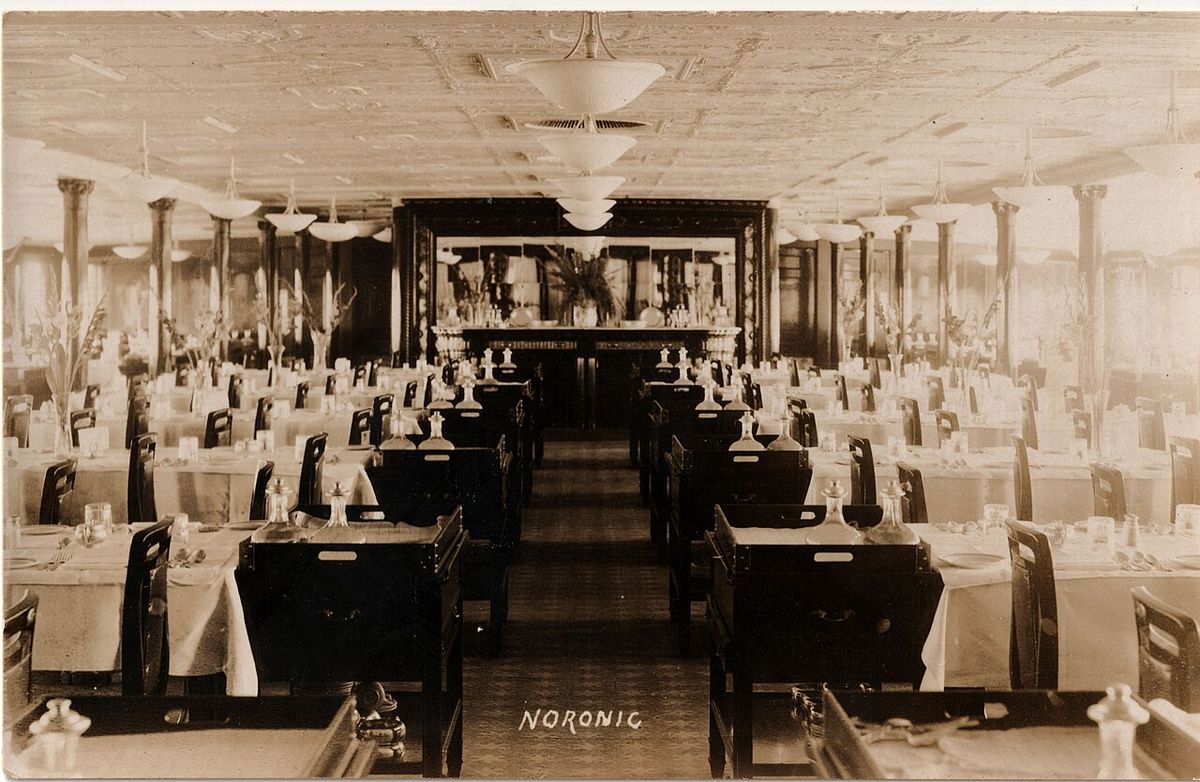
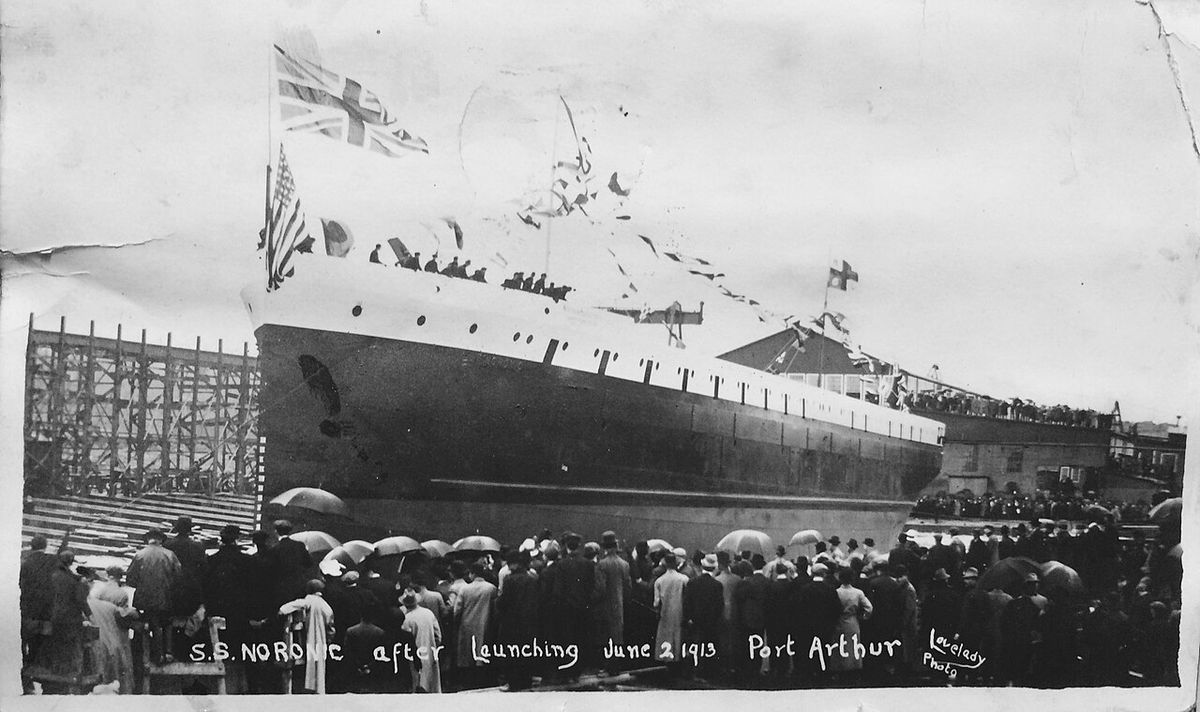
The origins of the SS Noronic are tied to the business dealings of the Northern Navigation Company, a subsidiary of the Richelieu and Ontario Navigation Company. In 1910, Northern entered an operating agreement with the Grand Trunk Railway (GTR), which included a provision for the construction of a new vessel. A bid to purchase Northern by shipping entrepreneur James Playfair in early 1911 was initially rejected by GTR president Charles Melville Hays, who was concerned about the agreement's terms. Playfair successfully changed Hays's mind, and on February 6, 1911, Hays notified that Northern would provide a new steamship within eighteen months, to be ready by the opening of navigation in 1913. Designed for passenger and package freight service, the Noronic was a five-deck vessel measuring 362 feet in length and 6,095 gross register tons. She could accommodate up to 600 passengers and 200 crew members, earning her the nickname "Queen of the Lakes" for her size and elegance. Her passenger decks were labelled A, B, C, and D, with the lowest deck, E deck, housing the only exits via gangplanks. This design, with no direct gangway access from the upper passenger decks, would later be cited as a critical flaw. The ship's interior was lined with highly flammable, lemon-oil-polished wood paneling, and her fleetmates included the Huronic and Hamonic.
The Final Voyage and Outbreak of Fire
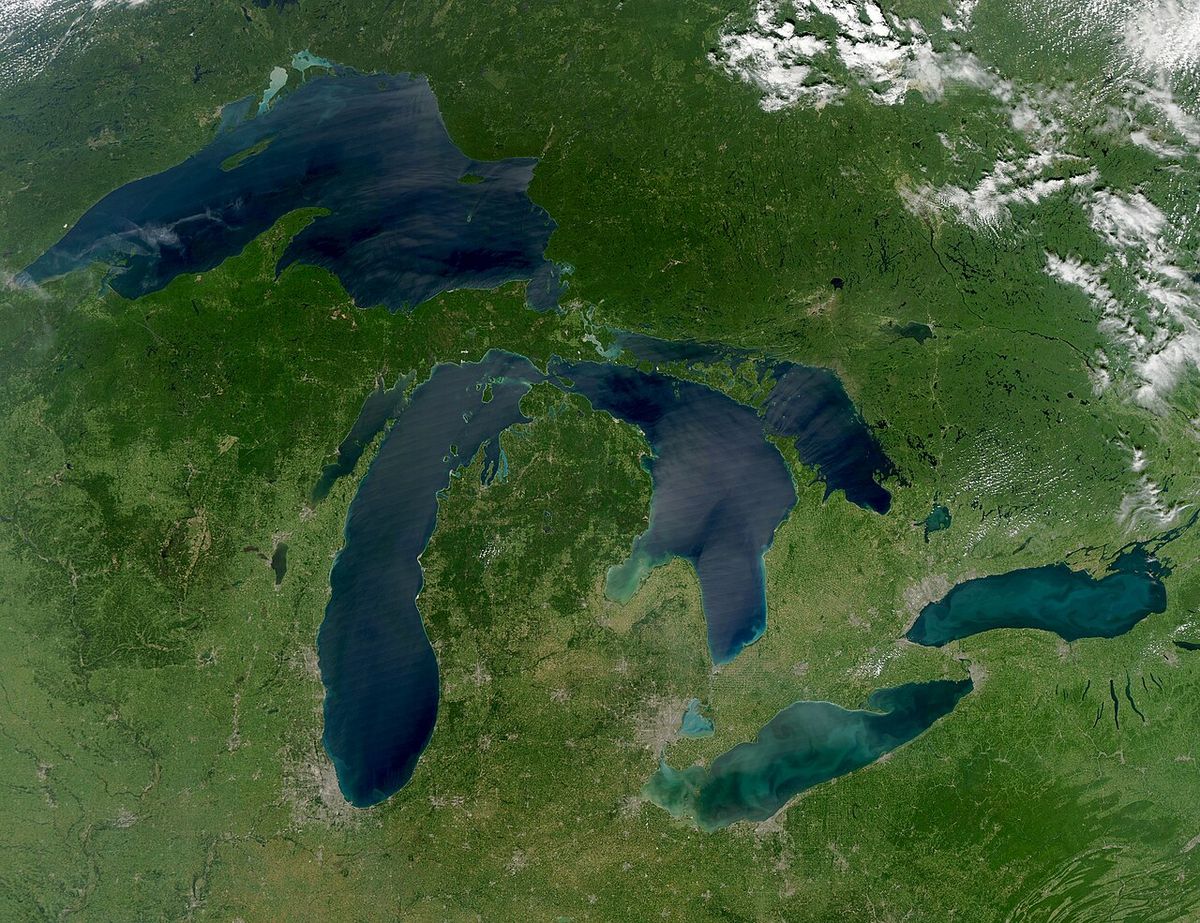
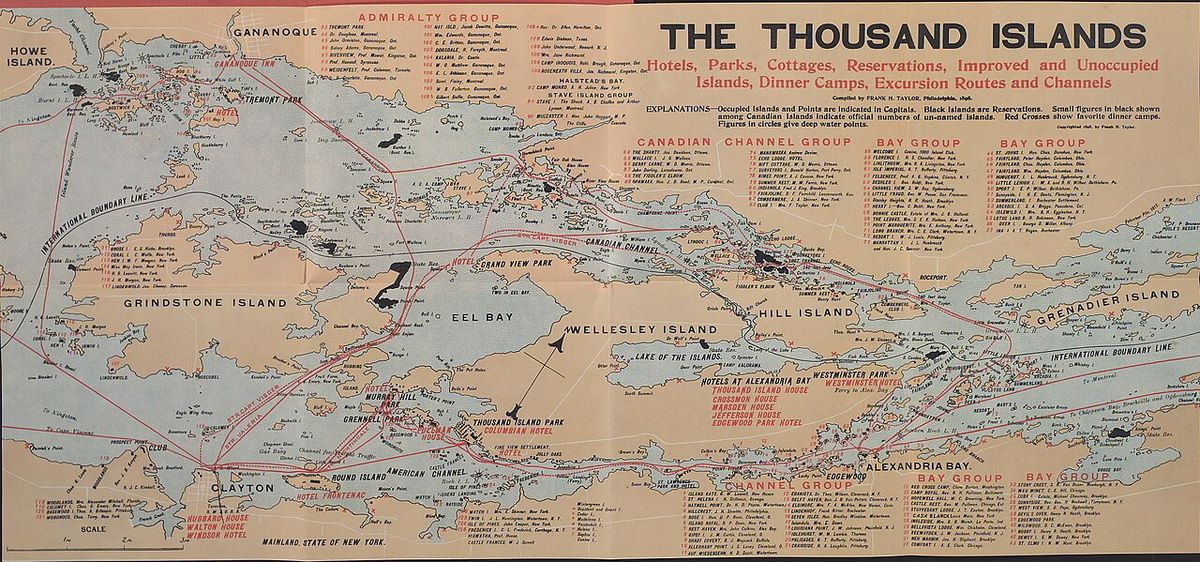
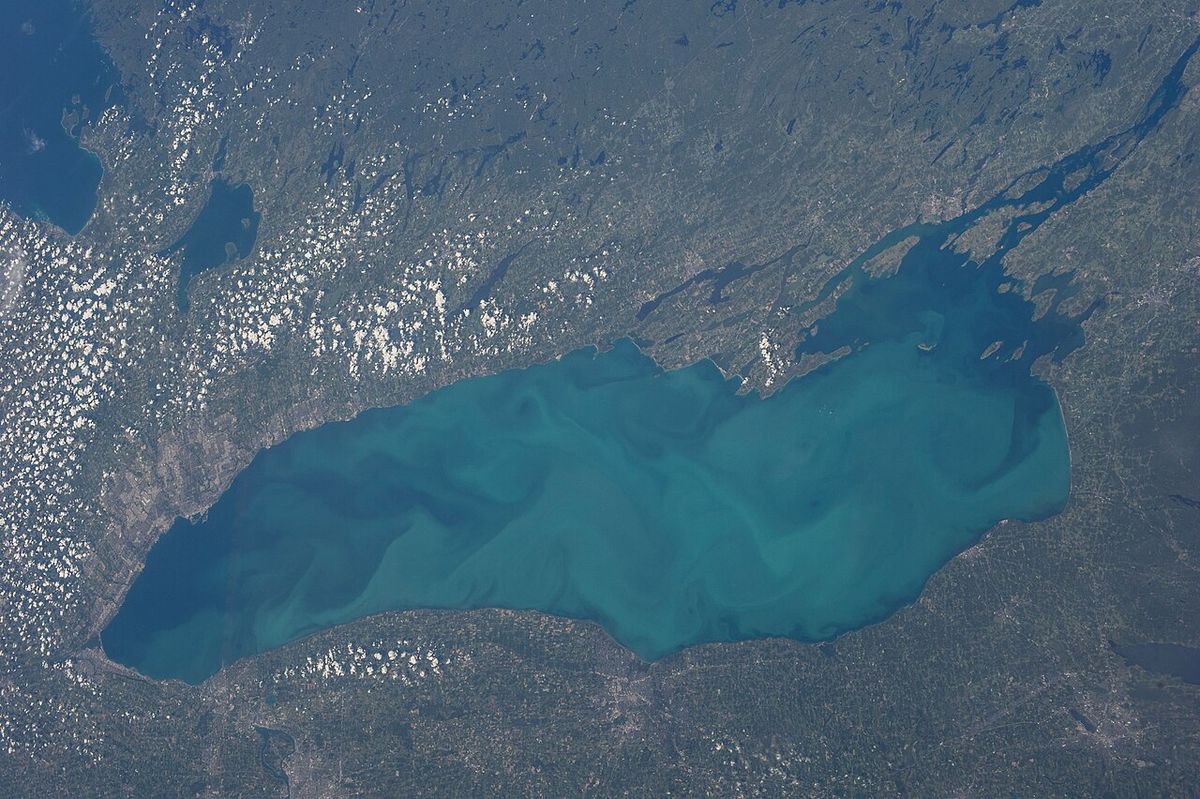
The Noronic began a seven-day pleasure cruise from Detroit, Michigan, on September 14, 1949, with additional passengers boarding at Cleveland, Ohio. Her itinerary included a planned stop at Prescott, Ontario, and the Thousand Islands before a winter lay-up in Sarnia. On the night of September 16, the ship docked at Pier 9 in Toronto Harbour at 7:00 p.m. with 524 passengers, all but twenty of whom were American, and 171 Canadian crew members under Captain William Taylor. The disaster began at approximately 2:30 a.m. on September 17 when passenger Don Church noticed smoke in a starboard corridor on C deck. He traced the smell to a locked linen closet just forward of a women's washroom. Church alerted bellboy Earnest O'Neil, who, without sounding a general alarm, went to retrieve the closet keys from the steward's office on D deck. When the closet was opened, the fire exploded into the hallway. Church, O'Neil, and others attempted to fight the blaze with fire extinguishers but found them inoperative and were forced to retreat by the rapidly spreading flames, which were fuelled by the oiled wood paneling. O'Neil then notified Captain Taylor, and First Mate Gerry Wood sounded the ship's whistle at 2:38 a.m. to raise the alarm. By this time, only eight minutes after the fire was discovered, half of the ship's decks were already ablaze.
Rescue Efforts and the Firefight
The response to the Noronic fire was immediate and chaotic, characterized by both extraordinary heroism and tragic inadequacy. Hearing the distress whistle, he commandeered a large painters' raft and positioned it near the ship's port bow, pulling jumping passengers from the frigid, oily water to safety. Toronto police constables Ronald Anderson and Warren Shaddock arrived on Queen's Quay just as the ship erupted in flames. After being alerted to people in the water, Constable Anderson stripped off his uniform and jumped in to assist Williamson on the raft. Fireboats, including the wooden-hulled Charles A. Reed, joined the operation to pluck survivors from the harbour. The Toronto Fire Department received a call from the pier's night watchman moments after the whistle sounded and dispatched a full contingent including pumper trucks, hose wagons, an aerial truck, a rescue squad, a deputy chief, and a fireboat, with the first truck arriving at 2:41 a.m. Firefighters faced immense challenges as the entire ship was quickly consumed. They extended ladders to the upper decks, though one ladder to B deck snapped under the weight of rushing passengers, sending them into the harbour. The metal hull soon became white-hot, and decks began to buckle and collapse. Firefighters poured over 1.7 million gallons of water from 37 hoses onto the ship, causing it to list severely before righting itself. The fire was declared extinguished by 5:00 a.m., but the wreckage was left to cool for two hours before the recovery of bodies could begin.
Carnage and the Recovery of Victims
The scene inside the burned-out hull was described as gruesome by firefighters and recovery crews. With only fifteen crew members on duty when the fire broke out and no systematic effort made to wake passengers, those who awoke did so to screams and panic in smoke-filled corridors. Most stairwells were impassable infernos, trapping passengers on the upper decks. The official inquiry later described a scene of great panic, with people jumping from upper decks while engulfed in flames, some falling to their deaths on the pier below, while others were trampled in corridors or suffocated and burned alive in their cabins. Firefighter Tom Benson recalled that upon boarding at daylight, "there were bodies everywhere. Some were cremated with just a skull or backbone remaining." Many remains were almost completely incinerated, necessitating the reported first use of forensic dentistry in Canada to identify victims. Glass had melted from every window, and steel fittings were warped from the extreme heat. The death toll was never precisely determined, with estimates ranging from 118 to 139. The initial confirmed death toll was 118 passengers, all of whom were American. One crewmember, Louisa Dustin, later died of her injuries, becoming the 119th fatality and the only Canadian victim. Only one person was confirmed to have drowned.
Official Inquiry and Aftermath
A House of Commons inquiry was formed to investigate the disaster. It determined the fire started in the linen closet on C deck, though the exact cause was never discovered, with suspicions ranging from a carelessly discarded cigarette to arson. The high death toll was blamed on multiple factors. The crew was criticized for ineptitude and cowardice, with too few on duty, none attempting to wake passengers, many fleeing at the first alarm, and no one calling the fire department. Passengers had never been informed of evacuation procedures. The ship's 36-year-old design was also found grievously at fault for its oiled wood interiors, lack of fireproof materials, exits located only on E deck, and inoperative fire extinguishers. Captain William Taylor, initially hailed as a hero for breaking windows and pulling passengers to safety, was later blamed by the Canadian Department of Transport inquiry for failing to take adequate fire precautions. His master's certificate was suspended for one year. Civil lawsuits against Canada Steamship Lines were settled for just over C$2 million. The disaster had a lasting impact on maritime regulations, contributing to the phasing out of wooden-interior passenger ships. By 1967, Canada Steamship Lines had removed its remaining passenger vessels from service due to new international safety rules.
- The fire started in a linen closet on C deck around 2:30 a.m., September 17, 1949.
- The official inquiry blamed crew ineptitude, lack of passenger drills, and flammable ship construction.
- Captain William Taylor's master's certificate was suspended for one year.
- Civil lawsuits were settled for over C$2 million.
- New international regulations led to the phase-out of similar passenger ships by 1967.
The Wreck and Lasting Legacy
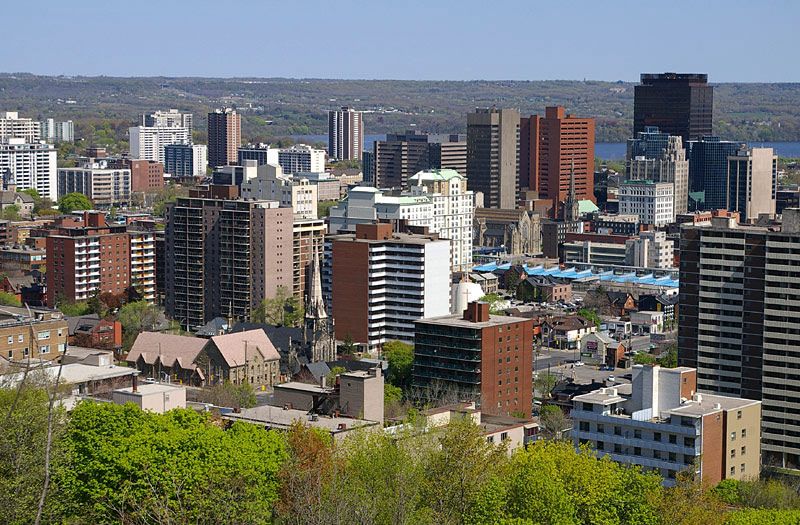
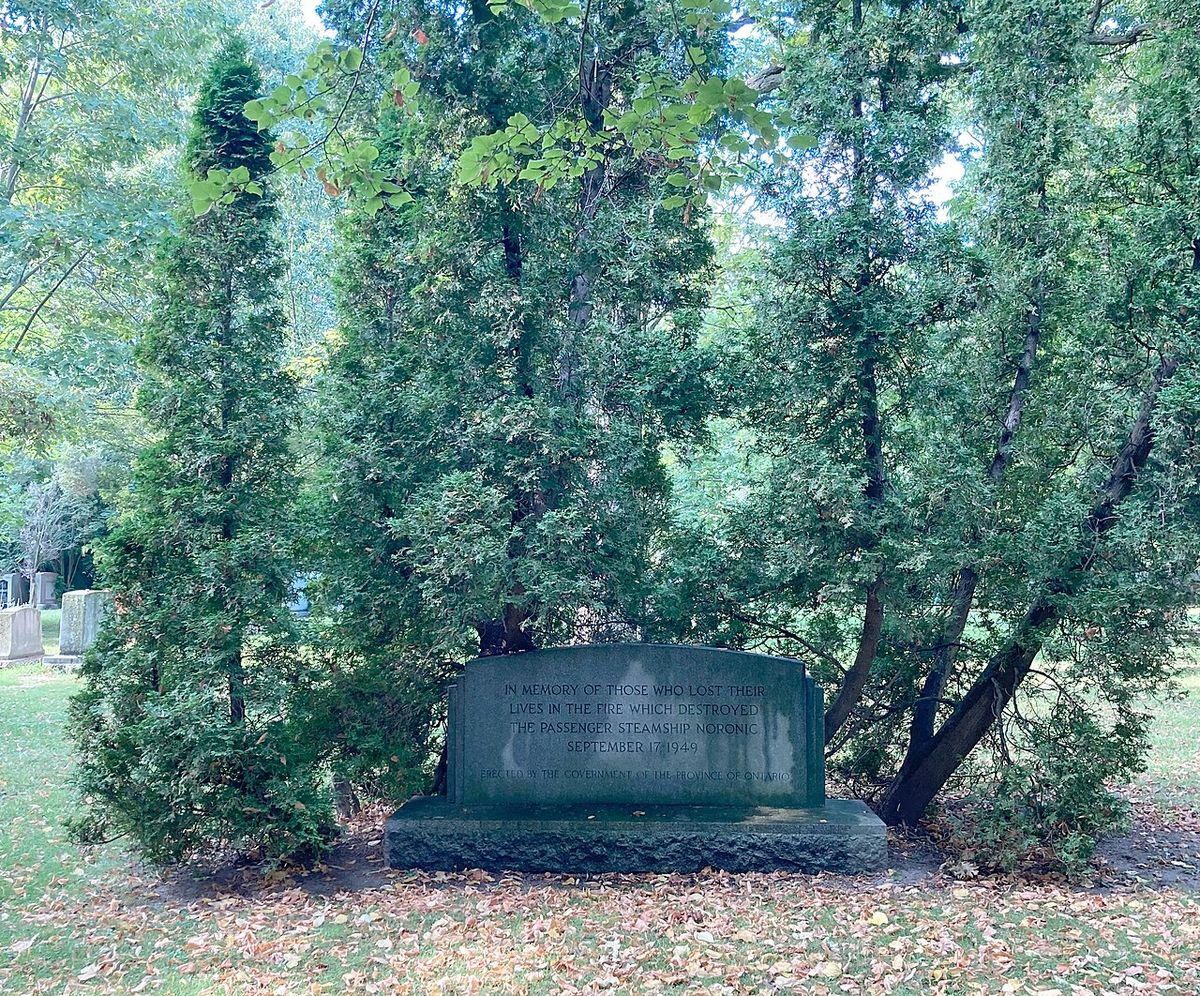
The burned-out hulk of the Noronic settled to the bottom in shallow water at Pier 9. The upper decks were cut away, and the hull was refloated on November 29, 1949. It was then towed to Hamilton, Ontario, where it was scrapped. Her smaller sister ship, the Huronic, was retired and scrapped the following year in 1950. Physical remnants of the ship are few. Her whistle is displayed in a nautical museum on Toronto's waterfront. On the 50th anniversary of the disaster, the Ontario Heritage Foundation placed a commemorative plaque near the site. The disaster also prompted the City of Toronto to replace its wooden-hulled fireboat, the Charles A. Reed, which had been damaged by the extreme heat of the fire, with a more powerful, modern, steel-hulled vessel. The Noronic fire remains a seminal event in Toronto's history, a stark reminder of the importance of maritime safety and the end of a particular era of Great Lakes travel.
The Modern Waterfront Context
The site of the Noronic disaster is now part of a radically transformed Toronto waterfront, a change exemplified by the recent development of Biidaasige Park. This new park, which opened in phases in 2025 and 2026, is located on Ookwemin Minising (formerly Villiers Island) in the Port Lands, an area reshaped by the massive Port Lands Flood Protection project. The park's expansion in July 2026 added 10 new acres, bringing its total size to approximately 60 acres, with an additional five acres planned. Funded by a tri-government investment of $1.4 billion, the park and the broader flood protection project represent one of North America's most ambitious waterfront revitalization efforts. Biidaasige Park features a naturalized river valley, a water's edge promenade, a large event lawn, and Canoe Cove for paddling. It is also home to the Lassonde Art Trail, an open-air museum featuring 15 large-scale outdoor sculpture installations from international artists. This transformation from industrial lands and a site of tragedy to a vast, resilient, and culturally rich public space highlights the evolving relationship between Toronto and its harbour, turning a place of historic disaster into one of future-oriented gathering and natural restoration.
Questions about SS Noronic
How many people died in the SS Noronic fire?
The exact death toll from the SS Noronic fire was never precisely determined, but estimates range from 118 to 139 lives lost. The initial confirmed death toll was 118 passengers, all of whom were American. One Canadian crewmember, Louisa Dustin, later died from her injuries, bringing the minimum fatality count to 119. Most victims died from suffocation or burns, with some perishing from being trampled or from jumping from the upper decks onto the pier below.
Where did the SS Noronic fire happen?
The SS Noronic fire occurred at Pier 9 in Toronto Harbour, Ontario. The ship had docked there for the night on September 16, 1949, during a pleasure cruise from Detroit. The fire broke out in the early hours of September 17, and the ship was completely destroyed at the pier. The site is part of Toronto's modern waterfront, near the area now being transformed by the Port Lands Flood Protection project and the new Biidaasige Park.
What caused the SS Noronic fire?
The official inquiry determined the fire started in a locked linen closet on C deck of the ship. However, the specific cause was never discovered. Investigators deemed it likely that a carelessly discarded cigarette from a member of the laundry staff ignited the blaze, though company officials also suspected the possibility of arson. The fire spread with devastating speed due to the ship's interior lining of highly flammable, lemon-oil-polished wood paneling.
What happened to the SS Noronic after the fire?
After the fire was extinguished, the gutted wreck of the Noronic settled to the bottom in shallow water at Pier 9. The upper decks were cut away, and the hull was refloated on November 29, 1949. It was then towed to Hamilton, Ontario, where it was dismantled and scrapped. Her sister ship, the Huronic, was retired and also scrapped in 1950. The ship's whistle was preserved and is now displayed in a nautical museum on Toronto's waterfront.
What were the outcomes of the official inquiry into the disaster?
The House of Commons inquiry placed blame on multiple parties. It cited the ineptitude and cowardice of the crew, who failed to wake passengers or call the fire department, and the lack of passenger safety drills. The ship's design, with flammable wood interiors, exits on only one deck, and inoperative fire extinguishers, was also found at fault. Captain William Taylor, though initially hailed as a hero, was found to have failed in his fire safety duties, resulting in a one-year suspension of his master's certificate. The disaster led to stricter maritime safety regulations.
Where is the site of the Noronic disaster today?
The area around Pier 9 in Toronto Harbour has been utterly transformed. It is now part of the vast Port Lands redevelopment, which includes the new Biidaasige Park that opened in 2025 and expanded in 2026. This park, created as part of a $1.4 billion flood protection and ecological restoration project, features naturalized shorelines, public art trails, and recreational spaces. A commemorative plaque was placed near the disaster site by the Ontario Heritage Foundation on its 50th anniversary.
Sources and further reading
- SS Noronic (Wikipedia)
- Toronto Feature: Noronic (thecanadianencyclopedia.ca)
Checked by the Your Space Hamilton desk. Last updated 2026-10-26.