Le Griffon
Le Griffon was a 17th-century sailing vessel built by the French explorer René-Robert Cavelier, Sieur de La Salle. Constructed near Cayuga Island on the upper Niagara River in 1679, it was the first large sailing ship to ply the upper Great Lakes, representing a bold attempt to establish a fur trade monopoly and search for a Northwest Passage. The ship's maiden voyage across Lakes Erie, Huron, and Michigan was a landmark in North American exploration, venturing into waters previously travelled only by canoes. Its disappearance with all six crew members and a valuable cargo of furs on the return journey created one of the Great Lakes' most enduring maritime mysteries, a story commemorated today in parks and public art across Canada.
Design and Construction
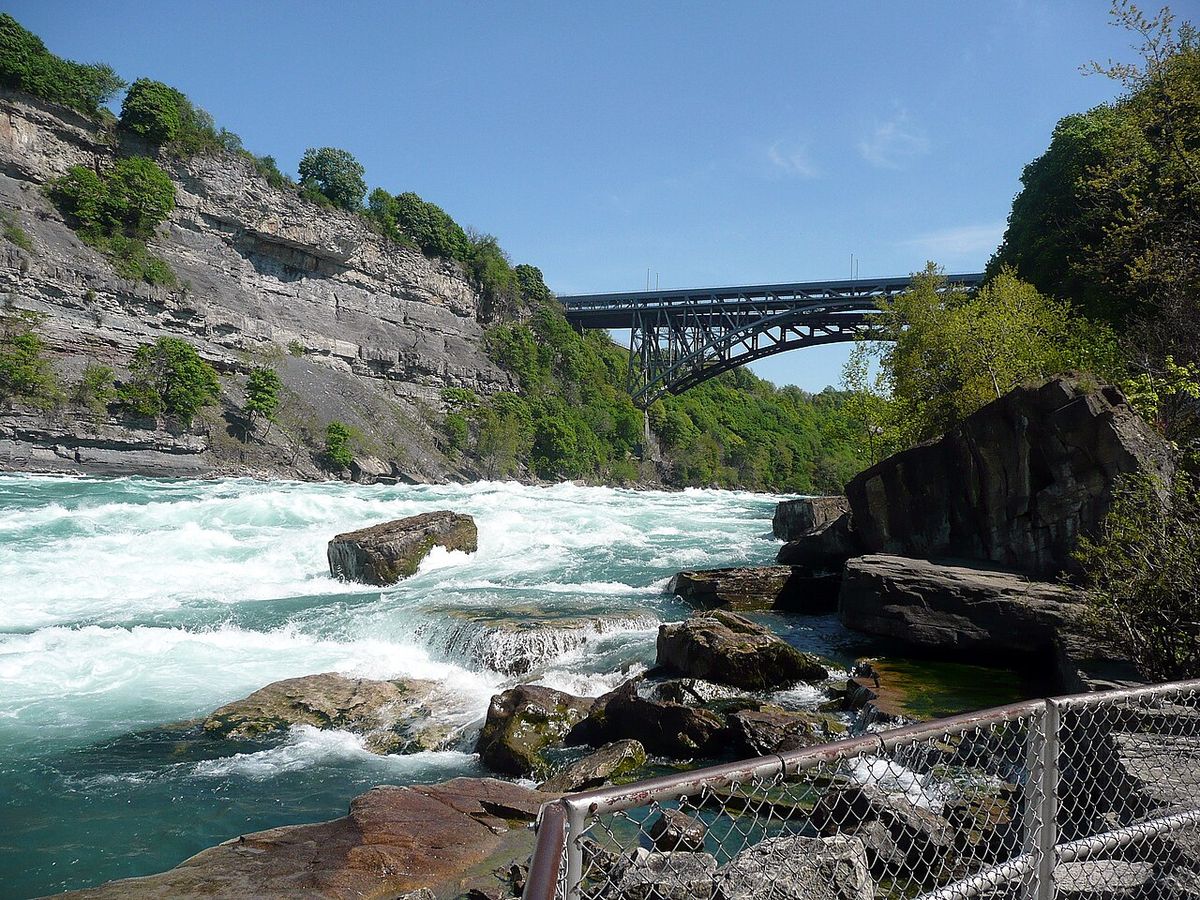
The design of Le Griffon followed the pattern of Atlantic-crossing vessels of its era, though its exact dimensions remain uncertain. Contemporary accounts, particularly the more reliable first journal of Father Louis Hennepin, describe it as a vessel of about 45 tons burden. Researchers generally believe it was a single-masted barque, roughly 30 to 40 feet long with a beam of 10 to 15 feet, making it the largest fixed-rig sailing vessel on the Great Lakes at the time. The ship was armed with seven cannons, though some modern sources reference five, and its construction featured the ornate figure of a griffin mounted on its jib-boom with an eagle flying above. The ship's name is believed to honour New France's governor, Count Frontenac, whose coat of arms featured the mythical griffin, though Hennepin also claimed it was chosen for divine protection from fire. Construction began on 26 January 1679 at a site conclusively identified at or near the mouth of Cayuga Creek on Cayuga Island, an area that is part of present-day Niagara Falls, New York.
The building process was arduous, hampered by crude tools, green timber, and the harsh winter conditions of 1679. The project faced constant threats, including a tested truce with local Seneca people and secret sabotage attempts by rival fur trade interests. At one point, a female informant from a local tribe foiled a Seneca plan to burn the ship while it was still on the stocks. Due to these persistent threats, the ship's superintendent, Henri de Tonti, launched Le Griffon ahead of schedule in early May 1679 to preempt any attack. The launching ceremony in the Cayuga Creek channel included a roar from the ship's cannons, which so impressed witnessing Iroquois that they named the French builders 'Ot-kon', meaning 'penetrating minds'. After launching, the vessel was fully rigged with sails and its cannons mounted, with the French flag flying above a cabin on the main deck that was built higher than the hull.
Historical Context and La Salle's Ambitions
Le Griffon was a central component of La Salle's grand ambition to find a Northwest Passage to China and Japan, a quest he aimed to finance by establishing a French fur trade monopoly with Indigenous nations. The ship was conceived as an essential link in this scheme, intended to transport large quantities of furs from the remote upper lakes to a base at Niagara, bypassing Indigenous and rival European middlemen. Its construction and voyage represented the second of La Salle's four major expeditions in North America, which ultimately led him to the mouth of the Mississippi River. The appearance of such a large sailing vessel on the inland lakes had a major effect on the Indigenous tribes occupying the shores, with historian J.B. Mansfield noting it excited their deepest emotions. Following the loss of Le Griffon, it would be more than 80 years before another sailing ship regularly plied the upper Great Lakes, delaying the full commercial exploitation and settlement they would later enable. Debate exists over whether Le Griffon was the absolute first sailing ship on the Great Lakes, as smaller vessels had been used on Lake Ontario earlier. Before 1679, travel and trade on the lakes were dominated by canoes and open boats called bateaux, which were inefficient for sailing against the wind. What is undisputed is that Le Griffon was the first large, purpose-built sailing vessel designed for the open waters of the upper lakes beyond Niagara Falls, and it was the first such vessel to be given a recorded name, marking a significant technological leap in the region's exploration.
The Expedition to Build the Ship
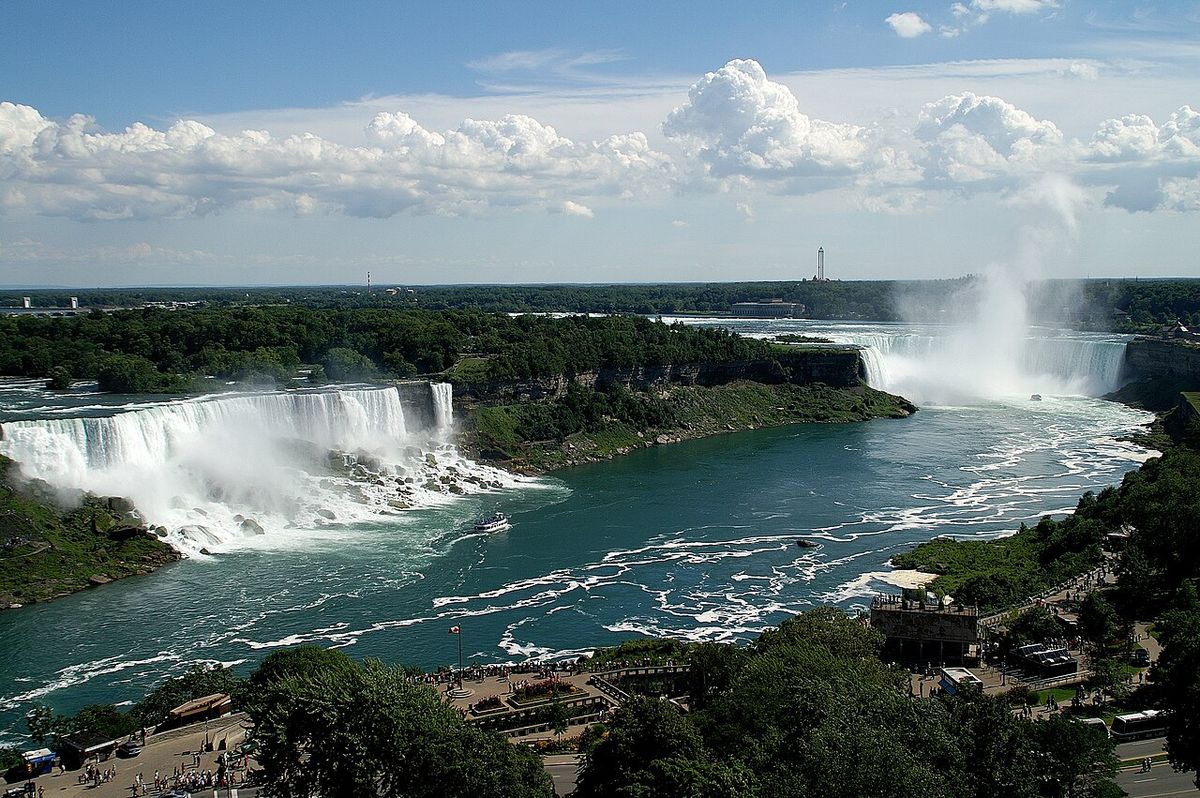
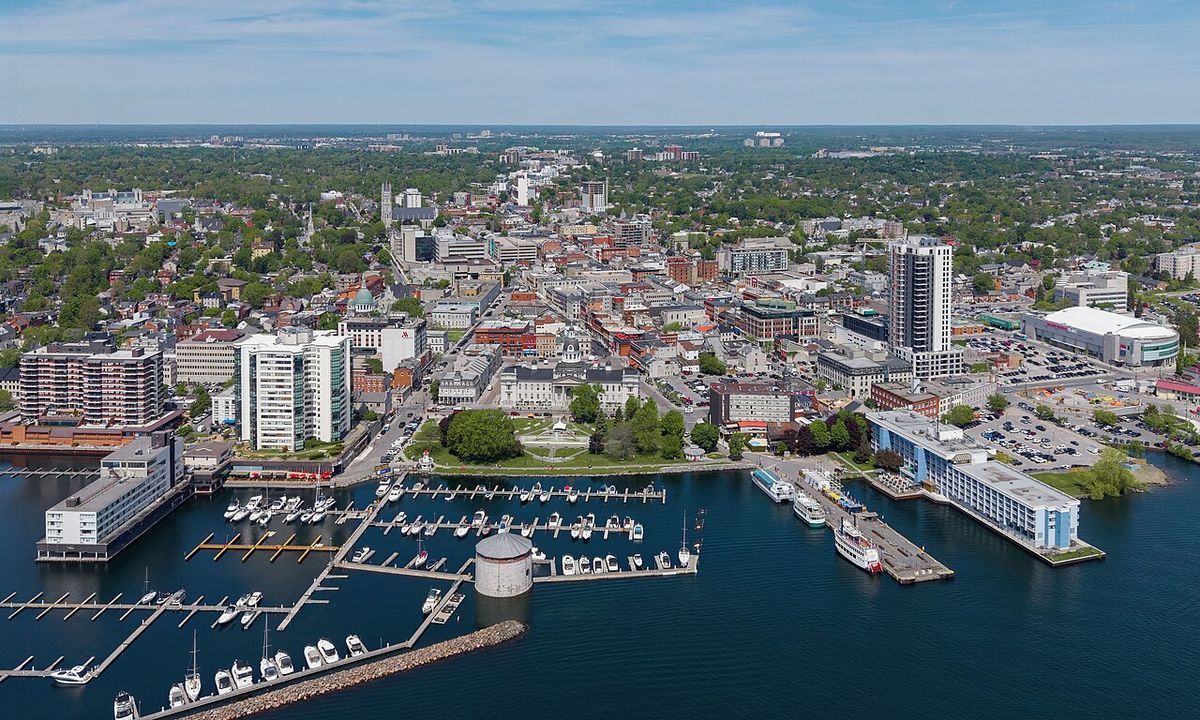
The project to build Le Griffon began in November 1678 when La Salle dispatched an advance party from Fort Frontenac, present-day Kingston, Ontario. Captain La Motte, Father Hennepin, and 15 men sailed in a 10-ton brigantine to select a shipbuilding site above Niagara Falls and erect shelters. They arrived at the east bank of the Niagara River near present-day Lewiston, New York, on 6 December 1678. To secure permission from the local Seneca nation, whose territory they were invading, La Motte and Hennepin made a difficult 75-mile snowshoe journey to a Seneca village in late December 1678. Negotiations were only moderately successful, leaving the project's security in doubt. Meanwhile, La Salle and Tonti followed in a larger vessel carrying critical supplies like anchors, chain, and guns for the new ship.
A major setback occurred in January 1679 when this supply vessel, left unattended by its crew overnight, was torn from its moorings in a sudden storm. It drifted about nine miles before grounding and breaking up near Thirty Mile Point on Lake Ontario. La Salle led a salvage effort, recovering the anchors and chain but losing most of the provisions. These materials were then carried single file through the snow to the building site above the falls. After laying the keel on 26 January, La Salle departed on foot for Fort Frontenac to address mounting problems with his creditors, leaving Tonti in charge of the construction amidst a discontented and cold workforce nearing mutiny.
The Maiden Voyage
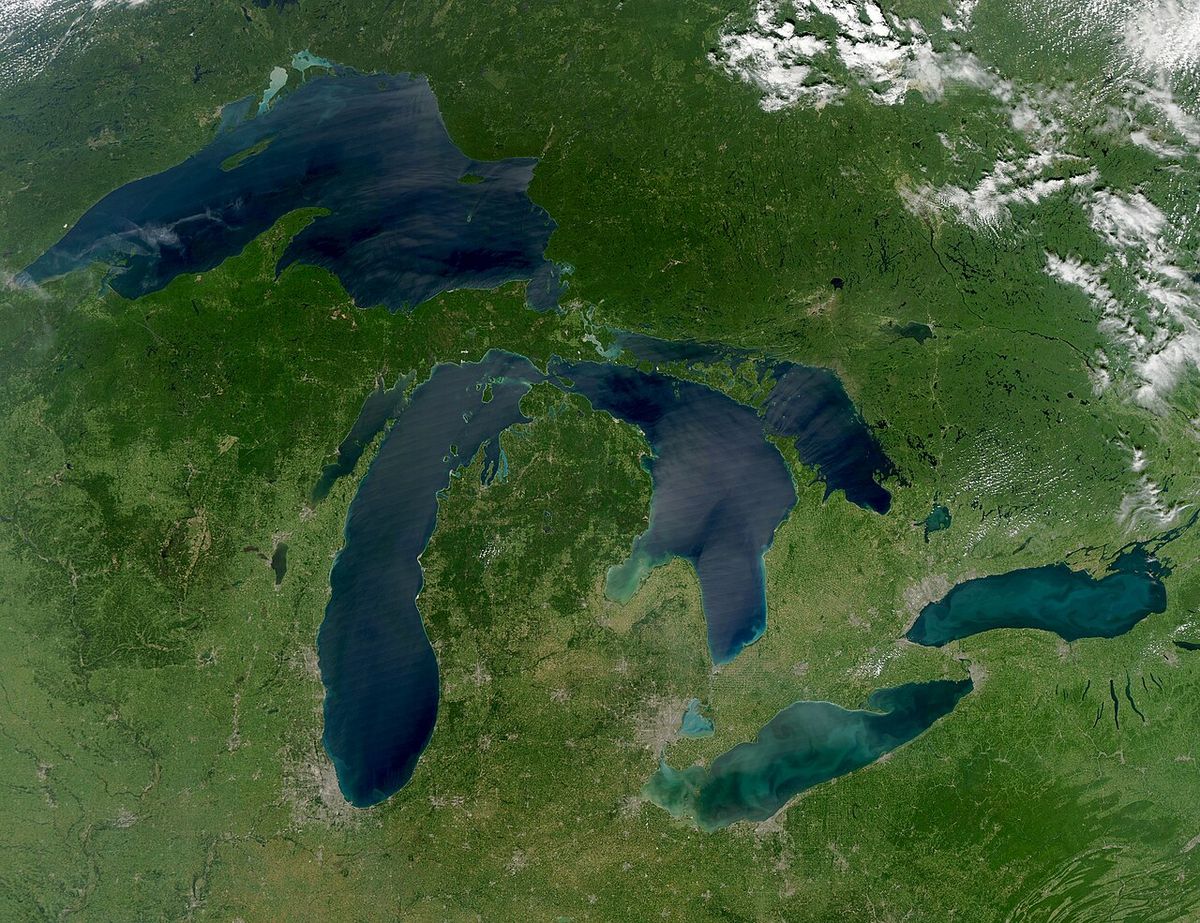
Le Griffon's historic maiden voyage commenced on 7 August 1679, with La Salle, Father Hennepin, and a crew of 32 aboard. The ship was first towed through the rapids of the upper Niagara River and waited for favourable winds near Squaw Island. Setting sail with a salute from her cannon, she entered uncharted waters, guided only by a crude decade-old chart. The voyage included several key milestones and challenges for the crew. The ship reached the mouth of the Detroit River on 10 August, where it rendezvoused with Tonti's advance party. On 12 August, the feast day of Saint Clare of Assisi, the crew entered and named Lake St. Clair. After being towed over the St. Clair River rapids, they entered Lake Huron.
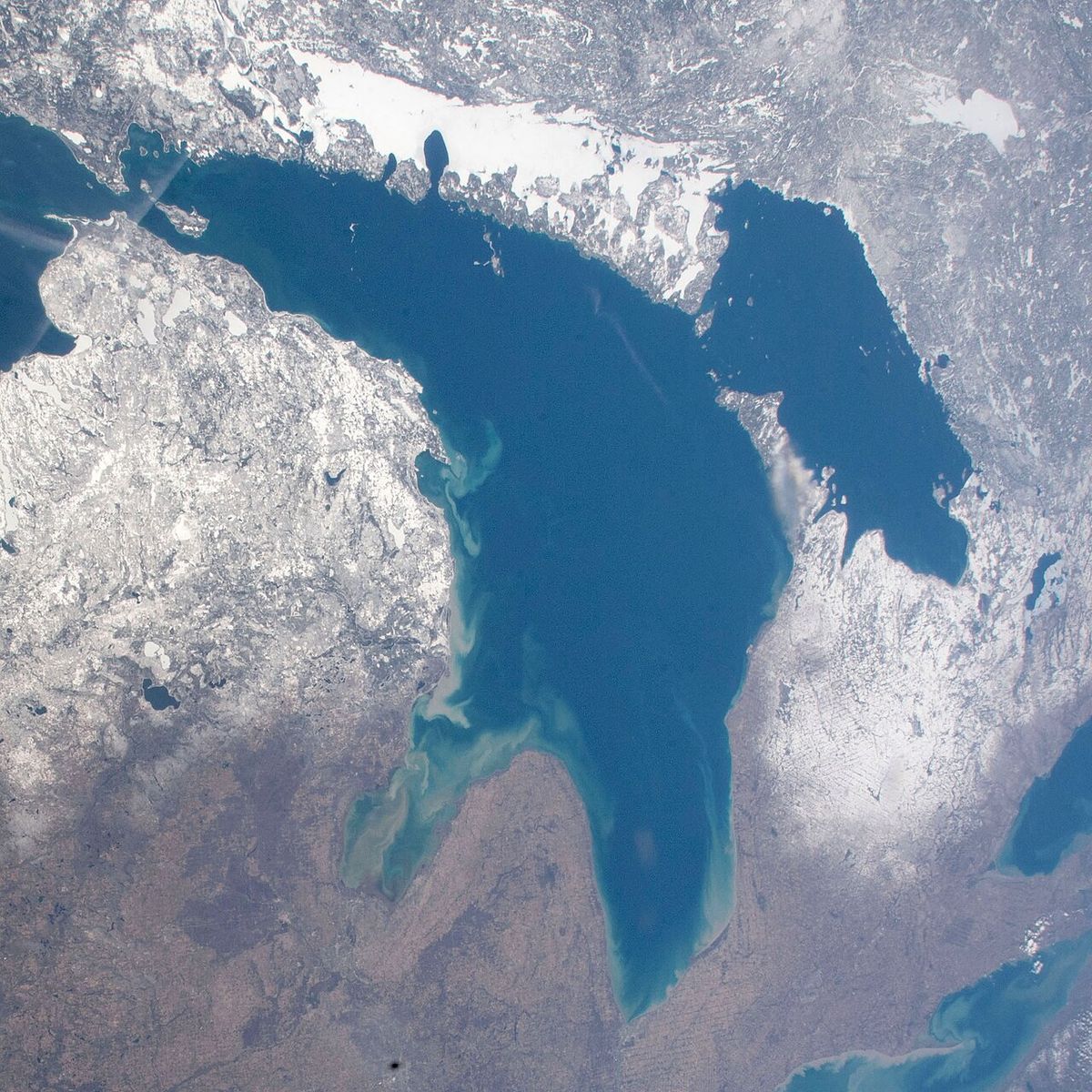
The journey nearly met disaster in a fierce storm on Lake Huron beginning 25 August. The gale was so violent the crew had to haul down the topmasts and lash the yards to the deck, drifting at the mercy of the wind and waves. During the storm, La Salle vowed that if they were delivered safely, the first chapel in Louisiana would be dedicated to Saint Anthony of Padua. The ship was driven northwest until the evening of 27 August, when it finally found calm anchorage in East Moran Bay off the settlement of Mission St. Ignace. Upon arrival, the ship's salute was answered by three volleys from Hurons on shore, and more than 100 Indigenous canoes gathered to view the 'big wood canoe'. After a brief stay, Le Griffon sailed to an island in northern Lake Michigan near Green Bay, where La Salle had arranged to trade for a cargo of furs.
- 7 August 1679: Departs Niagara River on maiden voyage with 32 crew.
- 10 August 1679: Reaches Detroit River, rendezvous with Tonti.
- 12 August 1679: Enters and names Lake St. Clair.
- 25-27 August 1679: Survives a severe storm on Lake Huron.
- Late August 1679: Arrives safely at Mission St. Ignace.
- September 1679: Sails to northern Lake Michigan, loads cargo of furs.
- 18 September 1679: Departs on return voyage to Niagara with 6 crew.
After successfully trading for a valuable load of furs at Green Bay, La Salle disembarked to continue his exploration overland. On 18 September 1679, he ordered Le Griffon to sail back to Niagara, laden with furs and manned by a crew of six under the pilot, Luc. This was the last recorded sighting of the ship. It vanished without a trace during its eastward journey across Lake Michigan, creating a mystery that has endured for over three centuries. No wreckage or definitive evidence from the final voyage has ever been conclusively identified, despite numerous theories and searches over the years.
Modern Commemoration and Legacy
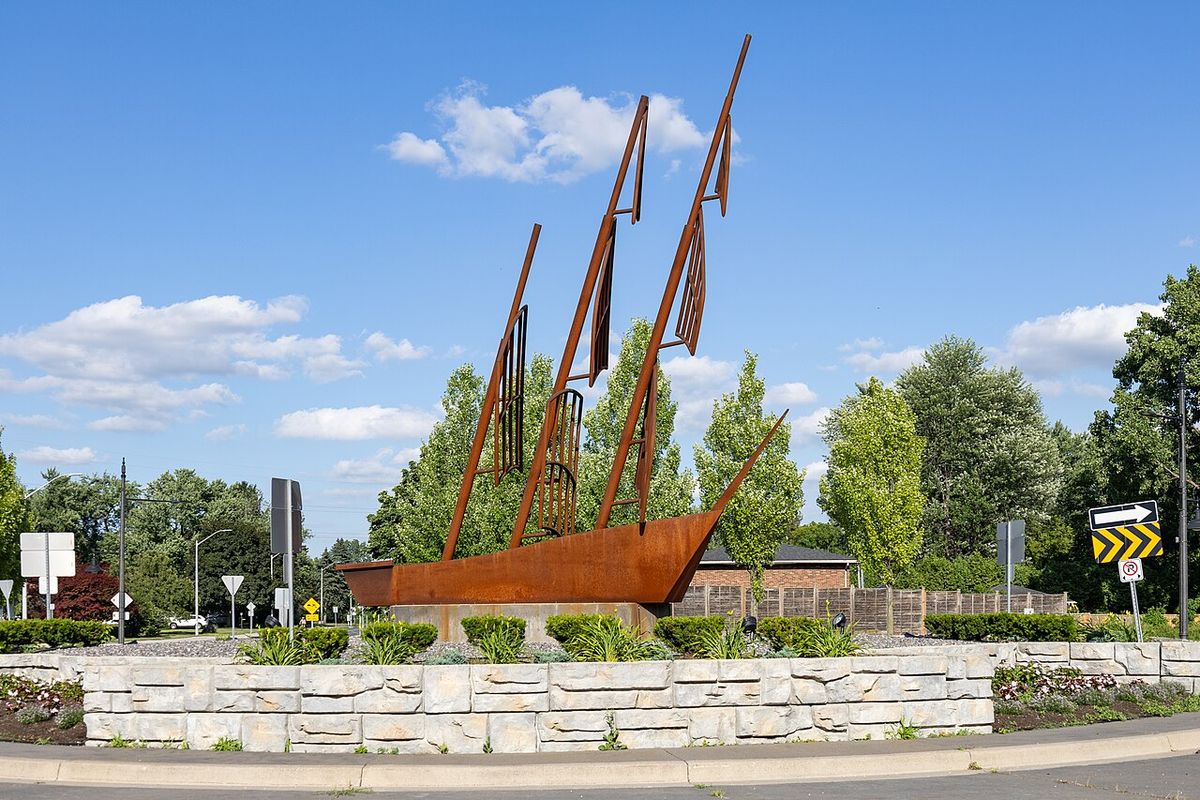
The story of Le Griffon is commemorated in several locations across Canada and the United States, particularly in the Niagara region. Griffon Park, located on the Upper Niagara River in LaSalle, Ontario, marks the general area where the ship was built and launched. The park features a commemorative rock detailing the ship's history and provides public access to the river. In the Town of LaSalle, the vessel's legacy is integrated into the municipal identity, with 'Le Griffon' incorporated into the town's logo. A prominent public art installation, a corten steel sculpture of the ship, was installed in a roundabout at Malden Road and Todd Lane in June 2018. This artwork, crafted from steel designed to develop a rust-like appearance, was ceremonially christened by former Mayor Ken Antaya in November 2018, re-enacting the original blessing performed by Father Hennepin.
Other institutions also bear the ship's name, celebrating French-Canadian heritage. In Shediac, New Brunswick, Le Griffon Bed & Breakfast is a four-star establishment that opened in October 2026. In the Niagara Peninsula, the Centre communautaire Le Griffon is a cultural hub that promotes Francophone culture, organizing events like community BBQs, flag raisings, and strategic planning initiatives for the regional French-speaking community as of 2026. These modern references ensure that the name and symbolic journey of La Salle's ship remain a living part of Canadian cultural landscapes, from historic parks to contemporary community centres.
The Enduring Mystery of Its Fate
The disappearance of Le Griffon remains one of the greatest unsolved mysteries of the Great Lakes. From the moment it failed to arrive at Niagara in the autumn of 1679, speculation about its fate began. Theories have ranged from the plausible to the sensational over the centuries. Some historians and explorers have suggested the ship was lost in the same kind of violent storm it encountered on its outbound journey, succumbing to the unpredictable weather of Lake Michigan or Lake Huron. Other theories propose that the crew mutinied, murdered the pilot, and scuttled the ship to steal the valuable cargo of furs. There have also been suggestions that hostile Indigenous groups, possibly those opposed to La Salle's incursions, attacked and destroyed the vessel. Despite numerous claims of discovery over the years, no wreck has been definitively proven to be Le Griffon, and the cold, fresh water of the Great Lakes offers the possibility the wooden hull may still be preserved somewhere on the lake bottom.
The vast search area and the lack of precise historical coordinates have hampered all efforts to locate the wreck of Le Griffon. While there have been many theories over the years, there is no clear consensus as to the fate or current location of the ship. The mystery continues to interest historians, archaeologists, and treasure hunters, ensuring the story is kept alive. The ultimate truth of what happened after 18 September 1679, when the ship vanished with all six crew members and its load of furs, remains unknown.
Comparative Vessels on the Great Lakes (Pre-1680)
The introduction of Le Griffon represented a dramatic shift in maritime technology on the Great Lakes. Prior to its construction, the most common vessels were canoes and bateaux. Canoes on the lakes were often larger vessels measuring up to about 35 feet long, while bateaux were open wooden vessels of similar length capable of carrying a few tons of cargo. Le Griffon was the largest fixed-rig sailing vessel on the Great Lakes up to that time, which excited deep emotions among the local Indian tribes.
| Vessel Type | Approximate Size | Propulsion | Typical Use | Notes |
|---|---|---|---|---|
| Bark Canoe | Up to 35 ft long | Paddles, poles | Travel, light trade | Most common vessel. Made of birch bark. |
| Dugout Canoe (Pirogue) | Varies | Paddles, poles | Travel, fishing | Carved from a single log. |
| Bateaux | Up to 35 ft long | Oars, poles, occasional sail | Cargo transport (3-4 tons) | Open, flat-bottomed wooden boat. Inefficient sailors. |
| Lake Ontario Sailing Vessels (pre-1679) | 10 to 40 tons | Sails | Support for Fort Frontenac | Existence referenced in letters. Often unnamed. |
| Le Griffon | Approx. 45 tons | Sails (barque rig) | Major exploration & fur transport | First large, named sailing ship on upper lakes. Armed with cannon. |
Le Griffon was in a class of its own for its time and intended purpose. It was a dedicated sailing ship armed with seven cannons and capable of carrying a crew of 32 and a large cargo across open water. Its construction was an essential link in La Salle's scheme to create a fur trade monopoly to finance his quest for a Northwest Passage. After Le Griffon, it would be more than 80 years before another sailing ship plied the Great Lakes and enabled commercial exploitation of the region.
Questions about Le Griffon
What was Le Griffon and who built it?
Le Griffon was a 45-ton sailing barque built in 1679 by the French explorer René-Robert Cavelier, Sieur de La Salle. Constructed near Cayuga Island on the upper Niagara River, it was the first large sailing vessel designed to travel the upper Great Lakes. La Salle built the ship as part of his ambitious plan to establish a fur trade monopoly and search for a Northwest Passage to Asia. The vessel was armed with seven cannons and named after the griffin on the coat of arms of New France's governor, Count Frontenac.
What happened to Le Griffon?
Le Griffon disappeared in September 1679 during its return voyage from northern Lake Michigan to Niagara. After successfully trading for a cargo of furs, La Salle sent the ship back eastward on 18 September with a crew of six. The vessel vanished without a trace during its journey across Lake Michigan. Despite many theories involving storms, mutiny, or attack, no wreckage or definitive evidence has ever been found, making its fate one of the Great Lakes' oldest maritime mysteries.
Where was Le Griffon built?
Historical research has conclusively identified the building site at or near the mouth of Cayuga Creek on Cayuga Island, in the upper Niagara River. This area is part of present-day Niagara Falls, New York. The keel was laid on 26 January 1679, and the ship was launched in early May of that year after a difficult winter construction period. Today, Griffon Park in LaSalle, Ontario, located on the Upper Niagara River, commemorates the general area of the ship's construction and launch.
Is there a memorial or park dedicated to Le Griffon?
Yes, several sites commemorate Le Griffon. Griffon Park in Niagara Falls, New York, is located on Cayuga Creek where it enters the Niagara River and features a historical marker. In LaSalle, Ontario, a public park and boat dock on the Upper Niagara River is named Griffon Park and includes a commemorative rock. The Town of LaSalle installed a corten steel sculpture of the ship in a roundabout at Malden Road and Todd Lane in June 2018, which was ceremonially christened in November of that year.
Why was Le Griffon significant in Canadian history?
Le Griffon was significant as the first large, purpose-built sailing ship to travel the upper Great Lakes beyond Niagara Falls. Its voyage demonstrated the feasibility of using European-style sailing vessels for exploration and large-scale trade in the continental interior, challenging the dominance of canoe travel. The ship's construction and journey were a key part of La Salle's efforts to expand French influence and trade networks. Its disappearance also created a lasting historical mystery that continues to interest researchers and the public alike.
Are there any cultural centres named after Le Griffon?
The notes describe Le Griffon as a 17th century sailing vessel built by explorer René Robert Cavelier, Sieur de La Salle. This ship was constructed near Cayuga Island on the Niagara River in 1679. It was the largest fixed rig sailing vessel on the Great Lakes at that time. The ship vanished during its maiden voyage after departing from an island in northern Lake Michigan.
Sources and further reading
- Le Griffon (Wikipedia)
- Le Griffon Ship (lasalle.ca)
- About Griffon Park (discoverniagara.org)
- LE GRIFFON BED & BREAKFAST | ⋆⋆⋆⋆ | SHEDIAC ... (le-griffon.gonewbrunswick.com)
Checked by the Your Space Hamilton desk. Last updated 2026-10-24.