Rexdale
Rexdale is a large, multicultural neighbourhood located in the northwest of Toronto, Ontario, within the former city of Etobicoke. Primarily a post-Second World War residential development, the area is named for real estate developer Rex Heslop and is defined by the major highways that border it. Today, Rexdale is known for its diverse population, significant community institutions like Woodbine Racetrack and Humber College, and ongoing urban initiatives aimed at improving food security and street safety. The neighbourhood represents a key part of Toronto's suburban fabric, grappling with historical planning challenges while fostering a strong sense of community among its residents.
Geography and Character
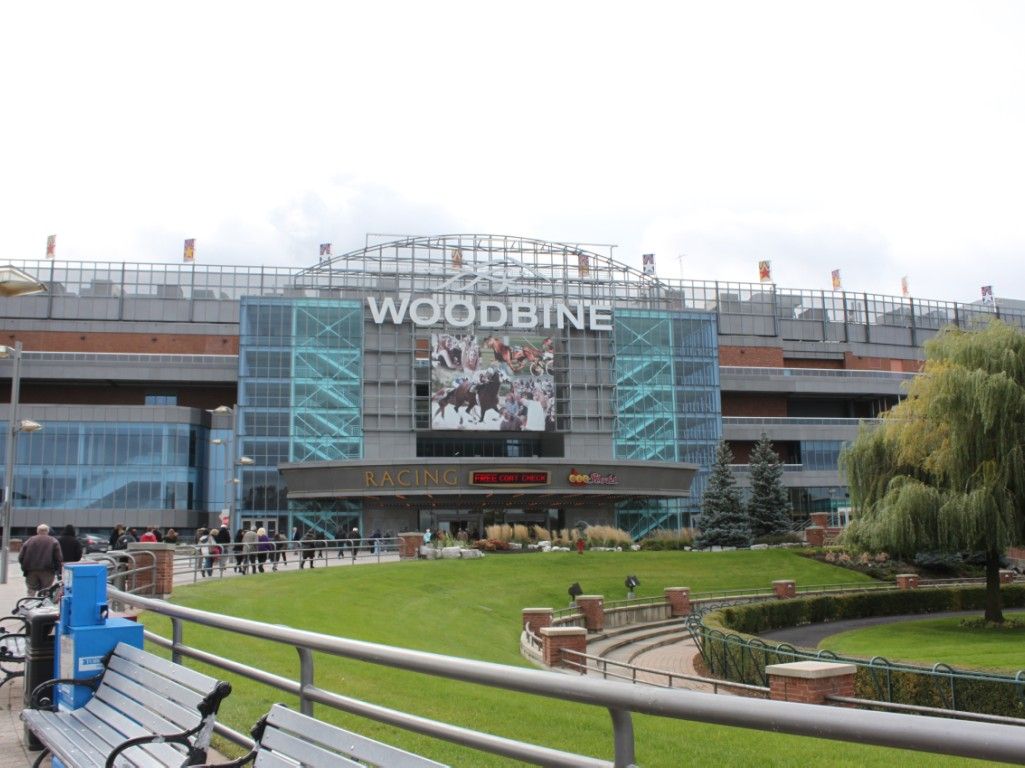
Rexdale occupies a substantial area in northwest Toronto, historically part of Etobicoke. Its generally accepted boundaries are Highway 401 to the south, Steeles Avenue West to the north, Highway 427 to the west, and the Humber River to the east. The neighbourhood is centred on the intersection of Rexdale Boulevard and Islington Avenue. Within this larger area are several official neighbourhoods, including The Elms, Humberwood, Smithfield, and Thistletown. The physical character of Rexdale is shaped by its mid-20th century development, featuring a mix of residential subdivisions, industrial areas, shopping plazas, and high-rise apartment buildings. Major landmarks and institutions within Rexdale include the Woodbine Centre shopping mall, Woodbine Racetrack, the Toronto Congress Centre, and the headquarters of the Canadian Standards Association. The area is also home to the North Campus of Humber College, which co-hosts the University of Guelph-Humber.
The neighbourhood's built form reflects the car-centric planning ideals of its era, with separated zones for living, shopping, and industry connected by major roadways. Recent planning efforts, such as the Elms-Old Rexdale Neighbourhood Streets Plan initiated in 2023, aim to address challenges stemming from this design by improving safety and mobility for all road users. Rexdale-Kipling, a sub-area within Rexdale, is noted for having six parks with a total of 23 recreational facilities, which include playgrounds, sports fields, and skating rinks. The area has 78 transit stops, including the Etobicoke North GO Station, though most residents commute by vehicle within the city.
History and Development
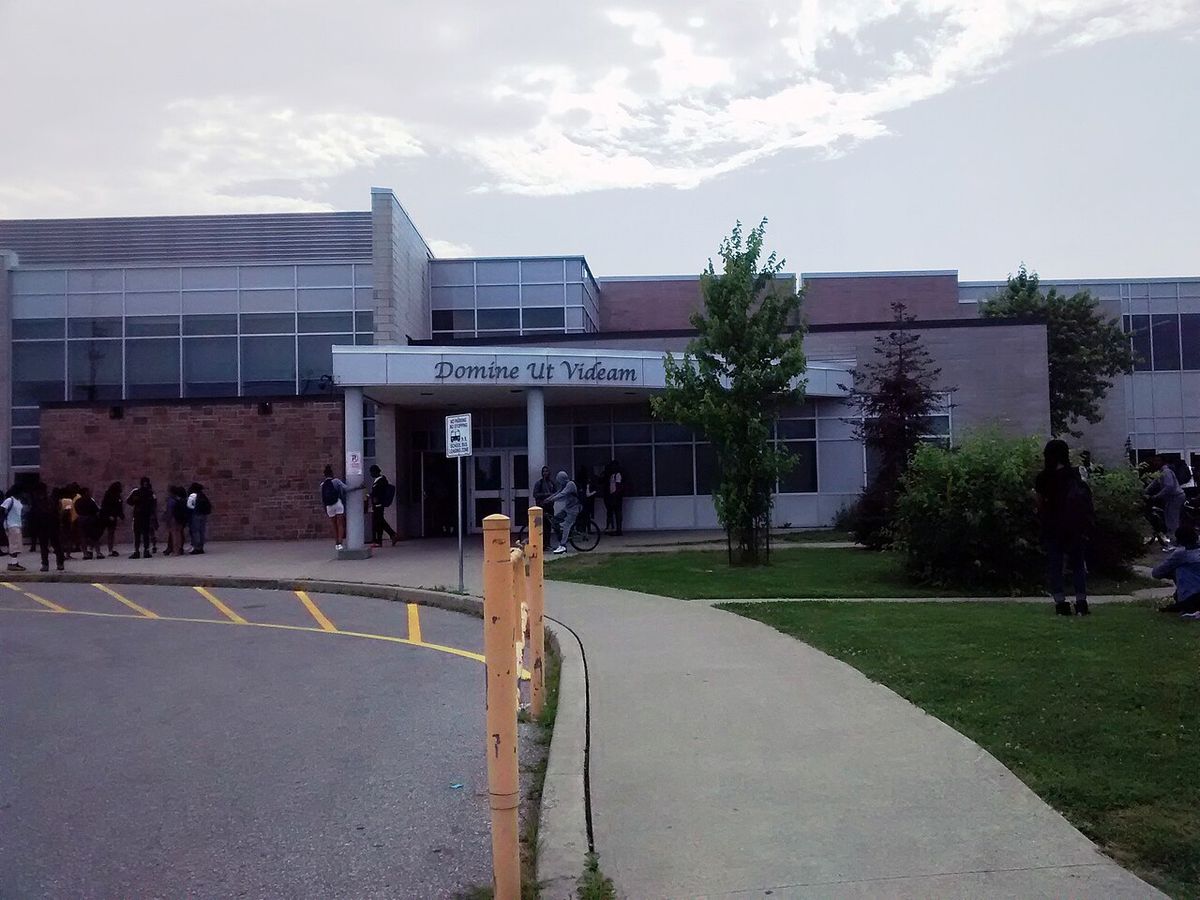
The area now known as Rexdale was predominantly farmland until the 1950s. The neighbourhood's creation is credited to local real estate developer Rex Heslop, who purchased $110,000 worth of farmland in 1955. Heslop's company installed essential infrastructure like water mains, streets, and sewers, and built houses that initially sold for between $9,000 and $10,000. The development proved successful, attracting 330 families quickly. By 1956, Heslop had opened the Rexdale Plaza shopping centre, and the area was home to 70 industries and 3,600 homes. The original residential population was largely of English and Scottish descent, with some Italian families.
In the decades that followed, Rexdale transformed into one of Toronto's most multicultural communities. Significant waves of immigration from the Caribbean and the Indian subcontinent, among other regions, reshaped its demographic profile. By 2006, the neighbourhood's population was 94,469 people living in 30,238 households. In 2006, Toronto Police conducted a major operation against the Jamestown Crew, apprehending 106 alleged members of what was described as a violent street gang active in Rexdale. These challenges were often linked by urban observers to the neighbourhood's single-use zoning, separation of functions, and reliance on automobile transportation.
Demographics and Community Life
Rexdale is a diverse and densely populated community. Data from the Rexdale-Kipling area indicates that families with children make up 49 percent of households, while couples without children constitute 17 percent and single-person households account for 25 percent. The community is defined by its immigrant population, with residents coming from 126 different ethnic origins. First-generation immigrants make up 50 percent of the population, and another 30 percent are second-generation immigrants. The neighbourhood has a consistent population, with 32 percent of households having moved within the past five years. It is popular with a broad age range, including people in their 20s through 50s.
Educational attainment levels show that 57 percent of adult residents have some form of postsecondary education, with 23 percent holding a bachelor's degree or higher. The retail trade industry is the most common employment sector for residents. Community life is supported by various hubs and programs, including the Rexdale Community Hub at 21 Panorama Court, which hosts events like back-to-school gatherings. In 2026, new projects under the Sustainable Neighbourhood Action Program (SNAP) were selected to provide residents with more opportunities to grow food, learn skills, and connect with neighbours. A 2026 neighbourhood guide described Rexdale-Kipling as an affordable pocket of Etobicoke with a strong sense of community, scoring 45 out of 100 on safety metrics, which placed it in the 43rd percentile for Toronto neighbourhoods.
Education and Institutions
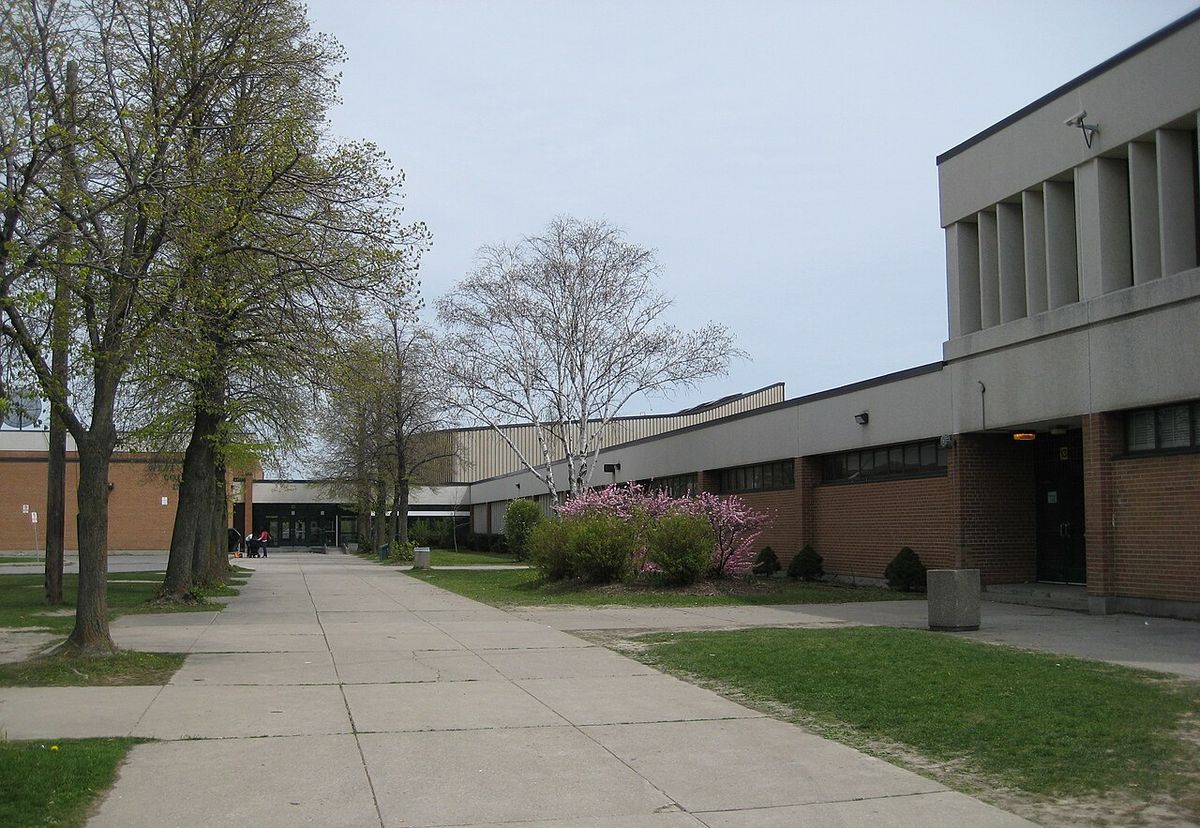
Rexdale is served by multiple school boards, offering a range of educational programs. The Toronto District School Board operates several secondary and elementary institutions in the area. Notable public secondary schools include North Albion Collegiate Institute, Thistletown Collegiate Institute, and West Humber Collegiate Institute. Humbergrove Secondary School is now defunct and its building is occupied by the separate Catholic board. Elementary schools such as Elmbank Junior Middle Academy and Melody Village Junior Public School serve younger students.
The Toronto Catholic District School Board also maintains a significant presence in Rexdale. Its institutions include St. Andrew Catholic School, Father Henry Carr Catholic Secondary School, and Monsignor Percy Johnson Catholic Secondary School. Don Bosco Catholic Secondary School and Marian Academy, which was located in one of Rexdale's poorest areas in 2001, are now closed. Special programs offered across local schools include French Immersion, International Baccalaureate, Advanced Placement, and Gifted/Talented programs. The neighbourhood is also a major postsecondary hub, home to Humber College's North Campus. This campus uniquely hosts the University of Guelph-Humber, a collaborative institution operated by Humber College and the University of Guelph. The Rexdale branch of the Toronto Public Library provides additional community resources.
Urban Agriculture and Food Security
In response to issues of food insecurity, Rexdale has become a centre for innovative urban agriculture projects. The Toronto and Region Conservation Authority, through its Sustainable Neighbourhood Action Program (SNAP), supports seven urban farms within a five-kilometre radius of the Rexdale Community Hub. Initiated in 2009, SNAP helps communities develop plans focused on climate resilience, green infrastructure, and participation. Since 2024, this work in Rexdale has been funded by Toronto Pearson International Airport, with goals of increasing food production, access, and providing skills training for youth.
These farms transform underutilized green spaces into productive hubs and are tailored to community needs. Key projects include the garden at Thistletown Collegiate Institute, which serves as a living classroom and donates produce to local meal programs. Another significant site is the Rexlington Park Urban Farm, a 5,000-square-foot garden built on a former bocce court. Managed by the Urban Farm Initiative, it focuses on growing ethnic crops like bitter melon, Indian gourds, and chillies that are favoured by local immigrant families. The initiative also shares seeds with a nearby YMCA women's shelter and donates surplus produce. The common objectives across these farms are to reclaim community space, provide land and food sovereignty, create employment, and beautify the neighbourhood.
- Thistletown Collegiate Institute Garden: A student and community garden with accessible planters.
- Rexlington Park Urban Farm: Grows ethnic crops on a former bocce court.
- SNAP Program: TRCA initiative supporting seven local farms since 2009.
- Funding: Supported by Toronto Pearson International Airport grants since 2024.
- Goals: Increase food production, access, and youth skills training.
- Community Impact: Donates produce to local food banks and meal programs.
Transportation and Streets Planning
Transportation in Rexdale has long been dominated by its network of highways and arterial roads, a legacy of its postwar development. The neighbourhood is bordered by Highway 401 and Highway 427, with major thoroughfares like Rexdale Boulevard and Islington Avenue running through its core. Public transit is provided by 78 TTC stops in the Rexdale-Kipling area and the Etobicoke North GO Station on the Kitchener line. Despite this, most residents are vehicle commuters who travel within the city for work.
To address longstanding safety and mobility concerns, the City of Toronto initiated the Elms-Old Rexdale Neighbourhood Streets Plan in 2023. This plan focuses on the area between Islington Avenue, Highway 401, and the Humber River. The process involved extensive community consultation in two stages between spring 2024 and winter 2025, including a public drop-in event with Punjabi interpretation in January 2025. The plan aims to improve safety for vulnerable road users like seniors and children through measures to manage vehicle speed and volume. Approved short-term actions include new crosswalk markings, pedestrian crossings at key intersections, and the installation of missing sidewalks in some areas. These changes are intended to be implemented with temporary materials like signs and paint, with longer-term upgrades planned alongside future road work.
Notable Residents and Cultural References
Rexdale has been the birthplace or home to a considerable number of notable individuals, particularly in sports and entertainment. The neighbourhood is famously associated with the Subban family of professional hockey players, including P.K. Subban, Malcolm Subban, and Jordan Subban. Other professional athletes from Rexdale include hockey players Carlo Colaiacovo and Colin Patterson, basketball player Dalano Banton, and former lacrosse player Dave Huntley. The area has also produced a significant cohort of hip hop musicians, such as K'naan, NAV, Jelleestone, Infinite, Spek Won, and the group Ghetto Concept.
Figures in other fields include actor and producer Dean McDermott, film director Bruce McDonald, comedian and actor King Bach, and the rock band Rheostatics. The late Dr. Vera Peters, a renowned oncologist and clinical investigator, was also from Rexdale. In popular culture, Rexdale has served as a setting for several television productions. The 2006 TV movie Doomstown was set in the neighbourhood, and the youth series How to Be Indie also took place there. These references often reflect the area's distinct identity within the broader Toronto landscape.
- P.K. Subban: Professional hockey player.
- K'naan: Hip hop musician and poet.
- NAV: Hip hop recording artist and producer.
- Dalano Banton: Professional basketball player.
- Carlo Colaiacovo: Professional hockey player.
- Dean McDermott: Actor and producer.
- Vera Peters: Oncologist and clinical investigator.
- Bruce McDonald: Film and television director.
Housing and Real Estate
The housing stock in Rexdale is primarily composed of homes built during its initial development period in the mid to late 1950s. The neighbourhood features a mix of detached houses, townhomes, and high-rise apartment buildings. Many of the older homes are noted for spacious interiors and features like hardwood floors. Rexdale-Kipling is considered one of the more affordable areas for detached homes in Etobicoke, especially within the context of the Greater Toronto Area's housing market. The area has a mix of owner-occupied and renter-occupied dwellings.
According to recent neighbourhood profiles, the area maintains a consistent population with a relatively stable housing turnover. Data indicates that 32 percent of households moved within the past five years, while a smaller portion, 9 percent, moved within the past year. This stability contributes to the neighbourhood's strong sense of community. The housing mix accommodates a diverse population of families, young professionals, and retirees, reflecting the broader demographic composition of the area.
Questions about Rexdale
Where exactly is Rexdale located in Toronto?
Rexdale is located in northwest Toronto, within the former city of Etobicoke. Its generally accepted boundaries are Highway 401 to the south, Steeles Avenue West to the north, Highway 427 to the west, and the Humber River to the east. The neighbourhood is centred on Rexdale Boulevard and Islington Avenue. It is situated northwest of Toronto's downtown core and is adjacent to Toronto Pearson International Airport and the city of Mississauga to the west.
How did Rexdale get its name?
Rexdale is named after Rex Heslop, a local real estate developer who was instrumental in creating the neighbourhood. In 1955, Heslop purchased farmland in the area for $110,000 and developed it by installing streets, sewers, water mains, and building houses. The development was successful, and by 1956 he had also opened the Rexdale Plaza shopping centre. The name 'Rexdale' is derived from his first name, 'Rex,' combined with 'dale,' a common suffix for suburban developments at the time.
What is Rexdale's population and demographic makeup?
According to the 2006 Census, Rexdale's population was 94,469 people living in 30,238 households. The community is highly multicultural, with residents reporting 126 different ethnic origins. First-generation immigrants make up 50 percent of the population in the Rexdale-Kipling area, with another 30 percent being second-generation immigrants. Families with children constitute 49 percent of households. The area has a consistent population that includes people in their 20s through 50s.
What are some of the major schools and institutions in Rexdale?
Rexdale is served by multiple school boards. Major public secondary schools include North Albion Collegiate Institute, Thistletown Collegiate Institute, and West Humber Collegiate Institute. Catholic schools include Father Henry Carr Catholic Secondary School and Monsignor Percy Johnson Catholic Secondary School. The neighbourhood is also home to the North Campus of Humber College, which co-hosts the University of Guelph-Humber. Other significant institutions include Woodbine Racetrack, the Toronto Congress Centre, and the Canadian Standards Association headquarters.
What is being done to address food security in Rexdale?
Food security is being addressed through urban agriculture initiatives supported by the Toronto and Region Conservation Authority's Sustainable Neighbourhood Action Program (SNAP). Since 2024, with funding from Toronto Pearson International Airport, SNAP supports seven urban farms in Rexdale. These farms, like the one at Thistletown Collegiate Institute and the Rexlington Park Urban Farm, grow produce for the community, donate to food banks, and provide skills training. They focus on growing ethnic crops preferred by local immigrant families and aim to increase community access to fresh food.
What notable people come from Rexdale?
Rexdale has produced many notable figures, especially in sports and music. The Subban family of NHL players (P.K., Malcolm, and Jordan) are from Rexdale. Other athletes include hockey players Carlo Colaiacovo and Colin Patterson, and basketball player Dalano Banton. The neighbourhood is a hub for hip hop talent, with musicians like K'naan, NAV, Jelleestone, and the group Ghetto Concept originating there. Additional notable residents include actor Dean McDermott, director Bruce McDonald, comedian King Bach, and pioneering oncologist Dr. Vera Peters.
Sources and further reading
- Rexdale (Wikipedia)
- Rexdale (destinationtoronto.com)
- Rexdale-Kipling Neighbourhood Guide (hoodq.com)
- Elms-Old Rexdale Neighbourhood Streets Plan (toronto.ca)
- Urban farms in Rexdale, Etobicoke, The Green Line (thegreenline.to)
Checked by the Your Space Hamilton desk. Last updated 2026-10-26.