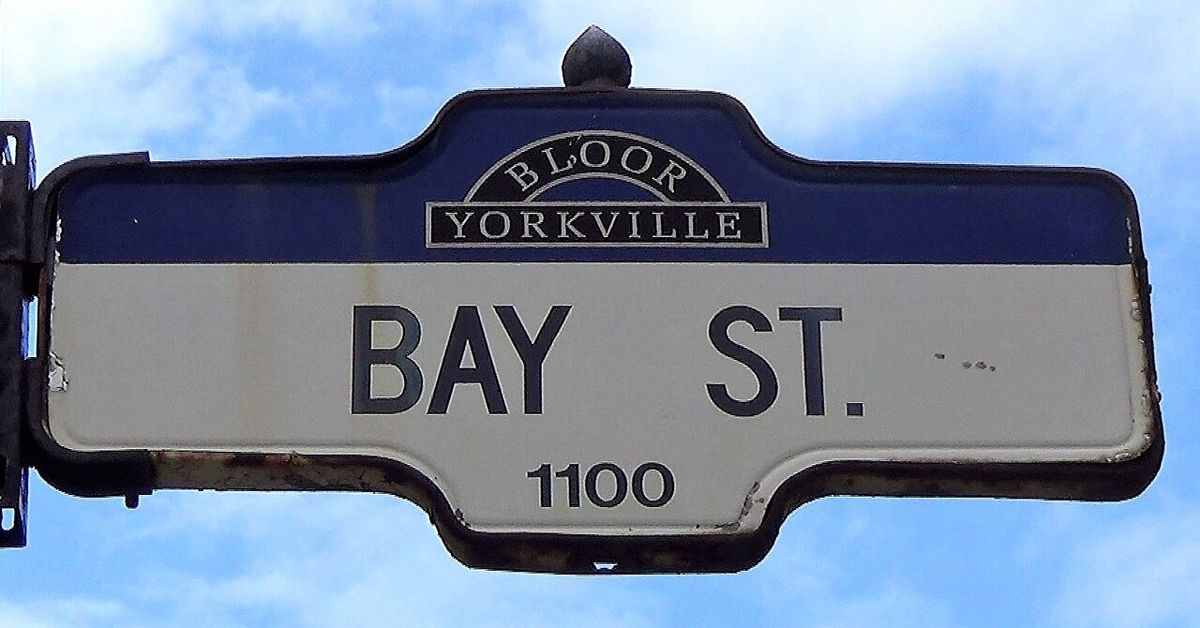
Chinatown, Toronto
Chinatown, Toronto, also known as Downtown Chinatown or West Chinatown, is a major Chinese ethnic enclave located in the city's downtown core. Centred at the intersection of Spadina Avenue and Dundas Street West, it is one of the largest Chinatowns in North America and a significant cultural and commercial hub for the city's Chinese Canadian community. The neighbourhood was largely formed in the 1950s and 1960s after the expropriation of Toronto's first Chinatown to make way for the new city hall. Today, it serves as a vital market and service centre known for its dense concentration of shops, restaurants, and cultural institutions, while facing pressures from gentrification and urban development.
History and Formation
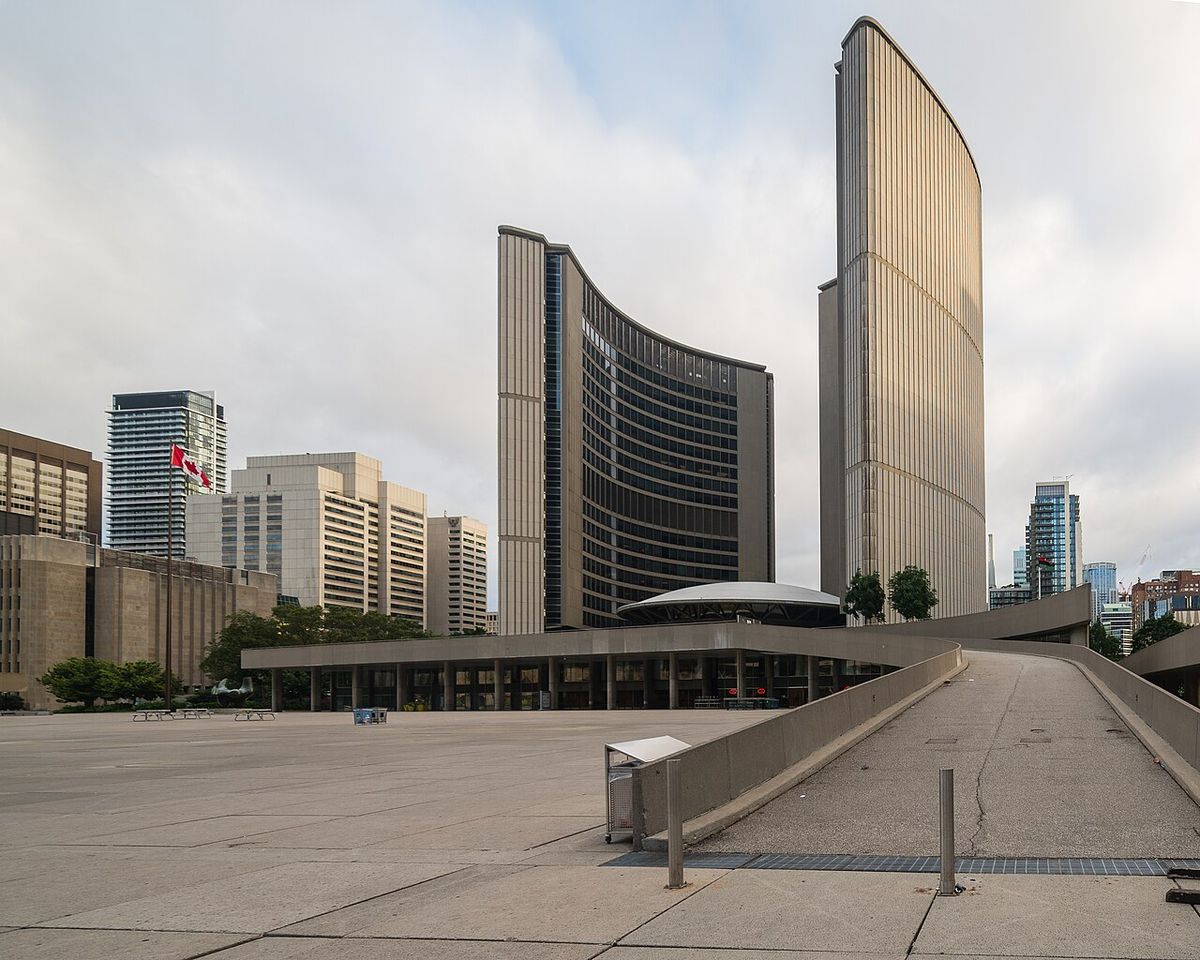
The history of Toronto's present downtown Chinatown is deeply intertwined with urban development and migration patterns. The neighbourhood was created following the expropriation and demolition of the city's first Chinatown, located at Bay Street and Dundas Street West, from the 1950s to the 1960s to clear land for the new Toronto City Hall. Many of the displaced Chinese businesses and residents moved west towards the Spadina Avenue corridor, which was at the time a predominantly Jewish district. This migration, combined with an influx of new Chinese immigrants in the 1960s following changes to Canada's exclusionary immigration laws, solidified the area's new identity. The lifting of restrictions allowed for the reunification of families, bringing wives and children of Chinese men already in Canada, which further grew the community.
Throughout the subsequent decades, the neighbourhood continued to expand with arrivals from Hong Kong, Guangdong province, and Chinese diaspora communities in Southeast Asia and the Caribbean. This growth led to the establishment of other Chinese enclaves in Toronto, such as East Chinatown. The downtown Chinatown has been described as a "near complete community" due to its dense mix of housing, employment, commerce, schools, and social services all within walking distance. Its economic and social heart runs primarily along Spadina Avenue from College Street to Sullivan Street and along Dundas Street West from Augusta Avenue to Beverley Street. Since the 2000s, the neighbourhood has experienced significant change due to new residents, businesses from immigrants and second-generation Canadians, and pressure from property developers.
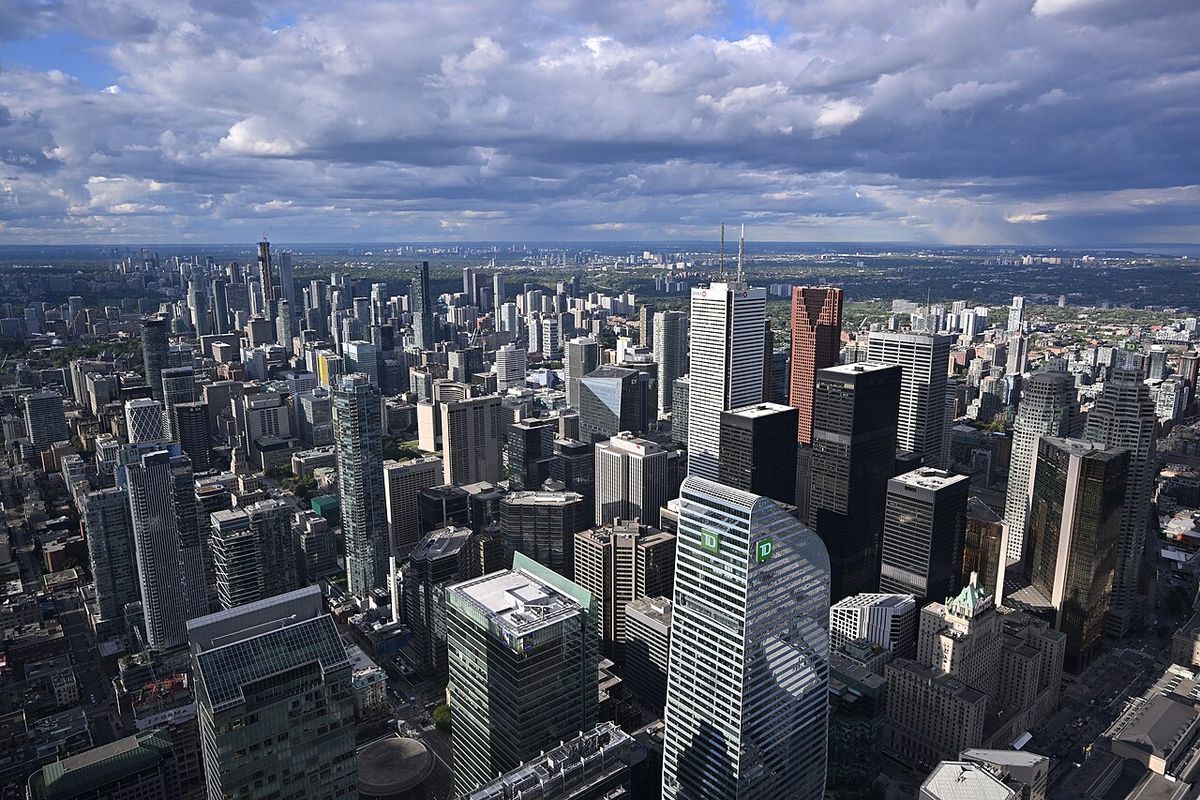
The central location near the Financial District, the University of Toronto, and OCAD University has made the area attractive to urban professionals, accelerating gentrification. Meanwhile, the original site of the first Chinatown has, since the 2010s, seen an increase in Japanese businesses, leading some to refer to that area as Little Tokyo. This evolution reflects the ongoing transformation of urban ethnic districts in response to broader economic and demographic forces. The community's history is also marked by key events and locations that have shaped its identity.
- First Chinatown Expropriation: The original Chinatown at Bay and Dundas was expropriated in the late 1950s for the new city hall.
- Westward Migration: The core community moved west to Spadina Avenue during the 1950s and 1960s.
- Immigration Policy Change: The 1960s saw increased immigration after changes to Canada's racial exclusion act.
- Formation of East Chinatown: A secondary enclave formed at Broadview and Gerrard in the 1970s.
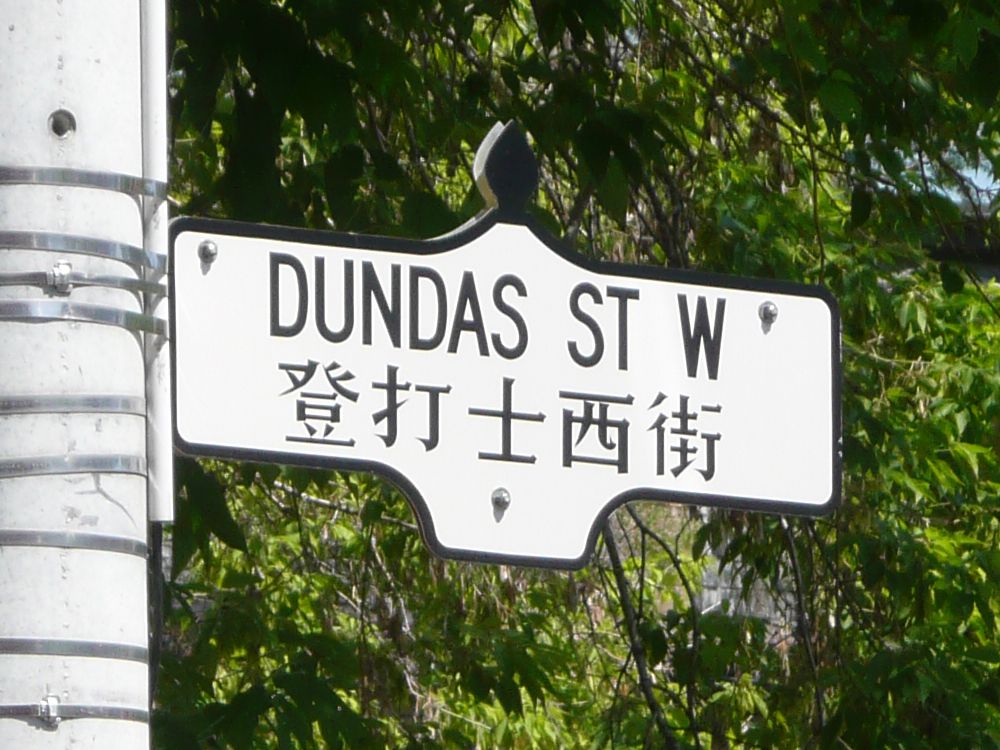
- Bilingual Street Signs Introduced: The program for Chinese-character street signs began in the 1970s.
- Chinatown BIA Founded: The Toronto Chinatown Business Improvement Area was established in 2007.
Economy and Commercial Character
Toronto's downtown Chinatown is a major commercial destination, centred on the intersection of Dundas and Spadina. The area is home to a diverse array of shops and restaurants reflecting not only Chinese culture but also Vietnamese and other East Asian influences. Major shopping complexes include Dragon City and Chinatown Centre, which anchor the retail activity. Since the 1990s, the neighbourhood's economy has been redefining itself in response to demographic shifts and gentrification. An aging population and competition from large suburban Chinese malls in areas like Scarborough and Markham have drawn wealth and professional immigrants away from the downtown core.
As a result, Chinatown's current economy relies more heavily on tourism and serving Chinese Canadian seniors who depend on the area's dense concentration of services and excellent public transit access. Many of the famed barbecue shops and restaurants on Dundas Street West that were located below grade have closed since 2000. The neighbourhood faces pressures common to many of Toronto's ethnic enclaves, where rising property values and new developments threaten the continuity of long-standing, culturally specific businesses. A key organization representing the area's commercial interests is the Toronto Chinatown Business Improvement Area (BIA). Founded in 2007 and funded by local commercial property owners, the BIA works with all levels of government and community stakeholders to promote the area as a destination while striving to maintain its cultural character. The BIA organizes events and the 2026 Annual General Meeting is scheduled for October 28th of that year.
Demographics and Community Life
The demographic character of Chinatown has evolved significantly over time. Historically, the community was represented by immigrants and families from southern China, particularly Guangdong province, and Hong Kong. Following the 1997 transfer of Hong Kong's sovereignty to China, immigration from mainland China has greatly exceeded that from Hong Kong. Despite this shift, Cantonese remains the primary language of commerce and daily life in the neighbourhood's businesses and restaurants. The area also houses a significant population of university students from the nearby University of Toronto, OCAD University, and Toronto Metropolitan University, many of whom live in the small houses originally built as workers' housing east of Spadina Avenue.
The community is actively engaged in preservation and planning efforts. The Chinatown Tomorrow Planning Initiative is an ongoing community consultation process, with a final report intended for July 2026. Grassroots groups like Friends of Chinatown and the Toronto Chinatown Land Trust have emerged to advocate against displacement and cultural erasure, mobilizing in response to development pressures such as proposed high-rise condominiums on Spadina Avenue. These efforts highlight the neighbourhood's role not just as a commercial zone but as a vital social and cultural hub where businesses often serve as community anchors, hosting gatherings and preserving traditions. Businesses like the Yueh Tung restaurant are seen as symbols of the neighbourhood, acting as consistent gathering places that hold memories and relationships for multiple generations.
Notable Landmarks and Institutions
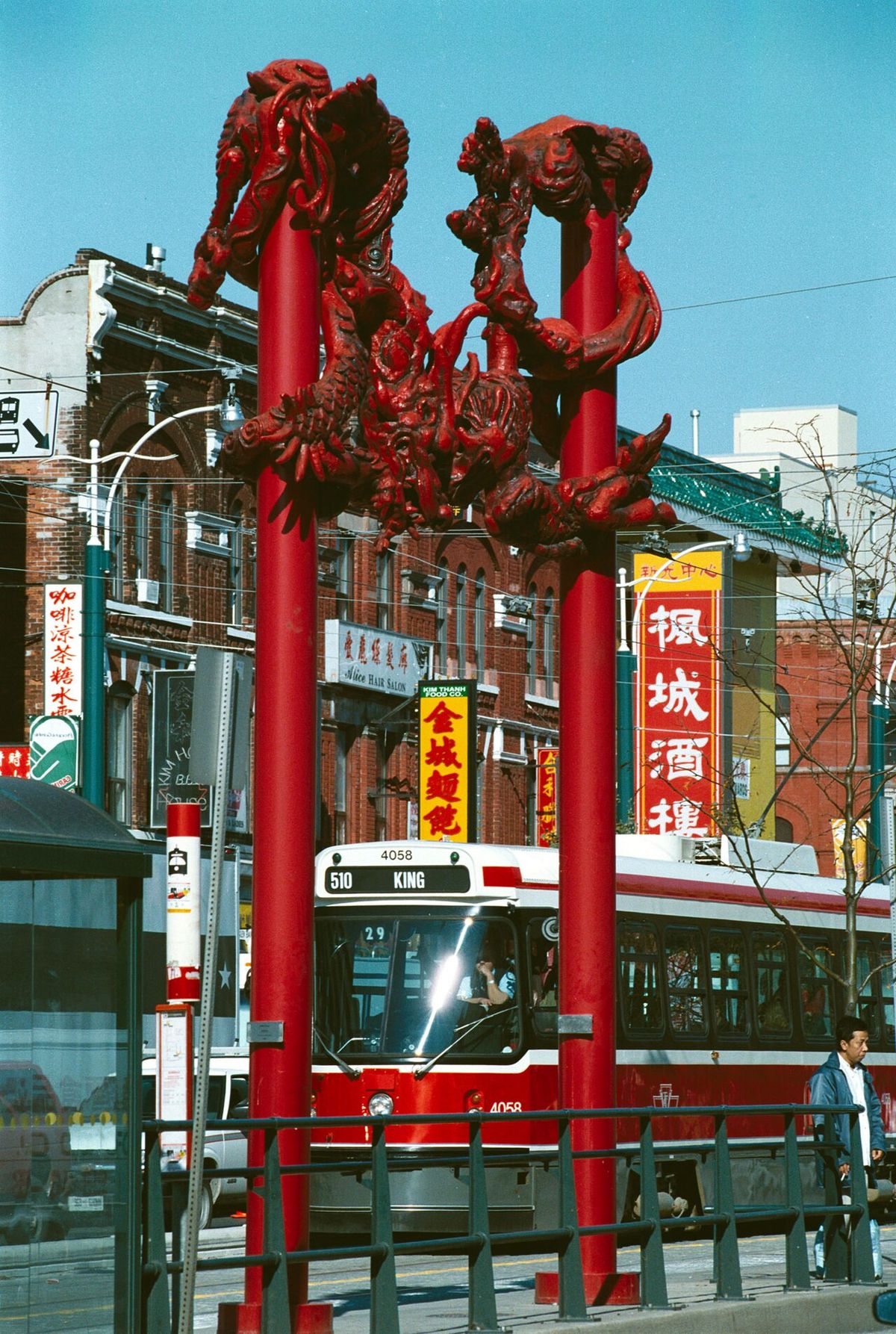
Chinatown is defined by a mix of historic sites, cultural venues, and public institutions. The area is well-served by public transit, with the 505 Dundas and 510 Spadina streetcar lines running through it, the latter on a dedicated right-of-way. At the northern end of the neighbourhood sits the El Mocambo live music venue, a 1940s establishment that predates the area's transformation into Chinatown and has hosted acts like the Rolling Stones, Blondie, and U2. The neighbourhood also features bilingual street signs, a program first introduced in the 1970s where English names are accompanied by phonetic transliterations in Chinese characters, primarily using Cantonese or Taishanese pronunciations.
Key landmarks and institutions in the area include Heydon Park Secondary School, located at 70 D'Arcy Street, which is the Toronto District School Board's only girls' high school, offering an alternative education setting with a focus on inclusivity for female, transgender, and gender non-binary students. The Chinatown Centre at 222 Spadina Avenue is a major mall and community hub housing shops, a food court, and community spaces like the Thank You Chinatown gift shop. The Cecil Community Centre at 58 Cecil Street provides recreational and social services. Grossman's Tavern, one of Toronto's longest-running live music venues, also contributes to the area's nightlife. These sites collectively support the daily life and identity of the community.
- Heydon Park Secondary School: The TDSB's only girls' high school, founded in 1923 and moved to 70 D'Arcy Street in 2000.
- Chinatown Centre: A major mall and hub at 222 Spadina Avenue, housing the Thank You Chinatown shop.
- El Mocambo: A live music venue established in the 1940s, located in the northern end of Chinatown.
- Cecil Community Centre: A public facility offering services at 58 Cecil Street.
- Grossman's Tavern: One of Toronto's longest-running live music venues in the area.
- Italian Consulate: Located in a converted mansion at the northwest corner of Dundas and Beverley.
Culture, Cuisine, and Events
Chinatown is known for its active street life, authentic cuisine, and cultural festivals. The streets are lined with shops selling everything from kitchenware at Tap Phong Trading to vinyl records at Sonic Boom and menswear at Uncle Otis. Food is central to the experience, with a high concentration of restaurants serving Cantonese barbecue, dim sum, noodles, and Hakka cuisine. Established eateries like King's Noodle and Yueh Tung restaurant, one of the last original businesses from the old Chinatown, are community staples. The neighbourhood also features contemporary dining spots such as R&D, an Asian fusion restaurant led by MasterChef Canada winner Eric Chong, which has earned a MICHELIN Bib Gourmand designation.
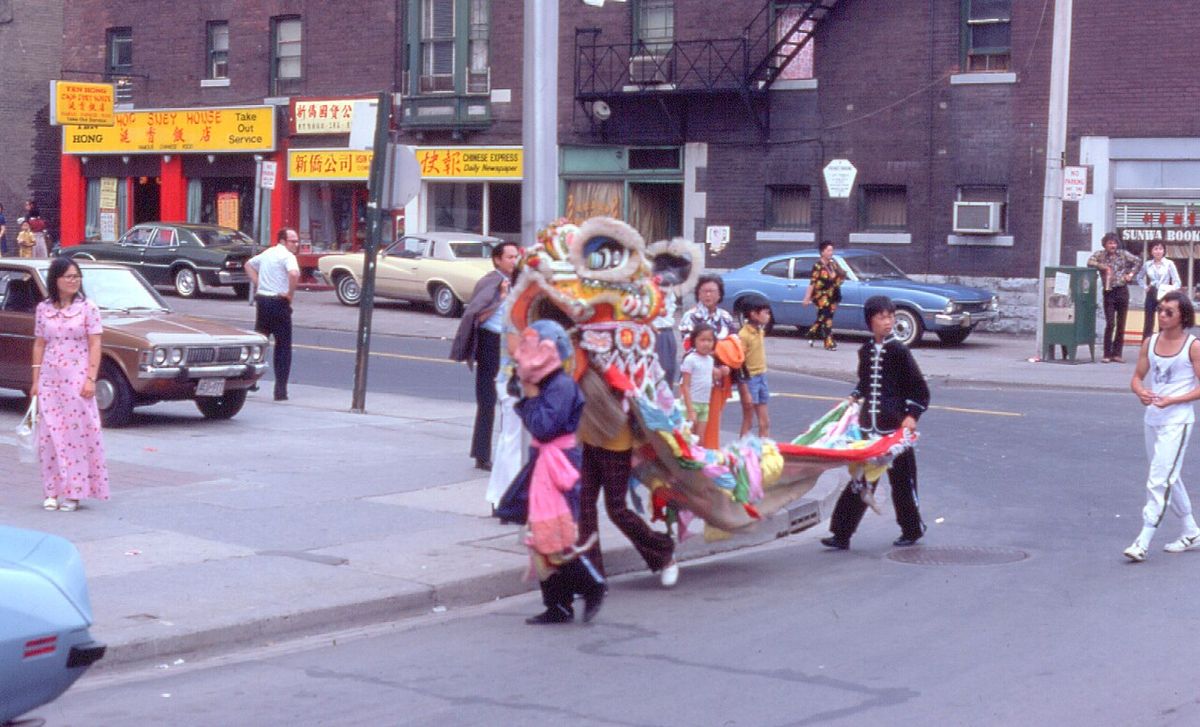
The area hosts several major annual events that draw crowds from across the city. The Lunar New Year celebration features lion dances, kung fu performances, and calligraphy displays. The Toronto Chinatown Festival, typically held in late July, transforms Spadina Avenue with lion and dragon dances, multicultural performances, and an international food fair. The 2026 festival is scheduled for July 25-26. These events, along with the constant activity of daily commerce, maintain Chinatown's reputation as a dynamic and energetic destination from morning until night. The area also offers nightlife options like karaoke at 8090 KTV and cocktails at bars such as Big Trouble, which serves Asian-inspired drinks and shareable plates. Several notable restaurants and shops define the culinary and retail experience.
- King's Noodle: A longstanding restaurant known for its BBQ duck and roast pork, with over 200 dishes on its menu.
- Yueh Tung: One of the first and last remaining Hakka restaurants from the original Chinatown.
- R&D: A contemporary Asian fusion restaurant opened by MasterChef Canada winner Eric Chong.
- Dim Sum King Toronto: A restaurant specializing in authentic Cantonese dim sum.
- Tap Phong Trading: A large kitchenware and gadget shop on Spadina Avenue.
- Sonic Boom: A record shop selling vinyl, turntables, and music merchandise.
- Uncle Otis: A menswear store featuring Japanese, European, and local Canadian brands.
- Big Trouble: A bar known for its Asian-inspired cocktails and small plates like cheeseburger dumplings.
Other Chinatowns in the Greater Toronto Area
While the downtown Chinatown is the most prominent, several other Chinese ethnic enclaves have developed across Toronto and its suburbs. East Chinatown formed during the expropriation of First Chinatown and due to rising property prices in the downtown area. Agincourt was the first suburban Chinatown in Toronto. Other enclaves in Markham and Richmond Hill largely developed during the 1990s. Each of these areas has its own distinct character and history shaped by different waves of immigration.
| Neighbourhood | Primary Location | Formation Era | Key Origins of Community |
|---|---|---|---|
| East Chinatown, Toronto | Broadview Ave & Gerrard St E | 1970s-present | Caribbean, Southeast Asia, Toisanese Chinese |
| Agincourt, Toronto (Scarborough) | Sheppard Ave (Midland to Brimley) | 1980s-present | Hong Kong, Taiwan |
| Milliken, Markham/Toronto | Steeles Ave & Kennedy Rd | 1990s-present | China, Hong Kong, Taiwan |
| Thornhill/Markham/Richmond Hill | Leslie St & Highway 7 | 1990s-present | China, Hong Kong, Taiwan |
These suburban Chinatowns often feature large indoor shopping malls and plazas. This commercial form differs from the street level retail fabric of the downtown Chinatown core. The growth of these suburban enclaves reflects the broader dispersal of the Chinese Canadian population across the metropolitan region. Agincourt was the first suburban Chinatown. The Markham and Richmond Hill enclaves expanded significantly during the 1990s with immigrants from China, Hong Kong, and Taiwan.
Representation in Media and Popular Culture
Toronto's Chinatown has served as a backdrop for numerous films, television shows, and literary works, often standing in for other cities' Chinatowns. The neighbourhood's distinctive streetscape has made it a popular filming location. The television series Kung Fu: The Legend Continues (1993 to 1997) filmed many episodes at Spadina Avenue and Dundas Street West, using it to represent an unnamed major U.S. city. Similarly, an episode of Due South entitled "Chinatown" used Toronto's Dundas and Spadina area to portray Chicago's Chinatown. In film, scenes for the 1999 movie The Corruptor were shot in Toronto's Chinatown alongside New York's.
The neighbourhood has also been featured in literature, such as in Lien Chao's 2008 short story collection The Chinese Knot and Other Stories, and referenced in music by Toronto band Do Make Say Think on their 2002 album & Yet & Yet . The film Suite Suite Chinatown was screened at the 14th Toronto Reel Asian International Film Festival. These appearances in popular culture confirm the neighbourhood's visual recognizability and its role as a symbol of urban Chinese Canadian life. A number of specific productions have featured the area.
- The Corruptor (1999): Film starring Chow Yun-fat with scenes filmed in Toronto's Chinatown.
- Kung Fu: The Legend Continues (1993 to 1997): TV series that filmed many episodes at Spadina and Dundas.
- The Chinese Knot and Other Stories (2008): Short story collection by Lien Chao featuring the neighbourhood.
- & Yet & Yet (2002): Album by Toronto band Do Make Say Think containing the song "Chinatown".
- Suite Suite Chinatown: Film screened at the 14th Toronto Reel Asian International Film Festival.
Questions about Chinatown, Toronto
Where is Chinatown located in Toronto?
Toronto's primary downtown Chinatown is centred at the intersection of Spadina Avenue and Dundas Street West in the city's downtown core. Its economic and social centre primarily runs north south along Spadina Avenue to College Street to Sullivan Street. It also extends east west along Dundas Street West from Augusta Avenue to Beverley Street. The neighbourhood is accessible by the 505 Dundas and 510 Spadina streetcar routes.
What is the history behind Toronto's Chinatown?
The present downtown Chinatown was largely formed when the city's first Chinatown was expropriated in the late 1950s to make way for a new city hall. Displaced businesses and residents moved west towards Spadina Avenue during the 1950s and 1960s. The area was formerly a Jewish district. The community expanded with an influx of Chinese immigrants during the 1960s following changes to immigration laws. Later arrivals from Hong Kong, mainland China, and overseas Chinese communities further increased the population.
What are some must-visit places in Chinatown?
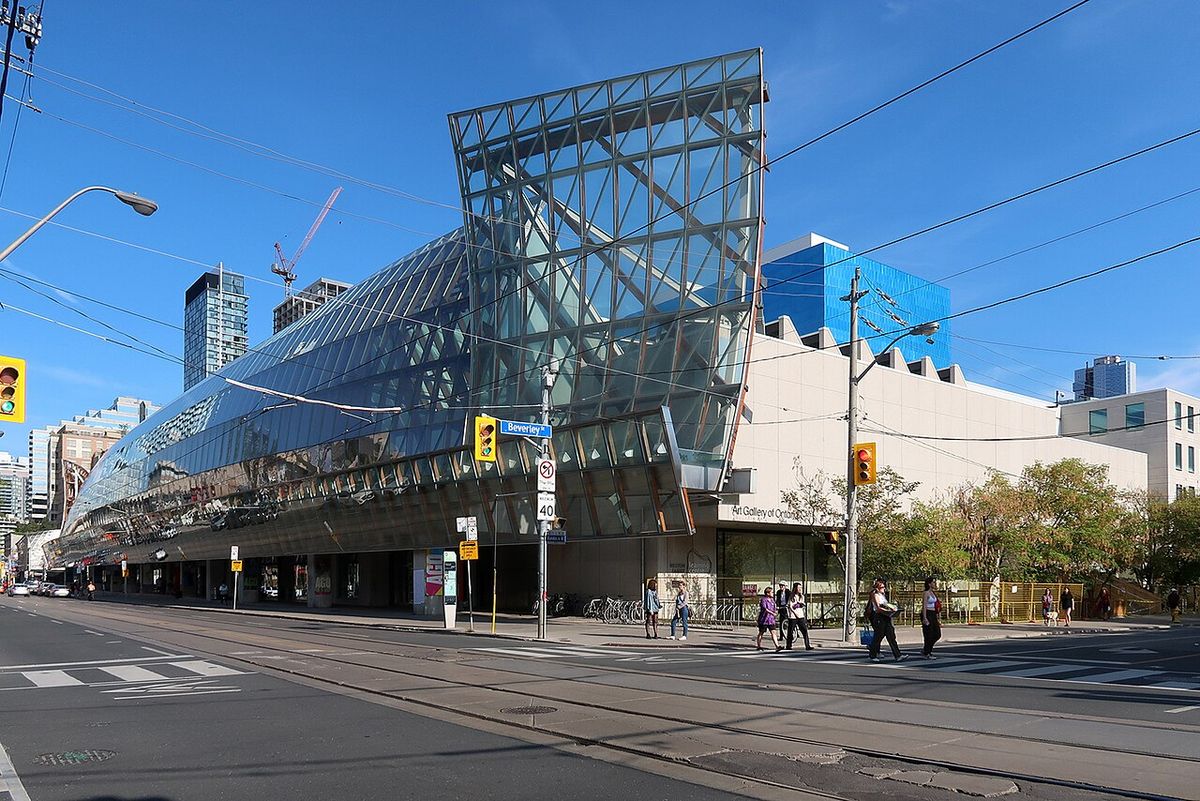
Visitors should explore the major shopping malls like Dragon City and Chinatown Centre. For food, longstanding restaurants such as King's Noodle for Cantonese barbecue and Yueh Tung for Hakka cuisine are highly recommended. Cultural stops include the Thank You Chinatown gift shop, which acts as a living archive of the neighbourhood. The area is also near major institutions like the Art Gallery of Ontario and features historic music venues like the El Mocambo and Grossman's Tavern.
What challenges does Chinatown face today?
The neighbourhood faces significant pressures from gentrification and urban development. Rising property values and proposed high-rise condominiums threaten the viability of long-standing, culturally specific businesses. Competition from large suburban Chinese malls has drawn wealthier immigrants away from the downtown core. Community groups like the Chinatown BIA, Friends of Chinatown, and the Toronto Chinatown Land Trust are actively engaged in advocacy and planning initiatives to preserve the area's character and prevent displacement.
Are there other Chinatowns in Toronto?
Yes, Toronto has several other Chinese ethnic enclaves. East Chinatown is centred at Broadview Avenue and Gerrard Street East. Major suburban Chinatowns developed from the 1980s onward in areas like Agincourt in Scarborough, and in the municipalities of Markham and Richmond Hill near intersections such as Steeles Avenue and Kennedy Road, and Leslie Street and Highway 7. These communities often originated from different waves of immigration from Hong Kong, Taiwan, and mainland China.
What language is primarily spoken in Chinatown?
Cantonese remains the primary language used by businesses and restaurants in Toronto's downtown Chinatown. This linguistic continuity persists despite a significant demographic shift since the 1997 transfer of Hong Kong sovereignty, as immigrants from mainland China now greatly exceed those from Hong Kong. Historically, the neighbourhood has been represented by immigrants and families from southern China and Hong Kong. A number of streets in the area also feature bilingual signs, a feature introduced in the 1970s, with the majority being phonetic transliterations based on Cantonese or Taishanese pronunciations. This creates a distinct linguistic character within the busy commercial district centred on Spadina Avenue and Dundas Street West.
Sources and further reading
- Chinatown, Toronto (Wikipedia)
- Changing Chinatown (heritagetoronto.org)
- Chinatown Toronto: Culture, Cuisine, & Hidden Gems (destinationtoronto.com)
- Chinatown businesses preserve community and culture in ... (thegreenline.to)
Checked by the Your Space Hamilton desk. Last updated 2026-10-27.