Niagara Falls, Ontario
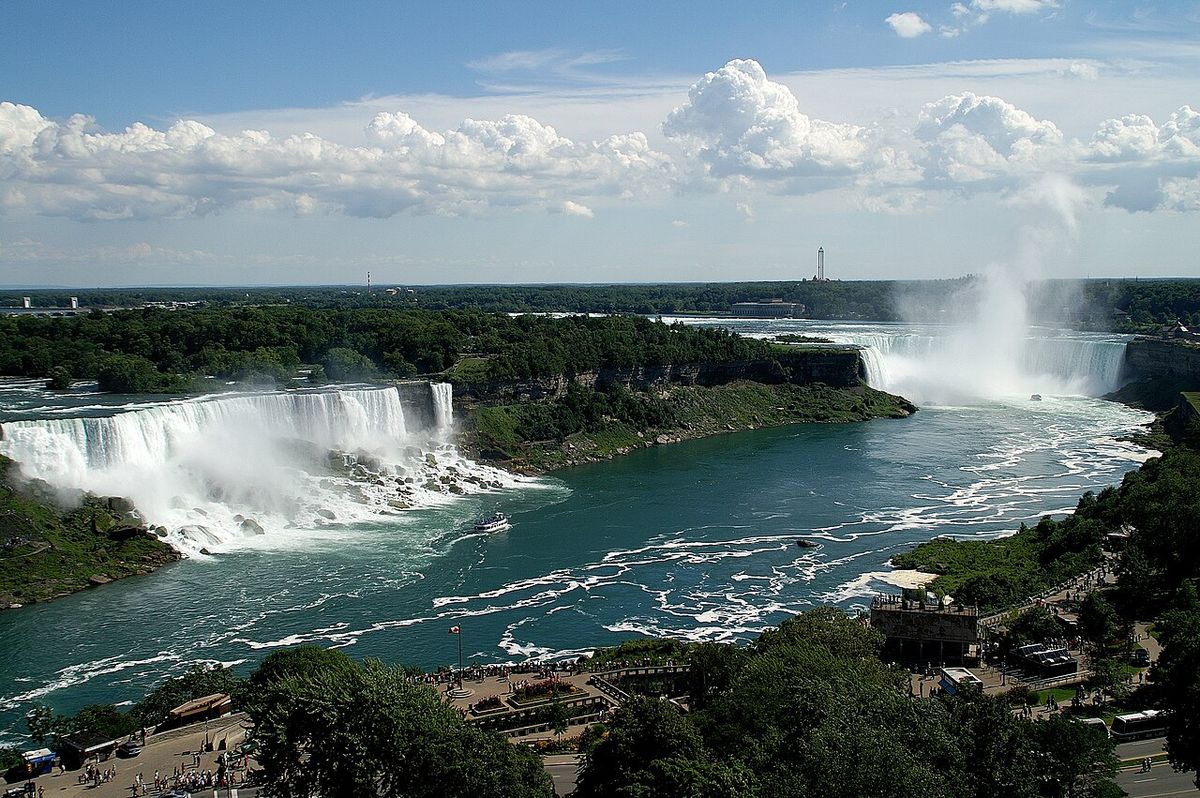
Niagara Falls is a city in Ontario, Canada, situated on the western bank of the Niagara River adjacent to the world-famous waterfalls of the same name. As of the 2021 census, it is home to 94,415 residents and forms a core part of the St. Catharines-Niagara Census Metropolitan Area. The city is a twin to Niagara Falls, New York, across the international border, and its economy is overwhelmingly defined by tourism, supported by a dense concentration of hotels, casinos, and attractions. Niagara Falls also holds significant historical importance from the War of 1812 and as a terminus on the Underground Railroad, contributing to its rich cultural fabric.
History and Settlement
The area now known as Niagara Falls was originally inhabited by Iroquoian-speaking Neutral peoples before European contact, though their numbers were reduced in the 1600s by attacks from the Haudenosaunee and Seneca. French missionary Louis Hennepin is believed to be the first European to visit the area in the 1670s. Following the American Revolutionary War, the British Crown granted land to Loyalists, including Black Loyalists, spurring settlement as a means of compensation for their losses. Early European settlers included Philip George Bender, namesake of Bender Street, and Thomas McMicken, a Scottish-born British Army veteran. Loyalist Robert Land received 200 acres but moved to nearby Hamilton three years later due to the relentless noise of the falls. The settlement was surveyed in 1782 and initially called Township Number 2 or Mount Dorchester before being renamed Stamford in 1791 by John Graves Simcoe. The Battle of Lundy's Lane was fought nearby in July 1814 during the War of 1812. The Town of Clifton was incorporated in 1856, renamed Niagara Falls in 1881, and amalgamated with the Village of Niagara Falls in 1904 to form the City of Niagara Falls under an Act passed the previous year. Further amalgamations with Stamford Township in 1963 and parts of Willoughby and Crowland townships in 1970, following the formation of the Niagara regional government, shaped the modern city boundaries. During the First World War, an internment camp for Germans operated at The Armoury, now the Niagara Military Museum, from December 1914 to August 1918.
The city has a deep Black history dating to at least 1783, with an estimated nearly 10 percent of the Loyalists who settled in the area being Black Loyalists. Up to 12 African-Americans were part of Butler's Rangers, including Richard Pierpoint, and upon disbandment in 1783 they tried to establish farms nearby. Niagara Falls became a key destination on the Underground Railroad, leading to the establishment of the British Methodist Episcopal Church in 1856, now the Nathaniel Dett Memorial Chapel, a National Historic Site that remains in operation. Notable figure Nathaniel Dett, a composer, organist, pianist and music professor, was born in the city in 1882. In 1886, Burr Plato became one of the first African Canadians elected to political office, serving as a City Councillor of Niagara Falls until 1901.
Geography and Climate
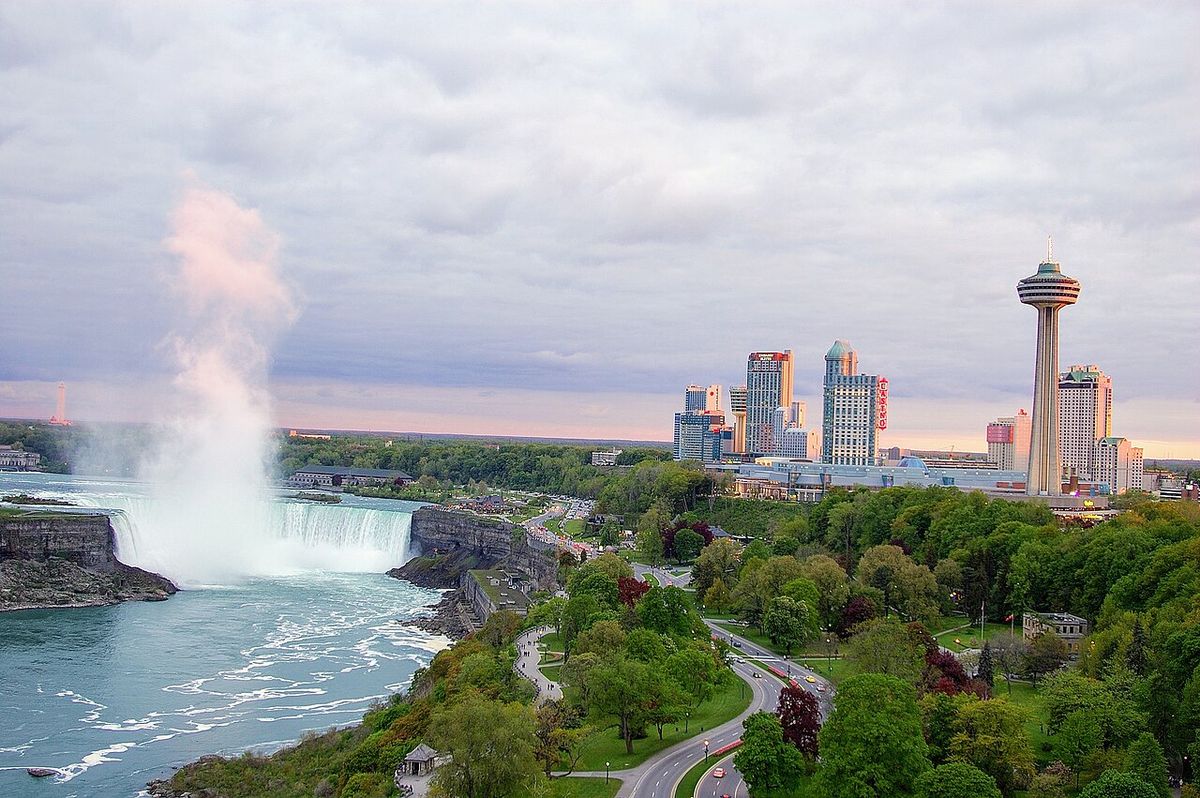
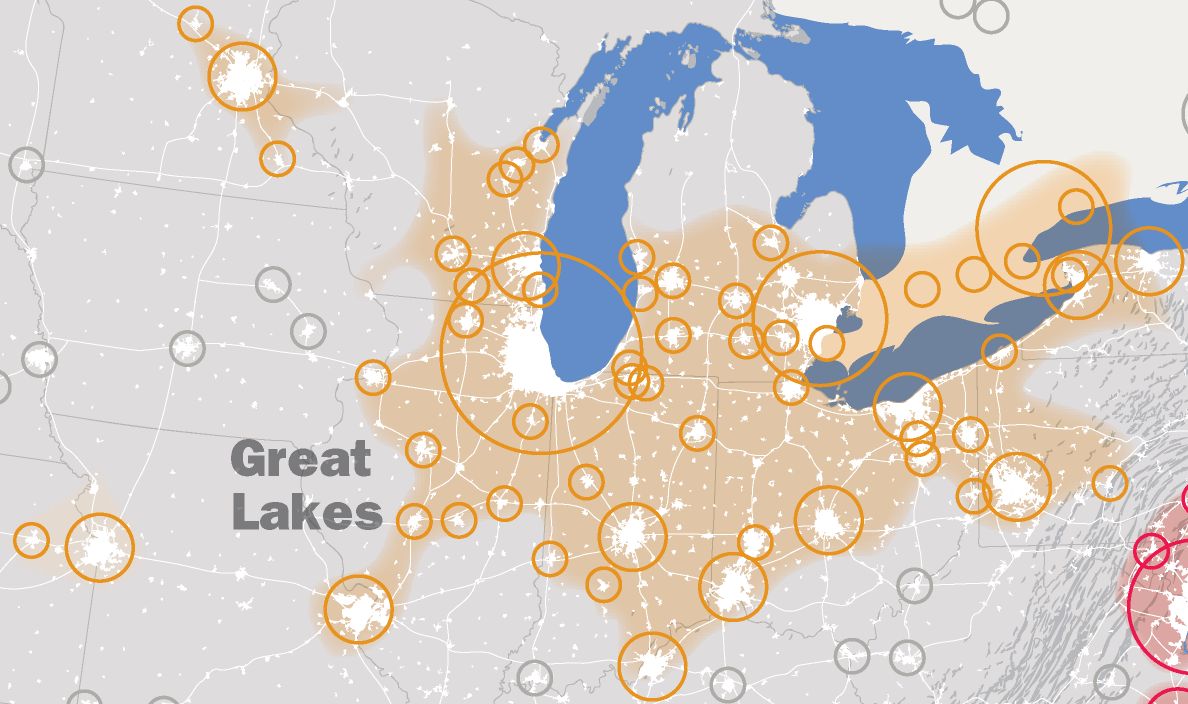
Niagara Falls is located on the Niagara Peninsula, approximately 130 kilometres southwest of Toronto, and is built along the Niagara River and the Niagara Gorge which flows from Lake Erie to Lake Ontario. The city experiences a humid continental climate which is moderated in all seasons by proximity to the Great Lakes. Winters are cold but can see temperatures above freezing, with an average January high of -0.4°C and a low of -7.8°C, and an average annual snowfall of 154 centimetres which can include lake effect snow from both Lakes Erie and Ontario. Summers are warm and humid, with a July high averaging 27.4°C and a low of 17°C. The city holds the Canadian record for the highest January temperature, reaching 22.2°C on January 26, 1950. Annual precipitation averages 970.2 millimetres, distributed relatively evenly throughout the year. The city is organized into 11 communities and 67 neighbourhoods as defined by municipal planning, reflecting historical and cultural diversity.
Demographics
According to the 2021 census, Niagara Falls had a population of 94,415 living in 37,793 of its 39,778 total private dwellings, a change of 7.2% from its 2016 population of 88,071. The city has a land area of 210.25 square kilometres, resulting in a population density of 449.1 persons per square kilometre. The larger St. Catharines-Niagara Census Metropolitan Area had a population of 433,604 living in 179,224 dwellings, with a land area of 1,397.09 square kilometres and a density of 310.4 persons per square kilometre. In terms of ethnicity, 75.6% of the city's population identified as White, 20.9% as visible minorities, and 3.5% had Indigenous ancestry. The largest visible minority groups were South Asian (6.3%), Black (3.1%), Filipino (3.0%), Chinese (2.4%), Latin American (1.6%), and Arab (1.1%).
Religiously, 60.1% identified as Christian in 2021, down from 74.1% in 2011, with Catholics comprising 33.2% of residents, Protestants 13.9%, Christians of unspecified denomination 7.1%, and Christian Orthodox 2.4%. Those with no religious affiliation constituted 30.9%, up from 22.5% in 2011, while non-Christian religions made up 9.0% of the population. The largest non-Christian religions were Islam (4.1%), Hinduism (2.0%), Sikhism (1.4%) and Buddhism (0.8%). English was the mother tongue for 74.2% of the population, followed by Italian (3.2%), French (1.6%), Spanish (1.5%), Tagalog (1.5%), and Punjabi (1.2%).
Economy and Tourism
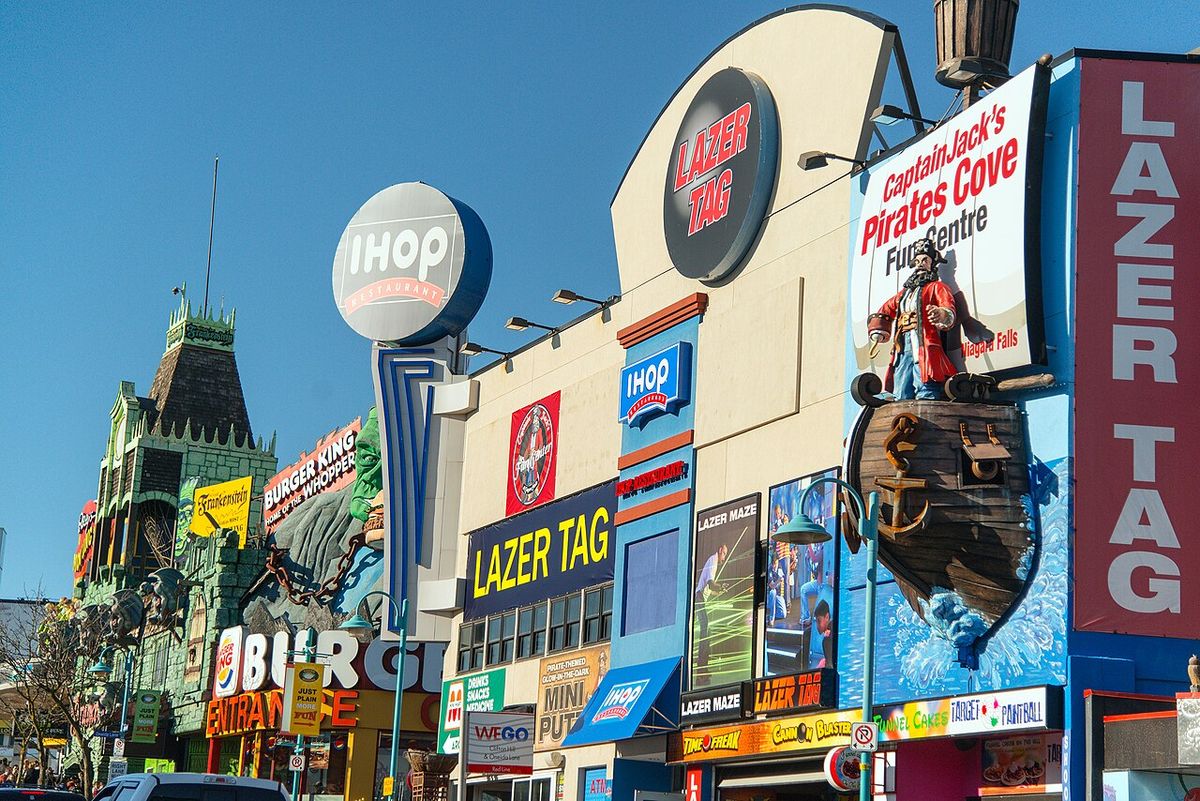
Tourism has been a vital part of the local economy since the early 19th century, when the falls became known as a natural wonder featured in paintings by artists like Albert Bierstadt, reproduced as widely distributed lithographs. The city marketed itself as a honeymoon destination, describing itself as the 'honeymoon capital of the world', a phrase most commonly used in brochures in the early twentieth century before declining around the 1960s. The plentiful and inexpensive source of hydroelectric power from the waterfalls attracted many electro-chemical and electro-metallurgical industries in the early to mid-20th century. Industry began moving out in the 1970s and 80s due to economic recession and increasing global competition, making tourism the city's most important revenue source. Recent development has been mostly centred on the Clifton Hill and Fallsview areas, featuring multiple high-rise hotels, observation towers, souvenir shops, arcades, museums, amusement rides, indoor water parks, casinos, and theatres.
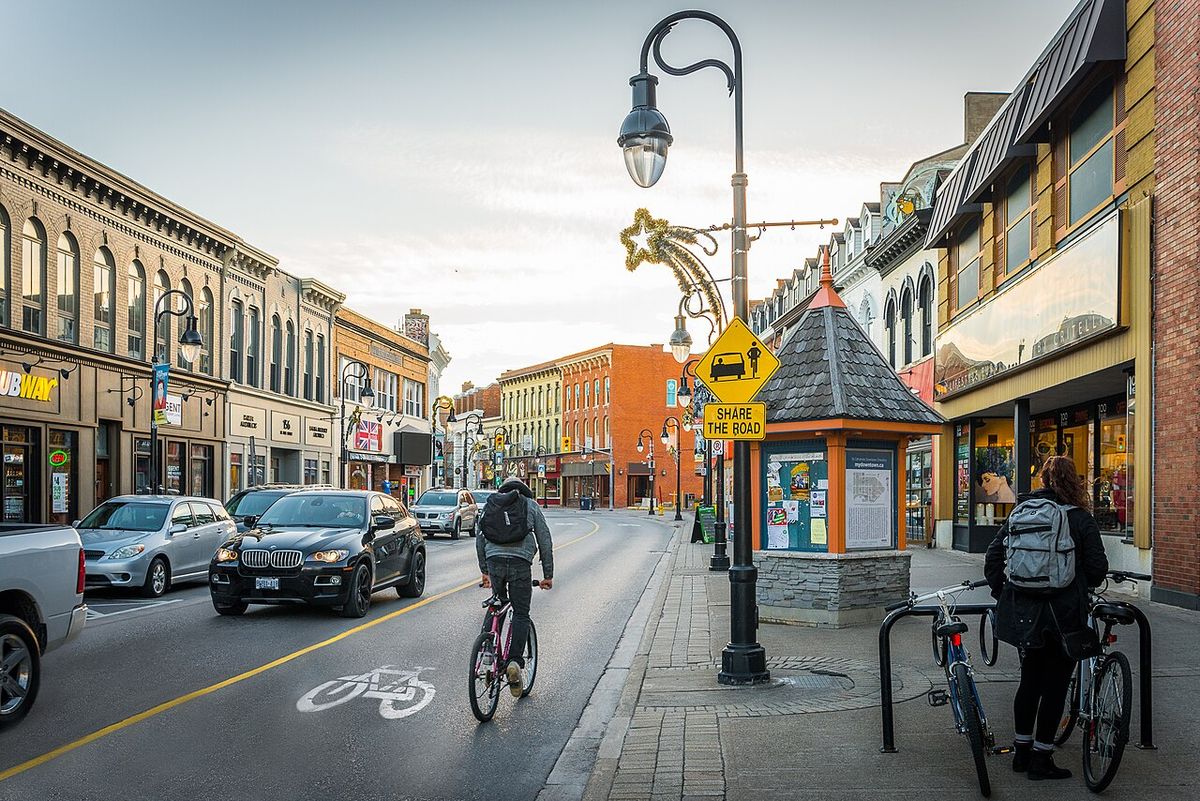
The downtown Queen Street area is undergoing a major revitalization encouraged by the city as an arts and culture district, having been a major centre for local commerce and night life until the 1970s when the Niagara Square Shopping Centre drew away crowds. Since 2006, Historic Niagara has brought art galleries, boutiques, cafés and bistros to the street, with attractions including renovation of the Seneca Theatre. A notable practice among some tourist establishments is the addition of various untraceable fees to bills, estimated to take in $15 million per year, which the Ontario government warned in 2008 could mislead tourists if not remitted to a legitimate non-profit tourism agency. Hotels charge a Municipal Accommodation Tax, a percentage of which goes to the city, while other business fees only benefit the owners and have been criticized as deceptive.
The city's economy significantly outperforms its American counterpart, Niagara Falls, New York, which struggles to compete. The Canadian side has a greater average annual income, a higher average home price, and lower levels of vacant buildings and blight. The population of Niagara Falls, New York fell by half from the 1960s to 2012, while the population of Niagara Falls, Ontario more than tripled. The Ontario government introduced legal gambling in the mid-1990s, with Casino Niagara precipitating an economic boom in the late 1990s and a second casino, Niagara Fallsview, opening in 2004. Both attracted American tourists due in part to the favourable exchange rate, and continued to be popular even as currencies moved closer to parity, while Niagara Falls, New York, experienced a prolonged economic downturn. Ontario's legal drinking age of 19 also attracts potential alcohol consumers from across the border where the American drinking age is 21.
Arts, Culture and Attractions
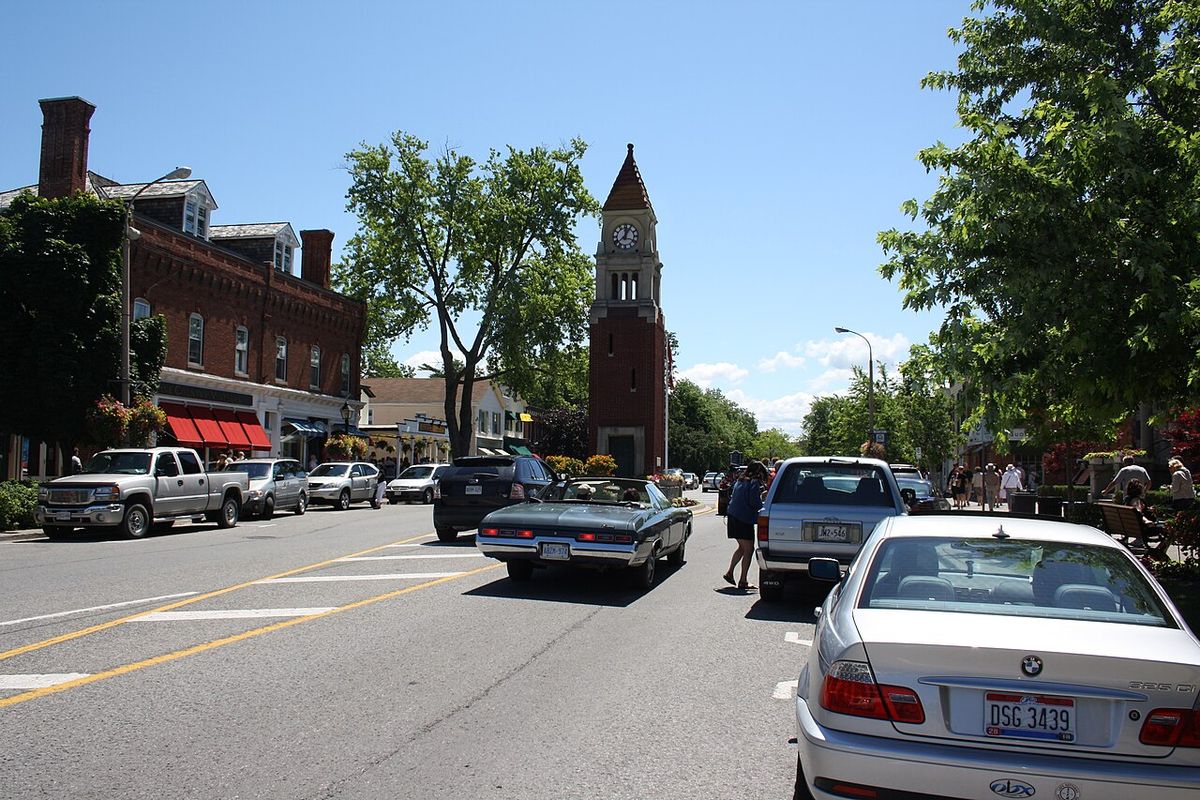
Cultural hubs in Niagara Falls include Queen Street, Main and Ferry Streets, Stamford Centre, and Chippawa Square, supported by community centres like the City of Niagara Falls Museums, Niagara Falls Public Libraries, Coronation 50 Plus Recreation Centre, Club Italia and the Scotia Bank Convention Centre. The visual arts are represented by the Niagara Falls Art Gallery and Peterson's Community Gallery, while performing arts are hosted at the Niagara Falls Centre for the Arts and the renovated Seneca Queen Theatre. The city's history is preserved at several museums and sites, including the Niagara Falls History Museum, Battle Ground Hotel Museum, Willoughby Historical Museum, Niagara Military Museum, and the Niagara Falls Wedding and Fashion Museum. Historical societies like the Lundy's Lane Historical Society promote the area's past, supported by the Battle of Lundy's Lane Walking Tour, Historic Drummondville, and the Stamford Historic Area.
Nature, parks and gardens are central to the city's identity, with Queen Victoria Park and Rosberg Family Park providing green space. The Niagara Parks system operates the Butterfly Conservatory, the Niagara Heritage Trail, Dufferin Islands, and the Niagara Parks School of Horticulture. The Rainbow Carillon sounds from the Rainbow Tower. The city hosts numerous annual festivals and events that draw visitors year-round, including the Winter Festival of Lights, Niagara Integrated Film Festival, Springlicious, Mount Carmel Fine Art and Music Festival, Niagara Icewine Festival, Niagara Woodworking Show, Greater Niagara Home and Garden Show, Niagara Night of Art, and the Niagara Region Jazz Festival. Major tourist attractions are densely packed in the fallsview area and along Clifton Hill, a tourist promenade featuring a Ripley's Believe It Or Not Museum, arcades, five haunted houses, four wax museums including a Louis Tussauds Wax Works, and themed restaurants including the Hard Rock Cafe and Rainforest Cafe.
Key sites in Niagara Falls include the Table Rock Welcome Centre, Journey Behind the Falls, and the Skylon Tower. Other notable attractions are the Niagara SkyWheel, Fallsview Indoor Waterpark, Tower Hotel, Bird Kingdom, and the IMAX Theatre and Daredevil museum. The Niagara Falls Convention Centre and Sheraton on the Falls Hotel and Conference Centre host conventions and conferences. The city's skyline consists of multiple high-rise hotels and observation towers that overlook the waterfalls and adjacent parkland.
Government and Services
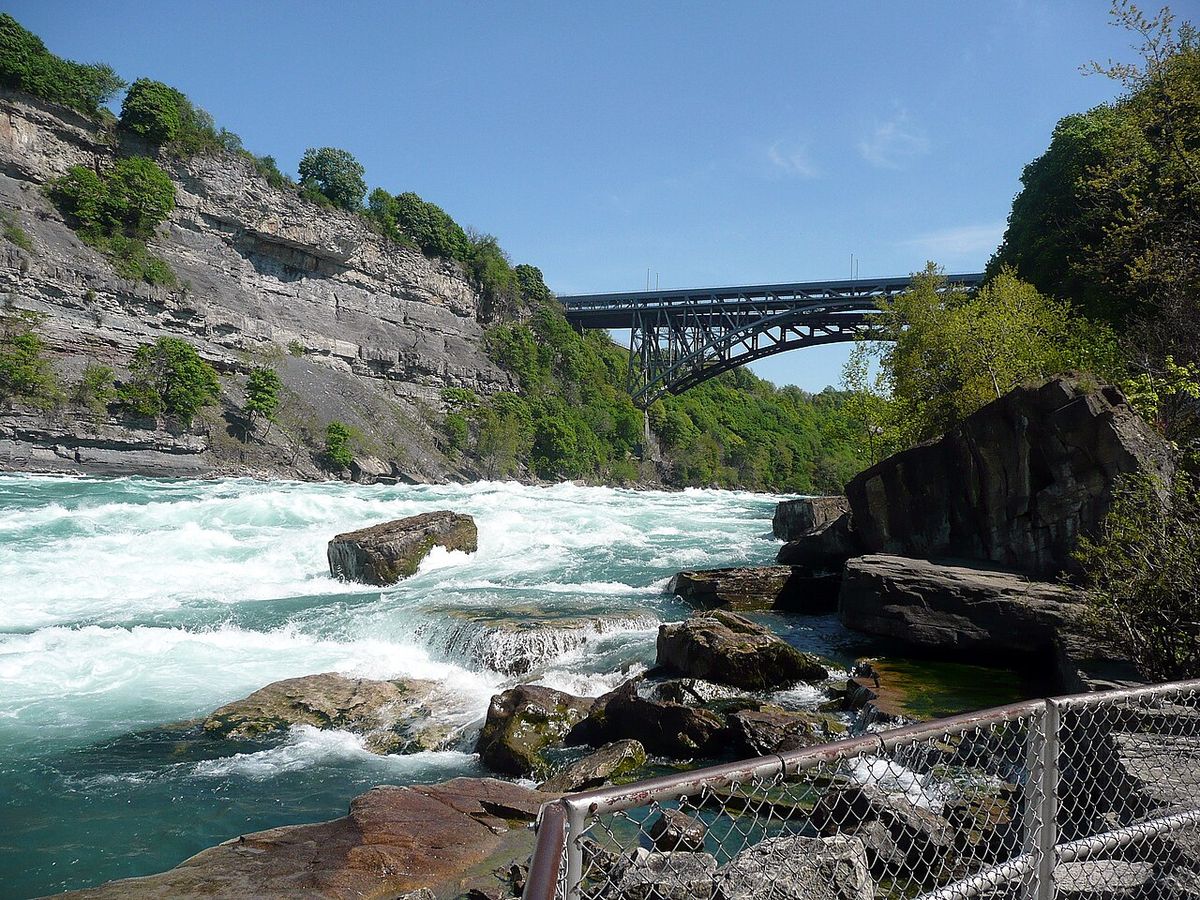
Niagara Falls is governed by a city council consisting of a mayor and eight councillors, elected every four years on the fourth Monday in October as per the Municipal Elections Act 1996, with the most recent election held on October 24, 2022. Mayor Jim Diodati has held office since 2010. Council is responsible for policy and decision making, monitoring the operation and performance of the city, analysing and approving budgets and determining spending priorities. As of 2023, the city's fire and emergency services are staffed by 130 firefighters and 104 volunteers. Policing is provided by the Niagara Regional Police Service for city streets and general policing, the Ontario Provincial Police on provincial highways like the Queen Elizabeth Way, and the Niagara Parks Police on Niagara Parks Commission property. The Canadian Border Services Agency and U.S. Customs and Border Protection conduct policing on the Canadian side of the Whirlpool and Rainbow Bridges, which may involve Niagara Regional Police and the OPP. The inactive Michigan Central Railway Bridge is closed off by Canadian Pacific Railways but can be accessed by police or border agencies if required.
Transportation
Niagara Falls is well-connected by road, rail, and bus. The Queen Elizabeth Way (QEW), stretching from Fort Erie to Toronto, is the major highway passing through the city. Highway 420 along with Niagara Regional Road 420 connect the Rainbow Bridge to the QEW, and the scenic Niagara Parkway, operated by the Niagara Parks Commission, connects Niagara-on-the-Lake to Fort Erie via Niagara Falls. The city was formerly served by several provincial King's Highways. The original routing of Highway 3 ended at the Whirlpool Rapids Bridge via River Road, Highway 8 ended at the same bridge via Bridge Street, and Highway 20 ended initially at the Honeymoon Bridge and later at the Rainbow Bridge via Lundy's Lane and Clifton Hill.
Passenger rail service is provided by Via Rail Canada and Amtrak jointly through their Maple Leaf service between Toronto Union Station and New York Penn Station, stopping at the Niagara Falls station. In summer 2009, GO Transit started a pilot project providing weekend and holiday train service from Toronto to Niagara Falls from mid June to mid October, running seasonally on weekends. At other times, regular hourly GO train services run between Toronto Union and Burlington station, with connecting bus services to Niagara. As of January 2019, GO Transit offers two-way, weekday commuter service from Niagara Falls station to Union Station as part of the Niagara GO Expansion, with the full expansion project expected to be complete by 2025.
Intercity bus service is available via Coach Canada with daily runs to and from Toronto and Buffalo, GO Transit daily bus service between Niagara and Burlington GO Station, and Megabus with daily runs on its route to New York City starting in Toronto. Local public transit is operated by Niagara Transit, while the Niagara Parks Commission runs the WEGO tourist bus system. The city is working toward Bike Friendly designation to encourage active transportation. The closest major international airport is Toronto Pearson International Airport.
Education
Public education in Niagara Falls is delivered by two main boards: the District School Board of Niagara and the Niagara Catholic District School Board, which operate numerous elementary and secondary schools. Notable secondary schools include A.N. Myer Secondary School, Westlane Secondary School, Stamford Collegiate, Saint Michael Catholic High School, and Saint Paul Catholic High School. The University of Niagara Falls Canada, established in the city, is the primary post-secondary institution based within Niagara Falls itself, providing local access to higher education. The Niagara Region is also served by other post-secondary institutions located outside the city limits.
Questions about Niagara Falls, Ontario
What is the population of Niagara Falls, Ontario?
According to the 2021 Canadian census, the population of Niagara Falls, Ontario, is 94,415. This represents an increase of 7.2% from the 2016 census count of 88,071. The city has a land area of 210.25 square kilometres, resulting in a population density of 449.1 persons per square kilometre. The broader St. Catharines-Niagara Census Metropolitan Area, which includes the city, had a population of 433,604 in 2021.
Who is the mayor of Niagara Falls?
Jim Diodati has been the mayor of Niagara Falls since 2010. The city council, which includes the mayor and eight councillors, is elected every four years, with the most recent municipal election held on October 24, 2022. The council is responsible for setting city policy, approving budgets, and overseeing municipal operations. Elections are held on the fourth Monday in October as per the Municipal Elections Act 1996.
What are the main tourist attractions in Niagara Falls?
The city's main attractions centre on the waterfalls and the surrounding tourist districts. Key sites include the Journey Behind the Falls, Skylon Tower, Niagara SkyWheel, and the Clifton Hill promenade with its museums and themed restaurants. The Niagara Parks system operates the Butterfly Conservatory and School of Horticulture. Major casinos like Casino Niagara and Niagara Fallsview Casino Resort are also significant draws, along with seasonal events like the Winter Festival of Lights and the Fallsview Indoor Waterpark.
What is the historical significance of Niagara Falls?
Niagara Falls has historical importance from the War of 1812, notably as the site of the Battle of Lundy's Lane in July 1814. It also played a crucial role in Black history as a destination on the Underground Railroad. The British Methodist Episcopal Church, established in 1856 and now the Nathaniel Dett Memorial Chapel, is a National Historic Site. In 1886, Burr Plato became one of the first African Canadians elected to political office as a city councillor here, serving until 1901.
How does Niagara Falls, Ontario, compare to Niagara Falls, New York?
Niagara Falls, Ontario, has a stronger economy and tourism sector compared to its New York counterpart. The Canadian side has a greater average annual income, higher home prices, and lower levels of vacant buildings. The introduction of casinos in the mid-1990s spurred a tourism boom, and the lower legal drinking age of 19 attracts visitors. While the population of Niagara Falls, New York, has fallen by half since the 1960s, the population of Niagara Falls, Ontario, has more than tripled over the same period.
What is the climate like in Niagara Falls?
Niagara Falls has a humid continental climate, moderated by the Great Lakes. Winters are cold with an average January high of -0.4°C and a low of -7.8°C, but temperatures can rise above freezing. The city receives an average of 154 centimetres of snow annually, which can include lake effect snow. Summers are warm and humid, with a July high averaging 27.4°C. The city holds the record for the highest January temperature ever recorded in Canada, at 22.2°C on January 26, 1950.
Sources and further reading
- Niagara Falls, Ontario (Wikipedia)
- Niagara Parks, Niagara Falls, Canada, Attractions ... (niagaraparks.com)
- City of Niagara Falls (niagarafallstourism.com)
- Visit Niagara Canada (visitniagaracanada.com)
Checked by the Your Space Hamilton desk. Last updated 2026-10-23.