Canada lynx
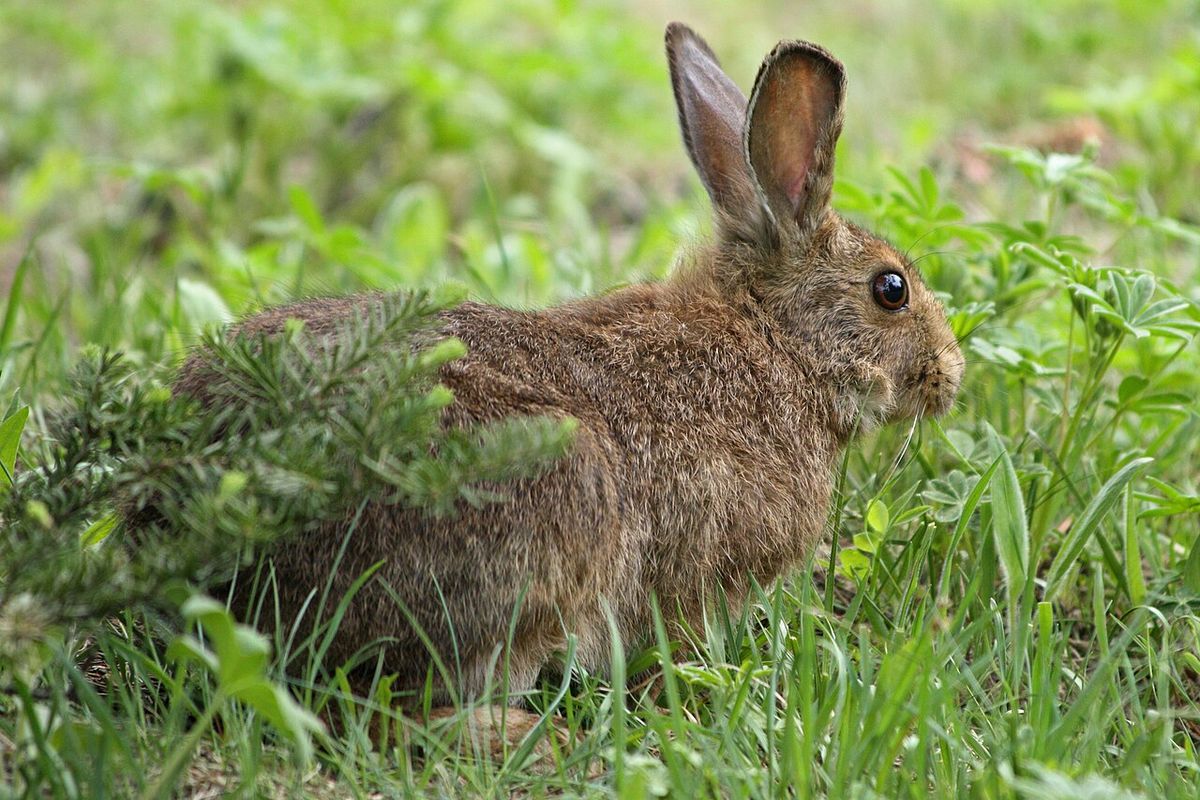
The Canada lynx (Lynx canadensis) is a medium-sized wild cat native to the boreal forests of Canada, Alaska, and parts of the northern contiguous United States. It is a specialist predator, heavily dependent on the snowshoe hare, which leads to a classic predator-prey population cycle studied extensively by Canadian ecologists. Characterized by its long, dense fur, distinctive black ear tufts, and large snowshoe-like paws, the lynx is superbly adapted to life in deep snow and cold climates. Its presence is an important indicator of boreal forest ecosystem health, and while it is trapped for fur in parts of its range, it faces conservation challenges in its southern periphery due to habitat loss.
Taxonomy and Evolution
The Canada lynx was first scientifically described as Felis lynx canadensis by naturalist Robert Kerr in 1792 based on a specimen from Canada. Throughout the 19th and 20th centuries, taxonomists debated its classification, with some proposing subspecies such as Lynx subsolanus from Newfoundland and Lynx canadensis mollipilosus from Alaska. By 2005, mammalogist Wallace Christopher Wozencraft formally recognized it as one of four distinct species within the genus Lynx, alongside the bobcat, Eurasian lynx, and Iberian lynx. Modern genetic and morphological studies, including a 2017 review by the Cat Specialist Group, now consider the Canada lynx a monotypic species with little valid subspecific variation. The lynx population on Newfoundland is believed to have genetically diverged from mainland populations between 20,000 and 33,000 years ago following the last glacial period.
Evolutionary history places the ancestor of modern lynxes in North America after crossing the Bering Strait from Asia between 8.5 and 8 million years ago. The Lynx lineage diverged from related cat groups like Puma and Felis approximately 2.53 to 4.74 million years ago. The modern Canada lynx is thought to have evolved from populations of the Eurasian lynx that colonized North America in a second wave within the last 200,000 years, settling in the northern, glaciated regions. Paleontological evidence suggests the Canada lynx has changed very little since its first appearance in the fossil record, with remains dating to the Sangamonian and Wisconsin glacial episodes. Its closest relative is the bobcat, which evolved from earlier Eurasian lynx populations that settled in more southern parts of the continent.
Physical Characteristics
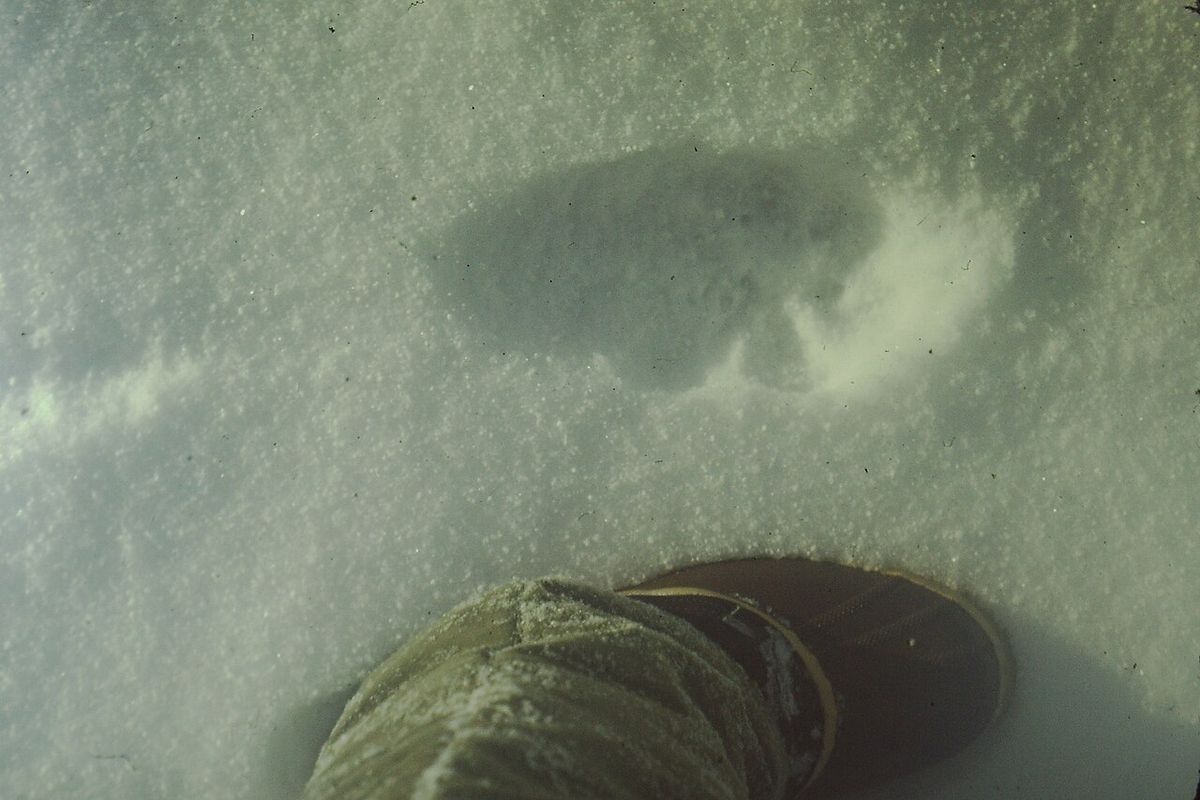
The Canada lynx possesses a lean, muscular build with longer hind limbs than forelimbs, giving its back a distinctive downward slope toward the front. It exhibits sexual dimorphism, with males typically larger than females. Males weigh 6 to 17 kilograms, while females range from 5 to 12 kilograms. Total body length ranges from 73 to 107 centimetres, and it stands 48 to 56 centimetres tall at the shoulder. Its most notable features include long, black tufts on the tips of its triangular ears, a short tail measuring 5 to 13 centimetres with a completely black tip, and exceptionally broad, furry paws that function like snowshoes. These large paws can spread up to 10 centimetres wide and support nearly twice the weight of a bobcat's paw before sinking into soft snow.
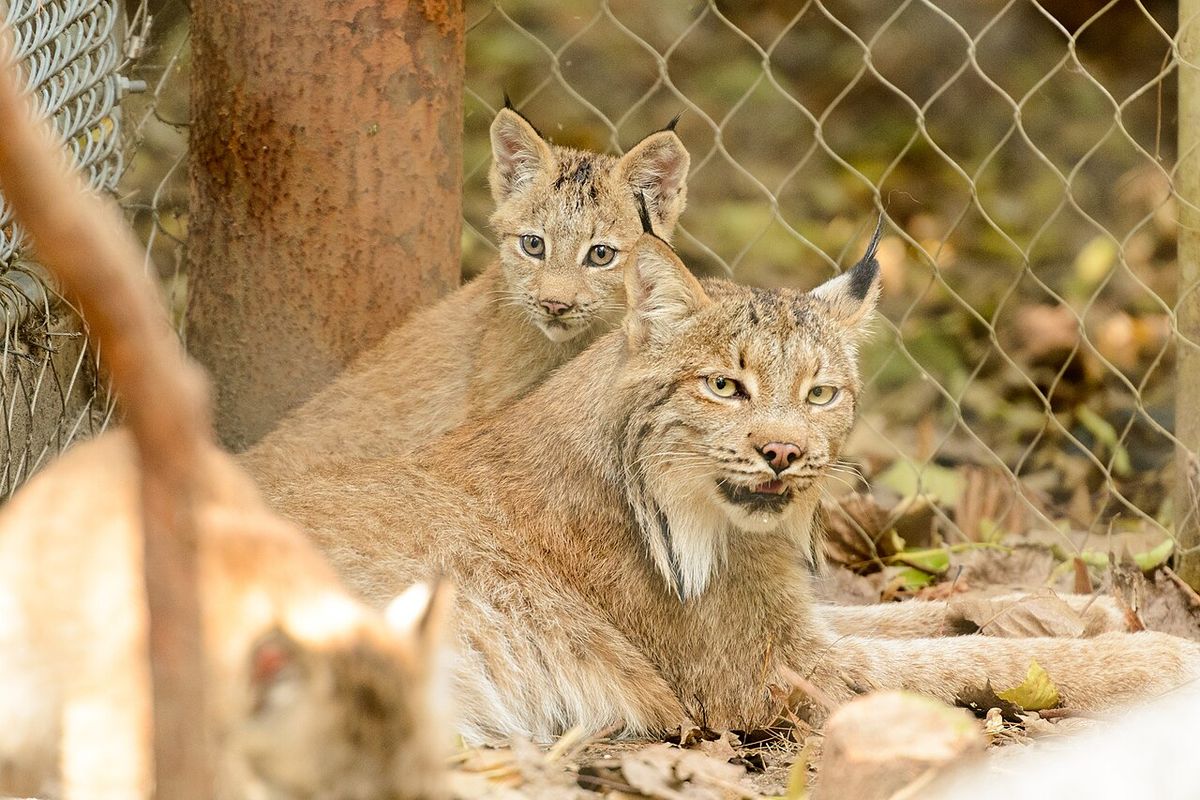
The lynx's long, dense fur provides crucial insulation in its cold habitat and is typically a uniform yellowish-brown, though it can appear greyer in winter with a grizzled appearance, especially in Newfoundland populations. The underparts are white and may have a few dark spots. The fur on the lower cheeks lengthens in winter, forming a distinctive ruff. Its skeletal muscles constitute 56.5 percent of its total body weight, reflecting its power as a predator. The dental formula is 3.1.2.1 over 3.1.2.1, featuring four long canine teeth heavily laced with nerves for precise biting and four carnassial teeth for shearing meat. Key physical distinctions from the similar bobcat include the lynx's longer ear tufts, fully black-tipped tail, broader paws, and generally greyer, less-marked coat.
Key Distinguishing FeaturesThe Canada lynx is a medium-sized wild cat characterized by long, dense fur, triangular ears with black tufts at the tips, and broad, snowshoe-like paws. Its hindlimbs are longer than its forelimbs, so its back slopes downward to the front. It stands 48 to 56 centimetres tall at the shoulder and weighs between 5 and 17 kilograms. The Canada lynx can be told apart from the similar bobcat by its longer ear tufts, broader paws, shorter tail with a fully black tip, longer legs and the fewer markings and greyer shade of its coat.
- Long, black ear tufts measuring around 4 cm (1.6 in) in length.
- Broad, snowshoe-like paws that can spread to 10 cm (3.9 in) wide.
- A short tail, 5-13 cm (2.0-5.1 in) long, with a completely black tip.
- Longer hind limbs than forelimbs, creating a sloping back.
- A uniformly coloured coat, typically yellowish-brown with minimal markings.
- Large paws that can support almost twice the weight of a bobcat's before sinking in snow.
Distribution and Habitat
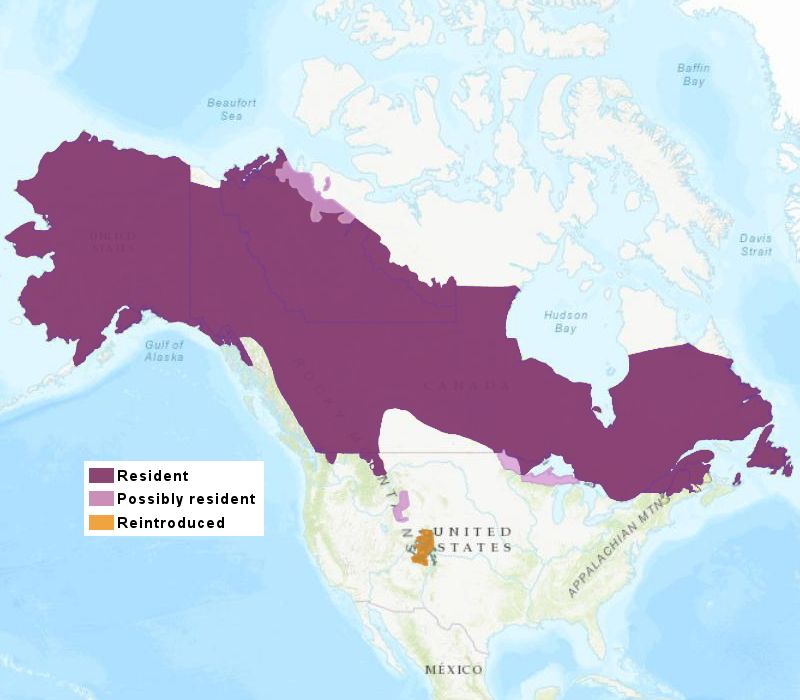
The core range of the Canada lynx spans the dense boreal forest across Canada and Alaska, strongly coinciding with the distribution of its primary prey, the snowshoe hare. Historically, its range extended south into 24 U.S. states, but it is now primarily found in the northern contiguous United States in several disjunct regions. These include the Cascade Range and Blue Mountains of the Pacific Northwest, the Rocky Mountains, the northern Great Lakes area of Minnesota and Michigan's Upper Peninsula, and northern New England in Maine, New Hampshire, and Vermont. The lynx is considered extirpated from states like New York, Pennsylvania, Ohio, Indiana, Massachusetts, and Nevada.
They have been recorded at elevations as high as 4,310 metres. A significant reintroduction effort began in Colorado in 1999 after the species was extirpated there in the 1970s. Occasional dispersals lead to rare sightings outside established ranges, such as a confirmed photograph of a male lynx in Wyoming's Gros Ventre Range in February 2022, the first in that state since 2012. Their distribution is a direct reflection of habitat quality and snowshoe hare abundance, making them a classic example of a habitat specialist.
Areas of Current Presence in the Contiguous U.S.The Canada lynx ranges across Alaska, Canada and northern areas of the contiguous United States. In the United States, it occurs in the Pacific Northwest, the Rocky Mountains, the northern Great Lakes region and northern New England. The lynx was successfully reintroduced in Colorado after being extirpated from the state. It is considered extirpated in several other states including New York, Pennsylvania and Ohio. Given its abundance throughout its range and lack of severe threats, the Canada lynx has been listed as Least Concern on the IUCN Red List, but it is protected in the southern half of its range due to threats such as habitat loss.
- The Blue Mountains and Cascade Range in the Pacific Northwest.
- The Rocky Mountains.
- The northern Great Lakes region, including Minnesota and Michigan's Upper Peninsula.
- Northern New England, specifically New Hampshire, Maine, and Vermont.
- A reintroduced population in Colorado, established starting in 1999.
Ecology and Hunting Behaviour
The Canada lynx is predominantly crepuscular and nocturnal, aligning its activity with that of the snowshoe hare. It is a solitary and efficient traveller, covering 8 to 9 kilometres daily at speeds of 0.75 to 1.46 kilometres per hour while hunting. An adept swimmer and climber, one recorded individual swam 3.2 kilometres across the Yukon River, and they will climb trees to evade predators but hunt exclusively on the ground. Social interactions are minimal outside of the bond between a mother and her kittens and brief associations between males and females during the mating season. Individuals of the same sex actively avoid each other, maintaining intrasexual territories, a social system similar to that of bears and cougars.
Home range sizes are highly variable and depend on measurement method and prey density. Studies using snow-tracking estimate ranges from 11.1 to 49.5 square kilometres, while radio telemetry studies show ranges from 8 to 783 square kilometres. Male home ranges are consistently larger than those of females. A study in Minnesota showed male ranges of 145 to 243 square kilometres compared to female ranges of 51 to 122 square kilometres. Ranges of opposite sexes overlap extensively, while those of the same sex show little overlap. Lynxes scent-mark their territories with urine and feces. When snowshoe hare populations crash, lynxes may expand their home ranges dramatically, disperse over long distances, or switch hunting strategies, but they generally do not frequently leave their established home areas.
Diet and Hunting TechniquesThe snowshoe hare constitutes 35 to 97 percent of the Canada lynx's diet, a proportion that fluctuates with the hare's 10-year population cycle. When hares are scarce, lynxes supplement their diet with other prey including grouse, ducks, voles, red squirrels, ptarmigan, and young ungulates like caribou, Dall's sheep, and mule deer. They have also been observed occasionally eating grasses and sedges. An adult lynx consumes 0.6 to 1.2 kilograms of food per day. Lynxes hunt by sight and hearing, often waiting in ambush on well-used hare trails or actively roaming. They kill hares with a precise bite to the head, throat, or neck, and may chase prey for several bounds if necessary.
Hunting success depends on factors like the initial distance to the hare, vegetation cover, and the alertness of the prey. Compared to coyotes, another major hare predator, lynxes have a lower hunting success rate (28.7 percent versus 36.9 percent in one Yukon study) but are far more efficient in deep snow due to their superior foot load. During periods of hare abundance, lynxes frequently engage in surplus killing, taking more hares than they immediately consume. They rarely cache their kills, unlike coyotes. Scavenging on winter-killed or vehicle-struck ungulates is also a common behaviour, especially when primary prey is limited.
Alternate Prey During Hare ScarcityThe Canada lynx is a specialist predator and depends heavily on the snowshoe hare for food. When hare numbers drop, Canada lynxes will include other animals in their diet such as ducks, grouse, moles, ptarmigan, American red squirrels, voles and young ungulates like Dall's sheep, mule deer and boreal woodland caribou. The lynx tends to be less selective in summer and autumn, adding small mammals to its diet. Canada lynxes ingest 0.6 to 1.2 kilograms of food daily, and this dietary flexibility is a key adaptation to the cyclic rises and falls in snowshoe hare populations.
- Ducks and other waterfowl.
- Grouse and ptarmigan.
- Moles and voles.
- American red squirrels.
- Young ungulates such as Dall's sheep, mule deer, and boreal woodland caribou.
Reproduction and Life Cycle
The mating season for Canada lynx is relatively short, occurring over about a month from March to early April. During this time, the solitary animals temporarily pair up. Following a gestation period of approximately two to three months, females give birth to a litter of one to eight kittens, with the average litter size influenced by the abundance of snowshoe hares. Births typically occur in secluded dens under windfallen trees, rock ledges, or thick vegetation. They begin to eat solid food at around one month of age but are not fully weaned until about 12 weeks old.
Female lynxes are solely responsible for rearing the young. The kittens remain with their mother until the next mating season, learning essential hunting and survival skills. Juvenile dispersal usually occurs at around 10 months of age. Young lynxes, particularly males, are known for their long-distance dispersal capabilities, sometimes moving thousands of kilometres, which helps maintain genetic connectivity between isolated populations. The reproductive rate of lynxes is tightly linked to snowshoe hare numbers. In years of hare scarcity, fewer females breed, and those that do produce smaller litters. This direct reproductive response is a key component of the synchronized predator-prey cycle observed across the boreal forest.
Conservation Status and Human Interactions
The Canada lynx is classified as Least Concern on the IUCN Red List due to its wide distribution and overall abundant population in the northern core of its range. It is regularly trapped for the international fur trade throughout most of Alaska and Canada, which is a managed harvest. However, in the southern portions of its range in the contiguous United States, the lynx faces significant threats and receives legal protection. The primary challenges are habitat loss and fragmentation due to logging, urban development, and road construction, which degrade the dense boreal forest it requires. Climate change poses a long-term threat by potentially altering snowpack conditions and affecting snowshoe hare distribution.
In the United States, the lynx is listed as a threatened species under the Endangered Species Act in the lower 48 states. Conservation efforts include habitat protection and connectivity projects. The reintroduction program in Colorado, begun in 1999, represents a major success, establishing a breeding population in the southern Rocky Mountains where the species had been extirpated. Ongoing monitoring tracks population trends, particularly along the southern range boundary where the species is most vulnerable. The health of Canada lynx populations serves as a critical barometer for the ecological integrity of the boreal forest ecosystem.
| Region | Conservation Status / Note |
|---|---|
| Alaska & Most of Canada | Trapped for fur trade. Populations generally stable |
| Contiguous U.S. (Southern Range) | Listed as Threatened under U.S. ESA. Protected |
| Colorado | Successfully reintroduced (1999 onward) |
| Newfoundland | Population genetically distinct. Darker coat |
| Eastern U.S. (e.g., NY, PA) | Considered extirpated |
The Lynx-Hare Cycle
The ecological relationship between the Canada lynx and the snowshoe hare is one of the most documented examples of a predator-prey cycle in wildlife science. The snowshoe hare population undergoes dramatic fluctuations on a roughly 10-year cycle across the boreal forest. As hare numbers rise, lynx populations follow with a slight lag, benefiting from abundant food which leads to higher kitten survival and larger litter sizes. When hare populations inevitably crash due to overbrowsing and predation pressure, lynx populations subsequently plummet. During these low phases, lynxes experience increased mortality, reduced reproduction, and extensive dispersal movements in search of food.
This cycle is most pronounced in the core boreal regions of central Canada and Alaska. Historical fur trade records from the Hudson's Bay Company, showing lynx pelt harvests over centuries, provided the first long-term evidence of this cyclical pattern. The cycle influences not just lynxes and hares but the entire boreal forest community, affecting other predators like coyotes and foxes and alternate prey species. The lynx's specialization on hares makes it uniquely sensitive to these fluctuations, a defining aspect of its ecology. Research continues to explore how climate change and habitat alteration might affect the timing and amplitude of this classic cycle.
Questions about Canada lynx
What is the main food source for the Canada lynx?
The main food source for the Canada lynx is the snowshoe hare. This prey comprises 35 to 97 percent of its diet, with the proportion varying by season and hare abundance. The Canada lynx is a specialist predator heavily dependent on this single species, which leads to a classic prey-predator population cycle. When hare populations decrease, the lynx will move to areas with more hares and broaden its diet to include other animals, but the snowshoe hare remains its primary and critical food source.
Where in Canada can you find Canada lynx?
The Canada lynx is found predominantly throughout the dense boreal forest that stretches across all Canadian provinces and territories, with its range strongly matching that of the snowshoe hare. It occurs from Newfoundland and Labrador across to Yukon and the northern territories, and south through the forested regions of the provinces. It is absent from the prairie grasslands, the Arctic tundra north of the treeline, and heavily urbanized or agricultural areas. Populations in Newfoundland are genetically distinct from mainland lynxes.
How can you tell a Canada lynx from a bobcat?
Several key physical differences distinguish the Canada lynx from the bobcat. The lynx has longer, more prominent black tufts on its ears, much larger and broader snowshoe-like paws, and a shorter tail with a completely black tip. Its hind legs are longer, giving it a more sloping profile, and its coat is generally greyer with fewer markings than the bobcat's more reddish, spotted fur. Bobcats are typically smaller, but in areas where both species overlap, bobcats can be similarly sized, making these other features more important for identification.
Is the Canada lynx endangered?
Globally, the Canada lynx is listed as Least Concern by the IUCN due to its large, stable population in the northern core of its range in Canada and Alaska. However, in the southern parts of its range within the contiguous United States, it is listed as a Threatened species under the U.S. Endangered Species Act. Here, it faces significant threats from habitat loss and fragmentation. While it is legally trapped for fur in much of Canada, regulated harvests are not considered a major threat to the overall population's health.
How do Canada lynx adapt to snowy environments?
The Canada lynx has multiple superb adaptations for life in deep snow. Its most famous feature is its enormous, furry paws that act like natural snowshoes, spreading up to 10 centimetres wide to distribute its weight and prevent it from sinking. Its long, thick fur provides excellent insulation against frigid temperatures. Its long legs also help it move efficiently through deep snowpack. These adaptations allow it to chase down its primary prey, the snowshoe hare, which is also well-adapted to snow, giving the lynx a competitive advantage over other predators like coyotes in winter.
Have Canada lynx been reintroduced anywhere?
Yes, a major and successful reintroduction program has been underway in Colorado since 1999. The Canada lynx was completely extirpated from the state by the 1970s due to overtrapping and habitat changes. Wildlife officials began releasing lynxes from Canada and Alaska into the San Juan Mountains, and the population has since become established and reproduced. This project represents a significant conservation effort to restore the species to a part of its historical southern range in the Rocky Mountains, demonstrating that reintroduction can work with suitable habitat and protection.
Sources and further reading
- Canada lynx (Wikipedia)
- Canada Lynx (defenders.org)
- Canada Lynx, Forestry, Agriculture and Lands (gov.nl.ca)
- Canada Lynx (wildcatconservation.org)
- Animal Facts: Canada Lynx (canadiangeographic.ca)
Checked by the Your Space Hamilton desk. Last updated 2026-10-22.