Whooping crane
The whooping crane (Grus americana) is an endangered crane species and the tallest bird native to North America, standing up to 1.6 metres tall with a wingspan exceeding two metres. Named for its loud, whooping calls, it is one of only two crane species native to the continent, alongside the sandhill crane. After being reduced to a mere 21 wild individuals in 1941 due to unregulated hunting and habitat loss, the species has become a central figure in conservation, with a partial recovery bringing the total global population to just over 830 birds as of 2025. The survival of the whooping crane is of significant ecological and cultural importance to Canadians, as the only self-sustaining wild population migrates annually between its breeding grounds in Wood Buffalo National Park, straddling Alberta and the Northwest Territories, and its wintering grounds on the Texas Gulf Coast.
Taxonomy and Physical Description
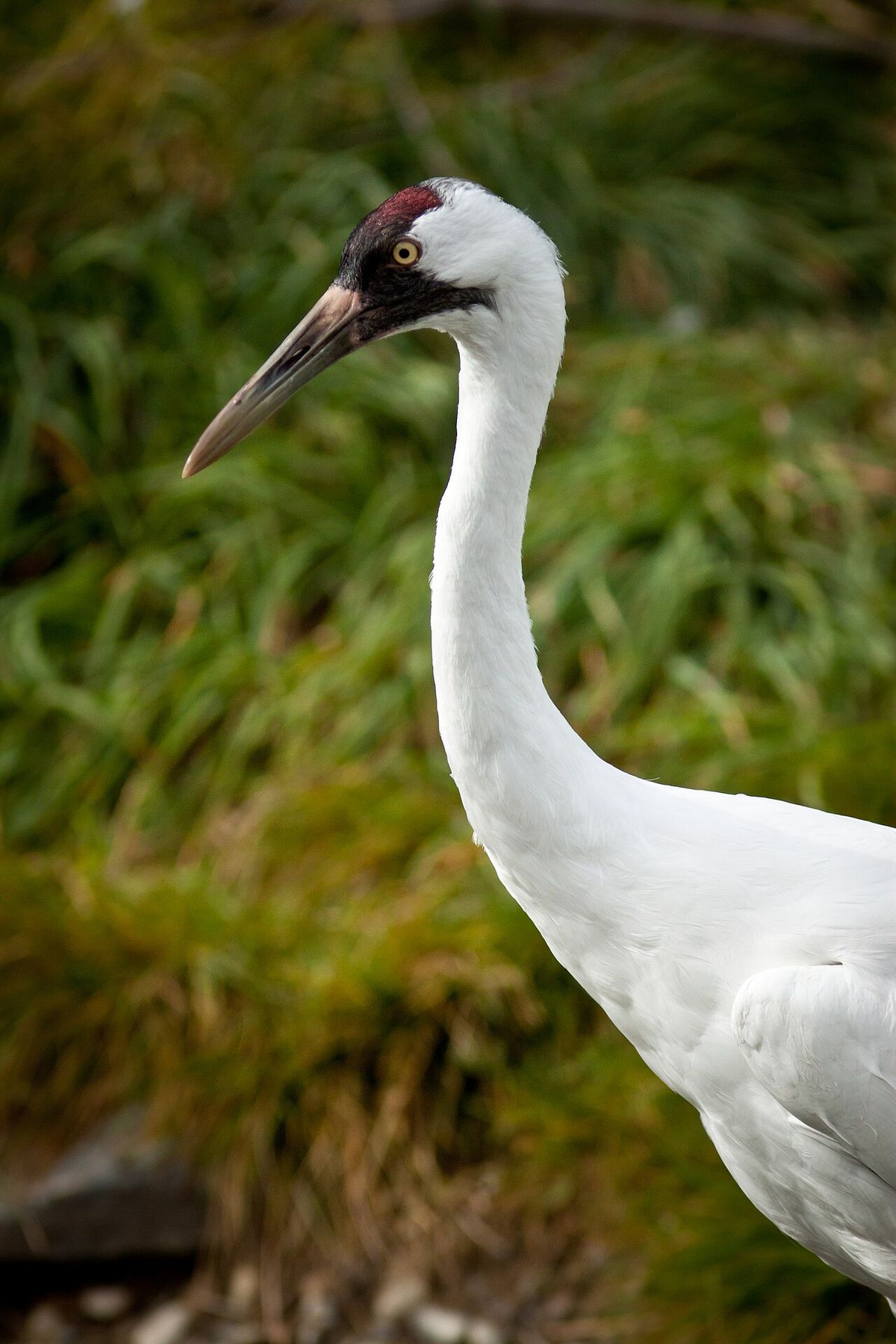
The whooping crane was formally described in 1758 by Swedish naturalist Carl Linnaeus in the tenth edition of his Systema Naturae, where he placed it in the genus Ardea with the binomial name Ardea americana. The French zoologist Mathurin Jacques Brisson moved it to the genus Grus in 1760, where it remains one of eight species with no recognised subspecies. Linnaeus based his description on accounts from English naturalists Mark Catesby, who described it from the Carolinas and Florida, and George Edwards, who worked from a preserved specimen brought to London from the Hudson Bay area of northeast Canada by Hudson's Bay Company employee James Isham. An adult whooping crane is a striking white bird with a red crown, a long dark pointed bill, black wing tips visible in flight, and dark legs. Immature birds are cinnamon brown in colour along the back with a dull grey or brown underbelly and have blue eyes that turn yellow with maturity. Their loud, whooping calls can carry for several kilometres and include specific guard calls to warn of danger and elaborate unison calls performed by mated pairs. The first unison call recorded in the wild was captured at the Aransas National Wildlife Refuge in December 1999. The whooping crane is the fifth-largest crane species globally and the tallest North American bird, with body length averaging 132 centimetres. Standard measurements include a wing chord of 53 to 63 centimetres, an exposed culmen of 11.7 to 16 centimetres, and a tarsus of 26 to 31 centimetres.
Historic Decline and Current Distribution
The whooping crane's historic range once extended throughout midwestern North America and south to Mexico, with an estimated population of 10,000 or more before European settlement. By 1870, numbers had fallen to between 1,300 and 1,400 birds due to habitat destruction and overhunting. The species disappeared from the heart of its historic breeding range in the north-central United States. By the mid-20th century, its breeding range was reduced to a last remnant in the muskeg taiga of Wood Buffalo National Park and the surrounding area in Canada. Today, the primary self-sustaining population, known as the Aransas-Wood Buffalo Population, migrates between this Canadian breeding ground and wintering marshes along the Texas Gulf Coast, centred on the Aransas National Wildlife Refuge. This migratory journey covers approximately 4,000 kilometres. The Salt Plains National Wildlife Refuge in Oklahoma is a major migratory stopover, hosting 60 to 75 percent of the species annually. Additional experimental, reintroduced populations exist but are not yet self-sustaining. A non-migratory population lives in coastal Louisiana. A reintroduction attempt in Florida has been halted and is considered a failure due to high adult mortality, low juvenile recruitment, and habitat loss.
Life Cycle, Breeding and Social Behaviour
Whooping cranes are monogamous, forming pairs around two to three years of age and seeking new mates if one dies. They bond through a series of courtship rituals including walking, calling in unison, and dancing. Pairs often locate their first territory near that of their parents, learning migration routes and behaviours from them. Nesting typically begins around age four, with breeding occurring seasonally, and mating frequently at daybreak. Nests are built on the ground in marshes, usually on a raised area, and consist of a flat mound of vegetation surrounded by water. Both males and females help build the nest. The female lays one or two blotchy, olive-coloured eggs between late April and mid-May, with eggs averaging 6.7 ounces in weight. The incubation period is 29 to 35 days, with both parents sharing brooding duties, though the female tends more directly to the young. Usually, only one chick survives each season. Chicks fledge between 80 and 100 days old but remain with their parents for six to nine months, with the parent-offspring relationship ending after about one year. The species is diurnal and roosts on the ground at night. Whooping cranes live primarily in breeding pairs or small family groups. Vocal communication is essential, used to indicate danger, mating, and flight. Individual cranes and pairs can be identified by voiceprints created through frequency analysis of their calls, a technique used to track birds like the 'Lobstick' male, who was confirmed to be over 26 years old and still productive.
Diet and Ecological Interactions
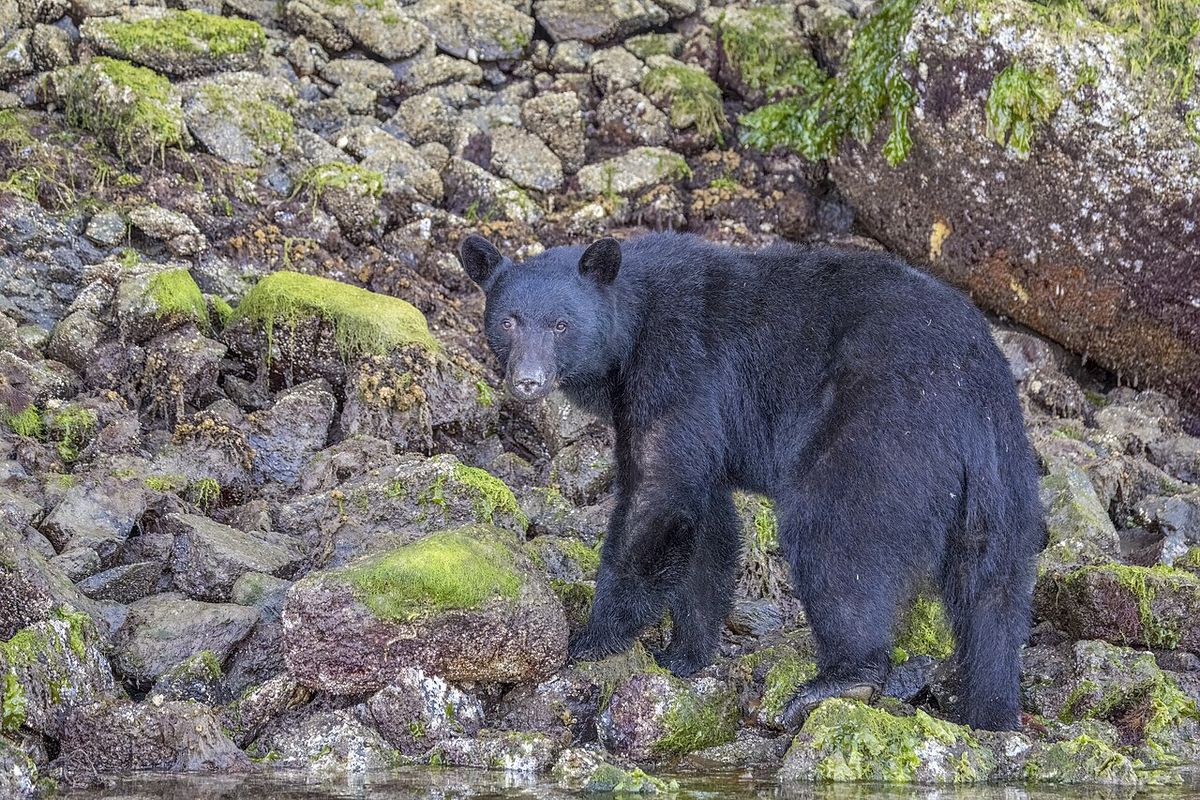
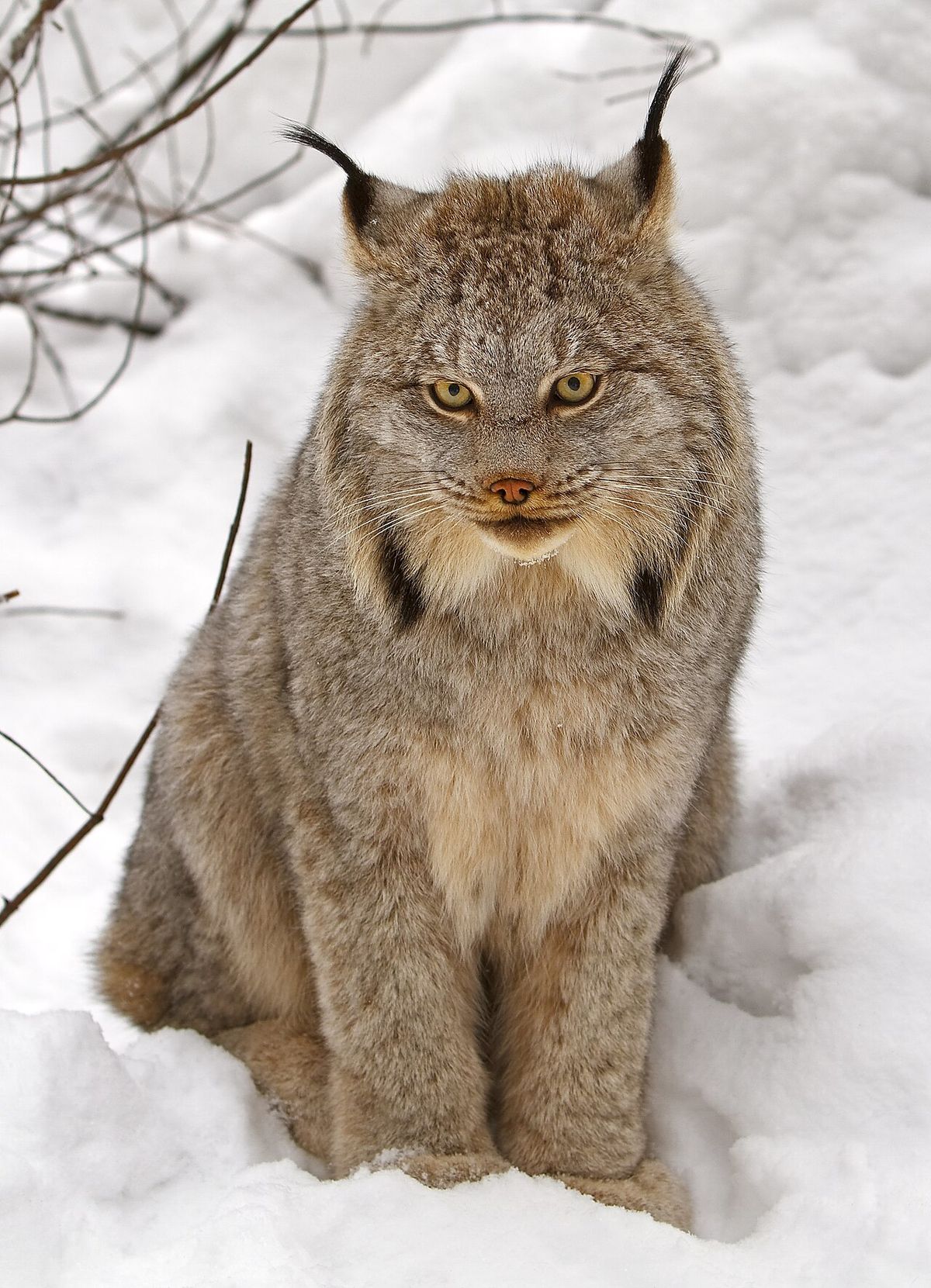
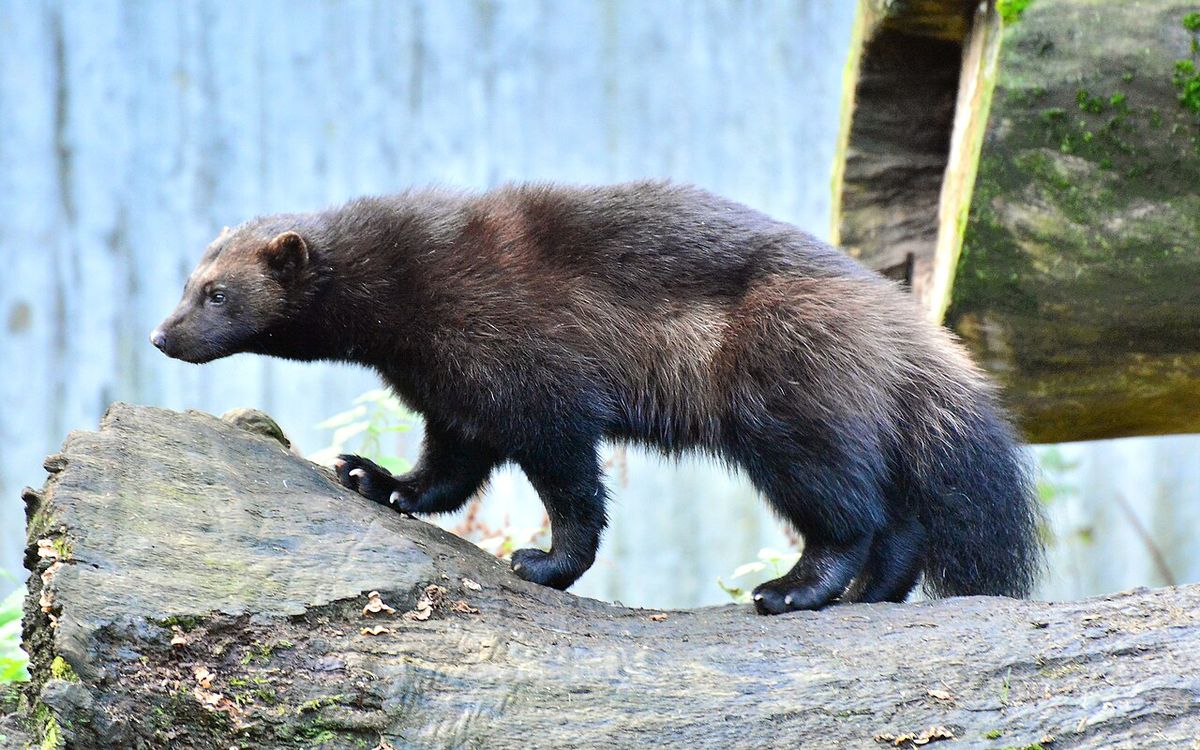
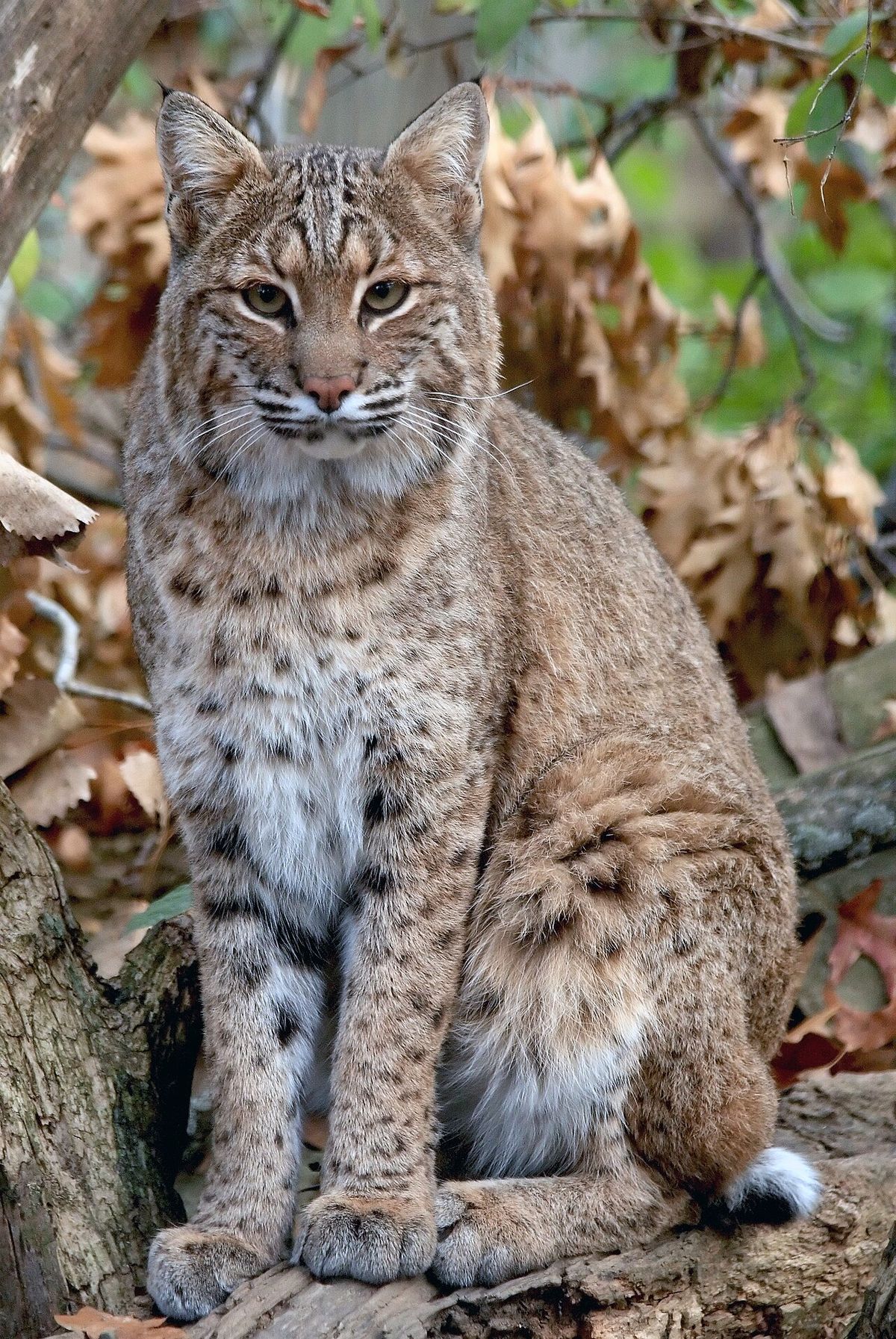
Whooping cranes are omnivorous but have a more carnivorous diet than most other cranes, with only the red-crowned crane possibly being more carnivorous. They forage while walking in shallow water or fields, sometimes probing with their bills. Their diet varies significantly by season and location, leaning heavily on animal material. On their Texas wintering grounds, blue crabs are a critical food source, constituting up to 90 percent of their energy intake during the winters of 1992-93 and 1993-94. This diet is supplemented by wolfberries, other crustaceans, mollusks, fish like eel, grasshoppers, small reptiles including snakes, mice, voles, and aquatic plants. In their Canadian breeding grounds, summer foods include frogs, snakes, small rodents, small birds, fish like minnows, aquatic insects, crayfish, clams, snails, aquatic tubers, and berries. During migration, waste grain such as wheat, barley, and corn from agricultural fields becomes an important food source, though whooping cranes digest grain less efficiently than sandhill cranes because they do not swallow gizzard stones. Their many potential nest and brood predators in Canada include the American black bear, wolverine, gray wolf, cougar, red fox, Canada lynx, bald eagle, and common raven. Golden eagles have killed young whooping cranes and fledglings. In reintroduced populations in the southern United States, bobcats have caused the majority of natural mortalities, including several ambushed adults and the first chick documented to be born in the wild in Florida in 60 years. American alligators have taken a few whooping cranes in Florida, and invasive large snakes like Burmese pythons are also potential predators there.
Conservation History and Captive Breeding Breakthroughs
The whooping crane's decline reached its lowest point in 1941 with only 21 wild birds remaining, 15 in the migratory flock and six survivors from a scattered non-migratory Louisiana population. Early conservation efforts were led by ornithologist Robert Porter Allen of the National Audubon Society, who focused on public education among farmers and hunters. The Whooping Crane Conservation Association was established in 1961 to influence political decisions and educate the public, and the species was declared endangered in 1967. The discovery of the breeding grounds at Wood Buffalo National Park in 1954 was a major step, allowing scientists to observe that while pairs often laid two eggs, rarely did both chicks survive to fledge. This led to a strategy, beginning in the mid-1960s, of removing one egg from two-egg clutches in alternating years for captive breeding, which did not reduce the wild pairs' reproductive success. The withdrawn eggs were sent to the Patuxent Wildlife Research Center in Maryland. Initial captive breeding efforts were difficult. Work began with a female named 'Josephine', the last survivor of the Louisiana population, and two injured migratory birds, 'Pete' and 'Crip'. Although Josephine and Crip produced the first captive whooping crane in 1950, it lived only four days, and decades of effort yielded just four surviving chicks to adulthood from over 50 eggs before Josephine's death in 1965. A significant advance came from George W. Archibald, co-founder of the International Crane Foundation. Beginning in 1976, he spent three years using costume-rearing techniques to condition a female named 'Tex' to lay a fertile egg via artificial insemination. Her single chick, 'Gee Whiz', hatched in 1982 and was successfully raised. Techniques developed at Patuxent, the International Crane Foundation, and the Calgary Zoo created a successful multi-institutional breeding program. A male crane named 'Canus', rescued as a chick in 1964, became a key genetic source, siring, grandsiring, or great-grandsiring 186 captive-bred whooping cranes by his death in 2003.
- 1870: Population estimated at 1,300-1,400 birds.
- 1940: Hurricane scatters Louisiana population.
- 1941: Global population low of 21 wild birds.
- 1954: Breeding grounds identified at Wood Buffalo National Park.
- 1961: Whooping Crane Conservation Association founded.
- 1967: Species declared endangered.
- 1976: George Archibald begins work with crane 'Tex'.
- 1982: 'Gee Whiz', the chick from Tex, hatches.
- 2003: Death of 'Canus', sire to 186 captive cranes.
- 2007: 266 cranes counted at Wood Buffalo.
- 2025: Global population exceeds 830 birds.
Modern Threats and Legal and Habitat Challenges
Despite the population increase, the whooping crane faces serious and ongoing threats. A primary concern is the loss and degradation of critical wetland habitat. On the wintering grounds in Texas, disputes over water management have led to major legal action. The Aransas Project, an environmental group, sued the Texas Commission on Environmental Quality, arguing that inadequate freshwater flows from the San Antonio and Guadalupe rivers during a drought led to the deaths of nearly two dozen whooping cranes in the winter of 2008 to 2009. In March 2013, a federal court ordered the agency to develop a habitat protection plan, though the order was later stayed during appeals. Sea level rise from climate change also threatens to drown the coastal salt marsh habitats in Texas. Other significant threats include collisions with power lines during migration, which are especially dangerous given the birds' large size and migratory pathways. Illegal shootings remain a problem, whether from poaching or misidentification by hunters. In one 2021 incident in Oklahoma, five whooping cranes, approximately one percent of the population at the time, were killed by hunters. The species also suffers from low genetic diversity due to the severe population bottleneck of the 1940s, which limits its ability to adapt to new diseases or environmental changes. Urban development, growing energy infrastructure, and woody plant encroachment further fragment the landscape and limit available habitat.
Reintroduction Programs and Current Population Status
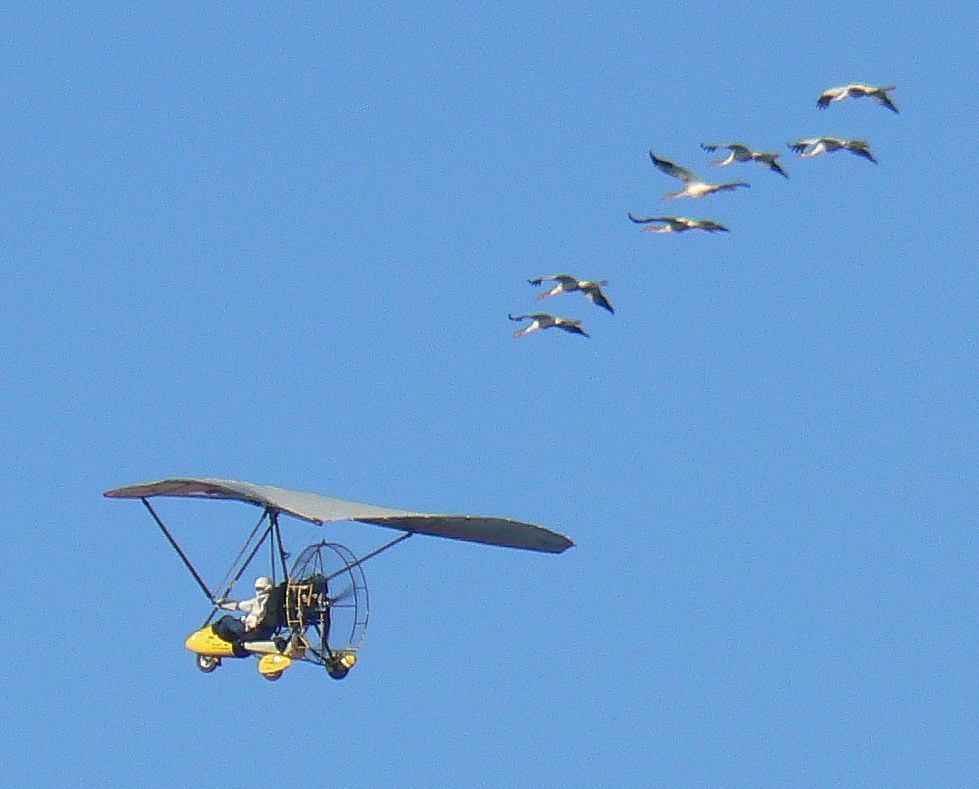
Several reintroduction programs have been launched to establish additional wild populations and provide a buffer against extinction, though none have yet achieved self-sustaining status. The Eastern Migratory Population, bred in Wisconsin, is a primary focus of the Whooping Crane Eastern Partnership. As of September 2026, three parent-reared whooping cranes were released into this population. The non-migratory Louisiana population is another experimental group. These efforts build upon past attempts, including a failed project in Florida. The success of these populations varies, and they are classified as experimental nonessential populations. The foundation of the species' survival remains the original Aransas-Wood Buffalo migratory population. The 2025-26 winter survey estimated about 540 cranes in the primary survey area around Aransas, with another 52 observed outside it. Conservation breeding continues to be essential. Since 1992, the Wilder Institute has led Canada's only conservation breeding program for whooping cranes. The Smithsonian Conservation Biology Institute opened a new breeding facility in Front Royal, Virginia in 2018 with six breeding pairs, using artificial insemination and studying reproductive biology to improve breeding success and genetic management. Their research includes cryopreservation of crane semen to inject genetic diversity into the population in future decades.
| Population | Type | Estimated Size (2025) | Breeding/Wintering Areas | Conservation Status |
|---|---|---|---|---|
| Aransas-Wood Buffalo | Migratory | ~560 individuals | Breeds: Wood Buffalo NP, Canada. Winters: Aransas NWR, Texas. | Self-sustaining, Endangered |
| Eastern Migratory | Reintroduced, Migratory | Part of ~140 in reintroduced flocks | Breeds: Wisconsin, USA. Winters: Southeastern USA. | Experimental, not self-sustaining |
| Louisiana | Reintroduced, Non-migratory | Part of ~140 in reintroduced flocks | Year-round: Coastal Louisiana, USA. | Experimental, not self-sustaining |
| Captive Population | Captive | ~130 individuals | Various breeding/research facilities across North America. | Supporting breeding and reintroduction |
Questions about Whooping crane
Where do whooping cranes live in Canada?
In Canada, the critical habitat for whooping cranes is the remote muskeg taiga of Wood Buffalo National Park, which straddles the border between Alberta and the Northwest Territories. This is the exclusive breeding ground for the primary migratory population. The cranes arrive in the park in spring to nest and raise their young in the wetlands alongside shallow lakes and ponds before beginning their long migration to the Texas coast for the winter. This area represents the last remnant of their former nesting habitat.
Why is the whooping crane endangered?
The whooping crane was driven to the brink of extinction primarily by unregulated hunting and widespread habitat destruction in the 19th and early 20th centuries. By 1941, only 21 wild birds remained. Ongoing threats include habitat loss and degradation, particularly on wintering grounds due to water management issues and sea level rise, collisions with power lines during migration, illegal shootings, and low genetic diversity resulting from the severe population bottleneck. These combined pressures continue to hinder full recovery despite conservation successes.
What do whooping cranes eat?
Whooping cranes are omnivorous with a diet leaning towards animal matter. A staple food on their Texas wintering grounds is the blue crab, which constituted up to 90 percent of their energy intake in the winters of 1992-93 and 1993-94. They also eat wolfberries, other crustaceans, mollusks, fish like eel, grasshoppers, snakes, voles, and aquatic plants. In their Canadian breeding grounds, they consume frogs, small rodents, aquatic insects, and berries. During migration, they forage for waste grain like wheat and corn in agricultural fields.
How are whooping cranes being helped?
Conservation efforts involve many organizations and strategies. They include a successful captive breeding program that supplies birds for reintroduction, strict legal protection under acts like the Endangered Species Act, habitat protection and restoration projects, and public education to reduce shootings. Specific techniques include egg removal from wild nests for captive rearing, costume-rearing of chicks to prevent human imprinting, artificial insemination, and voiceprint analysis for individual monitoring. Organizations like the Whooping Crane Conservation Association, International Crane Foundation, and Wilder Institute coordinate these wide-ranging activities.
What is the lifespan of a whooping crane?
Whooping cranes are long-lived birds. In the wild, their average life expectancy is estimated to be between 22 and 30 plus years. In human care, with reduced threats from predators and environmental stressors, they can live even longer, with lifespans of 35 to 40 years. Some notable individuals have been documented living over 26 years in the wild, such as the male known as 'Lobstick', who was identified through voiceprint analysis after losing his leg band.
How many whooping cranes are left in the world?
As of 2025, the total global population of whooping cranes is just over 830 birds. This number includes about 560 individuals in the remnant migratory Aransas-Wood Buffalo Population, which breeds in Canada's Wood Buffalo National Park and winters on the Texas Gulf Coast at Aransas National Wildlife Refuge. There are approximately 140 birds in two reintroduced, non-migratory flocks in Wisconsin and Louisiana, United States. A further 130 whooping cranes are maintained in captivity as part of ongoing conservation breeding programs at facilities such as the Patuxent Wildlife Research Center and the International Crane Foundation.
Sources and further reading
- Whooping crane (Wikipedia)
- Looking Back on Our Whooping Crane Pledge (calgaryzoo.com)
- Whooping crane (nationalzoo.si.edu)
- Advancing Our Whooping Crane Species Pledge: 2026 ... (wilderinstitute.org)
- Whooping Crane (savingcranes.org)
Checked by the Your Space Hamilton desk. Last updated 2026-10-26.