Steller sea lion
The Steller sea lion (Eumetopias jubatus), also known as Steller's sea lion or the northern sea lion, is the world's largest species of sea lion and a prominent marine mammal of the North Pacific. For Canadians, it is a significant coastal species found along the entire British Columbia coastline, where it is a key part of the marine ecosystem and an important subsistence resource for some Indigenous communities. The species has been the focus of intense scientific study and conservation efforts due to dramatic population declines in parts of its range, particularly in Alaska, leading to its listing under the U.S. Endangered Species Act. While the eastern population, which includes animals in British Columbia, has recovered and been delisted, the western population remains endangered, highlighting ongoing ecological challenges in the North Pacific.
Physical Description and Identification
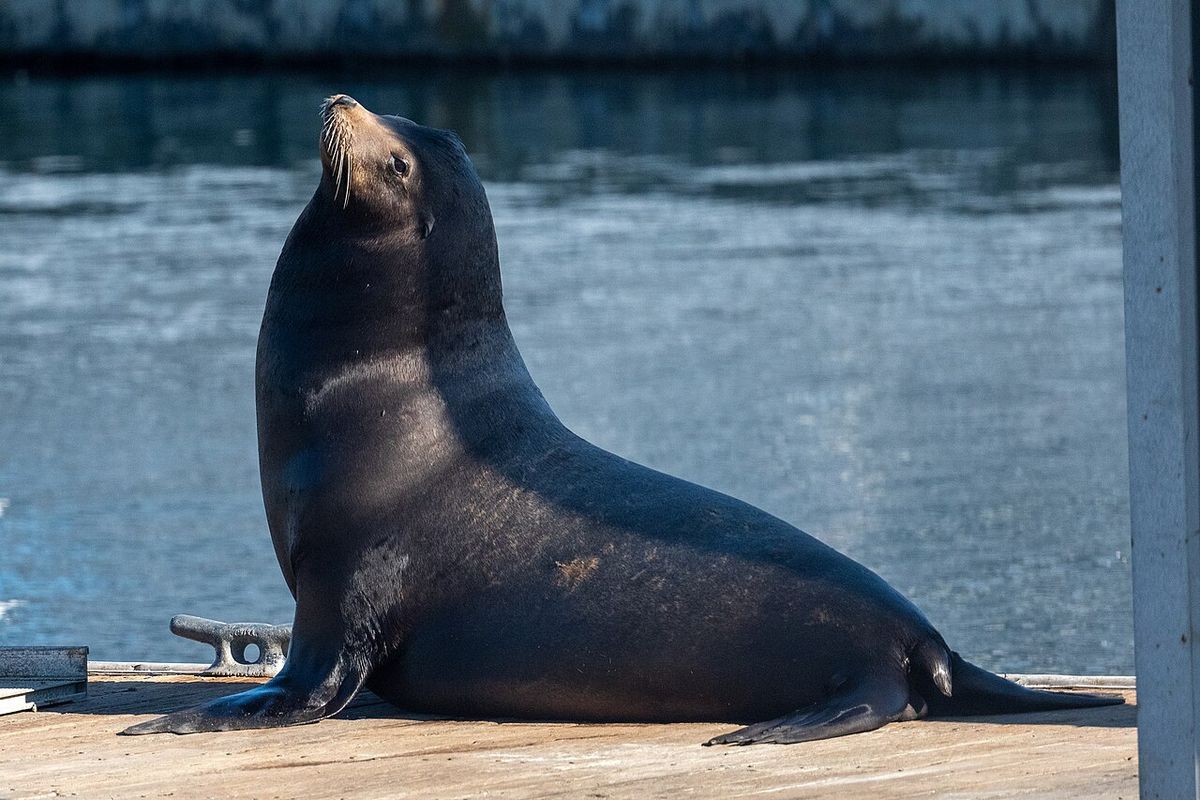
Steller sea lions are the largest members of the eared seal family Otariidae, with only walruses and elephant seals being larger among pinnipeds. Adult animals exhibit significant sexual dimorphism, where males are dramatically larger and heavier than females. Males can grow to between 2.82 and 3.25 metres long and weigh from 450 to 1,120 kilograms, with some reports of males reaching up to 2,500 pounds. Females are considerably smaller, measuring 2.3 to 2.9 metres in length and weighing between 240 and 350 kilograms. Their coloration ranges from pale yellow to tawny and occasionally reddish, which remains visible even when their fur is wet, and they are lighter in colour than most other sea lion species.
Adult males are further distinguished by broader chests, thicker necks, and a prominent mane of coarse hair. They also have broader and higher foreheads with flatter snouts compared to females. Both sexes have long, light-coloured whiskers, known as vibrissae, which they use to sense prey underwater. Their flippers and other hairless skin areas are black. Unlike true seals, Steller sea lions can rotate their hind flippers forward to walk on land, and they are capable climbers, sometimes found on rocky cliffs high above the water. Newborn pups are born almost black, weighing around 23 kilograms, and darken for several months before lightening to the adult colouration.
Range and Habitat
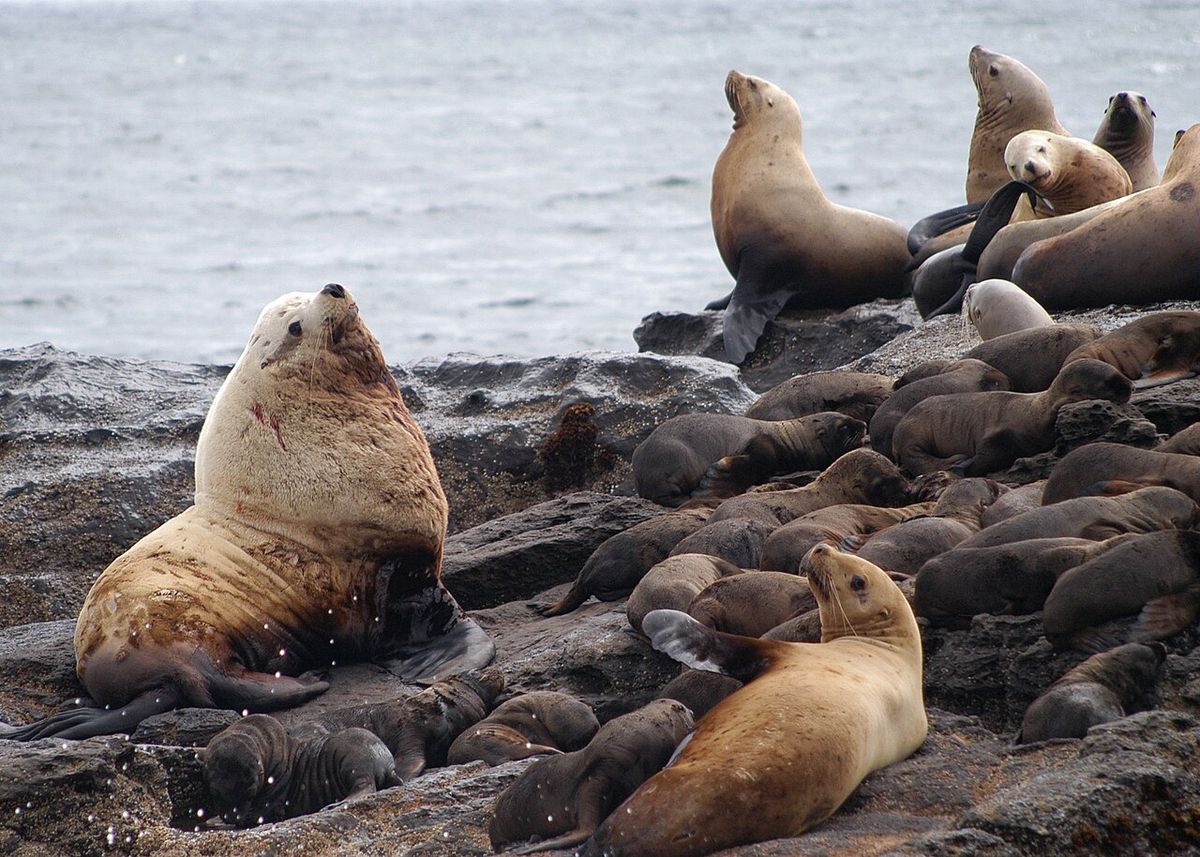
The Steller sea lion's range extends across the cool temperate and subarctic coastal waters of the North Pacific Ocean. Its distribution stretches from the northern coast of Honshu, Japan, across the Sea of Okhotsk, the Aleutian Islands, and the Gulf of Alaska, down the coast of North America to Año Nuevo Island off central California. In Canada, they are found along the entire coast of British Columbia. The global population is divided into distinct stocks, primarily separated at 144°W longitude near Cape Suckling, Alaska. The eastern stock includes animals from California to Southeast Alaska, while the western stock includes those from the central Gulf of Alaska west through the Aleutians to Russia.
Recent evidence suggests a third, separate Asian stock exists in the Sea of Okhotsk and Kuril Islands. Steller sea lions are amphibious, spending time both in the water feeding and hauled out on land. They prefer isolated, rocky islands for terrestrial activities like breeding, molting, and resting, as these locations offer protection from land predators and provide cooling winds. These haul-out sites, known as rookeries when used for breeding, are critical to their life cycle. Their presence in specific locations can be influenced by prey availability, predator abundance, tide levels, and weather conditions.
- Eastern Stock: Ranges from California to Southeast Alaska, including British Columbia.
- Western Stock: Ranges from the central Gulf of Alaska west through the Aleutian Islands to Russia.
- Asian Stock: A potential third stock in the Sea of Okhotsk and Kuril Islands.
- Historic southern limit included the Channel Islands, but they have not bred there since the 1980s.
- Seasonal shifts occur, with some movement southward in summer and consistent winter haul-outs around Hokkaidō, Japan.
Diet and Foraging Behaviour
Steller sea lions are skilled and opportunistic marine predators with a diverse diet. They feed on a wide range of fish and cephalopod species, foraging primarily at night. Important prey items include walleye pollock, Atka mackerel, halibut, herring, capelin, Pacific cod, rockfish, sculpins, Pacific salmon, sand lance, and various species of squid and octopus. Their diet composition varies significantly by season and geographic location, as they concentrate on the most locally abundant prey. They are known to forage between intertidal zones and continental shelves, often in groups of up to twelve individuals in areas of high prey density.
They sometimes aggregate near fishing vessels to feed on bycatch discards. On rare occasions, they have been documented preying on other marine mammals, including northern fur seals, harbour seals, and sea otter pups. In estuarine environments, such as the Columbia River, they feed on fish like white sturgeon and salmon. Their sensitive whiskers help them detect vibrations in the water, allowing them to hunt effectively even in murky conditions. Most data on their foraging ecology comes from studies off Alaska, with less known about their feeding behaviour in other parts of their range.
Life History and Reproduction
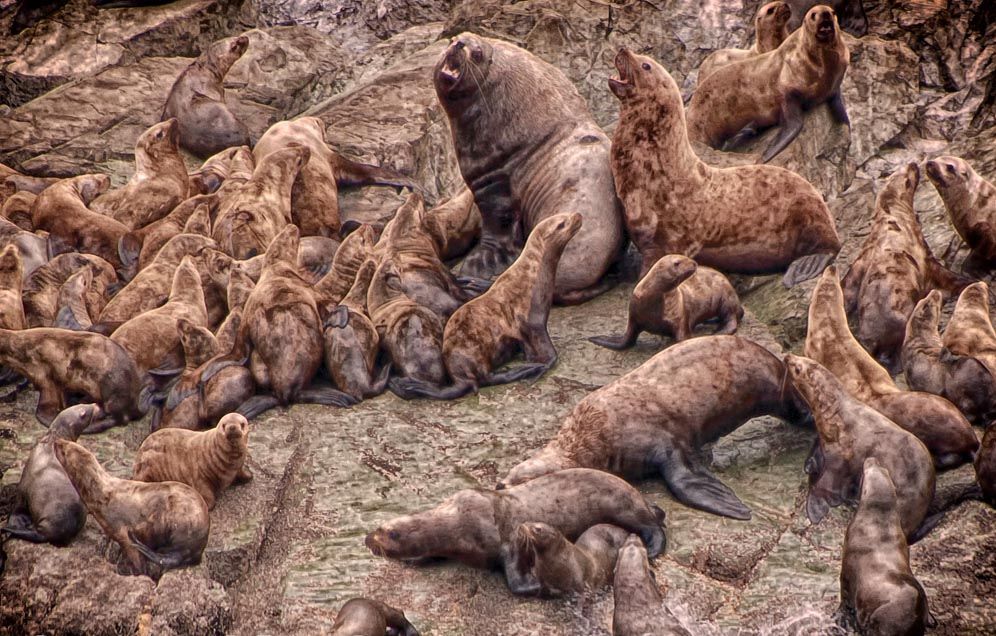
Steller sea lions have a polygynous mating system, where reproductively successful males mate with multiple females. In mid-spring, mature males gather on traditional rookeries and establish territories, which they defend for up to 60 days. These territories can be aquatic, semiaquatic, or terrestrial, with males holding semiaquatic territories having the most breeding success. Females arrive about a week after the males and form fluid groups, moving freely among male territories. Unlike some sea lions, males do not herd females into rigid harems but control the space through which females move.
Pregnant females give birth soon after arriving on the rookery, typically to a single pup. Copulation occurs one to two weeks after birth, but the fertilized egg undergoes delayed implantation, not attaching to the uterus until fall. Females nurse their pups for a week without leaving, then begin taking progressively longer foraging trips. Pups may be weaned anywhere from one to four years of age, an unusually long and variable period. Remarkably, incidents of mothers nursing their daughters who are simultaneously nursing their own newborn pups have been documented, a rare occurrence among mammals. Reproductive males fast throughout the entire breeding season, from mid-May until August, relying on fat reserves.
Population Trends and Conservation Status
Steller sea lion populations have experienced complex and divergent trends across their range, leading to significant conservation actions. The eastern distinct population segment, which includes animals from British Columbia south to California, declined in the past but has shown a strong recovery. It increased at an average rate of 4.25 percent per year between 1987 and 2017, leading to its removal from the U.S. Endangered Species List in October 2013. In contrast, the western distinct population segment, found in Alaska and Russia, declined by an estimated 70 to 80 percent from the 1970s to the early 2000s. It was listed as endangered in 1997 and, despite a slow overall increase since 2003, continues to face declines in the central and western Aleutian Islands.
The causes of the western stock's decline are believed to involve several interconnected factors. The leading hypothesis is nutritional stress related to a shift in prey from fatty fish like herring and capelin to leaner species like pollock, often called the 'junk-food hypothesis'. Other potential factors include increased predation by killer whales and sharks, indirect effects of climate change on prey availability, disease, contaminants, and historical shooting by fishermen. The North Pacific marine heatwave of 2014 to 2016 was associated with declines in pup productivity and adult female survival in parts of the Gulf of Alaska. The species is listed as Near Threatened on the IUCN Red List and remains protected in Canada and the United States under acts like the Marine Mammal Protection Act.
| Population Segment | Range | Trend (Late 20th/Early 21st Century) | Current U.S. ESA Status |
|---|---|---|---|
| Eastern DPS | California to Southeast Alaska | Strong recovery, 4.25% annual increase (1987 to 2017) | Delisted (2013) |
| Western DPS | Central Gulf of Alaska west to Russia | Declined 70-80%, slow increase since 2003 but regional declines continue | Endangered |
Interactions with Humans
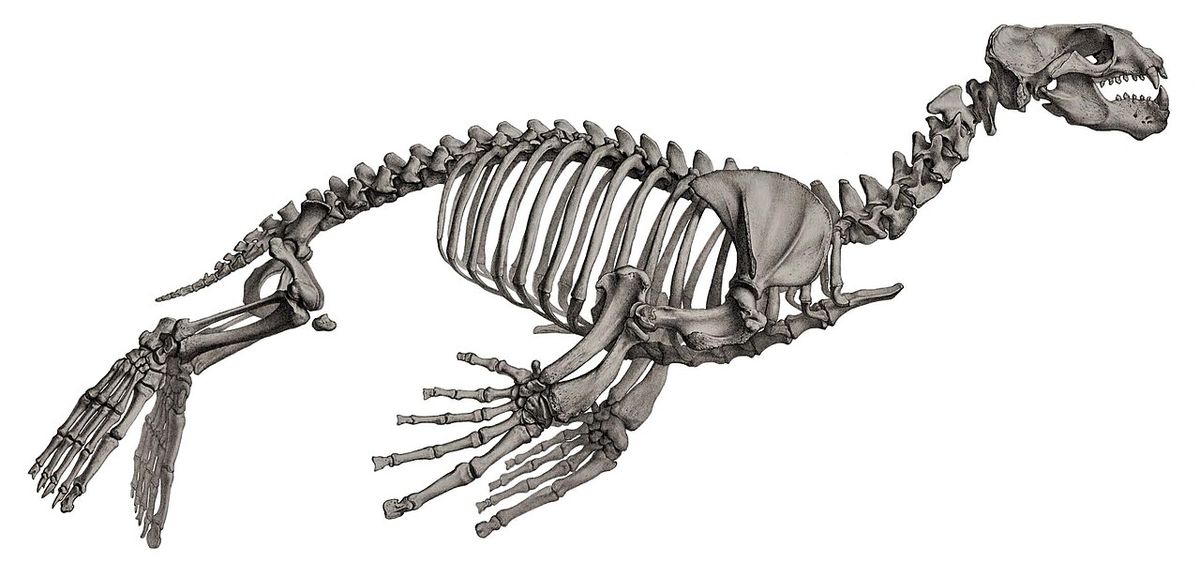
Steller sea lions have a long history of interaction with human communities throughout their range. Indigenous peoples and early settlers hunted them for meat, hides, oil, and other products, with their skins historically used to cover kayaks and baidarkas. A limited subsistence harvest of around 300 animals or less per year continues in some Alaska Native communities. In Canada, commercial hunting is prohibited, but limited permits are occasionally granted for First Nations subsistence or for culling nuisance animals threatening fish farms. In Japan, a fixed number are still harvested annually, ostensibly to protect fisheries.
Conflict with commercial fisheries persists, as sea lions are sometimes viewed as competitors for fish stocks and are intentionally killed despite legal protections in the U.S. and Russia. In places like the Columbia River estuary, their predation on endangered salmon and sturgeon has created management challenges. Authorities are required to use non-lethal deterrence methods, such as rubber bullets and noise makers, as the species is protected. The public is prohibited from interfering with or harassing sea lions, offences that can carry fines or jail time, due to the stress it causes the animals and the potential danger from their large size and aggression. Their meat is used in some local cuisines in Japan, such as in curry or canned souvenirs.
- Subsistence hunting continues in some Alaska Native communities.
- In Canada, hunting is prohibited except for limited First Nations or culling permits.
- Conflict with fisheries leads to occasional illegal killing.
- Protected under the U.S. Marine Mammal Protection Act and Canadian regulations.
- Non-lethal deterrence is mandated for managing conflicts with fisheries.
- Public harassment or interference is illegal and punishable.
Behaviour and Adaptations
Steller sea lions are highly social, vocal animals that live in large colonies. They communicate with a range of sounds, including belches, growls, snorts, and roars, which are deeper and lower in frequency than the barks of California sea lions. These vocalizations are critical for social interactions, territorial defence, and, most importantly, for mother-pup recognition in crowded rookeries. Both mothers and pups have distinctive calls that function like names. Their hearing is sensitive, with females having higher sensitivity, likely to hear the higher-frequency calls of their pups, and they can hear the underwater calls of killer whales, a primary predator.
They are powerful swimmers, using their broad front flippers for propulsion and achieving speeds comparable to the smaller California sea lion. Research indicates most thrust is generated during the drive phase of the foreflipper stroke. For diving, they exhibit physiological adaptations like apnea, bradycardia, and peripheral vasoconstriction to conserve oxygen, and their thick blubber provides insulation. Their aerobic diving limit is influenced by their nutritional state. They are shallow divers but can hold their breath for up to approximately 16 minutes. Their maneuverability in water is considered superior to cetaceans but inferior to many fish.
Questions about Steller sea lion
Where can you see Steller sea lions in Canada?
Steller sea lions are found along the entire coast of British Columbia. They congregate on isolated rocky islands and coastlines, which serve as haul-out sites and rookeries. Specific locations include the waters around Vancouver Island, such as Cowichan Bay, where they gather in November to feed on returning salmon runs. They are also present in the many island chains and inlets along the BC coast. Sightings can occur year-round, though their presence at specific haul-out sites may vary with the season, prey availability, and breeding cycles.
How can you tell a Steller sea lion from a California sea lion?
Several key features distinguish the larger Steller sea lion from the California sea lion. Steller sea lions are much bigger, with males weighing up to three times more than male California sea lions. Their colouration is lighter, ranging from blonde to reddish-brown, compared to the darker brown of California sea lions. Steller sea lions have a blockier head with a flatter snout and lack the pronounced sagittal crest (forehead bump) seen on mature male California sea lions. Vocally, Steller sea lions produce deep roars and growls, while California sea lions have characteristic sharp barks.
Why did Steller sea lion populations decline?
The severe decline of the western Steller sea lion population, primarily in Alaska, is attributed to a complex set of interrelated factors. The leading scientific hypothesis is nutritional stress caused by a shift in their diet from energy-rich fatty fish like herring and capelin to leaner prey like pollock, often termed the 'junk-food hypothesis'. Other contributing factors likely include increased predation by killer whales and sharks, indirect effects of climate change on ocean ecosystems and prey availability, historical shooting by fishermen, disease, and environmental contaminants. The exact combination and magnitude of these threats are still studied.
Are Steller sea lions dangerous to humans?
Yes, Steller sea lions can be dangerous due to their massive size and potential for aggression, especially during the breeding season or if they feel threatened. Adult males can weigh over a thousand kilograms and are powerful animals. There are reports of them damaging small boats. For this reason, it is illegal and strongly advised for the public to never approach, feed, or attempt to interact with them. Harassment of marine mammals, including sea lions, is strictly prohibited under laws like Canada's Marine Mammal Regulations and the U.S. Marine Mammal Protection Act, with violations subject to significant penalties.
What is being done to protect Steller sea lions?
Steller sea lions are protected under multiple regulations. In the United States, the western population is listed as Endangered under the Endangered Species Act, and all are protected under the Marine Mammal Protection Act. In Canada, they are protected under the Fisheries Act and Marine Mammal Regulations. Conservation measures include prohibiting hunting (with limited exceptions), monitoring populations through aerial surveys and pup counts, and researching threats like nutritional stress and predation. Fisheries management in the U.S. includes measures to reduce competition for key prey species. When conflicts arise, such as at fish ladders, authorities use only non-lethal deterrence methods.
How big can a Steller sea lion get?
Steller sea lions are the largest of all sea lions and among the largest pinnipeds. Adult males are significantly larger than females. Exceptional males can reportedly weigh up to 2,500 pounds. Adult females are much smaller, measuring 2.3 to 2.9 metres (7.5 to 9.5 feet) and weighing 240 to 350 kilograms (530 to 770 pounds), averaging about 263 kilograms. This extreme size difference between the sexes is known as sexual dimorphism.
Sources and further reading
- Steller sea lion (Wikipedia)
- Steller Sea Lion (fisheries.noaa.gov)
- Steller Sea Lion (nationalgeographic.com)
- Steller sea lion (dolfinarium.nl)
Checked by the Your Space Hamilton desk. Last updated 2026-10-27.