MS Chi-Cheemaun
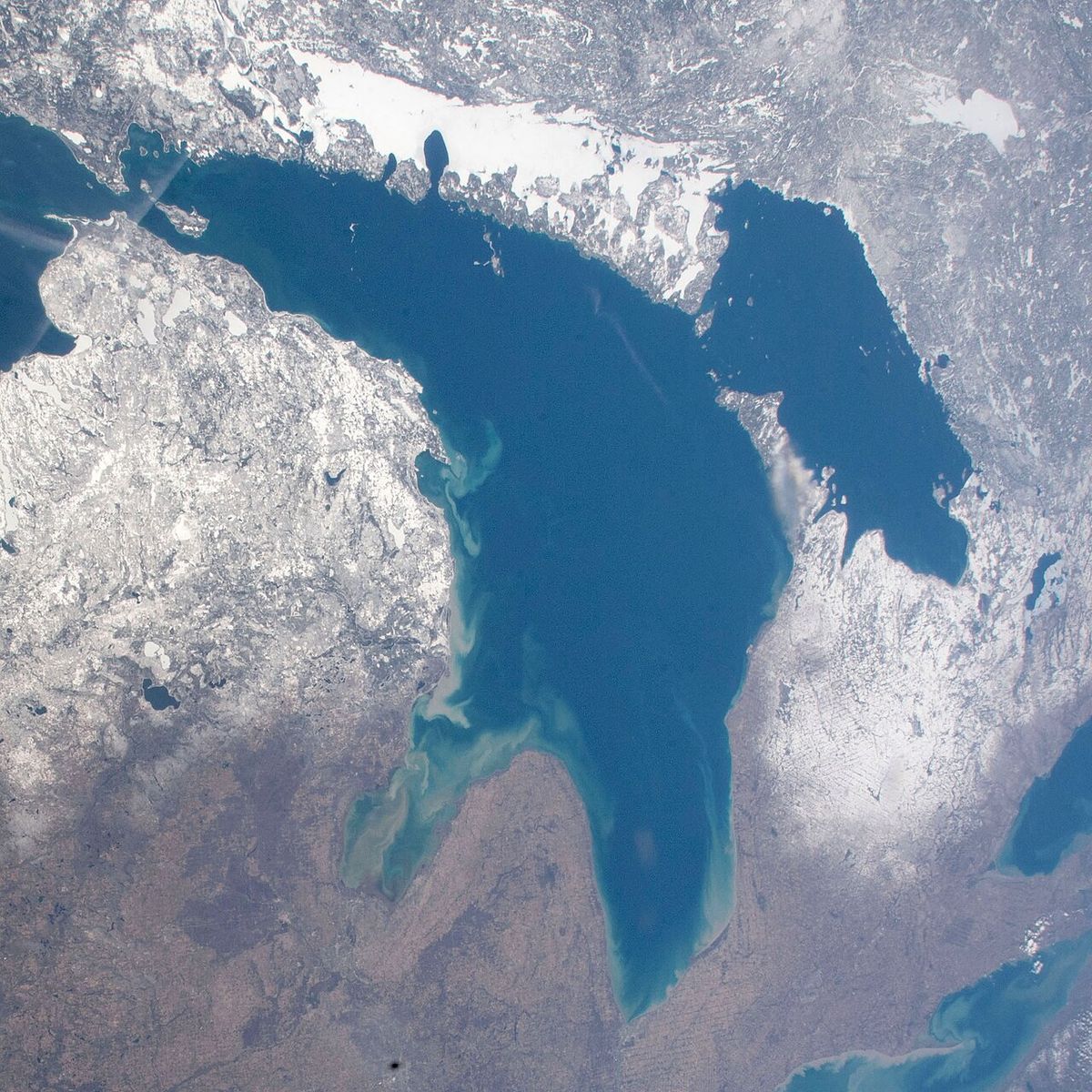
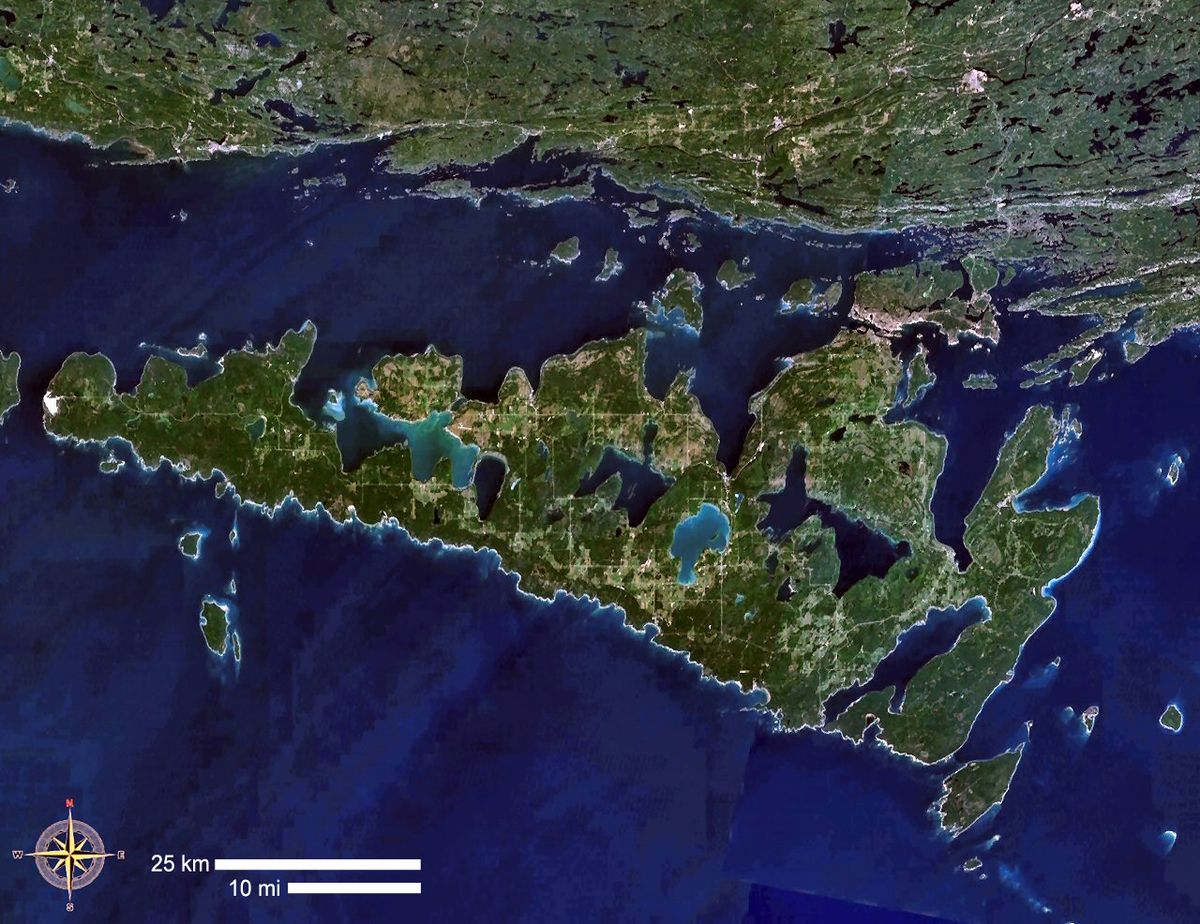
The MS Chi-Cheemaun is a Canadian passenger and vehicle ferry that operates seasonally on Lake Huron, connecting Tobermory on the Bruce Peninsula with South Baymouth on Manitoulin Island. Owned by the provincial Owen Sound Transportation Company, the ferry provides a vital transportation link between the two separated sections of Ontario Highway 6. Its name, meaning "big canoe" in Ojibwe, reflects its role as a modern continuation of a Georgian Bay crossing tradition dating to the 1930s. As of 2022, it is the third-largest passenger vessel on the Great Lakes, offering a scenic 40-kilometre voyage that takes approximately one hour and 45 minutes.
History and Technical Specifications
The MS Chi-Cheemaun entered service in 1974, replacing the earlier ferries MS Norgoma and SS Norisle on the Lake Huron route. The vessel was built with a drive-on, drive-off design featuring a visored bow and a square stern door for efficient vehicle loading and unloading. Originally, the ship was propelled by two Ruston diesel engines producing 3,500 horsepower each, supported by an 800-horsepower bow thruster engine for enhanced low-speed manoeuvrability. A significant mechanical overhaul occurred during the 2006 to 2007 winter layover, when the original engines were replaced with four more modern Caterpillar C280-6 diesel engines, each rated at 2,320 horsepower.
This refit also saw the bow thruster replaced with a 500 kW electric motor and the installation of three new Caterpillar 3508B/SR4B diesel generator sets to support increased electrical demands of 1,800 kW. An earlier modification in 1982 added two mezzanine decks to the vehicle hold, substantially increasing the ferry's capacity for cars and trucks. For over five decades, the Chi-Cheemaun has been operated by the Owen Sound Transportation Company, an agency of the Ontario Ministry of Transportation. The ferry had a sister ship, the Nindawayma, which operated on the same route from 1989 to 1992 before being retired due to service problems and public dissatisfaction.
The Nindawayma was eventually broken up for scrap at Purvis Marine in Sault Ste. Marie, Ontario in 2012. Following the conclusion of its 2026 sailing season, the Chi-Cheemaun itself entered a scheduled maintenance period, departing Owen Sound Harbour on October 20, 2026, for dry dock in Hamilton, Ontario. This maintenance follows thousands of voyages, cementing the vessel's place as an inseparable part of the Georgian Bay landscape.
Route and Operational Details
The Chi-Cheemaun sails across a 40-kilometre (25-mile) stretch of Lake Huron's Georgian Bay, linking the communities of Tobermory and South Baymouth. This connection effectively bridges the two non-contiguous segments of Ontario Highway 6, providing a crucial transportation corridor for residents, commercial traffic, and tourists. The ferry operates on a seasonal schedule, typically running from mid-May to mid-October each year, as exemplified by the 2026 season which ran from May 1 through October 18. During the peak summer season, the vessel completes three crossings per day, while in the shoulder seasons of May, June, September, and October, it generally runs twice daily with an additional Friday sailing.
The standard crossing time is about one hour and 45 minutes, though this can extend to approximately two hours during off-peak periods. The operational rules for passengers are specific and strictly enforced. Reservations are mandatory for all passengers, including walk-ons, and must be made at least four hours prior to the desired departure time. Full payment is processed at booking using Visa, Mastercard, American Express, or Visa debit, with charges appearing as 'Owen Sound Transportation' on credit card statements. Passengers must check in at the terminal ticket booth no later than one hour before sailing, or their reservation is forfeited.
The ferry company has implemented a structured cancellation and amendment policy with several key provisions. Cancellations or rescheduling 48 or more hours prior to departure receive a full refund, while cancellations or rebookings 24 to 48 hours prior to departure receive a half-fare refund. Cancellations or rebookings with under 24 hours notice receive no refund, and vehicle changes required within four hours of departure may incur a $3.00 amendment fee at check-in. Changes prior to four hours must be made by calling Reservations at 1-800-265-3163. Daily parking fees are charged at both terminal lots, which are reserved for ferry users on a first-come, first-served basis, with vehicles at risk of being towed if they do not display a valid pass purchased from the terminal office.
Onboard Amenities and Passenger Experience
The Chi-Cheemaun offers a range of amenities designed to enhance the passenger journey across Georgian Bay. A full-service cafeteria operates daily, serving classic breakfast options, lunch through midday, and dinner into the evening with viewing windows so travellers do not miss the scenic passage. Passengers can also relax in the aft lounge, which offers cocktails, craft beer, and local wines. The vessel features comfortable Muskoka chairs on deck, providing an ideal vantage point to enjoy the rugged beauty of the Bruce Peninsula and Manitoulin Island, often highlighted by spectacular sunsets.
The onboard "Boatique" gift shop sells Chi-Cheemaun merchandise and souvenirs from Manitoulin Island, allowing visitors to take a memento of their trip. The ferry also serves as a cultural and educational venue during the crossing. The company regularly hosts world class musicians and performers on many sailings, creating a unique concert setting on the water. A rotating selection of contemporary art is displayed in a floating gallery, and interpretation sessions are held with Wikwemikong Tourism and Parks Canada to teach passengers about the biological and cultural marvels of the region.
The ship has a large vehicle deck with capacity for 143 vehicles, including room for large highway vehicles such as buses and transport trucks. All passengers must vacate the vehicle deck during passage for safety reasons. Vehicles are loaded and unloaded at the owner's risk, and the Owen Sound Transportation Company assumes no responsibility for the contents of any vehicle or for damage. Elevator and wheelchair access to the ship is available via the passenger ramp in Tobermory and South Baymouth.
Supporting Services and Communications
Two dedicated low-power radio stations broadcast schedule and tourist information to travellers using the ferry service. CHEI-FM 89.9 serves the South Baymouth terminal, while CHEE-FM 89.9 broadcasts in Tobermory, providing timely updates and notices. The Owen Sound Transportation Company manages all reservations and customer inquiries through a central phone line and email. The company's website and these communication channels are the primary sources for the annual sailing schedule, which is typically released in March for the upcoming season, as seen with the 2027 schedule announced to open for reservations in March 2027. Special promotions are occasionally offered to riders, such as a 50 percent discount on all walk-on fares for travel on specific dates like August 8, 2026. The company also engages the public with events like marine safety demonstrations, having invited the community to observe a Marine Evacuation System Safety Drill in Owen Sound Harbour on October 19, 2026 at 9:00 a.m. These services and communications ensure the ferry remains an integrated and responsive part of the regional transportation network.
Cultural Significance and Regional Impact
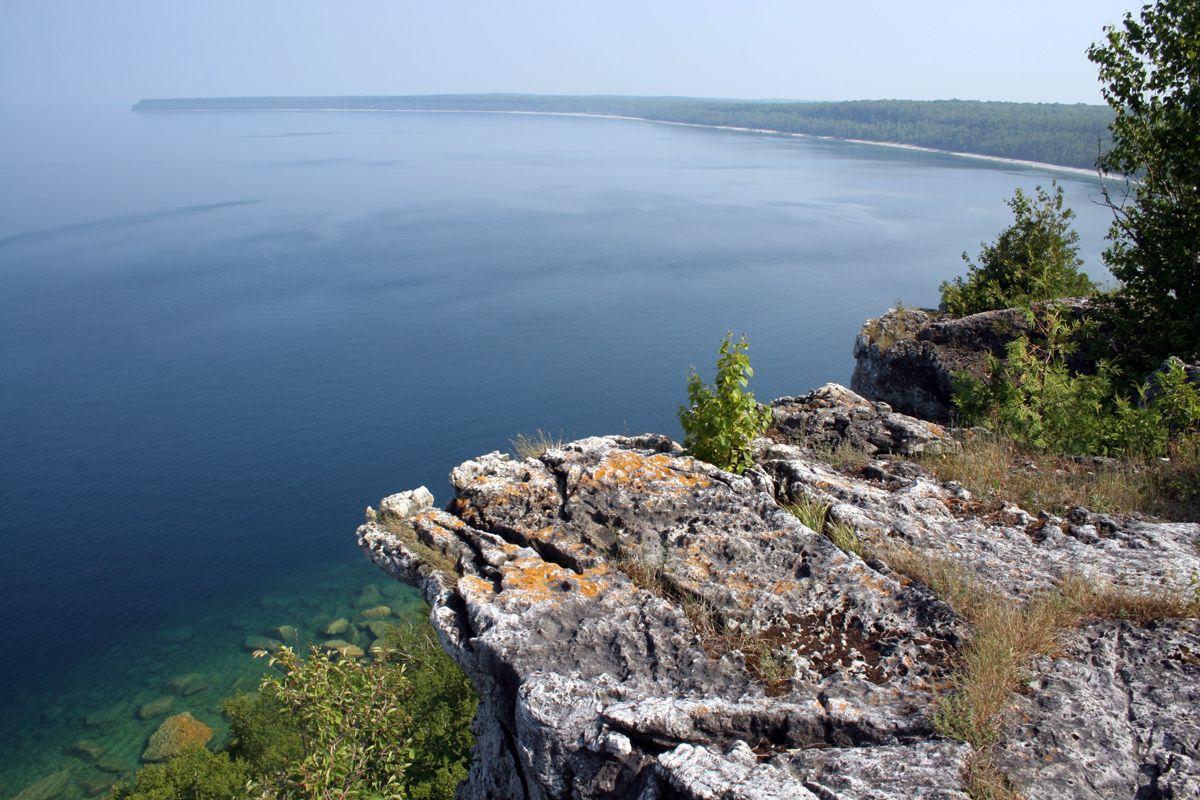
The Chi-Cheemaun is more than a transportation link, it is a cultural institution woven into the fabric of Georgian Bay. Its operation continues a tradition of ferry service on the route that began in the 1930s with the small wooden vessel Kagawong. The ferry provides essential economic and social connectivity for the communities of Manitoulin Island, known as Mnidoo Mnising, and the Bruce Peninsula, facilitating tourism, commerce, and personal travel. For visitors, the voyage offers a gateway to the pristine wilderness of the island and the dramatic cliffs and forests of the Bruce Peninsula, which are renowned for hiking the Bruce Trail, snorkelling among shipwrecks, and ecological tourism.
Literally translated, the name "chi-cheemaun" means "big canoe" in Ojibwe. Throughout the sailing season, the ferry hosts interpretation sessions with Wikwemikong Tourism and Parks Canada to teach about the region's cultural marvels. The vessel connects the Bruce Peninsula and Manitoulin Island, enabling access to these regions for thousands of passengers each season. Its presence on Georgian Bay has become a long standing Great Lakes tradition and a part of the landscape.
Comparative Context and Fleet History
As of 2022, the MS Chi-Cheemaun holds the distinction of being the third largest passenger vessel sailing the Great Lakes. It is surpassed in size only by the expedition cruise liner Viking Octantis and the coal-fired steamship ferry SS Badger, which operates on Lake Michigan. Several larger vessels that previously served the Great Lakes remain in service elsewhere in the world. The Chi-Cheemaun's history is part of a longer narrative of ferry service on Lake Huron managed by the Owen Sound Transportation Company.
The MS Chi-Cheemaun is the vessel that replaced MS Norgoma and SS Norisle in 1974. From 1989 to 1992, her sister ship, Nindawayma, ran the same route but was retired because of service problems. The Nindawayma sat rusting in Owen Sound, Ontario, and was finally broken up in 2012. Like her predecessors on Lake Huron, Chi-Cheemaun is owned by the Owen Sound Transportation Company, an agency of the Ontario Ministry of Transportation.
- Kagawong (1930s): The small wooden vessel that began the vehicle ferry service between Tobermory and South Baymouth.
- MS Norgoma (pre-1974): One of the passenger and vehicle ferries replaced by the Chi-Cheemaun.
- SS Norisle (pre-1974): The other ferry replaced by the Chi-Cheemaun in 1974.
- MS Chi-Cheemaun (1974 to present): The current ferry, with a length of 111 metres and a beam of 19 metres.
- Nindawayma (1989 to 1992): The Chi-Cheemaun's sister ship, retired due to service problems and scrapped in 2012.
The ferry connects the two geographically separate portions of Highway 6. The addition of two mezzanine decks in 1982 increased the ship's vehicle carrying capacity. During the 2006 to 2007 winter layover, her original engines were replaced with new, more modern diesel engines. The vessel undergoes regular maintenance, such as entering dry dock following a sailing season for necessary work.
Questions about MS Chi-Cheemaun
What types of vehicles can the ferry carry?
The Chi-Cheemaun has a vehicle deck capacity for 143 vehicles. It is designed to accommodate a wide range of transportation, including standard passenger cars, transport trucks, buses, and large recreational vehicles (RVs). The deck also has room for motorcycles and bicycles. The addition of mezzanine decks in 1982 increased this overall capacity.
What does the name Chi-Cheemaun mean?
The name Chi-Cheemaun means "big canoe" in the Ojibwe language. In the more standard Fiero double vowel spelling, it is written as chi-jiimaan. This name aptly describes the vessel's role as a major passenger and vehicle ferry on the Great Lakes. The ferry is a significant part of the local cultural and transportation landscape, connecting communities across Georgian Bay. Its name reflects a long standing tradition of travel on these waters.
How long does the ferry crossing take?
The MS Chi-Cheemaun completes the 40 kilometre (25 mile) crossing in about one hour and 45 minutes. This is the standard travel time during the peak summer season. The trip duration is approximately two hours during the off peak seasons in May, June, September, and October. The vessel makes this journey multiple times a day, connecting Tobermory on the Bruce Peninsula with South Baymouth on Manitoulin Island.
Do I need a reservation to ride the Chi-Cheemaun?
Yes, reservations are required for all passengers, whether they are walking on or travelling in a vehicle. Reservations must be made at least four hours prior to the desired departure time. Full fare is charged at the time of booking using major credit cards or Visa debit. Reservation holders must check in at the ticket booth a minimum of one hour prior to sail time or the reservation becomes void.
When does the Chi-Cheemaun operate each year?
The MS Chi-Cheemaun operates on a seasonal schedule from mid May to mid October. For instance, the 2026 sailing season specifically ran from May 1 through October 18. Following the end of the sailing season, the vessel is taken out of service for winter maintenance, which includes periods in dry dock. The ferry typically makes three crossings per day during peak season and twice daily with an extra Friday trip during the shoulder months.
What amenities are available on board during the crossing?
Onboard amenities include a full cafeteria serving breakfast, lunch, and dinner daily. Passengers can unwind with a cocktail, craft brew, or local wine in the aft lounge. The ship also features a gift shop called the Boatique, a rotating selection of contemporary art in a floating gallery, and live musical performances on many sailings. Interpretation sessions with Wikwemikong Tourism and Parks Canada are hosted to educate passengers about the region.
Sources and further reading
- MS Chi-Cheemaun (Wikipedia)
- MS Chi-Cheemaun, Owen Sound Transportation Company (ontarioferries.com)
Checked by the Your Space Hamilton desk. Last updated 2026-10-24.