Coregonus artedi
Coregonus artedi, commonly known as the cisco or lake herring, is a native freshwater whitefish species of significant historical, ecological and economic importance across Canada. Once the most abundant fish in the Great Lakes, supporting massive commercial fisheries, its populations have dramatically declined due to overfishing, invasive species and habitat degradation. The fish remains a crucial prey species for predators like lake trout and is the focus of extensive contemporary restoration efforts across the Great Lakes basin. Understanding the biology and status of Coregonus artedi is key to the health of Canada's inland coldwater ecosystems.
Description and Biology
Coregonus artedi is a slender, silvery pelagic fish with a distinctive pinkish iridescence on its sides. It inhabits the cold, open waters (the midwater zone) of lakes and large rivers across its range. The species typically grows to between 28 and 38 centimetres in length and weighs between 170 and 907 grams, though rare individuals can reach 40 centimetres and 2.3 kilograms. Its diet consists predominantly of zooplankton and insect larvae, but it is also known to consume fish eggs and larvae, including those of its own species, and occasionally small minnows. As a key forage fish, the cisco is preyed upon by a wide variety of predatory species, most importantly the native lake trout, but also rainbow trout, northern pike, burbot, yellow perch and walleye. The species is highly sensitive to environmental changes, particularly fluctuations in water temperature and dissolved oxygen levels, which influences its distribution and vulnerability. This sensitivity makes it an important indicator species for the health of coldwater lake ecosystems.
Historical Range and Population Collapse
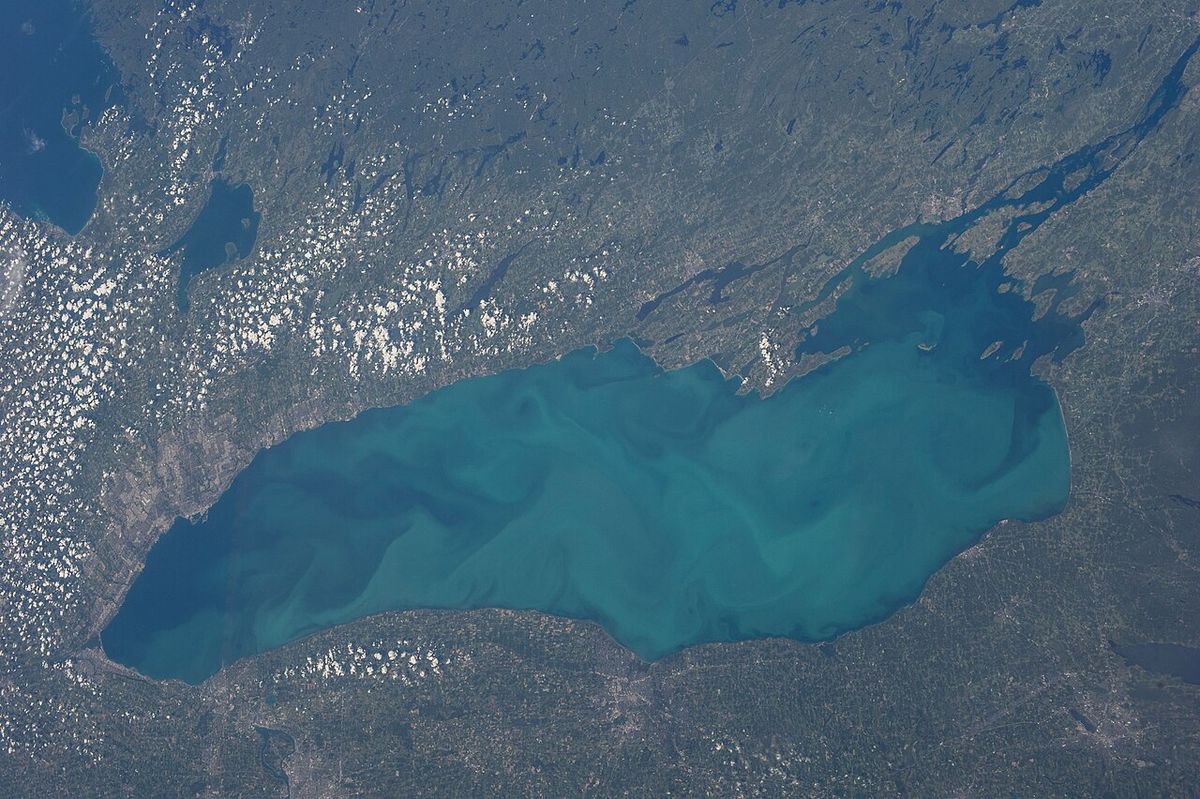
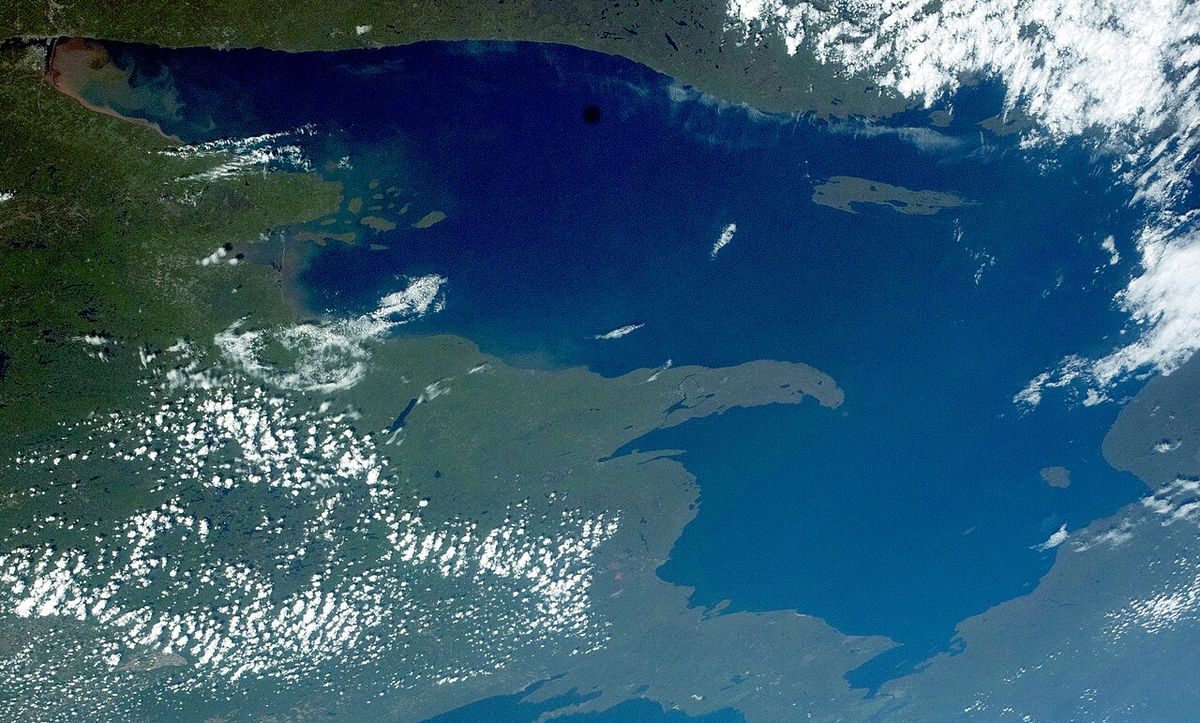
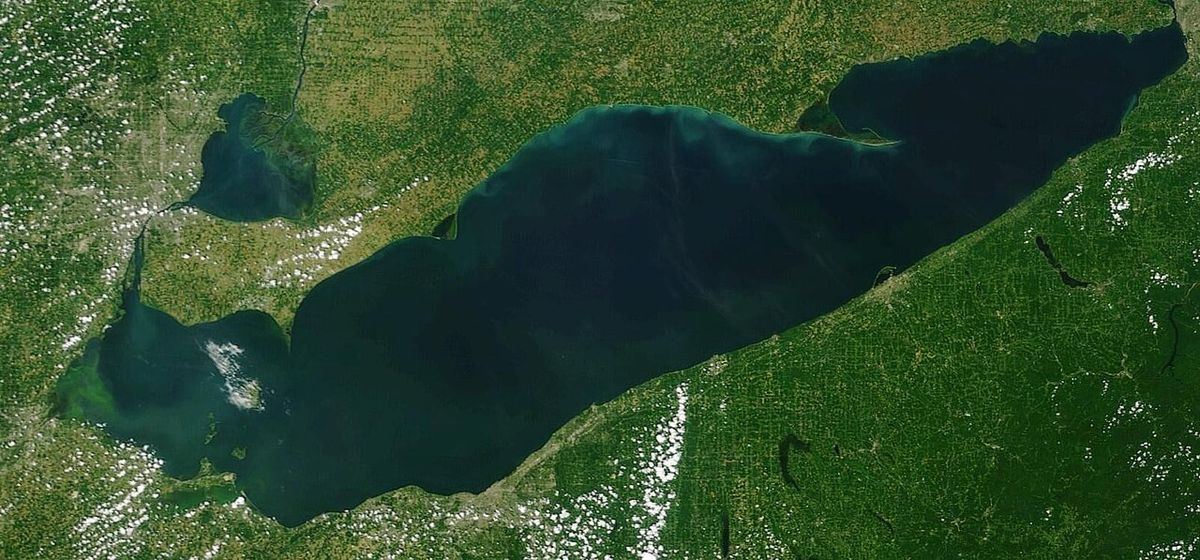
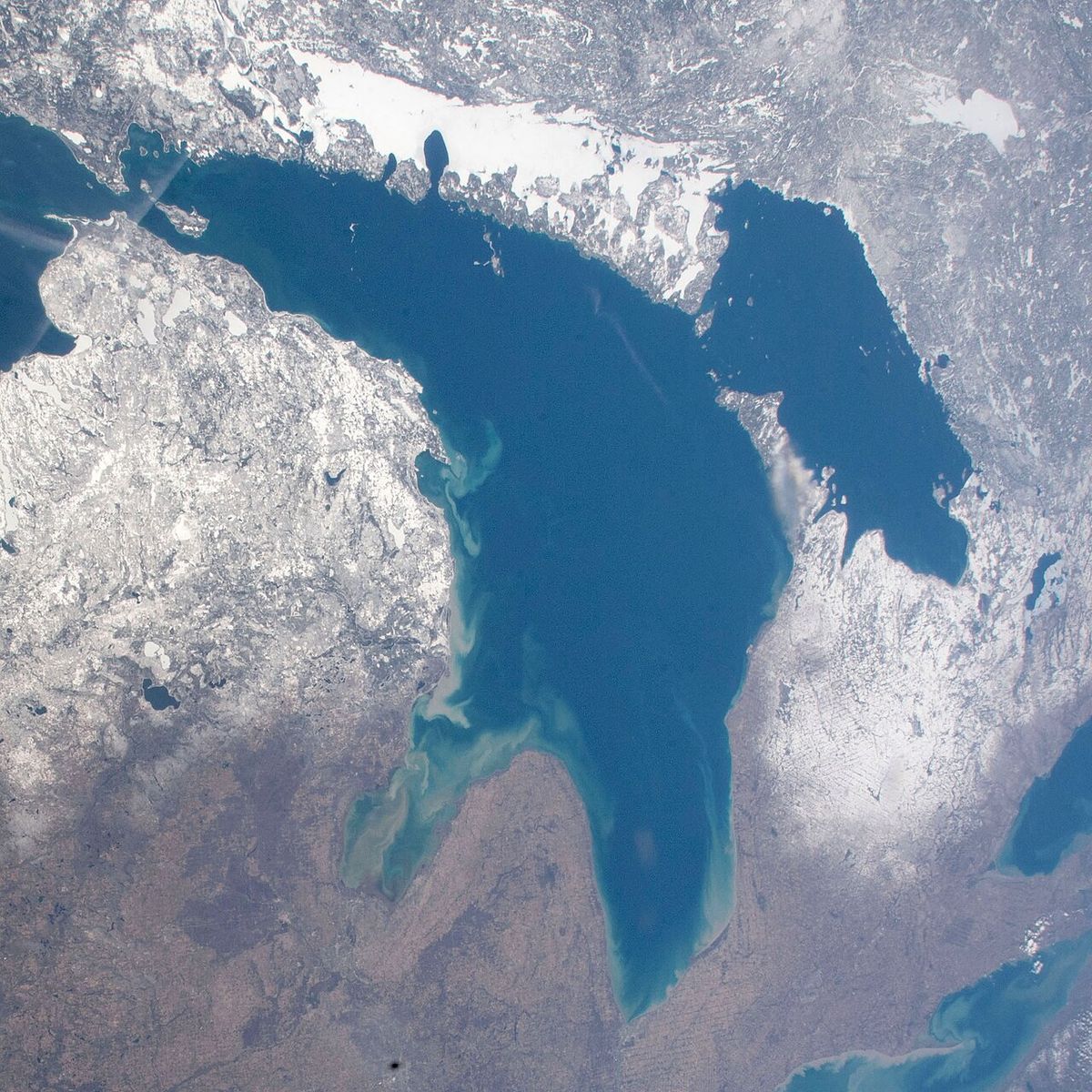
Historically, Coregonus artedi was phenomenally abundant and widespread throughout the Great Lakes and many inland lakes across Canada and the northern United States. It was once considered the most abundant fish in the Great Lakes and supported the largest commercial fishery in the basin. A catastrophic population collapse occurred in Lake Erie in 1925, primarily due to overfishing, though a limited fishery persisted in Long Point Bay until the 1950s. The species is now considered extirpated from Lake Erie, with only sporadic, infrequent captures reported between 1995 and 2025. Of the 56 fish captured in that period, most resembled hybridized deepwater forms from Lake Huron, and genetic analysis confirmed they were not the historic Lake Erie stock. Similar dramatic declines occurred across the other Great Lakes during the 19th and 20th centuries. While still common in Lake Superior, its abundance in Lakes Huron, Michigan, Erie and Ontario remains far below historical levels. The Lake Huron population has shown some recent increase, possibly linked to low alewife abundance, and limited numbers have reappeared in Lake Michigan's lower Green Bay. A 2020 assessment of inland lakes in Wisconsin indicated that approximately 29 percent of Cisco populations there were potentially extirpated, with losses occurring statewide but concentrated in southern regions.
The decline of Coregonus artedi is attributed to the cumulative impact of multiple stressors. Overfishing was the initial and primary cause in many areas. The expansion of non-native invasive species, including alewife, rainbow smelt and sea lamprey, introduced intense predation and competition at various life stages. These species prey on cisco eggs, larvae and juveniles and compete for zooplankton food resources. Substantial environmental degradation from land-use changes and excess nutrient loading further stressed populations by degrading spawning and nursery habitats. The annual stocking of several million non-native Pacific salmon in the Great Lakes may also have had an effect, though the precise impact on cisco remains unclear. These combined pressures have made remaining cisco populations more vulnerable to exploitation, even at harvest levels that were once sustainable. Management agencies have responded with reduced commercial quotas, as seen in Ontario where the 2018 yield of 328 tonnes was lower than in all years from 2012 onward.
The Cisco Species Complex
Coregonus artedi is part of a closely related group of North American whitefish, often referred to as the Coregonus artedi species complex or Coregonus artedi sensu lato (in the broad sense). Taxonomic debate surrounds this group, with some experts arguing it represents one highly variable species, while others recognize multiple distinct species or forms. This complex includes several ecologically and morphologically separable fishes, some of which are extinct. The group illustrates the historical diversity of coregonine fishes in the Great Lakes, which declined dramatically over the past two centuries due to the same pressures that affected the cisco. Contemporary research and restoration efforts must account for this diversity, as different forms may have occupied specific habitats or regions. Recent captures in Lake Erie, for example, have revealed fish that genetically resemble deepwater forms from Lake Huron rather than the historic Lake Erie stock. Collectively, these fishes represent an evolutionary legacy that conservation genetics seeks to preserve, and the loss of forms like the longjaw and blackfin cisco demonstrates the severe impact of human activities on Great Lakes biodiversity.
- Coregonus alpenae, Longjaw cisco (extinct)
- Coregonus artedi sensu stricto, Cisco or lake herring
- Coregonus johannae, Deepwater cisco (extinct)
- Coregonus hoyi, Bloater
- Coregonus kiyi, Kiyi
- Coregonus nigripinnis, Blackfin cisco (extinct)
- Coregonus reighardi, Shortnose cisco (possibly extinct)
- Coregonus zenithicus, Shortjaw cisco
- Coregonus hubbsi, Ives Lake cisco (possibly extinct)
Current restoration work for Coregonus artedi often occurs under broader coregonine fish restoration programs. These programs acknowledge the historical decline of these fishes due to factors like overfishing and invasive species. The aim of these efforts is to conserve the remaining genetic diversity within the Coregonus artedi species complex. Several research initiatives are underway to address knowledge gaps and inform rehabilitation plans, including stocking experiments and habitat assessments. The discovery of a new spawning run in the Spanish River offers important insights for these restoration efforts.
Commercial and Recreational Fisheries
Commercial fishing for Coregonus artedi began in the 1800s and quickly became an important economic activity for Great Lakes communities. Initially in Lake Ontario, the fish were considered a nuisance and destroyed, but by 1833 they were highly sought after and valued as better eating than the related lake whitefish. The early fishery provided some of the largest catches from the Great Lakes, and when salted down or smoked for preservation, the fish provisioned much of the surrounding territory. Today, commercial fishing continues in Lake Superior and the Northern Channel of Lake Huron. In Ontario, the commercial yield was 328 tonnes in 2018, a number substantially lower than in preceding years such as 2012 due to reduced quotas implemented to protect declining populations. The primary commercial value of cisco in recent decades has shifted to its roe, which is processed into caviar popular in Scandinavian markets. Smaller cisco are also harvested via gill nets and sold as bait for recreational fishing, providing an additional commercial outlet.
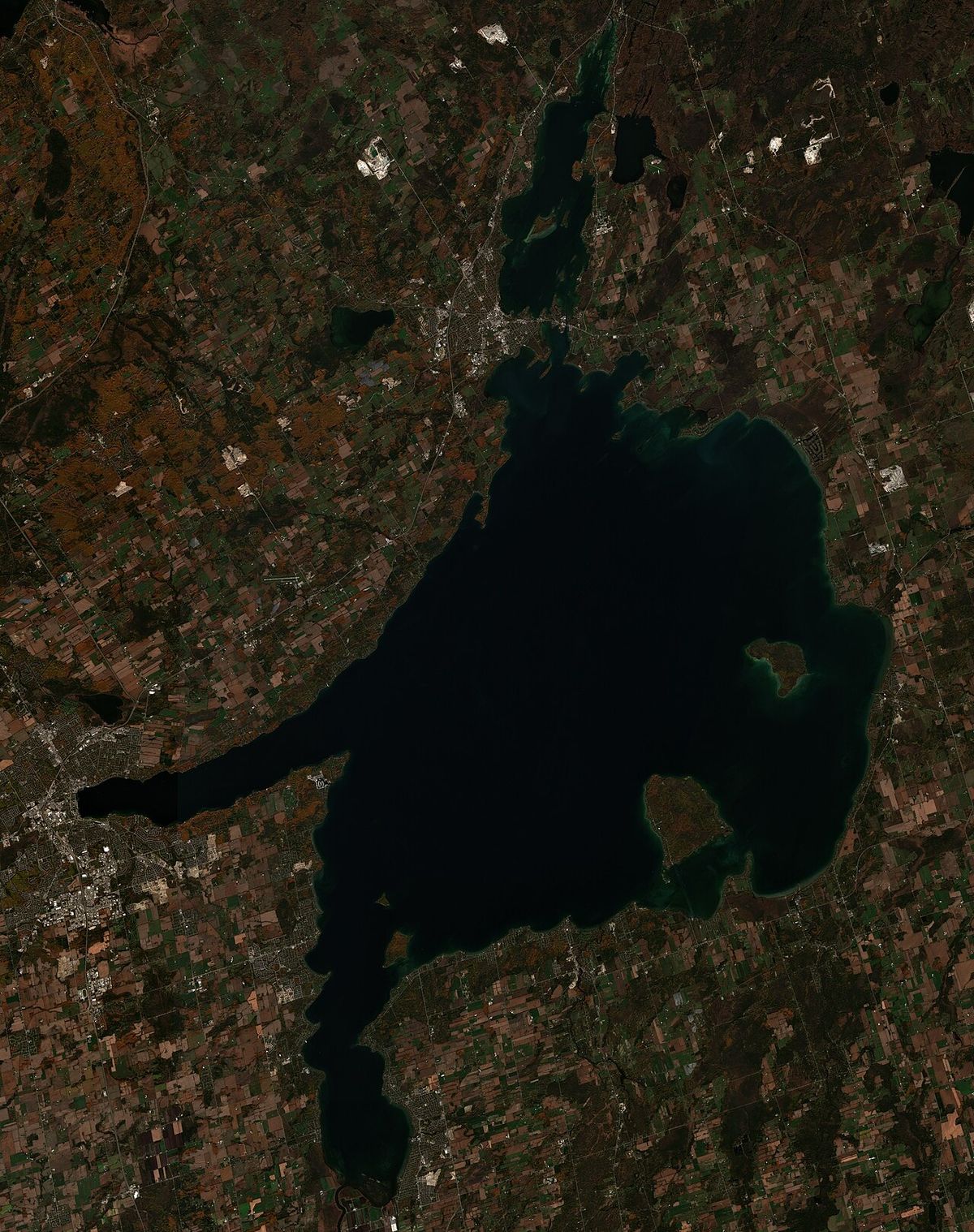
Recreational fishing for cisco is popular in both Canada and the United States, particularly during the ice fishing season when the fish move into shallower waters. They are a popular target for ice anglers on the Great Lakes, and this activity is not restricted to the Great Lakes. A notable recreational fishery exists in Lake Simcoe, which successfully reopened in 2015 following a population rehabilitation program. The species is pursued by anglers for both sport and food across its range in inland lakes and large rivers, reflecting its continued cultural and economic value even amid population challenges. The dual role of cisco in both commercial and recreational sectors highlights the need for management that balances conservation with sustainable use.
Contemporary Research and Monitoring
Significant scientific efforts are now directed at monitoring and understanding Coregonus artedi populations across the Great Lakes basin using modern techniques. Research initiatives extensively use environmental DNA (eDNA) sampling to detect spawning runs non-invasively, as demonstrated in tributaries to Lake Huron's North Channel from 2022 to 2024. A standardized early life monitoring program for cisco, mentioned in 2026, is coupled with a receiver network tracking over 25,000 tagged fish across 53 species, providing large-scale data on fish movements and survival. These methods help address knowledge gaps about contemporary spawning behaviour and habitat use. Historical data is also being digitized and analyzed. A data release contains coordinates for suspected historical spawning locations of both cisco and lake whitefish, helping guide restoration site selection. Research projects are actively assessing potential methods for detecting naturally reproduced cisco, including eDNA and larval assessment techniques, which are critical for evaluating the success of stocking programs.
A major research breakthrough was the 2022 documentation of a probable cisco spawning run in the Spanish River, Ontario, a tributary to Lake Huron's North Channel. This run, which had not been observed since the 1880s, captured 31 mature and ripe fish (25 males, 6 females) approximately 52 kilometres upstream from the river mouth. The fish ranged in age from 3 to 9 years and in total length from 287 to 394 millimetres. Of these individuals, 27 were morphologically similar to the local subspecies Coregonus artedi manitoulinus, while four more closely resembled cisco from other areas of Lake Huron. This finding provides the best evidence in over a century that tributary spawning by cisco still occurs and offers important insights for coregonine conservation by revealing ongoing phenotypic variation within populations. Ongoing work aims to augment understanding of the ecological and evolutionary importance of this rediscovered population for future management decisions.
Restoration Efforts and Management
Active restoration plans for Coregonus artedi are being developed and implemented across the Great Lakes, particularly in areas where populations are extirpated or severely depressed. In Lake Erie, where cisco are considered extirpated, a dedicated rehabilitation strategy is underway. Expert panels were convened to develop spatial unit delineation based on historical and contemporary information, assess current threats to cisco restoration, and implement a population viability analysis for Lake Erie cisco, with results published in 2025. A key document guiding this work is the Lake Erie Committee's “Impediments to Cisco Rehabilitation in Lake Erie” from 2018. In 2025, New York State began the first year of a ten-year experimental stocking plan to inform rehabilitation, with the goal of determining if cisco stocked into New York waters of Lake Erie can survive to the adult life stage. Complementary research projects are using acoustic-tagged adult (age-4) hatchery-reared cisco to assess survival and describe habitat use in contemporary Lake Erie.
Restoration efforts are guided by the understanding that a restored cisco population can provide for a more balanced ecosystem and for sustainable fisheries. Management actions therefore address both ecological recovery and human use. Commercial quotas have been reduced in areas like Ontario to alleviate fishing pressure on diminished stocks. The project “Supporting Cisco (Coregonus artedi) Restoration” explicitly aims to provide tools to guide management for restoration, including threat assessments, viability analyses and monitoring protocols. The work is part of broader coregonine fish restoration programs across the Laurentian Great Lakes, where managers are working to reverse declines that occurred throughout the 19th and 20th centuries. Success depends on addressing the combination of factors that caused the collapse, including invasive species control, habitat protection and careful fishery management based on ongoing scientific monitoring.
Ecological Role and Conservation Challenges
Coregonus artedi plays a historically important and ongoing ecological role as a primary native coldwater prey fish in the Great Lakes ecosystem. Its abundance directly supports populations of valued predatory fish like lake trout, contributing to a balanced food web. The collapse of cisco populations has had cascading effects on these predator communities and overall lake ecology. In Lake Erie, cisco was the primary native coldwater prey fish before its extirpation, and its loss altered the lake's food web dynamics. Conservation of the species faces ongoing and future challenges from a combination of persistent and emerging threats. Invasive species such as alewife, rainbow smelt and sea lamprey continue to prey upon and compete with cisco at various life stages. Climate change poses a significant long-term threat by potentially warming lake temperatures and reducing the extent of suitable coldwater habitat, which could squeeze the species into smaller areas of the lakes.
Land-use changes in watersheds can lead to increased sedimentation and nutrient loading, which degrades spawning and nursery habitats. The species' sensitivity to dissolved oxygen levels makes it particularly vulnerable to eutrophication. A 2020 study on Wisconsin inland lakes suggested that invasive species, climate change, land-use change and excess nutrient loading may have all contributed to cisco extirpations there. Management strategies must therefore address not only direct harvest through quotas but also these broader ecosystem stressors. The restoration of cisco populations is viewed as essential for achieving a more balanced Great Lakes ecosystem and for providing future sustainable fishing opportunities, both commercial and recreational. Ongoing monitoring, like the large-scale fish tagging networks and eDNA programs, is crucial for tracking the success of these conservation interventions and adapting management in response to new data about population trends and threats.
Questions about Coregonus artedi
What is Coregonus artedi commonly called?
Coregonus artedi is most commonly known as the cisco or lake herring. It also goes by several other names including northern cisco, tullibee and chub. Its Anishinaabe name is Odoonibiins. This slender, silvery fish is a member of the whitefish family (Salmonidae) and is native to cold water lakes and large rivers across Canada and the northern United States.
Why did cisco populations collapse in the Great Lakes?
Cisco populations collapsed due to a combination of factors that accumulated over the 19th and 20th centuries. Overfishing was the initial and primary driver, notably causing a crash in Lake Erie in 1925. The expansion of invasive species like alewife, rainbow smelt and sea lamprey introduced new predation and competition. Environmental degradation from habitat loss and nutrient loading further stressed populations. These cumulative effects made the species much more vulnerable than it was historically.
Are cisco still fished commercially today?
Yes, commercial fishing for cisco continues in Lake Superior and the Northern Channel of Lake Huron, providing an important economic source for local communities. However, harvest levels are much reduced. The Ontario commercial yield was 328 tonnes in 2018, lower than in previous years due to quota reductions. The primary commercial value now often comes from the fish's roe, which is processed into caviar, while smaller fish are sold as bait.
What is being done to restore cisco populations?
Active restoration efforts include extensive research and stocking programs. Scientists use environmental DNA (eDNA) to detect spawning runs and study habitat use. A major stocking initiative began in New York waters of Lake Erie in 2025, a ten-year plan to test survival of hatchery-reared fish. Restoration plans also involve identifying historical spawning sites, assessing threats and conducting population viability analyses to guide management decisions across the Great Lakes basin.
Where was a recent cisco spawning run discovered?
A recent cisco spawning run was discovered in the Spanish River, Ontario, Canada. This river is a tributary to the North Channel of Lake Huron. Researchers documented this probable spawning run in November 2022. It represents the best evidence of tributary spawning by cisco since the 1880s.
What is the Coregonus artedi species complex?
The Coregonus artedi species complex refers to the group of closely related North American ciscoes, including Coregonus artedi itself. The taxonomy is debated, with some considering it one variable species. The complex includes forms like the bloater, kiyi and shortjaw cisco, as well as extinct species like the longjaw and blackfin cisco. This group represents the historical diversity of coregonines in the Great Lakes, much of which has been lost.
Sources and further reading
- Coregonus artedi (Wikipedia)
- Fish Community Objective Indicator (fr.glfc.org)
- Cisco Coregonus artedi detection by environmental DNA ... (usgs.gov)
- Documentation of a probable spawning run of cisco ... (conservationgateway.org)
- Status and Distribution of Cisco (Coregonus artedi ... (eaglehill.us)
Checked by the Your Space Hamilton desk. Last updated 2026-10-30.