Union station
Union station is a major rapid transit station on Line 1 Yonge-University of the Toronto subway system, located in downtown Toronto, Ontario. Opened in 1954 as one of the twelve original stations on Canada's first subway line, it functions as the critical inflection point of the U-shaped route and a primary transit nexus for the Greater Toronto Area. The station is directly integrated with the historic Union Station railway terminal, providing connections to GO Transit, Via Rail, the Union Pearson Express airport link, and intercity bus services. Handling approximately 100,000 passengers daily, it is the system's fourth-busiest station and a fundamental component of regional transportation infrastructure.
History and Development
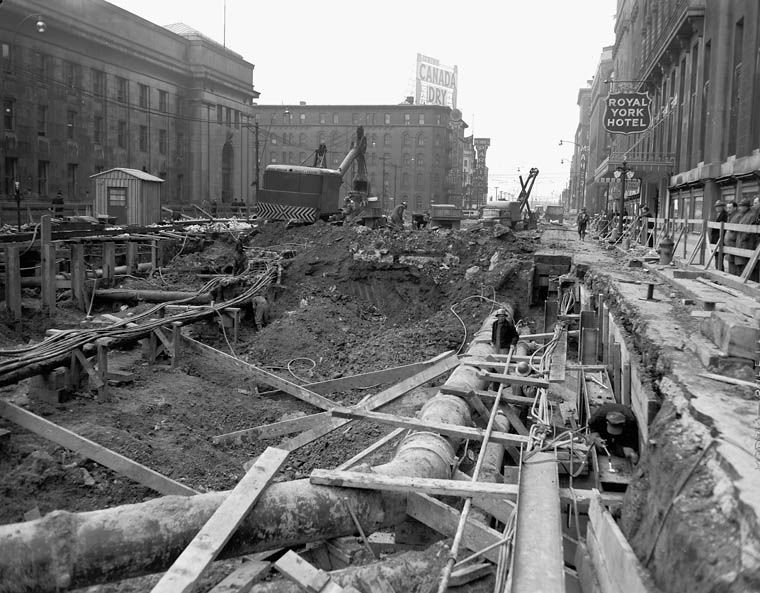
Union station opened on March 30, 1954, as the southern terminus of the original Yonge subway line, which was the first rapid transit line in Canada. For its first nine years, it functioned as the end of the line until February 28, 1963, when the opening of the University section transformed it into a through station on the newly formed U-shaped Yonge-University line. This change cemented its role as a central transfer point within the network. The station's early design featured a single, narrow island platform to serve trains in both directions, a configuration that would later contribute to significant congestion issues as ridership grew exponentially over the subsequent decades.
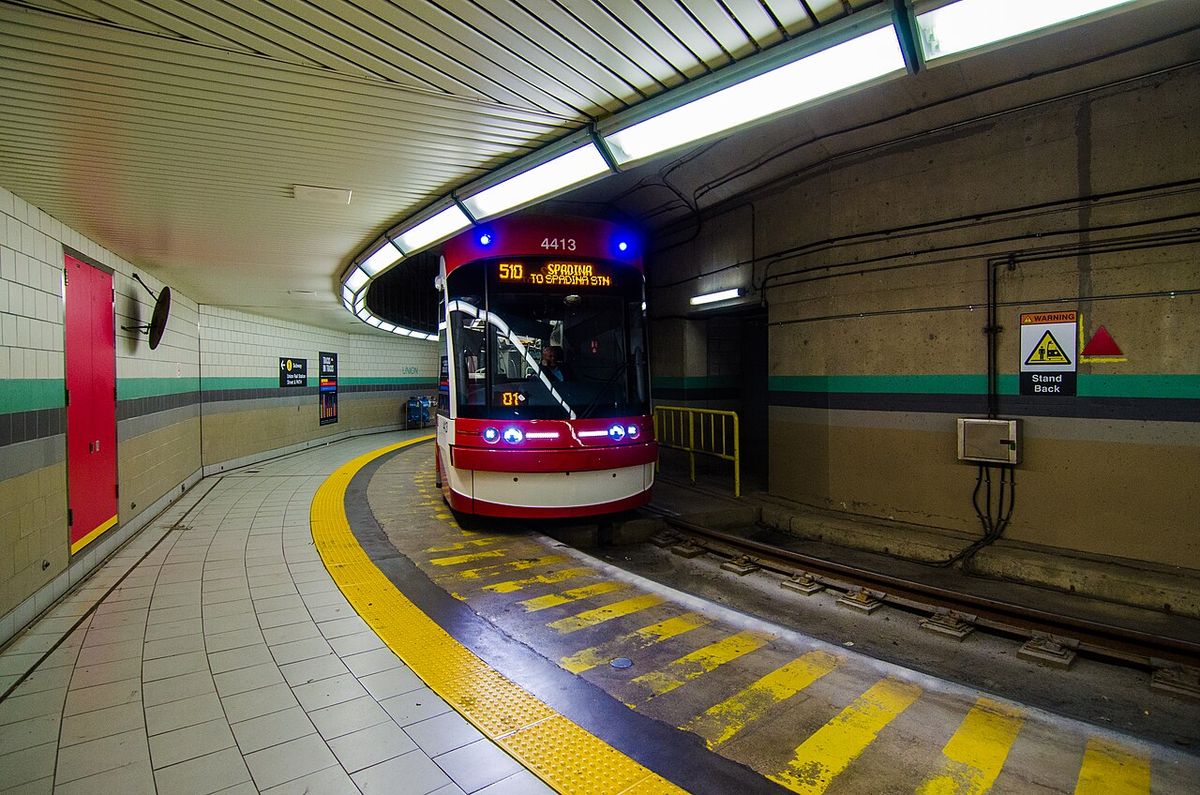
In 1990, the station's role expanded further with the opening of an underground streetcar loop on June 22, becoming the terminus for the Harbourfront LRT, now known as the 509 Harbourfront streetcar route. A dedicated streetcar platform was constructed south of the subway tracks, connected to the station concourse by a 30-metre pedestrian tunnel. Accessibility improvements followed in 1996 when elevators were installed, making Union one of the first wheelchair-accessible subway stations in Toronto. An elevator was also added to the new streetcar platform, a forward-looking feature as the streetcars themselves were not yet accessible at that time.
Planning for a major expansion began in 2003 to address chronic overcrowding on the single platform and within the small concourse. The central plan was to construct a second subway platform on the south side of the tracks to serve Yonge line trains, freeing the original island platform to exclusively serve University line trains. This CA$137 million project began construction in February 2011. The new platform opened on August 18, 2014, and the full station renovation, including concourse expansion and new finishes, was completed in 2015. A further enhancement in 2019 saw large glass canopies installed in the connecting 'moat' to the railway station, providing a fully weather-protected route for commuters.
Station Design and Features
The station's aesthetic has undergone several transformations since its opening. The original 1954 decor featured glossy yellow Vitrolite tiles with red lettering and trim, with the station name rendered in the TTC's distinctive Toronto Subway Font. During renovations in the 1980s, this was replaced with brown ceramic tiles and vinyl siding, and the typography was changed to Univers. The comprehensive 2011 to 2015 renovation returned the station to a cleaner, brighter aesthetic with white tiles and black trim, and reinstated the original Toronto Subway typeface for the station name. This design shift was part of a broader modernization effort to improve passenger flow and visual clarity.
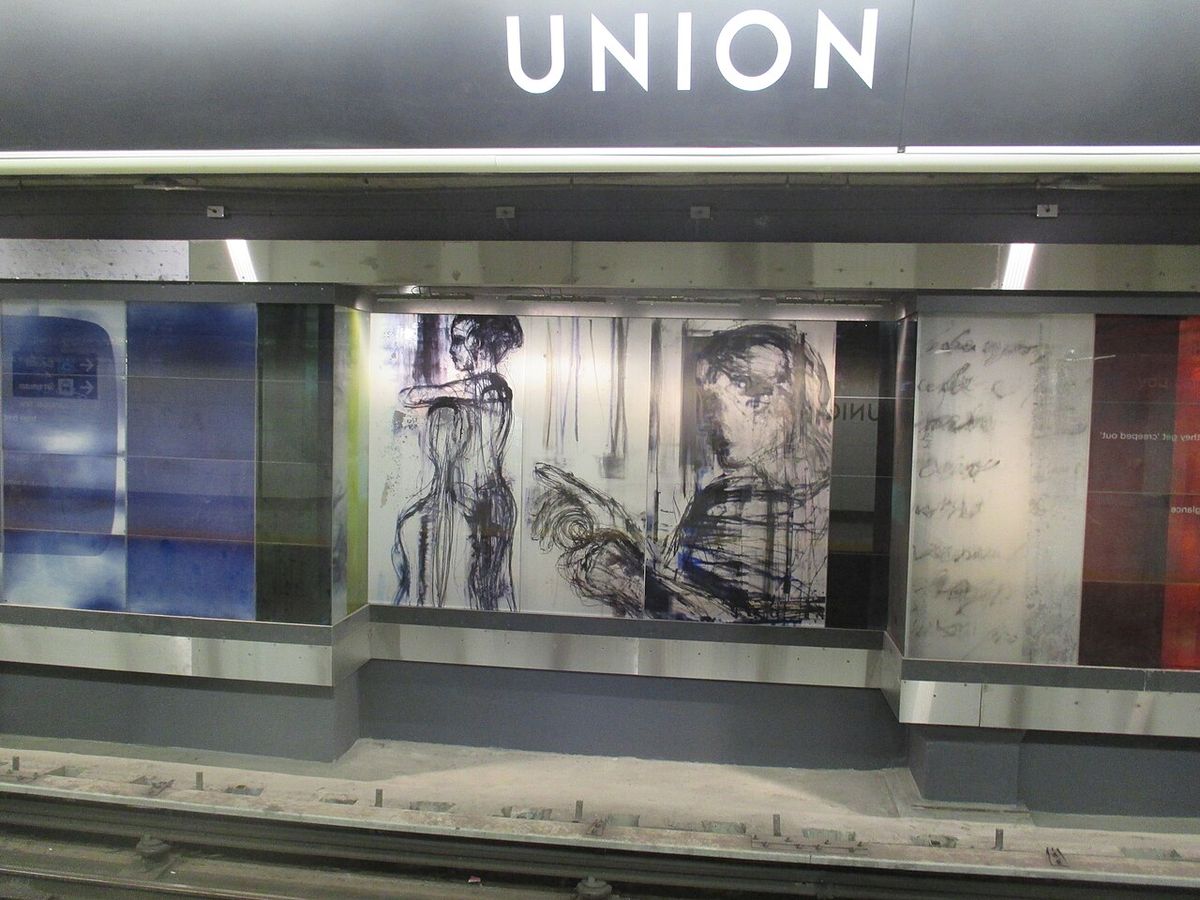
A defining architectural feature resulting from the expansion is the glass wall separating the new Yonge platform from the original University platform. This wall hosts the public art installation 'Zones of Immersion' by Stuart Reid, a professor at OCAD University. The piece consists of 166 large glass panels, each over one by two metres in size, creating a 170-metre long artwork along the platform. Mostly transparent to maintain sightlines, the panels contain embedded images and words based on sketches Reid made while riding the subway. Public reception to the artwork has been mixed, with some passengers finding its themes sombre or melancholic. The station's infrastructure is uniquely oriented on an east-west axis along Front Street, one of only three such stations on Line 1 alongside St. George and Downsview Park.
The station's entrances and connections are numerous, integrating deeply with the surrounding cityscape. Primary access points include street-level staircases on both the north and south sides of Front Street. More significantly, Union station is directly linked to an extensive underground network. Key connections include:
- An underground passage to the Royal Bank Plaza.
- A connection to the Brookfield Place complex.
- Multiple routes via the 'moat' into the main Union Station railway concourse.
- A direct, within-fare-paid-zone link to the underground Union Station Loop streetcar terminal.
Connections and Integrated Services
Union station's most significant function is its role as a multi-modal transportation hub. It is the only subway station in Toronto with a direct, indoor connection to Via Rail services, including the Amtrak Maple Leaf train to New York City. The station is integrated with the Union Station railway terminal, which serves all GO Transit train lines and bus services, Ontario Northland buses, and other intercity carriers. A direct link to the Union Pearson Express provides a dedicated rail connection to Toronto Pearson International Airport. This concentration of services makes it the busiest transportation facility in Canada by passenger volume.
The station's connection to Toronto's streetcar network is handled by the underground Union Station Loop. Located at the north end of a 500-metre tunnel running under Bay Street from Queens Quay, this single-track, anticlockwise loop features a curved platform with a minimum radius of curvature of 14.5 metres. It serves as the eastern terminus for the 509 Harbourfront streetcar and the southern terminus for the 510 Spadina route. A 2017 TTC report identified that the loop's single track and narrow platform would be inadequate for future projected demand, which is estimated to reach 3700 people per hour by 2041. Plans to rebuild the loop into a four-platform configuration with bypass tracks are in the design stage as of 2021, which would be necessary to support a proposed East Bayfront LRT line. A 2010 environmental assessment for that line had already approved rebuilding the existing loop.
Union is one of only three subway stations in Toronto that remains open overnight, supporting late-night streetcar service on the 509 and 510 routes. Its surface bus connections, which require a transfer at curbside stops, include several key downtown routes. The station was also the site of technological firsts for the TTC. Key milestones in the station's technological adoption include:
- 2007: First TTC location where Presto electronic fare cards could be used in a pilot project.
- 2014: Wi-Fi service became available throughout the station.
- 2014: Accessible streetcars began serving the underground loop.
Ridership and Operational Role
Union station is a linchpin in the Toronto transit network, with an estimated daily ridership of approximately 100,000 passengers. This ranks it as the fourth-busiest station in the entire TTC subway system, following Bloor-Yonge, St. George, and Sheppard-Yonge stations. It holds the distinction of being the busiest station served by only a single subway line, reflecting its immense transfer traffic to and from regional rail, buses, and streetcars. The station's location at the southern end of the Yonge-University line, adjacent to Lake Ontario and Toronto's central business district, drives its consistently high usage throughout the day and week.
The station's operational significance stems from its position as the inflection point of the U-shaped Line 1. Trains arriving from the north on the Yonge leg depart westbound on the University leg, and vice versa, making it a critical point for service scheduling and train management. The 2014 addition of the second platform specifically addressed operational and safety concerns by separating the passenger flows for the two legs of the line, significantly reducing platform crowding and improving passenger circulation. The table below illustrates the station's key operational metrics and features compared to other major interchange stations on Line 1.
| Station | Lines Served | Platform Configuration | Major Connections |
|---|---|---|---|
| Union | Line 1 | 2 side platforms | GO, Via, UPX, Streetcar |
| Bloor-Yonge | Lines 1 & 2 | Side & island platforms | Subway-subway interchange |
| St. George | Lines 1 & 2 | Side & island platforms | Subway-subway interchange |
| Sheppard-Yonge | Lines 1 & 4 | Side & island platforms | Subway-subway interchange |
The station's design directly supports its high-volume role. The station expansion included an expansion of the concourse level. The station has multiple entrances, including underground connections from Royal Bank Plaza and Brookfield Place. It also has a weather-protected connection via the moat to the main concourses at Union Station, which is part of the PATH network. These features help manage the approximately 100,000 people who use the station daily.
Surrounding Area and Landmarks
Union station is situated at the heart of Toronto's downtown core, surrounded by many of the city's most prominent commercial, entertainment, and historical landmarks. Its location on Front Street places it directly beneath the shadow of the financial district's skyscrapers and adjacent to the waterfront entertainment precinct. The station's underground connections provide pedestrians with direct, climate-controlled access to a vast array of destinations without needing to surface, a particularly valuable feature during Toronto's winter months and summer heat. This network includes links to major office towers, retail concourses, and the railway terminal itself.
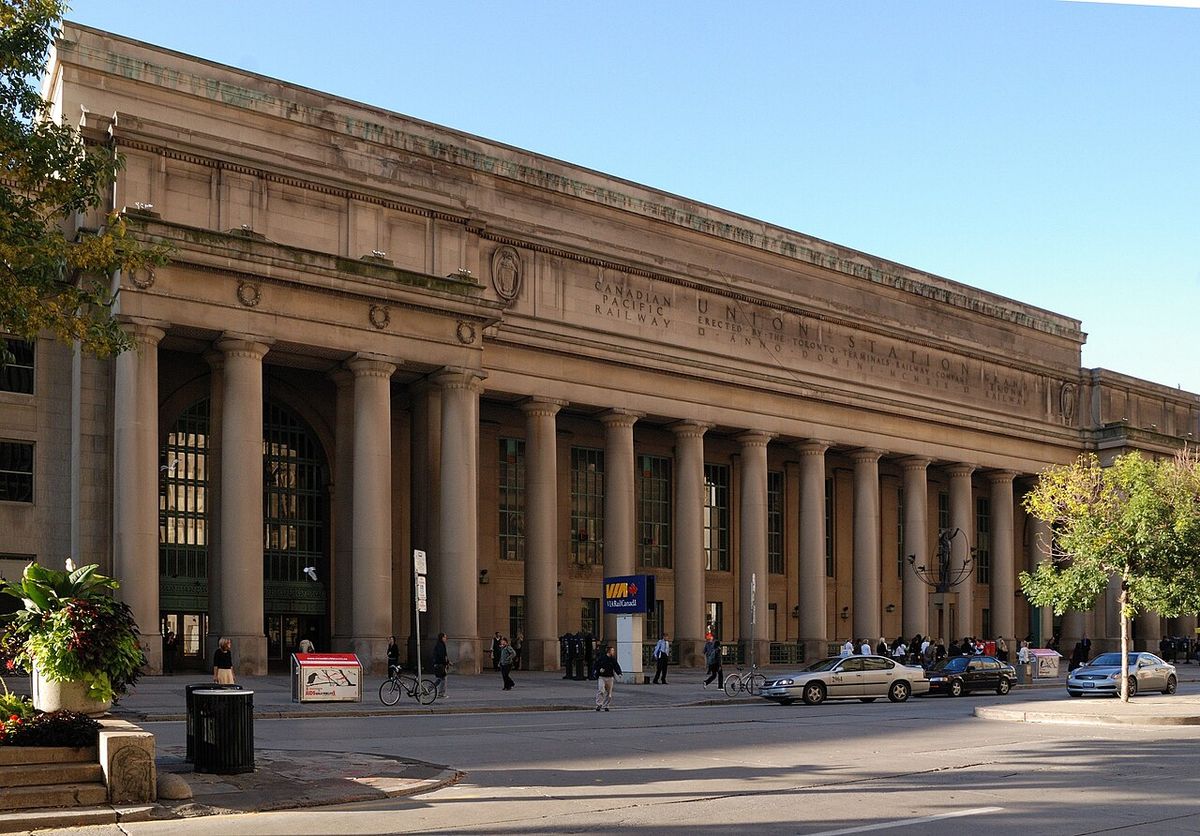
The immediate vicinity is densely packed with significant sites. Directly to the south is the monumental Union Station railway terminal itself, a designated National Historic Site of Canada and a masterpiece of Beaux-Arts architecture. Other major landmarks within a short walking distance include:
- Scotiabank Arena, home to the Toronto Maple Leafs and Raptors.
- The Rogers Centre stadium.
- The CN Tower, one of the world's tallest free-standing structures.
- The Metro Toronto Convention Centre.
- The Royal York Hotel, a historic railway hotel.
- The Hockey Hall of Fame, located in Brookfield Place.
- Meridian Hall performing arts theatre.
- CIBC Square, a major modern office development.
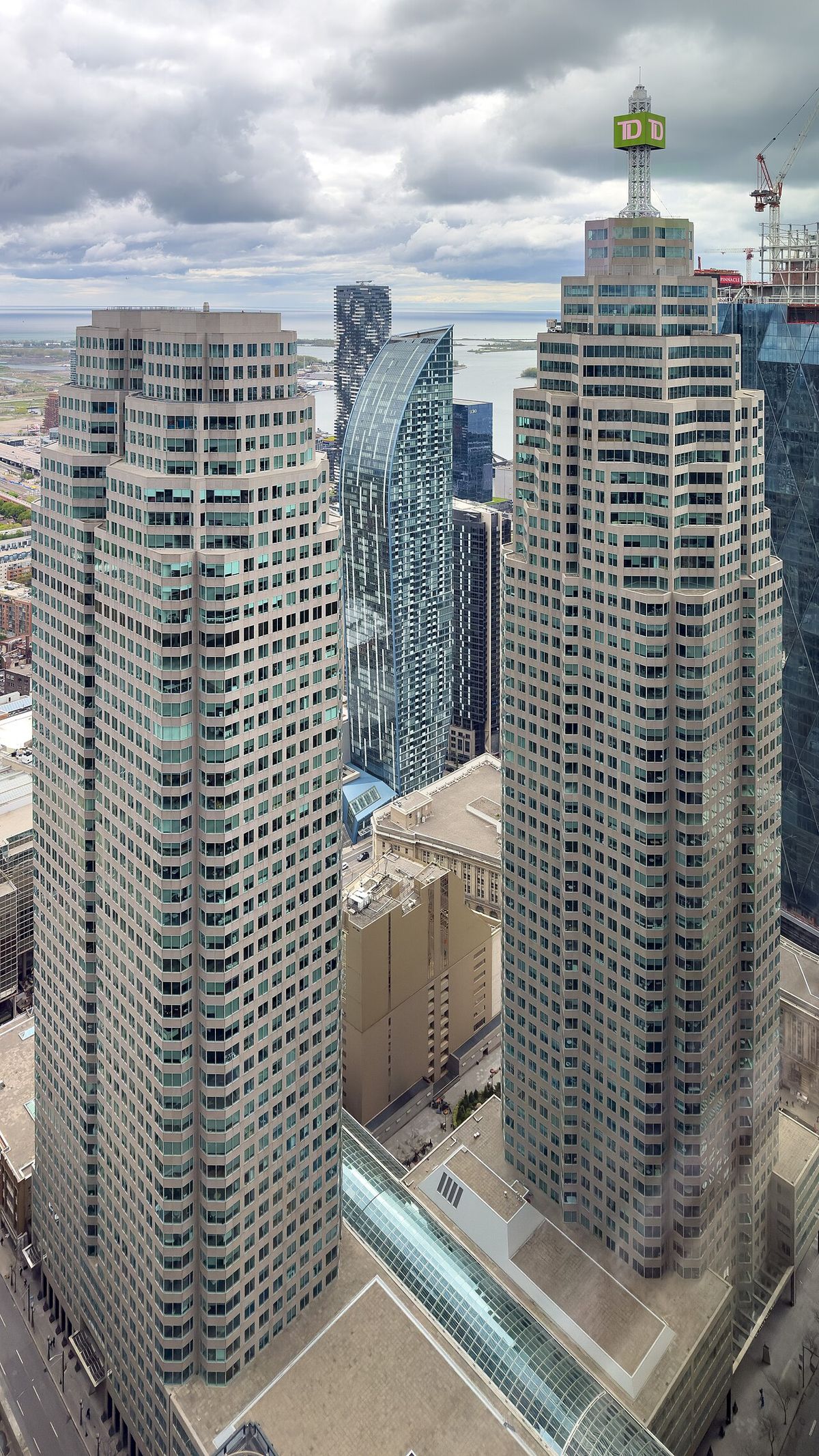
The area is also a major centre for corporate headquarters, with the Royal Bank Plaza and Brookfield Place complexes nearby. The station's integration into this landscape is physical, with direct underground connections to these buildings. The station supports the daily movement of the workforce. The ongoing development includes a proposed East Bayfront LRT, which would connect to the existing streetcar tunnel and may require an expansion of the Union Station Loop streetcar facility.
Questions about Union station
What transportation services connect at Union station?
Union station connects to Line 1 Yonge-University of the Toronto subway. It directly connects to the Union Station railway station and regional bus terminal, serving all GO Transit train lines and bus services, Via Rail, Ontario Northland, and other intercity bus service providers. It connects to the Union Pearson Express to Toronto Pearson International Airport. It also connects to the 509 Harbourfront and 510 Spadina streetcar routes via an underground loop.
Why was a second platform added to Union station?
A second platform was added to address overcrowding in the station. Despite being one of the busiest stations, it had only one narrow island platform serving both the University and Yonge lines. The new platform on the south side of the tracks serves Yonge line trains, leaving the existing platform to serve only University line trains. Construction began in February 2011, and the new platform opened on August 18, 2014.
Is Union station wheelchair accessible?
Yes, Union station is wheelchair accessible. Elevators were installed in 1996, making Union one of the first wheelchair-accessible subway stations in Toronto. An elevator was added to the streetcar platforms. Accessible streetcars began serving the station in 2014.
What is the 'Zones of Immersion' art installation?
'Zones of Immersion' is an art piece by Stuart Reid. It is featured on a glass wall built to block off the southern side of the old platform. The work comprises 166 large glass panels, each measuring more than one by two metres, extending 170 metres along the platform. Each panel contains images or words based on sketches that Reid drew while riding the subway. Public reaction towards the art piece has been mixed.
When did Union subway station open?
Union subway station opened on March 30, 1954. It was one of twelve original stations on the first phase of the Yonge Subway, which was Canada's first rapid transit line. The station served as the southern terminus of the line until February 28, 1963, when the University section opened and it became a through station. This change made Union the inflection point of the U shaped Line 1 Yonge University. The station's original 1954 decor featured glossy yellow Vitrolite tiles with red trim, though these were later replaced during renovations.
How busy is Union subway station?
Union subway station serves approximately 100,000 people daily, ranking it as the fourth busiest station in the Toronto subway system. It is surpassed only by Bloor Yonge, St. George, and Sheppard Yonge stations. Union holds the distinction of being the busiest station served by only one subway line. Due to this high passenger volume, a major station expansion project was undertaken from 2011 to 2015 to address overcrowding. This expansion added a second platform specifically for Yonge line trains at a cost of 137 million dollars.
Sources and further reading
- Union station (Wikipedia)
- Union Station: History, Facts & Map (gotransit.com)
- Toronto Union (torontounion.ca)
- Things to Do Near Union Station in Toronto (upexpress.com)
Checked by the Your Space Hamilton desk. Last updated 2026-10-31.