Moss Park
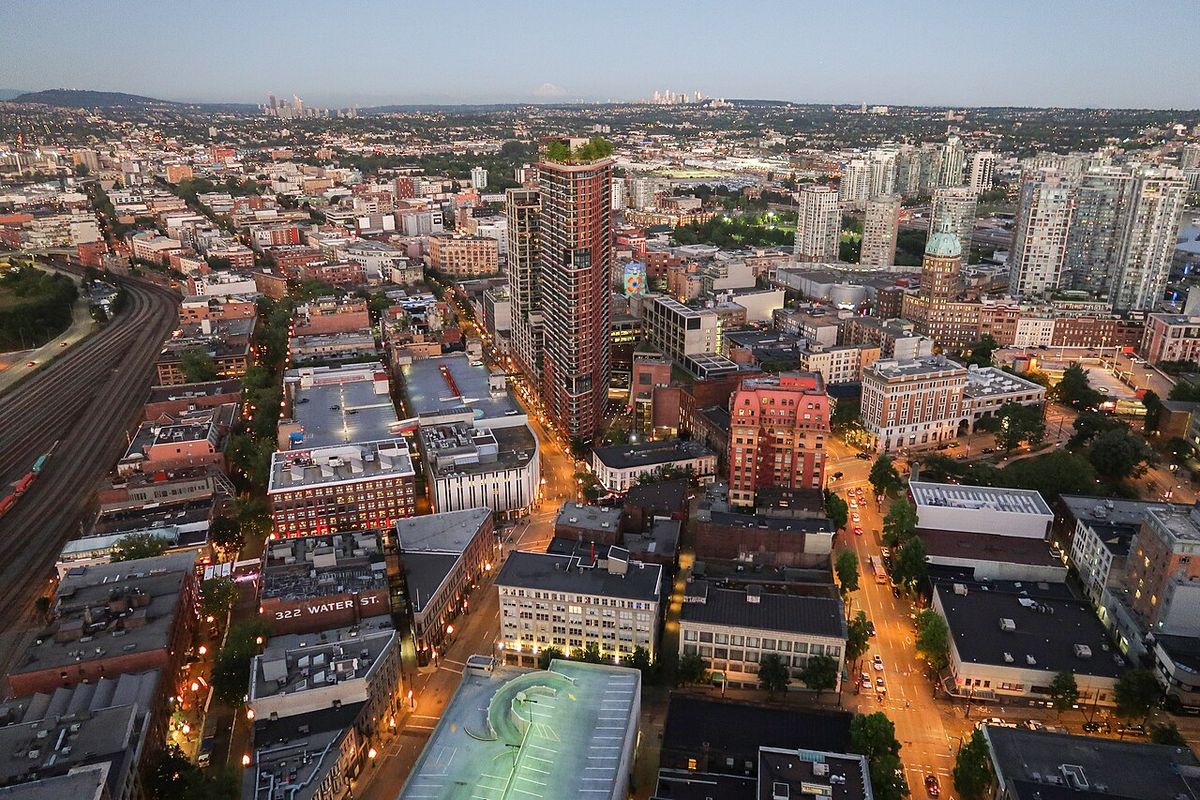
Moss Park is a residential neighbourhood located in downtown east Toronto, Ontario, Canada, traditionally defined as the area between Jarvis Street and Parliament Street, south of Dundas Street and north of Queen Street East. The neighbourhood is historically significant as the former estate of the Allan family and later as the site of a major public housing project, which shaped its character as a low-income community. Today, Moss Park is a focal point for discussions on urban change, gentrification, and social equity, housing a diverse mix of residents, significant social services, and cultural landmarks. Its location in the city's core and its ongoing redevelopment, including a new subway station and park redesign, make it a critical area for understanding contemporary urban challenges in Canadian cities.
History and Character
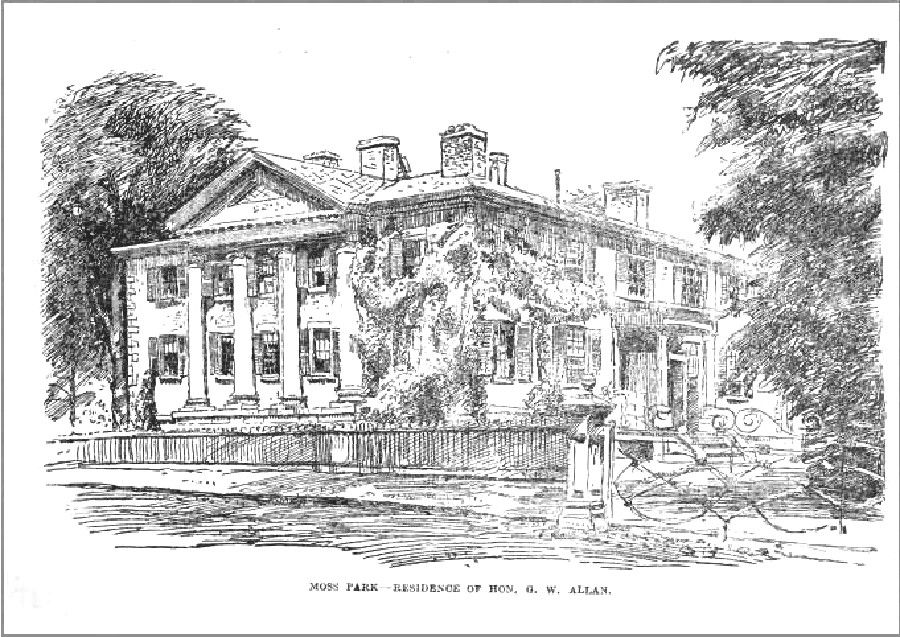
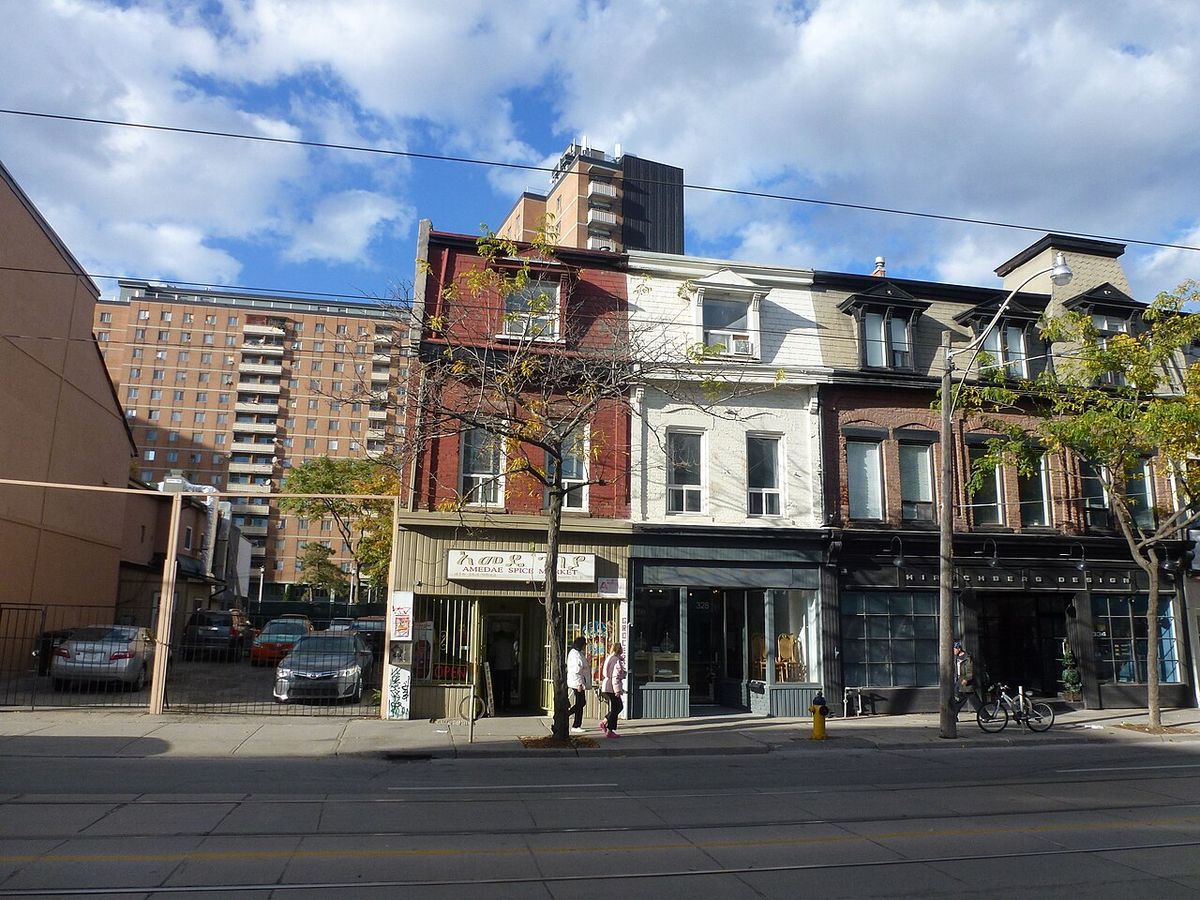
The neighbourhood derives its name from the abundant moss that grew on the original estate of the Allan family, prominent early Toronto figures including William Allan and his son George. Their mansion stood on the west side of Sherbourne Street between Queen and Shuter streets until it was demolished during the 1960s urban renewal period. Much of the area south of the neighbourhood was originally Toronto's industrial heart, and Moss Park was built to supply homes for the workers employed in those factories. The character of the neighbourhood was fundamentally altered in the 1960s when many of these older buildings were demolished to make way for the Moss Park public housing project, a group of three large towers at Queen and Parliament streets operated by Toronto Community Housing. This housing complex and the area immediately surrounding it constitute the core area typically referred to as Moss Park today, an area long characterized by a high concentration of low-income families and rental housing. The neighbourhood has also been home to several homeless shelters and has historically carried a reputation as one of the city's more challenged districts. Along the main thoroughfare of Queen Street East, the built form is predominantly three to five-storey buildings with retail at ground level and walk-up apartments above, a pattern that persists amidst newer development.
Demographics and Social Profile
Moss Park is one of the most economically diverse areas in Toronto, with a 2021 census showing 23 percent of the population earning less than $20,000 in individual income and 26 percent reporting above $80,000. The community is highly diverse, with residents coming from 153 different ethnic origins, 40 percent of whom are first-generation immigrants and 26 percent second-generation immigrants. Household composition is predominantly single-person, which makes up 59 percent of households, while couples without children account for 21 percent and families with children represent 12 percent. Education levels are relatively high, with 55 percent of adult residents holding a bachelor's degree or higher and 76 percent having any form of postsecondary education. The most common industry for employment is professional, scientific and technical services. The neighbourhood has a dynamic and mobile population, with 58 percent of households having moved within the past five years and 23 percent within the past year. This fluidity is indicative of the area's ongoing gentrification and the influx of new residents into condominium developments.
Landmarks and Institutions
Moss Park contains several notable landmarks and institutions that serve both local and city-wide populations. The Moss Park Armoury at the northeast corner of Jarvis and Queen streets is a significant military facility used by several regiments of the Canadian Forces Primary Reserve. The building at 252 Queen Street East gained cultural recognition as the storefront used for filming the Canadian television series Kim's Convenience. The neighbourhood is also defined by its park space and community facilities, which are slated for major redevelopment. For nearly a decade, the Moss Park Consumption and Treatment Site operated as a critical public health service before its public funding was terminated by the provincial government in June 2026. The primary military units based at the Moss Park Armoury include:
- The 25 Field Ambulance
- The 48th Highlanders of Canada
- The 7th Toronto Regiment Royal Canadian Artillery
- The Queen's Own Rifles of Canada
The John Innes Community Recreation Centre is scheduled for replacement construction from 2026 to 2028. Park improvements are also planned for Moss Park. These park improvements include community gardens and a new children's playground. The construction for these park improvements is set to begin in 2028.
Transportation and Connectivity
Moss Park is well-served by Toronto's transit network, with key east-west streetcar routes running through the area. The 501 Queen streetcar operates along Queen Street East, while the 505 Dundas runs along Dundas Street to the north. Major north-south bus routes include the 75 Sherbourne, which runs from Rosedale to Queen's Quay, and the 65 Parliament bus, connecting from Castle Frank subway station south to the Esplanade. A major addition to the area's connectivity is the forthcoming Ontario Line light metro, which will include an underground Moss Park station located under Queen Street East between George Street and Sherbourne Street. This new line, currently under construction, will provide fast connections to downtown Toronto, Exhibition Place, and transfer points to three other subway lines. The station construction has temporarily impacted Moss Park park space but promises to significantly alter transit access for residents. There are 98 transit stops within the neighbourhood boundaries, and the primary rail station access is at King Station to the west.
Gentrification and Community Advocacy
Moss Park is undergoing rapid gentrification, marked by the construction of new condominiums and the influx of higher-income residents into a historically low-income area. This change has sparked significant community organizing and advocacy focused on equitable development. The Moss Park Coalition, a member of the Toronto Community Benefits Network, works to ensure local residents benefit from the opportunities created by urban development, such as workforce inclusion and training. In 2024, the coalition conducted a survey with support from the University of Toronto's Housing Justice Lab to document community priorities and lived experiences during this period of change. The survey of 87 participants, 51 percent of whom were Moss Park residents, identified key concerns that the coalition uses to shape dialogues with developers and public agencies like Metrolinx. This advocacy aims to counter historical patterns of state disinvestment and ensure that the needs of current, often marginalized residents are prioritized alongside new construction and infrastructure projects. The community's priorities, as identified through the Moss Park Coalition survey, include:
- Affordable housing preservation and prevention of displacement.
- Improved safety and community policing relations.
- Enhanced mental health and addiction support services.
- Access to quality employment and local hiring agreements.
- Protection and improvement of public park and green spaces.
- Better maintenance and management of Toronto Community Housing properties.
- Increased community input in development planning processes.
These priorities reflect community needs during a period of neighbourhood transformation. The neighbourhood has been home to individuals facing homelessness and other challenges. The area is now rapidly gentrifying with new condo developments. Community voices highlight the tension between new investment and preserving assets for existing residents.
Public Health and Social Services
The neighbourhood has long been a hub for essential social services, particularly for vulnerable populations. For nine years, the Moss Park Consumption and Treatment Site provided supervised consumption services, becoming a vital community resource. Staff at the site reversed more than 4,000 overdoses, including 63 in March 2026 alone, before its provincial funding was abruptly terminated with a closure date of June 13, 2026. The site's closure marked the end of a significant era of publicly funded safe consumption services in Toronto, which began with activist-run efforts in Moss Park in 2017. The neighbourhood and its park have consistently been home to individuals facing homelessness, mental health challenges, and substance abuse, hosting many shelters and support agencies. The concentration of Toronto Community Housing units also means a significant portion of residents rely on social housing. These factors combine to create a complex public health environment where new private development coexists with deep-seated social needs, a dynamic that community organizations and health providers continue to address.
Culture and Community Life
Community life in Moss Park is active and cultivated through annual events and local initiatives. The Moss Park Summer Festival is a key annual event, scheduled for August 8, 2026, featuring live music, food, games, and community resources in the local green space. The neighbourhood has gained cultural recognition through popular media, most notably as the main setting and filming location for the television series Kim's Convenience. The show used a storefront on Queen Street East as the convenience store. The area's architectural fabric includes a mix of older residential buildings, newer condominium towers, and the public housing complexes, all contributing to its distinctive streetscape. This blend of history, media representation, and active community programming fosters a unique local identity amidst ongoing change.
Education and Amenities
Moss Park offers a range of educational institutions and recreational amenities for its residents. The neighbourhood is served by 10 public schools, 5 Catholic schools, 1 private school, and 1 alternative or special school. These schools offer specialized programs including Fine Arts, International Baccalaureate, French Immersion, and Montessori. For recreation, there are 8 parks within the neighbourhood containing a total of 30 recreational facilities, averaging 3 facilities per park. These parks feature playgrounds, sports fields, dog parks, and skating rinks. The central Moss Park itself is a major green space currently undergoing redevelopment tied to the new subway station construction, with future improvements planned to include community gardens and a new children's playground. The pending reconstruction of the John Innes Community Recreation Centre from 2026 to 2028 will further modernize the area's community infrastructure, providing updated spaces for programs and gatherings. The special academic programs available in local Moss Park schools include:
- Fine Arts programs
- International Baccalaureate programs
- French Immersion programs
- Montessori programs
Questions about Moss Park
Where is Moss Park located in Toronto?
Moss Park is a residential neighbourhood located in downtown Toronto, Ontario. The area typically considered Moss Park is between Jarvis Street and Parliament Street, south of Dundas Street and north of Queen Street. According to City of Toronto boundaries, it is a larger L-shaped area bounded by Carlton Street, Parliament Street, Queen Street East, the Don River, Eastern Avenue, Front Street, and Jarvis Street. This larger area includes the neighbourhoods known as Corktown and the Garden District.
What is the Moss Park Consumption and Treatment Site?
The Moss Park Consumption and Treatment Site was a supervised consumption service that operated from 2018 until June 2026. It provided a safe, hygienic environment for people to use pre-obtained drugs under clinical supervision, with staff trained to reverse overdoses. The site's staff reversed more than 4,000 overdoses during its operation. Public funding for the site and six others in Ontario was terminated by the provincial government in 2026, ending a nine-year era of broad access to such services in Toronto.
Is Moss Park a safe neighbourhood?
Moss Park has historically had a reputation as a high-needs neighbourhood with challenges related to poverty, homelessness, and substance use. It is home to several social services and shelters. Like any urban area, safety perceptions can vary. The neighbourhood is undergoing rapid gentrification, which is changing its demographic and economic profile. Community advocacy through groups like the Moss Park Coalition focuses on improving safety and services for all residents as the area transforms.
What is being built at Moss Park?
Several major infrastructure projects are underway or planned for Moss Park. The Ontario Line light metro is under construction and will include an underground Moss Park station on Queen Street East, scheduled to open in the future. The John Innes Community Recreation Centre is set to be replaced in a construction project from 2026 to 2028. Significant improvements to Moss Park park are planned to begin in 2028, including new community gardens, a children's playground, and other amenities. These projects are part of a larger wave of development and investment in the area.
What is the Moss Park Coalition?
The Moss Park Coalition is a community advocacy group that promotes equitable development in the neighbourhood. It is a member of the Toronto Community Benefits Network and works to ensure local residents benefit from new construction through jobs, training, and community input. In 2024, the coalition conducted a survey with university researchers to identify resident priorities, such as affordable housing and improved services. The group engages with developers, Metrolinx, and city officials to shape plans that address the needs of current residents amidst rapid change.
What is the Moss Park Summer Festival?
The Moss Park Summer Festival is an annual community event held in the neighbourhood's green space. The 2026 festival was scheduled for August 8, offering an afternoon of live music, food, games, face painting, and community resources. The festival is designed to bring residents together and celebrate community spirit. It is a key example of local efforts to foster connection and positivity in a neighbourhood known for its social challenges and ongoing transformation.
Sources and further reading
- Moss Park (Wikipedia)
- Moss Park Summer Festival 2026 (nipost.org)
- Moss Park Neighbourhood Guide (hoodq.com)
- The Long Last Days of Toronto's First Safe Consumption Site (thelocal.to)
- Issue 2 | Community voices on the transformation of Moss Park (schoolofcities.utoronto.ca)
Checked by the Your Space Hamilton desk. Last updated 2026-10-28.