Underground City, Montreal
The Underground City, officially branded as RÉSO, is a vast interconnected pedestrian network beneath downtown Montreal. It consists of over 32 kilometres of climate-controlled tunnels and indoor passages linking metro stations, shopping centres, office towers, hotels, universities, and cultural venues. Primarily serving as a practical refuge from the city's harsh winters, it is also a major commercial and tourist hub, used by an estimated half a million people daily. This network represents one of the largest indoor pedestrian systems in the world and is a defining feature of Montreal's urban landscape.
Concept and Physical Layout
The Underground City is more accurately described as an extensive indoor city rather than a purely subterranean one. While many connections are located underground, key passageways and access points exist at ground level, and there is one bridge linking Lucien-L'Allier Metro station to Gare Lucien L'Allier. The network is fully integrated with the Montreal Metro, forming a continuous pedestrian system. It is laid out in a rough U-shape across the downtown core, with two main north-south axes connected by an east-west corridor. This design facilitates efficient movement across the densely populated central business district, covering an area of approximately 12 square kilometres. The environment is uniformly well-lit and climate-controlled, making it a reliable transit space regardless of external weather conditions.
For navigation, schematic maps bearing the RÉSO logo are posted throughout the network. The logo itself stylizes the letter 'O' as the symbol of the Montreal Metro, reinforcing the system's integral connection to public transit. The central and most extensive segment is bounded by Peel and Place-des-Arts stations on the Green Line and Lucien-L'Allier and Place-d'Armes stations on the Orange Line. Most sections are open during Metro operating hours, from 5:30 AM to 1:00 AM, though some connected buildings may close earlier. The network's primary utility is practical, offering Montrealers and visitors a way to commute, shop, and dine without facing the elements, particularly during the long winter season.
Historical Development
The concept for the Underground City is credited to urbanist Vincent Ponte. Its first physical manifestation arose from the need to develop an unsightly railway pit north of Central Station. This led to the construction of the Place Ville Marie office tower and its underground shopping mall, which opened in 1962. Two initial tunnels connected this complex to Central Station and the Queen Elizabeth Hotel, forming the nucleus of the future network. The opening of the Montreal Metro in 1966, timed for Expo 67, was a major catalyst. Tunnels were built linking Bonaventure station to several major buildings including Place Bonaventure and Windsor Station, solidifying the core of the underground system.
A significant policy that encouraged growth was the transit commission's offer of aerial rights above Metro station entrances for development through long-term leases. This made prime real estate accessible and led to direct building connections. By 1966, ten buildings were already linked to Metro stations. Major developments in the 1990s, including skyscrapers like Le 1000 De La Gauchetière and the Montreal World Trade Centre, further expanded the network, using the connection as a selling point for office space. A crucial tunnel built between the Eaton Centre and Place Ville-Marie consolidated the two central halves of the system. The most significant recent consolidation occurred in 2003 with the redevelopment of the Quartier International de Montréal. This project created continuous pedestrian corridors, incorporating educational and artistic displays, and allowed for an uninterrupted indoor walk from the UQAM Sherbrooke Pavilion to Lucien-L'Allier station, a straight-line distance of 1.7 kilometres.
Major Connected Facilities and Hubs
The central segment of the Underground City interconnects seven key Metro stations and hundreds of facilities. The Bonaventure station hub is one of the largest, linking major landmarks like Place Ville Marie, Central Station for Via Rail and commuter trains, the CN headquarters, the Queen Elizabeth Hotel, and the massive shopping and exhibition complex of Place Bonaventure. This area also includes the suburban bus terminal and the skating rink inside Le 1000 De La Gauchetière. The Square-Victoria, OACI station node connects to international institutions like the ICAO headquarters, the Montreal Exchange (Tour de la Bourse), and the World Trade Centre.
Moving eastward, the Place-d'Armes station provides access to the expansive Palais des congrès de Montréal convention centre and the federal Complexe Guy-Favreau. The Place-des-Arts station is a cultural gateway, directly linked to the Place des Arts performing arts complex, the Musée d'art contemporain, and the Université du Québec à Montréal (UQAM) campus buildings. The Peel and McGill station areas form a dense retail corridor, connecting major department stores like The Bay and Simons, shopping centres such as Place Montreal Trust and Les Cours Mont-Royal, and the Promenades Cathédrale built beneath Christ Church Cathedral. The Lucien-L'Allier station connects the network to the Bell Centre, home of the Montreal Canadiens, and the Gare Lucien-L'Allier commuter train station.
Beyond the tightly knit central segment, other important downtown Metro stations have their own extensive connections. Berri, UQAM, the system's main transfer hub, links to the Grande Bibliothèque and the Montreal bus terminal. The Guy, Concordia station is integrated with Concordia University's Sir George Williams campus, while the Atwater station connects to the Place Alexis Nihon complex and Dawson College. These connections illustrate how the network serves both the commercial core and major educational institutions.
Cultural and Commercial Life
The Underground City is far more than a transit corridor, it is a busy commercial and cultural microcosm. It contains approximately 2,000 stores ranging from major department stores to local boutiques, 200 restaurants, 40 cinema screens, and numerous entertainment venues. This concentration makes it a premier shopping destination year-round. Local businesses thrive within the network, including Montreal-based retailers like ALDO footwear and jewellery shops such as Joaillerie St-Jean. The network also hosts significant artistic programming, most notably the annual Art Souterrain festival held every February during the Montreal Highlights Festival. This event transforms the central tunnels into a gallery for contemporary art installations by local and international artists, creating one of the longest indoor art exhibition networks.
Cultural institutions accessible via the network include the Place des Arts performing arts complex, the Musée d'art contemporain de Montréal, and the immersive digital art experience OASIS immersion at the Palais des congrès. For entertainment, venues like the Cinéma Banque Scotia Montreal and the PLAYBOX Center for arcade games and bowling are directly connected. The integration of these amenities means a visitor can spend an entire day attending a museum exhibition, shopping for local fashion, dining at a variety of restaurants, and catching a film or hockey game without ever stepping outside. This self-contained ecosystem is actively promoted as a key tourist attraction while remaining an essential part of daily life for downtown workers, students, and residents.
Operational Aspects and Infrastructure
The Underground City operates as a collective of privately owned and publicly managed spaces. While the Metro stations and connecting tunnels are under public authority, the individual shopping concourses, office building lobbies, and retail areas are maintained by their respective property owners. Coordination for wayfinding is provided through the unified RÉSO branding and mapping system. The network's hours generally align with Metro service, but individual businesses and building corridors may have shorter operating times, typically following standard retail or office hours. This can lead to partial closures in the network during evenings and weekends, although main thoroughfares usually remain accessible.
The infrastructure has required significant maintenance and faced challenges. A major incident occurred in August 2007 when a large fissure was discovered in the ceiling of a tunnel linking McGill station to The Bay store on de Maisonneuve Boulevard. This led to the closure of the Green Line Metro service for a weekend, the shutdown of adjacent streets, and the installation of over 1,000 temporary supports. The damage was later attributed to nearby construction work for a bicycle path. Full repairs took several months, with street traffic not resuming until March 2008. This event highlighted the complexity of managing aging infrastructure that supports both heavy pedestrian traffic and the weight of the city above it. Regular inspections and upgrades are necessary to ensure the safety and longevity of this decades-old network.
Role in the Urban Fabric
The Underground City plays several important roles in Montreal's urban dynamics. Its most celebrated function is providing a climate-controlled alternative to surface streets during the city's notoriously cold winters and hot, humid summers. This practical benefit is a significant factor in the vitality of downtown Montreal, encouraging foot traffic and economic activity in the central business district throughout the year. For the hundreds of thousands of daily users, which include commuters, students, shoppers, and tourists, the network is an indispensable part of the urban commute and leisure experience. It efficiently moves people between transportation nodes, workplaces, educational institutions, and amenities, reducing congestion on surface streets.
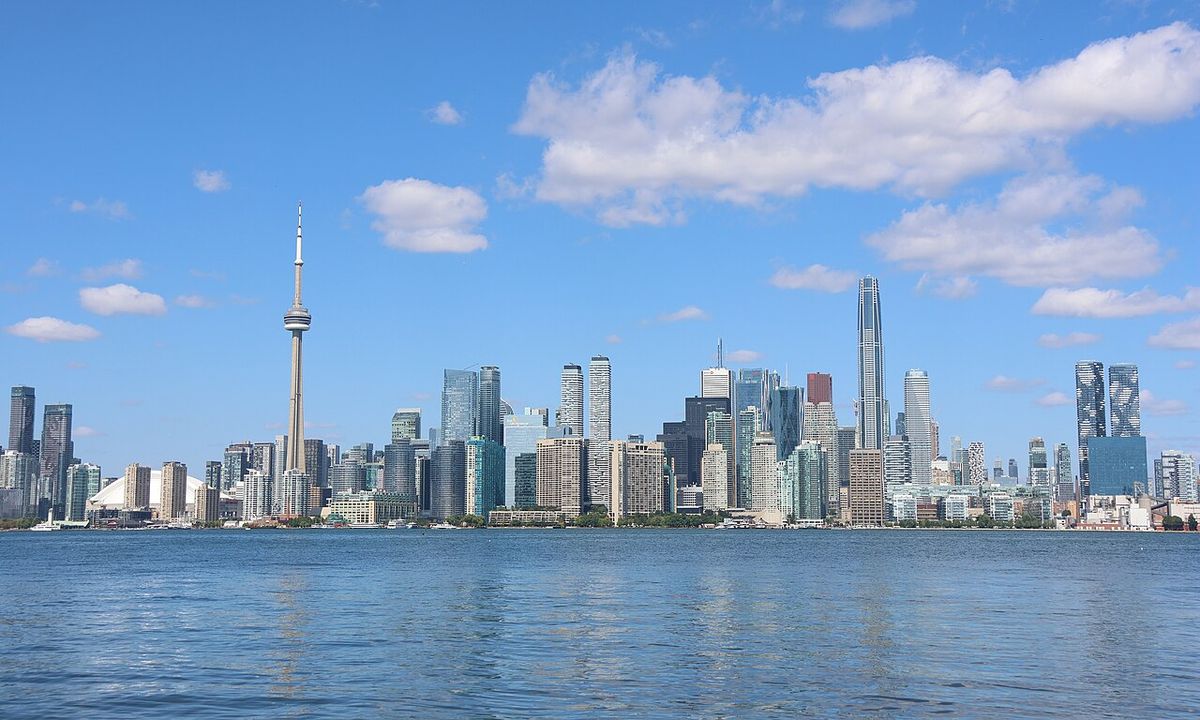
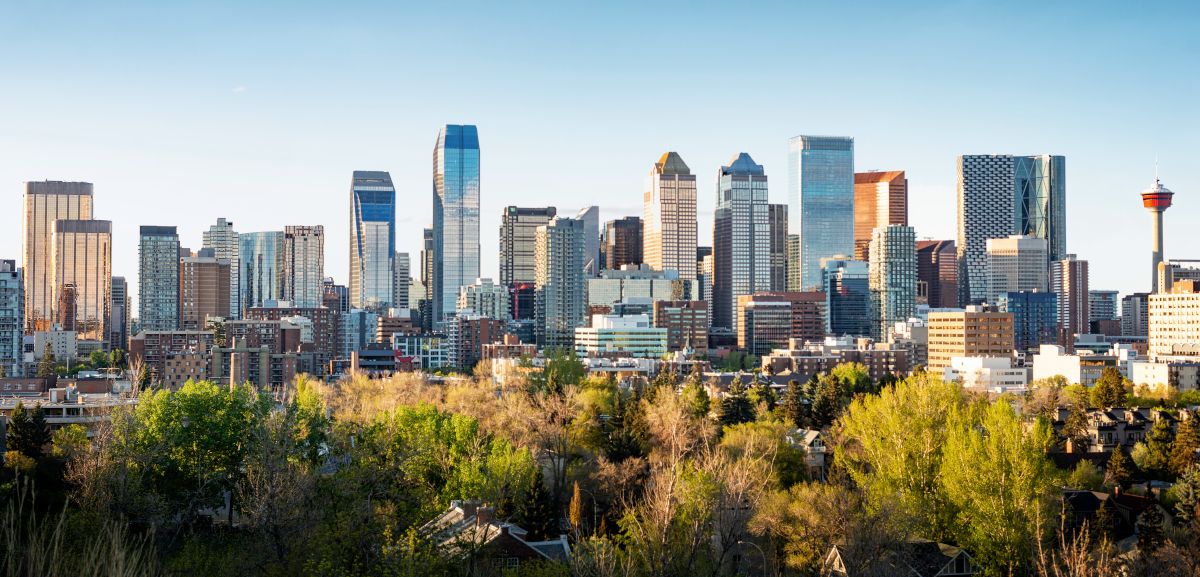
The system also shapes real estate development and property values. Direct connection to the RÉSO network is a major asset for office towers, hotels, and retail complexes, often marketed as a key feature. The policy of leasing air rights above Metro stations directly fostered the dense, integrated development seen today. While it is a major tourist draw, many Montrealers interact with it simply as a convenient series of connections between Metro stations and buildings, sometimes without consciously distinguishing it from the larger cityscape. The network's existence has also inspired similar, though smaller, pedestrian systems in other Canadian cities like Calgary's Plus 15 skywalks and Toronto's PATH. In Montreal, it remains a unique and defining engineering achievement that reflects the city's innovative approach to urban living in a challenging climate.
Questions about Underground City, Montreal
How big is Montreal's Underground City?
The Underground City, or RÉSO, is an extensive network spanning approximately 32 kilometres, or about 20 miles, of tunnels and indoor passages. It covers an area of roughly 12 square kilometres beneath the densest part of downtown Montreal. The system includes over 120 exterior access points and connects to 10 metro stations, 2 bus terminals, and about 2,000 stores. It is widely recognized as one of the largest underground pedestrian networks in the world.
What is the main purpose of the Underground City?
The primary purpose of the Underground City is to provide a climate-controlled pedestrian network that allows people to move through downtown Montreal without exposure to the weather. This is particularly valuable during the city's long and harsh winters. It serves as a practical commuting corridor linking offices, transit hubs, universities, and shopping centres. While it is a major commercial and tourist attraction, its fundamental role is functional, facilitating daily movement for an estimated 500,000 people.
When was the Underground City built and how did it start?
The first segment of the Underground City was built in 1962 with the opening of the Place Ville Marie complex and its underground mall, which was constructed over a railway pit. The vision is credited to urbanist Vincent Ponte. The network expanded significantly with the opening of the Montreal Metro in 1966, as new tunnels connected metro stations to major buildings. A major consolidation occurred in 2003 with the Quartier International development.
Is the entire Underground City actually underground?
Not entirely. While a significant portion of the network consists of tunnels and concourses located underground, many key passageways and access points are at ground level. There is also at least one bridge connecting buildings. The term 'Underground City' is something of a misnomer, and it is often more accurately described as an 'indoor city' (ville intérieure) because it prioritizes protected, climate-controlled environments rather than strictly subterranean spaces.
What are some major attractions connected to the Underground City?
The network connects a vast array of attractions. Major cultural venues include Place des Arts, the Musée d'art contemporain, and the Palais des congrès convention centre. Key shopping destinations are the Eaton Centre, Place Montreal Trust, and Simons department store. It also provides direct access to the Bell Centre sports arena, Central Station for rail travel, several major hotels like the Queen Elizabeth, and university campuses for UQAM and Concordia. The annual Art Souterrain festival also turns the tunnels themselves into an attraction.
Can you walk across downtown Montreal entirely indoors using the Underground City?
Yes, it is possible to walk across a significant portion of downtown Montreal without going outside. Following the consolidation of the Quartier International in 2003, one can walk entirely indoors from the UQAM Sherbrooke Pavilion at Sherbrooke Street to the Lucien-L'Allier Metro station near the Bell Centre. This indoor route spans a straight-line distance of about 1.7 kilometres, though the actual walking distance through the winding network is closer to 3 kilometres. This walk passes through multiple metro stations, shopping complexes, and office towers.
Sources: Wikipedia and current public reporting, checked by the Your Space Hamilton desk. Last updated 2026-10-18.