Fraser Valley farmers and First Nations build flood resilience through shared history tours
The Lower Fraser Floodplain Coalition is facilitating conversations to address tensions over water management and salmon habitat.
Heavy rains and atmospheric rivers hit British Columbia last week, putting parts of Vancouver Island and the Fraser Valley on flood watch and reminding communities of catastrophic flooding five years ago. That 2021 disaster was one of the province's costliest, with insured damages estimated at $675 million. Communities in the flood zone are handling competing priorities of flood management and salmon habitat protection. Aging flood infrastructure built to protect farmlands also blocks salmon from spawning grounds.
"Conversations about water management can become 'really tense, really fast,'" said Chris Bodnar, a farmer of 20 years and president of Organic BC. He said he has heard people argue that feeding everyone should come before protecting fish. In an effort to address those tensions, the Lower Fraser Floodplain Coalition is facilitating conversations with farmers and First Nations. The coalition advocates for a more collaborative, regional approach to long-term flood resilience.
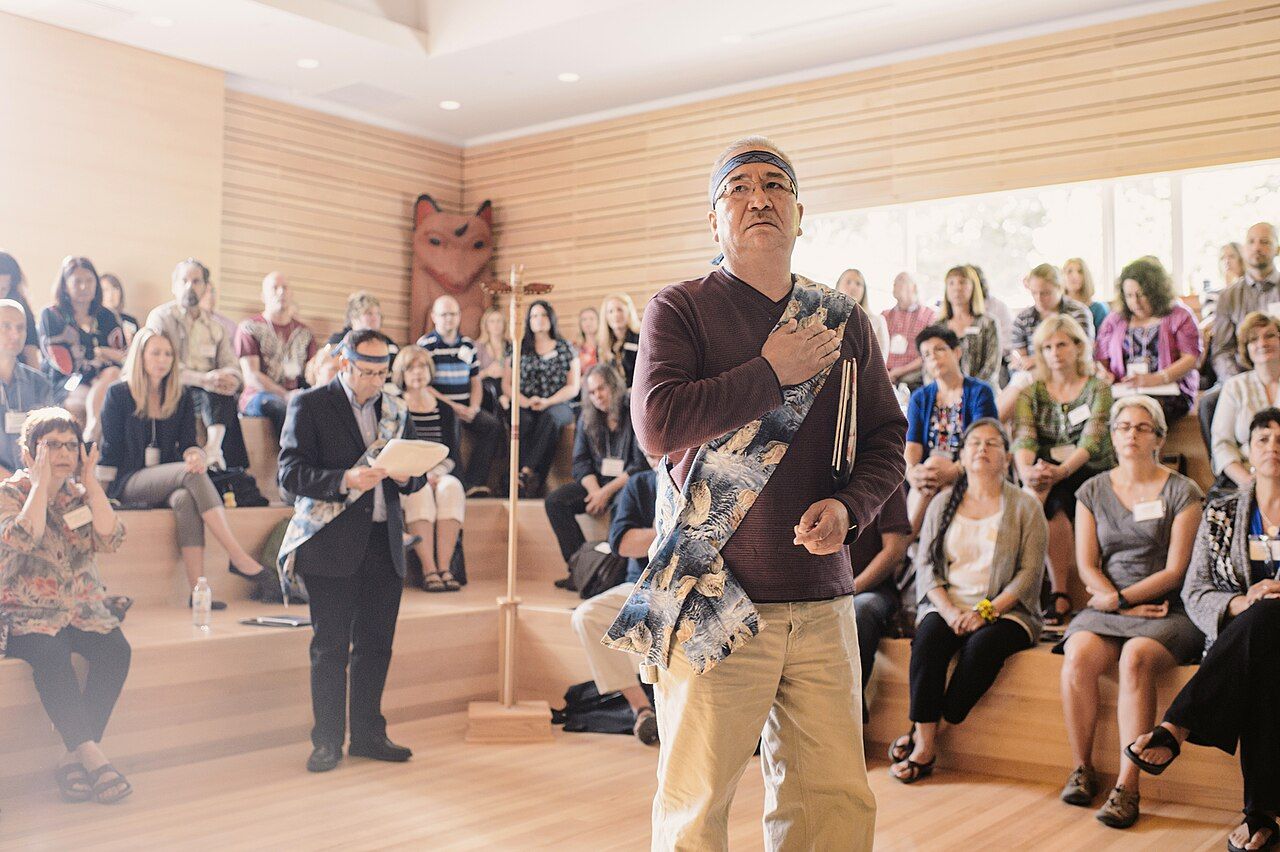
The goal is to build relationships and identify projects along waterways that collectively help build flood resilience. It starts with inviting farmers to learn more about the deep history of the lands they work on. Jay Hope, who is Nlaka'pamux and Stó:lō and a member of Sq'éwqel (Seabird Island First Nation), recently stood on a cliff overlooking the Fraser River with a small group of local farmers. He shared the significance of different sites in Stó:lō territory, a place he said feels like home.
READ MORE: Manitoba farmers grapple with extreme weather, seek resilience
READ MORE: Climate coalition says federal budget falls short on disaster prevention
More than a century ago, settlers realized the agricultural potential of the Fraser River basin and the colonial government forced First Nations onto limited reserve land. Semá:th Xó:tsa (Sumas Lake) was drained, streams were rerouted and wetlands disappeared. Areas that once naturally absorbed floodwaters were built over. Lina Azeez, habitat programs director at Watershed Watch Salmon Society, said mapping in 2024 found more than "1,700 kilometres of salmon habitat is blocked by at least 186 pieces of flood control infrastructure."
Azeez said waterways can also get plugged by sediments from industries like forestry and mining. Modern agriculture adds stresses through fertilizers and pesticides. "Even though many farmers are taking the steps needed to reduce nutrients moving into the water, there are still nutrients that are flowing into the water, dropping oxygen levels, which immediately kills fish," she said. The Fraser Valley Regional District is one of the most intensively farmed areas in Canada, contributing significantly to the province's $5.5 billion agriculture industry.
"On the one hand, people's livelihoods are at stake. But it's hard to listen to these conversations without recognizing that there's definitely some worldview assumptions within the arguments," Bodnar said. "More blatantly, there's racist undertones to all of it, and sometimes it's just overt. Sometimes it gets really, really difficult really fast." Rosa Quintana Lillo, a subsistence gardener who works at Cedar Isle Farm beside Sq'éwqel, reflected on the 2021 floods and climate change after a tour of significant sites. "We do all need to help each other. It's tough and it can get a lot tougher," she said. The floodplain coalition began its farmers and First Nations project in 2023, bringing together dozens of people from across the Fraser Valley. From there, work evolved to find three restoration projects on channels, tributaries and sloughs along the Fraser River. That work is now underway.
With files from The Narwhal