Lorne Park
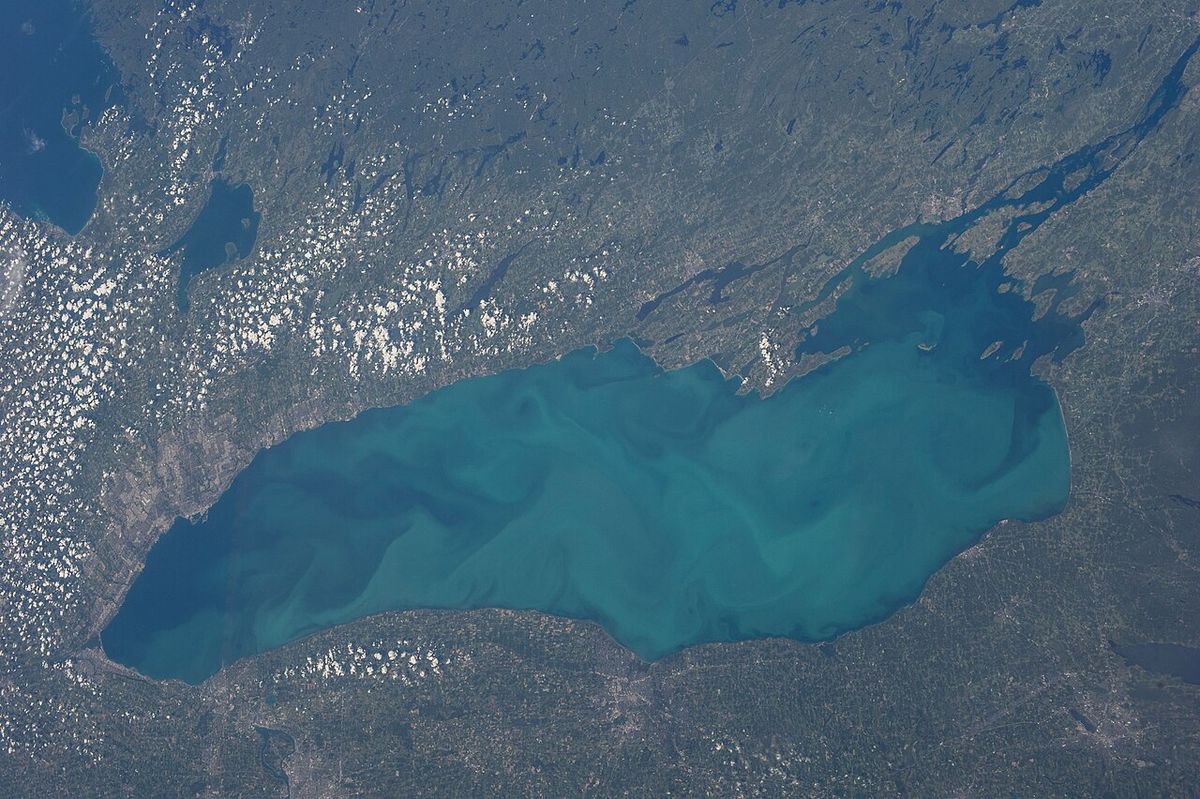
Lorne Park is a prestigious residential neighbourhood in southwestern Mississauga, Ontario, located on the Lake Ontario shoreline between Port Credit and Clarkson. First established as a resort, it is a suburban residential neighbourhood that was originally part of Toronto Township. The neighbourhood is a major draw for families and professionals, offering top-rated schools and a quiet, woodsy character. It also provides an efficient commute to downtown Toronto via the Clarkson GO Station, with its distinct enclaves catering to a luxury real estate market where homes regularly command multimillion-dollar prices.
History and Development
The land comprising Lorne Park was originally part of the territory of the Mississaugas, transferred through Treaty No. 13 in 1805. European settlement began with logging operations along Lakeshore Road, which by the 1830s was a major industry exporting pine wood. In 1887, Joseph Thompson purchased 86 acres that would later become Jack Darling Park. The Lorne Park Post Office opened in 1892, and the three-storey Albertonia Hotel was built in 1899, later renamed the Lorne Park Lodge before burning down in 1929. The community's early civic life centred on the Lorne Park Mission Hall, built in 1902, which hosted the first library meetings in 1904 and the first Anglican services in 1906. The post-World War II era and the completion of the Queen Elizabeth Way spurred suburbanization, with former cottage areas transitioning into permanent residential neighbourhoods while retaining their woodsy, cottage-country character with streets lacking curbs or sidewalks. Lorne Park was incorporated into the Town of Mississauga in 1968, which became a city in 1974.
Historical records indicate the park was named Lorne before his appointment, making the exact etymology unclear. The resort was officially re-opened in May 1889, several years after the Marquess had departed Canada. The enterprise faced challenges, including the collapse of its wharf in 1903, which ended steamer service and transformed the area into a private summer retreat for wealthy Toronto families. Subsequent attempts to reinvent the property, including as the Lakeshore Country Club, failed, leading to a 1914 Supreme Court of Canada ruling that protected the land from subdivision, preserving its character for future residential development.
Geography and Enclaves
Lorne Park is bounded by Lake Ontario to the south, with its main thoroughfares being Lakeshore Road, Lorne Park Road, Truscott Drive, and Indian Road. The neighbourhood is not monolithic but is divided into several distinct micro-markets or enclaves that cater to different lifestyles and price points. The area is renowned for its 100-year-old tree canopy and estate-style lots, offering a serene, low-density environment with no commercial development. This geographic setting provides residents with a cottage-country atmosphere mere minutes from major urban amenities and transportation corridors. The three primary enclaves within Lorne Park are Whiteoaks of Jalna, Watercolours, and the private Lorne Park Estates community, each with its own real estate profile and community character.
- Whiteoaks of Jalna: Considered the most prestigious area, featuring lot frontages of 100 feet or more and estate homes typically valued between $6 million and $8 million or more. The area has a literary connection, being named for Mazo de la Roche's Jalna novel series.
- Watercolours: A newer construction area developed approximately in the 2000s, with more standard lot sizes of 50 to 60 feet, attracting modern families seeking the Lorne Park school district with contemporary homes.
- Lorne Park Estates: An ultra-high net worth, lakefront community south of Lakeshore Road, characterized by private roads, private beaches, and a cooperative ownership model managed by the Lorne Park Estates Association.
The neighbourhood of Lorne Park divides into distinct enclaves. These enclaves include Whiteoaks of Jalna, Watercolours, and Lorne Park Estates. The specific enclave significantly influences property value, architectural style, and community dynamics. For example, Whiteoaks of Jalna is the most prestigious area with large lots. Watercolours features newer construction from the 2000s era. Lorne Park Estates is a lakefront community with private roads. This varied real estate landscape makes local expertise important for buyers.
Lorne Park Estates
Lorne Park Estates is a unique 31-hectare private community located south of the main Lorne Park neighbourhood, bordered by Lake Ontario, Lakeshore Road, Jack Darling Park, and Richard's Memorial Park. It operates as a homeowners' association where residents are cooperatively responsible for maintaining 15 hectares of reserve land, including private roads, forests, walking trails, a cottage, a private park and amenities area known as the Commons, and 0.8 kilometres of private beaches with riparian rights. The community's two access roads are privately owned and maintained by the Lorne Park Estates Association, marked for the exclusive use of residents and their invited guests, and are characteristically narrow, uncurbed, and without sidewalks. This model ensures a high degree of privacy and exclusivity, with homeowners paying municipal taxes while also sharing costs for the maintenance and insurance of their shared lands and infrastructure.
The history of the Estates is one of preservation against development. After the resort era waned, investor Sydney Small purchased the common lands and hotel in 1914 with subdivision plans, which were thwarted by a Supreme Court of Canada ruling supported by residents. In 1919, resident Mary Louise Boustead Clarke purchased the lands to prevent outside development, ultimately bequeathing them to the Lorne Park Estates Association in 1948. The original hotel on the property was irreparably damaged by fire in 1920. The community's layout, with streets like Roper, Stockwell, and Henderson named for original investors, retains a configuration from a 1922 survey, though several proposed streets, such as Campbell and McIntyre avenues, remain undeveloped to this day. The area known as Boustead Terrace, a grand lakefront promenade from the Victorian era, has largely been lost to lake erosion and parkland mismanagement.
Education
Education is a primary driver of real estate demand in Lorne Park, with the neighbourhood served by highly regarded public and Catholic school boards. Lorne Park Public School opened in 1923 as a two-storey, four-room building with 76 students. It served as a community hub in the 1930s, hosting concerts and village events. The original structure was destroyed by fire on January 22, 1982, and was rebuilt. It now serves students from grades 1 through 5. The key institution for the area's educational reputation is Lorne Park Secondary School (LPSS), founded in 1958, which serves approximately 900 students in grades 9 through 12 and is widely considered a top-tier public institution.
Lorne Park Secondary School's most prominent feature is the International Baccalaureate (IB) Diploma Programme, a rigorous pre-university curriculum that draws families from across the Greater Toronto Area specifically to live within the school's boundary. The school also offers a strong Extended French program and has a noted athletic tradition. For Catholic education, families have excellent nearby choices including St. James Catholic Elementary School and St. Aloysius Gonzaga Secondary School. The neighbourhood is also close to respected private schools such as Holy Name of Mary College School and Linbrook School. This concentration of high-calibre educational options is a key reason families choose to settle in Lorne Park long-term, creating consistent demand for homes within the Lorne Park Secondary School catchment area.
Transportation and Commuting
Lorne Park offers a highly efficient commute for a suburban estate neighbourhood, balancing seclusion with accessibility. The main arterial road is Lakeshore Road, which historically connected York to Hamilton and now runs through the heart of the community. For drivers, quick access to the Queen Elizabeth Way is available via Southdown Road or Mississauga Road, providing direct routes to Toronto and points west while allowing the neighbourhood itself to remain quiet and low-traffic. Public transit within Lorne Park is served by Mississauga Transit bus routes 23 Lakeshore and 14 Lorne Park, though service is limited, reflecting the area's car-oriented character and preference for private vehicle use among residents.
The neighbourhood's standout transportation feature is its proximity to the Lakeshore West GO Transit line. Most residents utilize the Clarkson GO Station, from which express trains during rush hour reach Toronto's Union Station in approximately 24 minutes. This is frequently cited as the fastest luxury commute in the 905 region. Historically, Lorne Park had its own train station, which was used by Canadian National Railway for Toronto to Niagara Falls passenger service until 1968. The station shelters and platforms have since disappeared. The combination of a sub-30-minute rail commute and major highway access makes Lorne Park uniquely positioned for professionals working in downtown Toronto who desire substantial estate-sized properties without a lengthy daily travel time.
Real Estate and Market Profile
The Lorne Park real estate market is defined by luxury, low density, and strong, sustained demand driven by its schools and location. The housing stock is overwhelmingly composed of detached homes, ranging from classic mid-century ranches and split-levels on deep lots to extensively renovated family two-storeys and newly built custom estates. There are very few townhome or condo options within the neighbourhood proper. Prices are consistently well above the Mississauga average, with a typical range from approximately $1.5 million to over $6 million, and premium estate lots in enclaves like Whiteoaks commanding prices from $6 million to $8 million and beyond. Market activity and pricing demonstrate the area's prestige and stability, with buyers often purchasing the lot and the street's character as much as the house itself.
According to a community guide from September 2026, six homes sold with a median time on market of 27 days and a median sold price of $1,712,500, which represented a decrease of 13.9 percent from the previous year. A broader housing market report for October 2026 indicated an average house price of $1,895,493 with 96 new listings in the preceding 56 days. The table below summarizes key real estate metrics for Lorne Park based on recent reports, illustrating the active and high-value nature of the local market. Buyers in Lorne Park are often trading urban walkability for privacy, land, and school district prestige, and they tend to remain in the neighbourhood for decades once they purchase a home.
| Metric | Figure | Time Period |
|---|---|---|
| Median Sold Price | $1,712,500 | September 2026 |
| Median Days on Market | 27 | September 2026 |
| Average House Price | $1,895,493 | October 2026 |
| New Listings (56 days) | 96 | October 2026 |
Amenities and Lifestyle
Life in Lorne Park revolves around outdoor amenities, community, and convenient access to nearby village centres. While the neighbourhood itself is strictly residential to preserve its quiet charm, residents enjoy world-class natural attractions. Jack Darling Memorial Park offers a popular beach on Lake Ontario, extensive picnic areas, and a massive off-leash dog park. To the east, the Rattray Marsh Conservation Area provides a protected wetland with boardwalk trails ideal for walking and birdwatching. For daily needs, a selection of local shops, cafes, and services can be found along Lorne Park Road and Lakeshore Road, while major shopping destinations like Sherway Gardens and Square One Shopping Centre are a short drive away, ensuring all conveniences are within easy reach.
Dining and social life are centred on the adjacent villages of Port Credit to the east and Clarkson to the west. Port Credit Village, just minutes away, offers a varied strip of restaurants, pubs, and the marina, serving as a de facto town centre for Lorne Park residents. Community cohesion is fostered by organizations like the Whiteoaks Lorne Park Community Association, which holds events and engages on local issues, and publications like the Neighbours of Lorne Park Magazine, a local resource since 2015. The lifestyle is characterized by family-oriented activities, neighbourhood strolls under mature tree canopies, and a strong sense of privacy and stability among long-term homeowners who value the area's unique blend of natural beauty and suburban convenience.
In Popular Culture and Notable Residents
Lorne Park's picturesque streets and substantial homes have made it a recurring location for film and television production. The neighbourhood served as a filming site for the 2017 feature film Downsizing, starring Matt Damon, with scenes shot on Cloverbrea Crescent. The house at 1287 Birchview Drive has been featured in multiple productions, including the 2022 Disney film Sneakerella starring Chosen Jacobs, the 2023 Netflix film You Are So Not Invited to My Bat Mitzvah with Adam Sandler, and television series such as Locke & Key, Culprits, and the second season of FUBAR starring Arnold Schwarzenegger. This use in media highlights the area's aesthetic appeal and its frequent selection to represent an affluent, established community setting in various narratives.
The neighbourhood has also been home to several notable individuals from sports, politics, and entertainment. These residents include Tommy Hunter, the celebrated Canadian country music musician and television host, and Patrick Brown, the Mayor of Brampton and former leader of the Ontario Progressive Conservative Party. Professional athletes from Lorne Park include Brent Urban, a defensive lineman for the Baltimore Ravens in the National Football League, and brothers Dylan Strome, a centre for the Washington Capitals, and Ryan Strome, a centre for the Anaheim Ducks, both in the National Hockey League. The presence of such figures adds to the neighbourhood's profile as a desirable address for successful Canadians from various fields.
Questions about Lorne Park
What makes Lorne Park such a prestigious neighbourhood in Mississauga?
Lorne Park's prestige stems from a combination of its historical estate character, exceptional schools, and prime location. It is defined by a mature 100-year-old tree canopy, large lot frontages often exceeding 100 feet, and a complete absence of commercial development, creating a serene, cottage-like atmosphere. The neighbourhood is home to Lorne Park Secondary School's renowned International Baccalaureate programme, a major draw for families. It also offers one of the most efficient luxury commutes in the region, with express GO train service from Clarkson Station to downtown Toronto in about 24 minutes, making it highly desirable for executives and professionals.
What are the different enclaves within Lorne Park?
Lorne Park is divided into distinct micro-markets or enclaves. The most prestigious is Whiteoaks of Jalna, known for 100-foot-plus lot frontages and estate homes valued from $6 million to over $8 million. Watercolours is a newer construction area from the 2000s with standard 50 to 60-foot lots, appealing to modern families. South of Lakeshore Road is Lorne Park Estates, an ultra-high net worth, lakefront community with private roads, privately maintained beaches, and a cooperative ownership model. Each enclave offers a different lifestyle and price point within the broader Lorne Park identity.
How good are the schools in Lorne Park?
Schools are a primary attraction of Lorne Park. The key institution is Lorne Park Secondary School (LPSS), frequently called the "Public Private School" of Mississauga for its rigorous International Baccalaureate Diploma Programme and strong Extended French program. Lorne Park Public School serves students from grades 1 to 5. For Catholic education, nearby options include St. James Catholic Elementary School and St. Aloysius Gonzaga Secondary School. The area is also close to top private schools like Holy Name of Mary College School. This concentration of high-calibre educational institutions is a key reason families specifically target the neighbourhood.
What is Lorne Park Estates and how is it different?
Lorne Park Estates is a private, 31-hectare lakefront community within Lorne Park, south of Lakeshore Road. It operates under the Lorne Park Estates Association, where homeowners are cooperatively responsible for maintaining private roads, forests, walking trails, a private park (the Commons), and 0.8 kilometres of private beaches. The two access roads are privately owned and maintained, marked for resident and guest use only. This model provides an ultra-exclusive, high-net-worth environment with direct lake access and communal management of amenities, setting it apart from the rest of the neighbourhood.
What is the commute to downtown Toronto like from Lorne Park?
The commute from Lorne Park to downtown Toronto is remarkably efficient for a suburban estate area. Most residents use the Clarkson GO Station on the Lakeshore West line. During rush hour, express trains make the trip to Union Station in approximately 24 minutes, which is often cited as the fastest luxury commute in the 905 region. For drivers, quick access to the Queen Elizabeth Way via Southdown Road or Mississauga Road provides a direct route to the city, allowing residents to bypass much of the congestion found in northern Mississauga.
What are the main outdoor amenities for residents?
Residents enjoy exceptional outdoor amenities that contribute to a relaxed, upscale lifestyle. Jack Darling Memorial Park offers a popular beach on Lake Ontario, picnic areas, and a large off-leash dog park. The Rattray Marsh Conservation Area features a protected wetland with boardwalk trails perfect for walking and nature observation. The neighbourhood's own streets, lined with mature trees and lacking through traffic, are ideal for strolls. While Lorne Park itself is purely residential, the active waterfront village of Port Credit, with its restaurants and marina, is just a few minutes' drive east for dining and social activities.
Sources and further reading
- Lorne Park (Wikipedia)
- Lorne Park Mississauga Real Estate & Estate Guide (2026) (ppreteam.com)
- Mississauga's Lorne Park Neighbourhood: What to Know (amblerteam.com)
- Neighbours of Lorne Park Magazine | Mississauga, ON (bestversionmedia.com)
- Lorne Park · Community Guide (repg.ca)
Checked by the Your Space Hamilton desk. Last updated 2026-10-28.