Little Italy, Toronto
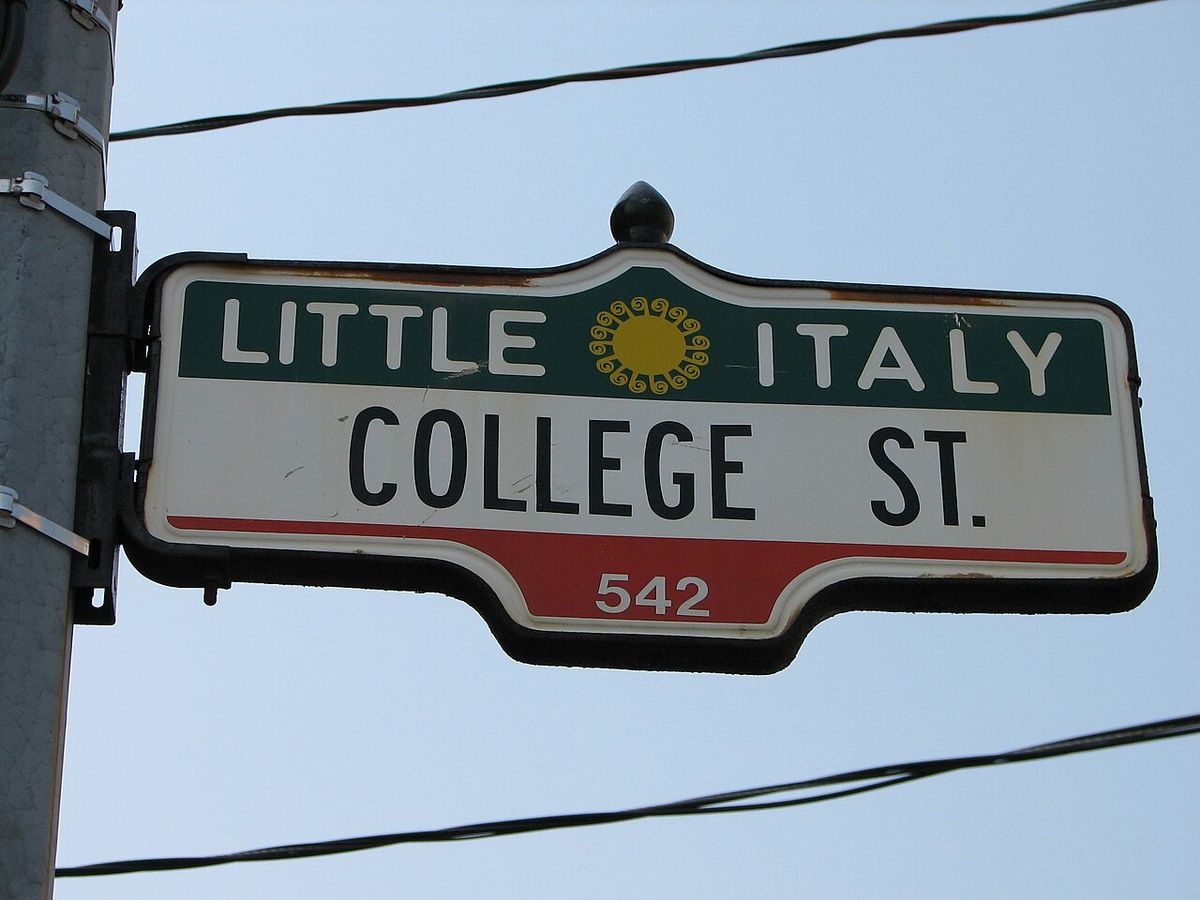
Little Italy is a historic and culturally significant neighbourhood in downtown Toronto, Ontario, centred on the active commercial strip of College Street. Originally established by Italian immigrants in the early 20th century, the district remains a major culinary and nightlife destination, celebrated for its Italian restaurants, cafes, and the annual Taste of Little Italy street festival. While its demographic character has diversified over the decades, the area retains a strong Italian Canadian cultural presence alongside active Portuguese, Latin American, and Vietnamese communities. The neighbourhood is known for its walkability, Victorian-era housing, and dynamic mix of independent shops, music venues, and cultural landmarks.
History and demographic evolution
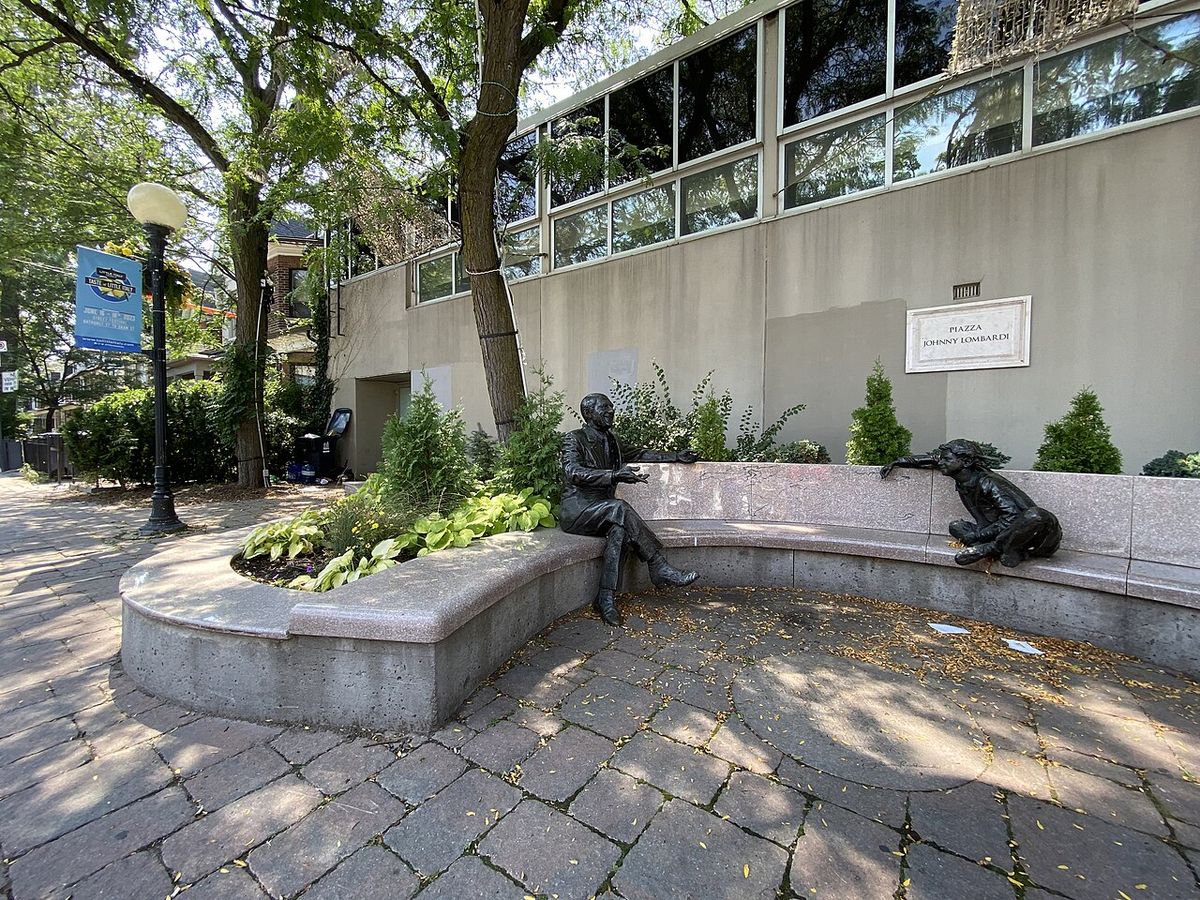
The area that became Little Italy was fully developed with its street grid by 1900, featuring the two and three storey commercial-residential buildings that still define College Street today. Large scale Italian immigration to Toronto began in the early 20th century, with initial settlement in an area known as The Ward near University and College. Between 1914 and 1918, approximately 40,000 Italians arrived in Canada, many from impoverished regions of Southern Italy. By the 1920s, the community had shifted west of Bathurst Street, establishing the College and Clinton area as the city's primary Little Italy. The Italian population in Toronto grew from 4,900 in 1911 to 9,000 by 1921, representing nearly two percent of the city's total population at the time. A notable figure from this era was Johnny Lombardi, born in The Ward in 1915 to Italian immigrants, who later founded the multilingual CHIN radio station in the neighbourhood in 1966.
Demographic change began as early as 1961, when 15,000 Italians made up 35 percent of Little Italy's population. This number declined to 8,000 by 1971 and further to 3,600 by 1991, representing just 13 percent of the local population. Starting in the 1970s, many Italian families moved north to the Corso Italia district along St. Clair Avenue West and later to suburban municipalities northwest of Toronto such as Vaughan, King, and Caledon. This outward migration allowed for the growth of other cultural communities, including significant Portuguese Canadian and Latin Canadian populations. Today, while the neighbourhood's name and many of its culinary institutions remain, it is a genuinely mixed community with residents tracing roots to some 122 different ethnic origins according to the 2021 census.
Geography and urban character
Little Italy is strung along College Street, roughly between Bathurst Street to the east and Ossington Avenue to the west. The district extends north to Bloor Street, bordering neighbourhoods like Seaton Village, and south to Dundas Street West, adjacent to Trinity Bellwoods Park. It is contained within the larger city-recognized planning area of Palmerston-Little Italy. The primary commercial and social life of the neighbourhood unfolds along the College Street strip, which is densely lined with restaurants, bars, cafes, and independent shops. The side streets are predominantly residential, featuring detached and semi detached single family homes built during the early 1900s Edwardian period, characterized by front porches and narrower lots. The area is considered one of Toronto's most walkable west end neighbourhoods, offering a lively main street alongside quiet, tree lined residential avenues.
Transportation access is primarily provided by the 506 College streetcar, which runs east west through the heart of the neighbourhood and connects to the downtown core in roughly 20 to 25 minutes. The nearest subway stations are on the Bloor Danforth line at Bathurst, Christie, and Ossington. The neighbourhood is also served by bike lanes on College and Harbord Streets. A significant challenge for the area is traffic congestion and limited parking, especially on busy weekend evenings when the restaurant and bar scene is at its peak. The built form includes a mix of the original Victorian and Edwardian housing stock, mid rise condominium buildings that have risen along College Street over the past decade, and conversions of historic commercial buildings into loft condominiums, such as The Button Factory and The Movie House.
Cultural landmarks and institutions
Little Italy is home to several notable cultural landmarks that reflect its history and contemporary vitality. The Italian Walk of Fame is a prominent tourist attraction, featuring granite and brass stars embedded in the sidewalk honouring noteworthy Italian Canadians. At 608 College Street stands the Royal Cinema, a historic venue built in 1939 that has been renovated with an upgraded projection system. It now functions as a venue for movie editing work by day and hosts repertory cinema screenings, comedy shows, and candlelight concerts by night. It remains a popular spot for soccer viewing parties and people watching.
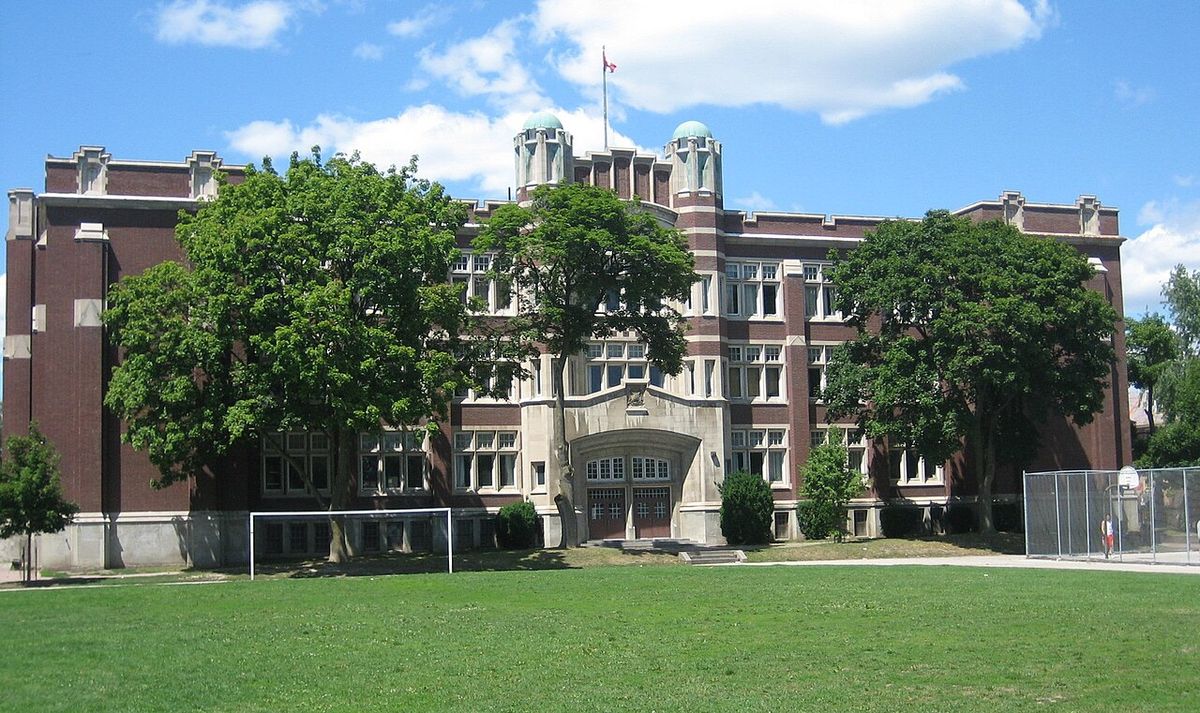
The neighbourhood's educational institutions serve its diverse population. Public primary schools include Clinton Street Junior Public School, Montrose Junior Public School, and the French language École élémentaire Pierre Eliott Trudeau. Catholic education is provided by Saint Francis of Assisi Catholic School. Public high schools in the area, all operated by the Toronto District School Board, include Central Toronto Academy on Shaw Street, built in 1916, Harbord Collegiate Institute on Harbord Street, built in 1892, and the West End Alternative School located within the Bickford Centre on Bloor Street. For green space, residents utilize Bickford Park and Fred Hamilton Park just north of College, with the larger Trinity Bellwoods Park a short walk to the south.
- Italian Walk of Fame: Sidewalk stars honouring Italian Canadians.
- Royal Cinema: Historic 1939 venue for film, comedy, and concerts.
- Cafe Diplomatico: Landmark patio cafe opened in 1968.
- Clinton Street Junior Public School: Local public elementary school.
- Harbord Collegiate Institute: Historic high school founded in 1892.
- Bickford Park: Local green space north of College Street.
Commerce, dining, and nightlife
The College Street strip is the epicentre of Little Italy's well known dining and nightlife scene, often cited as one of the city's best restaurant destinations. The culinary offerings, while rooted in Italian tradition, have expanded to include a wide variety of global influences. Longstanding Italian establishments like Trattoria Taverniti and Bar Italia coexist with modern venues such as Contrada, an intimate date night spot, and Bar Raval, a Spanish style tapas bar with a distinctive Gaudi esque interior. Sicilian Sidewalk Cafe holds the distinction of being the city's oldest authentic gelato shop. The neighbourhood also features well known casual eateries like Bitondo's for panzerotti and Sneaky Dees, a local landmark known for cheap beer and Tex Mex nachos that also hosts indie bands.
Nightlife in Little Italy is active and diverse. The speakeasy style Hail Mary draws a youthful crowd with DJs and a no cover charge policy, while its basement venue, Track & Field, offers bocce and shuffleboard. The live music scene is strong, with venues like the Emmet Ray Whisky Jazz Bar for jazz standards, Reverie for house music, and Sneaky Dees for indie rock. The area has also seen the arrival of larger late night venues like the Nest nightclub. This commercial strip is characterized by constant evolution, with newer establishments like Sal’s Pasta & Chops opening in 2025, while older institutions sometimes close, as was the case with the 20 year old Vivoli.
- Bar Raval: Spanish tapas bar with craft cocktails.
- Cafe Diplomatico: Historic patio cafe and soccer viewing hub.
- Sicilian Sidewalk Cafe: Toronto's oldest authentic gelato shop.
- Sneaky Dees: Landmark bar with Tex Mex food and indie music.
- Hail Mary/Track & Field: Multi level venue with speakeasy and game lounge.
- Emmet Ray Whisky Jazz Bar: Intimate venue for jazz music.
Community life and annual events
Community life in Little Italy is animated by several annual festivals that draw visitors from across the city. The premier event is the Taste of Little Italy, a free alfresco street festival that typically takes place in June, closing down College Street between Bathurst and Shaw. The 2026 festival was scheduled for June 12 to 14, featuring live performances by Italo Canadian musicians, a projection art show, and numerous food vendors and trucks, with Birra Moretti serving as the official Italian beer partner. Another key seasonal event is the Cavalcade of Lights, held in late November in Lombardi Square at College and Grace Streets, which kicks off the holidays with live music, seasonal snacks, and visits with Santa. These events, along with impromptu street celebrations during major soccer tournaments, reinforce the neighbourhood's communal spirit.
Daily community needs are well served within the walkable neighbourhood. Residents have access to a 24 hour Metro grocery store, pharmacies, butchers, bakeries, delis, and a liquor store. The area is also known for its independent retail shops, which contribute to its unique character. These include Lilliput Hats, the atelier of renowned milliner Karyn Ruiz, Neurotica Records for new and vintage music, and Balfour Books, a cherished second hand bookstore. The neighbourhood's demographic profile, as of the 2021 census, shows a well educated population with about 63 percent holding a bachelor's degree or higher. The median family income is approximately $133,000, above the Toronto average, with a mix of households including a significant proportion of people living alone (37 percent) and families with children (32 percent).
Real estate and housing
The housing stock in Little Italy is predominantly composed of Victorian and Edwardian era semi detached and detached homes on narrow lots, often with garages accessed via rear laneways. The grandest homes are found on streets like Palmerston and Dovercourt. Over the past decade, mid rise condominium buildings have been added along College Street, and several historic commercial buildings have been converted into loft condominiums. The market is typically tight, with well priced properties in need of renovation becoming increasingly rare. As of March 2026, market data for the Palmerston Little Italy area recorded an average sale price of $1,548,000 for detached homes.
The neighbourhood attracts a diverse range of residents due to its housing variety and central location. The housing mix supports multi unit rentals for students and young professionals, condominiums for first and second time buyers, family housing close to schools, and luxury dwellings attractive to professionals or downsizing baby boomers. The primary trade off for living in this active, transit friendly area is the challenge of congestion and limited parking, particularly on weekends. The 506 streetcar provides direct access to the downtown core, but there is no subway station within the neighbourhood boundaries themselves. The area's enduring appeal lies in its combination of urban energy, architectural charm, and walkable access to amenities.
In popular culture and media
Little Italy's distinctive streetscape and energetic atmosphere have made it a frequent location for film and television productions. Major motion pictures filmed in or near the neighbourhood include Chloe, Police Academy, Scott Pilgrim vs. the World, The F Word, and The Long Kiss Goodnight. In December 2013 and 2014, the television series Beauty & the Beast transformed the corner of College and Markham Streets to resemble a New York City street, complete with a subway entrance and emergency vehicles. The neighbourhood itself was the namesake and setting for the 2018 romantic comedy film Little Italy, which was later featured on an episode of the podcast How Did This Get Made. These appearances in media have helped establish the area's image as a well known Toronto neighbourhood.
The area's cultural influence extends beyond location shooting. The founding of CHIN radio by Johnny Lombardi in 1966 within the neighbourhood marked a significant moment in Canadian multilingual broadcasting. The district's evolution and character were also documented in the 2006 book College Street, Little Italy: Toronto's Renaissance Strip, edited by Denis De Kerck and Corrado Paina. The neighbourhood's ongoing story of immigration, cultural layering, and urban vitality continues to make it a subject of interest for journalists, historians, and urbanists studying the changing face of Toronto.
Questions about Little Italy, Toronto
Where is Little Italy located in Toronto?
Little Italy is centred on College Street in downtown Toronto, west of the University of Toronto. Its main commercial strip runs along College Street, roughly between Bathurst Street to the east and Ossington Avenue to the west. The neighbourhood extends north to Bloor Street and south to Dundas Street West, bordering areas like Trinity Bellwoods Park, Kensington Market, and the South Annex. It is contained within the larger city designated neighbourhood of Palmerston Little Italy.
What is the Taste of Little Italy festival?
The Taste of Little Italy is an annual free street festival that is a major community event. It typically takes place over a weekend in June, closing down College Street between Bathurst and Shaw. The festival features live performances by Italo Canadian musicians, a projection art show, and a wide array of food offerings from vendors and food trucks. The 2026 edition was scheduled for June 12 to 14 and partnered with Birra Moretti as the official Italian beer sponsor. It is a celebration of the neighbourhood's culinary heritage and contemporary culture.
Is Little Italy still predominantly Italian?
While the neighbourhood retains its name and many Italian Canadian cultural institutions, its demographic composition has diversified significantly since its peak in the mid 20th century. The Italian population declined from 35 percent of the area in 1961 to about 13 percent by 1991. Today, the community is a mixed, well educated area with strong Portuguese Canadian, Latin Canadian, and Vietnamese communities among many others. According to the 2021 census, residents trace roots to 122 different ethnic origins, making Little Italy more a historic and cultural designation than a strict demographic one.
What are some must visit places in Little Italy?
Key landmarks include the Royal Cinema, a historic 1939 venue now hosting films, comedy, and concerts, and Cafe Diplomatico, a legendary patio cafe opened in 1968. For dining, notable spots range from Spanish tapas at Bar Raval and house made pasta at Trattoria Taverniti to gelato at Sicilian Sidewalk Cafe, the city's oldest authentic gelato shop. Cultural attractions include the Italian Walk of Fame stars embedded in the sidewalk. Retail highlights include Lilliput Hats millinery, Neurotica Records, and Bickford Park for green space.
How do you get to Little Italy using public transit?
The primary transit route is the 506 College streetcar, which runs east west along the length of the neighbourhood and connects to the downtown core in about 20 to 25 minutes. To reach the area by subway, you can take the Bloor Danforth Line (Line 2) to Bathurst, Christie, or Ossington stations and then walk south or take a short bus or streetcar ride. The neighbourhood is also bike friendly, with dedicated lanes on College and Harbord Streets. Driving is possible but parking is limited and traffic congestion, especially on weekends, can be challenging.
What is the real estate market like in Little Italy?
The housing market is characterized by high demand and limited inventory. It is dominated by Victorian and Edwardian era semi detached and detached homes, with condominiums along College Street. As of March 2026, the average sale price for a detached home in the Palmerston Little Italy area was $1,548,000. The neighbourhood attracts a mix of young professionals, families, and downsizers due to its walkability, amenities, and architectural charm.
Sources and further reading
- Little Italy, Toronto (Wikipedia)
- Your Little Italy Guide: Cafés & Culture in Downtown Toronto (destinationtoronto.com)
- Little Italy, Toronto, Complete Neighbourhood Guide (getwhatyouwant.ca)
- College Street/Little Italy, Urbaneer (urbaneer.com)
Checked by the Your Space Hamilton desk. Last updated 2026-10-29.