Leslieville
Leslieville is a neighbourhood in Toronto, Ontario, situated east of the Don River. Historically a working-class village centred on gardening and brickmaking, it has transformed into one of the city's most sought-after residential and commercial districts, known for its independent shops, restaurants, and creative atmosphere. The neighbourhood is a key part of Toronto's east end, blending Victorian-era housing with a busy local economy along Queen Street East. It is also a central hub for the city's film and television production industry, known as the Studio District.
History and industrial origins
Leslieville began as a small village in the 1850s, growing around the Toronto Nurseries owned by George Leslie and his sons, from whom the community takes its name. Most early residents were gardeners or worked in the area's numerous brick-making factories, which supplied materials for Toronto's growth. The village's first school, Leslieville Public School, had Alexander Muir, the composer of 'The Maple Leaf Forever', as its first principal. The maple leaf that inspired the song fell from a tree in Leslieville. That original tree fell on July 19, 2013, and only its trunk remains in Maple Leaf Forever Park, with a descendant growing behind the park's Maple Cottage. A fire at the tannery in 2000 burned for days and released toxic ash over the surrounding neighbourhood, highlighting the environmental legacy of the area's industrial past. Almost all of these industrial areas have since been abandoned, creating the physical space for the neighbourhood's subsequent redevelopment and demographic shift.
Economic and demographic transformation
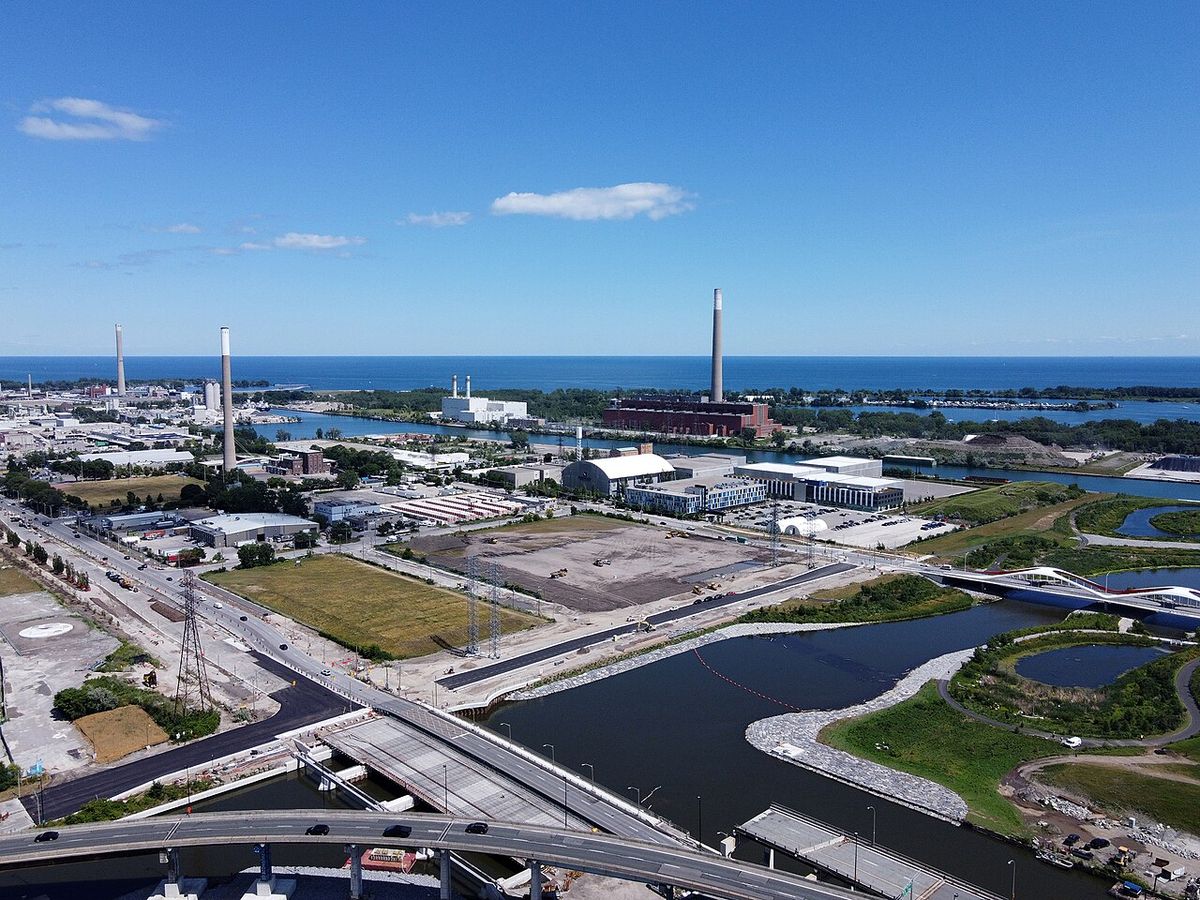
The departure of heavy industry from the 1990s onward fundamentally changed Leslieville's economic base and population. The reduction in air pollution and industrial fumes made the area more appealing to middle-class and creative professionals. This shift was accelerated by the conversion of former industrial buildings into residential lofts and condominiums, particularly north along Carlaw Avenue. Large film studios moved into some of the former industrial areas, including Cinevillage and Showline Studios, with the massive Pinewood Toronto Studios built just to the south in the Port Lands. This clustering of production facilities earned the area the nickname the Studio District. The neighbourhood once housed those who worked in the local factories, and their departure altered the social fabric. The influx of new residents included design and media professionals, young families, and artists seeking character and proximity to downtown without the higher prices of adjacent neighbourhoods like Riverdale. This transformation was not without its tensions and landmarks of the old era, including a fortified site along Eastern Avenue that served as the main Toronto base of the Hells Angels until it was raided by police and confiscated in 2007.
Geography, boundaries, and adjacent features
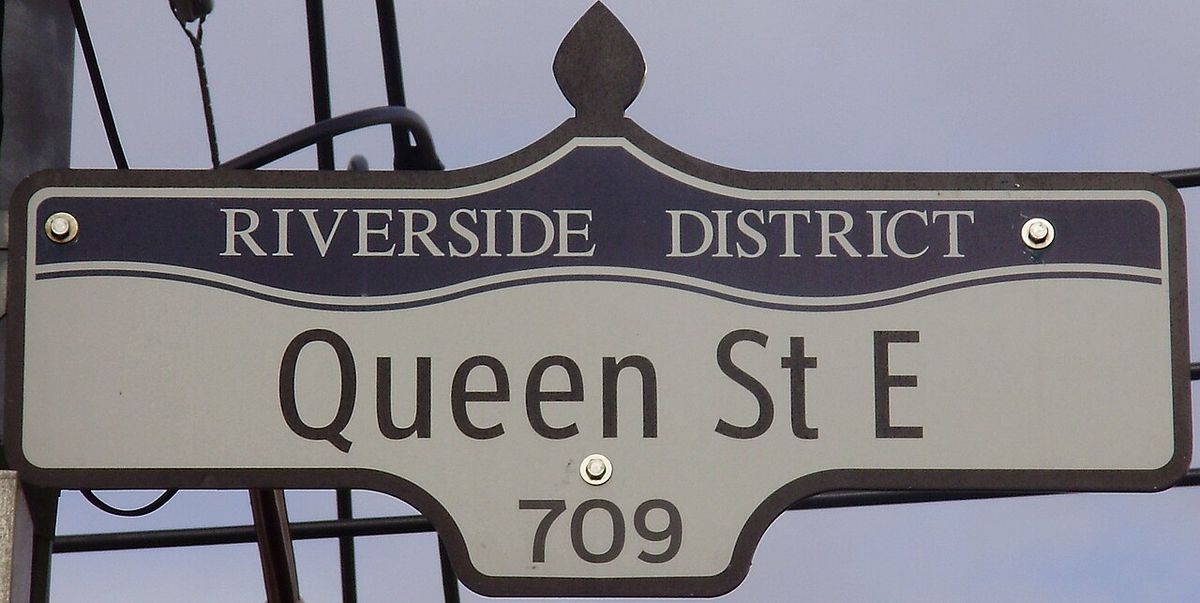
Leslieville is located in Toronto's east end, immediately east of the Don River and the Don Valley Parkway. Its traditional boundaries are the Canadian National railway line and Gerrard Street to the north, Empire Avenue to the west, Eastern Avenue to the south, and Coxwell Avenue to the east. The neighbourhood forms the southern part of the broader South Riverdale area and is situated just west of The Beaches. Queen Street East serves as the primary commercial and social spine running through its centre. The southern edge of Leslieville borders the massive Ashbridges Bay Wastewater Treatment Plant, which is Canada's second-largest sewage treatment facility after Montreal's Jean-R. Marcotte plant. This industrial landmark, while functionally critical, can affect the local environment on certain days. The area's geography is generally flat, characteristic of Toronto's lakefront plain, facilitating walking and cycling throughout the community. The Martin Goodman Trail provides a key cycling and pedestrian route connecting the neighbourhood south to the lakefront.
Demographic profile and community character
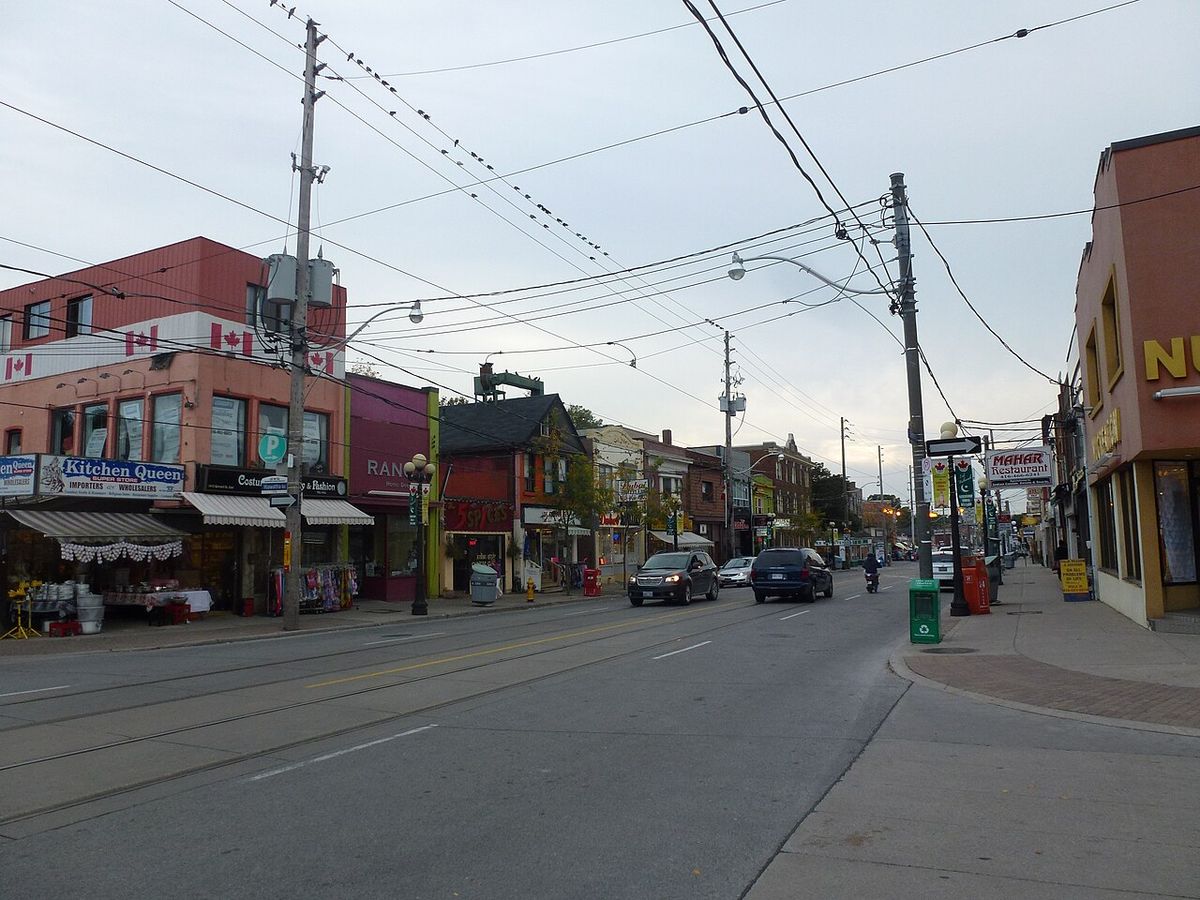
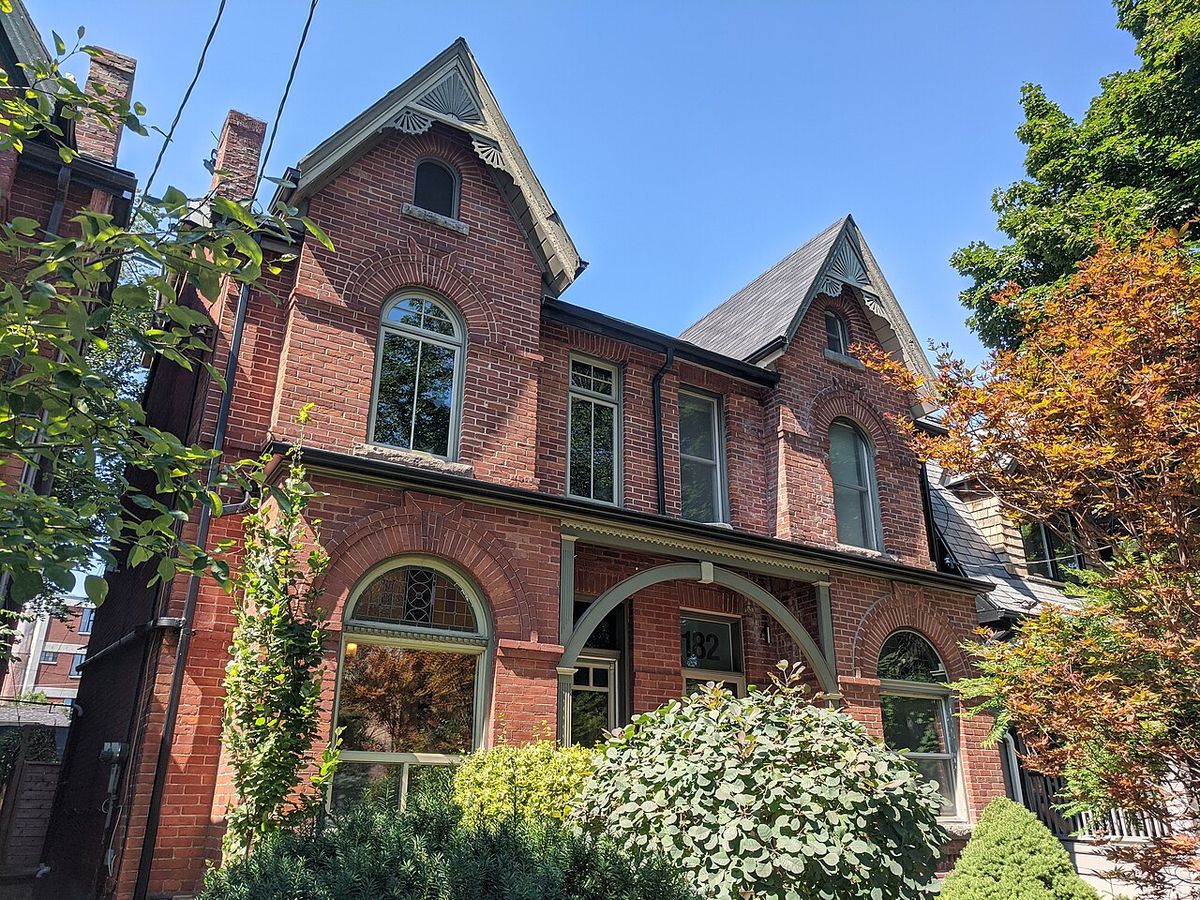
Leslieville is characterized by a family-friendly atmosphere that has made it highly desirable for young professionals and families. The streetscape is defined by narrow Victorian houses, small brick-and-beam live-work lofts, and a main street, Queen East, dominated by independent businesses rather than national chains. This scale contributes to a community-oriented feel distinct from downtown Toronto. Demographically, the City of Toronto includes Leslieville within its South Riverdale neighbourhood profile, which had roughly 28,000 residents according to the 2021 Census. The population is a mix of long-time working families, newer condo dwellers, and a notable immigrant population. Household incomes vary widely but average around the Toronto median of approximately $85,000. The neighbourhood attracts a younger, creative demographic involved in design, media, and the arts. This blend has created active street life, with locals and visitors frequenting the area for its dining scene, weekend brunch culture, and shopping. The side streets south of Queen, with their smaller 'cottage' style homes, are often the starting point for first-time buyers, while the prime family streets north of Queen command significantly higher prices and typically require two solid incomes.
Commerce, dining, and the Business Improvement Area
Queen Street East is the commercial and cultural heart of Leslieville, hosting over 220 businesses under the Leslieville Business Improvement Area. The strip is known for its concentration of independent cafes, restaurants, boutiques, and vintage furniture stores. The retail and restaurant strip acts as a destination that draws people from across the city. Notable local establishments include Te Aro at 983 Queen East for coffee, Lady Marmalade and Maha's on Greenwood Avenue for brunch, and newer arrivals like NODO for Italian cuisine and Maru for Japanese fare. The neighbourhood is a destination for sustainable and vintage shopping, with numerous shops offering locally made goods and Canadian designs. Rowe Farms, a butcher shop on Queen East, offers Ontario beef, poultry, lamb, and pork raised using holistic management practices, reflecting a community interest in local food systems. The commercial character is deliberately local, with the Leslieville BIA actively promoting the independent businesses that define the streetscape.
- Te Aro (983 Queen East): A popular local coffee shop with a patio.
- Lady Marmalade: A famed brunch spot known for long weekend lineups.
- Maha's: An Egyptian brunch restaurant on Greenwood Avenue.
- NODO: A restaurant serving Italian cuisine.
- Maru: A Japanese restaurant on Queen East.
- Rowe Farms: A butcher shop offering Ontario-sourced, regeneratively raised meats.
- Leslieville BIA: Represents over 220 local shops, restaurants, galleries, and services.
Cultural life and major events
Leslieville's cultural life is anchored by its role in Toronto's film production and its participation in major community festivals. The area is central to the Studio District, with several major film production studios operating in converted industrial spaces. Culturally, the neighbourhood hosts and participates in significant local events. The Beaches Jazz Festival, a month-long July event now in its 38th annual edition as of 2026, includes the 'Sounds of Leslieville & Riverside' component. This event runs at Jimmie Simpson Park and offers free admission, diverse music, food trucks, and local vendors, encouraging visitors to explore local cafes and businesses. The larger festival attracts an estimated one million people and includes other major components like Salsa on the Beach at Woodbine Park and the StreetFest on Queen Street East in The Beaches, which features over 35 acts including Samba Squad and the Toronto All-Star Big Band. Within Leslieville itself, community events like the Leslieville Beer Fest and the Sunday farmers' market at Greenwood Park foster a block party atmosphere. The TD Workshop Series is also part of the Beaches Jazz Festival programming, adding an educational component to the celebrations.
Parks, recreation, and green space
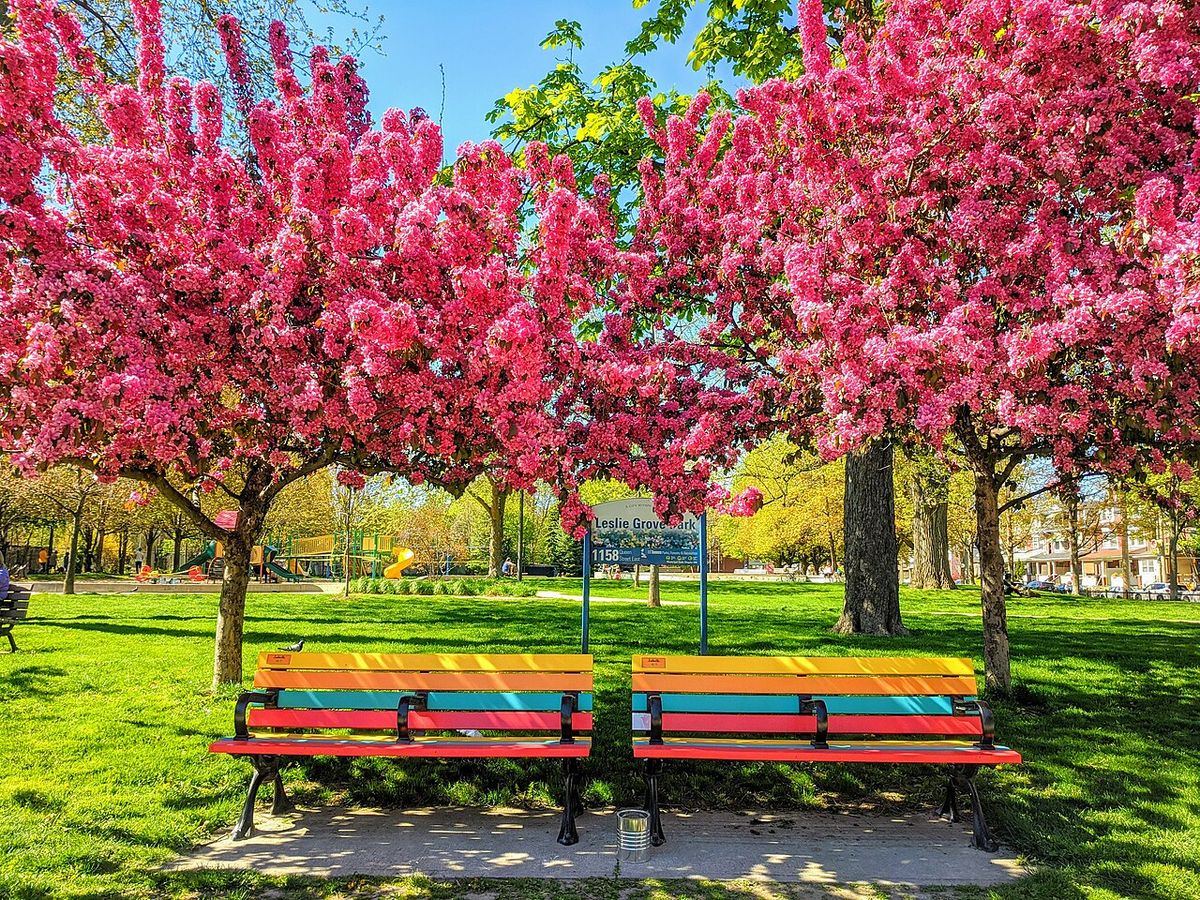
Leslieville offers several significant parks and recreational facilities that contribute to its quality of life. Greenwood Park, located near Greenwood Avenue and Gerrard Street, is a major community hub featuring a skating trail in winter and a Sunday farmers' market. Jimmie Simpson Park and Recreation Centre, at Queen Street East and Booth Avenue, provides sports fields, a community centre, and direct access to the Martin Goodman Trail for cycling and walking along the lakefront. Maple Leaf Forever Park, a smaller historic park, commemorates the site of the maple tree that inspired Canada's former unofficial anthem. The park contains the trunk of the original tree and a descendant. These green spaces host numerous community events throughout the year, including the family-friendly 'Sounds of Leslieville & Riverside' music festival during the Beaches Jazz Festival in July. The neighbourhood's walkability and connectivity to larger trail networks make it attractive for active residents. The availability of parks, splash pads, and the Jimmie Simpson recreation centre are frequently cited reasons for the area's popularity with families.
Transportation, connectivity, and future transit
Leslieville is served by Toronto Transit Commission streetcar and bus routes, providing public transit connections. The 501 Queen streetcar runs east-west along Queen Street, offering a direct route to downtown Toronto in approximately 15 to 25 minutes. Bus routes, including the 22 Coxwell bus from Coxwell subway station, provide north-south connections. The neighbourhood is considered highly walkable, with most daily needs met along Queen Street East. For drivers, side streets are predominantly permit parking, and many older homes lack driveways due to small lot sizes, making car ownership a consideration for residents. A major future transit project is the Ontario Line subway, which is planned to include a station at Queen Street East and Leslie Street. While construction is ongoing and the line is not expected to open until approximately 2031, the future 'Leslieville Station' is anticipated to significantly improve rapid transit access to the area. The current transit mix supports the neighbourhood's density and commercial activity, though the pending subway line represents the largest infrastructure change on the horizon.
Housing market and architectural character
The Leslieville housing market is characterized by a mix of historic housing stock and newer condominium conversions, reflecting its industrial past and contemporary desirability. Detached and semi-detached Victorian houses, often on narrow lots, are prevalent north of Queen Street East. South of Queen, smaller 'cottage' style homes provide more affordable entry points into the market. Many former industrial buildings have been converted into brick-and-beam lofts, such as the Wrigley Lofts and the Garment Factory, which are considered landmarks. New condominium developments have also been built, particularly along Carlaw Avenue and other former industrial corridors. This market dynamic makes Leslieville one of Toronto's more expensive east-end neighbourhoods. The area is noted for offering unique character homes, including oddball spaces like 12-foot-wide cottages or mixed-use buildings on Gerrard with retail below, which continue to attract creative buyers.
Political representation and electoral history
Leslieville falls within the federal and provincial electoral riding of Toronto-Danforth. Federally, the riding is represented by Liberal Member of Parliament Julie Dabrusin. The seat has a history of support for the New Democratic Party, having been held by the NDP from 1965 to 1988. Past MPs include Bob Rae, who served from 1978 to 1982 before resigning to lead the provincial NDP and later becoming Premier of Ontario. In the 1988 federal election, the seat was won by Liberal Dennis Mills, who held it until Jack Layton of the New Democratic Party regained it in the 2004 election. At the provincial level, the riding has elected a New Democrat in every election and by-election since 1963. The current Member of Provincial Parliament is Peter Tabuns of the NDP, first elected in a by-election on March 30, 2006, and re-elected in the 2007 general election. He succeeded Marilyn Churley, the former deputy leader of the Ontario NDP, who resigned to run federally. Municipally, Leslieville is part of Toronto Ward 14, represented by City Councillor Paula Fletcher. This consistent representation by left-of-centre parties, particularly at the provincial level, reflects the neighbourhood's political leanings within the broader east-end context.
Questions about Leslieville
What are the boundaries of Leslieville?
Leslieville is traditionally bounded by the Canadian National railway line and Gerrard Street to the north, Empire Avenue to the west, Eastern Avenue to the south, and Coxwell Avenue to the east. It is situated east of the Don River in Toronto's east end. Queen Street East runs through its centre as the main commercial corridor. The neighbourhood is part of the larger South Riverdale area and is located just west of The Beaches community. These boundaries define a roughly wedge-shaped area below Gerrard Street.
What is Leslieville known for?
Leslieville is known for its independent business scene along Queen Street East, including popular brunch spots, cafes, vintage stores, and local boutiques. It is a central hub for Toronto's film and television production industry, often called the Studio District, with several major studios located in converted industrial buildings like Cinevillage and Showline Studios. The neighbourhood is also known for its community atmosphere, historic Victorian homes, and participation in major festivals like the Beaches Jazz Festival. Its transformation from an industrial area with a tannery and brickworks to a creative, family-friendly district is a key part of its identity.
Is Leslieville a good place for families?
Leslieville is considered a very family-friendly neighbourhood, popular with young families. It offers several parks with playgrounds and recreational facilities, such as Greenwood Park with its skating trail and Jimmie Simpson Park with a community centre. The area has local schools and a strong community feel fostered by events and a walkable main street. However, the cost of housing, particularly for detached and semi-detached homes on the prime streets north of Queen, is high and often requires dual incomes. The side streets south of Queen offer smaller, more affordable cottage-style homes that are often a starting point for first-time buyer families.
How do you get to and around Leslieville?
The primary public transit route is the 501 Queen streetcar, which runs directly into downtown Toronto in roughly 15 to 25 minutes. Bus connections, like the 22 Coxwell bus from Coxwell subway station, provide north-south links. The neighbourhood is highly walkable for daily errands along Queen Street East. For drivers, parking can be challenging as many side streets require permits and older homes often lack driveways due to small lot sizes. A significant future improvement is the Ontario Line subway, which will include a Leslieville Station at Queen and Leslie. However, it is not expected to open until around 2031 and is currently a construction site.
What are some notable local events?
A major annual event is the Beaches Jazz Festival each July, which in 6 includes the 'Sounds of Leslieville & Riverside' component at Jimmie Simpson Park with free music, food trucks, and vendors. The festival's StreetFest also transforms Queen Street East in The Beaches into a large outdoor concert with over 35 acts. The Leslieville BIA promotes various events throughout the year. Greenwood Park hosts a Sunday farmers' market, and the area sees community events like the Leslieville Beer Fest. The TD Workshop Series is also part of the Beaches Jazz Festival programming, adding an educational component to the summer celebrations.
What is the housing market like in Leslieville?
The Leslieville housing market features a mix of Victorian houses, converted industrial lofts, and newer condominiums. It is one of Toronto's more desirable and expensive east-end markets. More affordable entry points can sometimes be found in the smaller 'cottage' style homes south of Queen Street. The unique brick-and-beam loft conversions in buildings like the Wrigley Lofts and the Garment Factory are particularly prized for their character and connection to the area's industrial past.
Sources and further reading
- Leslieville (Wikipedia)
- Neighbourhood: Leslieville (destinationtoronto.com)
- Leslieville Neighbourhood & Real Estate Guide, Toronto, ON (getwhatyouwant.ca)
- Visit Leslieville, It's Better In The 'Ville (visitleslieville.ca)
Checked by the Your Space Hamilton desk. Last updated 2026-10-30.