Shirley M. Tilghman
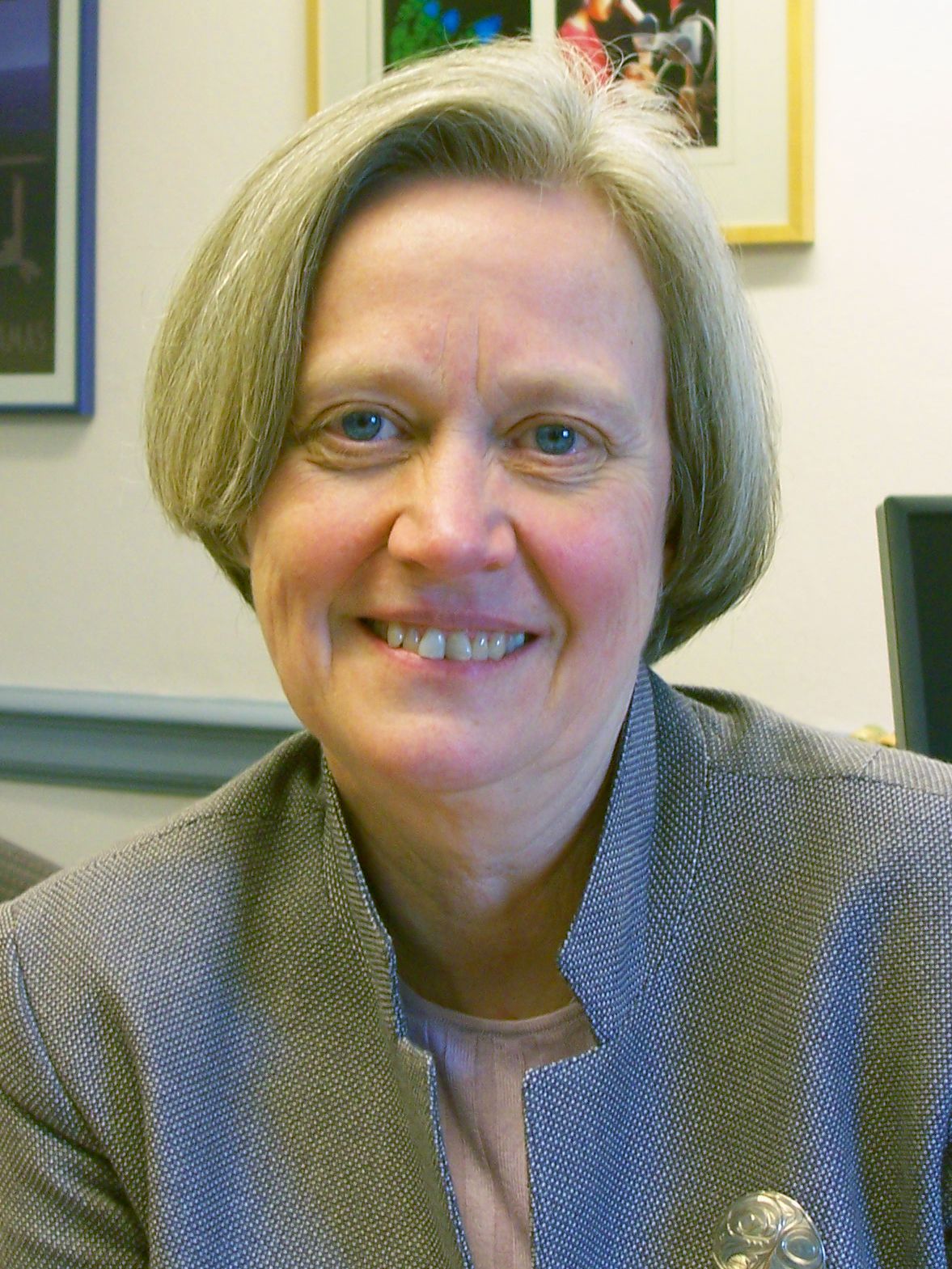
Shirley Marie Tilghman is a Canadian molecular biologist and academic leader who served as the 19th president of Princeton University from 2001 to 2013. She was the first woman to hold the presidency at Princeton, a landmark achievement for a major Ivy League institution. Her tenure was marked by significant expansion of the undergraduate student body, major academic initiatives, and a steadfast commitment to financial aid and diversity. Tilghman's distinguished career in science and higher education administration makes her a prominent figure of Canadian accomplishment on the global stage.
Early life and education
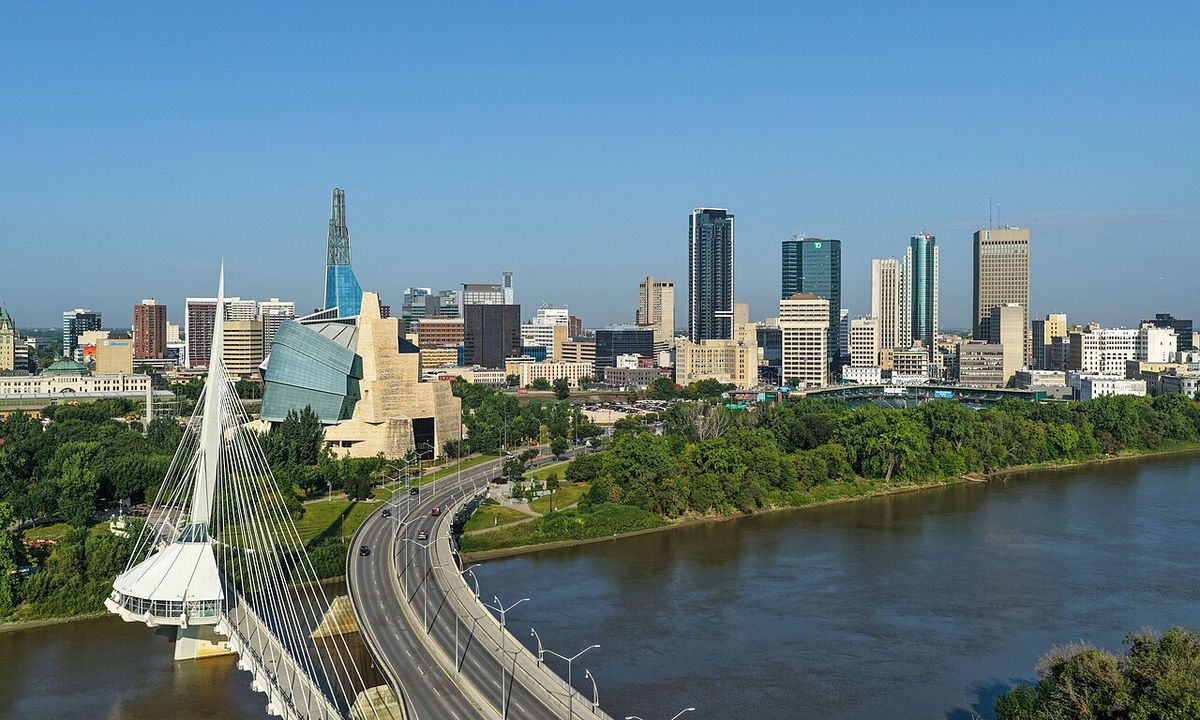
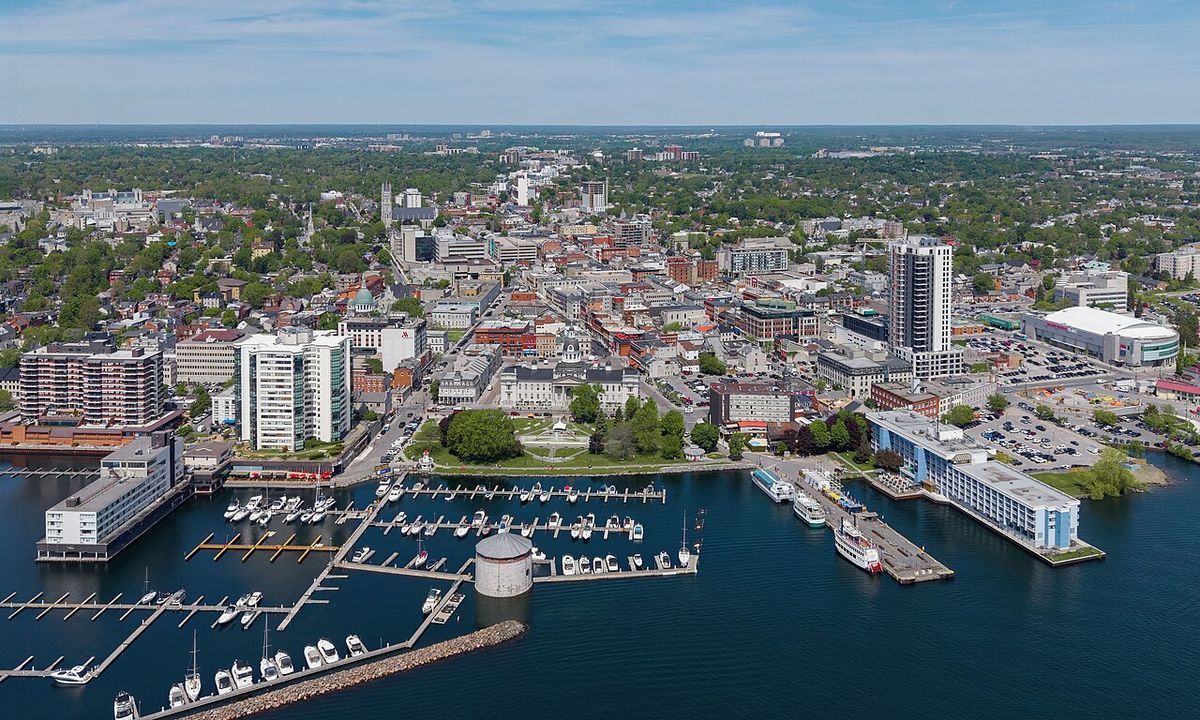
Shirley Marie Caldwell was born in Toronto, Ontario, on 17 September 1946. Her father encouraged her early interest in mathematics, often substituting math games for bedtime stories. She completed her secondary education at Kelvin High School in Winnipeg, Manitoba, before moving on to higher studies. In 1968, she earned an honours Bachelor of Science degree in chemistry from Queen's University in Kingston, Ontario. Following her graduation, she spent time as a secondary school teacher in Sierra Leone through the Canadian University Services Overseas (CUSO) Program, an early indication of her commitment to international service and education. She was the first graduate student of her supervisor, Richard W. Hanson. Her dissertation research focused on the hormonal regulation of the enzyme phosphoenolpyruvate carboxykinase. This foundational work in biochemistry provided the platform for her subsequent groundbreaking research in molecular genetics and developmental biology, fields where she would later make her most significant scientific contributions.
Scientific career and research
Shirley Tilghman's research career is distinguished by major contributions to the understanding of gene regulation and genomic imprinting. As a postdoctoral fellow at the National Institutes of Health, she was part of the team that successfully cloned the first mammalian gene. She later demonstrated that the globin gene was spliced, providing key evidence for emerging theories about complex gene behaviour. From 1980 to 1986, she worked as an independent investigator at the Fox Chase Cancer Center in Philadelphia and held an adjunct associate professor position in Human Genetics at the University of Pennsylvania, where she continued her pioneering work.
In 1986, Tilghman joined the faculty of Princeton University as the Howard A. Prior Professor of the Life Sciences. Two years later, she also became an investigator with the Howard Hughes Medical Institute. Her research at Princeton pioneered the use of transgenic mice to study gene function, specifically investigating the effects of gene insertion in embryonic cells. In 1998, she took on the role of founding director of Princeton's multidisciplinary Lewis-Sigler Institute for Integrative Genomics. There, her research explored how male and female genomes are packaged differently and the consequences of these differences for regulating embryonic growth. Her extensive body of published work is catalogued in the PubMed database of the United States National Library of Medicine.
Presidency of Princeton University
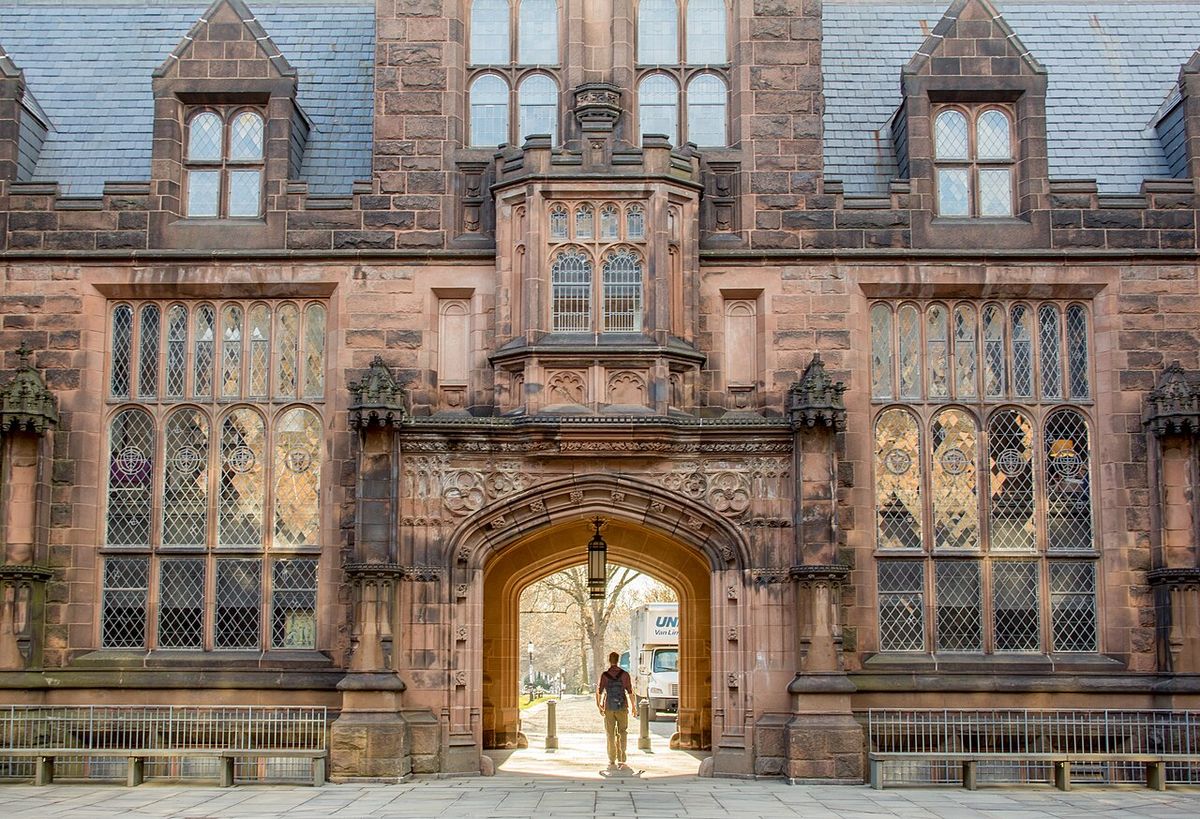
Shirley Tilghman was elected the 19th president of Princeton University on 5 May 2001 and assumed office on 15 June 2001, succeeding Harold Tafler Shapiro. She was the first woman to lead the institution in its history. Her presidency, which lasted until June 2013, was defined by a clear vision for the university's dual mission. She articulated this as ensuring wide access for talented students worldwide through strong financial aid and addressing critical global issues by pushing the frontiers of knowledge across all disciplines, from science to social policy.
Under her leadership, Princeton undertook a significant physical and structural expansion. A key project was the construction of Whitman College, a sixth residential college built to accommodate an 11 percent expansion of the undergraduate student body, adding approximately 500 students. This project, along with the reconstruction of Butler College, reconfigured the residential college system to include upperclassmen, fostering greater social interaction across all years. Tilghman also worked to strengthen ties with the university's independent eating clubs to enhance the overall undergraduate experience. She appointed a committee chaired by Nannerl O. Keohane in 2009 to review undergraduate women's leadership at Princeton.
Her tenure saw the launch of several major academic initiatives that capitalized on existing strengths and broke new ground. These included the creation of the Lewis Center for the Arts, the Princeton Neuroscience Institute, and the Andlinger Center for Energy and the Environment. She also presided over the establishment of a Center for African American Studies and the renewal of the Department of Chemistry. Tilghman emphasized increasing faculty and student diversity, eliminating early decision admissions, and fostering a multidisciplinary and international perspective through programs like the Global Scholars Program and the Bridge Year Program for incoming freshmen.
Key initiatives and centres established- Construction of Whitman College and reconfiguration of Butler College (2000s)
- Creation of the Lewis Center for the Arts
- Establishment of the Princeton Neuroscience Institute
- Launch of the Andlinger Center for Energy and the Environment
- Formation of a Center for African American Studies
- Renewal of the Department of Chemistry
- Implementation of the Bridge Year Program for public service overseas
Financial aid and university funding
A central policy of Tilghman's presidency was making a Princeton education accessible. Early in her term, the university achieved a long-sought goal by eliminating loans from its financial aid packages, replacing them with grants funded by the endowment. This policy meant that, in principle, students could graduate from Princeton entirely free of debt. During her tenure, both the percentage of students receiving financial aid and the size of the average award increased. These efforts were supported by the growth of the university's endowment and consistent alumni donations through the Annual Giving campaign.
Despite the endowment's size and the success of the no-loan policy, Tilghman maintained that Princeton would continue to charge tuition. In a Wall Street Journal article, she argued that charging tuition was a morally and economically correct policy for the institution to maintain. She viewed a strong financial aid program, not the elimination of tuition, as the critical tool for ensuring access. Her approach balanced the need for revenue with a commitment to socioeconomic diversity, ensuring that financial barriers did not prevent talented students from attending.
External roles and board memberships
While serving as Princeton's president, Shirley Tilghman held several significant external positions that extended her influence beyond the campus. From October 2005 to February 2018, she served on the board of directors of Google. Her compensation for joining the board included 6,000 shares of stock. In 2012, this role led to her being subpoenaed as part of a lawsuit challenging a Google stock split, though all board members received similar subpoenas. She also served on the board of trustees of Cold Spring Harbor Laboratory in New York during the early years of her presidency.
Tilghman maintained strong ties to her Canadian roots through service on Queen's University's Chemistry Innovation Council, helping to develop the chemistry program at her alma mater. Beginning in 2001, she served for a time on this council to help the development of the chemistry program at Queen's University, which is based in Kingston, Ontario, Canada. In 2006, she was one of three sitting university presidents who served on the Duke University President's Council that investigated the university's wide-ranging actions after the lacrosse players scandal. Her external service also included serving on the board of trustees at Cold Spring Harbor Laboratory during the early years of her presidency. While serving as president of Princeton, Tilghman also accepted membership on the board of directors of Google, and served in that capacity from October 2005 to February 2018.
Honours, awards and recognition
Shirley Tilghman's contributions to science and higher education have been recognized with numerous prestigious honours. In 2002, she received the L'Oréal-UNESCO Award for Women in Science, and Discover magazine named her one of the 50 most important women in science that same year. She was awarded the Henry G. Friesen International Prize in Health Research in 2010. In 2014, she was appointed an Officer of the Order of Canada, one of the country's highest civilian honours, and was named Person of the Year by Science Careers. She also received the Benjamin Franklin Creativity Laureate in Science and Public Service in 2014.
Her scholarly achievements have been acknowledged through election to several elite academies. She was elected a Fellow of the Royal Society in 1995 and a Foreign Associate of the U.S. National Academy of Sciences. She is also a member of the American Philosophical Society and the Institute of Medicine. At Princeton, she received the President's Award for Distinguished Teaching in 1996. An impressive nineteen Princeton graduating classes, from 1941 to 2005, have made her an honorary member, indicating her deep connection with the student body.
Select honours and awards- L'Oréal-UNESCO Awards for Women in Science (2002)
- Fellow of the Royal Society (elected 1995)
- Officer of the Order of Canada (appointed 2014)
- Henry G. Friesen International Prize in Health Research (2010)
- Genetics Society of America Medal (2007)
- Lifetime Achievement Award, Society for Developmental Biology (2003)
- American Society for Cell Biology Women in Cell Biology Award (2000)
- Princeton President's Award for Distinguished Teaching (1996)
Personal life and legacy
Shirley Tilghman married Joseph Tilghman in 1970 and took his surname. The marriage ended in 1983, and she raised their two children, Rebecca and Alex, as a single parent. She has often credited her ability to balance a demanding scientific career with family life to intense organization and focus, aiming to be fully present in whichever role she was fulfilling at the moment. When interviewing for the Princeton presidency, one of her first questions to the search committee chair was whether it was possible to have a family life while leading a major university, and she sought assurances on this point before proceeding. Her legacy at Princeton includes grooming a strong successor in Christopher L. Eisgruber, who succeeded her as president in July 2013. She presided over a major conference for Princeton alumnae titled "She Roars" and led the first major university celebration for LGBT alumni, setting a national precedent. Tilghman championed policies that broadened access and diversity, sometimes disquieting some alumni but finding strong support for her underlying vision. She returned to the faculty as professor emerita of molecular biology and public policy and president emerita, closing a distinguished chapter of leadership that expanded Princeton's reach, resources, and reputation.
Questions about Shirley M. Tilghman
What is Shirley Tilghman known for?
Shirley Tilghman is best known for serving as the 19th and first female president of Princeton University from 2001 to 2013. She is also a renowned molecular biologist recognized for her pioneering research in genomic imprinting and gene regulation. Her scientific achievements include being part of the team that cloned the first mammalian gene and demonstrating that the globin gene is spliced. As a university leader, she is known for expanding Princeton's student body, eliminating student loans from financial aid packages, and establishing several major interdisciplinary research centres.
Where did Shirley Tilghman go to university in Canada?
Shirley Tilghman completed her undergraduate education in Canada at Queen's University in Kingston, Ontario. She graduated in 1968 with an honours Bachelor of Science degree in chemistry. Before attending Queen's, she completed her secondary education at Kelvin High School in Winnipeg, Manitoba. She has maintained ties to her Canadian alma mater, having served on Queen's University's Chemistry Innovation Council to help develop its chemistry program.
What did Shirley Tilghman accomplish as president of Princeton?
As president, Shirley Tilghman oversaw an 11 percent expansion of the undergraduate student body, facilitated by the construction of Whitman College. She made Princeton the first American university to replace all student loans with grants in its financial aid packages. Academically, she launched the Princeton Neuroscience Institute, the Andlinger Center for Energy and the Environment, and the Lewis Center for the Arts. She also emphasized increasing diversity, eliminated early decision admissions, and strengthened Princeton's international perspective through initiatives like the Bridge Year Program for public service overseas.
What awards has Shirley Tilghman won?
Shirley Tilghman has received numerous awards, including the L'Oréal-UNESCO Award for Women in Science in 2002 and the Henry G. Friesen International Prize in Health Research in 2010. In 2014, she was appointed an Officer of the Order of Canada. Other significant honours include the Genetics Society of America Medal (2007), the Lifetime Achievement Award from the Society for Developmental Biology (2003), and the Benjamin Franklin Creativity Laureate in Science and Public Service (2014). She was also elected a Fellow of the Royal Society in 1995.
Did Shirley Tilghman serve on any corporate boards?
Yes, Shirley Tilghman served on the board of directors of Google from October 2005 to February 2018. She accepted this role while serving as president of Princeton University, and her compensation for joining the board included 6,000 shares of Google stock. In August 2012, this position led to her being subpoenaed as part of a lawsuit attempting to block a Google stock split, a case where all board members received subpoenas. The legal demand specifically sought records of donations or promises made by Tilghman or Princeton to entities affiliated with Google's founders. This external role was separate from her primary academic leadership responsibilities at the university.
When did Shirley Tilghman step down as president of Princeton?
Shirley Tilghman stepped down as president of Princeton University in July 2013. She announced her decision to the Princeton Board of Trustees on 21 September 2012, planning to conclude her presidency at the end of that academic year. She was succeeded by the university's then provost, Christopher L. Eisgruber, whose term began on 1 July 2013. Following her presidency, Tilghman returned to the Princeton faculty, holding the titles of professor emerita of molecular biology and public policy and president emerita of the university.
Sources and further reading
- Shirley M. Tilghman (Wikipedia)
- Shirley M. Tilghman, Engineering and Technology History ... (ethw.org)
Checked by the Your Space Hamilton desk. Last updated 2026-11-01.