Saugeen First Nation
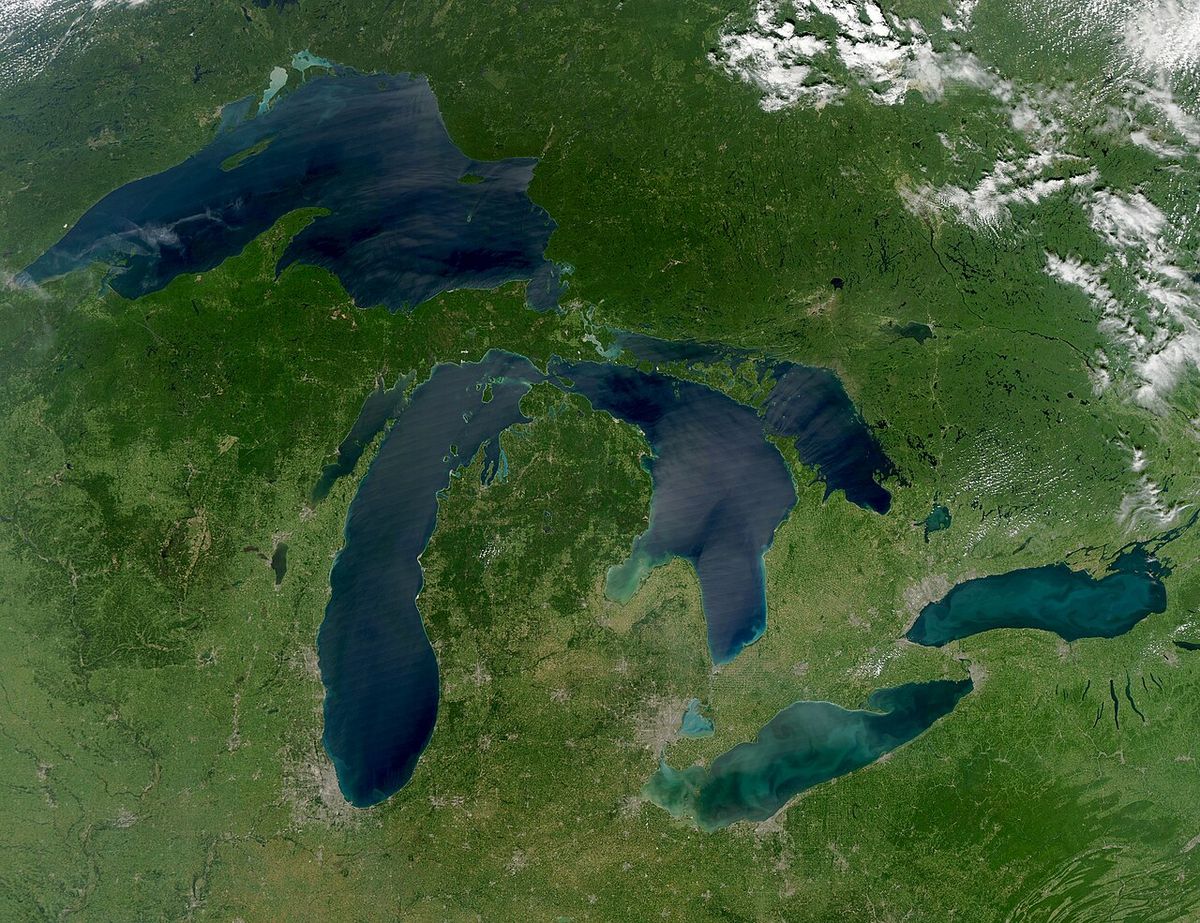
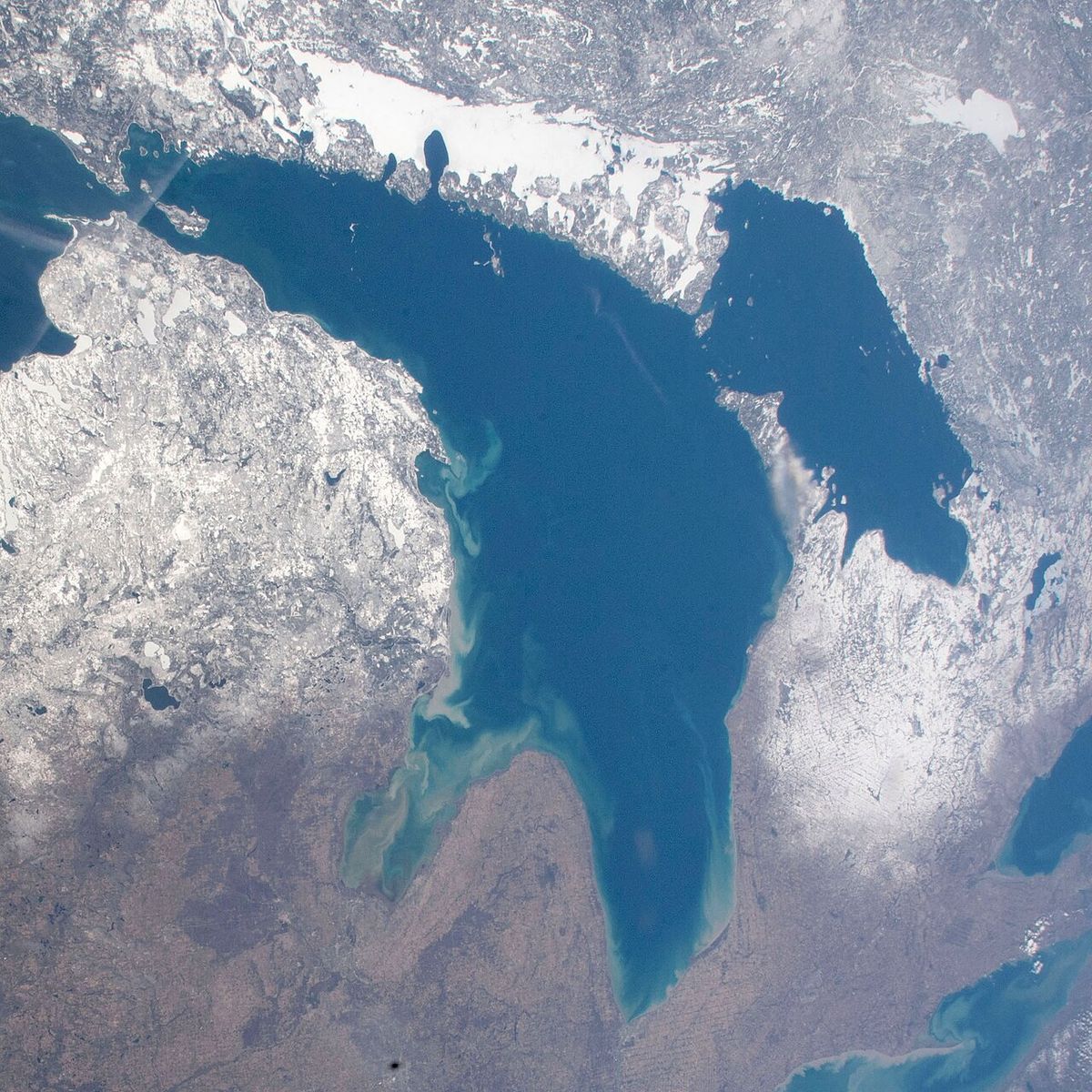
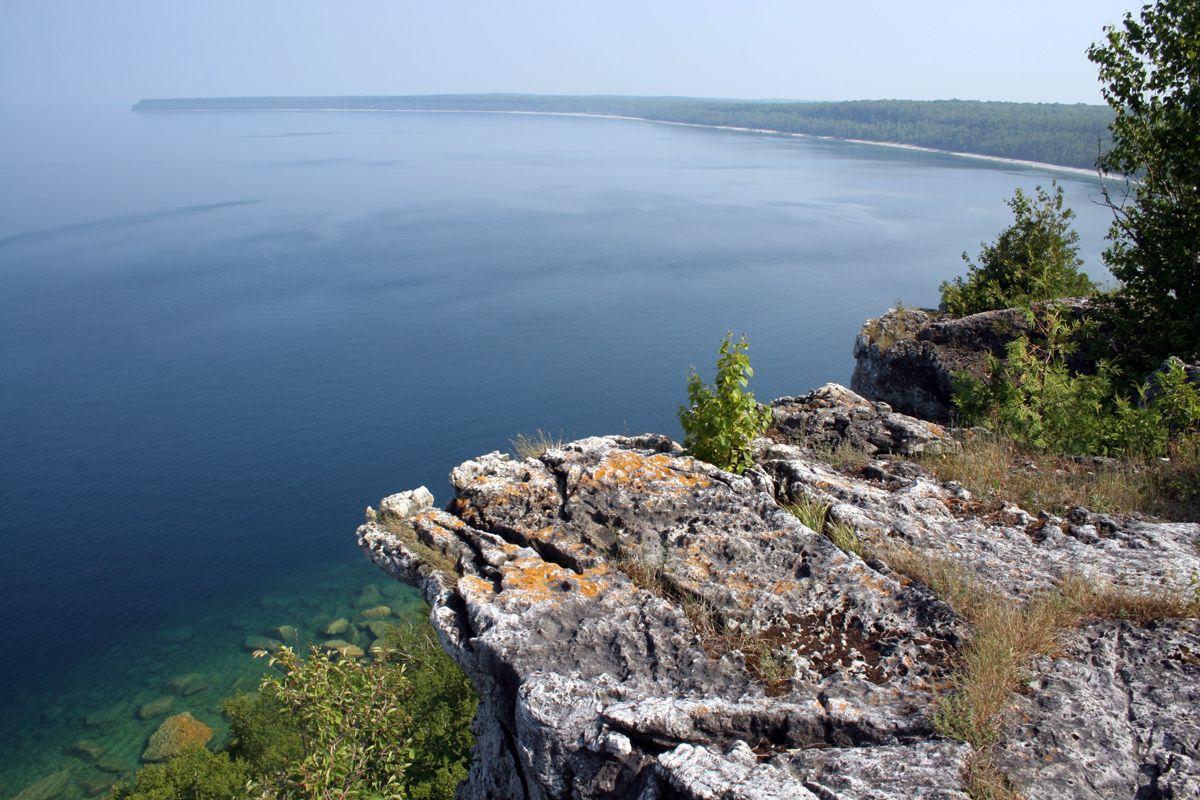
Saugeen First Nation is an Ojibway First Nation located in Bruce County, Ontario, Canada. Its principal community is situated on the Saugeen 29 reserve near the mouth of the Saugeen River on Lake Huron, close to Southampton. Together with the Chippewas of Nawash Unceded First Nation, it forms the Saugeen Ojibway Nation, whose traditional territory encompasses the Bruce Peninsula and adjacent areas of southwestern Ontario. A landmark 2023 Ontario Superior Court ruling, which was upheld on appeal and finally left in force when the Supreme Court of Canada declined to hear a further appeal in August 2025, confirmed that a section of the Sauble Beach shoreline is part of the Saugeen reserve. This decision resolved a boundary dispute that had continued for approximately 35 years.
Historical Context and Treaty Relations
Historian Peter Schmalz has documented these shifts, emphasizing how the Saugeen communities adapted within this evolving landscape. The first major recorded agreement with the Crown was the Saugeen Tract Agreement, also known as Treaty 45½, signed in August 1836 with Lieutenant-Governor Francis Bond Head. This treaty transferred a large area of land south of the Bruce Peninsula to the Crown while ostensibly securing territory on and around the peninsula for the Saugeen Ojibway. A subsequent and important agreement, Treaty 72, was concluded in 1854 and resulted in the surrender of most of the Bruce Peninsula to the Crown. Treaty 72 provided for the establishment of reserved lands for the Saugeen Ojibway communities, but its implementation and the precise definition of its boundaries later became the source of enduring disputes between the First Nation and the Crown. Another recorded surrender in 1855 concerned lands on the northern shore of Lake Huron, collectively reducing the territory under Saugeen control to a fraction of its former extent and establishing the reserve system that exists today.
Land and Water Claims Litigation
Saugeen First Nation, often in partnership with the Chippewas of Nawash, has actively pursued legal claims concerning lands and waters within their shared traditional territory. These joint efforts through the Saugeen Ojibway Nation have involved complex litigation on issues of Aboriginal title, treaty rights, reserve boundaries, and the fiduciary duties of the Crown. One significant case advanced a claim to Aboriginal title over sections of the lakebed of Lake Huron and Georgian Bay. While the Ontario courts ultimately rejected this specific claim to submerged lands, the litigation contributed to important legal discussions regarding the application of Canadian Aboriginal title doctrine to Indigenous relationships with bodies of water. Beyond title, the Saugeen Ojibway Nation has consistently asserted fishing and other treaty rights in the surrounding waters, matters that remain part of ongoing negotiations and legal proceedings with federal and provincial governments. This persistent legal engagement demonstrates a commitment to defending sovereignty and rights tied to the aquatic and terrestrial environment.
The Saugeen Beach Boundary Dispute
A central and long-running dispute concerned the ownership of the northern portion of the popular shoreline at Sauble Beach. This argument formed the basis of a legal battle that spanned approximately 35 years. On 4 April 2023, the Ontario Superior Court of Justice ruled in favour of Saugeen First Nation, finding that the disputed shoreline was indeed part of the reserve and that the Crown had failed in its obligation to protect the reserve boundary. Following an appeal by the Town of South Bruce Peninsula and others, the Court of Appeal for Ontario upheld the trial judgment in December 2024. The town then sought leave to appeal to the Supreme Court of Canada, which on 28 August 2025 declined to hear the case, letting the lower-court decisions stand and effectively ending the litigation. In a symbolic act affirming the ruling, signage at the beach was changed in July 2025 to reflect its name as recognized by the First Nation: Saugeen Beach.
Governance and Community Relations
Saugeen First Nation is governed by an elected chief and council, operating under its own community governance structures. Conrad Ritchie served as chief during the 2024 to 2026 council term, leading the nation through the final resolution of the beach boundary case. In a significant step toward building stronger local relationships, Saugeen First Nation and the neighbouring municipality of Saugeen Shores signed their first formal friendship accord in January 2025. This agreement was presented by both governments as a constructive framework for future cooperation and mutual understanding between the communities, marking a new chapter in regional relations following periods of legal contention. The accord establishes a formal channel for dialogue and collaboration on matters of shared interest and community development.
Reserves and Associated Lands
The primary community of Saugeen First Nation is located on the Saugeen 29 reserve, situated on the Lake Huron shore near the town of Southampton. In addition to Saugeen 29, the First Nation holds interests in several other reserves, which include Chief's Point 28 and Saugeen Hunting Grounds 60A. The Saugeen and Cape Croker Fishing Islands 1 is a reserve held jointly with the Chippewas of Nawash Unceded First Nation, reflecting the shared stewardship and historical connections between the two nations. These lands collectively represent the contemporary territorial base from which the First Nation exercises its governance and cultural practices.
Culture and the Saugeen Ojibway Nation
Saugeen First Nation is an integral part of the wider Anishinaabe cultural and political community of the Great Lakes region. Academic scholarship, including the work of historian Peter Schmalz, highlights the continuing importance of the relationships between territory, water, law, and oral tradition in contemporary Saugeen Ojibway life. The First Nation's most formal political partnership is with the Chippewas of Nawash Unceded First Nation, together constituting the Saugeen Ojibway Nation. This collective body serves as a unified voice on matters of shared concern, extending beyond litigation to active participation in debates and decisions regarding resource development, environmental regulation, and the governance of Lake Huron and Georgian Bay waters. Their joint actions address both the protection of treaty rights and the management of the natural environment within their traditional territory, which encompasses the Bruce Peninsula.
Key Historical Agreements and Legal Milestones
The legal and territorial foundation of Saugeen First Nation has been shaped by a series of specific agreements and court decisions. The history of the First Nation is closely associated with a series of nineteenth-century treaties concerning the lands of the Saugeen Ojibway. In August 1836, representatives of the Saugeen Ojibway entered into an agreement with Lieutenant-Governor Francis Bond Head, known as the Saugeen Tract Agreement or Treaty 45½. A further agreement, Treaty 72, was concluded in 1854, and another recorded surrender concerned lands in 1855. These nineteenth-century agreements resulted in the establishment of reserve communities on substantially smaller areas than the territory previously used by the Saugeen Ojibway.
- August 1836: Signing of the Saugeen Tract Agreement (Treaty 45½) with Lieutenant-Governor Francis Bond Head.
- 1854: Conclusion of Treaty 72, which surrendered most of the Bruce Peninsula and established reserved lands.
- 1855: Recorded surrender of lands on the northern shore of Lake Huron.
- 4 April 2023: Ontario Superior Court rules the Sauble Beach shoreline is part of Saugeen 29 reserve.
- December 2024: Court of Appeal for Ontario upholds the 2023 trial judgment.
- 28 August 2025: Supreme Court of Canada declines to hear a further appeal, finalizing the boundary dispute.
- January 2025: Signing of a friendship accord with the Municipality of Saugeen Shores.
These events chart a course from colonial-era land surrenders to contemporary assertions of sovereignty and partnership. Disputes concerning the interpretation and implementation of these nineteenth-century agreements have continued into the twenty-first century. The Saugeen First Nation and the Chippewas of Nawash have litigated questions concerning Aboriginal title, treaty rights, and reserve boundaries. In January 2025, Saugeen First Nation and the neighbouring municipality of Saugeen Shores signed their first formal friendship accord, which was presented as a framework for continuing cooperation.
Questions about Saugeen First Nation
Where is Saugeen First Nation located?
Saugeen First Nation is an Ojibway First Nation in Bruce County, Ontario, Canada. Its principal reserve, Saugeen 29, is situated near the mouth of the Saugeen River on Lake Huron, near Southampton. Together with the Chippewas of Nawash Unceded First Nation, it forms the Saugeen Ojibway Nation. This political organization's traditional territory encompasses the Bruce Peninsula and adjacent areas of southwestern Ontario. The reserve system developed from nineteenth century treaty arrangements between the Saugeen Ojibway and the Crown.
What was the outcome of the Sauble Beach court case?
The Ontario Superior Court ruled on 4 April 2023 that a disputed section of the Sauble Beach shoreline was part of the Saugeen reserve. The court found the Crown had failed to protect the reserve boundary, a claim based on an incorrect nineteenth century survey following Treaty 72. The Court of Appeal for Ontario upheld this judgment in December 2024. On 28 August 2025, the Supreme Court of Canada declined to hear a further appeal, leaving the lower court decisions in force and ending a legal dispute of approximately 35 years. The shoreline is now referred to by Saugeen First Nation as Saugeen Beach.
Who is the chief of Saugeen First Nation?
Conrad Ritchie served as chief during the 2024 to 2026 council term. Saugeen First Nation is governed by an elected chief and council. During this term, the First Nation also engaged in significant community relations. In January 2025, under this governance, Saugeen First Nation and the neighbouring municipality of Saugeen Shores signed their first formal friendship accord. This agreement was presented as a framework for continuing cooperation between the communities.
What is the Saugeen Ojibway Nation?
The Saugeen Ojibway Nation is a political organization comprising Saugeen First Nation and the Chippewas of Nawash Unceded First Nation. Their shared traditional territory encompasses the Bruce Peninsula and adjacent areas of southwestern Ontario. Together, these two First Nations have litigated questions concerning Aboriginal title, treaty rights, and reserve boundaries. They have also participated in debates concerning resource development and environmental regulation in the region. Their collaboration extends to shared interests, such as in the Saugeen and Cape Croker Fishing Islands 1 reserve.
What treaties affect Saugeen First Nation?
Saugeen First Nation's history is closely associated with nineteenth century treaties concerning Saugeen Ojibway lands. In August 1836, representatives entered into the Saugeen Tract Agreement, or Treaty 45½, concerning lands south of the Bruce Peninsula. A further agreement, Treaty 72, was concluded in 1854 and transferred most of the Bruce Peninsula to the Crown while providing for reserved lands. The implementation and boundaries of Treaty 72 have subsequently been the subject of long running disputes and litigation. These agreements resulted in reserve communities on substantially smaller areas than the territory previously used by the Saugeen Ojibway.
What is the friendship accord with Saugeen Shores?
In January 2025, Saugeen First Nation and the neighbouring municipality of Saugeen Shores signed their first formal friendship accord. The agreement was presented by the two governments as a framework for continuing cooperation between the communities. This accord was established during the council term where Conrad Ritchie served as chief. It represents a contemporary step in community relations following a period of significant litigation over land rights, such as the resolved Sauble Beach boundary dispute. The accord aims to guide future collaboration between the neighbouring governments.
Sources and further reading
- Saugeen First Nation (Wikipedia)
- Saugeen First Nation: Home (saugeenfirstnation.com)
Checked by the Your Space Hamilton desk. Last updated 2026-11-02.