Orillia
Orillia is a single-tier municipality in Simcoe County, Ontario, situated at the confluence of Lake Couchiching and Lake Simcoe approximately 30 kilometres northeast of Barrie. Known as the 'Sunshine City', its history extends back thousands of years, with archaeological evidence of Indigenous fishing weirs and trading sites. Incorporated as a village in 1867 and designated a city in 1969, Orillia is a notable cultural and recreational hub within the Huronia region, famous for its waterfront, festivals, and as the inspiration for Stephen Leacock's fictional Mariposa. The city's economy is a diverse mix of manufacturing, government services, customer service, and tourism, with Casino Rama being the area's largest employer.
History and Indigenous heritage
The area now known as Orillia has a deep Indigenous history, with archaeological evidence of fishing weirs in the Narrows waterway used by Huron and Iroquois peoples over 4,000 years ago. These Mnjikaning Fish Weirs were a significant trade site, and the Huron name 'ouentaronk' and Mohawk name 'tkaronto' for the weirs are believed to be the original source of the name Toronto, which was later transferred to the Toronto Carrying-Place Trail, Fort Toronto, and the modern city. The land was later inhabited by the Ojibwe people under Chief William Yellowhead until the arrival of European settlers. French explorer Samuel de Champlain visited the region in the summer of 1615, travelling a route that later became Coldwater Road, a fur-trading route used by Hurons, Ojibways, French, and British, and wintering with the Hurons in their chief village of Cahiague near present-day Warminster.
The colonial government acquired land through treaties with the Hurons in 1798, 1815, and 1818, followed by additional purchases in 1840 when the settlement of Orillia was formally laid out. By 1846, the population was approximately 200, with a church, a post office, four stores, three taverns, a tannery, two blacksmiths, four shoemakers, a tailor, and two furniture makers, and a grist mill located about a mile away. The village was incorporated in 1867, the same year as Canadian Confederation, and grew to a population of 2,000 by 1875, when it was incorporated as a town with a mayor, reeve, deputy reeve, and nine councillors. A monument to Samuel de Champlain was installed in Couchiching Beach Park in 1909 as a National Historic Site, but it was removed for refurbishment in 2017.
The monument's future, particularly its depiction of Champlain towering over four Indigenous figures at its base and a plaque commemorating 'the advent to Ontario of the white race', became a subject of significant public and municipal debate, with discussions covered in national newspapers. Working groups suggested different placement of the figures and modernized signage, but as of July 2026, the seven statues of the monument are in indefinite 'neutral' storage until a community decision or compromise can be reached. Orillia was designated a city in 1969. Its name, first recorded in 1820 by Lieutenant Governor Sir Peregrine Maitland, a veteran of the Peninsular War, is widely believed to originate from the Spanish word 'orilla', meaning shore, a theory supported by nearby Spanish-derived place names like Oro for gold, Mariposa for butterfly, and Mono for monkey.
Orillia was the first municipality in North America to introduce daylight saving time and had the first municipal hydroelectric transmission plant in North America. Construction of the Monck Road began in 1866 and was completed in 1873. A 100-mile stretch allowed for travel to Bancroft, Ontario where other roads could be found for travel to Ottawa. In Stephen Leacock's 1912 book Sunshine Sketches of a Little Town, Orillia was used as the basis for the fictional town known as Mariposa. William E. Bell's 1989 novel Five Days of the Ghost was also set in Orillia, with many readers recognizing popular local spots, including the Guardian Angels Catholic Church and Chiefs Island in the middle of Lake Couchiching.
Geography and transportation
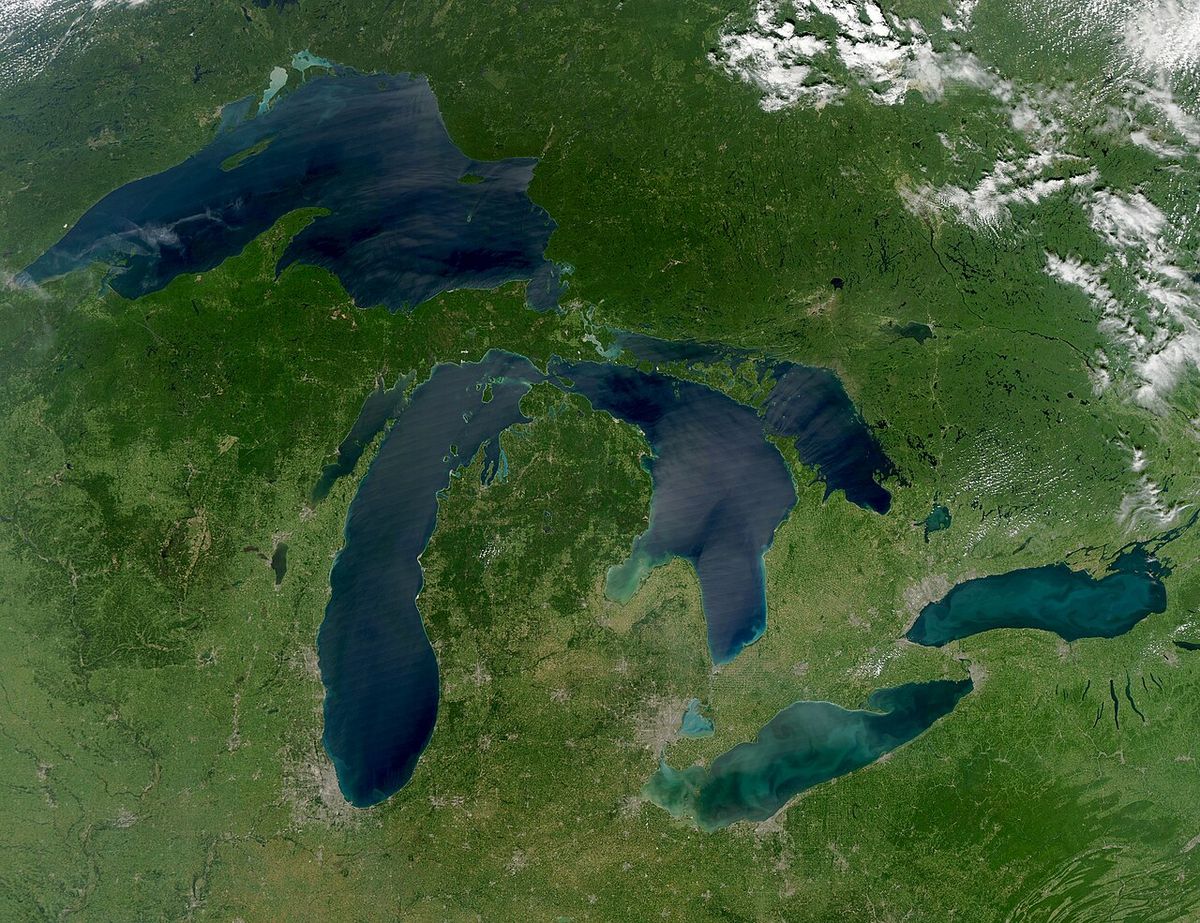
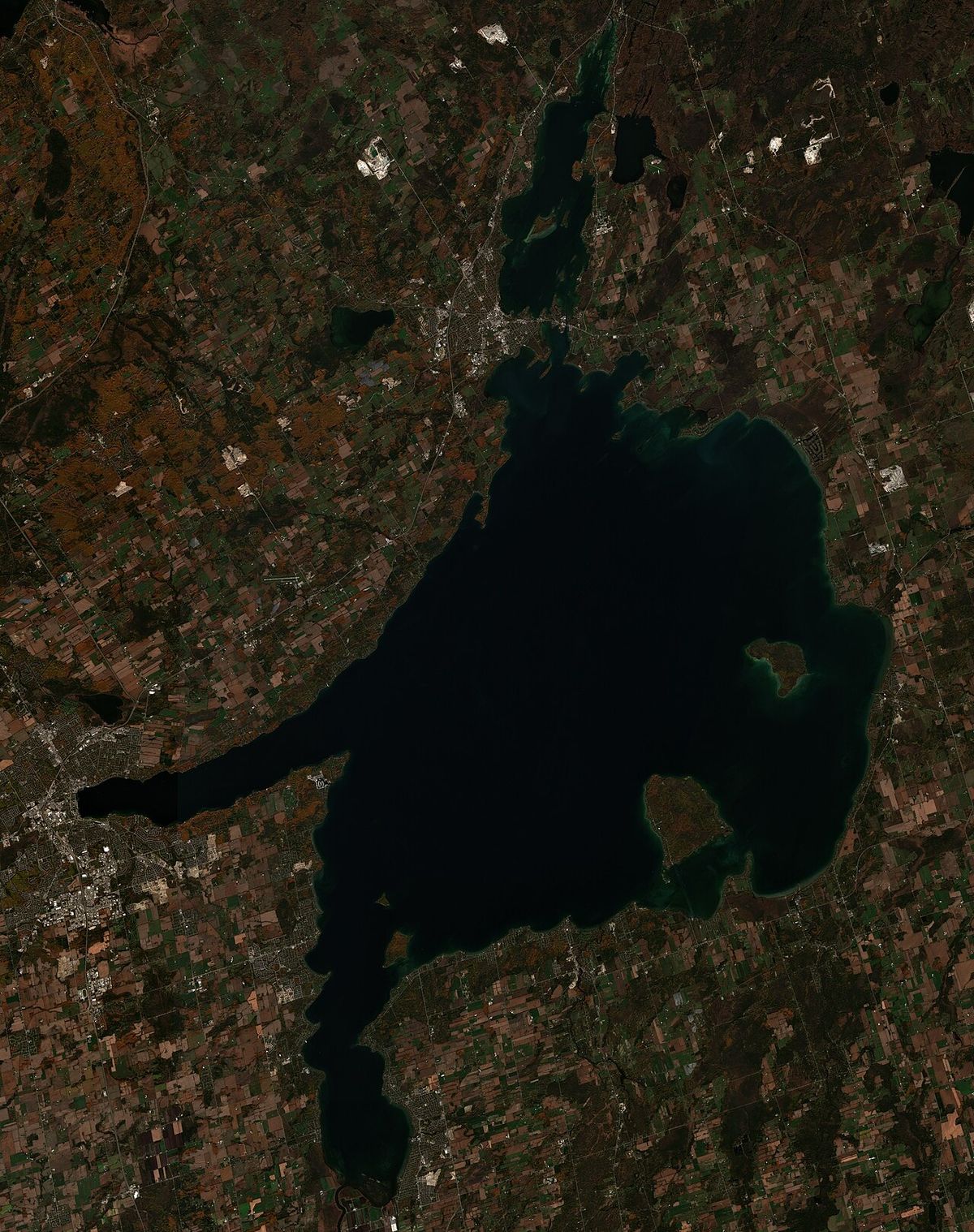
Orillia is located on the shores of two connected lakes, Lake Simcoe and Lake Couchiching, both integral parts of the Trent-Severn Waterway. This strategic position makes it a gateway for boaters travelling between Lake Huron's Georgian Bay and Lake Ontario, and from there to the St. Lawrence River and the Atlantic Ocean. To the north, travel on Lake Couchiching leads through three locks and the Big Chute Marine Railway, the only marine railway still in use in North America, to Georgian Bay. To the southeast, crossing Lake Simcoe and moving through many locks, including two of the world's highest hydraulic lift locks at Peterborough and Kirkfield, eventually leads to Lake Ontario.
The city's large waterfront attracts many tourists to the area every year. The waterfront has an extensive lakeshore boardwalk, a large park with two beaches, several playgrounds, an outdoor theatre, a touring ferry, and a children's train. Grape Island is a lake island located off Victoria Point in the north end of Lake Simcoe. Today the island is occupied by about 40 private homes or cottages and residences are part of the Grape Island Property Owners Association. There are no vehicular roads on the island. Only Ivy Lane, a road allowance, serves as path to homes on the island. Water taxi is the main means of transportation to the island from the GIPOA-owned mainland dock to the island dock.
The heavy traffic at the mainland docks have resulted in tensions between island residents and residents of Victoria Point. The city of Orillia is working on finding a solution for access to the island without inconveniencing residents in Victoria Point. Transportation links with Toronto and Georgian Bay stimulated Orillia's development as a commercial centre and summer resort. Orillia is located on the shores of two connected lakes, Lake Simcoe and Lake Couchiching. Both lakes are part of the Trent-Severn Waterway. From either of these Great Lakes one can connect to the St. Lawrence and thence to the Atlantic Ocean.
Demographics and government
According to the 2021 Census of Population, Orillia had a population of 33,411 living in 14,422 of its 15,428 total private dwellings, a 7.2% increase from its 2016 population of 31,166. With a land area of 28.53 square kilometres, it had a population density of 1,171.1 persons per square kilometre in 2021. The median household income in 2015 was $55,802, which is below the Ontario provincial average of $74,287. The city is often characterized as a retirement community due to its numerous retirement homes, with nine currently operating and four more under construction, though less than 18% of the population is over the age of 65.
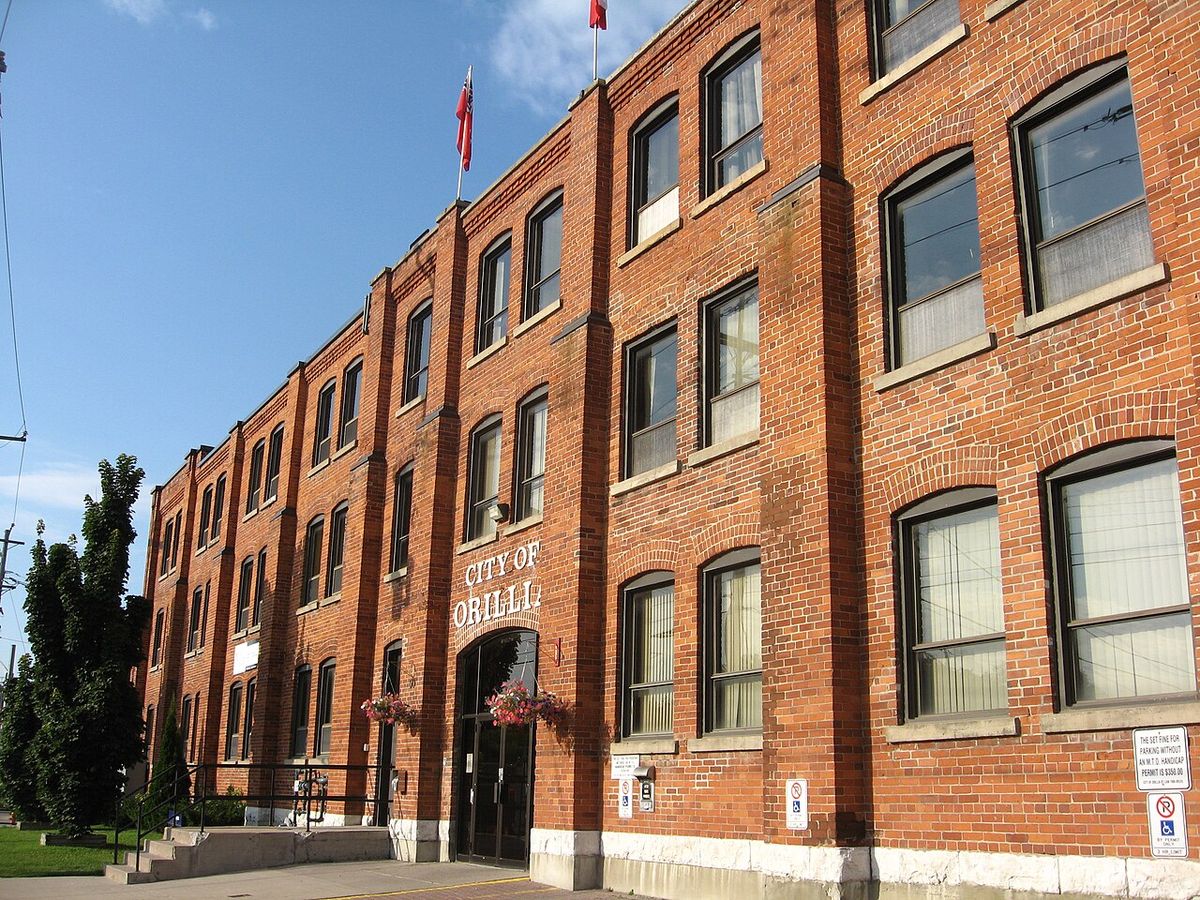
Orillia is governed by the Orillia City Council, which consists of a mayor and eight city councillors representing four wards. The council has historically been led by a reeve or mayor since the town's incorporation in 1875, with the title of mayor being used since the city's designation in 1969. The city council has actively pursued policies to maintain a certain small-town character, including restricting the construction of large buildings downtown and regulating signs and decorations. In 2017, plans were further discussed to redevelop the waterfront district and other underdeveloped or vacant areas, with a 3D model developed at the local Royal Canadian Legion to reflect possible futures and placed on display in city hall.
Economy and major employers
Initial interest in Orillia came from fur traders who used the gathering place at the Narrows to do business with the many tribes that came there each spring and fall. Economic activity in Orillia is a mix of manufacturing, government services, customer service, and tourism. The largest employer in the area is Casino Rama, located in the nearby reserve land of the Chippewas of Rama First Nation. Manufacturing operations in the city include CCI Thermal Technologies, Dorr-Oliver Eimco, Kubota Metal Corporation, Parker Hannifin, Pliant Corporation, Smiths Aerospace Components, and TI Group Automotive Systems.
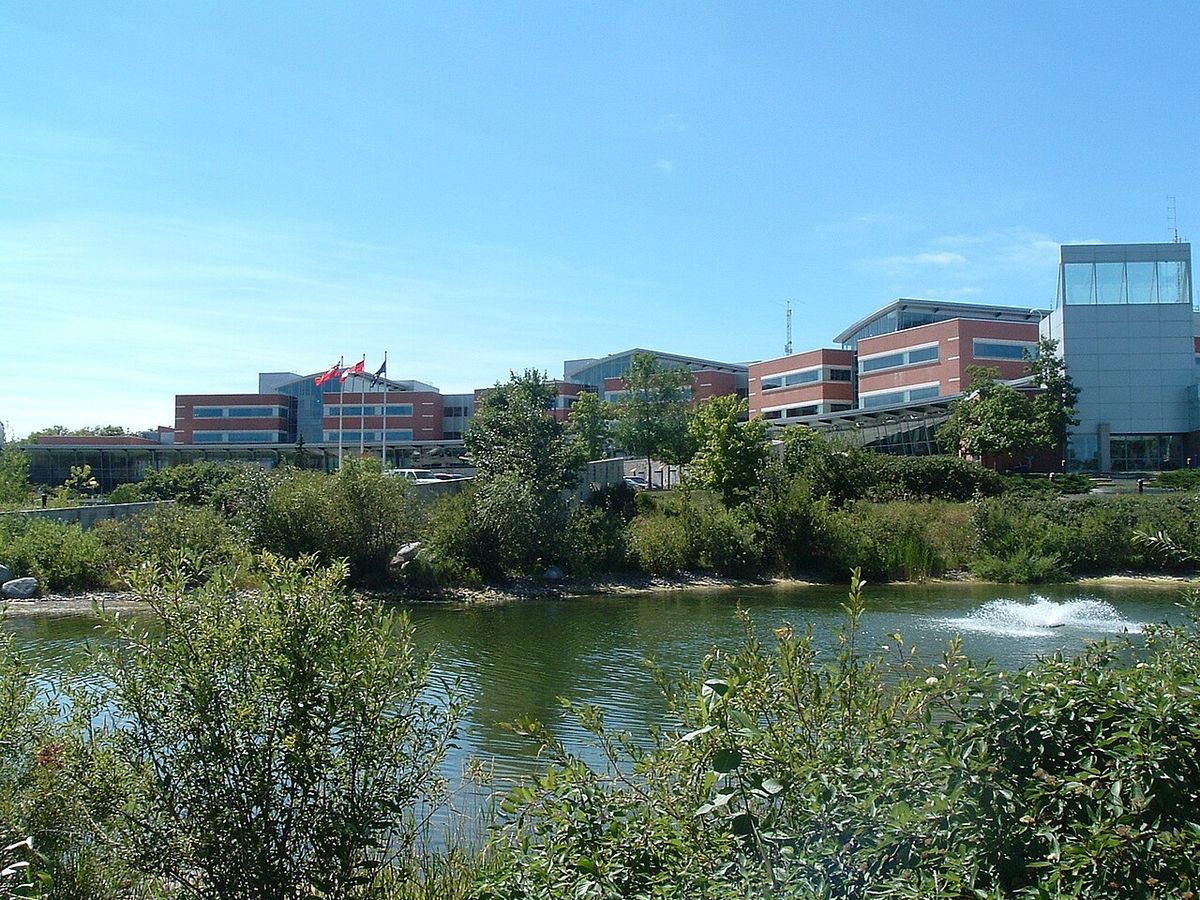
Major public-sector employers include the Central Operations Headquarters for the Ontario Provincial Police, located on Memorial Drive along with the regional headquarters. The call centre Tele Tech Canada employs approximately 850 people in the city. The city has also been home to notable manufacturing businesses over the decades, such as G.W.B. Rope & Twine, a foremost North American producer of braided rope from 1973 to 1985 and the inventor of the automotive grocery or cargo restraint net introduced with the launch of the Ford Taurus at Christmas 1985. That company was later sold and became Polytech Netting Industries, which employed several hundred people until moving to Mexico in 1996-97, and its founders later launched G&B Ropes in 1990.
Heywood-Wakefield seating, which operated from the early 20th century, announced it was closing its doors in September 2007. In late July 2009, Parker Hannifin announced that they were shutting down their operations in Orillia at the end of the year. The Huronia Regional Centre, formerly an asylum that later became an institution to house disabled people, was one of the area's largest employers for many decades until the de-institutionalization movement of the 1980s and 1990s. Subsequently, Orillia's economics has ranged from farming to machinery, to automobiles and even one of the first campers.
- Casino Rama: The area's largest employer, located nearby on First Nation land.
- Ontario Provincial Police Headquarters: Central Operations and regional headquarters in Orillia.
- Tele Tech Canada: A call centre employing approximately 850 people.
- Manufacturing operations: Include CCI Thermal Technologies, Dorr-Oliver Eimco, Kubota Metal Corporation, Parker Hannifin, Pliant Corporation, Smiths Aerospace Components, and TI Group Automotive Systems.
- Historic manufacturers: Included G.W.B. Rope & Twine, inventor of the automotive cargo net, and Heywood-Wakefield seating.
- Public sector: The Huronia Regional Centre was a major employer until its closure.
- Rope industry legacy: G.W.B. Rope & Twine's founders launched G&B Ropes, and Sean Brown later assisted in developing Redpoint Ropes.
Culture, recreation, and festivals
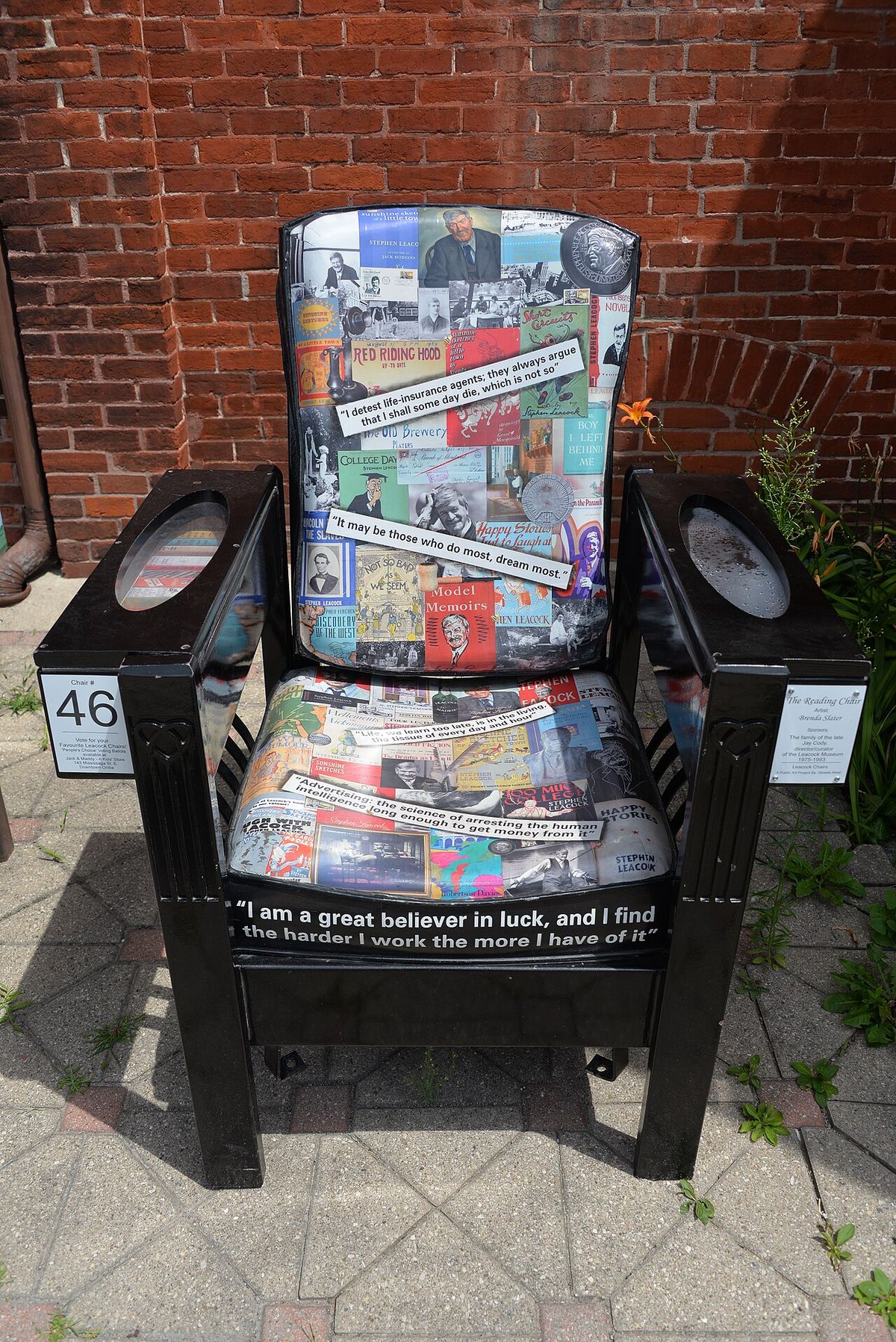
Orillia is known as the Sunshine City, taking the moniker from its role as the fictional Mariposa in the book Sunshine Sketches of a Little Town by Stephen Leacock. Many local businesses also use Mariposa in their names. The Leacock Museum and National Historic Site, located in Orillia, is one of the National Historic Sites of Canada. The Stephen Leacock Associates have honoured former Orillia resident and humourist Stephen Leacock's memory since 1947 with the annual Stephen Leacock Memorial Medal for Humour. Orillia's Arts District is located on Peter St. S., between Mississauga St. E. and Colborne St. E. At its centre is the Orillia Museum of Art & History, which occupies all four floors of the historic Sir Sam Steele Building.
The museum features a collection of over 10,000 artefacts of regional historical significance in a rotating exhibits schedule. On a separate floor is contemporary art space with exhibits featuring regional and international artists. The museum also features a designated education space and hosts activities including art-making and interpretive programming for children, artists, artisans, historians, etc. Many tourists and boaters are attracted to the city each year because of its waterfront park and its position as a gateway to Lake Country, cottage country in Muskoka, Algonquin Provincial Park, and the Trent-Severn Waterway. Orillia is home to an annual Perch Fishing Festival. Other popular annual festivals include the Leacock Festival, Blues Festival, Jazz Festival, Scottish Festival, and Beatles Festival. Orillia is the original site of the popular Mariposa Folk Festival, which is the longest-running folk festival in Canada.
The Port of Orillia holds an annual 'Christmas in June', which includes a boat decorating contest and turkey buffet, and boat and cottage shows are held in June and August. The city also hosts an annual Canada Day event at Couchiching Beach Park beginning with a traditional pancake breakfast served by the Mayor and Council and ending with a large fireworks display at dusk. The Royal Canadian Legion sponsors a yearly Scottish Festival at the park each July, featuring marching bands from around the country, and a unique local event is the Orillia Perch Fishing Festival, where perch are netted, tagged, and released to be caught for prize money, accompanied by a social 'perch fry'. The popular Webers hamburger restaurant has been located approximately one kilometre north of Orillia next to Highway 11 since 1963, and the Lake St. George Golf Club is located ten minutes north of the city.
- Mariposa Folk Festival: Canada's longest-running folk festival, started in 1961.
- Stephen Leacock Memorial Medal for Humour: Annual award for Canadian humorous books, presented by the Stephen Leacock Associates.
- Orillia Perch Fishing Festival: Features tagged perch fishing and a social 'perch fry'.
- Royal Canadian Legion Scottish Festival: Held each July at Couchiching Beach Park with marching bands.
- Canada Day Celebrations: Pancake breakfast with mayor and council, fireworks at dusk.
- Port of Orillia 'Christmas in June': Boat decorating contest and turkey buffet.
- Weber's: A popular hamburger restaurant located just north of the city since 1963.
- Orillia Museum of Art & History: Hub of art and culture in the Sir Sam Steele Building.
Education and healthcare
Orillia provides public education in both English and French through several school boards. The Simcoe County District School Board operates nine elementary schools and three secondary schools: Twin Lakes Secondary School, Orillia Secondary School, and the alternative OASIS school. Orillia Secondary School was created in the summer of 2013 by the amalgamation of Orillia District Collegiate and Vocational Institute and Park Street Collegiate Institute, formerly known as OD/Park Secondary School. Catholic English-language education is provided by the Simcoe Muskoka Catholic District School Board through four elementary schools and one secondary school, Patrick Fogarty Catholic Secondary School.
French-language public education is offered via one Catholic French-language elementary school, École élémentaire catholique Samuel-de-Champlain, operated by the Conseil scolaire de district catholique Centre-Sud and named for the explorer. Students from this elementary school attend École secondaire catholique Nouvelle-Alliance, which is operated by the same board and is located in Barrie. Private schooling includes the Orillia Christian School. Post-secondary education is offered by Lakehead University, which has a small downtown campus that opened in 2006 and a main campus on University Avenue that opened in September 2010 and was the first in North America built to meet all LEED certification standards. The primary healthcare facility is the Orillia Soldiers' Memorial Hospital, a 230-bed hospital that opened in 1908 as the 20-bed Orillia General Hospital. An Adult Learning Centre provides opportunities for adults to upgrade and receive high school diplomas. The Orillia campus of Georgian College formerly offered applied arts and technology programmes to 1,600 students before its closure in April 2026.
Population growth and housing trends
Orillia is part of the Huronia region of Central Ontario. The population in 2021 was 33,411, a change of 7.2% from its 2016 population of 31,166. The city of Orillia is home to a large number of retirement homes. It is often characterized as a retirement community, although less than 18% of the city's population is actually over 65.
This growth has been accommodated through residential development, including a significant number of retirement homes, with nine currently operating and four more under construction as noted in the city's profile, contributing to its characterization as a retirement community. The 2021 census reported that 33,411 people lived in 14,422 of the city's 15,428 total private dwellings, indicating a high occupancy rate and ongoing demand for housing within the municipality's 28.53 square kilometre land area. The city's planning initiatives, including the 2017 discussions on redeveloping the waterfront district and other underdeveloped or vacant areas, aim to manage this growth while preserving its character and small-town aesthetic favoured by city council. The demographic trend of an aging population, though less than 18% are over 65, continues to shape services, economic activity, and community planning in Orillia, balancing its tourist appeal with the needs of permanent residents.
Questions about Orillia
Why is Orillia called the Sunshine City?
Orillia is called the Sunshine City because it served as the inspiration for the fictional town of Mariposa in Stephen Leacock's 1912 humorous book, Sunshine Sketches of a Little Town. The city has embraced this literary connection, and many local businesses incorporate 'Mariposa' into their names. The moniker reflects the city's bright, welcoming atmosphere and its prominent waterfront parks. The Leacock Museum and National Historic Site in Orillia further commemorates this link to Canadian literary history, and the city has attempted to mimic the fictional location in various ways since the book's release.
What is there to do in Orillia for tourists?
Tourists are drawn to Orillia's extensive waterfront at Couchiching Beach Park and Centennial Park, which features two beaches, a boardwalk, playgrounds, an outdoor theatre, a touring ferry, and a children's train. The city is a gateway for boating on the Trent-Severn Waterway and exploring nearby Muskoka, Algonquin Park, and Lake Country. Cultural attractions include the Orillia Museum of Art & History in the Arts District on Peter Street South and numerous annual festivals like the Mariposa Folk Festival, Blues Festival, and a large Canada Day celebration with a pancake breakfast and fireworks. The Port of Orillia also hosts boat shows, a 'Christmas in June' event, and the popular Webers restaurant is located just north of the city.
What is the historical significance of the Samuel de Champlain monument?
The Samuel de Champlain monument in Couchiching Beach Park was installed in 1909 and designated a National Historic Site, commemorating the French explorer's 1615 visit to the area where he travelled the future Coldwater Road. The monument became controversial for its depiction of Champlain towering over four Indigenous figures at its base and a plaque referencing 'the advent to Ontario of the white race'. It was removed for refurbishment in 2017, and extensive public and municipal debate followed regarding its reinstallation, with working groups suggesting new placements and signage. As of July 2026, the seven statues of the monument are in indefinite 'neutral' storage while the community seeks a resolution or compromise.
How do you get to Grape Island in Orillia?
Grape Island is a residential island in Lake Simcoe with about 40 private homes that are part of the Grape Island Property Owners Association, formed around 1952. Access is restricted to residents and is primarily by boat from a mainland dock on Forest Avenue South to private docks on the island. A water taxi operates from the association-owned mainland dock to a dock on a vacant lot on the island, and residents may also use private vessels, with no vehicular roads on the island itself, only a road allowance called Ivy Lane serving as a path to homes. The city is working to address traffic and tension concerns at the mainland dock with neighbouring Victoria Point residents to find a solution that does not inconvenience them.
What are the major employers in Orillia?
The largest employer in the Orillia area is Casino Rama, located on nearby Chippewas of Rama First Nation land. Other major employers include the Central Operations Headquarters for the Ontario Provincial Police, which is based in the city on Memorial Drive along with the regional headquarters. The manufacturing sector features companies like CCI Thermal Technologies, Dorr-Oliver Eimco, Kubota Metal Corporation, and Smiths Aerospace Components. The Tele Tech Canada call centre employs approximately 850 people. Historically, manufacturing firms like G.W.B. Rope & Twine, inventor of the automotive cargo net introduced with the Ford Taurus, and Heywood-Wakefield seating were also significant employers before their closures in the 2000s.
What post-secondary education options are available in Orillia?
Lakehead University operates a campus in Orillia, with a downtown location that opened in 2006 and a main campus on University Avenue that opened in September 2010 and was the first in North America built to meet all LEED certification standards. The Orillia campus of Georgian College, which formerly offered applied arts and technology programmes to 1,600 students, closed in April 2026. The city also has an Adult Learning Centre for adults to upgrade and receive high school diplomas. Elementary and secondary education is provided by public and Catholic school boards in both English and French, including École élémentaire catholique Samuel-de-Champlain, with French high school students attending school in Barrie.
Sources and further reading
- Orillia (Wikipedia)
- City of Orillia: Home (orillia.ca)
- City of Orillia Recreation: Home (orilliarec.ca)
- Explore the City, Orillia Tourism (visitorillia.ca)
Checked by the Your Space Hamilton desk. Last updated 2026-11-01.