Eastern hognose snake
The eastern hognose snake (Heterodon platirhinos) is a unique, mildly venomous reptile native to North America, with a significant population in southern Ontario. It is easily identified by its upturned, shovel-like snout, which it uses for digging in sandy soils. This non-aggressive species is famous for its elaborate defensive displays, which include flattening its neck like a cobra and, if that fails, dramatically playing dead. While its specialized diet consists mainly of toads, its venom is harmless to humans, though it can cause localized reactions in allergic individuals.
Description and Identification
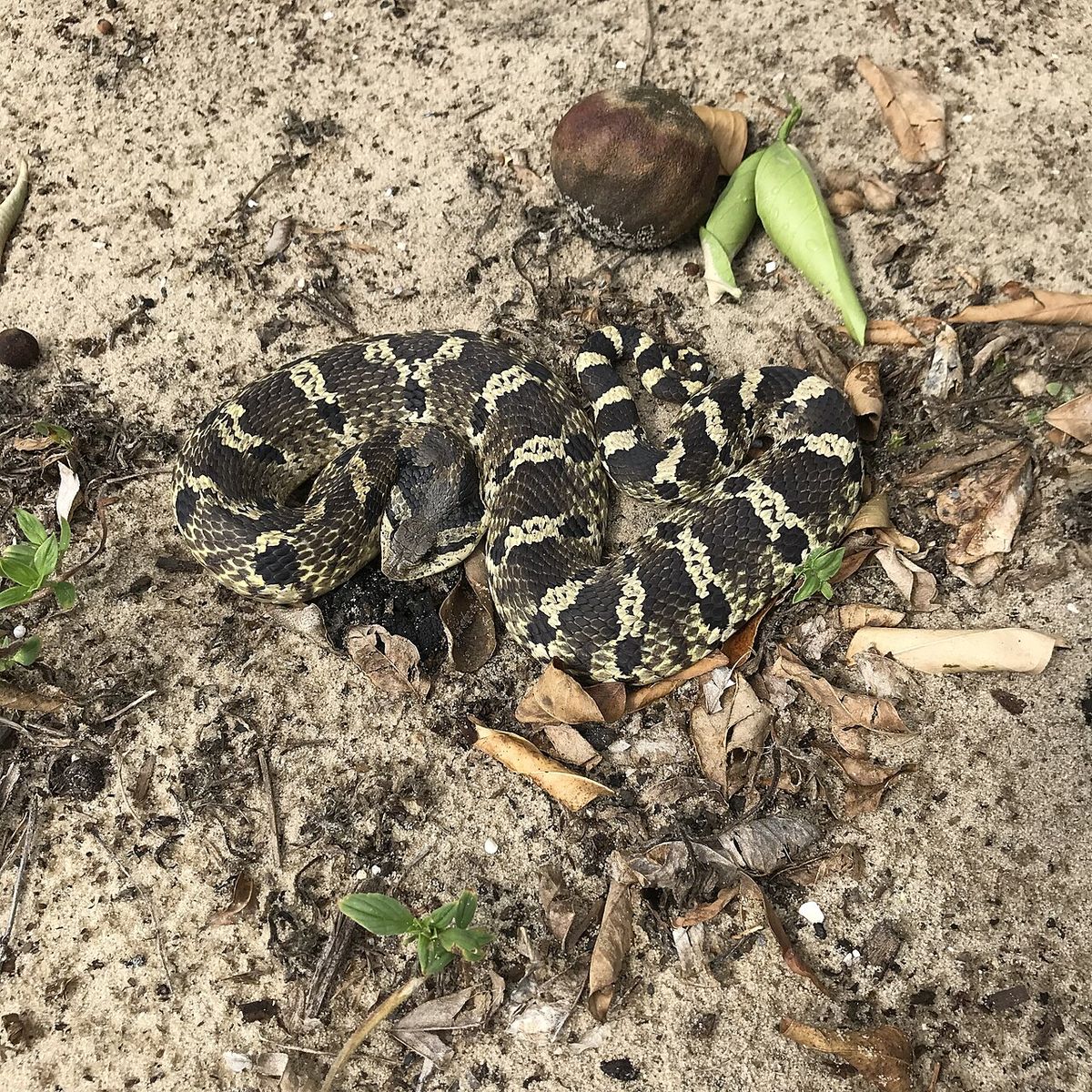
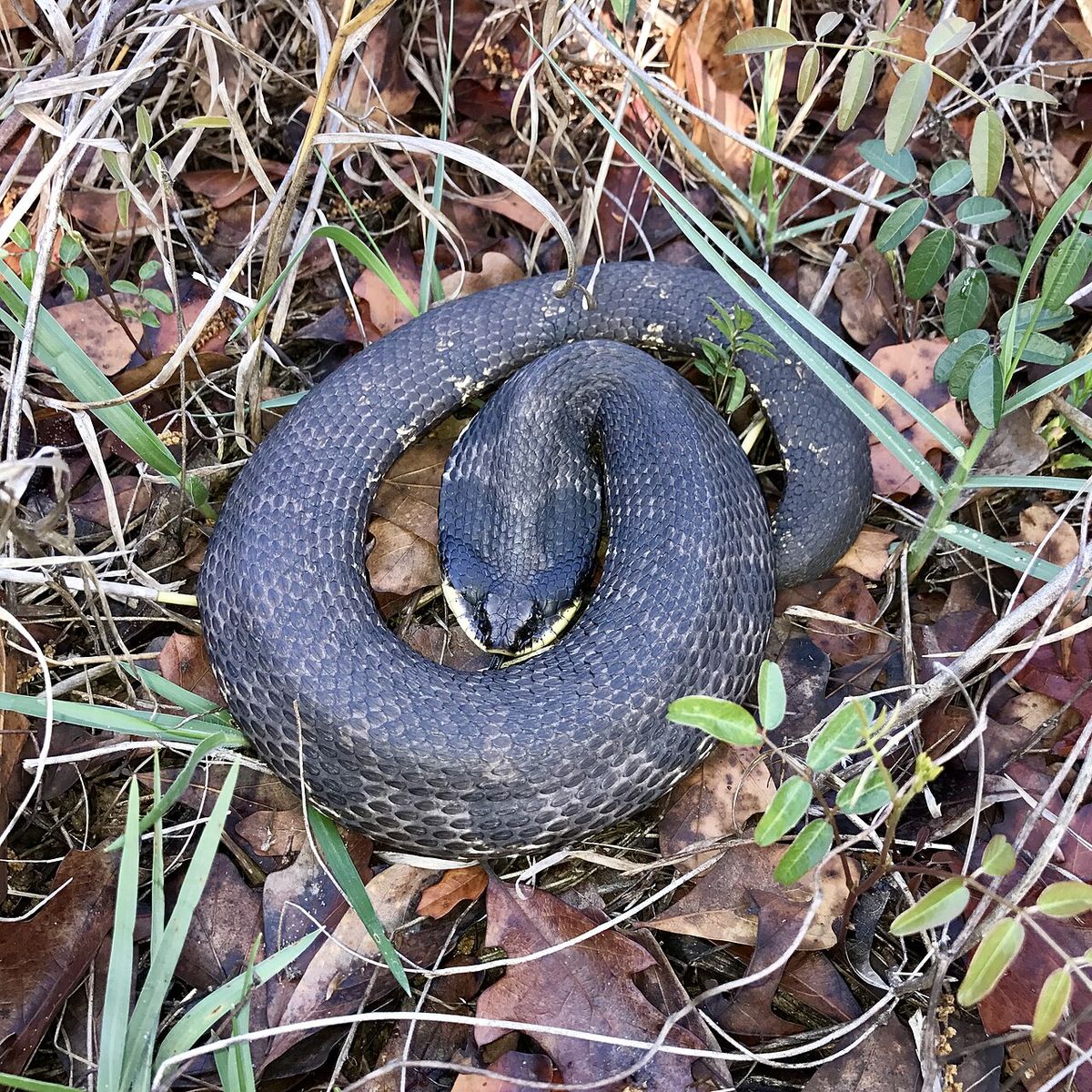
The eastern hognose snake is a stout-bodied reptile with a highly variable colour pattern, a key feature that aids in its camouflage. Individuals can be found in shades of red, green, orange, brown, gray, black, olive, tan, or yellow, often in combination. The dorsal pattern may consist of large, dark blotches alternating with smaller side blotches, a checkerboard design, or be entirely patternless, appearing as a solid colour. A consistent marking is a large dark blotch located behind each eye. The belly is typically a solid gray, yellow, or cream colour, while the underside of the tail is noticeably lighter than the belly. The species' most defining characteristic is its broad, upturned snout, which is used for digging. Adults average 71 cm in total length, with females generally larger than males, and the maximum recorded length is 116 cm. The scales are keeled, meaning they have a ridge down the centre. The generic name Heterodon is derived from the Greek for 'different tooth,' referring to its enlarged rear teeth, while the specific name platirhinos comes from the Greek for 'broad or flat snout.' Scale counts provide further identification details, with the species typically having 23 to 25 dorsal scale rows and a divided anal plate. Juveniles often have a pinkish base colour with dark brown to black blotches arranged in alternating rows, a pattern that may be retained or lost in adulthood. The snake's head is wide and triangular, distinct from its neck, which it can flatten dramatically during defensive displays.
Habitat and Distribution
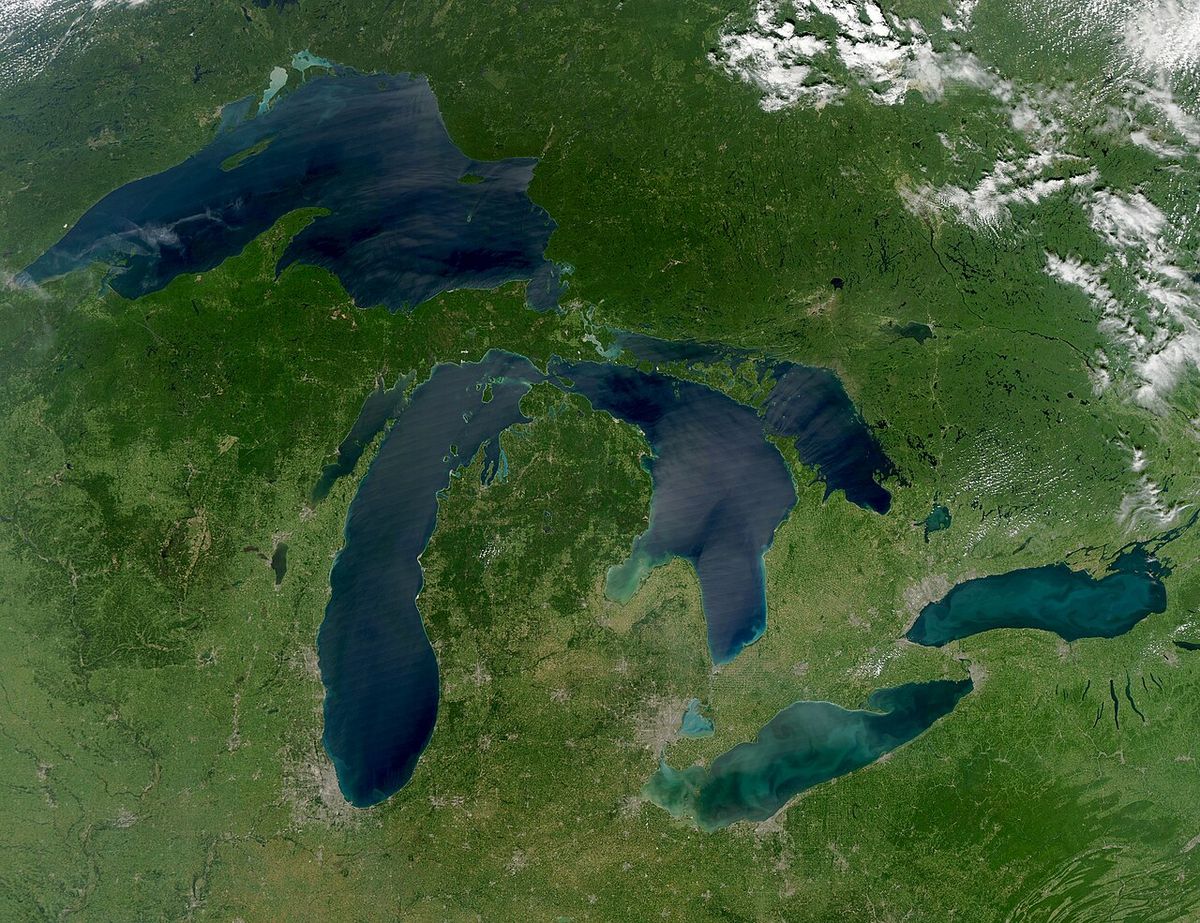
The eastern hognose snake has a broad geographic range across eastern and central North America, found in approximately thirty U.S. states and southern Ontario, Canada. Its east coast populations extend from southern New Hampshire south to the tip of Florida, while its central populations range from Minnesota south to Texas and as far west as Texas, Oklahoma, Kansas, Nebraska, and the southern tip of South Dakota. In Canada, its range is limited to southern Ontario, representing the northern limit of its distribution where populations begin to dwindle. Its habitat preference is strongly tied to dry, sandy, or mixed sandy soils which facilitate burrowing, with an average elevation of 330 metres and a maximum reported elevation of 830 metres.
Typical habitats include upland sandy pine forests, old fields, forest edges, tall-grassland prairies, grassy fields, cultivated fields, and barrier beach and dune ecosystems, the latter of which can contain some of the highest population densities due to abundant toad prey. In Ontario, it can also be found in forest clearings, rock outcrops along Georgian Bay, and shrublands, provided suitable sandy soil is nearby. The snake avoids crossing paved roads, which contributes to population isolation and fragmentation, though it will cross unpaved roads where it faces higher mortality from vehicle collisions. The average home range size for an individual in Canada is approximately 40 hectares (99 acres), and its habitat use tends to increase in areas with ample grass and leaf litter.
Behaviour and Life Cycle
The eastern hognose snake is a diurnal species, typically most active during April through September after emerging from hibernation. The timing of its activity and hibernation varies with climate. In northern areas like Ontario, hibernation begins in late September or October, while in southern climates like Florida, snakes may remain active until November or even be sporadically active through December to February. Hibernation is triggered when temperatures reach or drop below 19 degrees Celsius, and the snake spends this period alone in burrows it digs itself or in abandoned mammal burrows, often reaching depths of 25 centimetres or more below the frost line. To burrow, the snake forces its head into the soil and moves it back and forth, utilizing its specialized snout.
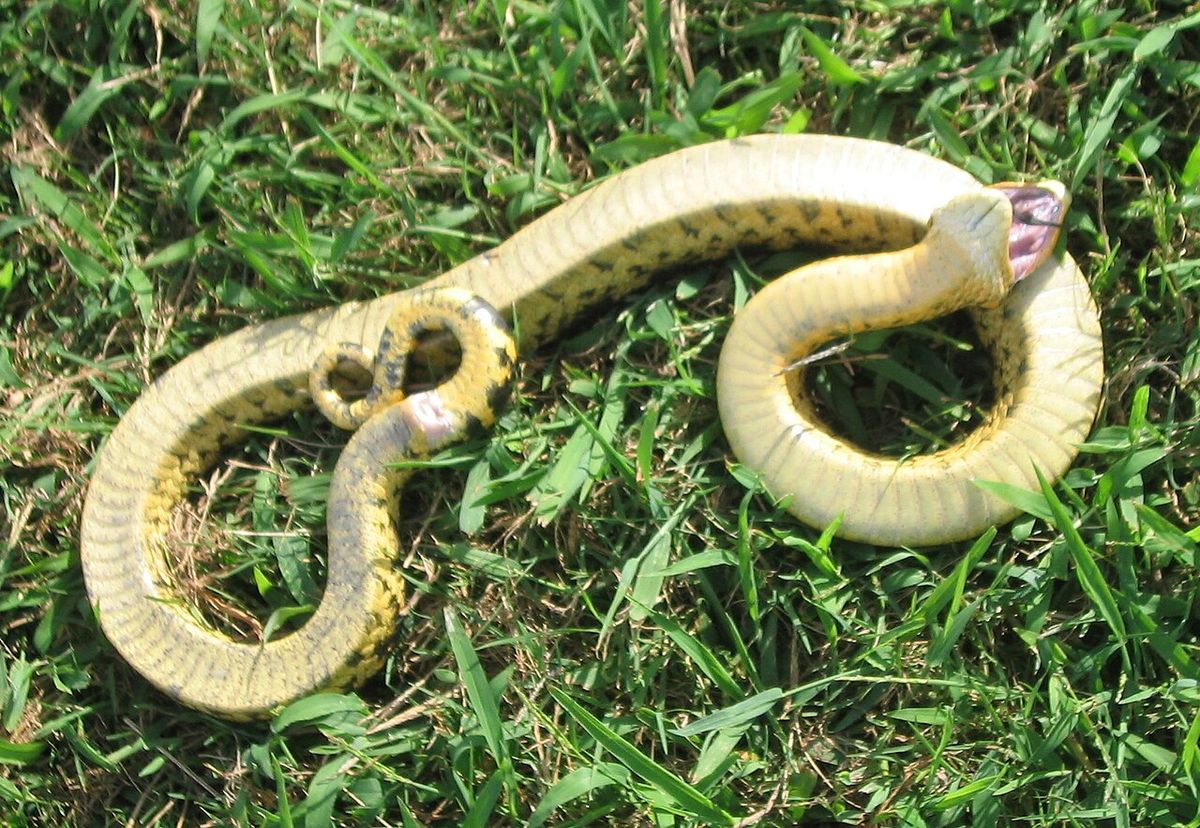
When threatened, it employs one of the most elaborate defensive sequences in the reptile world. The performance begins with the snake flattening its neck and raising its head off the ground in a cobra-like hood, accompanied by loud hissing. It then makes bluff strikes with its mouth closed, essentially delivering a high-speed head-butt. If this dramatic display fails to deter the threat, the snake will often roll onto its back, open its mouth, let its tongue hang out, and emit a foul musk from its cloaca to convincingly play dead. This death-feigning behaviour can last up to 45 minutes, has been observed in aquatic habitats, and if the snake is turned right-side up, it will promptly flip back over to continue the act. The duration and likelihood of this behaviour depend on both intrinsic factors like the individual's condition and extrinsic factors like predator type.
Diet and Feeding Adaptations
The eastern hognose snake is a dietary specialist with a strong preference for toads, particularly those of the genus Anaxyrus, which form the primary component of its diet. It has evolved specific physiological adaptations to handle this toxic prey, including enlarged adrenal glands which secrete large amounts of hormones to counteract the powerful skin poisons secreted by toads. At the rear of its upper jaw, it has enlarged, solid teeth (neither hollow nor grooved) that are used to puncture and deflate toads, making them easier to swallow whole. While toads form the bulk of its diet, it also consumes other amphibians such as frogs and salamanders. Its rear-fanged venom delivery system is specifically adapted to immobilize amphibian prey and is not considered dangerous to humans, as the venom is received by the fangs from the snake's Duvernoy's gland.
This specialized diet presents a significant challenge in captivity, where snakes are typically fed mice or rats. Keepers often need to 'scent' thawed rodents with toad or lizard odour to entice the snake to eat. Being an active predator, the eastern hognose may experience higher natural mortality from predation than some other snake species because its foraging behaviour makes it more conspicuous. Like all snakes, it consumes its prey whole, and its feeding adaptations make it a highly effective predator within its ecological niche.
Reproduction and Development
Eastern hognose snakes are polygynandrous, meaning both males and females have multiple mates during a breeding season. Mating occurs primarily in early April and May, with a potential second breeding period in September and October. Females store sperm from autumn matings until the following spring for fertilization. Males locate females by following pheromone trails, and copulation can last for up to three days. Some females have been observed travelling past viable nesting sites to reach communal nesting areas. Females lay eggs in June or early July, often digging burrows themselves in open, grassy areas with sandy soil to ensure proper warmth, or using existing mammal burrows, small soil depressions, rotting logs, or spaces under rocks.
A typical clutch contains about 25 eggs, though it can range from 10 to 40 eggs, each measuring about 33 by 23 millimetres. The eggs incubate for an average of 49 to 63 days at a nest temperature of 23 to 26 degrees Celsius, hatching from late July to September. Hatchlings are 16.5 to 21.0 cm long and are more completely ossified at birth than related species like the brown water snake. During their exponential growth phase, juveniles can grow as fast as two centimetres per month. Males reach sexual maturity at a snout-vent length of about 40 cm, which can take 18 to 24 months, while females mature at about 45 cm, taking up to 21 months, though in Ontario's cooler climate, maturity may take four or five years. Females may exhibit parental care by guarding the nest and young through hissing and chasing threats.
Conservation Status and Threats
While the eastern hognose snake is classified as Least Concern globally on the IUCN Red List, it faces significant pressures, especially at the northern edges of its range like in Ontario, where it is listed as a Threatened species. In the northeastern United States, it has listed conservation status in Connecticut, New Hampshire, New York, and Rhode Island. Population declines are attributed to several anthropogenic factors. Habitat loss and fragmentation due to conversion to agriculture and waterfront development are primary threats, as the sandy soils it prefers are often targeted for these uses. The snake's reluctance to cross paved roads exacerbates this isolation. Other major threats include road mortality, environmental degradation from pollution and pesticides, and intentional killing by humans who mistake its defensive displays for aggression.
The preservation of disturbance-dependent communities like pitch pine-scrub oak barrens, which have declined due to wildfire suppression, is crucial for its survival. Direct human persecution remains a serious issue, as people often kill the snake due to its cobra-like display and mistaken identity with venomous species. Its large body size and dramatic defences, while harmless, unfortunately make it a target. Conservation efforts must address habitat protection, road mortality mitigation, and public education to ensure the survival of this unique reptile. These combined pressures from habitat destruction, road deaths, pollution, and killing have resulted in the species being a growing conservation concern across much of its range.
Key threats to the eastern hognose snake include habitat loss and fragmentation, road mortality, environmental degradation, and intentional killing by humans. Humans cause mortality from pollution and pesticide poisoning, habitat destruction, and vehicular deaths. The snakes avoid crossing paved roads, which increases the isolation of populations. They will cross unpaved roads but face higher mortality from vehicle collisions. Direct anthropogenic pressures are believed to be the result of noted declines, especially in the northeastern part of its range.
- Habitat loss and fragmentation from agricultural conversion and recreational development.
- Road mortality, particularly on unpaved roads which they are more willing to cross.
- Intentional persecution and killing by humans due to fear or misunderstanding.
- Environmental pollution and pesticide poisoning.
- Isolation of populations due to behavioural avoidance of paved roads.
- Decline of imperiled ecosystems like pitch pine-scrub oak barrens.
- Direct anthropogenic pressures including vehicular deaths and habitat destruction.
Predators and Human Impact
The eastern hognose snake faces predation from a wide array of animals throughout its life cycle. Its active, diurnal hunting style and defensive displays may make it more vulnerable than some other snake species. Common avian predators include crows, red-tailed hawks, and barred owls. Mammalian predators include raccoons, Virginia opossums, red foxes, and humans. It is also preyed upon by other reptiles, including common kingsnakes and cottonmouths, and even large invertebrates like tarantulas. Beyond natural predation, human activities are a leading cause of mortality and population decline. These impacts stem from both direct and indirect actions that degrade habitat and increase snake mortality, including vehicle collisions, intentional killing, and poisoning from environmental pollutants and pesticides.
Habitat destruction for agriculture, urban development, and waterfront recreational areas has destroyed much of its historic habitat in regions like southern Ontario. The snake's specific soil requirements make suitable habitat particularly vulnerable to conversion. Habitat fragmentation is worsened by the species' documented avoidance of crossing paved roads, which isolates populations and reduces genetic exchange. These combined pressures from habitat loss, road mortality, pollution, and persecution have resulted in the species being a growing conservation concern across much of its range.
Captivity and Physiology
In captivity, the eastern hognose snake is considered an intermediate-level reptile to keep, with a potential lifespan of 10 to 15 years, significantly longer than its average 7-year lifespan in the wild. Its specialized diet presents the main challenge, as it naturally prefers toads. Keepers often need to 'scent' thawed mice or rats with toad or lizard odour to entice the snake to eat. Being a solitary and burrowing species, it requires an enclosure with sufficient depth of suitable substrate, such as sand or soil mixtures, to allow for natural digging behaviours. They are kept individually unless for intentional breeding purposes. While their venom is harmless to most humans, bites from allergic individuals can cause local swelling, burning, discolouration, and bleeding, though no human deaths have ever been documented.
The snake's physiological development is notable, with ossification (bone formation) following a specific sequence in the egg. Key ossification centres appear in a pattern similar to but slightly advanced compared to the brown water snake. For instance, the maxilla, nasal, and vomer bones ossify a day or two earlier in hognose snakes, and the ribs are more developed at comparable time points. This results in hatchlings that are more completely ossified. The snake's growth is rapid during juvenile stages but slows after sexual maturity, though it never completely stops. This combination of specialized physiology and behaviour makes the eastern hognose a fascinating, if challenging, subject for both herpetologists and experienced reptile hobbyists.
Questions about Eastern hognose snake
Are eastern hognose snakes venomous?
Eastern hognose snakes are technically mildly venomous rear-fanged snakes. Their venom is specifically adapted to subdue their amphibian prey, primarily toads, and is not considered dangerous to humans. The venom is delivered through enlarged teeth at the back of the upper jaw that receive it from the Duvernoy's gland. While harmless to most people, those with allergies to the snake's saliva may experience local swelling, burning, discolouration, and bleeding at the bite site. No human deaths have ever been recorded from an eastern hognose snake bite, and the snake is extremely reluctant to bite in defence, preferring its bluffing displays.
Why do eastern hognose snakes play dead?
Playing dead is the final act in the eastern hognose snake's multi-stage defensive strategy, designed to deter predators that avoid eating carrion. If its initial bluff displays, flattening its neck, hissing, and striking with a closed mouth, fail to scare away a predator, it will roll onto its back, go limp, open its mouth, and let its tongue hang out. It often emits a foul-smelling musk from its cloaca and may defecate or regurgitate food to enhance the illusion of being a dead, rotten animal. This behaviour can last up to 45 minutes, has been observed in water habitats, and if the snake is turned right-side up, it will promptly flip back over to continue the act. The likelihood and duration of this behaviour vary based on the individual snake's condition and the context of the threat.
What do eastern hognose snakes eat?
The eastern hognose snake is a dietary specialist with a strong preference for toads, which make up the majority of its diet. It has a physiological resistance to the toxins toads secrete, thanks to enlarged adrenal glands that secrete hormones to counteract the poisons. The snake uses its upturned snout to root for toads and its rear fangs to puncture and deflate them before swallowing them whole. Its diet also includes other amphibians like frogs and salamanders. This specialized feeding habit can make them challenging to keep in captivity, as they often need their food (typically mice) to be scented with toad or lizard odour to be accepted.
Where can you find eastern hognose snakes in Canada?
In Canada, the eastern hognose snake is found only in southern Ontario, which represents the northern limit of its range where populations start to dwindle. It inhabits areas with dry, sandy, or mixed sandy soils, which are essential for burrowing, nesting, and hibernation. Typical habitats in Ontario include sandy pine forests, old fields, forest edges, beaches, dunes along the Great Lakes, forest clearings, and rock outcrops along the eastern shore of Georgian Bay. Its range in the province has declined due to extensive habitat loss for agriculture and development, and it is now listed as a Threatened species both provincially and federally, with an average home range of about 40 hectares.
How can you identify an eastern hognose snake?
The most reliable identifying feature of the eastern hognose snake is its distinctive upturned, shovel-like snout, which is unique among Ontario snakes. It is a thick-bodied snake with a highly variable colour pattern, ranging from blotched to checkerboard to solid in shades of brown, gray, olive, orange, yellow, or black. A consistent marking is a large dark blotch behind each eye. When threatened, it flattens its neck into a cobra-like hood. The belly is usually a solid light grey, yellow, or cream, and the underside of the tail is noticeably lighter than the belly. The scales are keeled (ridged), and adults average 71 cm in length. No other snake in its Canadian range possesses this combination of features.
Are eastern hognose snakes endangered?
Globally, the eastern hognose snake is classified as Least Concern by the IUCN, but its status is more precarious at the northern parts of its range. In Ontario, it is officially listed as a Threatened species due to significant population declines from habitat loss, road mortality, and persecution. In the northeastern U.S., it has listed conservation status in four of the five states it inhabits. Threats include habitat loss and fragmentation for agriculture and development, road mortality, environmental pollution and pesticides, and intentional killing by humans who misunderstand its defensive displays. Conservation efforts focus on protecting its sandy habitat, mitigating road impacts, and educating the public about this harmless, beneficial reptile.
Sources and further reading
- Eastern hognose snake (Wikipedia)
- » Eastern Hog-nosed Snake (ontarionature.org)
- Eastern Hog-nosed Snake (thamesriver.on.ca)
- Heterodon platirhinos (Eastern Hognose Snake) (animaldiversity.org)
Checked by the Your Space Hamilton desk. Last updated 2026-10-30.