Snowshoe hare
The snowshoe hare (Lepus americanus) is a medium-sized hare native to the boreal and montane forests of North America, found across every Canadian province and territory. It is renowned for its remarkable seasonal camouflage, shifting from a grizzled brown summer coat to a pure white winter pelage, a trait that also earns it the name 'varying hare'. Its large, furred hind feet act as natural snowshoes, preventing it from sinking into deep snow and facilitating its movement in winter habitats. The hare is a major prey species in northern ecosystems, most famously as the primary prey for the Canada lynx, with the two species' populations locked in a classic, decade-long predator-prey cycle studied worldwide.
Taxonomy and Subspecies
The snowshoe hare was first formally described by German naturalist Johann Christian Polycarp Erxleben in 1777, who noted its intermediate size between European rabbits and mountain hares but with longer hind feet. The species exhibits significant geographic variation, leading to the recognition of numerous subspecies across its vast range. These subspecies are distributed across different regions of Canada and the United States, reflecting local adaptations. For instance, Lepus americanus struthopus is found in Newfoundland, Nova Scotia, New Brunswick, Prince Edward Island, Quebec, and Maine, while L. a. dalli inhabits the Mackenzie District, British Columbia, Alaska, and Yukon. Other subspecies like L. a. cascadensis and L. a. columbiensis are identified in British Columbia and Alberta, and L. a. phaeonotus ranges from Ontario and Manitoba to Michigan and Minnesota. The presence of these distinct populations demonstrates the hare's adaptation to diverse forest ecosystems from coast to coast, with each subspecies occupying a specific part of the continental range.
Physical Description and Adaptation
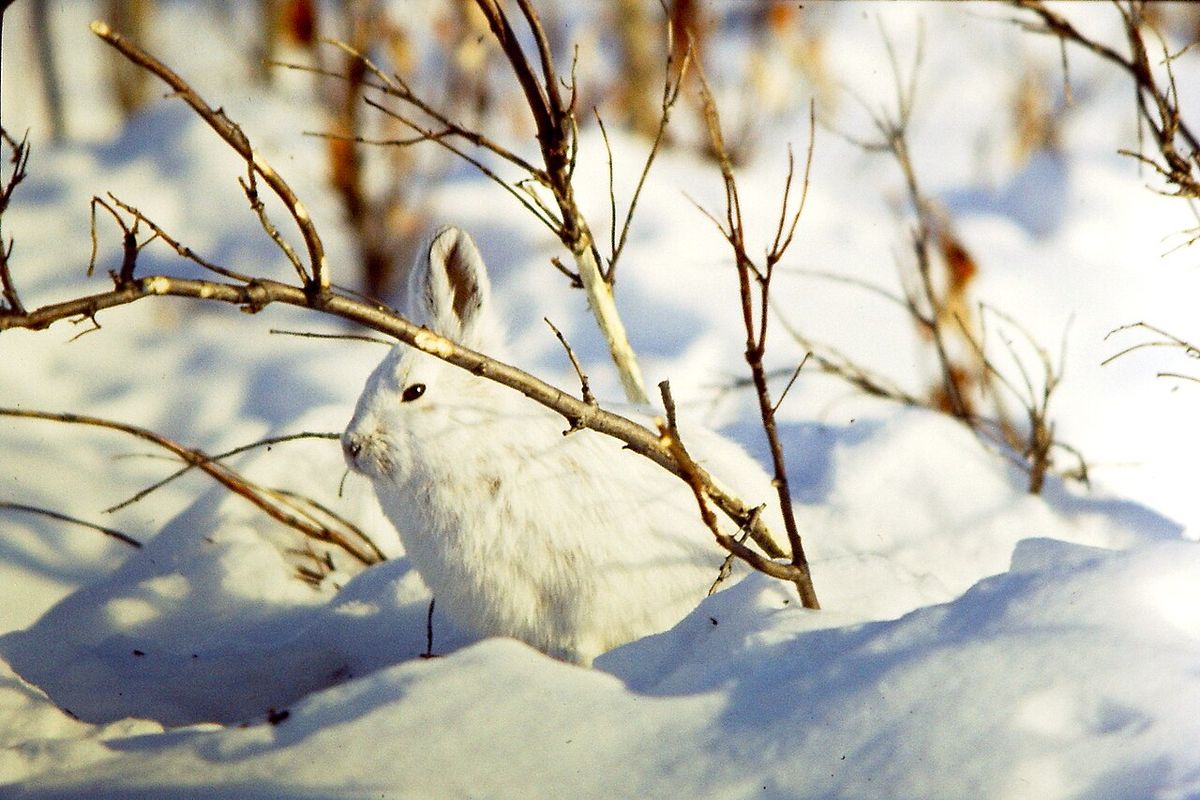
The snowshoe hare is a medium-sized lagomorph, with males typically slightly smaller than females, a common trait in the leporid family. Its body length ranges from 413 to 518 mm, with a tail adding 39 to 52 mm. The most distinctive features are its large, densely furred hind feet, which can measure from 117 to 147 mm long and provide crucial flotation on deep snow. The ears are relatively short for a hare, measuring 62 to 70 mm from notch to tip, with black tips and white or creamy borders. The species undergoes a dramatic biannual moult, a key survival adaptation. From late spring to autumn, its coat is a grizzled rusty or greyish brown with a blackish dorsal line, cinnamon-brown legs and face, and a white belly, blending with the forest floor. As daylight shortens in autumn, it moults into a nearly pure white winter coat, with only its black eyelid margins and the blackened tips on the ears remaining dark, providing camouflage against snowy backgrounds. The soles of the feet remain densely furred year-round, with stiff hairs on the hind feet forming the functional snowshoe.
Distribution and Habitat Requirements
The snowshoe hare has a broad transcontinental range, occurring from Newfoundland and Labrador west to Alaska and south in the Sierra Nevada to central California. In Canada, it is found in every province and territory. Its southern range extends into the United States along the Rocky Mountains to southern Utah and northern New Mexico and in the Appalachian Mountains to West Virginia, though populations in states like Ohio, Maryland, and Virginia have been extirpated. Fossil records indicate it lived as far south as the area around Herculaneum, Missouri during the Late Pleistocene. The hare is a habitat specialist reliant on dense vegetative cover for protection from predators. It primarily inhabits boreal forests, upper montane forests, and wetlands, with a strong preference for young, regenerating forests and shrubby early-successional stages that provide thick understories. In Minnesota, hares are found in both uplands and wetlands, while in New England they favor second-growth forests.
Habitat quality is determined almost exclusively by the amount of visual cover, which is more critical than food species composition or availability. However, species composition does influence density, with dense softwood understories supporting greater hare density than hardwoods because of superior cover quality. In Maine, studies show females were more common on sites with less cover but more nutritious forage, while males were found on sites with heavier cover. In British Columbia, overstocked juvenile lodgepole pine stands form optimal snowshoe hare habitat. In Alberta, hares use upland shrub-sapling stages of regenerating aspens after fire or harvest. They avoid open areas, especially during bright moonlight, and their activity often shifts from coniferous understories in winter to hardwood understories in summer. Home range size varies with habitat structure and food availability, averaging 14.6 acres in Oregon, 20 acres in Colorado and Utah, and up to 25 acres for males in Montana. Snowshoe hares may travel up to 8 km when food is scarce.
Key cover requirements include low brush for hiding, escape, and thermal cover, which is especially important for young hares. Heavy cover about 3 metres above ground provides protection from avian predators, and cover about 1 metre tall provides cover from terrestrial predators. Overwinter survival increases with increased cover. Base visibility in good habitat is very low, ranging from 2% at a 5 metre distance to 0% at 20 metres. In Utah, areas with a horizontal vegetation density of 40 to 100% at 15 metres are considered adequate snowshoe hare habitat. Winter browse availability depends critically on the height of understory brush and snow depth, requiring 1.8 to 2.4 metre tall saplings with narrow stem diameters for feeding in heavy snow conditions.
Diet and Foraging
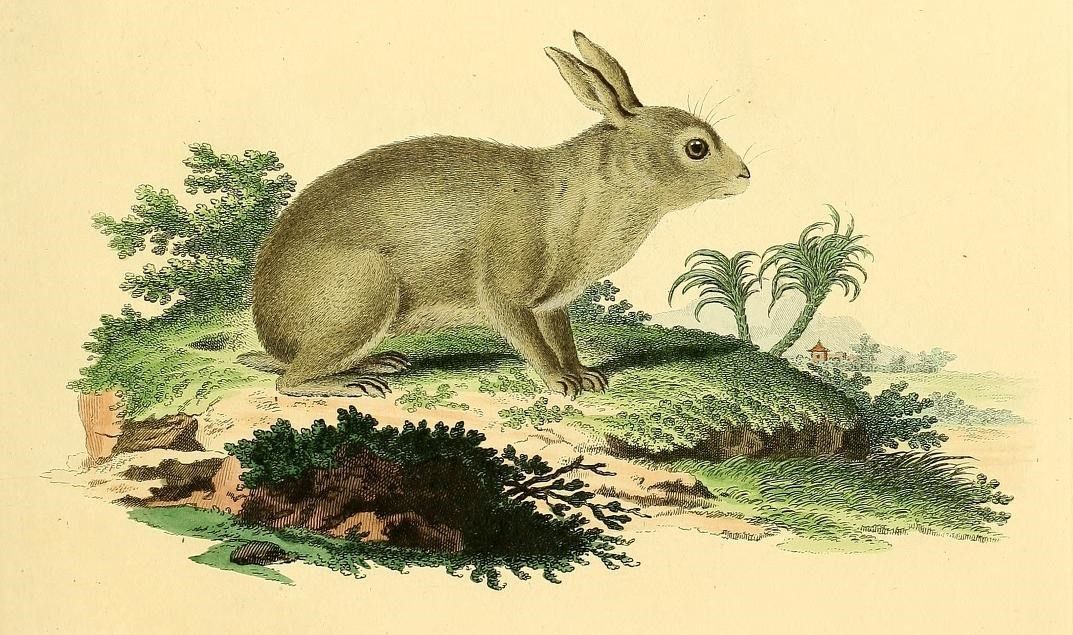
The snowshoe hare is a generalist herbivore whose diet shifts dramatically with the seasons. From spring to fall, it consumes succulent green vegetation, including grasses, clovers, forbs, and new leaves of plants like blueberries and fireweed. As winter sets in and green vegetation becomes unavailable, it switches to a diet of woody browse. It prefers branches, twigs, and small stems up to 6.3 mm in diameter from a wide variety of shrubs and trees, though larger stems are sometimes used in winter. In the Yukon, they normally eat fast-growing birches and willows and avoid spruce, though at high densities they will eat the apical shoots of small spruce.
- Winter Diet: Includes bog birch (preferred but not always available), greyleaf willow (eaten most often when birch is not), buffaloberry, and the needles and bark of conifers like white spruce, Douglas-fir, and lodgepole pine. In Alaska, spruce, willow, and alder comprise 75% of the winter diet, with spruce needles alone making up nearly 40%.
- Regional Variations: In northwestern Oregon, winter foods include needles and bark of Sitka spruce, Douglas-fir, and western hemlock, plus salal and willow. In Utah, hares eat Douglas-fir, willow, snowberry, maple, and serviceberry. In Ontario, sugar maple, striped maple, northern white-cedar, and balsam fir are heavily barked.
- Spring and Summer Diet: In Alaska, hares consume new blueberry leaves, field horsetail shoots, and fireweed in spring. In summer, leaves of willows, black spruce, birches, and bog Labrador tea are eaten, with black spruce being the most heavily used species in some areas despite pen trials suggesting it is not actually preferred.
- Unusual Behaviour: There are documented reports of snowshoe hares scavenging meat from carrion in winter, a behaviour likely driven by limited preferred food sources or an overabundance of carrion, similar to observations in beavers and eastern cottontails.
Grasses are not a major dietary component due to their typical association with open areas that lack the dense cover hares require for safety. The nutritional quality of winter browse, influenced by snow depth and the amount of upper-branch browse available, has a direct positive relationship with the breeding condition of adult hares. Hares are nocturnal feeders, using well-established runways through the underbrush to access feeding sites, which helps conserve energy in deep snow. In northwest Oregon, summer foods also include grasses, clovers, other forbs, and some woody plants like Sitka spruce and the young leaves and twigs of salal.
Reproduction and Life Cycle
Snowshoe hares are active year-round, with a breeding season stimulated by new vegetation and varying by latitude, location, and yearly events like weather. Breeding generally begins in late December to January and lasts until July or August. In northwestern Oregon, male peak breeding activity occurs in May, while in Ontario the peak is in May and in Newfoundland it is in June. Female estrus begins in March in Newfoundland, Alberta, and Maine, and in early April in Michigan and Colorado, with the first litters born from mid-April to May. The gestation period is 35 to 40 days, with most studies reporting 37 days as the average. Litters average three to five leverets depending on latitude, elevation, and phase of the population cycle, ranging from one to seven. Litters are usually smaller in the southern sections of their range where there is less snow.
Newborn leverets are precocial, born fully furred with eyes open and mobile. They leave the natal form within a short time after birth, often within 24 hours. After leaving, siblings stay near each other during the day, gathering each evening to nurse. Weaning occurs at 25 to 28 days except for the last litter of the season, which may nurse for two months or longer. Females can exhibit superfetation, becoming pregnant anytime after the 35th day of gestation, meaning a second litter can be conceived before the first is born, facilitated by their twin uteri. Pregnancy rates are high, ranging from 78 to 100% for first litters and 82 to 100% for second litters. The average number of litters per female per year ranges from 2.9 to 3.5 in Newfoundland and from 2.7 to 3.3 in Alberta, varying with the phase of the population cycle. In Alberta, the average was almost 3 litters per year just after a population peak and 4 just after a population low.
Females normally first breed as 1-year-olds. Juvenile breeding is rare and has only been observed in females from the first litter of the year and only in years immediately following a low point in the population cycle. Leveret survival is variable and influenced by litter size and birth weight. A study in the Yukon found 30-day survival of radio-tagged leverets was 46% for first litters, 15% for second litters, and 43% for third litters. The main proximate cause of mortality for these young was predation by small mammals including red squirrels and Arctic ground squirrels. Individual survival was negatively related to litter size and positively related to body size at birth, and littermates tended to live or die together more often than by chance.
Predators and the Population Cycle
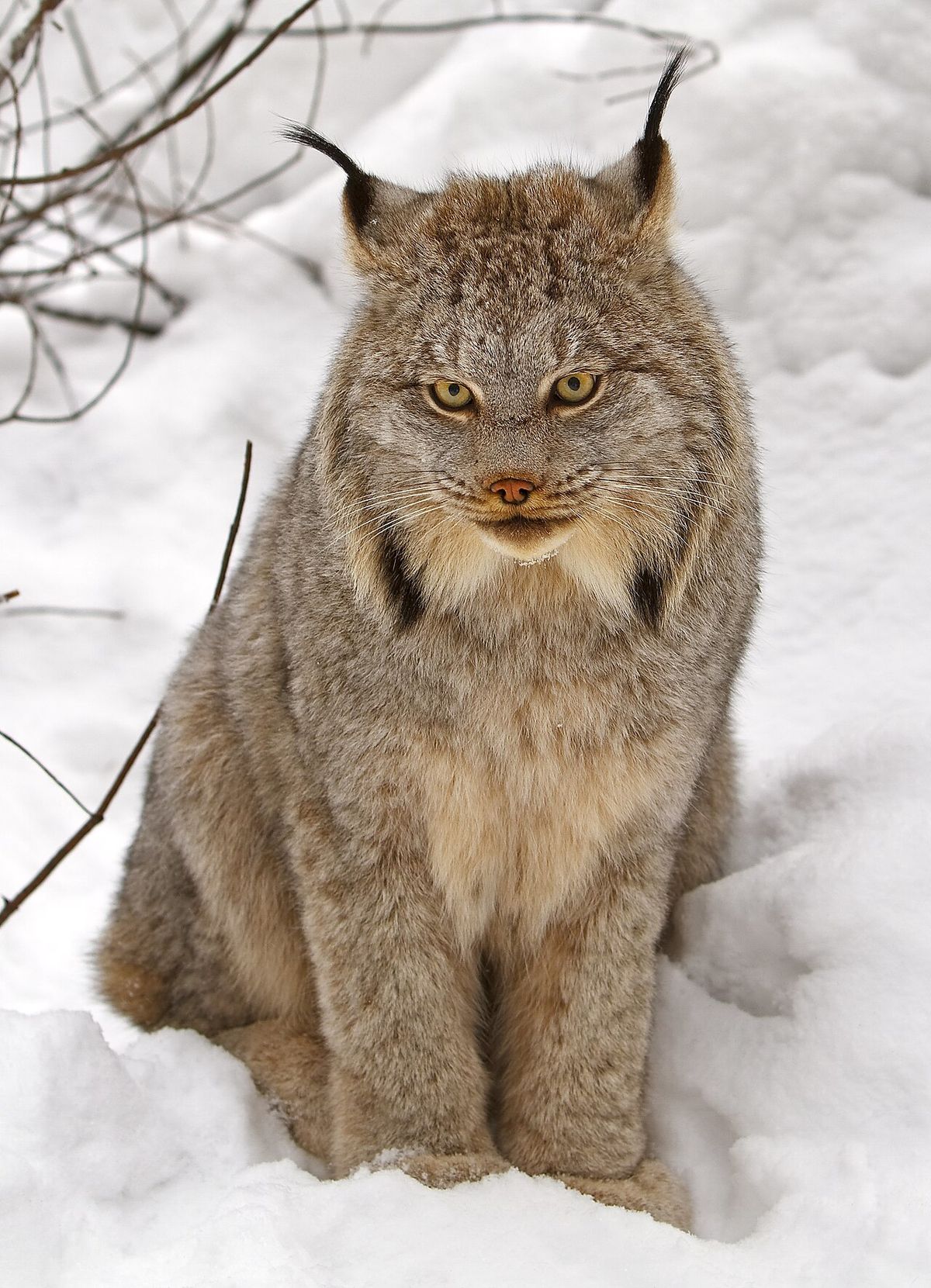
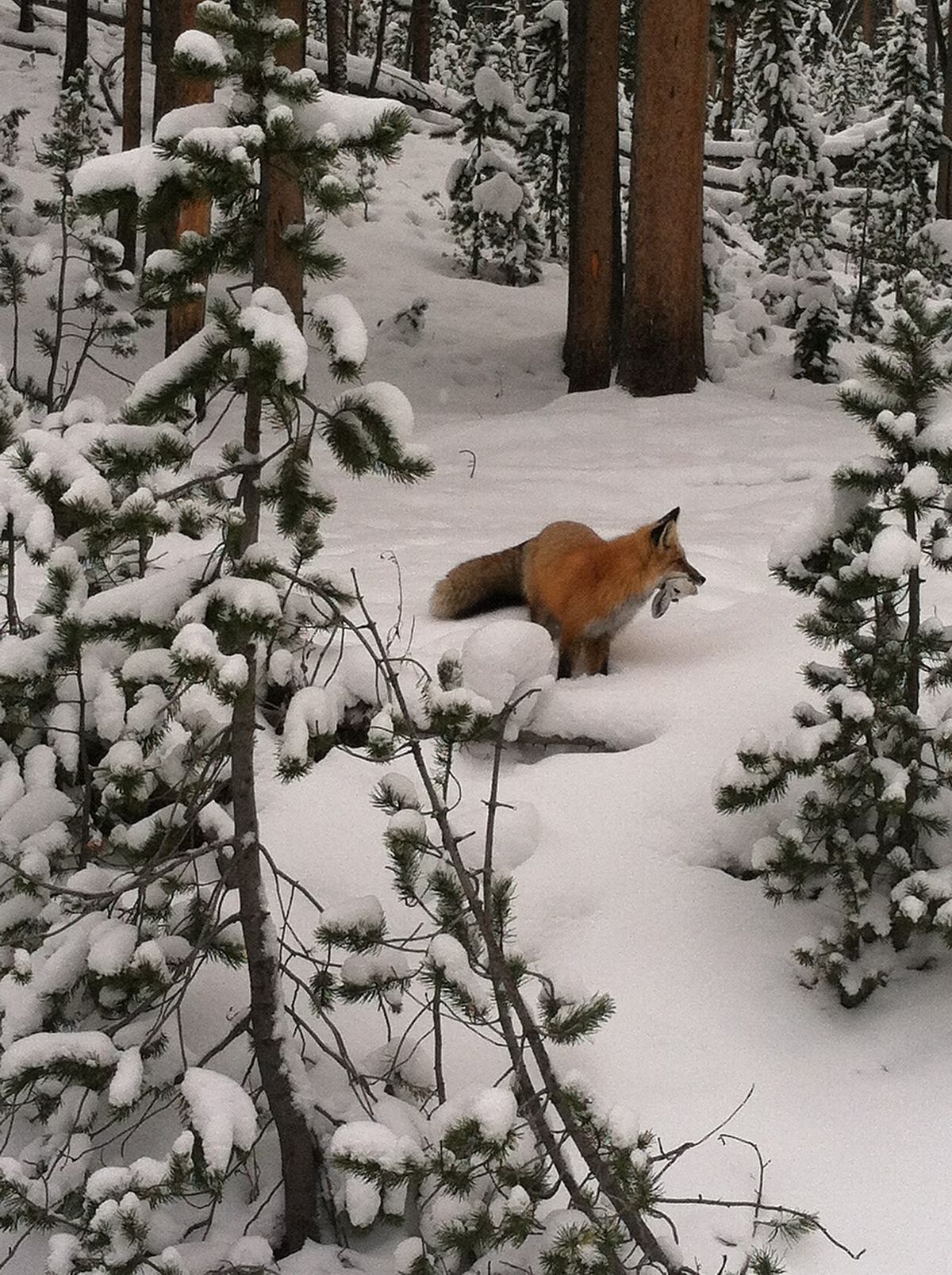
The snowshoe hare is a major prey item for a vast array of North American predators, shaping its behaviour and ecology. Its foremost and most famous predator is the Canada lynx, whose population dynamics are tightly coupled with hare abundance. Other major mammalian predators include bobcats, fishers, American martens, Pacific martens, long-tailed weasels, minks, foxes, coyotes, wolves, and cougars. Domestic dogs and cats also prey on hares. Avian predators are highly significant, with great horned owls, barred owls, spotted owls, red-tailed hawks, American goshawks, other buteonine hawks, and golden eagles commonly taking hares. Corvids and even black bears have been known to prey on them. In Glacier National Park, snowshoe hares are a documented prey item of the Rocky Mountain wolf. This intense predation pressure is a primary driver behind the hare's secretive, cover-dependent behaviour, crepuscular and nocturnal activity patterns, and tendency to avoid open areas during bright moonlight.
Northern populations of snowshoe hares are famous for their regular population cycles, which have been a focus of ecological study for nearly a century. These cycles exhibit peaks and crashes over periods ranging from 7 to 17 years. The classic cycle involves hare numbers rising to a peak, followed by a steep decline that is mirrored shortly after by a crash in the lynx population. The causes are complex and involve a combination of intense predation pressure, food limitation during peak densities as browse is overexploited, and physiological stress on the hares. Historical fur harvest records from the Hudson's Bay Company provided the first long-term data illustrating this intertwined predator-prey relationship, making it a foundational example in ecology textbooks worldwide. The cycle influences many aspects of hare biology, including the number of litters produced per female per year and the rare occurrence of juvenile breeding.
Conservation and Ecological Role
Across most of its Canadian range, the snowshoe hare remains abundant and is not considered a species at risk. Its populations are secure in the vast boreal forest, which constitutes its core habitat. The primary conservation concern relates to habitat alteration, as the hare depends on dense understory cover provided by young forests and shrublands. Forestry practices that create a mosaic of different-aged stands, including clearcuts that regenerate into thick brush, can benefit hare populations. For example, in western Washington, most clearcuts become fully occupied by hares within four to five years as vegetation becomes dense, though in north-central Washington colonization may take six or seven years with density peaking after 20 to 25 years. In older stands over 25 years, stem density declines and cover decreases. In some southern parts of its range in the United States, populations have been extirpated due to habitat loss and fragmentation.
Ecologically, the snowshoe hare plays a critical role as a primary consumer and a key prey species. Its browsing influences forest regeneration and plant community composition, as it selectively feeds on certain species like fast-growing birches and willows in the Yukon while generally avoiding spruce except at high densities. More significantly, its cyclical abundance directly governs the population health and distribution of its predators, particularly the Canada lynx. The hare's annual nutrient cycling, through its consumption of vegetation and subsequent role as prey, forms a fundamental link in the transfer of energy through northern forest ecosystems. Its presence and population status are thus a key indicator of overall forest health and predator community stability, influencing everything from weasel to eagle populations across the continent. In the Southwest, the southernmost populations occur in the Sangre de Cristo Mountains in subalpine scrub composed of Engelmann spruce, bristlecone pine, limber pine, and juniper.
Questions about Snowshoe hare
What is the predator-prey cycle between snowshoe hares and lynx?
The snowshoe hare and Canada lynx populations undergo synchronized cycles that last roughly 7 to 17 years. Hare numbers rise to a peak, followed by a steep crash due to a combination of intense predation, food shortage, and stress. The lynx population, which depends almost entirely on hares for food, peaks slightly after the hare peak and then crashes as its food source disappears. Historical fur trade records from companies like the Hudson's Bay Company provided the long-term data that revealed this classic ecological relationship.
What do snowshoe hares eat in the winter?
In winter, when green vegetation is unavailable, snowshoe hares survive on a diet of woody browse. They eat the buds, twigs, and bark of shrubs and trees, preferring species like bog birch, willow, and buffaloberry. They also consume the needles of conifers such as spruce, fir, and pine. Their diet varies regionally based on what is available. In Alaska spruce needles make up nearly 40% of the winter diet, while in Ontario they heavily bark sugar maple and northern white-cedar.
Where do snowshoe hares live in Canada?
Snowshoe hares are found in every Canadian province and territory. They inhabit boreal forests across the country, as well as montane forests in regions like British Columbia and Alberta. They require habitats with dense understory cover, such as young regenerating forests, shrubby wetlands, and areas with thick brush, which provide essential protection from predators. They are occasionally seen in more open areas like agricultural land but are primarily creatures of dense cover.
How many babies do snowshoe hares have?
Snowshoe hares are prolific breeders. The average litter size is three to five leverets, though it can range from one to seven. A female can have multiple litters per year, averaging between 2.7 and 3.5 litters annually, with the number influenced by the population cycle phase. The breeding season is long, running from late December or January through to July or August, and females can even become pregnant with a second litter before the first is born due to their twin uteri.
How does the snowshoe hare change colour?
The snowshoe hare undergoes two complete moults each year to match the seasonal landscape. In autumn, it sheds its short, grizzled brown summer fur and grows a long, pure white winter coat for camouflage in the snow. In spring, it moults again back to brown. This change is triggered by changing day length, not temperature or snow cover, and the process takes several weeks to complete. The black tips on its ears and its black eyelids remain visible in both coats.
Why is it called a snowshoe hare?
It is called a snowshoe hare because of its large hind feet, which prevent it from sinking into soft snow much like human snowshoes do. This physical adaptation is crucial for mobility in its snowy winter habitats. The hare's scientific name is Lepus americanus, first described in 1777. Its feet are densely furred with stiff hairs, specifically forming the snowshoe structure on the hind feet. This feature is a key survival trait in the boreal forests and other northern regions it inhabits.
Sources and further reading
- Snowshoe hare (Wikipedia)
- Snowshoe Hare (Lepus americanus) Printer Friendly (adfg.alaska.gov)
- Creature Feature, Snowshoe Hare (Lepus americanus) (cataraquiconservation.ca)
- Snowshoe Hare (nwf.org)
- Snowshoe Hare (vtfishandwildlife.com)
Checked by the Your Space Hamilton desk. Last updated 2026-10-31.