Tornado outbreak of July 1-3, 1997
The tornado outbreak of July 1-3, 1997, was a severe weather event that primarily impacted southeastern Michigan and southwestern Ontario, with its most destructive day being July 2. The outbreak produced a then-record 13 tornadoes in Michigan, including an F2 tornado that carved a path through densely populated neighbourhoods of Detroit, Highland Park, and Hamtramck. The storms resulted in seven fatalities, nearly 100 injuries, and approximately $100 million in damage in northern Wayne County alone. This event holds significant historical importance for Canadians, particularly in the Windsor-Essex region, where an associated tornado caused damage and a catastrophic flood, and it remained the last confirmed tornado to strike Detroit until a new event in 2026.
Meteorological Synopsis and Outbreak Scope
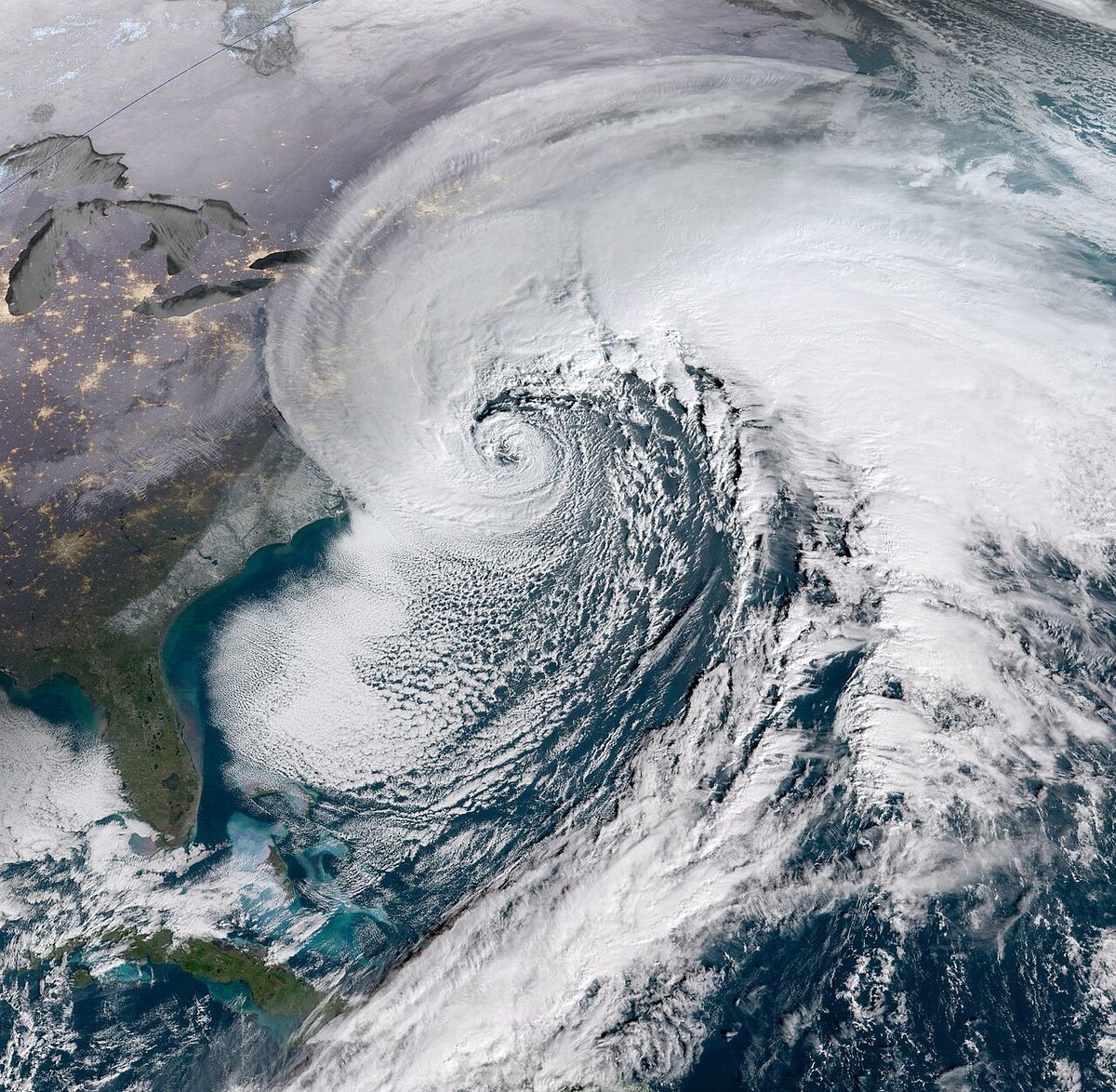
The outbreak was driven by a large storm system that tracked across eastern North America over three days. The severe weather began on July 1, with several tornadoes touching down in western and northern Minnesota, north of the Minneapolis-St. Paul metropolitan area. Straight-line winds near Monticello, Minnesota, reached 109 miles per hour during this initial phase. The system intensified dramatically on July 2 as it moved into the Great Lakes region, encountering a hot and humid airmass. High temperatures in Detroit reached approximately 32 degrees Celsius, with a heat index near 40 degrees Celsius, creating extreme instability. This fueled the development of severe thunderstorms that spawned the 13 tornadoes across southeastern Michigan, constituting a single-day record for the state at that time. The outbreak continued on July 3, with several more tornadoes reported from eastern New York to southern New Hampshire, though no additional fatalities occurred outside of Michigan. In total, the three-day event produced 52 tornadoes from northeastern Kansas to New England, marking it as a significant multi-state severe weather episode.
The Detroit Area Tornadoes
The core of the outbreak's devastation occurred on the afternoon and evening of July 2 in the Detroit metropolitan area. The most significant tornado was rated F2 on the original Fujita scale, with estimated winds between 113 and 157 mph. It touched down in northwest Detroit and tracked eastward through the city's West Side, moving between Interstate 96 and Eight Mile Road before continuing into the enclave cities of Highland Park and Hamtramck. This path through densely populated urban neighbourhoods led to widespread destruction. The tornado caused extensive damage to homes, with roofs torn off and large trees uprooted. It contributed to nearly 100 injuries in the city, though remarkably no fatalities were directly attributed to this particular tornado within Detroit's limits. The storm system also produced other tornadoes in the region, including two F3 tornadoes in Genesee County. The local television stations, including WJBK, WDIV-TV, and WXYZ-TV, provided extensive coverage, broadcasting video and images of the damage in downtown Detroit in the aftermath. For six to eight hours after the main storms passed, thunderstorms continued to roll through the area, causing many residents to fear further tornadic activity.
Fatalities and Severe Wind Impacts
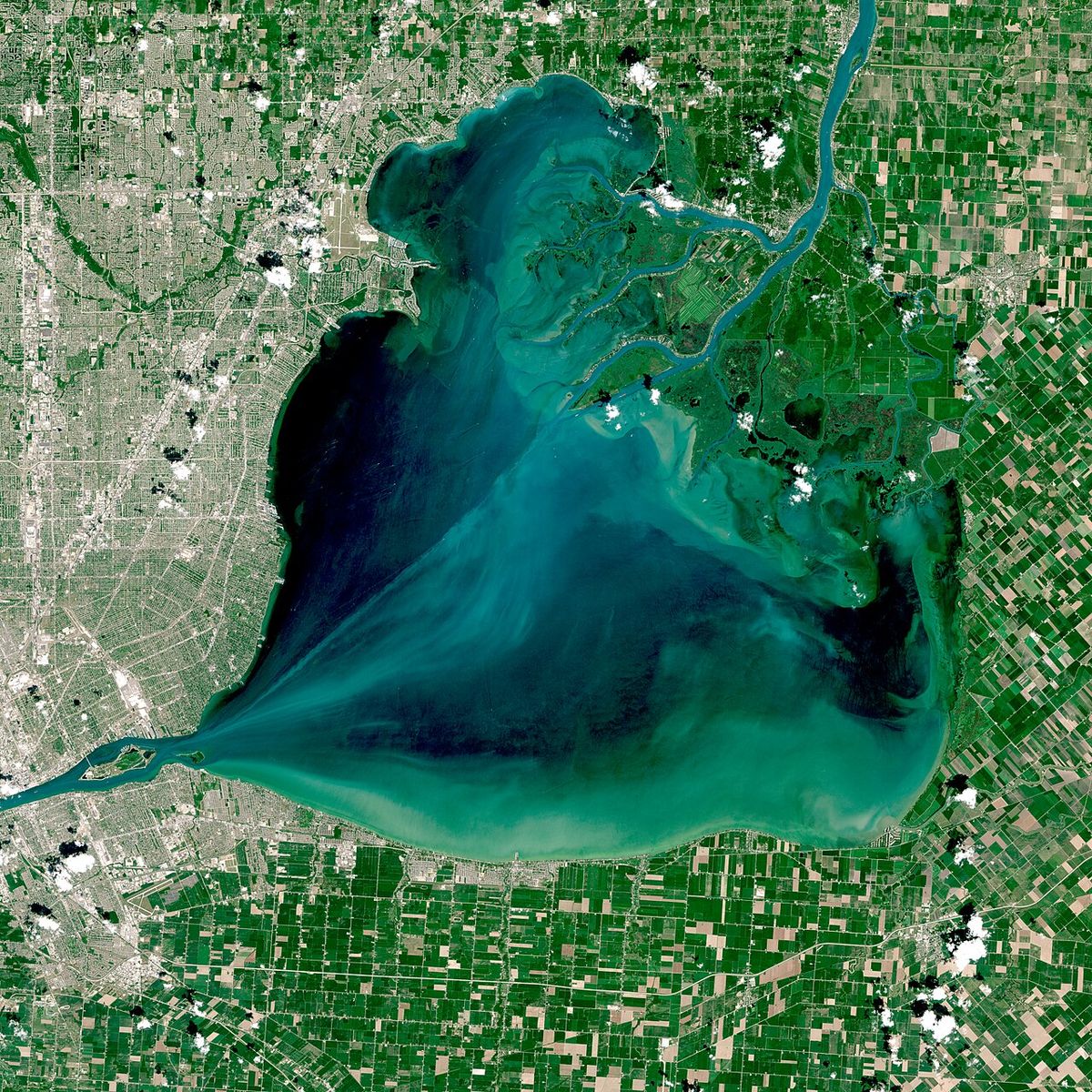
While the Detroit tornado itself did not kill anyone, the broader outbreak was responsible for seven fatalities in Michigan. Five of these deaths occurred in Grosse Pointe Farms, located in Wayne County, and were caused by destructive straight-line winds rather than a tornado. Winds estimated up to 100 mph struck a gazebo that was occupied by people, lifting it and throwing it into Lake St. Clair. Another fatality was recorded in Oakland County due to tornado activity, and one more occurred in Genesee County, also from a tornado. The storms produced widespread straight-line wind damage beyond these tragic events, felling many large trees across the region. After the main storm front passed, temperatures in Detroit dropped sharply from around 32 degrees Celsius to about 21 degrees Celsius. The National Weather Service archives note that the five deaths in Wayne County were attributed to severe thunderstorm winds, distinguishing them from the tornado-related deaths elsewhere. The sudden temperature drop provided some relief from the oppressive heat but did little to ease the anxiety caused by the ongoing thunderstorm activity.
Impact on Windsor and Essex County, Ontario
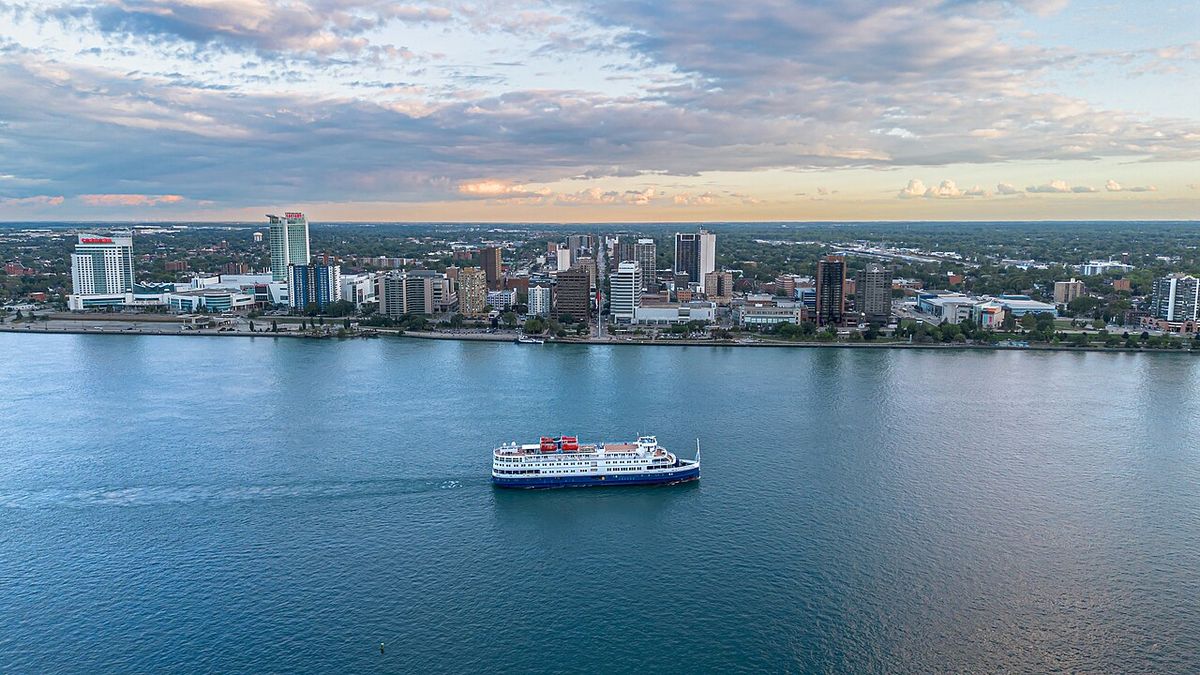
The storm system extended across the Detroit River into southwestern Ontario, where it also spawned a tornado. This tornado caused damage in Windsor and the surrounding Essex County. The Canadian impacts were compounded by intense rainfall and flooding associated with the outbreak. A significant amount of rain and floodwaters inundated the Tecumseh Road viaduct on Windsor's west end, submerging it to the height of a car's roof and trapping one automobile, though the driver was unharmed. The flooding and storm damage left two-thirds of the City of Windsor without power until the following morning. The viaduct, a steel girder structure built in 1944, was a known traffic bottleneck and prone to flooding, often collecting a foot of water from light rains. This event proved to be the final straw, leading to its permanent closure and demolition. The viaduct's location under the CN Rail line leading to the Michigan Central Railway Tunnel made it a critical but vulnerable piece of infrastructure. The aftermath of the storm directly led to major infrastructure change in Windsor, with the complete closure and demolition of the old structure and the construction of a new, more resilient underpass beginning in August 1998.
The Tecumseh Road viaduct in Windsor, Ontario, was a known traffic bottleneck that would flood easily. Following the heavy rains from the July 1997 tornado outbreak, the viaduct was completely flooded, with water reaching the roof of a car. The old steel structure was subsequently closed, torn down, and rebuilt. The new concrete underpass, finished in August 1998, is four lanes wide and designed to handle large transport trucks.
- The Tecumseh Road viaduct was completely closed, torn down, and rebuilt.
- Construction on the new underpass began in August 1998.
- The project was finished two weeks ahead of schedule and $2 million under budget.
- The replacement is a four-lane concrete structure designed to accommodate large transport trucks and handle floodwaters more effectively.
- The new design specifically addressed the previous issue of low clearance that would peel roofs off transport truck trailers.
- This reconstruction was a direct municipal response to the flooding failures exposed by the July 1997 storms.
The reconstruction of the Tecumseh Road viaduct was completed two weeks ahead of schedule and two million dollars under budget. The new infrastructure was a direct response to the flooding caused by the storm system associated with the 1997 tornado outbreak. This project represents a permanent upgrade to Windsor's transportation network. The viaduct's redesign specifically addressed the previous flooding and height issues.
Media Coverage and Public Response
Local broadcast media played a crucial role in documenting the event and informing the public in its immediate aftermath. Stations such as WJBK, WDIV-TV, and WXYZ-TV in Detroit aired extensive video and images of the damage, particularly focusing on the impact in downtown Detroit. Their coverage spanned the evening of July 2 and continued throughout the next day, providing residents with critical information about the scope of the disaster. In Windsor, CBET-TV, the CBC affiliate, would have covered the impacts on the Canadian side of the border. The widespread power outages, which affected two-thirds of Windsor, meant that many residents relied on battery-powered radios for updates. The extended period of ongoing thunderstorms after the main event, lasting six to eight hours, kept communities in a state of heightened alert. This media response set a precedent for how major severe weather events in the cross-border region are communicated to the public, with live footage and continuous updates becoming the standard for such disasters.
Place in Historical Context and Records
The July 1997 outbreak set several significant records for severe weather in southeastern Michigan. The 13 tornadoes confirmed on July 2 constituted a single-day record for the state at the time. The F2 tornado that moved through Detroit, Highland Park, and Hamtramck became a benchmark event due to its urban path and the scale of the damage. For nearly three decades, it held the distinction of being the last confirmed tornado to strike within the city limits of Detroit. This record was finally broken on September 3, 2026, when an EF2 tornado impacted Detroit's east side. The 2026 event was part of another active severe weather period that produced 27 tornadoes in Michigan that year, which was 12 above the state's average of 15. The 1997 outbreak's historical significance is frequently cited in comparisons with modern events, and its memory influences the region's approach to severe weather preparedness and public awareness campaigns, ensuring the event remains a key part of local meteorological history.
Comparison of Key Tornado Events in Detroit
The tornado that struck Detroit on July 2, 1997, was rated an F2 on the original Fujita scale and moved through a densely populated area. It contributed to nearly one hundred million dollars in damage in northern Wayne County and resulted in nearly one hundred injuries. The tornado that impacted Detroit on September 3, 2026, was the first confirmed tornado in the city since the 1997 event. The 2026 tornado was rated an EF2 on the Enhanced Fujita scale and caused significant damage on the city's east side.
| Event | Date | Fujita Scale Rating | Fatalities (in Detroit) | Notable Path/Impact |
|---|---|---|---|---|
| 1997 Outbreak | July 2, 1997 | F2 | 0 | NW Detroit through Highland Park & Hamtramck |
| 2026 Tornado | September 3, 2026 | EF2 | 0 | Detroit's east side to Belle Isle |
Long-Term Implications and Infrastructure Legacy
The tornado outbreak of July 1997 had lasting effects on infrastructure and public policy in the affected regions. In Windsor, the complete reconstruction of the Tecumseh Road viaduct is the most tangible legacy, transforming a known flood hazard into a modern, resilient piece of infrastructure. The project's completion ahead of schedule and under budget demonstrated a successful municipal response to a disaster. In Michigan, the event contributed to heightened awareness of the tornado risk in urban areas and likely influenced improvements in warning systems and emergency management coordination. When the 2026 tornado struck, it was immediately contextualized against the 1997 event, with media reports emphasizing the end of the long hiatus. The memory of the 1997 outbreak, its fatalities, and its damage continues to inform severe weather preparedness for residents on both sides of the Canada-United States border, serving as a reminder of the destructive potential of such storms.
Questions about Tornado outbreak of July 1-3, 1997
How many tornadoes were in the July 1997 outbreak?
The tornado outbreak of July 1-3, 1997, produced a total of 52 tornadoes across northeastern Kansas to New England. The most concentrated activity occurred on July 2 in southeastern Michigan, where a then-record 13 tornadoes touched down in a single day. This included the F2 tornado that moved through Detroit, Highland Park, and Hamtramck, as well as two F3 tornadoes in Genesee County. The outbreak began with tornadoes in Minnesota on July 1 and concluded with tornadoes in New York and New Hampshire on July 3.
What was the strongest tornado in the 1997 outbreak?
The strongest tornadoes confirmed in the outbreak were rated F3 on the original Fujita scale. While notes specify an F3 occurred, detailed path information is provided for two F3 tornadoes in Genesee County, Michigan. The most destructive tornado for the Detroit urban area was the F2 that tracked through several cities, causing the majority of the injuries and property damage in Wayne County. The outbreak also produced severe straight-line winds measured at 109 mph in Minnesota on July 1.
Did the 1997 tornado outbreak affect Canada?
Yes, the storm system affected southwestern Ontario. A tornado formed east of the Detroit River in Essex County, causing damage in Windsor and the surrounding area. Intense rainfall led to severe flooding, most notably at the Tecumseh Road viaduct in Windsor, which was submerged. The storm left two-thirds of Windsor without power overnight. This Canadian impact led directly to the demolition and rebuilding of the viaduct as a more flood-resilient structure in 1998.
Why is the 1997 tornado event significant for Detroit?
The July 2, 1997, tornado is historically significant for Detroit as it was the last confirmed tornado to strike the city for nearly 30 years. It caused extensive damage on a path through densely populated neighbourhoods, resulting in nearly 100 injuries and approximately $100 million in damage in northern Wayne County. It set a state record for tornadoes in a single day and became the benchmark against which future severe weather events were measured until a new tornado hit in 2026. Its urban path through areas like Hamtramck and Highland Park made it a memorable and destructive event.
How many people died in the 1997 outbreak?
The outbreak caused seven fatalities in Michigan. Five deaths occurred in Grosse Pointe Farms due to straight-line winds estimated up to 100 mph that blew a gazebo into Lake St. Clair. One person died in Oakland County from tornado activity, and another died in Genesee County from a tornado. Notably, there were no fatalities directly from the tornado that moved through the city of Detroit, where approximately 90 people were injured.
What infrastructure change in Windsor resulted from this storm?
The catastrophic flooding at the Tecumseh Road viaduct in Windsor, which was submerged to roof level, led to a permanent infrastructure change. The old, flood-prone steel girder viaduct was closed, demolished, and rebuilt. The new four-lane concrete underpass, constructed in 1998, was designed to handle major transport trucks and prevent similar flooding, coming in under budget and ahead of schedule. This project directly addressed a longstanding traffic bottleneck and flood hazard that the 1997 storm had catastrophically exposed.
Sources and further reading
- Tornado outbreak of July 1-3, 1997 (Wikipedia)
- The most recent Detroit tornado was back in 1997. NWS is ... (cbsnews.com)
Checked by the Your Space Hamilton desk. Last updated 2026-10-25.