December 2022 North American blizzard
The December 2022 North American blizzard was a historic and deadly extratropical cyclone that brought catastrophic winter conditions to much of the continent from December 21 to 26, 2022. Unofficially named Winter Storm Elliott by the Weather Channel, the storm evolved into a bomb cyclone, generating crippling blizzards, hurricane-force winds, and record-breaking cold across the United States and parts of Canada. The storm had a major impact in Canada, particularly in Ontario, where communities like Fort Erie, Kingston, and the Niagara Region endured prolonged blizzard conditions, states of emergency, and widespread power outages. The event resulted in over 100 fatalities, massive travel disruptions, and was described by the National Weather Service as a "once-in-a-generation storm" for the hardest-hit region of Buffalo, New York.
Meteorological development and characteristics
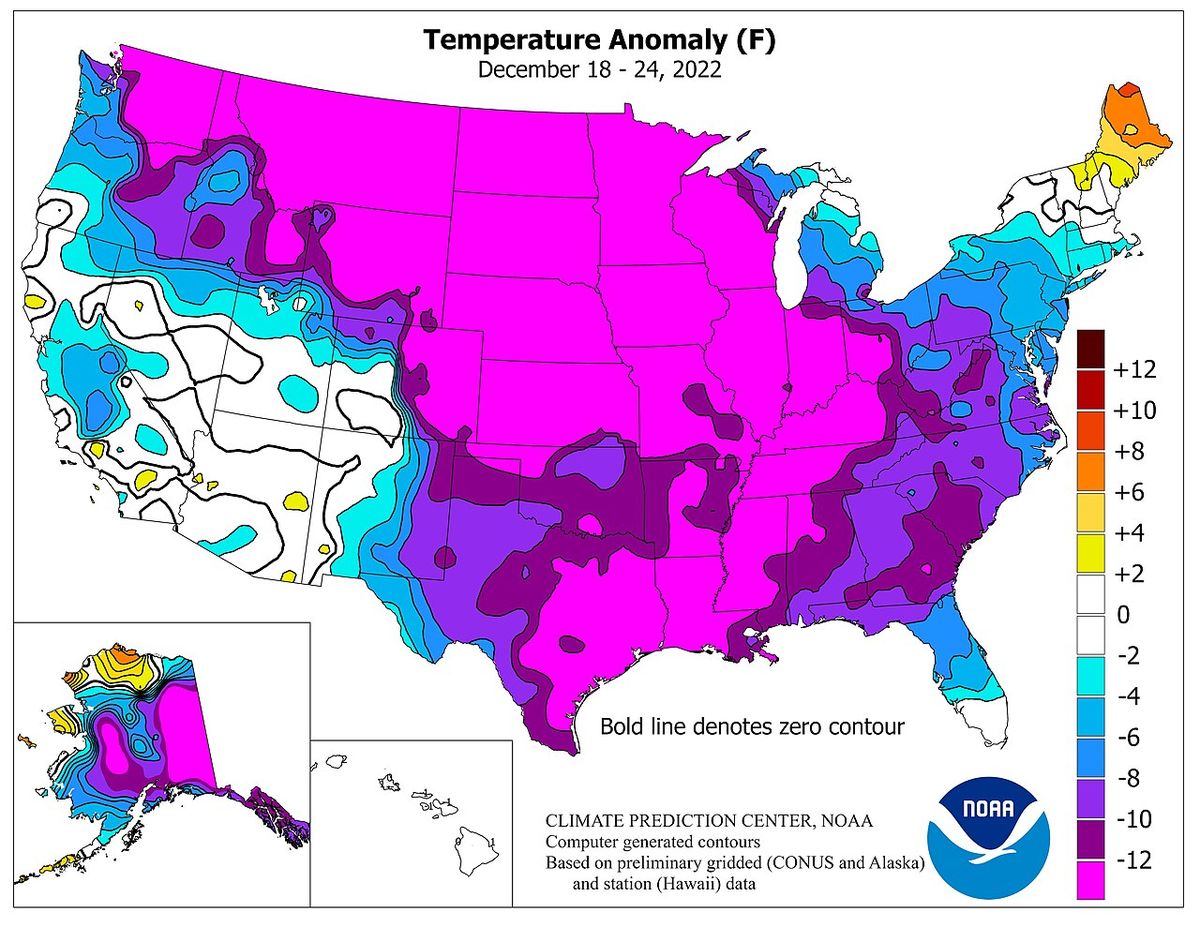
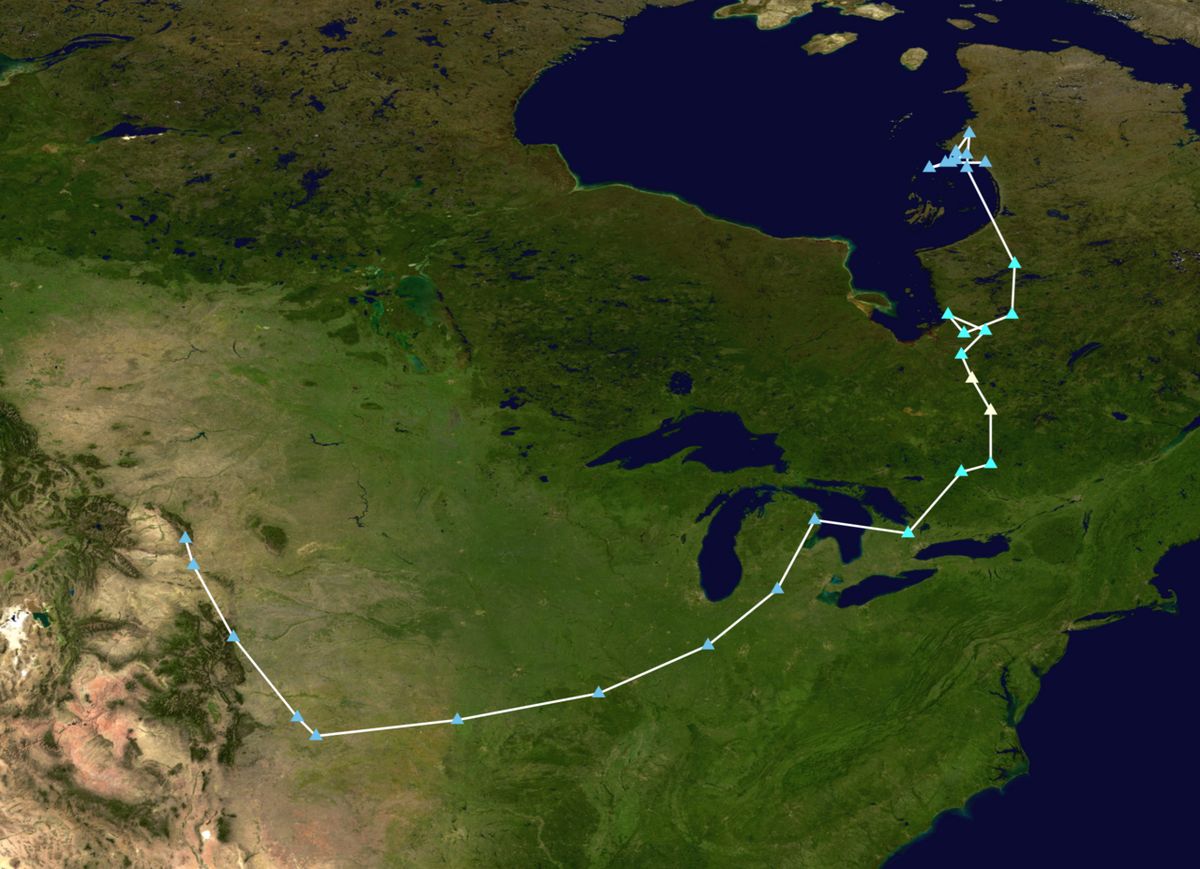
The storm began forming over the Northern Plains on December 21, 2022, and rapidly intensified the following day. It met the criteria for a bomb cyclone as its central pressure plummeted by 35 millibars while sweeping from Indiana into Ontario between the afternoons of December 23 and 24. This explosive deepening created a massive wind field that pulled bitterly frigid Arctic air southward across the continent. Blizzard conditions, defined as visibility under 400 metres due to snow and wind gusts over 64 km/h, were first reported in rural areas of southern Minnesota, northern Iowa, and southwestern Wisconsin. The storm's immense power was evident in wind gusts recorded at 119 km/h in Duluth, Minnesota, and 132 km/h in Grand Marais Harbor, Minnesota, on December 23. The system generated significant snowfall across the Northern Plains, with up to 40 cm in Wisconsin and 30 cm in Minnesota, contributing to North Dakota's wettest December on record when combined with a blizzard from the previous week.
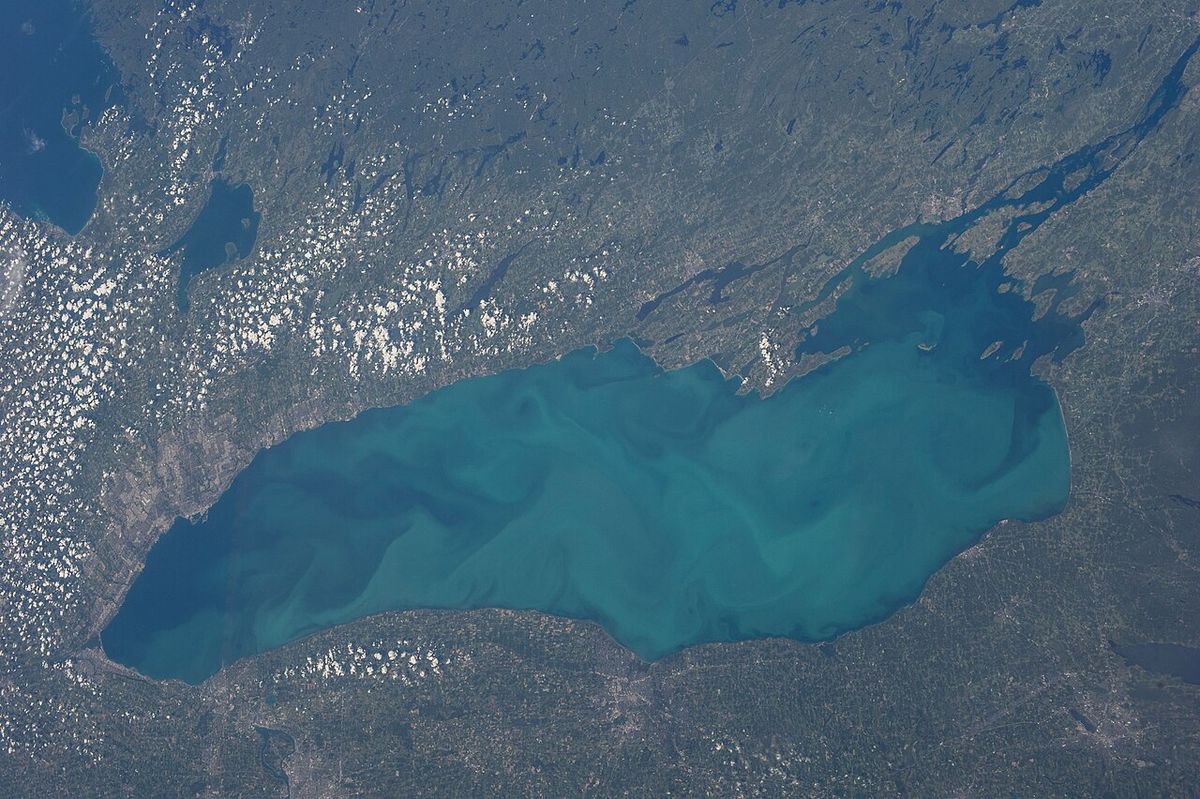
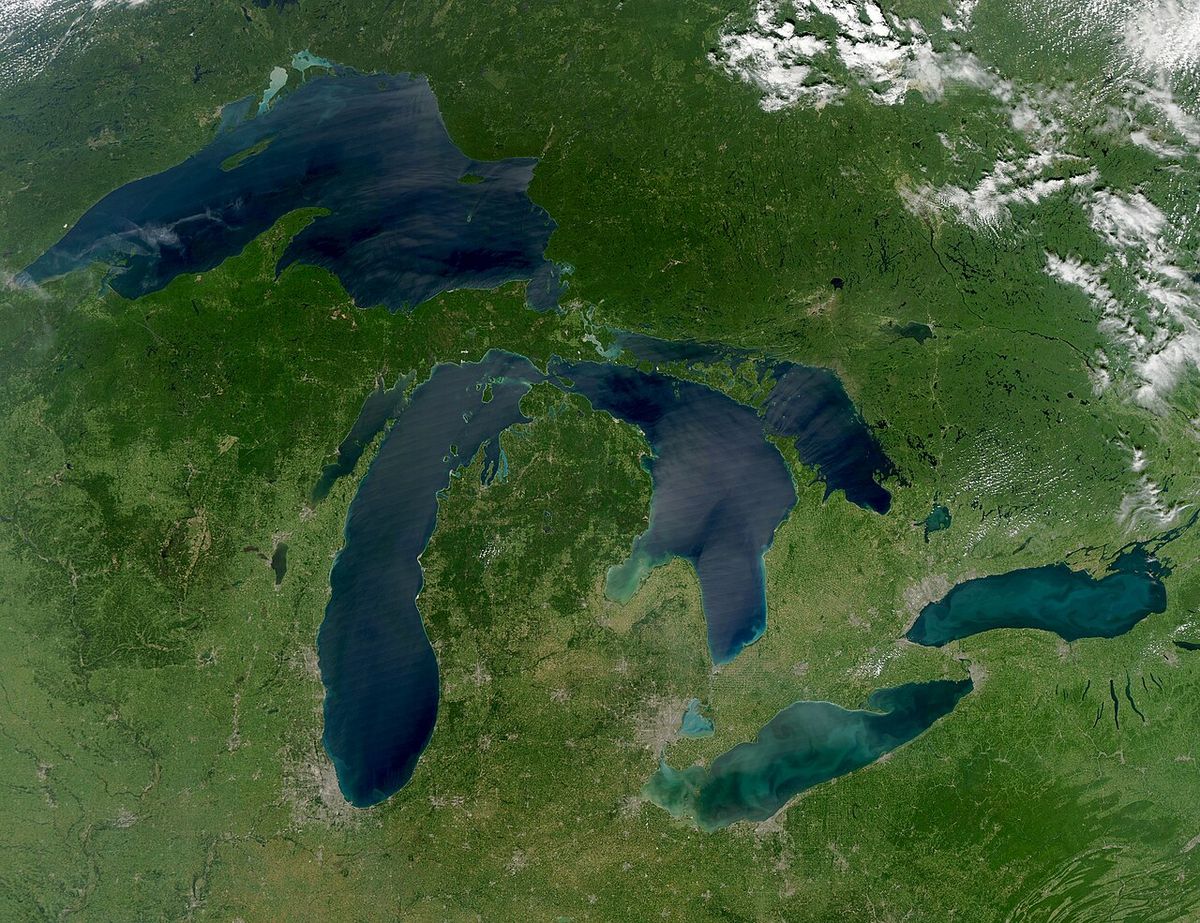
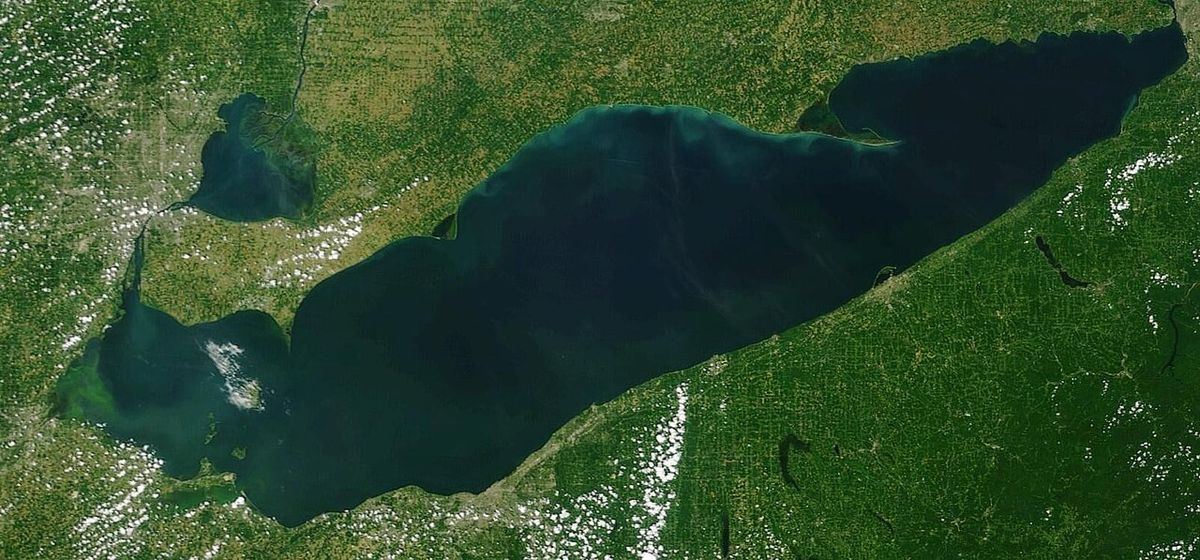
As the cyclone tracked eastward, it unleashed severe winter weather on the Great Lakes and northeastern regions. The intense wind gusts blowing over the relatively warm waters of Lake Erie triggered historic, record-breaking lake-effect snow downwind. The Buffalo, New York, area was devastated by this phenomenon, receiving up to 144 cm of snow over five days. Buffalo experienced its longest continuous blizzard on record, with 37.5 consecutive hours of blizzard conditions and zero visibility from the morning of December 23 until early on December 25. Winds in the city frequently gusted over 72 km/h, with a peak reported gust of 127 km/h. The storm also created a seiche on Lake Erie, causing record-low water levels in the lake's western basin. In the northeastern United States, snowfall totals varied widely, with up to 27 cm in Vermont and 22 cm in Massachusetts, while coastal areas like New York City received only a dusting.
The storm's impacts were severe across Southern Ontario, where Environment Canada had issued blizzard warnings. The southern Niagara Region, including Fort Erie, was under blizzard conditions for most of December 23 and 24, leading to a local state of emergency. Fort Erie received an average of 76 cm of snow with drifts as high as 3 metres, while a wind gust of 125 km/h was recorded in nearby Port Colborne. Other Ontario locations with significant blizzard conditions included Wiarton, Chatham, St. Catharines, and Hamilton. In Quebec, Baie-Comeau recorded a wind gust of 130 km/h and Quebec City saw a gust of 121 km/h, both setting new all-time December records for those locations.
Preparations and warnings
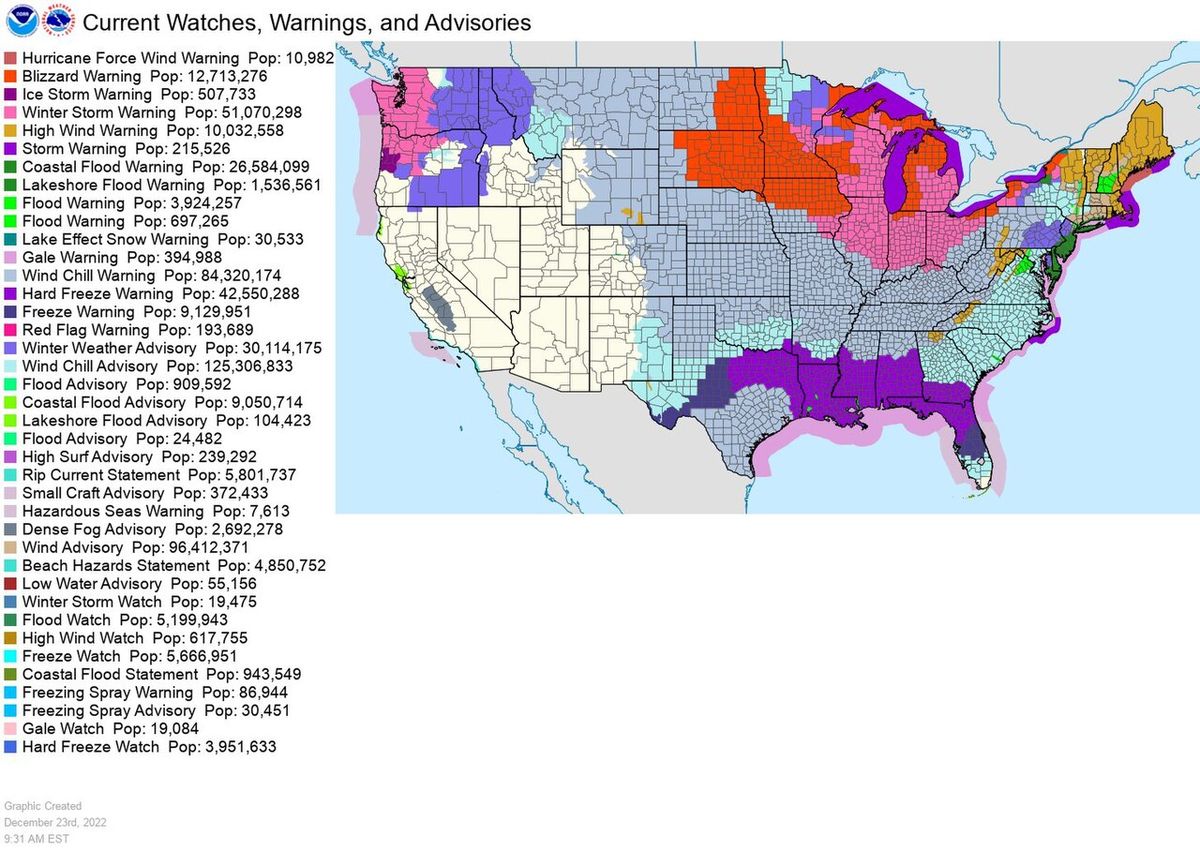
As forecasts indicated the storm's severe potential, government officials across North America issued urgent warnings and declared states of emergency. In the United States, President Joe Biden urged Americans on December 22 to take the storm extremely seriously. State-level emergencies were declared in numerous jurisdictions including Colorado, Connecticut, Kansas, Kentucky, Maryland, Missouri, New York, North Carolina, Oklahoma, South Dakota, West Virginia, and Wisconsin. South Dakota Governor Kristi Noem activated the National Guard, while Georgia Governor Brian Kemp declared a state of emergency a day earlier on December 21. These declarations aimed to mobilize resources and warn the public, leading many to cancel Christmas travel and celebrations.
In Canada, Environment Canada issued blizzard warnings for a large swath of southwestern and midwestern Ontario, specifically noting the southern Niagara Region, areas east of Georgian Bay, and the eastern end of Lake Ontario including Kingston and Prince Edward County. Winter storm warnings were in effect for the remainder of Southern Ontario. The warnings highlighted the expected combination of heavy snow, blowing snow, and extreme winds that would create near-zero visibility and dangerous travel conditions. The severity of the impending storm prompted the City of Buffalo to issue a stark social media post on December 24 stating that the city had no emergency services available, a message that highlighted the life-threatening nature of the event.
Impact in Canada
The blizzard caused widespread disruption and danger across Ontario, with the southern Niagara Region and eastern Lake Ontario shoreline experiencing the most extreme conditions. The Niagara Region declared a state of emergency as Fort Erie and surrounding areas endured two full days of blizzard conditions with zero visibility. Snowdrifts reached heights of 3 metres, effectively burying cars and blocking roads. Emergency services were overwhelmed, with paramedics focusing limited resources on the highest priority calls, which included numerous incidents of chest pain and cardiac events brought on by strenuous snow removal. The storm was directly linked to two fatalities in southwestern Ontario from cold exposure. In the Niagara Region, emergency officials noted the difficulty in attributing deaths solely to the storm due to complex medical factors, but confirmed responses to carbon monoxide poisonings from indoor use of gas-fueled devices and serious storm-related injuries.
Transportation networks in Canada were paralyzed. Via Rail service between Toronto and Montreal or Ottawa was completely suspended for over two days following a derailment. Air travel was severely affected, with WestJet cancelling all 140 of its flights in Ontario and Quebec on December 23. Air Canada cancelled hundreds of flights across the country on December 23 and 24. At Toronto Pearson International Airport, two-thirds of arrivals and one-third of departures were cancelled on December 23. A separate but concurrent Pacific Northwest storm also disrupted travel in British Columbia, where WestJet cancelled 126 flights and Vancouver International Airport cancelled all flights on the morning of December 20. Across the country, approximately 1.1 million Canadian households lost power at some point during the storm.
- Niagara Region: Declared a state of emergency. Fort Erie saw 76 cm of snow and 125 km/h wind gusts.
- Air Travel: WestJet cancelled all Ontario/Quebec flights on December 23. Air Canada cancelled hundreds nationwide.
- Rail Travel: Via Rail service between Toronto, Montreal, and Ottawa suspended for over two days.
- Power Outages: 1.1 million Canadian households affected.
- Fatalities: Two confirmed deaths from exposure in southwestern Ontario.
Casualties across the United States
The storm and its associated cold wave resulted in at least 100 fatalities across the United States, with causes ranging from traffic accidents and cold exposure to carbon monoxide poisoning and cardiac events. The Buffalo, New York, metropolitan area suffered the greatest loss of life, with 41 deaths recorded in Erie County. Of these, 17 were pedestrians found disoriented and deceased in snowbanks, 11 were residents who died in homes without heat, and four were drivers stranded in their cars for over two days. The storm's toll in Buffalo exceeded that of the infamous Blizzard of 1977, marking it as a historically deadly event for the region. The National Guard conducted door-to-door wellness checks in parts of Buffalo on December 28 for residents who had been without power.
Fatalities were widespread across 17 other states, illustrating the storm's continental reach. Multiple deaths occurred from vehicular collisions on icy roads in Oklahoma, Kansas, Missouri, and Ohio. In Ohio, a massive pileup involving over 50 vehicles on the Ohio Turnpike in Sandusky County resulted in four fatalities. Exposure to the extreme cold claimed lives in Colorado, Georgia, Tennessee, and South Dakota. Other tragic incidents included deaths from falling trees or branches in Maryland and Pennsylvania, electrocutions of utility workers in Ohio, and carbon monoxide poisonings in Michigan and New York. In Michigan, four deaths were linked to the storm, including three from cardiac arrest while shoveling snow.
| State/Region | Reported Fatalities | Primary Causes |
|---|---|---|
| Erie County, New York (Buffalo area) | 41 | Exposure (pedestrians, stranded motorists, homes without heat), cardiac arrest |
| Ohio | 10+ | Vehicular collisions (including 4 in turnpike pileup), exposure, electrocution, house fire |
| Colorado | 6 | Cold exposure |
| Michigan | 4 | Cardiac arrest while shoveling, carbon monoxide poisoning |
| Oklahoma, Kansas, Kentucky, Missouri | 3 each | Vehicular collisions on icy roads, exposure |
Transportation and infrastructure collapse
The blizzard caused unprecedented disruptions to North American transportation systems. In the United States, over 18,200 flights were cancelled between December 22 and 28. Buffalo Niagara International Airport was completely shut down for five days, from the morning of December 23 to the morning of December 28, requiring snow-clearing equipment to be brought in from Pittsburgh to clear over four feet of snow from runways. Major airports in Chicago, Cleveland, and Denver experienced hundreds of cancellations. The disruptions extended beyond the storm's immediate aftermath, with Southwest Airlines cancelling 70% of its flights on December 26 due to cascading operational failures triggered by the weather, prompting scrutiny from the U.S. Department of Transportation.
Road networks were rendered impassable by whiteout conditions, deep snow, and major crashes. Interstate highways were closed across multiple states. In South Dakota, more than 100 vehicles became stranded on Interstate 90, requiring authorities to rescue and shelter motorists. A 50-vehicle pileup, including numerous commercial trucks, closed the Ohio Turnpike in Sandusky County for nearly a day. In western New York, all major highways were closed for four to five days. The city of Buffalo imposed a driving ban for five and a half days, enforced by state and military police to allow snow clearing. The Erie County Sheriff reported that over 420 emergency medical calls went unanswered because vehicles could not travel through the snow-clogged streets.
- Flight Cancellations (U.S.): Over 18,200 between December 22-28.
- Airport Closures: Buffalo Niagara International Airport closed for 5 days (Dec 23-28).
- Major Road Closures: All major highways in western New York closed for 4-5 days.
- Notable Pileups: 50+ vehicles on Ohio Turnpike. 100+ vehicles stranded on I-90 in South Dakota.
Power outages and utility failures
The combination of hurricane-force winds, heavy snow, and extreme cold led to massive power failures across the affected regions. In the United States, approximately 6.3 million households experienced power outages at some point during the storm. The outages were not confined to the blizzard's core, as the accompanying cold wave and high winds damaged infrastructure across a vast area. In Canada, an estimated 1.1 million households lost power. The loss of electricity during the record-low temperatures created life-threatening conditions, contributing to several of the fatalities recorded in homes without heat. Utility workers faced dangerous conditions attempting repairs, with at least one electrocution death reported in Ohio.
The power outages also had secondary consequences. In South Carolina, one individual died when his oxygen machine failed due to the loss of electricity. The widespread outages, combined with impassable roads, severely hampered emergency response efforts. In Buffalo, the inability of emergency vehicles to reach people in distress during the height of the blizzard was a critical factor in the death toll. The storm exposed vulnerabilities in infrastructure and highlighted the catastrophic cascade of failures that can occur when a severe winter storm immobilizes a major urban region for an extended period.
Response and recovery efforts
Recovery from the historic blizzard was a prolonged and monumental task, particularly in the Buffalo area. Snow removal operations were massive in scale, requiring the coordination of local crews, state resources, and military assistance. The New York National Guard was deployed to assist with wellness checks and enforcement of the driving ban. In Erie County, the sheriff's office worked to address the backlog of over 420 unanswered EMS calls as roads slowly became passable. The comparison to the Blizzard of 1977 was frequently made, with officials and residents noting the 2022 storm's greater lethality and comparable or greater snowfall intensity in certain areas.
In Ontario, recovery in the hardest-hit communities like Fort Erie and Kingston involved clearing massive snowdrifts that had buried streets and vehicles. The Niagara Region's state of emergency remained in effect as crews worked to restore access. The storm's impact on holiday travel created a backlog of stranded passengers that took days to resolve, especially for airlines like Southwest that experienced systemic operational meltdowns. The event prompted discussions about preparedness for extreme weather events, the resilience of critical infrastructure, and the need for public heeding of severe weather warnings. The National Weather Service's description of the storm as "once-in-a-generation" highlighted its exceptional nature and the challenges faced by communities and responders.
Questions about December 2022 North American blizzard
How much snow did Buffalo, New York, get from the December 2022 blizzard?
The Buffalo, New York, area received record-breaking lake-effect snowfall from the blizzard. The highest reported total was 144 cm over five days in Snyder, adjacent to Buffalo. At the Buffalo Niagara International Airport, snowfall reached 132 cm. The storm delivered Buffalo's longest continuous blizzard on record, with 37.5 consecutive hours of blizzard conditions and zero visibility from the morning of December 23 into Christmas Day.
Why was the storm called a bomb cyclone?
The storm underwent bombogenesis, meaning its central pressure dropped very rapidly as it intensified. As the system moved from Indiana into Ontario between December 23 and 24, its pressure plummeted by 35 millibars in 24 hours. This exceeded the meteorological threshold of a 24-millibar drop required to classify a storm as a bomb cyclone. This explosive deepening dramatically strengthened the storm's wind field, allowing it to pull down extreme Arctic air and generate widespread blizzard conditions.
How did the blizzard affect air travel?
Air travel was massively disrupted. In the United States, over 18,200 flights were cancelled between December 22 and 28. Buffalo Niagara International Airport was completely closed for five days. In Canada, WestJet cancelled all flights in Ontario and Quebec on December 23, and Air Canada cancelled hundreds nationwide. The disruptions cascaded for days, most notably for Southwest Airlines, which cancelled 70% of its flights on December 26 due to operational failures linked to the storm's initial impact.
What was the impact of the blizzard in Ontario, Canada?
The blizzard severely impacted southern Ontario, particularly the Niagara Region and areas east of Lake Ontario like Kingston and Prince Edward County. The Niagara Region, including Fort Erie, declared a state of emergency after enduring blizzard conditions for most of December 23 and 24, with Fort Erie receiving an average of 76 centimetres of snow and drifts as high as 3 metres. Across Ontario, the storm contributed to two confirmed deaths from exposure in the southwest, caused Via Rail service between Toronto, Montreal, and Ottawa to be completely suspended for over two days, and left about 1.1 million Canadian households without power. Hundreds of flights were also cancelled across the province.
How many people died because of the winter storm?
The extratropical cyclone and its related cold wave killed at least 100 people across the United States and Canada. This total includes deaths from the main storm and six additional fatalities from a simultaneous smaller storm in the Pacific Northwest. The Buffalo, New York, area was the hardest hit, with 41 deaths occurring in Erie County. Fatalities resulted from diverse causes including cold exposure outside or inside unheated homes, traffic accidents on icy roads, carbon monoxide poisoning, cardiac arrest while shovelling snow, and incidents where emergency crews could not respond in time. Deaths were recorded in 17 U.S. states and the province of Ontario.
What made this storm so historically significant for Buffalo?
The National Weather Service in Buffalo described it as a "once in a generation storm" for the city. It was historically significant due to its extreme intensity and deadly impact, surpassing the death toll of the Blizzard of 1977 with 41 fatalities in the region. The storm produced a record setting 37.5 consecutive hours of blizzard conditions, the longest in Buffalo's history, with zero visibility and hurricane force wind gusts up to 127 kilometres per hour. It also deposited crippling lake effect snowfall, exceeding 140 centimetres over five days in some areas adjacent to Buffalo. The city was completely immobilized under massive snow drifts, with a complete driving ban imposed for five and a half days and all major highways closed, stranding hundreds and preventing emergency services from reaching hundreds of calls.
Sources and further reading
- December 2022 North American blizzard (Wikipedia)
- 2022/12/21-26 North American Winter Storm (climameter.org)
- The December 22-25 2022 Storm: Blizzard, Extreme Cold, ... (weather.gov)
- Three Questions on December 2022 Cold Air Outbreak (moodys.com)
Checked by the Your Space Hamilton desk. Last updated 2026-10-23.