2025 Canadian wildfires
The 2025 Canadian wildfires were the second-worst wildfire season in the nation's recorded history, surpassed only by the unprecedented destruction of 2023. Beginning in mid-May with over 160 fires, the season saw intense activity across Manitoba, Saskatchewan, Ontario, British Columbia, Alberta, Quebec, Newfoundland and Labrador, the Yukon, and the Northwest Territories. The fires forced the evacuation of approximately 85,000 people, including 45,000 from First Nations communities, and resulted in the tragic deaths of two civilians in Lac du Bonnet, Manitoba. Driven by extreme heat, prolonged drought, and a legacy of 'zombie' fires from previous years, the 2025 season showed the growing threat of climate change to Canada's forests and communities.
Climatic Context and Preceding Conditions
The 2025 wildfire season unfolded against a backdrop of escalating climate-driven extremes that have become a defining feature of Canada's recent environmental history. Climate change, driven by fossil fuel consumption, has led to higher temperatures, drier conditions, and longer fire seasons across the country's boreal forest. By the end of July 2025, an estimated 71 percent of Canada was facing abnormally dry conditions, rivalling 2023 as one of the most widespread dry years on record. This created a tinderbox environment where fires could ignite easily and spread with exceptional speed, and the season was also preconditioned by the catastrophic 2023 wildfires, the most destructive in Canadian history, and a severe 2024 season. A particularly ominous factor was the presence of overwintering 'zombie' fires, which continued to smoulder under snow in Alberta and British Columbia into January 2025, with some having originated in 2023.
Wildfire researcher Mike Flannigan noted this was the first time he had observed such fires survive for over two years, with the BC Wildfire Service detecting 49 active fires in early June that had started as zombie fires near Fort Nelson. In regions like Saskatchewan, the stage was set by a specific hydrological crisis where rapid spring thaws combined with low snowpack meant melting water could not seep into still-frozen ground, leading to rapid evaporation and leaving trees and grasses to dry out as potent fuel. Boreal forests are more vulnerable to fire in spring before deciduous trees grow their moisture-retaining leaves, and with warmer weather arriving earlier, the window for human-caused ignitions from sources like campfires or machinery expanded. The widespread risk was compounded by the fact that about 14.3 percent of Canadian buildings sit directly in the wildland-urban interface, with roughly 79 percent within one kilometre, placing a vast amount of infrastructure and housing in the path of potential fires. Despite lessons from 2023, preparedness efforts like new water bomber purchases faced significant delays, with deliveries not expected until 2029 at the earliest, and some municipalities like Edmonton conducted prescribed burns within city limits in preparation.
Provincial and Territorial Fire Events
The 2025 fire season manifested as a series of intense regional crises, each with its own devastating timeline and impact. Over half of the total area burned for the year was concentrated in the provinces of Manitoba and Saskatchewan, though Alberta, British Columbia, and Ontario all experienced fire activity well above their annual averages. The season's progression saw waves of fires moving across the country from spring through late summer, testing provincial resources and triggering large-scale evacuations. In Alberta, an early season fire near Elk Island National Park reached the Ukrainian Cultural Heritage Village on April 18, damaging several buildings and destroying artifacts, forcing the site to close for the season and cancel all events.
By early May, parts of Alberta were under extreme fire risk because of drought, heat, and high winds, leading to the evacuation of about 100 people near the County of Grande Prairie and later over 800 residents from the village of Boyle. A significant event occurred at Chipewyan Lake in late May where a fire destroyed 27 structures including the community's water treatment facility, senior centre, and health centre after eight firefighters were temporarily trapped and lost radio contact. The Kiskatinaw River fire crossed from British Columbia into Alberta in early June, prompting further evacuation orders in the County of Grande Prairie, and by June 6 the province estimated that 4,625 Albertans had been forced to leave their homes. British Columbia, experiencing a multi-year drought spanning six or seven years, saw extreme fire behaviour where the Prince George Fire Centre, covering 330,000 square kilometres, had seen 10 percent of its land burn in the prior two years, more than the previous 60 years combined.
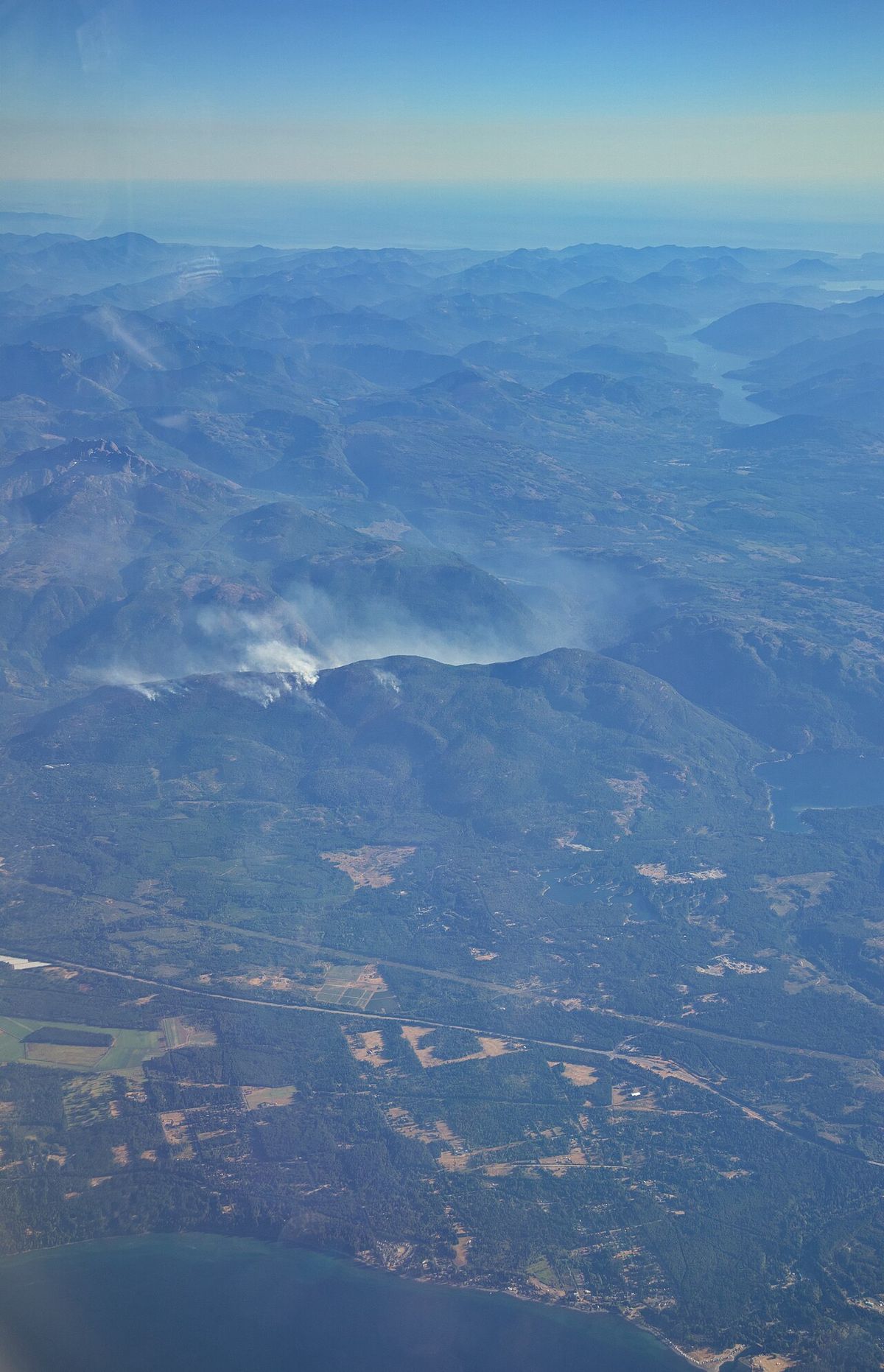
In British Columbia, part of Fort St. John was evacuated for one day in early May. The Kiskatinaw River wildfire forced evacuations at Kelly Lake on June 4 and crossed into Alberta on June 6. A human-caused fire near Squamish on June 9 resulted in an evacuation alert and later the closure and evacuation of Alice Lake Provincial Park. Southern British Columbia faced a heat wave in early June. Over 35,000 lightning strikes were recorded in the province between July 30 and August 1, sparking 65 fires. This led to unusual extreme fire activity near Port Alberni on Vancouver Island in August, prompting a local state of emergency. In the Cariboo region, a fire suspected to have been caused by lightning led to evacuation orders for 150 parcels of land and multiple First Nations reserves on August 2. Separate wildfires closed Highway 5 between Hope and Merritt and Highway 20 east of Bella Coola and west of Anahim Lake.
Manitoba was the epicentre of the early season crisis, declaring its first province-wide state of emergency on May 28 after a deadly fire near Lac du Bonnet on May 13 resulted in the season's only civilian fatalities, a married couple trapped at home, and destroyed 28 structures in the Grausdin Point area. The entire city of Flin Flon was evacuated at the end of May as a fire from a landfill in neighbouring Creighton, Saskatchewan, advanced, and the province saw 96 active fires by late May, triple the five-year annual average, with over 198,000 hectares burned. Communities like Cranberry Portage, Pimicikamak Cree Nation, and Mathias Colomb First Nation were evacuated, with the latter's order lasting over 100 days after its electrical infrastructure was destroyed and jurisdictional disputes delayed a replacement generator. A second province-wide state of emergency was declared on July 10 as a new wave of fires threatened Thompson and forced the re-evacuation of Lynn Lake and Snow Lake, and Garden Hill First Nation, accessible only by air, required emergency airlifts for 1,750 of its 4,000 residents with support from Canadian Armed Forces Hercules aircraft over two days in mid-July.
Saskatchewan declared a state of emergency on May 29. In June, much of the nearby village of Denare Beach was destroyed. Fires formed or spread through the summer in Ontario, British Columbia, Alberta, Quebec, Newfoundland and Labrador, the Yukon, and the Northwest Territories. Atlantic Canada faced heat waves and extreme fire conditions in early August, and fires began breaking out in Nova Scotia, New Brunswick, and the island of Newfoundland. In late August and early September, fires forced evacuations in the Northwest Territories and the interior of British Columbia.
Response and Evacuation Efforts
The scale of the 2025 wildfires necessitated an unprecedented national and international response, stretching emergency management systems to their limits. The Canadian Armed Forces were mobilized to aid in logistical and firefighting support, including airlifting evacuees from remote communities, and hundreds of international firefighters from countries including Mexico and Australia joined the efforts to combat the blazes across multiple provinces. The logistical challenges were immense, particularly in northern and Indigenous communities where access was limited and infrastructure was vulnerable, and evacuations became a massive undertaking with approximately 85,000 people forced from their homes. The evacuation of Flin Flon, Manitoba, highlighted the dire circumstances, as thick smoke grounded water bombers and firefighters, numbering about 200 personnel along with two helitankers, three helicopter buckets, three water bombers, and 19 firetrucks, battled to keep the blaze at the city's edge while contending with low food supplies that led them to raid grocery stores.
The fires forced the evacuations of 85,000 people. The Canadian Red Cross had registered over 31,000 evacuees from 12,000 households by early August. Hotel shortages in Manitoba were severe, and the provincial government asked the public to cancel non-essential travel. The response was complicated by unauthorized drone activity near Flin Flon that temporarily grounded water bombers. This was a recurring hazard, as a BC Wildfire Service birddog aircraft was struck by an illegally-operating civilian drone on September 2. Firefighters faced extreme dangers, including a severely injured firefighter in Manitoba on May 25 and a firefighter in BC who suffered minor injuries from a grizzly bear attack on July 4 while scouting the Summit Lake fire near Fort Nelson. The fires also caused significant damage to critical infrastructure, destroying water treatment facilities in communities like Chipewyan Lake, Alberta, and Tataskweyak Cree Nation, Manitoba, which declared a new state of emergency on June 17 when its water plant failed, compounding the crisis for residents. The scale of displacement and the destruction of homes, cottages, and community infrastructure placed a long-term burden on recovery efforts, particularly for remote Indigenous communities that faced the longest evacuation orders and the most severe damage to essential services.
- Canadian Armed Forces mobilized for logistics and firefighting support, evacuating 3,500 people from Manitoba fire zones by early June.
- International firefighters from Mexico, Australia, and other nations deployed to assist provincial crews.
- Approximately 85,000 people evacuated nationwide, with 45,000 from First Nations.
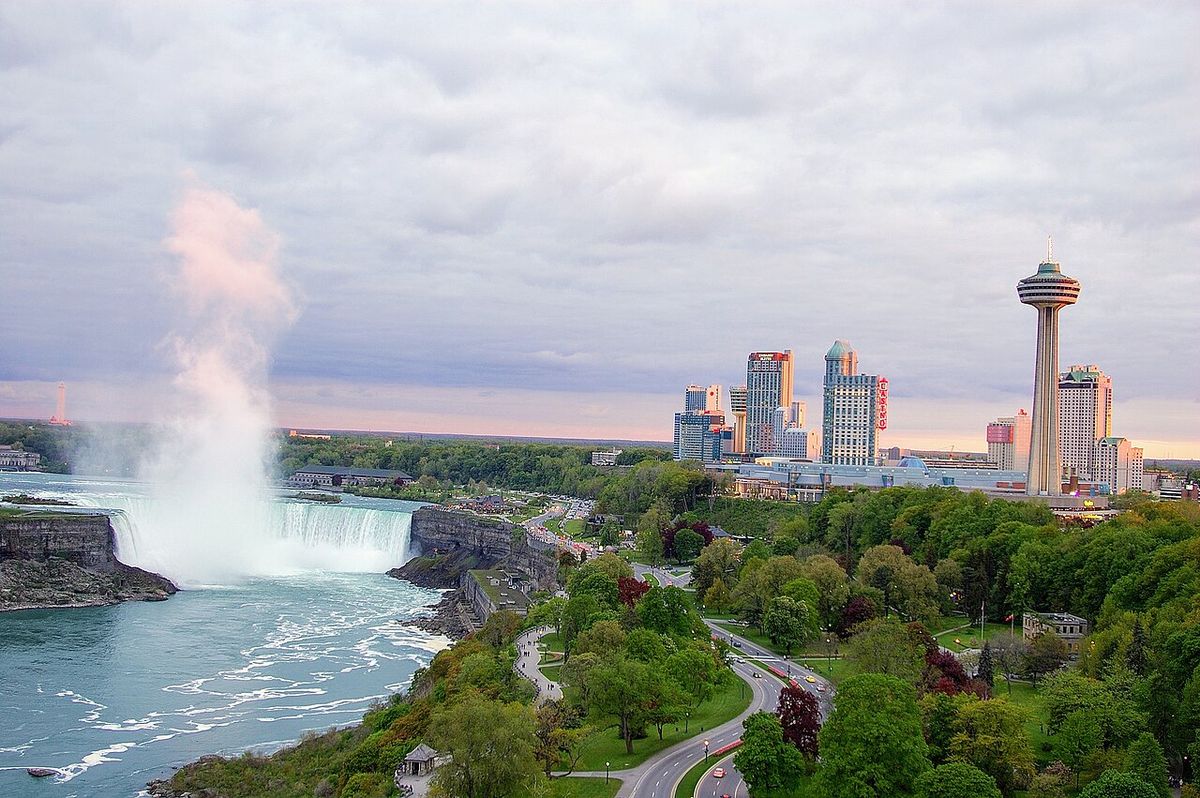
- Evacuation hubs established, with some evacuees sent as far as Niagara Falls, Ontario due to local hotel shortages.
- Unauthorized drone activity repeatedly hampered aerial firefighting operations, grounding water bombers.
- Critical infrastructure, including water treatment plants and electrical systems, was destroyed in multiple communities.

Smoke and Continental Air Quality Impacts
The 2025 wildfires produced massive plumes of smoke that degraded air quality across North America and beyond, creating a public health crisis that extended far beyond the fire zones. Dense smoke from the fires, particularly those in central and western Canada, triggered widespread air quality alerts and hazardous conditions in major metropolitan areas across Canada and the United States. The smoke traveled thousands of kilometres, carried by prevailing winds, affecting millions of people who were not directly threatened by the flames, and in Canada, cities like Winnipeg experienced record-breaking heat concurrent with dense smoke that hampered aerial firefighting operations. The smoke created hazardous breathing conditions, leading to public health warnings advising vulnerable populations to stay indoors and limit physical exertion, and the impacts were even more pronounced in the northeastern and midwestern United States where over 120 million people were affected by dangerous air quality levels.
Smoke from the fires caused hazardous air quality across the continent, triggering air quality alerts in major metropolitan areas in Canada and the United States. Smoke traveled as far as Europe, causing hazy conditions and a red-orange hue during dawn and dusk. Exposure to wildfire smoke is linked to increased emergency healthcare visits for respiratory and cardiovascular issues. The widespread smoke events of 2025 showed the far-reaching consequences of the fires.
Historical Comparison and Climate Linkages
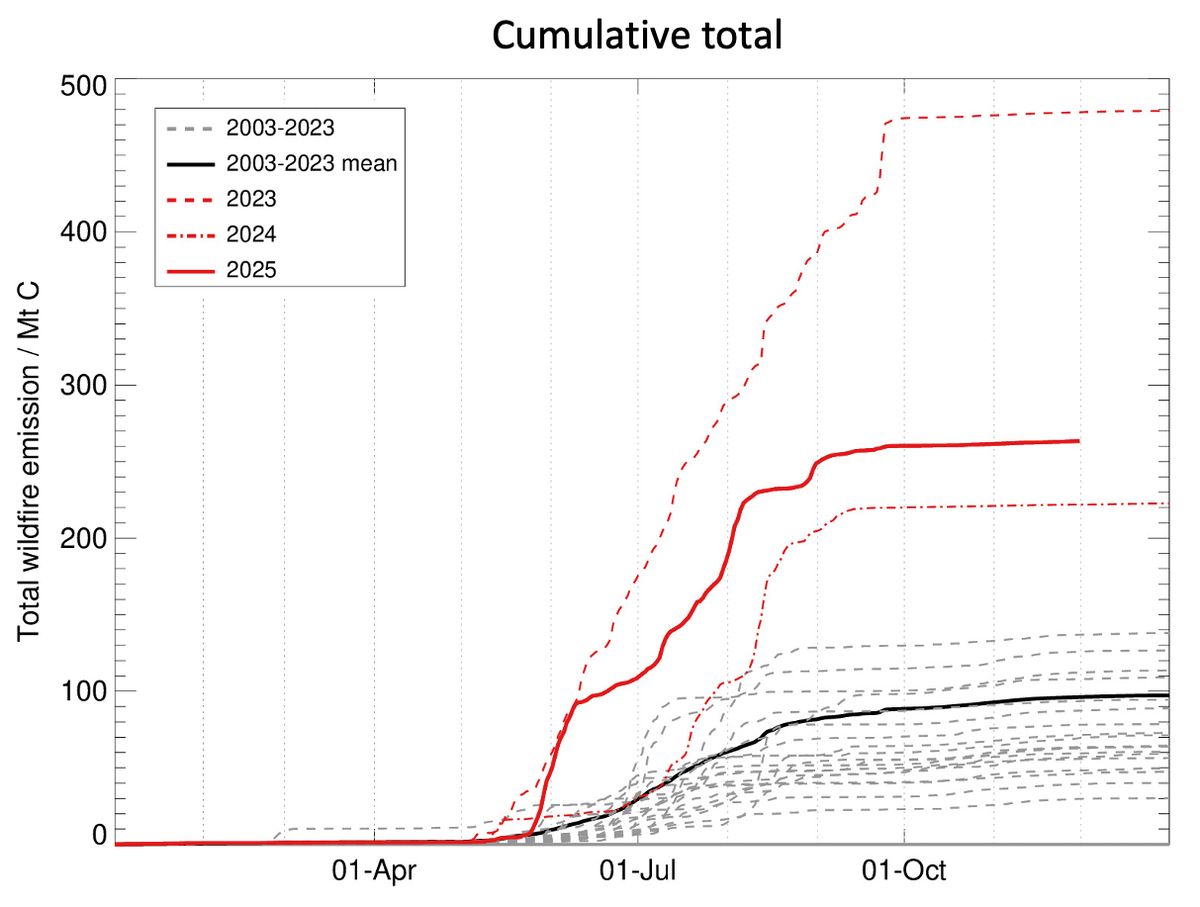
The 2025 wildfire season solidified a troubling trend of increasingly severe fire years in Canada, firmly placing it within the context of accelerating climate change. By mid-June, the fires were on track to be the second-worst on record in terms of both carbon emissions and area burned, and by August they had surpassed the destructive 1989 season, trailing only the unprecedented 2023 season in total devastation. This ranking confirms a pattern where record-breaking or near-record seasons are becoming more frequent, challenging the nation's capacity to respond and adapt, and scientific analysis directly links the severity of these seasons to human-induced climate change. Researchers from Canada, the United States, the Netherlands, and the United Kingdom have collaborated to assess how climate change altered the likelihood and intensity of the extreme fire weather conditions witnessed, with key factors including prolonged drought, measured by 24-month effective precipitation deficits, and extreme fire weather indices like the cumulative Daily Severity Rating (DSR).
Climate change has led to higher temperatures, drier conditions, and longer fire seasons in Canada. The 2025 fires continued a series of severe wildfire seasons. Some fires in 2025 started as holdover "zombie" fires from 2023, which survived over two years. The 2025 season indicated that extreme fire weather and record-breaking seasons are part of a new normal driven by climatic change.
Notable Incidents and Community Impacts
Beyond the broad statistics, the 2025 wildfires were defined by specific, harrowing incidents that illustrated the human and community cost of the disaster. The season's only civilian fatalities occurred in Lac du Bonnet, Manitoba, on May 13, where a married couple died after becoming trapped in their home by a fast-moving fire that firefighters could not reach due to its intensity, and Mayor Ken Lodge noted the fire developed and spread with exceptional speed. In Saskatchewan, much of the village of Denare Beach was destroyed by fire in June, and the community of Chipewyan Lake, Alberta, lost 27 structures including its water treatment facility, senior centre, and health centre in late May after forestry crews had to clear downed trees to rescue eight sheltered firefighters. Several communities endured repeated trauma through multiple evacuations, with Lynn Lake, Manitoba, evacuated on May 27, allowed to return on June 20, and then evacuated again on July 4 after a new lightning-sparked fire, and Snow Lake faced a similar pattern being evacuated twice, while the Mathias Colomb First Nation endured the longest evacuation order in Manitoba, over 100 days, after fires destroyed its electric infrastructure and jurisdictional disputes delayed the acquisition of a replacement generator.
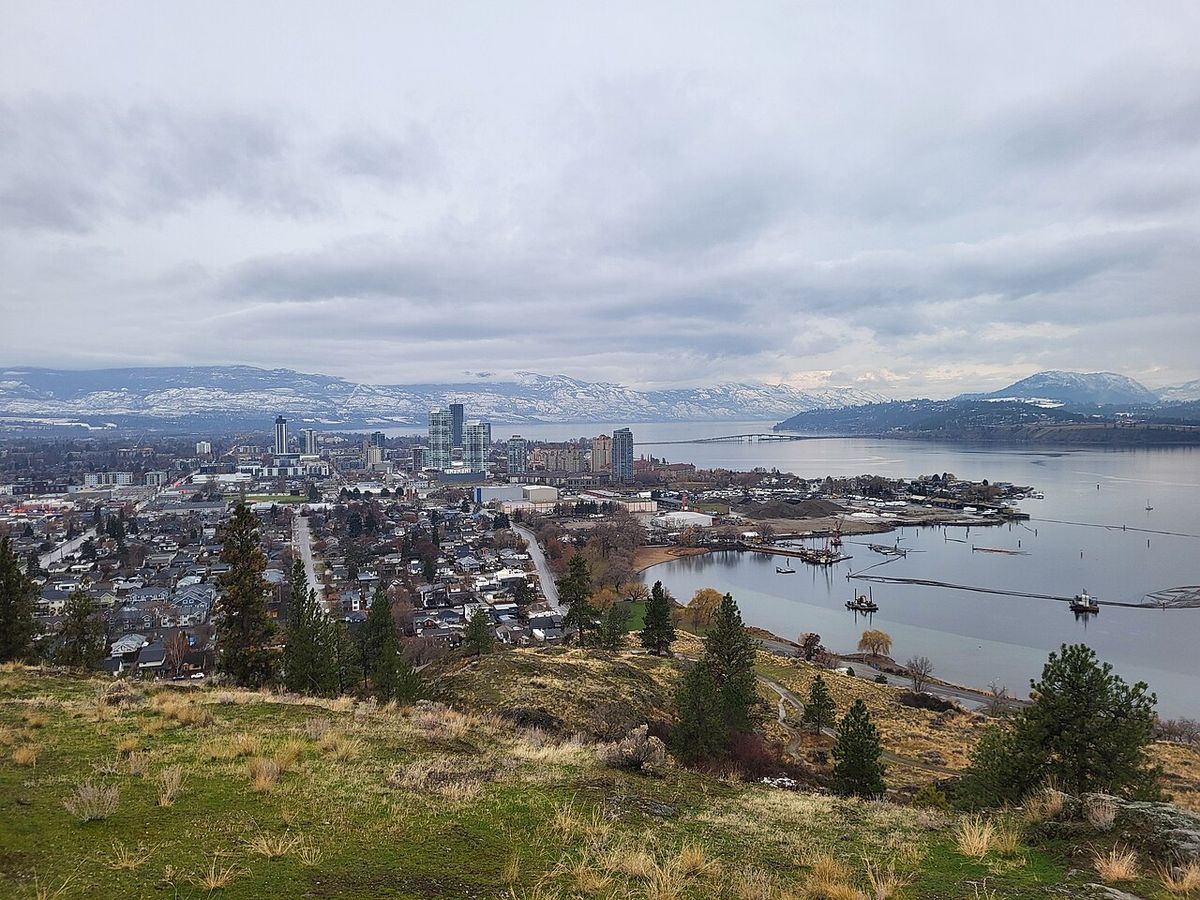
The Canadian Armed Forces were mobilized to aid in logistical and firefighting efforts, including evacuations. Production at some Alberta oil sands locations was shut down and workers were evacuated because of fires. Key transportation corridors were closed, including Highway 97 in British Columbia, Highway 5 between Hope and Merritt, and Highway 20. About 1,500 people were evacuated from Anahim Lake. Kelowna Airport was shut down on July 6 due to the Whelan Creek fire but restored service the evening of July 7.
| Province/Territory | Key Impact or Incident | Approximate Scale |
|---|---|---|
| Manitoba | Fatalities in Lac du Bonnet. Evacuation of Flin Flon | 2 deaths. Entire city evacuated |
| Saskatchewan | Destruction of Denare Beach | Much of village destroyed |
| Alberta | Infrastructure loss in Chipewyan Lake | 27 structures including water plant |
| British Columbia | Extreme fire on Vancouver Island (Mount Underwood) | 300 evacuated from campground. Local state of emergency. Over 21 km² burned |
| Multiple Regions | Prolonged Indigenous community evacuations | Mathias Colomb FN: >100 days. Garden Hill FN: 1,750 airlifted |
Questions about 2025 Canadian wildfires
How many people were evacuated due to the 2025 Canadian wildfires?
Approximately 85,000 people were forced to evacuate their homes during the 2025 wildfire season. Of this total, an estimated 45,000 evacuees were from First Nations communities, highlighting the disproportionate impact on Indigenous populations. Evacuations ranged from entire cities like Flin Flon, Manitoba, to remote fly-in communities such as Garden Hill First Nation, which required emergency airlifts. The scale of displacement overwhelmed local resources, leading to evacuees being housed as far away as Niagara Falls, Ontario.
What caused the 2025 wildfires to be so severe?
The severity of the 2025 wildfires was driven by a combination of climate change-induced conditions and legacy effects from previous fires. Extreme heat, prolonged drought, and strong winds created tinder-dry fuels across much of the country, with 71 percent of Canada abnormally dry by late July. A significant factor was the presence of 'zombie' fires that had smouldered underground since the record 2023 season, re-igniting in the spring. Human-induced climate change has led to longer fire seasons and more frequent extreme fire weather, setting the stage for the rapid spread and intensity of the blazes.
Were there any fatalities during the 2025 wildfire season?
Yes, there were two civilian fatalities during the 2025 wildfires. The deaths occurred on May 13 in the town of Lac du Bonnet, Manitoba, northeast of Winnipeg. A married man and woman perished when they became trapped in their home by a rapidly advancing wildfire. Firefighters were unable to reach them due to the fire's extreme intensity. These were the only reported civilian deaths directly caused by the fires, though numerous firefighters faced injuries and dangerous conditions throughout the season.
How did the 2025 wildfire season compare to previous years?
The 2025 wildfire season was the second-worst in Canadian recorded history in terms of area burned and carbon emissions, surpassed only by the unprecedented 2023 season. By August 2025, the fires had already exceeded the destruction of the 1989 season. The season continued a trend of increasingly severe fire years, with climate change leading to hotter, drier conditions and longer fire seasons. The persistence of 'zombie' fires from 2023 also marked a new and concerning phenomenon, with some fires surviving for over two years.
What was the impact of the wildfire smoke on air quality?
Smoke from the 2025 wildfires caused hazardous air quality across North America and travelled as far as Europe. In Canada and the United States, major metropolitan areas issued widespread air quality alerts, affecting millions of residents. In the US, over 120 million people in the Midwest and Northeast were affected by dangerous air quality levels. The smoke, rich in fine particulate matter (PM2.5), is linked to increased emergency room visits for respiratory and cardiovascular issues and higher mortality rates. The event transformed the wildfires into a continental public health crisis.
What role did the Canadian Armed Forces play in the response?
The Canadian Armed Forces were mobilized to support provincial and territorial firefighting efforts, primarily providing crucial logistical support. This included assisting in the large-scale evacuation of trapped residents, particularly from remote communities. For example, CAF Hercules aircraft helped airlift approximately 1,750 residents from the fly-in Garden Hill First Nation in Manitoba over two days in July. By early June, the military had already helped evacuate 3,500 people from fire zones in Manitoba alone, demonstrating their vital role in emergency response when provincial resources were overwhelmed.
Sources and further reading
- 2025 Canadian wildfires (Wikipedia)
- Climate change means extreme fire seasons in Canada ... (worldweatherattribution.org)
- Canada fire weather outlook (tru.ca)
- Climate change means extreme fire seasons are here to stay (preventionweb.net)
Checked by the Your Space Hamilton desk. Last updated 2026-10-25.