Grande Prairie
Grande Prairie is a city in northwestern Alberta, Canada, serving as a major economic and transportation hub for the Peace River Country region. Located approximately 456 kilometres northwest of Edmonton at the intersection of Highways 43 and 40, it is Canada's northernmost city with a population exceeding 50,000. Grande Prairie's economy is diversified, with key industries including oil and gas, agriculture, and forestry, supported by its position atop significant geological formations. The city, which adopted the trumpeter swan as its official symbol, is known for its rapid growth, cultural venues, and role as a gateway to northern Alberta.
History
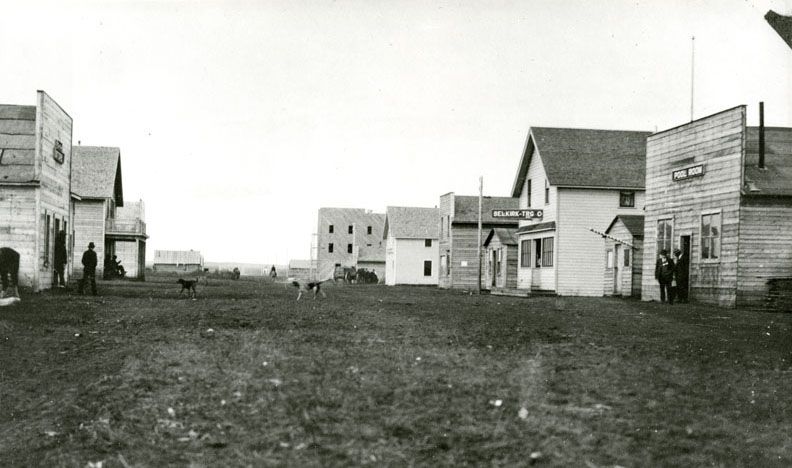
The area now known as Grande Prairie was historically called Buffalo Plains by the Dane-zaa (Beaver) peoples who occupied the land and traded with the North West Company at Dunvegan in the early 19th century. The name La Grande Prairie was first used by Roman Catholic Priest Émile Grouard, with the earliest recorded reference by Hudson's Bay Company trader Samuel Black in 1824. In 1880, a Hudson's Bay Company outpost named La Grande Prairie was established by George Kennedy approximately 21 kilometres northwest of the present city. Settlement accelerated after 1909 when 17 townships were surveyed for homesteading, prompting a land rush with many settlers arriving via the difficult Edson Trail, which opened in 1911. The community was incorporated as a village in 1914 and saw significant growth with the arrival of the Edmonton, Dunvegan and British Columbia Railway in 1916, leading to its incorporation as a town on March 27, 1919.
Grande Prairie's population surpassed 1,000 with the railway's arrival, though a local recession in the 1920s caused a temporary decline. The population rebounded to 1,464 by the 1930s, as the Peace Region escaped the severe droughts of the Dust Bowl era further south. During the Second World War, the city became a part of the Northwest Staging Route and a stopover for military aircraft supporting the construction of the Alaska Highway, providing an economic boost. The city's status as the regional centre solidified in the late 1950s as oil and gas exploration intensified, outpacing rivals like Peace River and Dawson Creek. The paving of Highway 43 in 1956 significantly improved road access, and Grande Prairie was incorporated as a city in 1958 with a population of about 7,600.
A major economic boom followed the 1972 opening of the Procter & Gamble kraft pulp mill and the discovery of the Elmworth deep basin gas field, driving the population from just over 12,000 in the early 1970s to over 24,000 by 1981. From 2001 to 2006, Grande Prairie was one of Canada's fastest-growing cities, expanding from 37,000 to 47,000 people. After a slight decrease post-2006, growth resumed, with the population reaching approximately 69,000 by 2018. The city's 2026 to 2029 Strategic Plan, adopted on March 30, 2026, outlines a vision for Grande Prairie as a thriving, resilient, and innovative northern centre.
Geography and Climate
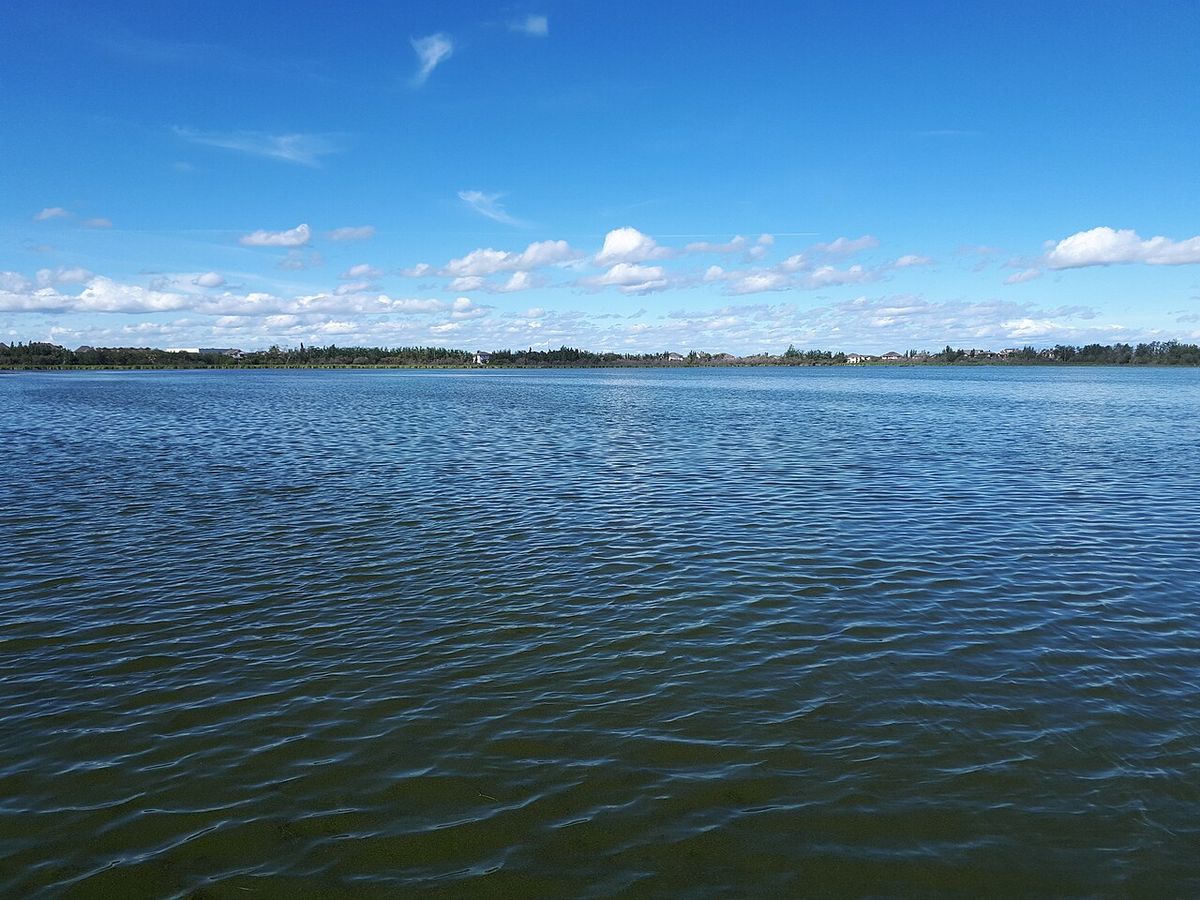
Grande Prairie is situated just north of the 55th parallel, 465 kilometres northwest of Edmonton, at an elevation of 669 metres above sea level. The city lies on the southern edge of the aspen parkland biome, a transitional zone between the boreal forest to the south and the prairie to the north. Farmland surrounds the city to the north, east, and west, while vast boreal forest extends south and southwest toward the foothills of the Canadian Rockies. Bear Creek flows through the city from northwest to southeast, eventually joining the Wapiti River, and is bordered in part by the Bear Creek Reservoir. The terrain is largely flat to gently rolling but becomes gradually hilly closer to the southern foothills, from which peaks of the Rockies are visible on clear days.
Grande Prairie experiences a northern continental climate, classified as humid continental (Dfb) and bordering on subarctic. Winters are generally very cold with occasional mild spells, while summers are typically cool to warm with cool nights. The average January temperature is -13.6 °C, and the average July temperature is 16.2 °C. Extreme temperatures range from a record low of -52.2 °C to a record high of 41.5 °C recorded on June 29, 2021. The city receives an average of 445 millimetres of precipitation annually, comprising 322 mm of rain and 154 cm of snow, though snowfall amounts vary greatly year to year. Chinook winds can bring winter thaws, and the area averages 2,200 hours of bright sunshine per year, or about 46.1% of possible sunshine.
Summers in Grande Prairie can bring thunderstorms, although they are not as frequent nor as severe as those further south in Central Alberta. The Peace Region is noted for never having experienced truly severe drought conditions more typical of Southern Alberta and neighbouring Saskatchewan. Tornadoes are rare but not unheard of in the Peace Region, and a very weak tornado struck the downtown area and east side of Grande Prairie on July 8, 2004. This tornado was strong enough to damage houses and flip vehicles, but there were no casualties or deaths. The warmest month on record was July 2024 with an average mean temperature of 19.8 degrees Celsius. Despite being north of the 55th parallel, the climate is mild enough and the longer summer daylight hours aid in allowing farming on a large scale to prosper, making the Peace Country the northernmost major farming region in North America.
Demographics
According to the 2021 Canadian census, Grande Prairie had a population of 64,141, a slight increase of 1.5% from the 63,166 recorded in 2016. The city's land area is 132.71 square kilometres, resulting in a population density of 483.3 persons per square kilometre. A municipal census in 2015 recorded a higher population of 68,556, reflecting the city's history of rapid growth. The 2021 census reported that 15.9% of residents identified as visible minorities, 11.7% as Indigenous, and 72.4% as white or of European descent. The largest visible minority groups were Filipino (6.9%), South Asian (2.9%), Black (2.2%), Latin American (0.8%), Chinese (0.8%), and Arab (0.6%).
English was the first language for 83.8% of residents in 2021. Other common mother tongues included Tagalog (3.4%), French (2.1%), Punjabi (0.8%), Spanish (0.8%), and German (0.6%). In terms of religion, 45.8% of residents identified as Christian, down from 58.5% in 2011, with Catholics comprising 20.4% and Protestants 10.0%. Those with no religious affiliation accounted for 49.4%, up from 39.2% in 2011. The largest non-Christian religions were Islam (1.7%), Hinduism (1.1%), and Sikhism (0.8%). The city's Crime Severity Index, which was once the highest in Canada, had improved to 150 per 100,000 people by 2016, placing it 12th nationally, though still above the national average of 70.96.
Economy
Grande Prairie's economy is diversified, with major sectors including oil and gas, agriculture, forestry, and food services. Agriculture was the original economic foundation, with settlers farming the area in the early 20th century. The region's relatively mild climate and long summer daylight hours allow for the cultivation of crops like barley, wheat, canola, and oats, as well as livestock raising, making the Peace Country North America's northernmost major farming region. Oil and gas exploration began on a large scale in the late 1970s following the discovery of the Elmworth gas field, spurring rapid population growth. The city's location atop the Montney and Duvernay geological formations continues to support significant activity in natural-gas condensate and shale gas extraction.
Forestry is a major part of the economy, leveraging the vast boreal forests south of the city. Major operations include the International Paper kraft pulp mill, originally opened by Procter & Gamble in 1972, and a Canfor sawmill and lumber yard. An oriented strand board plant operated by Norbord opened in late 1995. As the economic hub for a trading area of nearly 290,000 people, Grande Prairie benefits from its position on the CANAMEX trade route linking Canada, the United States, and Mexico. The city's 2026 to 2029 Strategic Plan prioritizes economic opportunity and resilience, aiming to create conditions for investment and talent attraction to drive long-term prosperity.
Government and Municipal Services
Grande Prairie is governed by a mayor and council, with Mayor Jackie Clayton leading the city as of 2026. The city's strategic direction is guided by the City of Grande Prairie 2026 to 2029 Strategic Plan, officially adopted by council on March 30, 2026. The plan is built on a vision of Grande Prairie as a thriving city known for resilience and innovation, with strategic priorities focusing on economic opportunity, community livability, infrastructure sustainability, and purposeful leadership. At the provincial level, the area has been represented by electoral districts such as Grande Prairie-Wapiti and, historically, Grande Prairie-Smoky, which was abolished in 2017. A significant development in municipal services was the formation of the Grande Prairie Police Service (GPPS) on March 7, 2023, marking the first new municipal police service established in Alberta in nearly 70 years.
The GPPS reported recruiting 50 officers since its formation, with a goal of reaching 110 officers. The city also undertakes various community projects, such as a federally supported tree planting initiative in 2026 that added 386 trees across parks and public spaces. The 2026 municipal budget focused on investments to improve quality of life and foster growth, balancing current needs with future planning. These initiatives are part of the city's focus on building long-term capacity and stewarding infrastructure and services, as detailed in its strategic plan.
Arts, Culture and Recreation
Grande Prairie offers a variety of cultural venues and events. Live music is featured in downtown bars and at all-ages locations, with local artists spanning genres from country, represented by musicians like Tenille Townes, to reggae, metal, folk, and rock. Major cultural venues include the Bonnetts Energy Centre, which hosts concerts and is home to the Alberta Junior Hockey League's Grande Prairie Storm, the Grande Prairie Museum, the Art Gallery of Grande Prairie, and Second Street Theatre. The city is also home to the professional musical theatre company Broadway Live Broadway and the Grande Prairie Public Library, founded in 1939. Annual festivals include the Reel Shorts Film Festival in early May and the Bear Creek Folk Music Festival, first held in 2016, which takes place in late August at Muskoseepi Park.
In sports and recreation, Grande Prairie hosted the 1995 Canada Games and the 2010 Arctic Winter Games. The city's park system is anchored by Muskoseepi Park, which follows Bear Creek and features extensive walking and bike trails. The Eastlink Centre is a major recreational facility, and community events like the annual Canada Day parade and festivities in Muskoseepi Park draw large crowds. The city's event calendar for 2026 included activities such as Free Skate Fridays sponsored by ARC Resources and the Grande Prairie Triathlon.
- Bonnetts Energy Centre: Concert hall and hockey arena for the Grande Prairie Storm.
- Grande Prairie Museum: Features local history, including a restored 1896 Hudson's Bay Company building.
- Art Gallery of Grande Prairie: Displays visual arts from the region and beyond.
- Philip J. Currie Dinosaur Museum: 3,800 m² facility with dinosaur exhibits and a paleontology lab.
- Bear Creek Folk Music Festival: Annual outdoor music festival held in Muskoseepi Park.
- Reel Shorts Film Festival: Five-day international festival of short films.
- Muskoseepi Park: Large park with trails along Bear Creek, used for major events like Canada Day.
- Eastlink Centre: Major recreation centre hosting events like dive-in movies and the triathlon.
Notable Events and Recent Developments
Grande Prairie continues to host a dynamic calendar of events and undertake significant development projects. The city's 2026 schedule featured community staples like Free Skate Fridays sponsored by ARC Resources, the Owen Riegling concert as part of the In The Feeling Tour, and the annual Grande Prairie Triathlon in July. Experience Grande Prairie, a community festival, returned on August 28, 2026, promoting local connection. Canada Day celebrations in 2026 included a parade and free events in Muskoseepi Park and downtown. These activities reflect the city's strategic priority of strengthening community life and creating welcoming public spaces. Key municipal developments in 2026 included the adoption of the 2026 to 2029 Strategic Plan and the approval of the 2026 budget, which contained investments aimed at improving quality of life and fostering growth.
A tree planting project added 386 trees to public spaces across the city in 2026, enhancing urban greenery. The city also continued to advance its new municipal police service, the Grande Prairie Police Service, toward its staffing goal of 110 officers. These initiatives are part of Grande Prairie's focus on building long-term capacity, stewarding infrastructure, and modelling purposeful leadership as outlined in its strategic plan. The plan's four priorities are economic opportunity, community empowerment, infrastructure sustainability, and purposeful governance, which guide decision-making for the council term from 2026 to 2029.
Questions about Grande Prairie
What is the population of Grande Prairie?
According to the 2021 Canadian census, the population of Grande Prairie was 64,141. This represents a slight increase from the 63,166 people recorded in the 2016 census. The city has experienced significant growth over the decades, with a municipal census in 2015 reporting 68,556 residents. Grande Prairie is the seventh-largest city in Alberta and holds the distinction of being Canada's northernmost city with a population over 50,000 people.
What are the main industries in Grande Prairie?
Grande Prairie's economy is diversified, with key industries including oil and gas, agriculture, forestry, and food services. The region is a major agricultural producer, growing crops like barley, wheat, and canola. Oil and gas exploration, particularly in the Montney and Duvernay formations, has been significant since the late 1970s. Forestry is supported by large tracts of boreal forest, with major employers like the International Paper pulp mill and Canfor sawmill. The city also serves as a crucial transportation and service hub for northwestern Alberta.
What is the climate like in Grande Prairie?
Grande Prairie has a northern continental climate, classified as humid continental. Winters are generally very cold with average January temperatures of -13.6 °C, though mild spells and Chinook winds can occur. Summers are cool to warm with average July temperatures of 16.2 °C, and hot days over 30 °C are rare. The city receives an average of 445 mm of precipitation annually, including 154 cm of snow. The area averages over 2,200 hours of sunshine per year and is noted for escaping the severe drought conditions that affect regions further south.
What cultural attractions are there in Grande Prairie?
Grande Prairie offers several cultural attractions, including the Philip J. Currie Dinosaur Museum located just west of the city, which features extensive paleontology exhibits. The Art Gallery of Grande Prairie, the Grande Prairie Museum, and Second Street Theatre are key downtown venues. The city hosts annual festivals like the Bear Creek Folk Music Festival in Muskoseepi Park and the Reel Shorts Film Festival. Live music is prevalent in local bars, and the Bonnetts Energy Centre is home to the Grande Prairie Storm hockey team and hosts concerts.
When did Grande Prairie become a city and what is its history?
Grande Prairie was incorporated as a city in 1958, at which time its population was approximately 7,600. Its development began with fur trade outposts in the 1880s and accelerated with a homesteading land rush after 1909. The arrival of the Edmonton, Dunvegan and British Columbia Railway in 1916 was a major development, leading to its incorporation as a town in 1919. Major growth spurts occurred with the oil and gas boom of the late 1970s and the opening of a large pulp mill in 1972. The city has consistently been one of Alberta's fastest-growing urban centres.
What recreational facilities and events are available?
Grande Prairie features extensive recreational facilities, most notably Muskoseepi Park, which offers walking and biking trails along Bear Creek. The Eastlink Centre is a major recreation complex hosting events like dive-in movies and the annual Grande Prairie Triathlon. The city has hosted major sporting events including the 1995 Canada Games and the 2010 Arctic Winter Games. Annual community events include Canada Day celebrations with a parade and the Experience Grande Prairie festival. The city also maintains programs like Free Skate Fridays sponsored by local businesses.
Sources and further reading
- Grande Prairie (Wikipedia)
- City of Grande Prairie 2026 to 2029 Strategic Plan Announced (cityofgp.com)
Checked by the Your Space Hamilton desk. Last updated 2026-10-28.