Kelowna
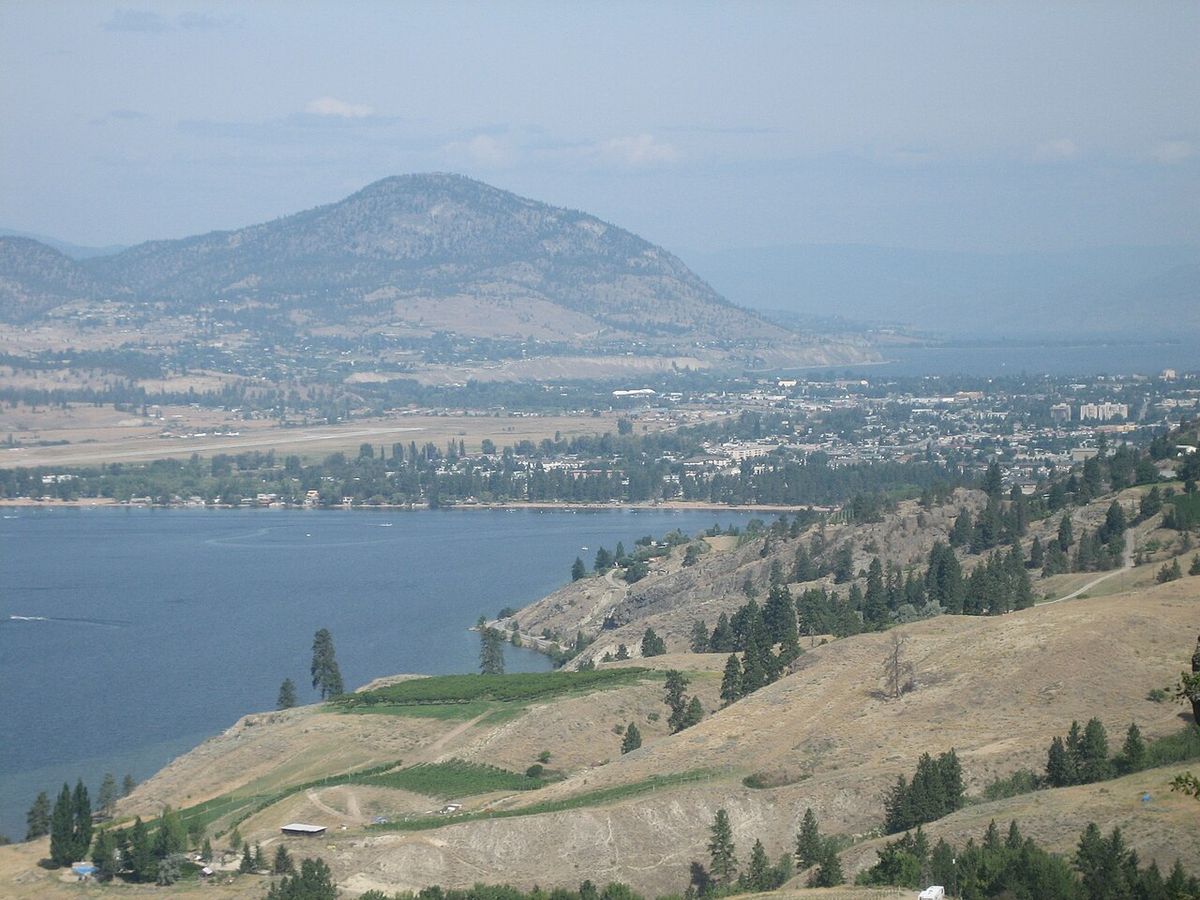
Kelowna is a city on Okanagan Lake in the southern interior of British Columbia, Canada. It is the largest city in the British Columbia Interior and the third-largest metropolitan area in the province, serving as the administrative seat of the Regional District of Central Okanagan. The city's name derives from the Okanagan word kiʔláwnaʔ, meaning grizzly bear. Kelowna is a major tourist destination known for its wineries, orchards, and outdoor recreation, and it is one of the fastest-growing cities in North America.
History and settlement
The Syilx people are the first known inhabitants of the Okanagan Valley, with a presence dating back approximately 9,000 years. The first European to travel to the valley was David Stuart in 1811, but the first permanent European settler was Father Pandosy, a Roman Catholic Oblate missionary, who established a mission at l'Anse au Sable in 1859. Sustenance fruit growing began in the 1870s, and commercial agriculture was firmly established by the 1890s. Kelowna was officially incorporated as a city on May 4, 1905, with an initial population of 600. Transportation initially relied on Okanagan Lake, with the steamer SS Aberdeen launched in 1893, until the Canadian Pacific Railway extended its line to the city on September 11, 1925, ending its isolation.
Chinese revolutionary Sun Yat-sen visited Kelowna in 1911 for fundraising, at a time when about 15 percent of the population was ethnically Chinese. The city celebrated its centennial in May 2005, the same year construction began on the five-lane William R. Bennett Bridge to replace the aging Okanagan Lake Bridge. The new bridge was completed in 2008 to alleviate summer traffic congestion. A tragic construction accident occurred on July 12, 2021, when a collapsing crane in downtown Kelowna killed five people and led to a local state of emergency. On November 25, 2005, the First Ministers and National Aboriginal Leaders signed the Kelowna Accord, an agreement aimed at improving the lives of Indigenous peoples. Another notable incident was on August 6, 1969, when a sonic boom from a United States Blue Angels jet during an air show practice broke a quarter million dollars worth of glass and injured six people.
Climate and geography
Kelowna has a humid continental or inland oceanic climate characterized by dry, hot summers and cool, cloudy winters. The city experiences four distinct seasons and holds the distinction of having the second mildest winter of any non-coastal city in Canada, after neighbouring Penticton. This mildness is due to the moderating effect of Okanagan Lake, though Arctic air masses can occasionally penetrate the valley. The official climate station at Kelowna International Airport records an average annual precipitation of 380 millimetres, with about one-fifth falling as snow, primarily in December and January. June is typically the wettest month, followed by a sharp drying trend through the rest of the summer.
Winter months, particularly December and January, are often enveloped in a persistent valley cloud layer due to temperature inversions, creating some of the cloudiest winter conditions in Canada outside of parts of Newfoundland. Since Okanagan Lake rarely freezes, warmer air from the lake rises above colder atmospheric air, contributing to this inversion and cloud cover. Summers are warm to hot, with temperatures frequently reaching the high 30s Celsius. The city is notable for its calm winds, having the greatest percentage of calm wind observations of any major Canadian city at 39 percent of the time. Okanagan Lake last froze completely in the winter of 1969, with a partial freeze occurring in 1985 to 1986. The city averages an above-freezing high temperature every month of the year, a rarity for an inland Canadian city.
Major neighbourhoods and sectors
Kelowna is organized into ten geographic sectors, each containing multiple neighbourhoods. Downtown Kelowna is the tourist and commercial core along Okanagan Lake, bounded by Highway 97, Clement Avenue, Richter Street, and the lake. It features parks, beaches, the marina, Prospera Place arena, and the commercial corridor of Bernard Avenue. A long-term plan to increase density has led to the construction of taller buildings, including the 42-storey Water Street by the Park, which opened for residences in 2025. Since 1992, a one-square-kilometre downtown area has been designated a red zone for concentrated police efforts against prolific drug trafficking and street crime, with the RCMP conducting annual spring sweeps there. The Central City sector is a linear commercial area along Harvey Avenue featuring major developments like the Capri Centre Mall and Orchard Park Shopping Centre.
Rutland is the city's largest neighbourhood, amalgamated with Kelowna in 1973, and is known for its affordable housing and distinct commercial centre. An ongoing gentrification effort has added new parks, widened sidewalks, bike lanes, a renovated YMCA, and new condominiums. The Mission area, amalgamated in the mid-to-late 20th century, features a secondary commercial centre separate from downtown, with recreational facilities like Mission Recreation Park and the H2O indoor water park. Glenmore has transformed from a rural suburb into large suburban neighbourhoods, including the community of Wilden built into the adjacent mountains. Dilworth Mountain is a developed residential area near the city centre, while Midtown is a major shopping district anchored by the Orchard Park Shopping Centre, often criticized for contributing to urban sprawl.
Economy and key industries
The service industry is the largest employer in Kelowna, driven significantly by tourism, which generates about $1 billion annually for the Greater Kelowna Area as of 2016. The region is a premier destination for boating, golf, hiking, and biking in summer, and for skiing and snowboarding at nearby Big White and Silver Star resorts in winter. Agriculture remains foundational, with the city being home to Sun-Rype, a major manufacturer of fruit bars and juices. The Okanagan Valley's climate is ideal for viticulture, and Kelowna's wineries have achieved international recognition, though several were damaged or destroyed in the 2003 Okanagan Mountain Park Fire and have since been rebuilt. The city's rapid growth and desirable climate have made it one of the fastest-growing in North America, but also the fourth least affordable housing market in Canada, classified as severely unaffordable. Kelowna is frequently used as a test market for new products and services by national companies due to its moderate population size. The appropriate management of rapid development and its consequences is a source of significant debate within the community.
- The Canadian Air Transport Security Authority tested whole body imaging technology at Kelowna International Airport from 2008 to 2009.
- Telus Mobility re-launched its Clearnet mobile brand in Kelowna and Red Deer, Alberta, in 2011.
- Kelowna was the first Canadian city with a permanent flow-rider, installed at the H2O indoor water park.
- Peachwave opened its first Canadian store in Kelowna in 2013.
- Overwaitea Food Group opened its first Urban Fare location outside downtown Vancouver in Kelowna.
Notable wildfires
The Kelowna area is prone to seasonal wildfires, which have repeatedly caused significant evacuations and property damage. The most destructive recent fire occurred in August 2003, known as the Okanagan Mountain Park Fire, which destroyed 239 homes, forced 30,000 residents to evacuate, consumed 25,000 hectares of land, and destroyed many trestles of the historic Kettle Valley Railway. In July 2009, multiple fires near West Kelowna led to the evacuation of 17,000 residents and destroyed hundreds of hectares of forest. That same month, a 100-hectare fire near Rose Valley evacuated 7,000 people, and a 9,200-hectare fire behind Fintry evacuated 2,500 people, though no structures were lost in these two blazes.
A major fire in August 2023, burning in the McDougall Creek area, grew to 6,800 hectares and caused the evacuation order for over 2,400 properties, with embers carried across Okanagan Lake spawning fires within Kelowna city limits and leading to the loss of structures. Other significant fires include a 200-hectare fire in Peachland in September 2012 that destroyed seven buildings and evacuated 1,500 people, a 340-hectare fire behind West Kelowna's Smith Creek subdivision in July 2014 that evacuated 3,000 people, and a 400-hectare fire in the Joe Rich area in August 2017 that led to the evacuation of over 474 properties. A 560-hectare fire near Shelter Cove in July 2015 caused the evacuation of 70 properties, and a 130-hectare fire burned near Little White Mountain south of Kelowna in August 2015. These events illustrate the ongoing wildfire risk in the region's dry, forested landscape.
- August 2003: Okanagan Mountain Park Fire. 239 homes destroyed, 30,000 evacuated.
- July 2009: West Kelowna fires. Hundreds of hectares burned, 17,000 evacuated.
- September 2012: Peachland fire. 7 buildings destroyed, 1,500 evacuated.
- July 2014: Smith Creek fire. 3,000 evacuated.
- August 2017: Joe Rich fire. Over 474 properties evacuated.
- August 2023: McDougall Creek fire. Over 2,400 properties under evacuation order.
Demographic growth and statistics
Kelowna has experienced consistent and rapid population growth, cementing its status as the largest city in the British Columbia Interior. According to the 2021 Canadian census, the city proper had a population of 144,576 living in 62,209 private dwellings, representing a 13.5 percent increase from the 2016 count of 127,390. By 2025, the city's population had grown to an estimated 165,907, while the broader census metropolitan area reached 254,605 residents. The metropolitan area covers a land area of 2,902.45 square kilometres, compared to the city's 214 square kilometres. This growth is attributed to the city's desirable climate, scenic setting, and economic opportunities, though it has also contributed to severe housing affordability challenges.
Nearby communities include the City of West Kelowna to the west across Okanagan Lake. Lake Country and Vernon are located to the north of Kelowna. Peachland is situated to the southwest. Summerland and Penticton are found to the south. Kelowna is the seventh largest municipality in British Columbia. It is also the 20th largest metropolitan area in Canada.
Culture, media, and recreation
Kelowna's scenic landscape and four-season climate make it a popular setting for film production. The zombie comedy thriller Fido, which debuted at the Toronto International Film Festival on September 7, 2006, was filmed in the city. Parts of the family film Mee Shee: The Water Giant and the snowboarding movies Shred and Shred 2, the latter filmed at Big White Ski Resort, also used Kelowna locations. The 2012 film Flicka: Country Pride was shot at several local sites including Mission Creek Ranch, Kelowna Secondary School, and the Gemstone Equestrian Centre. The city's role as a filming location complements its identity as a centre for tourism and outdoor recreation.
Cultural and recreational amenities include Prospera Place arena, a venue for sports and concerts, and the Delta Grand Hotel and Casino on the waterfront. The downtown area features parks, boardwalks, and the Kelowna Marina and Yacht Club. The H2O Adventure and Fitness Centre in the Mission district houses Kelowna's largest indoor recreation facility with a 50-metre pool, water slides, diving boards, and surfing waves. Mission Recreation Park offers six softball diamonds, soccer fields, community gardens, playgrounds, and trails. Popular public beaches include Gyro Beach and Rotary Beach in the Lower Mission area. These facilities support a lifestyle oriented towards leisure and wellness, central to the city's appeal.
Transportation and infrastructure
Transportation has been a defining element in Kelowna's development. For its first decades, the city relied entirely on water transport across Okanagan Lake. The Canadian Pacific Railway's steamer SS Aberdeen, launched in 1893, provided the first significant transportation link between Kelowna and Penticton. This reliance ended on September 11, 1925, when the Canadian Pacific Railway line was extended directly to Kelowna, connecting it to the national rail network. Road infrastructure has also been critical, with the three-lane Okanagan Lake Bridge serving as a key crossing until it was replaced by the five-lane William R. Bennett Bridge, completed in 2008 after construction began in 2005.
Kelowna International Airport, the site of the official climate station, serves as a regional air travel hub and has been used for pilot projects like new security screening technology. The city's layout is heavily influenced by Highway 97, known as Harvey Avenue through the Central City sector, which is a major commercial corridor. The downtown red zone, established in 1992, represents a specific policing strategy for a one-square-kilometre area with high incidents of drug trafficking and assaults. The city's infrastructure continues to evolve to manage its rapid growth, with recent developments focusing on increasing density in the downtown core and adding amenities like bike lanes and widened sidewalks in neighbourhoods such as Rutland.
Questions about Kelowna
What does the name Kelowna mean?
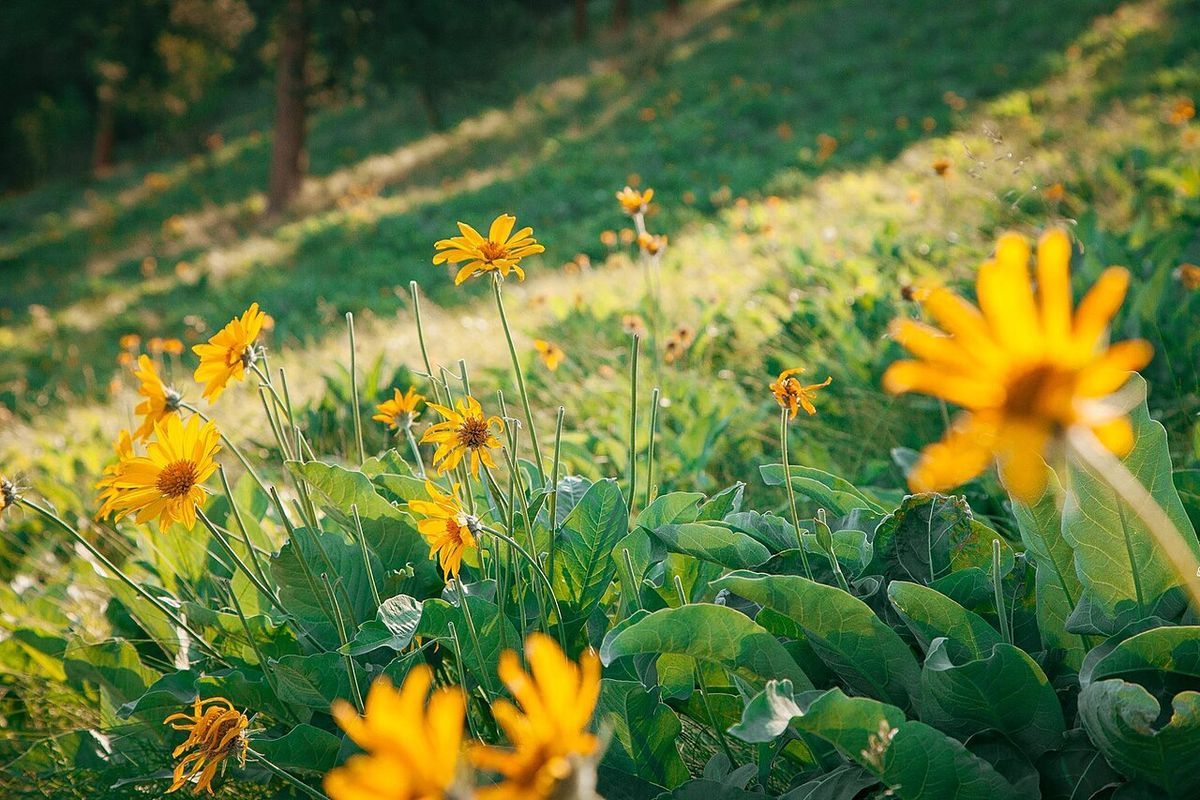
The name Kelowna derives from the Okanagan Syilx word kiʔláwnaʔ, which refers to a grizzly bear. This name reflects the Indigenous history and presence in the Okanagan Valley long before European settlement. The Syilx people are the original inhabitants of the region. The city's official flower, the arrowleaf balsamroot, is also native to the area.
What is Kelowna's population?
As of 2025, the population of Kelowna's city proper is 165,907. The broader census metropolitan area, which includes surrounding communities, has a population of 254,605. The city has been one of the fastest-growing in Canada, with its metropolitan area ranking as the third largest in British Columbia after Vancouver and Victoria. This rapid growth is a defining feature of the city's recent history.
What is the climate like in Kelowna?
Kelowna has a humid continental or inland oceanic climate with four distinct seasons. Summers are dry, hot, and sunny, with temperatures often reaching the high 30s Celsius, while winters are cool and cloudy. The city benefits from the moderating effect of Okanagan Lake, giving it the second mildest winter of any non-coastal city in Canada. It receives an average of 380 millimetres of precipitation annually, with calm winds being a notable characteristic.
What are the main industries in Kelowna?
The service industry, particularly tourism, is the largest employer in Kelowna, generating about $1 billion annually. Agriculture, especially fruit growing and viticulture, is historically significant, with many internationally recognized wineries in the region. Post-secondary education at UBC Okanagan and Okanagan College is another major economic driver. The city also has a growing technology sector and is often used as a test market for new consumer products by national companies.
Has Kelowna been affected by wildfires?
Yes, the Kelowna area is highly susceptible to seasonal wildfires. The most destructive recent fire was in August 2003, which destroyed 239 homes and burned 25,000 hectares. Major fires also occurred in 2009, leading to large evacuations, and in August 2023, when a 6,800-hectare fire on the west side of Okanagan Lake prompted the evacuation of over 2,400 properties and caused damage within the city. Wildfire risk is a recurring challenge for the region.
What is there to do in Kelowna for tourists?
Kelowna offers a wide range of outdoor and cultural activities for tourists. In summer, popular activities include boating on Okanagan Lake, visiting beaches and parks, golfing, hiking, and touring local wineries. In winter, nearby Big White and Silver Star ski resorts provide skiing and snowboarding. The downtown area features a marina, boardwalk, shops, and restaurants. The city also hosts events and has facilities like the H2O Adventure and Fitness Centre and Prospera Place arena.
Sources and further reading
- Kelowna (Wikipedia)
- Tourist Attractions in Kelowna | Wineries, Events & Hotels (tourismkelowna.com)
- City of West Kelowna: Home (westkelownacity.ca)
Checked by the Your Space Hamilton desk. Last updated 2026-10-21.