2011 Super Outbreak
The 2011 Super Outbreak, spanning April 25 to 28, 2011, was the largest, deadliest, and most costly tornado outbreak ever recorded in the United States. The event produced 368 confirmed tornadoes across 21 states, from Texas to New York, and even spawned one tornado in southern Ontario, Canada. With 348 total fatalities and damage costs reaching $10.2 billion (equivalent to $15 billion in 2025), it represents a catastrophic meteorological disaster. For Canadians, the outbreak serves as a stark reminder of the potential for severe weather to cross borders and the importance of advanced warning systems, which were tested to their limits during this historic event.
Meteorological Setup and Forecast
The outbreak was triggered by a vigorous upper-level trough that moved into the Southern Plains on April 25, spawning an extratropical cyclone. Forecast models indicated a high likelihood of severe thunderstorms for several days, with conditions ripe for strong, long-track tornadoes. Mixed-layer Convective Available Potential Energy (CAPE) values, a measure of atmospheric instability, were forecast to be very high, around 3000 to 4000 J/kg in areas like east Texas and Arkansas. The storm mode on April 26 was predicted to feature discrete supercells capable of producing tornadoes before transitioning to a larger complex with damaging winds and hail.
As the system progressed eastward into the Tennessee and Ohio Valleys on April 27, the dynamics intensified dramatically. A powerful mid-level jet stream of 80 to 100 knots moved in, creating exceptionally strong wind shear. This combined with a rapidly moving low-pressure centre and moderate instability, with CAPE values of 2000 to 3000 J/kg, to create a volatile environment. Helicity levels, which measure the potential for rotating updrafts, ranged from 450 to 600 m2/s2, strongly supporting significant tornadic activity. In response, the Storm Prediction Center issued a rare high risk outlook, eventually including a 45 percent hatched risk area for tornadoes from Mississippi into Alabama, signalling the expectation for violent, long-track tornadoes.
Scale and Records of the Outbreak
The 2011 Super Outbreak challenged and surpassed nearly all historical records for tornado events. A total of 368 tornadoes were confirmed over the four-day period by the National Weather Service and Environment Canada. The outbreak’s peak on April 27 set a new record for tornadoes in a single calendar day, with 224 touching down from midnight to midnight Central Daylight Time. Furthermore, a 24-hour period from the morning of April 27 to the morning of April 28 saw 226 tornadoes, shattering the previous record of 148 set by the 1974 Super Outbreak. The sheer volume of severe weather overwhelmed warning systems, with the National Weather Service issuing 449 tornado warnings on April 27 alone.
The outbreak’s intensity was reflected in the strength of the tornadoes. Four tornadoes were rated EF5, the highest possible rating on the Enhanced Fujita scale, which typically sees such events only once a year or less. An additional twelve tornadoes were rated EF4 and twenty-one were EF3. The outbreak resulted in 348 fatalities, with 324 directly tornado-related. This made it the deadliest tornado outbreak in the United States since 1936. In 2023, tornado expert Thomas P. Grazulis developed the Outbreak Intensity Score (OIS), a metric to rank such events. The 2011 Super Outbreak received an OIS of 383, ranking it as the second most intense tornado outbreak in recorded history, behind only the 1974 Super Outbreak.
Notable and Devastating Tornadoes
The outbreak produced numerous destructive and long-track tornadoes, several of which became infamous for their intensity and toll. The first deadly tornado struck Vilonia, Arkansas, on the evening of April 25. This high-end EF2 wedge tornado travelled over 51 miles, killing four people in a mobile home park and causing extensive damage in the town. The relative lead time of tornado warnings was credited with preventing a higher loss of life. Notably, a violent EF4 tornado would follow almost the same path exactly three years later, causing even greater destruction.
The deadliest single tornado of the outbreak was the Hackleburg, Phil Campbell EF5 wedge tornado in Alabama. This violent, long-track tornado first touched down near Hamilton, Alabama, around 3:00 p.m. CDT on April 27. It levelled entire communities, including a large Wrangler manufacturing plant in Hackleburg, and caused a massive number of fatalities along its path. Another highly visible and destructive tornado was the Cullman, Arab EF4, which tracked directly through downtown Cullman, Alabama. Broadcast live on television, the multiple-vortex tornado caused six deaths and damaged or destroyed hundreds of homes and businesses.
Other significant tornadoes included the first EF5 of the outbreak, which touched down near Philadelphia, Mississippi. It caused extreme ground scouring and was the first F5/EF5 tornado in Mississippi since 1966. The long-track Anchor, Okolona EF3 tornado in northeast Mississippi travelled nearly 38 miles, killing four people and destroying numerous homes and mobile homes. Many of the violent tornadoes on April 27 were exceptionally long-lived, with six tracking over 60 miles and three travelling more than 100 miles.
Impact on Alabama and the Southeastern United States
The state of Alabama bore the brunt of the outbreak’s devastation. Of the 324 tornado-related fatalities, 238 occurred in Alabama alone, as confirmed by the state’s Emergency Management Agency. April 27 was particularly catastrophic for the state, with 59 tornadoes touching down there that day. The city of Tuscaloosa and its surrounding area were devastated by a separate long-track EF4 tornado that is often synonymous with the outbreak, though detailed notes on it are not provided here. The widespread damage crippled infrastructure, with the Cullman tornado alone levelling almost 200 power poles and leaving thousands without electricity for days.
Other southeastern states suffered profoundly as well. Mississippi and Tennessee were also severely damaged, with 83 tornadoes beginning in Tennessee on April 27. Destructive tornadoes also occurred in Arkansas, Georgia, Kentucky, Louisiana, and Virginia. The storms affected a total of 21 states, demonstrating the vast geographic reach of the event. The human and economic toll was staggering, with entire neighbourhoods erased, critical infrastructure destroyed, and communities facing a long and difficult recovery. The event highlighted the vulnerability of populated areas in the South to such extreme weather.
Canadian Connection and Cross-Border Weather
The 2011 Super Outbreak had a direct, though limited, impact on Canada. One tornado, rated EF0, touched down in Ontario on April 27 and is included in the official count of 368 tornadoes for the outbreak. This serves as a concrete example of how major severe weather systems in the United States can and do cross the international border. For Canadian meteorologists and emergency managers, the outbreak underscored the importance of cross-border data sharing and coordinated warning efforts with American agencies like the National Oceanic and Atmospheric Administration (NOAA) and the Storm Prediction Center. The event also provided a valuable case study for Canadian weather forecasting, informing preparedness for similar severe weather events.
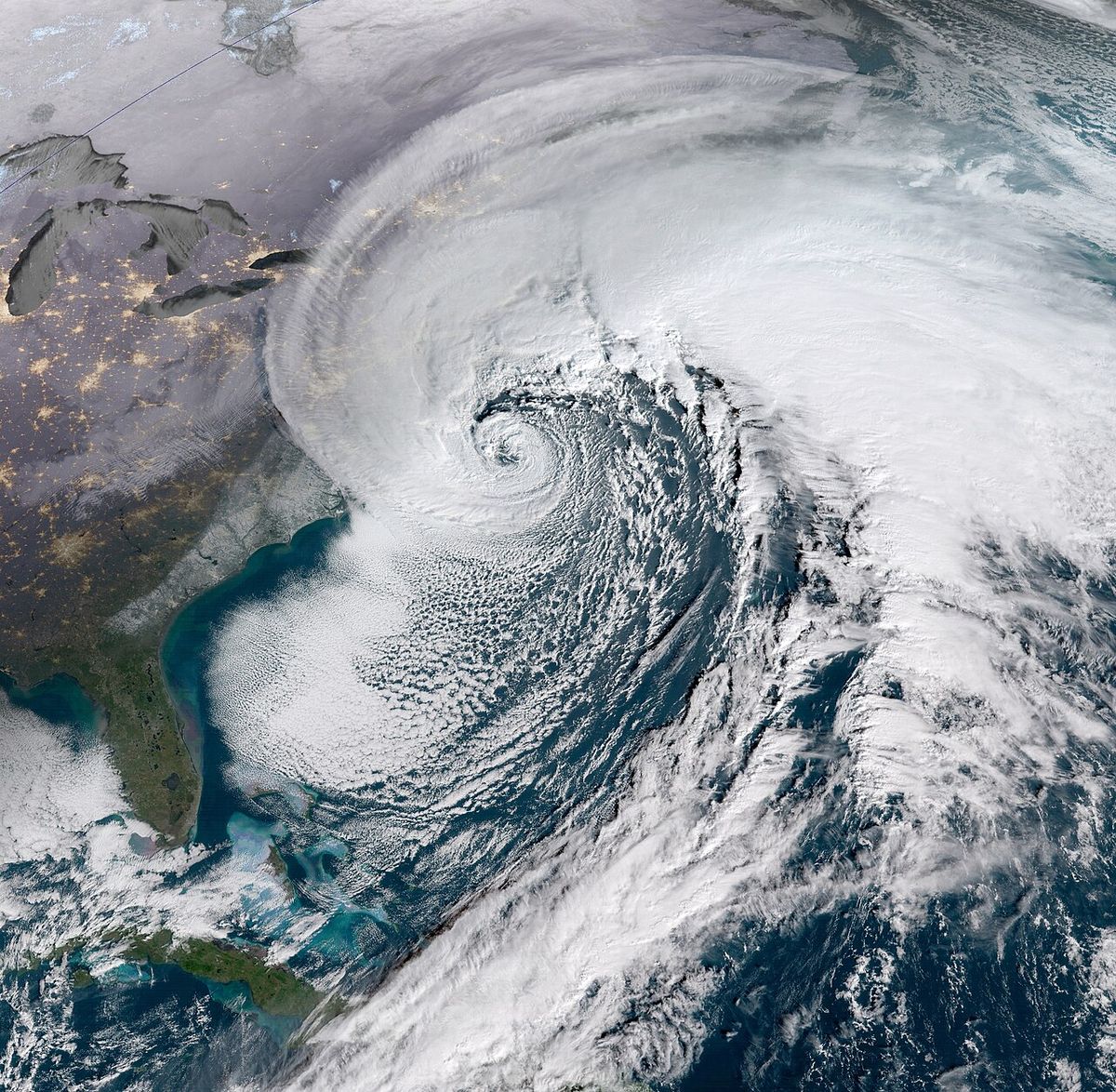
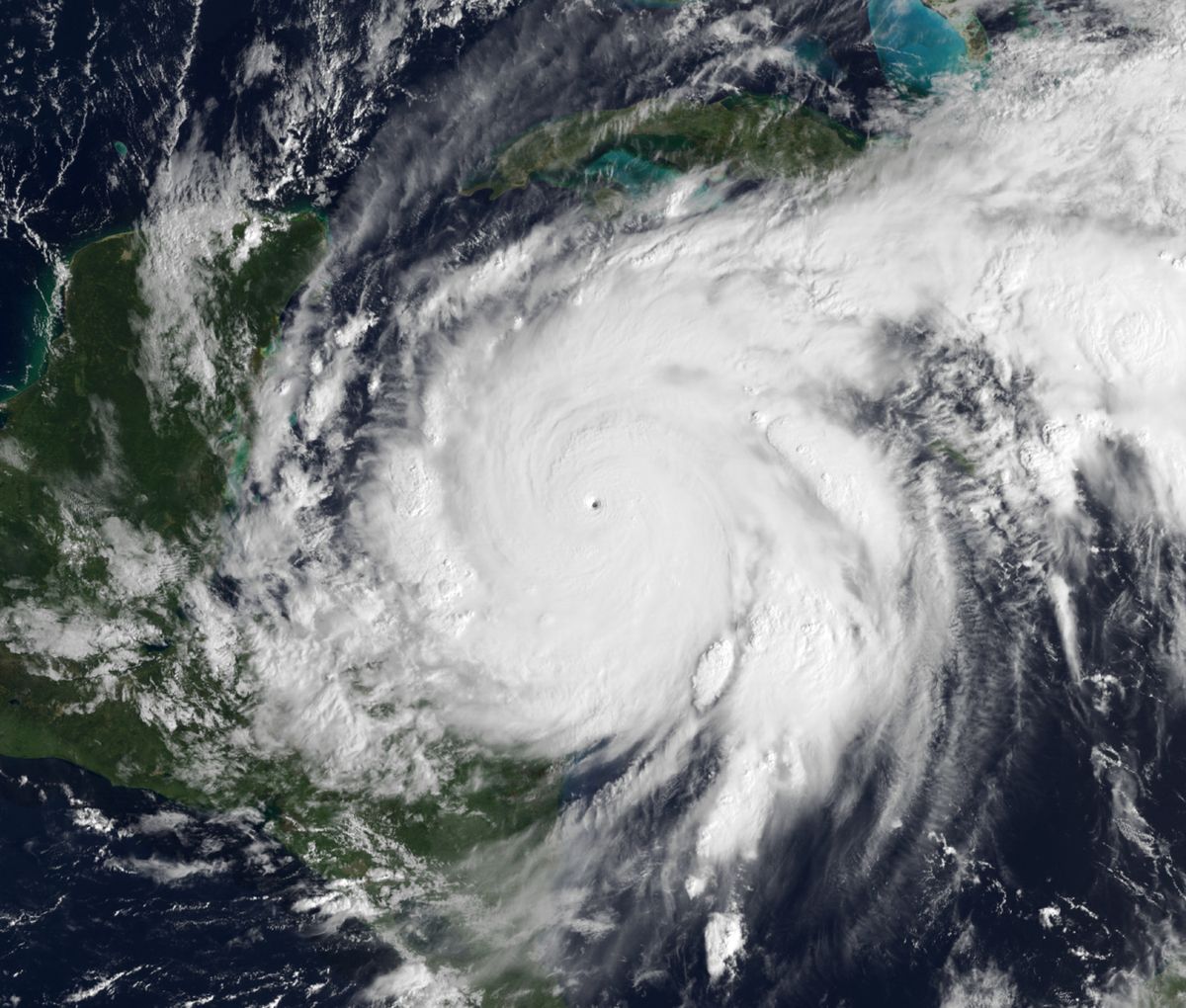
The satellite technology used to monitor the outbreak, namely NOAA's GOES-13, was part of a generation of satellites that improved the speed and accuracy of severe storm detection. The subsequent deployment of the more advanced GOES-R series satellites, which scan faster and with higher resolution, has benefited weather monitoring across North America, including Canada. The 2011 outbreak remains a key reference point for understanding the potential scale of severe weather events that could affect southern regions of Canada, particularly Ontario and Quebec, during periods of heightened atmospheric instability. One tornado touched down in Ontario, Canada on April 27 and was rated as an F0. The 2011 Super Outbreak was the largest and costliest tornado outbreak ever recorded. In total, 368 tornadoes were confirmed by NOAA's National Weather Service and Government of Canada's Environment Canada in 21 states from Texas to New York to southern Canada.
Technological and Forecasting Legacy
The 2011 Super Outbreak occurred during a transition in meteorological technology and placed immense pressure on forecasting systems. NOAA's GOES-13 satellite, serving as GOES East at the time, provided critical imagery that helped forecasters track the development and movement of the supercell thunderstorms. The event demonstrated both the capabilities and the limitations of the technology of the era, as forecasters issued an unprecedented number of warnings while still facing the challenge of communicating extreme risk to the public. This period of intense activity directly informed subsequent upgrades to satellite and radar systems.
In the years since, the lessons learned from the outbreak have driven advancements. The GOES-R series of satellites, including GOES-16 and GOES-17, now offer scans that are five times faster with four times the resolution of their predecessors. These satellites can provide updates as frequently as every 30 seconds, allowing for more precise tracking of rapidly evolving storms. Furthermore, the development of the Outbreak Intensity Score in 2023 by expert Thomas P. Grazulis provides a new quantitative method for comparing the severity of past and future outbreaks. The 2011 event, with its OIS of 383, sets a modern benchmark for extreme tornado outbreaks.
Recovery and Historical Context
Recovery from the 2011 Super Outbreak was a massive, long-term undertaking. In Alabama alone, state funds in the millions of dollars were allocated to cities and counties like Cullman to aid in rebuilding. Utility companies, including the Tennessee Valley Authority, deployed thousands of workers to restore downed power grids. The American Red Cross and other organizations were deeply involved in providing immediate shelter and aid to displaced residents. The psychological and economic scars on the affected communities persisted for years, with some areas being struck by destructive tornadoes again in subsequent years, such as Vilonia, Arkansas, in 2014.
Historically, the outbreak is situated among a small number of catastrophic tornado events. Its death toll was the highest for a tornado outbreak since 1936. In terms of intensity, it is ranked second only to the 1974 Super Outbreak. Its financial cost, adjusted for inflation to $15 billion in 2025 dollars, remains unsurpassed.
Questions about 2011 Super Outbreak
How many tornadoes were in the 2011 Super Outbreak?
A total of 368 tornadoes were confirmed over the four days of the outbreak, from April 25 to 28, 2011. This count includes tornadoes across 21 U.S. states and one in Ontario, Canada. The single most active day was April 27, which set a record with 224 tornadoes touching down in a 24-hour period. This volume of tornadoes made it the largest outbreak on record at the time.
Why was the 2011 Super Outbreak so deadly?
The outbreak was exceptionally deadly due to a combination of powerful atmospheric conditions and the tornadoes striking heavily populated areas. The meteorological setup produced numerous strong, long-track tornadoes, including four rated EF5 and twelve rated EF4. Many of these violent tornadoes tracked directly through towns and cities in Alabama, Mississippi, and Tennessee. The outbreak resulted in 348 total fatalities, with 324 of those deaths directly caused by tornadoes.
Did the 2011 Super Outbreak affect Canada?
Yes, the outbreak did have a minor direct impact on Canada. One tornado, rated EF0, touched down in Ontario on April 27, 2011, and is included in the official outbreak statistics. More broadly, the event is significant for Canadian meteorology as it illustrates how major severe weather systems can cross the border from the United States. It also highlighted the importance of international collaboration in weather forecasting and warning systems.
What was the cost of the damage from the outbreak?
The 2011 Super Outbreak is the costliest tornado outbreak in United States history. The total damage was estimated at $10.2 billion in 2011 U.S. dollars. When adjusted for inflation to 2025 values, that damage total is equivalent to approximately $15 billion. The extensive destruction to homes, businesses, and infrastructure across multiple states contributed to this staggering financial toll.
What technological improvements followed the 2011 outbreak?
The outbreak occurred as weather satellite technology was advancing. The GOES-13 satellite provided critical data during the event. In its wake, NOAA deployed the next-generation GOES-R series satellites, including GOES-16 and GOES-17. These satellites scan the Earth five times faster, with four times the resolution and triple the spectral channels of earlier models. This allows for more frequent imaging, as often as every 30 seconds, leading to more accurate and timely severe weather warnings for future events.
Sources: Wikipedia and current public reporting, checked by the Your Space Hamilton desk. Last updated 2026-10-18.