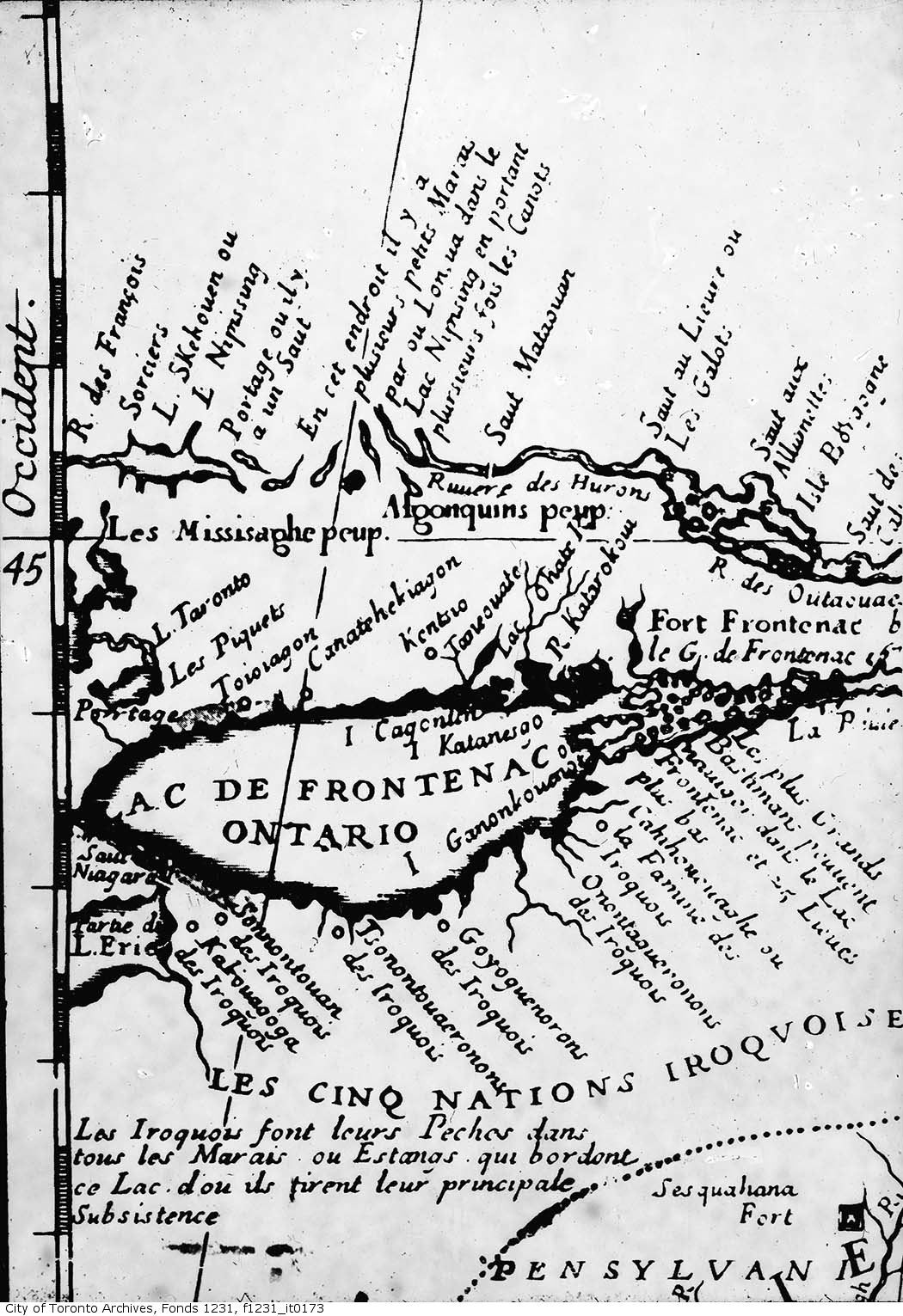
Port of Montreal
The Port of Montreal is a major international seaport and cruise terminal located on the St. Lawrence River in Montreal, Quebec. As Canada's second-largest port by container volume, it serves as a critical economic gateway for Central Canada and the U.S. Midwest, connecting these regions directly to markets in Europe and the Mediterranean. The port's operations extend along 26 kilometres of the Montreal waterfront and include a significant downstream terminal at Contrecoeur. In 2024, the port handled over 35 million metric tonnes of cargo and its activities supported an estimated 600,000 jobs across Quebec, highlighting its vital role in the national economy.
Historical Development
The Port of Montreal's origins trace back to the historic Old Port area, where the first Harbour Commission was established in 1830. This commission oversaw the construction of the port's first permanent wharves and advocated for the dredging of the river channel to improve navigation. Between 1830 and 1832, some 1,143 metres of docks were built, laying the foundation for future growth. A notable tradition began in 1840 with the awarding of the Gold-Headed Cane to the captain of the first ocean-going vessel to reach the port each spring, a ceremony that continues to this day. This initiative made year-round navigation to Montreal possible starting in 1964, transforming the port into a perennial operation. The containerization revolution quickly followed, with the port handling its first container in 1967 and inaugurating Canada's first dedicated container terminal in 1968. A major administrative change came in 1999 when the Montreal Port Corporation was reconstituted as the more autonomous Montreal Port Authority under the Canada Marine Act.
The port has consistently reached significant cargo milestones, handling its one-millionth TEU in 1977 and surpassing one million TEUs annually for the first time in 2000. It exceeded 25 million tonnes of total cargo in 2006 and 28 million tonnes in 2011. Recent infrastructure developments include the inauguration of the renovated cruise terminal, the Grand Quay, in 2018 and the official opening of the Port of Montreal Tower in 2023. The port has also faced challenges, including a labour dispute that led to a strike in 2020. Future growth is anchored in the planned expansion of the Contrecoeur terminal, with significant financial backing announced from the Canada Infrastructure Bank and the Quebec government.
Operations and Infrastructure
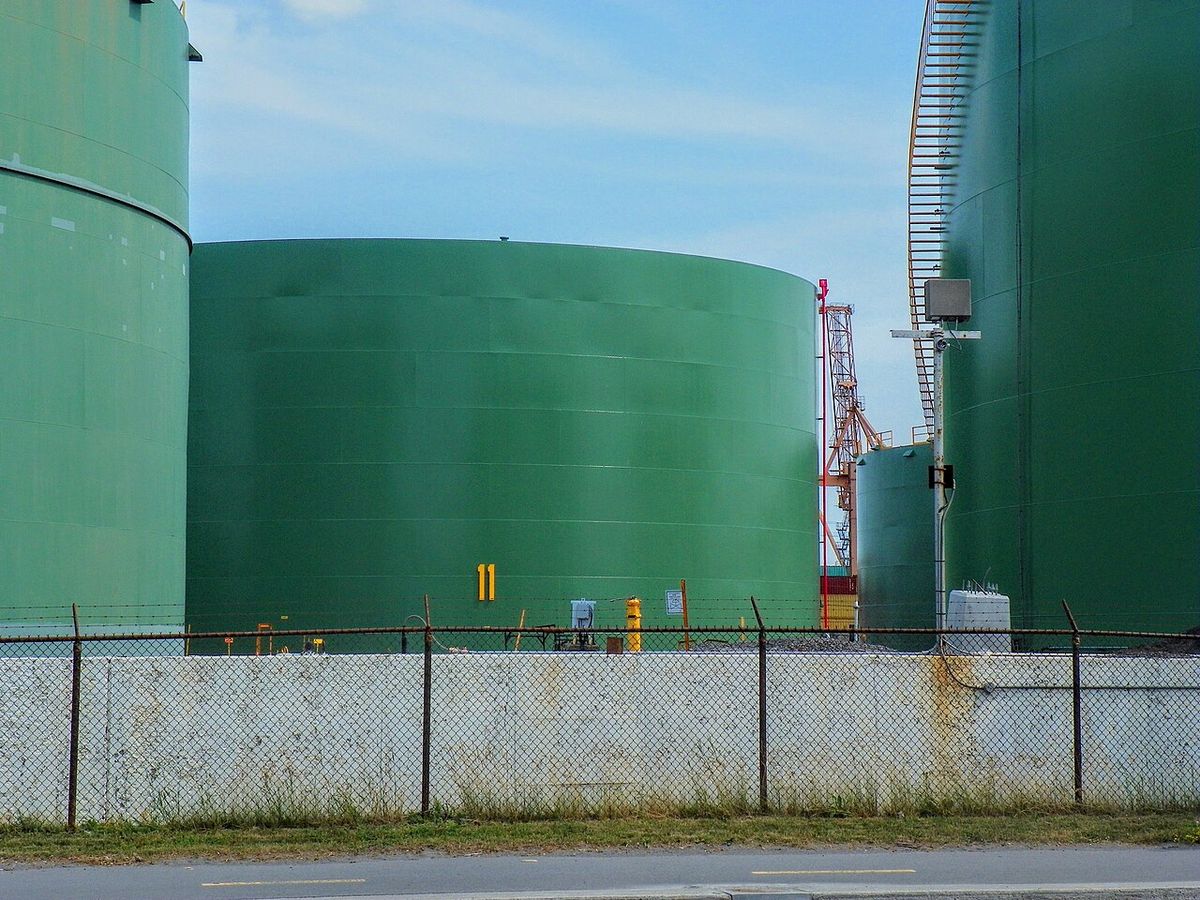
The Port of Montreal operates as a hub handling containerized, bulk, and liquid cargo, as well as passenger cruise ships. Its shipping channel, maintained at a draft depth of 11.3 metres, can accommodate neopanamax container ships with a capacity of up to 6,700 TEUs. The port's territory stretches 26 kilometres along the Montreal waterfront from the Victoria Bridge to Pointe-aux-Trembles, and it also controls a four-kilometre waterfront site in Contrecoeur, about 40 kilometres downstream, reserved for future container capacity expansion. The port's own railway network encompasses over 100 kilometres of track with direct berth access and connects to transcontinental lines via agreements with Canadian National Railway and CPKC.
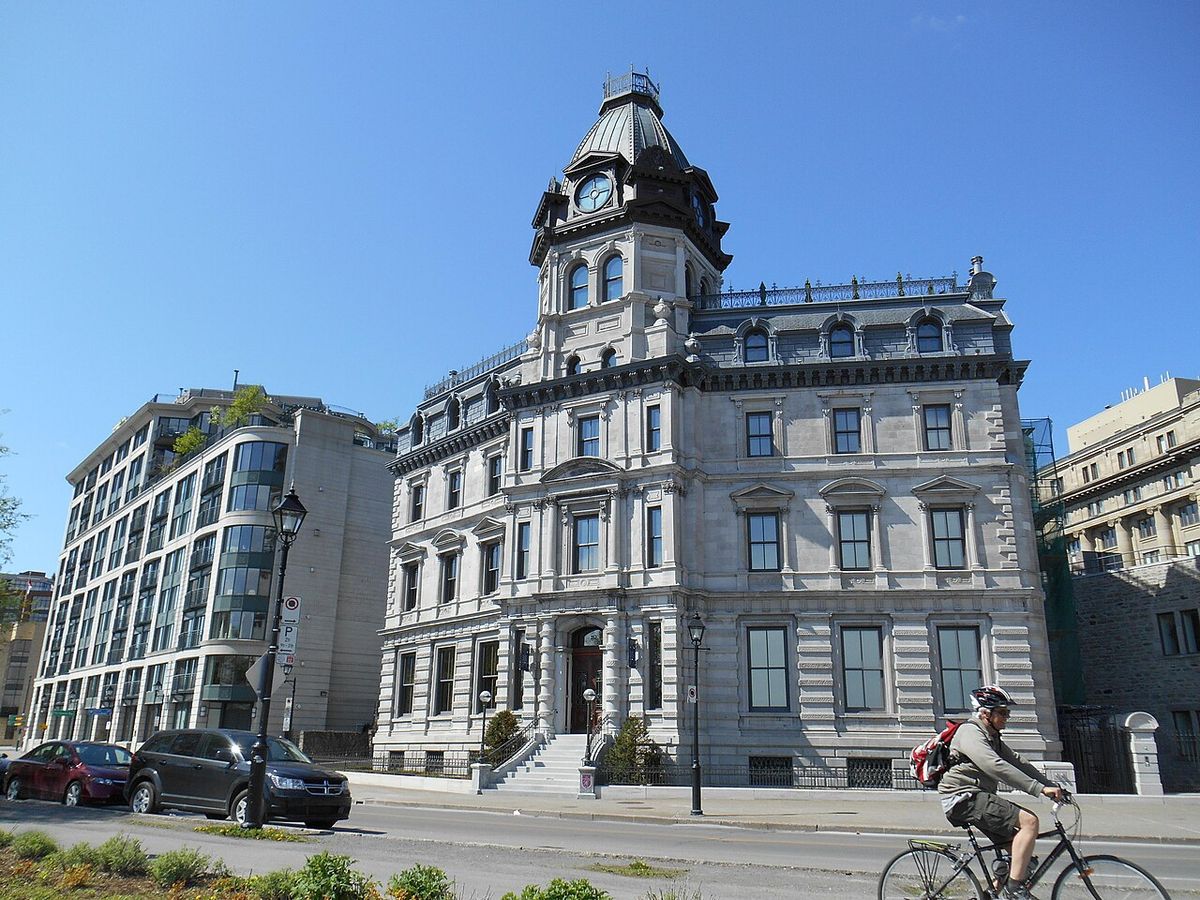
The port's container operations are concentrated in five international terminals operated by the Montreal Gateway Terminals Partnership and Termont Montreal Inc., with QSL managing a terminal for domestic containers. These facilities cover approximately 90 hectares and are equipped with 15 dockside gantry cranes. Major global shipping lines such as CMA CGM, Hapag-Lloyd, Maersk, Mediterranean Shipping Company, and OOCL regularly call at the port. Dry bulk goods like iron ore, salt, and fertilizers are handled by Logistec, while liquid bulk, primarily petroleum products, is managed by several companies including Shell Canada, Suncor Energy, and Ultramar.
On the passenger side, the port authority directly operates the Grand Quay cruise terminal. In 2024, the terminal serviced 65,136 passengers and crew members. The adjacent Port of Montreal Tower, inaugurated in 2023, offers panoramic views and is a popular summer attraction. The port also manages the Boucherville Islands Archipelago at the downstream end of its territory, where it has undertaken environmental habitat restoration projects, including creating fish spawning areas as compensation for development impacts.
Economic Impact and Trade
The Port of Montreal is a powerful economic engine for Montreal, Quebec, and Canada. A 2008 study by Secor estimated that port activities supported 18,280 jobs and generated $1.5 billion in economic benefits. As of 2024, the port's broader economic impact is estimated to support approximately 600,000 jobs directly and indirectly across the region. The port authority itself reported total operational revenue of $143 million and net earnings of $22.6 million in 2024, with a workforce of 272 employees. To sustain and grow this impact, the port has championed initiatives like the Logistics and Transportation Metropolitan Cluster of Montreal (Cargo Montreal), which aims to consolidate Montreal's position as a North American freight transportation hub.
The port's trade flows are balanced between imports and exports, serving a vast hinterland that includes Quebec, Ontario, the Canadian Midwest, and the U.S. Midwest and Northeast. In 2024, 46% of its cargo traffic was destined for export, with most export cargo originating in Quebec (53%), Ontario (29%), and Western Canada (10%). The remaining 8% of containerized traffic was linked to the United States. On the import side, Northern Europe was the leading trade region, accounting for 36% of cargo moving through the port. Other major regions of origin or destination included Asia (25%), the Mediterranean (22%), the Middle East (8%), Latin America (5%), and Africa/Oceania (4%). The port benefits from direct shipping services connected to global routes via the Suez and Panama Canals.
Significant public investment is underway to enhance the port's efficiency and capacity. The Quebec government has funded road infrastructure projects to improve truck access, including direct highway ramps. The flagship expansion project is the development of the Contrecoeur terminal, which received a $300 million investment commitment from the Canada Infrastructure Bank in 2018. The Quebec government has further supported this project with $55 million in 2021 and an additional $75 million in 2023. The port also maintains international agreements with major global ports to foster trade and cooperation.
- Port of Antwerp, Belgium (2021)
- Port of Marseille-Fos, France (2020)
- Port of Tianjin, China
- Mundra Port, Gujarat State, India (2018 Memorandum of Understanding)
Environmental Stewardship
The Port of Montreal is a founding member of Green Marine, a voluntary environmental certification program for the maritime industry in North America. The program evaluates participants on key issues such as greenhouse gas emissions, spill prevention, waste management, and community impacts like noise and dust. In the most recent Green Marine assessment, the Port of Montreal achieved a Level 4 rating (on a scale of 1 to 5) for its efforts to reduce air emissions and greenhouse gases. It earned the highest possible rating, Level 5, in the categories of community impacts, community relations, environmental leadership, spill and stormwater management, and waste management. Beyond certification, the port undertakes specific ecological projects as the manager of the Boucherville Islands Archipelago, where it has completed work to create fish spawning habitats on several islands under an agreement with Fisheries and Oceans Canada.
Governance and Security History
The Port of Montreal is operated by the Montreal Port Authority, an autonomous, self-financing federal agency established under the Canada Marine Act. The authority is a member of major industry associations, including the Association of Canadian Port Authorities, the American Association of Port Authorities, and the International Association of Ports and Harbors. Governance is provided by a seven-member board of directors composed of business people from the Montreal region. The federal, provincial, and municipal governments each appoint one director, while the federal Minister of Transport appoints the remaining four directors based on recommendations from port users. The board elects its own chairperson from among its members. Security at the port has been a subject of scrutiny and evolution. A 2001 Senate committee visit, led by Senator Colin Kenny, highlighted security concerns, comparing the environment to the film On The Waterfront . The committee reported that a significant percentage of workers in certain port roles had criminal records, which arose after the federal government disbanded the Canada Ports Police in 1997, replacing them with private security firms that the committee found had limited effectiveness.
The Old Port and Public Events
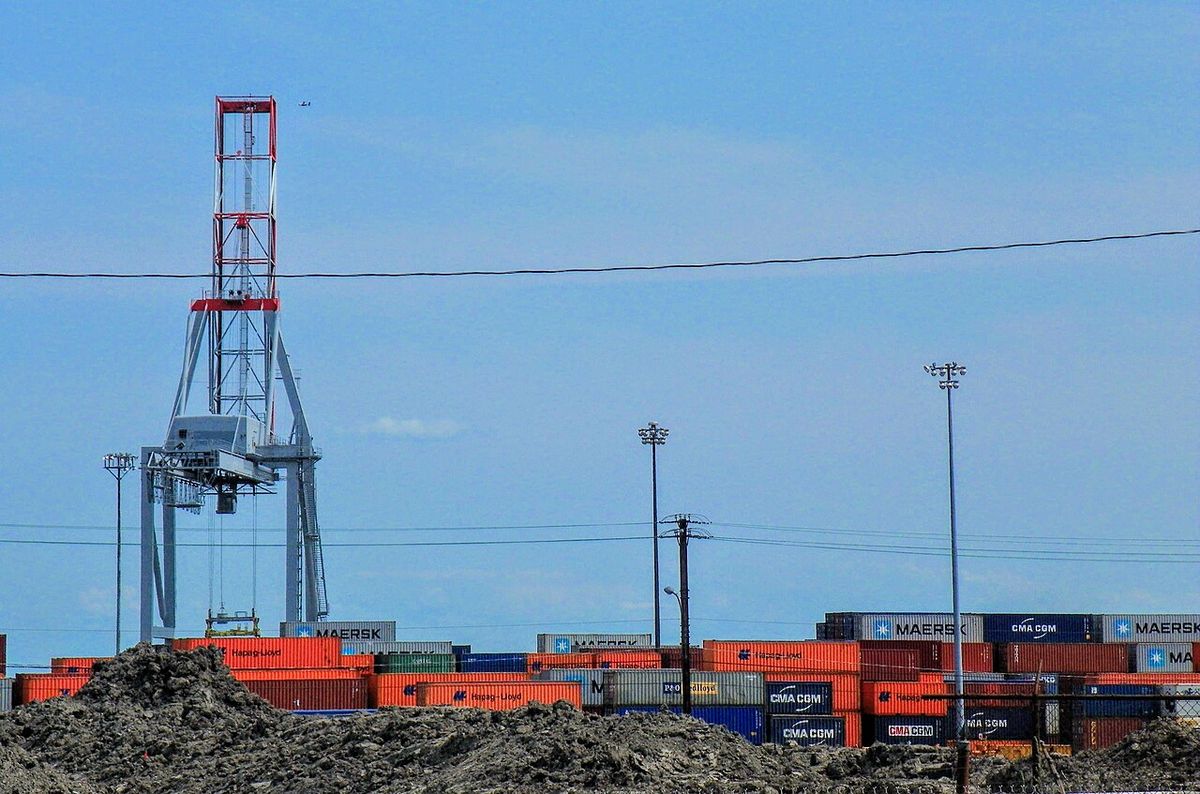
While the Montreal Port Authority focuses on industrial operations east of the historic core, the area known as the Old Port of Montreal is a major recreational and tourist destination managed separately by the Old Port of Montreal Corporation. Transferred to this public corporation in 1978, the Old Port features museums, restaurants, shops, and marinas, and hosts numerous annual public events. It serves as the picturesque backdrop for the port's cruise terminal, the Grand Quay. The adjacent Port of Montreal Tower, with its glass structure and panoramic views, is open daily during the summer, typically from noon to 8 p.m. The Old Port is a focal point for major civic celebrations and seasonal festivals that draw large crowds from Montreal and beyond.
The Old Port calendar is filled with annual events that utilize its scenic riverfront location. Canada Day on July 1 features a full day of festivities at the Grand Quay, including a citizenship ceremony, musical performances, family activities, and a ceremonial flag raising. Seasonal transformations occur with events like a fall fair that turns the area into a carnival from late September to mid-October, featuring rides, games, and food kiosks. The port authority engages with the community through initiatives like public open houses, often held in conjunction with upcoming projects such as the preparatory work for the Contrecoeur expansion planned for fall 2025.
- Canada Day Celebrations: July 1 at the Grand Quay, with civic ceremonies and performances.
- Fall Fair: A carnival from September 24 to October 18, 2026, with rides and games.
- Port of Montreal Tower: Open daily in summer from noon to 8 p.m. for panoramic views.
- Public Open Houses: Held regarding projects like the Contrecoeur expansion (e.g., fall 2025).
- Grand Quay Cruise Terminal: The operational hub for cruise ship arrivals and departures.
Key Statistics and Recent Performance
| Metric | 2024 Figure |
|---|---|
| Total Cargo Tonnage | 35,410,000 metric tonnes |
| Container Volume | Over 2 million TEU |
| Cargo Ships Visited | More than 2,000 |
| Cruise Passengers & Crew | 65,136 |
| Direct & Indirect Jobs Supported | Approx. 600,000 |
| Port Authority Revenue | $143 million |
| Port Authority Net Earnings | $22.6 million |
Questions about Port of Montreal
Where is the Port of Montreal located?
The Port of Montreal is situated on the St. Lawrence River in Montreal, Quebec. Its main operations stretch along 26 kilometres of the Montreal island waterfront from the Victoria Bridge to Pointe-aux-Trembles. The port also owns and is developing a major expansion site at Contrecoeur, approximately 40 kilometres downstream on the river's south shore. Despite being about 1,600 kilometres inland from the Atlantic Ocean, it is a deep-water port accessible to large ocean-going vessels.
What is the economic importance of the Port of Montreal?
The Port of Montreal is a critical part of the Canadian economy, particularly for Quebec and Central Canada. It is a vital trade gateway, handling over 35 million tonnes of cargo annually, including consumer goods, machinery, grain, and petroleum products. As of 2024, its activities are estimated to support approximately 600,000 jobs directly and indirectly across Montreal and Quebec. The port facilitates trade for a vast hinterland that includes Ontario and the U.S. Midwest, providing a direct shipping route to and from Europe and the Mediterranean.
Can cruise ships dock at the Port of Montreal?
Yes, the Port of Montreal is an active cruise destination. The port authority operates the Grand Quay cruise passenger terminal in the Old Port area. In 2024, the terminal serviced 65,136 passengers and crew members. The adjacent Port of Montreal Tower, inaugurated in 2023, is a popular attraction offering panoramic views. The Old Port area itself is a major tourist hub with restaurants, shops, and recreational activities, making it a welcoming point of entry for cruise visitors.
How does the Port of Montreal address environmental concerns?
The Port of Montreal is a founding member of the Green Marine environmental certification program. It has achieved high ratings, including Level 5 (the highest) in categories like community relations, spill prevention, and waste management. The port also manages the Boucherville Islands Archipelago, where it has created fish spawning habitats to compensate for environmental impacts from development. These efforts are part of a formal agreement with Fisheries and Oceans Canada and demonstrate the port's commitment to sustainable operations along the St. Lawrence River.
What is the Port of Montreal's Contrecoeur project?
The Contrecoeur project is a major expansion initiative for the Port of Montreal to increase its container handling capacity. This project involves a terminal located on the south shore of the St. Lawrence River about 40 kilometres downstream from Montreal. The port owns land along four kilometres of the waterfront at Contrecoeur intended for use once its land on the island of Montreal reaches full capacity. The Canada Infrastructure Bank announced $300 million in support of this expansion project in 2018. The Quebec government announced $55 million in financial assistance in 2021 and an additional $75 million in 2023 for the project.
What is the history behind the Port of Montreal's Gold-Headed Cane?
The Gold Headed Cane tradition at the Port of Montreal began in 1840. It involves giving a cane to the captain of the first vessel to reach the port in the year. This tradition marks the ceremonial opening of the navigation season each spring. The cane is awarded to the first ocean going vessel to arrive, symbolizing the port's renewed connection to global maritime trade after the winter period.
Sources and further reading
- Port of Montreal (Wikipedia)
- Canada Day is family fun at the Old Port of Montreal (canadadaymtl.ca)
Checked by the Your Space Hamilton desk. Last updated 2026-10-27.