Lake Ontario naming dispute
The Lake Ontario naming dispute is an international controversy that emerged in August 2026 when United States President Donald Trump issued an executive order directing U.S. federal agencies to rename Lake Ontario as "Lake America". The order, justified as a recognition of American contributions and heritage, was issued amid an ongoing trade dispute between the U.S. and Canada. It prompted immediate and widespread backlash from Canadian officials, U.S. state governors, Indigenous groups, and some members of Congress, while major technology companies like Google and Apple complied with the change for U.S. users. The dispute highlights tensions over shared geographical features, cultural heritage, and the politicization of place names between the two neighbouring nations.
Background and Historical Context
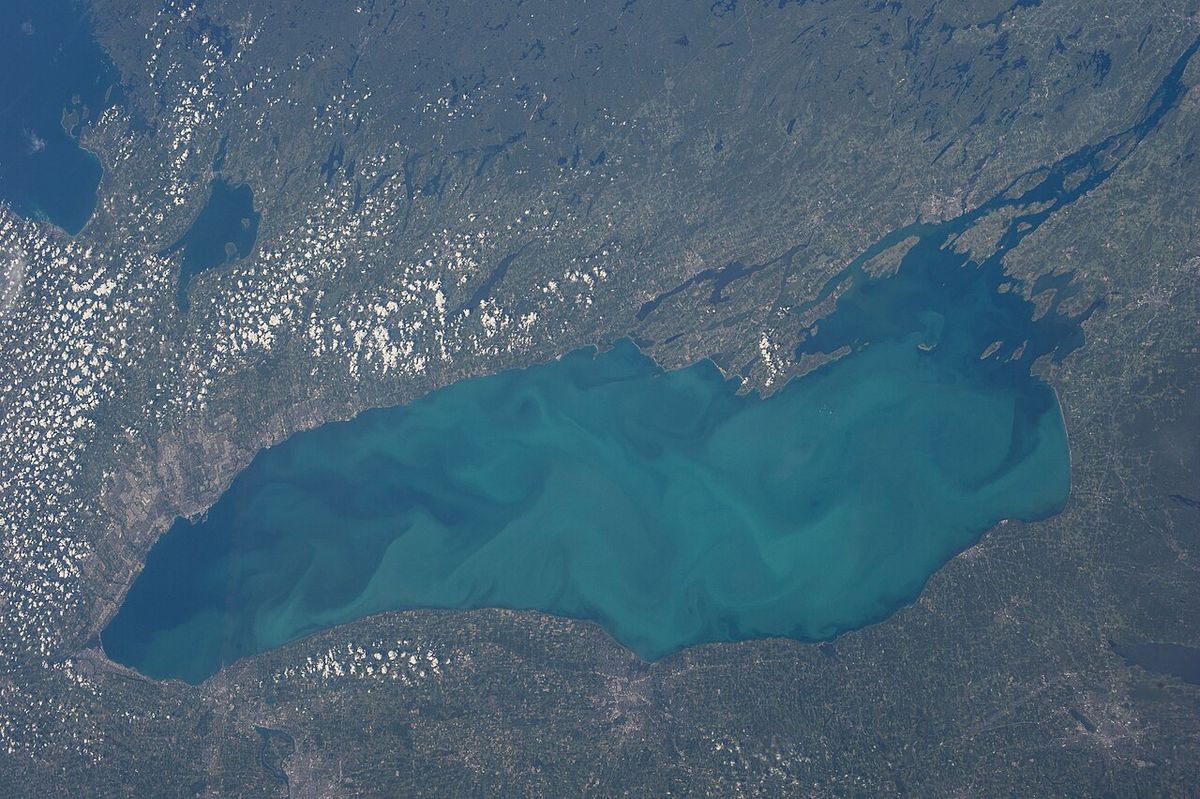
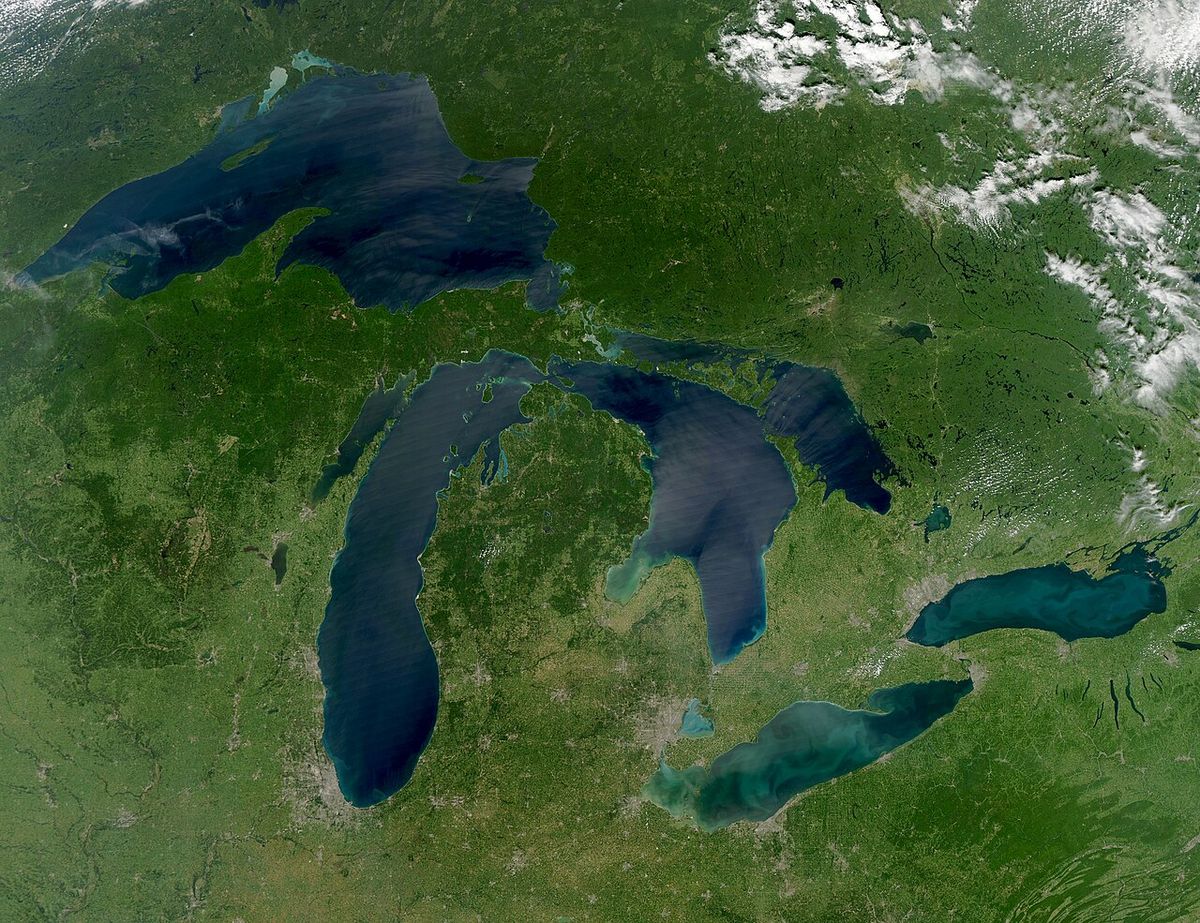
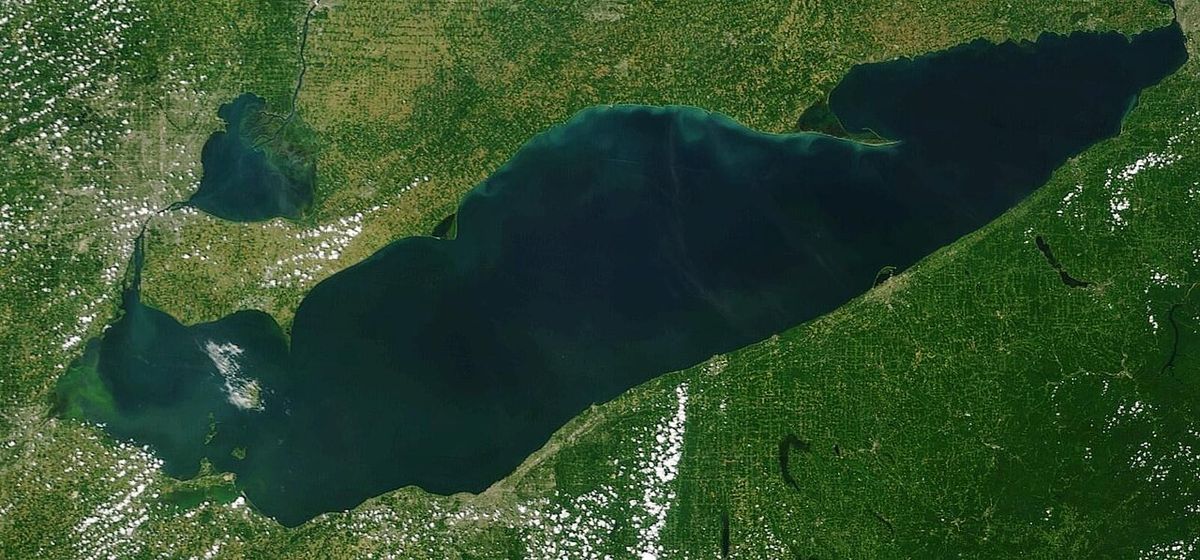
Lake Ontario is the easternmost and smallest of the five Great Lakes, bounded by the Canadian province of Ontario to the north, west, and southwest, and the U.S. state of New York to the south and east. The international border runs through the centre of the lake. Its name has a long and complex history predating the 2026 dispute. French explorer Samuel de Champlain named it "Lac de S. Louis" (Lake St. Louis) in 1632, a name used in New France throughout the 17th century. The lake was also referred to as Lac Frontenac during the colonial period. The name Ontario, likely derived from the Iroquoian word Kaniatarí:io or Oniatarí:io meaning "lake of shining waters" or "beautiful lake", came into wider use by European settlers by the mid-18th century after appearing on maps as early as the 1650s. This historical context underscores the name's deep Indigenous and colonial roots, contrasting sharply with the politically motivated 2026 proposal.
The immediate catalyst for the naming dispute was an escalating trade war between the United States and Canada. On August 25, 2026, President Trump previewed the move on his Truth Social platform, writing "The United States is giving serious consideration to changing the name of Lake Ontario to Lake America in that we don't expect to be doing much business with Ontario any longer." He accompanied the post with an image of a map labelling the lake as "Lake America". This followed a precedent set earlier in his administration. On January 20, 2025, Trump had issued Executive Order 14172, which directed federal agencies to refer to the Gulf of Mexico as the "Gulf of America". The 2026 Lake Ontario order represented an expansion of this naming policy to an internationally shared body of water.
The dispute also intersected with existing international agreements on geographical names. A 1989 US-Canada agreement on the coordination of names for shared features stated it was "highly desirable to retain established official names". It allowed for a name change only "for purpose of conformance to strong local usage or citizen preference, or on special request with strong specific reasons". The Trump administration's unilateral action, framed around trade tensions rather than local preference, directly challenged this cooperative framework and longstanding diplomatic norms for managing shared geography.
The Executive Order and Implementation
President Trump formally signed Executive Order 14422, titled "Honoring the American History of the Great Lakes and Renaming Lake Ontario as Lake America", on August 27, 2026. The order presented a detailed justification for the change, framing it as a policy to recognize American contributions and heritage. It argued the United States was "the greatest protector of the Great Lakes", citing U.S. Coast Guard icebreaking services and nearly $4 billion in ecosystem protection investments over the preceding decade. The order also claimed the U.S. "claims most of the lake's volume" because its deepest parts lie within U.S. territory, and highlighted the lake's historical role in American trade, settlement, and military logistics from the colonial period onward.
The executive order contained specific directives for implementation. It ordered Secretary of the Interior Doug Burgum, in coordination with the U.S. Board on Geographic Names, to adopt the name "Lake America" for all executive branch communications within 30 days. On the same day the order was signed, Secretary Burgum issued Secretary's Order 3453 directing the change within the Geographic Names Information System (GNIS), the federal database of domestic place names. By August 29, the National Geospatial-Intelligence Agency had updated the entry for Lake Ontario in the GEOnet Names Server, the official gazetteer for foreign geographic names. A week after signing, Trump's website began selling "Lake America" hats for $55 each, commercializing the political action.
Reactions in the United States
The order triggered immediate and divided reactions within the United States. In Congress, Representative Debbie Dingell of Michigan introduced the "Hands Off Our Great Lakes Act", a resolution backed by 23 other Democrats to void the order and prohibit renaming any Great Lake. In contrast, Republican Representative Jimmy Patronis of Florida introduced the "Lake America Act" to codify the renaming into federal law. Several state governors, including Democrats Kathy Hochul of New York, Gretchen Whitmer of Michigan, and Tony Evers of Wisconsin, denounced the order. Evers satirically filmed himself renaming Lake Michigan "Lake Wisconsin" on a restaurant napkin. Many Republicans in Upstate New York also opposed the idea, with Oswego Mayor Rob Corradino stating Trump's trade war was already hurting the local economy and the name change would exacerbate issues. The Rochester city council unanimously proclaimed it would continue using "Lake Ontario" locally.
Institutional and corporate responses varied significantly. The Associated Press issued guidance for its reporters to continue using "Lake Ontario", a stance that had previously led the White House to bar the AP from press events after a similar directive on the Gulf of Mexico. The Wall Street Journal updated its stylebook to acknowledge "Lake America" alongside Lake Ontario. AccuWeather followed the National Weather Service in using the new name in forecasts. Major online mapping services complied with the change. Google Maps and Google Earth began varying the displayed name based on device location settings on August 29, 2026, showing "Lake America" to U.S. users, "Lake Ontario" to Canadian users, and a dual name elsewhere. Apple Maps also complied after Trump contacted the company directly. MapQuest notably refused to change the name, which led to a surge in app downloads and over 1.5 million installs in the U.S. and Canada, with its product team selling apparel referencing their decision.
Canadian and International Response
Canadian reaction was swift and uniformly negative, viewing the order as a provocative political stunt. Prime Minister Mark Carney posted on X that "Canadians also know that naming reality means calling it Lake Ontario, then, now and always." Ontario Premier Doug Ford stated, "It's Lake Ontario to Canadians and the rest of the world. Now and forever." On August 29, 2026, Ford unveiled a large sign reading "Lake Ontario, Now and Always" in Grimsby, Ontario, along the shoreline. Premier of Nova Scotia Tim Houston responded bluntly, "We're into some real foolishness now. It's Lake Ontario, buddy." Ford argued Trump was trying to rename the lake because Ontario and Canada were "standing up for ourselves", and expressed confidence the original name would outlast the controversy.
The dispute also inspired satirical commentary beyond formal government channels. Radio personality Dean Blundell suggested Lake Michigan should be rebranded "Lake Epstein", mocking Trump's association with financier Jeffrey Epstein. In a more elaborate parody, South Park creators Matt Stone and Trey Parker announced they were rebranding the show's 29th season, inspired by "the bravery and patriotism of Apple and Google", and changing the name of South Park to "SOUTH AMERICA". These reactions underscored how the naming order was widely perceived as absurd and heavy-handed, becoming fodder for comedians and commentators across North America.
Indigenous Perspectives and Criticism
Indigenous communities with deep historical and cultural ties to the lake and its original name were strongly critical of the renaming effort. Leaders framed it as an act of modern colonialism and an erasure of Indigenous heritage. Donald Maracle, Chief of the Mohawks of the Bay of Quinte, called the renaming an attack on Indigenous people, stating, "It's a lot of politics involved in the whole trade discussions, and our culture should not be eroded in that process or our rights." J. Conrad Seneca, president of the Seneca Nation, condemned the action for cultural reasons, saying the president cannot "assert ownership over our culture or erase it through irresponsible political action."
Other Indigenous voices highlighted the longevity and significance of the name Ontario. Denise Oelrich, who has Nlaka’pamux and Salish ancestry, told The Kingston Whig-Standard, "It's been Lake Ontario longer than there's been an Ontario, Canada or U.S." Mohawk radio host John Kane called the order an act of colonialism rooted in racism, remarking, "this is a white guy in the White House thinking that he can drop America on anything he wants." The Mississaugas of the Credit First Nation issued a succinct statement: "You cannot rename away our history." These responses collectively emphasized that the name Ontario is an Indigenous-derived name that predates the modern nations involved in the dispute, and its attempted replacement was seen as disrespectful and politically motivated.
Broader Implications and Lasting Effects
The Lake Ontario naming dispute illustrates the potent intersection of politics, geography, and national identity. It represents a case where a place name, typically considered a stable geographical identifier, was weaponized as a tool in a broader trade conflict. The episode tested the resilience of international agreements on shared geographical features and demonstrated how digital mapping platforms can become actors in geopolitical disputes through their compliance or non-compliance with government directives. The surge in popularity for MapQuest, which refused to change the name, indicated significant public pushback against the politicization of everyday tools like digital maps.
The dispute also reignited discussions about the origins and meanings of place names, bringing greater public attention to the Indigenous etymology of "Ontario". While the U.S. federal government and some corporations adopted "Lake America", the strong opposition from Canada, U.S. border states, Indigenous nations, and media organizations suggested the change lacked legitimacy and widespread acceptance. The controversy served as a reminder of the complex, layered histories embedded in geographical names and the diplomatic friction that can arise when they are unilaterally altered for contemporary political reasons. The long-term permanence of the name change within the United States remained uncertain, subject to potential reversal by future administrations or congressional action.
Questions about Lake Ontario naming dispute
Why did Donald Trump want to rename Lake Ontario?
President Trump issued the executive order to rename Lake Ontario as "Lake America" in August 2026 amid an ongoing trade dispute with Canada. He publicly framed the move as a response to deteriorating trade relations, stating on social media that the U.S. did not expect to do much business with Ontario. The official order justified the change as a policy to recognize the extraordinary contributions of the American people and the rich heritage of U.S. history by naming natural landmarks for shared achievements. It also cited U.S. investments in Great Lakes protection and claimed the deepest parts of the lake were in U.S. territory.
What did the Canadian government say about the Lake America name?
The Canadian government uniformly rejected the renaming. Prime Minister Mark Carney stated on social media that Lake Ontario was its name "then, now and always." Ontario Premier Doug Ford was particularly vocal, declaring "It's Lake Ontario to Canadians and the rest of the world. Now and forever." He unveiled a large shoreline sign in Grimsby, Ontario, reaffirming the name. Premier of Nova Scotia Tim Houston dismissed the idea as "foolishness." Canadian officials viewed the move as a political provocation linked to trade tensions rather than a legitimate geographical renaming.
How did Google Maps and Apple Maps handle the name change?
Both Google Maps and Apple Maps complied with the U.S. government's directive but implemented it based on user location. Starting August 29, 2026, Google Maps and Google Earth began displaying "Lake America" for users whose devices were set to a location within the United States. Users in Canada continued to see "Lake Ontario", while users elsewhere saw the dual designation "Lake Ontario (Lake America)". Apple Maps also changed the name after President Trump contacted the company directly. A tech lobbyist noted companies felt it was "not worth it to fight Trump over something so stupid."
Were there any U.S. politicians who opposed the renaming?
Yes, opposition came from both Democrats and Republicans, particularly from states bordering the Great Lakes. Michigan Representative Debbie Dingell introduced a resolution to void the order. Governors Kathy Hochul of New York, Gretchen Whitmer of Michigan, and Tony Evers of Wisconsin publicly denounced it. Many Republicans in Upstate New York also opposed the change, with Oswego Mayor Rob Corradino fearing it would hurt the local economy further. The city council of Rochester, New York, unanimously voted to continue using "Lake Ontario" in all official city business, demonstrating significant local resistance.
What is the Indigenous history behind the name Ontario?
The name Ontario predates European colonization and is likely derived from an Iroquoian word, Kaniatarí:io or Oniatarí:io, meaning "lake of shining waters" or "beautiful lake." The name was in use by European settlers by at least 1641 and appeared on maps in the 1650s, gradually supplanting French names like Lac de S. Louis (Lake St. Louis) and Lac Frontenac. Indigenous leaders criticized the 2026 renaming as an erasure of this history. The Mississaugas of the Credit First Nation stated, "You cannot rename away our history," emphasizing the deep cultural and historical connections Indigenous peoples have to the lake and its original name.
Did any mapping service refuse to change the name to Lake America?
Yes, MapQuest notably refused to update its maps to show "Lake America" and continued to use "Lake Ontario." This decision proved popular with the public, leading to a significant surge in downloads for the MapQuest app. It topped charts on U.S. app stores and garnered over 1.5 million installs in the U.S. and Canada combined following the controversy. The MapQuest product team capitalized on the attention by selling apparel and mugs that referenced their decision not to rename the lake, positioning themselves in opposition to the compliance of other major tech platforms.
Sources: Wikipedia and current public reporting, checked by the Your Space Hamilton desk. Last updated 2026-10-18.