Lake sturgeon
The lake sturgeon (Huso fulvescens), also known as the rock sturgeon, is a large, long-lived freshwater fish native to North America. It inhabits river systems and lakes across Canada, particularly in the Great Lakes, Hudson Bay, and Saskatchewan River drainages. This ancient species, characterized by its bony plates and spade-like snout, is culturally significant to many Indigenous peoples and was once a major commercial fishery. Due to overharvesting and habitat loss, lake sturgeon are now considered threatened or endangered across much of their range, making them a focal point for extensive conservation and restoration efforts.
Physical Description and Feeding Ecology
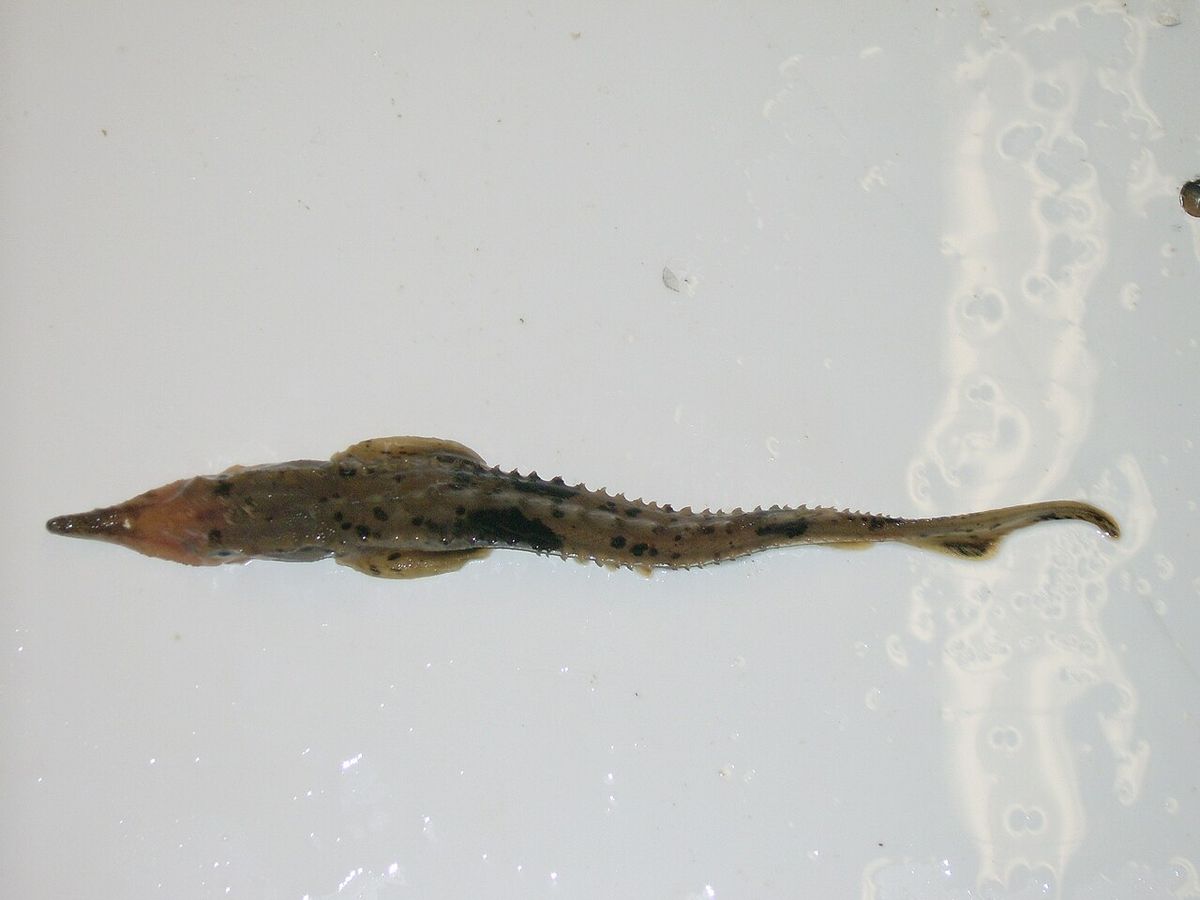
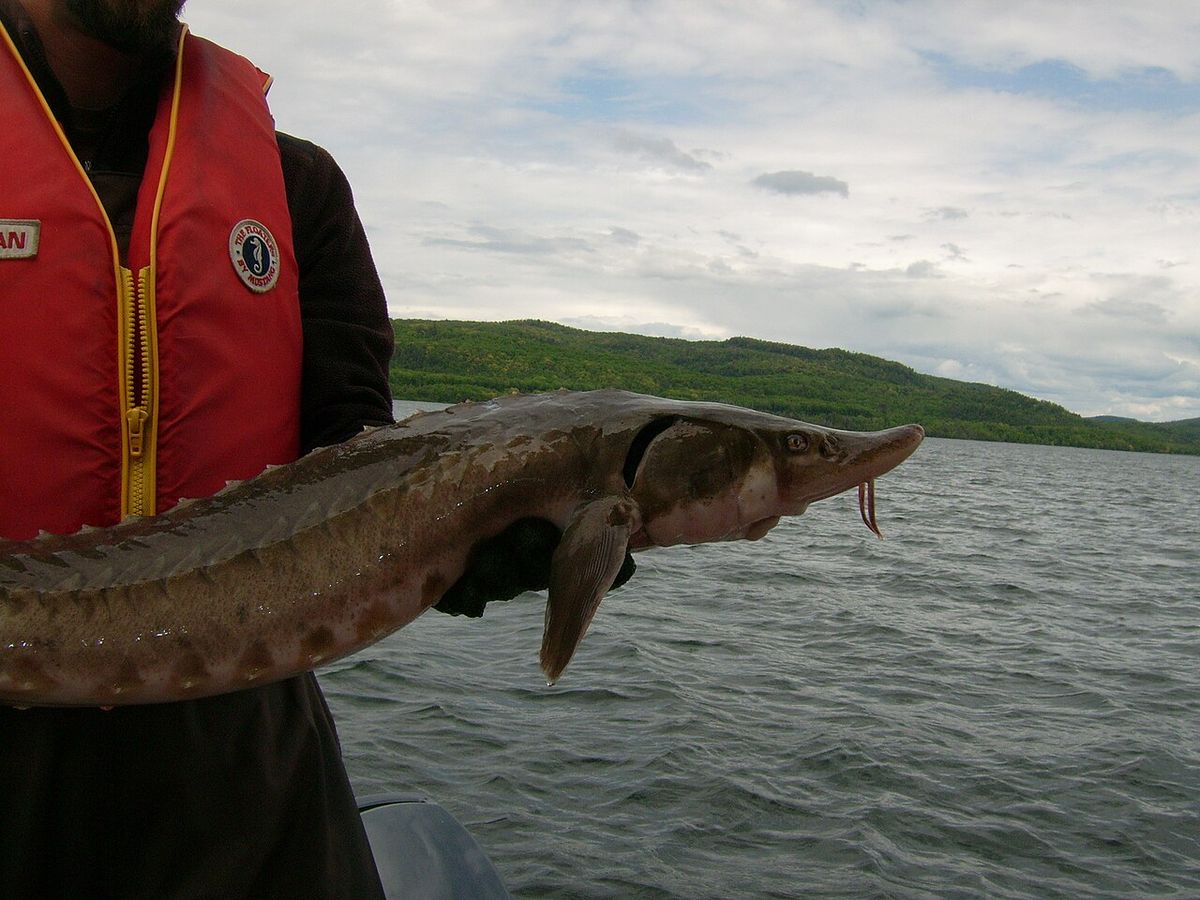
The lake sturgeon possesses a partly cartilaginous skeleton and a streamlined body armoured with five rows of bony plates called scutes. Its elongated, spade-like snout is a specialized tool for disturbing the substrate on river and lake bottoms while foraging. Four fleshy, sensory barbels hang near its toothless mouth, aiding in the detection of prey hidden in the mud. Taste buds are located on and around these barbels and on its rubbery, prehensile lips. The sturgeon extends these lips to create a vacuum, sucking in soft live food which is swallowed whole due to the complete absence of teeth. Its typical diet consists of insect larvae, worms including leeches, and other small benthic metazoans. Since the early 1990s, the introduction of the invasive round goby has led some populations to incorporate fish as a significant dietary component. As a large species surviving on very small prey, its feeding ecology is functionally similar to that of large marine filter-feeders like baleen whales, which also consume tiny organisms.
Geographic Range and Habitat Preferences
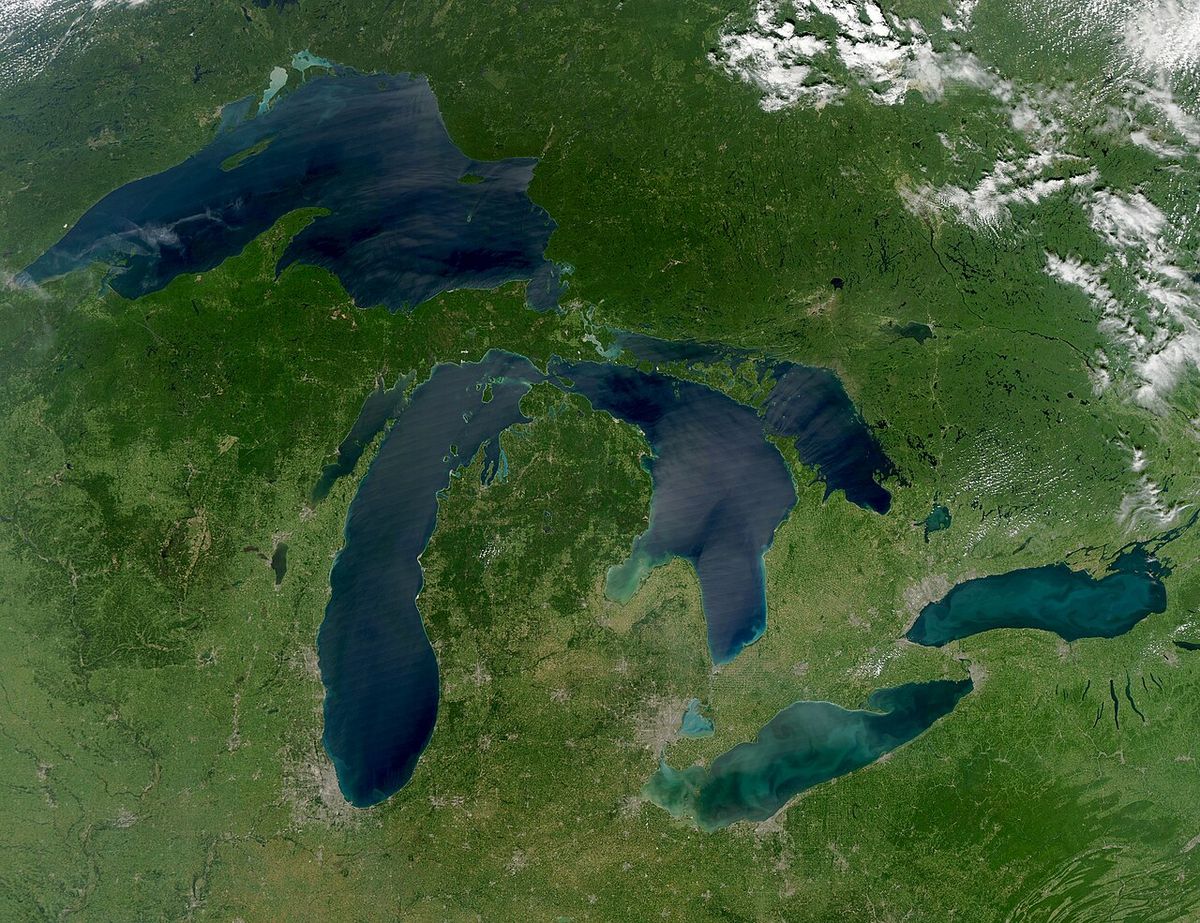
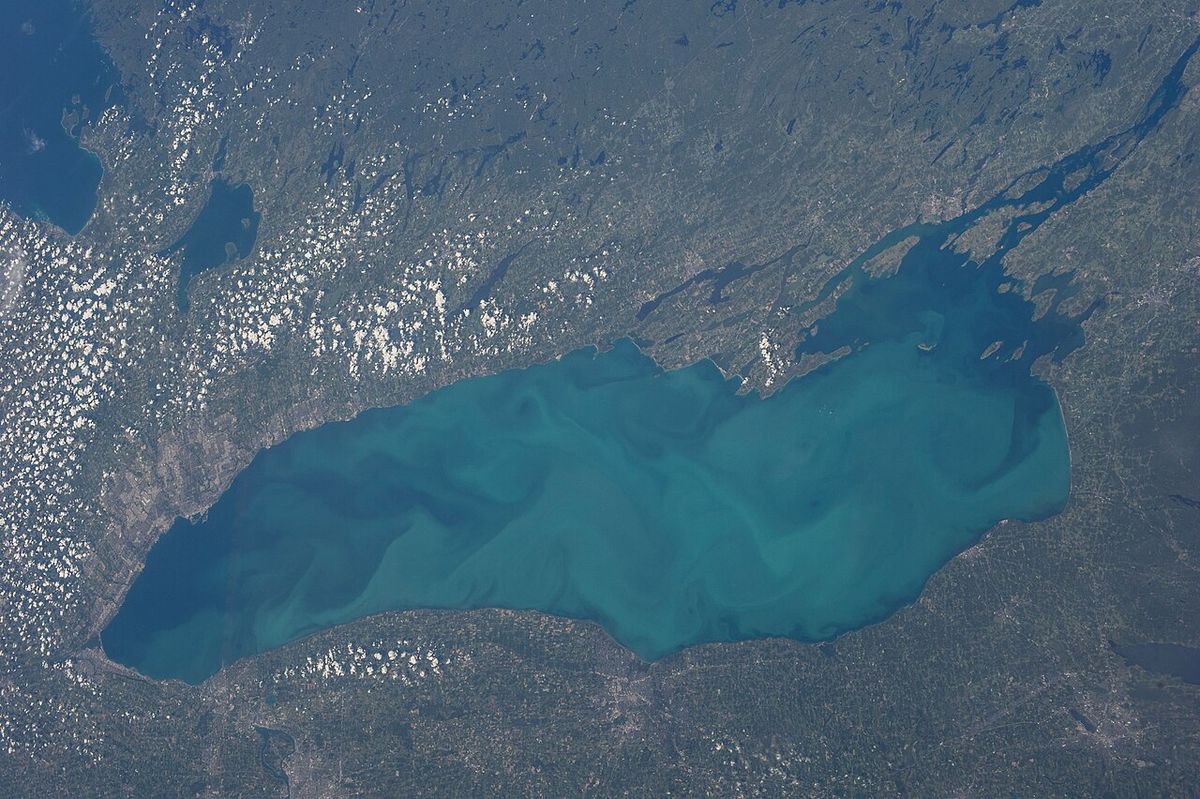
The historical range of the lake sturgeon is extensive, shaped by the large proglacial lakes that formed as glaciers retreated from North America at the end of the last ice age, such as Lake Agassiz and Lake Iroquois. In Canada, its distribution includes the entire Great Lakes basin, the St. Lawrence River up to the freshwater limit, Lake Winnipeg, and the North and South Saskatchewan Rivers. It is also found throughout the Hudson Bay Lowland. To the east, it inhabits Lake Champlain and some Vermont rivers like the Winooski, Lamoille, Missisquoi, and Otter Creek. To the south and west, it occurs in the Mississippi River drainage basin to Alabama and Mississippi and east to the French Broad River in western North Carolina. These fish are migratory, moving to find food, suitable spawning locations, or in response to seasonal environmental conditions. They are seldom located far from potential spawning grounds, and habitat selection is strongly influenced by the local abundance of benthic prey organisms. Clean, gravel shoals and stream rapids are essential for successful reproduction.
Life Cycle, Growth, and Documented Longevity
The lake sturgeon exhibits an exceptionally slow life history, which is a central factor in its conservation challenges. Validated ages from otolith analysis have confirmed individuals up to 68 years old. A 2026 statistical modelling study used size data from recaptured fish across different Midwestern populations to predict potential lifespans. The models estimated that a male with a 160 cm fork length could live 87 to 215 years depending on the specific population, while a 180 cm female could live 90 to 248 years. However, only the estimate for the Lake Winnebago population, between 97 and 103 years, was statistically well-supported, indicating more data is required from other areas to confirm the upper limits. These potential lifespans suggest the lake sturgeon could be among the longest-lived vertebrates, comparable to species like the Greenland shark and the Rougheye rockfish. The fish experience rapid growth during a lengthy juvenile stage before reaching sexual maturity many years later. All definitive adult structures, except for the gonads, are formed within the first year of life.
Reproductive Biology and Early Development
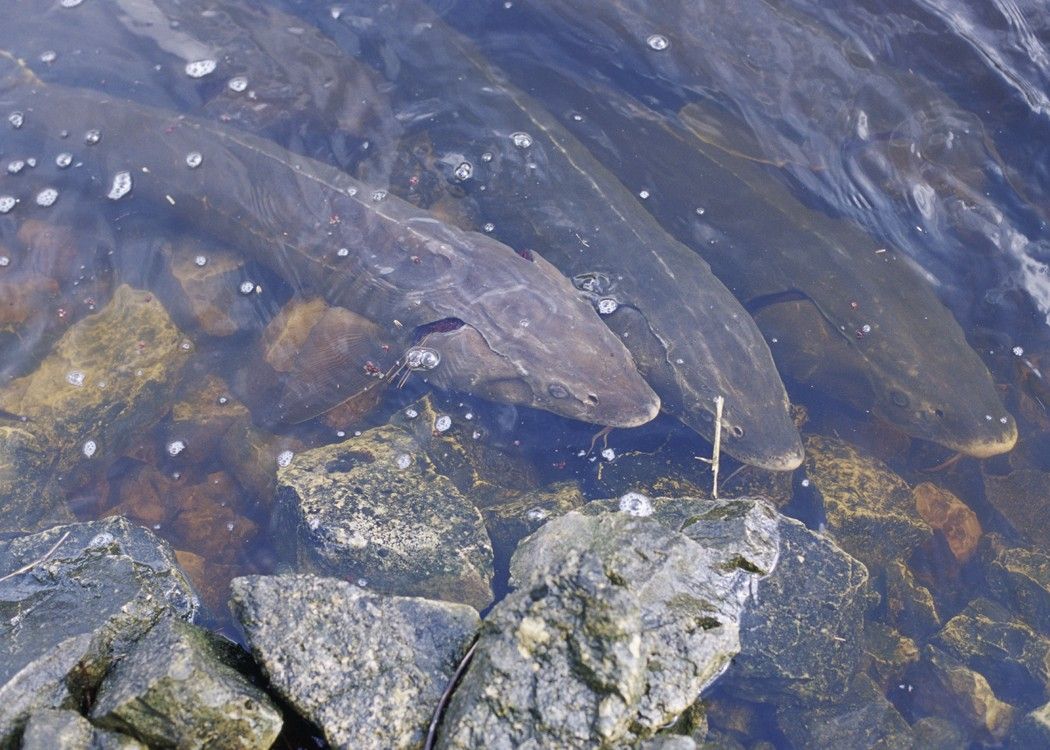
Lake sturgeon reproduction is characterized by late maturity and infrequent spawning, which makes populations slow to recover. Males typically become sexually mature between 8 and 12 years but can take up to 22 years. Females mature between 14 and 33 years, most often from 24 to 26 years of age. Spawning occurs from April to June on clean, gravel shoals and stream rapids, with a preferred water temperature range of 13 to 18 degrees Celsius. The spawning act involves males and females swimming in circles and shaking violently. The male releases his sperm and ceases circling, after which the female deposits her eggs. A female produces between 4,000 and 7,000 eggs per pound of her body weight. Reproductive intervals are long, with males spawning every 2 to 7 years and females only every 4 to 9 years. In any given spawning season, only 10 to 20 percent of the adult population is sexually active. The species is polygamous, a strategy that helps maximize genetic diversity within populations.
Lake sturgeon eggs begin as a yellowed mass attached to a fatty ovarian tissue, maturing to an olive green, grey, or black colour before being laid. They hatch after 8 to 14 days, and observations indicate some fertilized eggs are consumed by other sturgeon, fish, and invertebrates while still on the spawning grounds. Newly hatched larvae are about 10 mm long and barely discernible. They soon become pelagic and negatively phototactic, avoiding light and seeking rocky hiding places while drifting downstream with the current for several miles. About two weeks post-hatching, they settle to the river bottom. By the end of their first year, juveniles have developed all definitive adult structures except for gonads and are found in the same habitats as adults. During late summer, yearlings are thought to gather in large schools in shallow river mouths and bays before joining adult habitats.
History of Commercial Exploitation and Collapse
The lake sturgeon fishery underwent a dramatic boom and bust in the late 19th century, fundamentally altering the species' abundance. Initially regarded as a nuisance that damaged fishing gear, sturgeon were routinely killed and discarded. Historical accounts from 1860 describe them being dumped back in lakes, piled on shore to dry and burn, fed to pigs, or dug into the earth as fertilizer. They were even stacked like cordwood and used to fuel steamboats. Once the commercial value of their meat, caviar, and isinglass was recognized, they were aggressively targeted with every available method. Fishermen used spearing and jigging to set lines of baited or unbaited hooks laid on the bottom, as well as trap nets, pound nets and gillnets. This unsustainable harvest, combined with environmental damage from pollution, siltation from agriculture and lumbering, and the construction of dams and other flood control measures that blocked migratory routes, caused a total fishery collapse by 1900. The population has never recovered. The species' slow reproductive cycle, where females may not breed until their mid-20s and then only infrequently, made it particularly vulnerable to overfishing, as most individuals caught before age 20 had never bred.
Conservation Status and Coordinated Restoration Programs
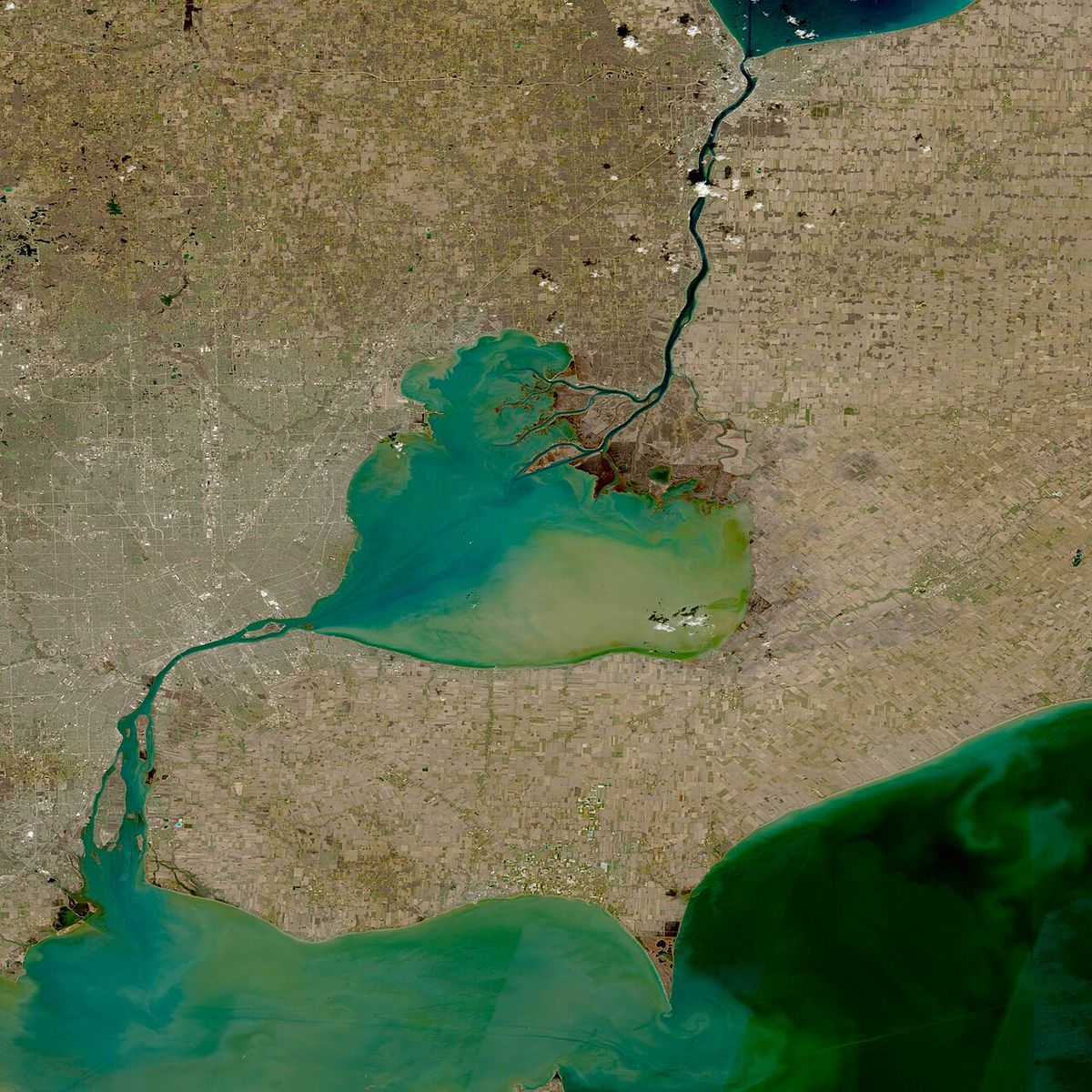
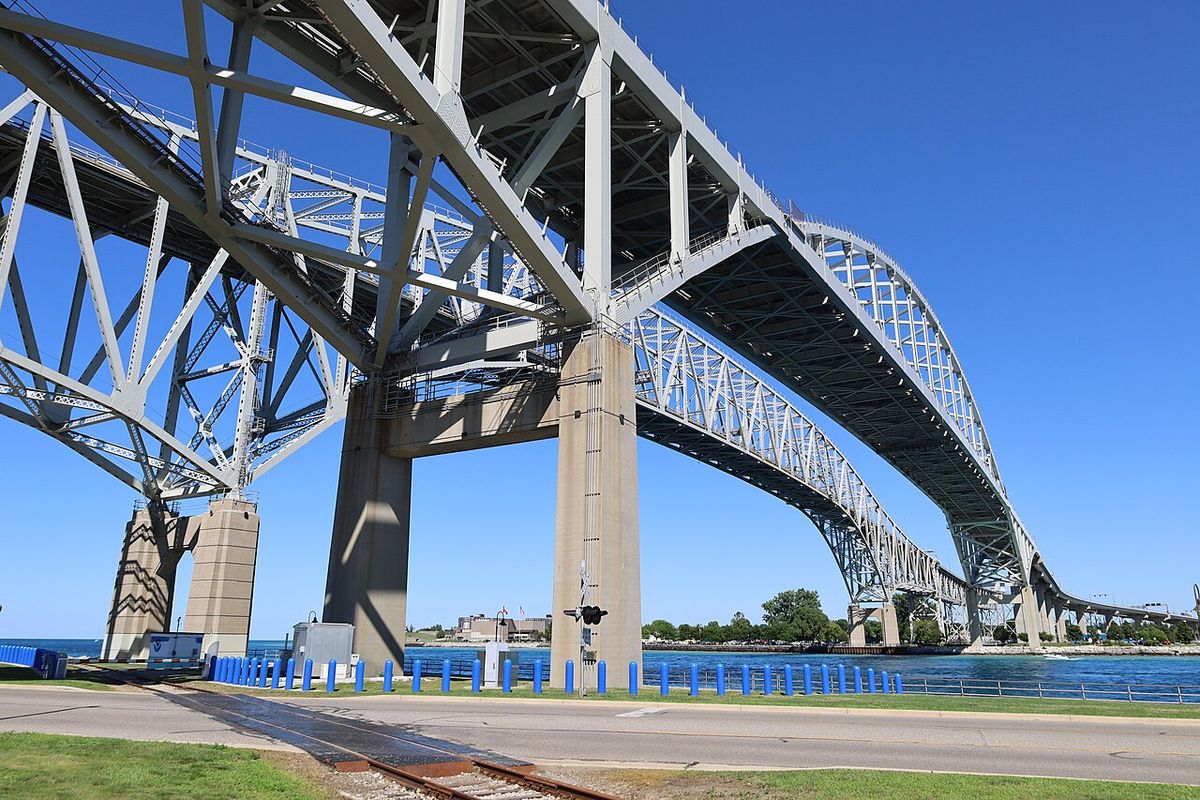
Currently, 19 of the 20 states within the lake sturgeon's original U.S. range list it as either threatened or endangered. NatureServe globally classifies the species as "Vulnerable". A key milestone was in 2001 when transmitters placed into ten sturgeon and egg mats confirmed spawning in the Detroit River for the first time in many decades, following a similar 2001 discovery of spawning runs under the Blue Water Bridge in the St. Clair River. The Little River Band of Ottawa Indians (LRBOI) Sturgeon Program started in 2001 in Manistee, Michigan, documenting natural reproduction by capturing larvae from the Big Manistee River in 2002. Their Streamside Rearing Facility, operational in the spring of 2004, was the first of its kind for the species and has since been replicated in four other locations within the Lake Michigan Basin. The LRBOI Nmé Stewardship Plan, created by biologists and Tribal members and published in 2005, guides these tribal restoration activities. Multiple agencies now collaborate, including the U.S. Fish and Wildlife Service and the states of Michigan and Wisconsin. Restoration employs several key techniques working in concert. Streamside rearing facilities incubate eggs and raise larvae in water from the natal river. Assisted propagation involves collecting gametes from wild spawners for hatchery fertilization and rearing, as practiced by New York State on the St. Lawrence River, which produced and distributed 130,000 fertilized eggs to hatcheries in June 2017. Comprehensive tagging and monitoring programs are used to collect essential data on abundance, distribution, age, growth, and population health. Strict regulatory frameworks govern any permitted harvest to prevent overexploitation. Notable facilities include the Wolf Lake State Fish Hatchery in Kalamazoo, Michigan, which raises sturgeon mainly for inland waters, and a public streamside rearing facility on the Black River near Onaway, Michigan. The Black River facility is run by the Michigan Department of Natural Resources, Michigan State University, and Tower Kliber, and raises and releases hundreds to thousands of sturgeon annually into Black Lake and other surrounding areas.
Regulated Recreational Fisheries and Specific Regulations
Recreational fishing for lake sturgeon is permitted only under strict, quota-based regulations in a handful of jurisdictions to ensure sustainability. These fisheries are closely monitored and represent a small fraction of historical harvest levels. The season is split into two periods: an early season from April 24 to May 7 and a late season from July 1 to September 30. Anglers must possess a valid Minnesota fishing license and also purchase a separate sturgeon tag. Wisconsin's annual spearing season on Lake Winnebago operates on a marked quota system. It can run for a full 16 days, but if 90 to 99 percent of the quota is reached on any day, the season closes at 1:00 p.m. the following day. If 100 percent or more of the quota is reached, the Wisconsin Department of Natural Resources can enact an emergency stoppage rule. In 2012, the largest sturgeon ever recorded from Lake Winnebago was speared. In Quebec, the sturgeon is present in the St. Lawrence River and is targeted by both commercial fisheries and anglers, with a recreational game fish limit of one per day.
Indigenous Cultural, Spiritual, and Economic Importance
The lake sturgeon holds major cultural, spiritual, and economic importance for several Indigenous nations across its range. In Menominee culture, the sturgeon is a central figure, represented by the Sturgeon Clan. The traditional Sturgeon Festival celebrates both the spiritual and economic aspects of the fish. Among the spiritual roles, the sturgeon is considered a protector of wild rice. From a practical standpoint, the entire fish was utilized with no waste. The meat provided food, the eggs were used as caviar, and the swim bladder was processed into isinglass. Isinglass was traditionally used as a paint adhesive and later became a valuable trade commodity with Europeans during the fur trade era. For the Anishinaabe communities living in the sturgeon-rich Winnipeg River watershed, the fish was such a key economic resource that these communities were known as "Sturgeon Indians" during the fur trade. Traditional fishing methods employed by these nations were diverse and effective, including the use of spears, weirs, nets, and, less commonly, hook and line.
Taxonomic Reclassification and Evolutionary Position
The lake sturgeon was historically classified within the genus Acipenser for many decades. Prior to 2025, taxonomic research determined this placement was paraphyletic, meaning the grouping did not include all the descendants of a common ancestor. The species was subsequently moved to the genus Huso to reflect a more accurate evolutionary relationship. It is one of two Huso species found in North America, the other being the shortnose sturgeon (H. brevirostrum). Within the genus Huso, the lake sturgeon is identified as the most basal member, indicating it is the earliest-diverging lineage. This reclassification provides a more precise understanding of the evolutionary history and relationships within the sturgeon family, aligning scientific nomenclature with genetic evidence.
Questions about Lake sturgeon
How big can a lake sturgeon get?
Lake sturgeon are among the largest freshwater fish in North America. They can grow up to 2.2 metres (7.25 feet) in length and weigh as much as 108 kilograms (240 pounds). Documented catches, such as a famous female from Lake Winnebago in 2012, have confirmed these maximum sizes. Their potential for great age contributes to their large size, though such large individuals are much rarer today than in the past due to historical overfishing.
How long do lake sturgeon live?
Lake sturgeon are remarkably long-lived. Validated ages from otolith studies have confirmed individuals up to 68 years old. A 2026 statistical modelling study suggested that under ideal conditions, large females could potentially live between 90 and 248 years, and large males between 87 and 215 years, depending on the population. These estimates position the lake sturgeon as one of the longest-lived freshwater vertebrates, though more data is needed to confirm the upper limits outside of well-studied populations like Lake Winnebago.
Why are lake sturgeon endangered?
Lake sturgeon are considered threatened or endangered across most of their range due to historical overharvesting and habitat loss. They were heavily fished in the late 19th century for meat, caviar, and isinglass, leading to a collapse of populations by 1900. Their extremely slow reproductive cycle, where females may not spawn until their mid-20s and then only every four to nine years, made recovery difficult. Additional threats include pollution and the construction of dams that block access to traditional spawning grounds.
Where can you find lake sturgeon in Canada?
In Canada, lake sturgeon are found in several major watersheds. Their range includes the Great Lakes and the St. Lawrence River system, Lake Winnipeg, and the North and South Saskatchewan Rivers. They are also present in the Hudson Bay Lowland. These distributions are remnants of historical connections via large glacial lakes that existed at the end of the last ice age, such as Lake Agassiz.
Can you fish for lake sturgeon?
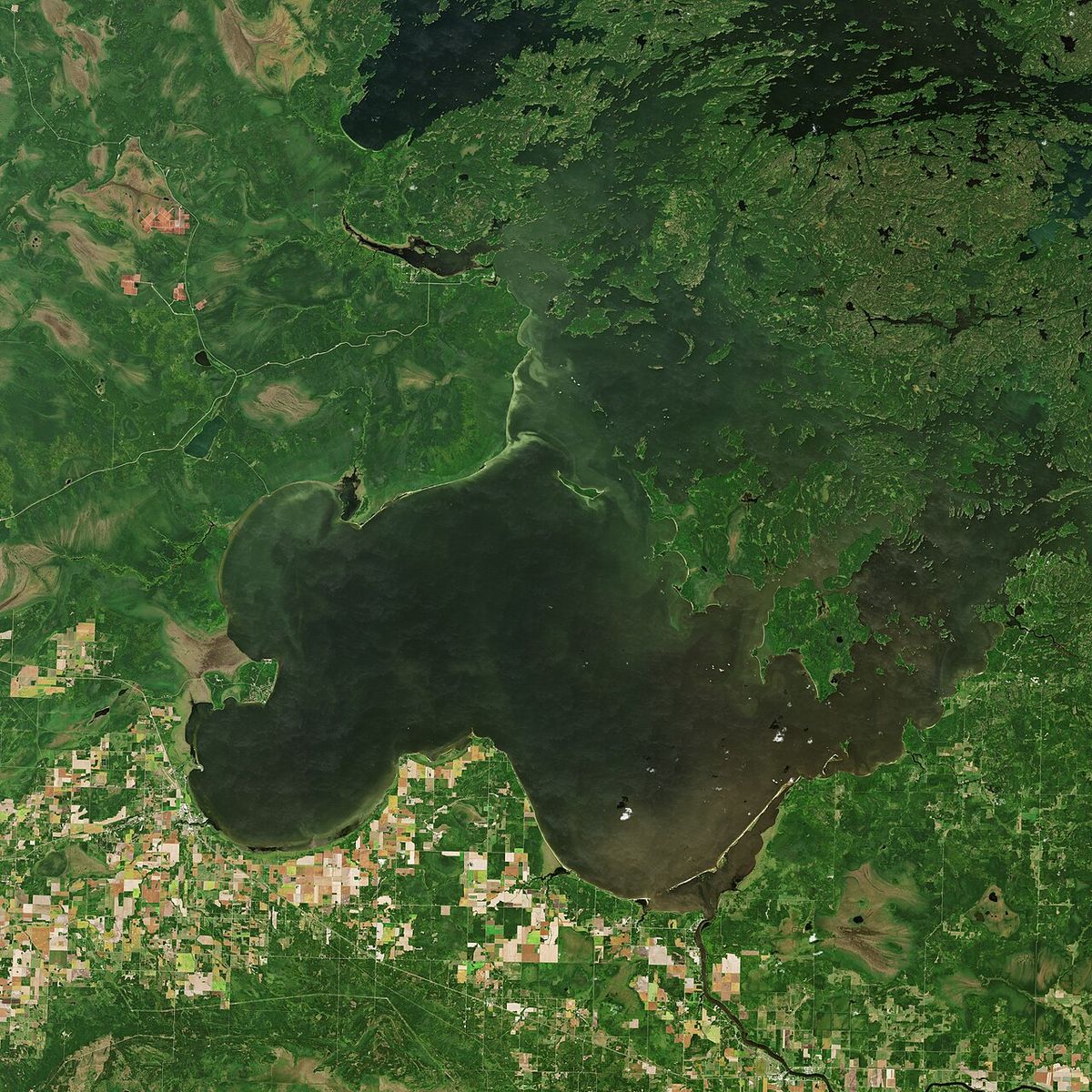
Recreational fishing for lake sturgeon is permitted only in specific, highly regulated areas. Examples include limited spearfishing on Black Lake in Michigan, a highly regulated harvest season on the Rainy River and Lake of the Woods in Minnesota, and a quota-managed spearing season on Lake Winnebago in Wisconsin. In Quebec, anglers may keep one sturgeon per day from the St. Lawrence River. All these fisheries require adherence to strict size limits, seasons, and licensing to protect the vulnerable populations.
What is being done to help lake sturgeon recover?
Multiple conservation and restoration programs are active. These include streamside rearing facilities, where young sturgeon are raised in river water before release, and assisted propagation programs in hatcheries. Agencies and Indigenous groups, like the Little River Band of Ottawa Indians, collaborate on monitoring, habitat protection, and public education. Successful efforts have documented natural spawning in previously blocked rivers like the Detroit River. The goal is to rebuild self-sustaining populations through a combination of science, strict regulation, and community engagement.
Sources and further reading
- Lake sturgeon (Wikipedia)
- Sturgeon Lake, Fishing & Camping, SaskLakes (sasklakes.ca)
Checked by the Your Space Hamilton desk. Last updated 2026-10-21.