Findians
Findians, also known as Finndians, are a distinct cultural and ethnic group in North America whose heritage is a blend of Finnish and Indigenous ancestry, predominantly Ojibwe. While their exact population is not formally recorded and is estimated to be between a few hundred and a few thousand, Findians represent a unique facet of Canada's multicultural society. Their cultural identity often incorporates elements from both ancestral traditions, creating a living link between European immigrant experiences and the First Peoples of the land. The group is known in Finnish as 'fintiaanit' and in Swedish as 'findianer', reflecting its recognition in Scandinavian languages.
Historical Origins and Development
The Findian community traces its roots to the period of significant Finnish immigration to North America, which occurred primarily between 1860 and 1924. During this time, Finnish settlers arrived in the Great Lakes region, an area that was and remains home to many Ojibwe communities. The interaction between these groups was foundational, leading to intermarriage and the creation of mixed-heritage families. Historical accounts note that Finns and Ojibwe people exchanged knowledge and skills, including hunting techniques and architectural methods, fostering a mutual cultural exchange. This period of contact and integration established the demographic and cultural foundations for the Findian identity that persists today. The shared experiences in the challenging environments of northern Ontario, Minnesota, and Michigan helped forge bonds between the communities. The specific timeframe of 1860 to 1924 marks the primary wave of Finnish emigration that directly contributed to the formation of Findian families, a period that ended with restrictive US immigration laws.
Cultural Practices and Identity
Findian culture is characterized by the selective retention and blending of traditions from both Finnish and Indigenous ancestries. A prominent Finnish cultural practice maintained in many Findian homes is the sauna, valued for its social and cleansing purposes. The Finnish concept of sisu, denoting stoic determination and tenacity, is also a commonly cited cultural value within the community. While the American Finnish language is no longer widely spoken among Findians, many individuals retain distinctive Finnish surnames as a key marker of their heritage. Conversely, some members of the community maintain a connection to Indigenous languages, with the ability to speak Ojibwe. This cultural synthesis does not represent a monolithic identity but rather a spectrum of personal and familial practices that honour a dual ancestry. The preservation of Finnish surnames provides a direct, tangible link to immigrant forebears, while the practice of sauna and the ethos of sisu represent transmitted intangible cultural values. The exchange of practical knowledge, such as hunting skills and building techniques, during initial contact periods also left a lasting imprint on shared family traditions.
Demographics and Community Structure
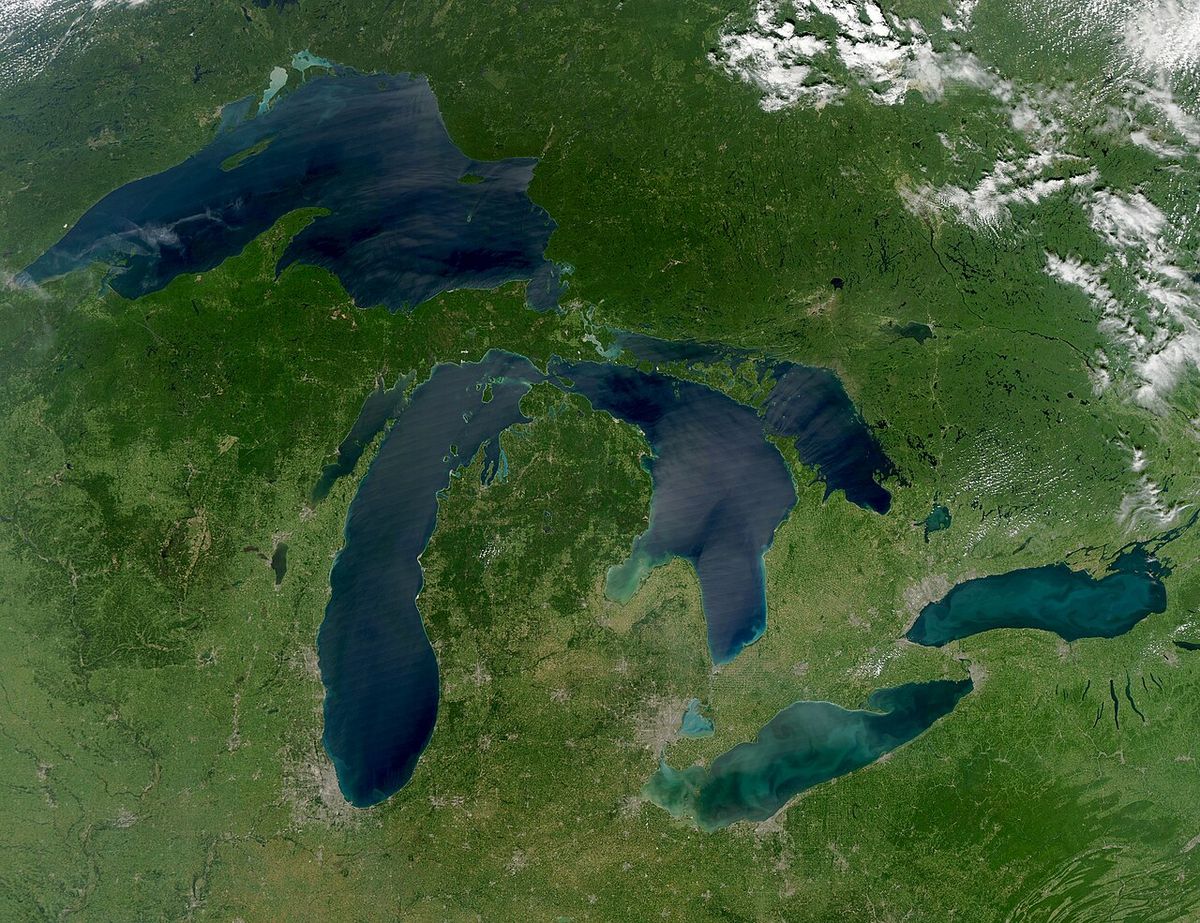
The Findian population is concentrated in the areas surrounding the Great Lakes, spanning both Canada and the United States. There is no official census data specifically enumerating people of Finnish-Indigenous descent, leading to estimates that place the total population somewhere between a few hundred and a few thousand individuals. This community is not centrally organized but exists as a diffuse network of families and individuals who share this specific mixed heritage. Their presence is a result of the complex patterns of settlement and interaction in North American history. The community's size and distribution reflect the localized nature of the initial encounters between Finnish immigrants and Ojibwe communities in regions like northern Ontario and the upper Midwest. The demographic uncertainty highlights how mixed heritage groups can remain statistically invisible within broader national categories. This lack of formal data means the community's history is largely preserved through family narratives and specific academic or artistic projects rather than government statistics.
Notable Findians in Public Life
Several individuals of Findian heritage have gained prominence in various fields. Notable Americans include actor Richard Dean Anderson of Mohawk descent and politician Cheri Honkala of Cheyenne descent. In Canada, notable Findians include activist and artist Jaime Black of Anishinaabe descent and musician Natasha Fisher of Ojibwe descent. Other notable individuals are professional wrestler Arianna Grace of Métis descent and ice hockey player Frank St. Marseille of Ojibwe-Métis descent. The community also includes American artist Erica Lord of Iñupiaq and Athabascan descent and American guitarist Ahrue Luster of Cherokee descent.
- Richard Dean Anderson (born 1950): American actor best known for television roles, of Mohawk descent.
- Cheri Honkala (born 1963): American politician and anti-poverty activist, of Cheyenne descent.
- Erica Lord (born 1978): American artist working in multiple media, of Iñupiaq and Athabascan descent.
- Ahrue Luster (born 1978): American guitarist, formerly of the band Machine Head, of Cherokee descent.
- Arvo Mikkanen (born 1961): Assistant United States Attorney, of Comanche descent.
- Jennifer Tilly (born 1958): Canadian-American actress and professional poker player, of Native American descent.
- Meg Tilly (born 1960): Canadian-American actress and author, of Native American descent.
- Mark Webber (born 1980): American actor, of Cheyenne descent.
- Jaime Black: Canadian Métis artist and activist, known for the REDress Project.
- Natasha Fisher: Canadian musician of Ojibwe descent.
- Arianna Grace (born 1997): Canadian professional wrestler and beauty pageant contestant, of Métis descent.
- Frank St. Marseille (born 1939): Canadian former professional ice hockey player, of Ojibwe and Métis descent.
These individuals highlight the wide-ranging contributions of people with Findian backgrounds. Their careers span diverse sectors, demonstrating that this heritage is part of a broader North American story. The list includes figures from law enforcement, professional sports, Hollywood, and social justice movements, illustrating the varied paths taken by members of this community. The presence of both American and Canadian citizens on the list reflects the binational nature of the Great Lakes region where the community is centred.
Documentation and Cultural Representation
The Findian experience has been the subject of cultural documentation, most notably in the 2016 Finnish-language documentary and book titled "Fintiaanit." The project was created by writer Katja Kettu, photographer Meeri Koutaniemi, and writer Maria Seppälä, and published by WSOY with the ISBN 9789510411599. This work explores the lives and histories of Findians, bringing scholarly and artistic attention to this unique community. The existence of such dedicated projects indicates a growing recognition of Findians as a distinct group with a story worth telling. This documentation helps preserve the history of cultural interchange and family lineages that might otherwise be overlooked in broader national narratives. The collaborative nature of the project, involving both writers and a photographer, suggests a multidisciplinary approach to capturing the community's essence. The documentary serves as a primary resource for those interested in the visual and narrative history of Findian families and their experiences across generations.
Related Groups and Broader Context
The Findian community exists within the larger frameworks of Indigenous peoples in Canada and Native Americans in the United States. Their history is one specific example of the countless interactions between immigrant groups and First Nations that have occurred throughout North American history. Understanding Findians contributes to a more nuanced view of ethnic and cultural formation beyond simple binary categories. The community's story intersects with themes of immigration, cultural adaptation, and the ongoing process of identity formation in multicultural societies. The external links note a documentary film resource, providing an audiovisual means of engaging with Findian stories directly. The community's experience shares parallels with other mixed-heritage groups that formed at the intersection of European settlement and Indigenous populations, though each has its own distinct historical and cultural particulars.
Contemporary Status and Future
The contemporary Findian community maintains its identity primarily through family connections and cultural practices rather than formal institutions. The estimated population range of a few hundred to a few thousand suggests a small but persistent community. The continued use of Finnish surnames and the value placed on concepts like sisu indicate the endurance of Finnish cultural markers. The ability of some community members to speak Ojibwe points to the preservation of Indigenous linguistic ties. The 2016 documentary "Fintiaanit" represents a significant effort to document and share the community's story with a wider audience. Future understanding of the Findian community will likely depend on similar projects of cultural documentation and academic research, as formal demographic tracking remains limited. The community's existence adds a specific and meaningful layer to the understanding of multiculturalism in the Great Lakes region.
Questions about Findians
What does the term 'Findian' mean?
The term Findian, or Finndian, refers to a person of mixed Finnish and Indigenous North American ancestry. It is a portmanteau of 'Finnish' and 'Indian', an older term for Indigenous peoples. The community formed primarily from intermarriage between Finnish immigrants who arrived between 1860 and 1924 and Indigenous peoples, mainly the Ojibwe, in the Great Lakes region. The Finnish term is 'fintiaanit' and the Swedish term is 'findianer'.
How many Findians are there?
There is no official census count for people of specifically Finnish-Indigenous descent. Estimates of the Findian population range from a few hundred to a few thousand individuals. The lack of precise data is because most national censuses do not track this specific multi-ethnic category, making the community's size difficult to quantify. The population figure remains an informed estimate rather than a statistical certainty.
Do Findians speak Finnish or Indigenous languages?
The American Finnish language is generally no longer spoken within the Findian community. However, many Findians retain Finnish surnames as a lasting linguistic marker. Some individuals do maintain fluency in Indigenous languages, with Ojibwe being the most commonly spoken among those with that specific heritage, preserving an important cultural link. This pattern of surname retention alongside Indigenous language use illustrates the layered nature of their cultural inheritance.
What are some cultural traits associated with Findians?
Findian culture often blends elements from both ancestral backgrounds. The Finnish sauna is a common feature in many Findian homes. The Finnish concept of sisu, meaning grit and perseverance, is also a valued cultural ideal. While cultural practices vary by family, these elements represent a fusion that defines the unique Findian identity. Historical exchanges also included practical skills like hunting techniques and architectural knowledge shared between Finns and Ojibwe.
Who are some famous Findians?
Notable individuals include actors Richard Dean Anderson of Mohawk descent and Jennifer Tilly and Meg Tilly of Native American descent. In Canada, notable Findians include artist and activist Jaime Black of Anishinaabe descent and musician Natasha Fisher of Ojibwe descent. Other notable Canadians are professional wrestler Arianna Grace of Métis descent and ice hockey player Frank St. Marseille of Ojibwe-Métis descent. Notable Americans also include Assistant United States Attorney Arvo Mikkanen of Comanche descent and guitarist Ahrue Luster of Cherokee descent.
Where do most Findians live?
Most Findians today live around the Great Lakes in Canada and the United States. This geographic concentration stems from historical Finnish emigration to North America which occurred primarily between 1860 and 1924. The population settled in regions that overlapped with the territories of Indigenous peoples, mainly the Ojibwe. The exact number of Findians is unknown but is estimated to be between a few hundred and a few thousand people. They are not confined to a single city but are dispersed throughout this broad binational region.
Sources: Wikipedia and current public reporting, checked by the Your Space Hamilton desk. Last updated 2026-10-26.