Yorkville, Toronto
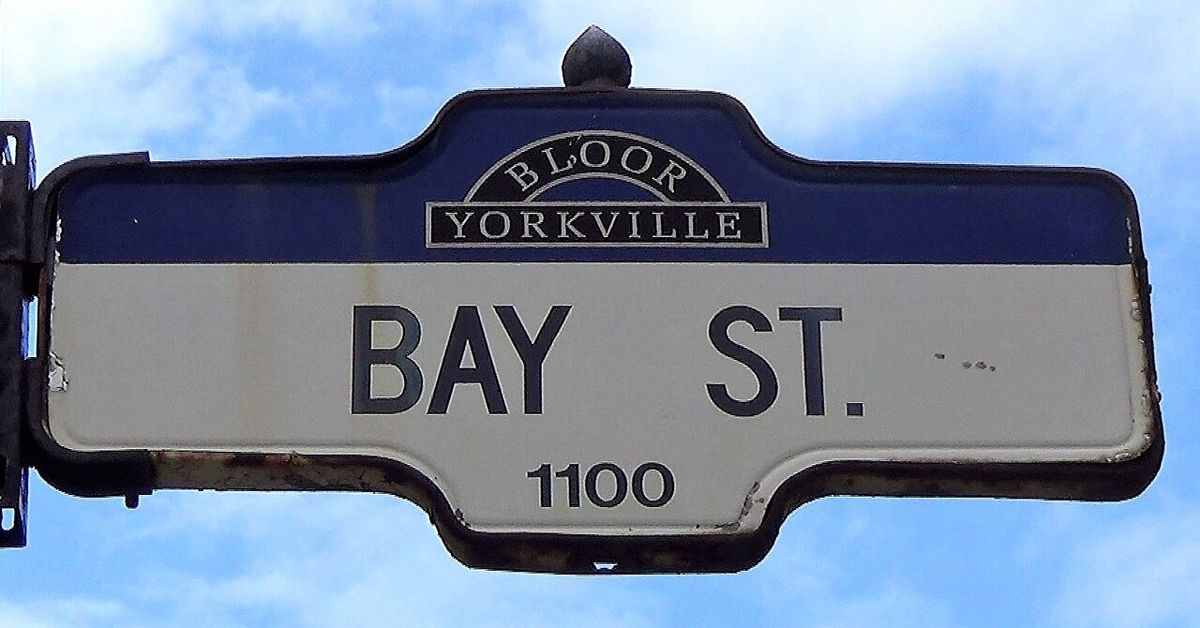
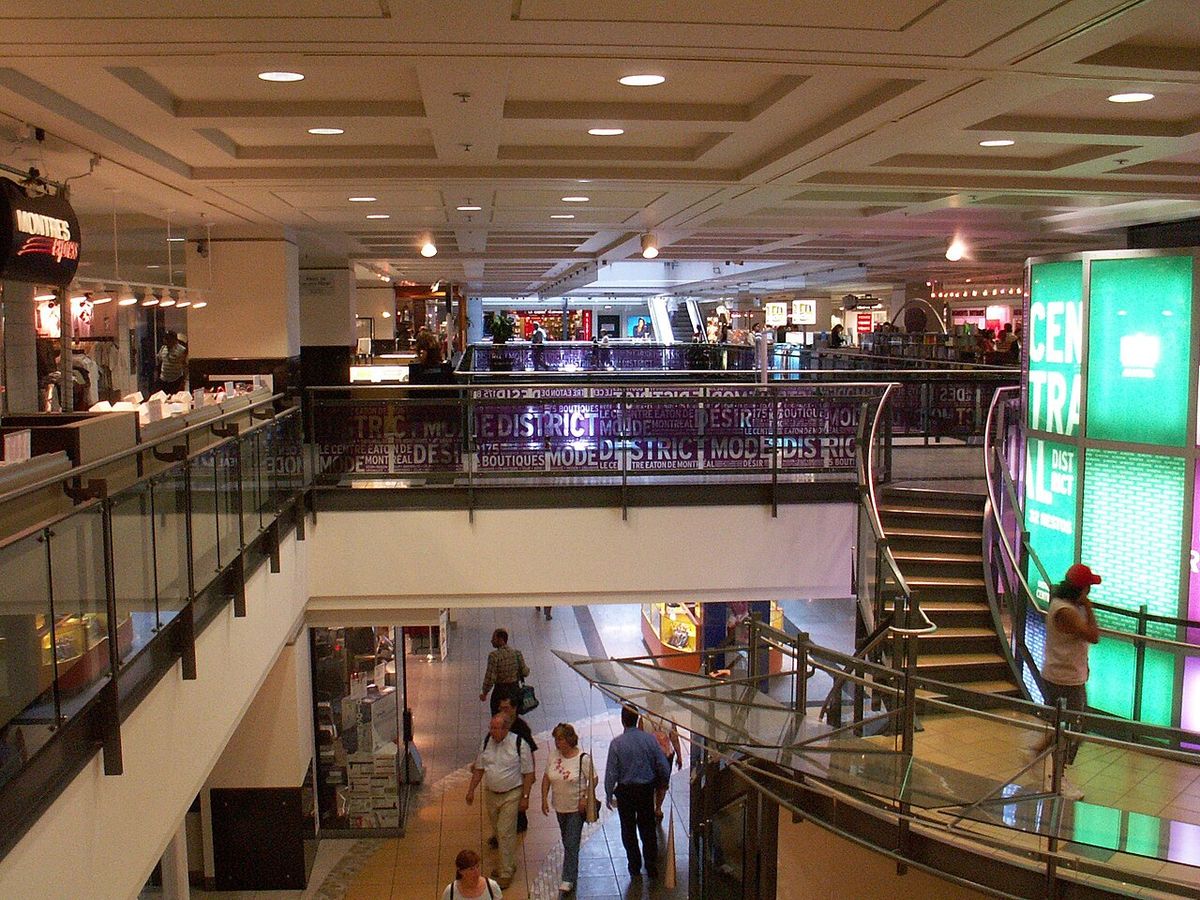
Yorkville is a historic neighbourhood and former village located in central Toronto, Ontario. It is bounded by Bloor Street to the south, Davenport Road to the north, Yonge Street to the east, and Avenue Road to the west, forming part of The Annex area. Founded in 1830 and annexed into Toronto in 1883, Yorkville is known for its transformation from a 19th-century residential suburb to Toronto's bohemian epicentre in the 1960s and, subsequently, into one of Canada's most exclusive shopping and luxury residential districts. The area today is a dense mix of high-end retail, fine dining, art galleries, corporate offices, and condominiums, anchored by the prestigious Mink Mile shopping strip on Bloor Street.
Founding and early development
The community of Yorkville was founded in 1830 by entrepreneur Joseph Bloor, namesake of Bloor Street, and William Botsford Jarvis, the Sheriff of the Home District. They purchased land north of the town of York and subdivided it into residential lots, marketing the area as a suburb with cleaner air. The political and social heart of the early village was the Red Lion Hotel, which served as a regular polling station. It was there in 1832 that a procession celebrated William Lyon Mackenzie's return to the Legislature. Growth was steady, and by 1849 an omnibus service connected Yorkville to Toronto. The population reached 1,000 in 1853, meeting the threshold for incorporation, and the Village of Yorkville was officially established that year.
Development accelerated through the mid-19th century. In the 1870s, the community closed the "Potter's Field" cemetery located east of Yonge Street along Concession Road, which later became Bloor Street. The remains were relocated to the Toronto Necropolis and Mount Pleasant Cemetery. By the 1880s, the cost of providing municipal services had outstripped the village's financial capacity. This led Yorkville to petition for annexation by the City of Toronto. The annexation was finalized on February 1, 1883, upon which the village was renamed St. Paul's Ward and the Yorkville Town Hall became St. Paul's Hall.
Twentieth-century evolution
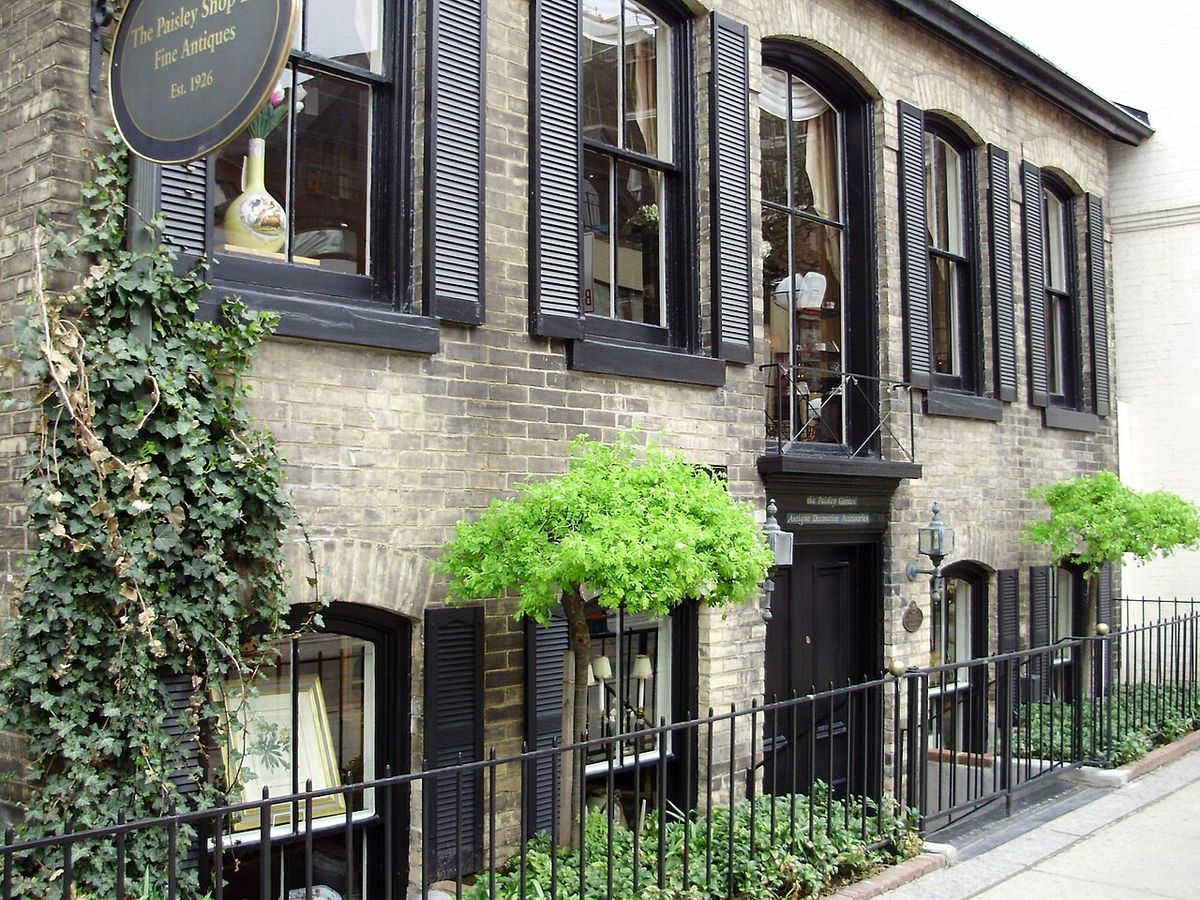
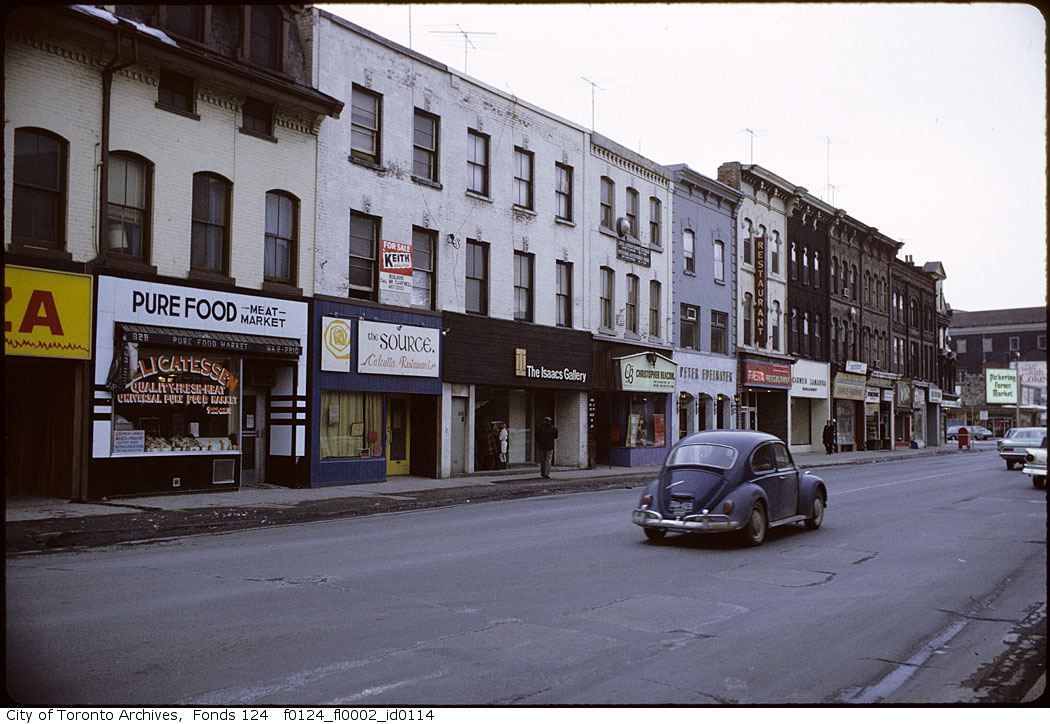
Following annexation, Yorkville retained its character as a residential area with Victorian-style homes and gardens well into the 20th century. A significant institutional addition came in 1923 with the opening of the Toronto Hebrew Maternity and Convalescent Hospital at 100 Yorkville Avenue. It was renamed Mount Sinai Hospital a year later, and the original building's facade still stands, later housing the retailer Chanel. The area's quiet residential nature underwent a dramatic shift in the 1960s. Yorkville emerged as Toronto's, and indeed Canada's, primary bohemian cultural centre and the heart of the domestic hippie movement. This era made Yorkville a breeding ground for noted Canadian musical and literary talent.
Musicians such as Joni Mitchell, Neil Young, and Gordon Lightfoot performed in its coffeehouses and clubs. Literary figures including Margaret Atwood, Gwendolyn MacEwen, and Dennis Lee were part of the scene. The counterculture energy was further amplified by the 1968 opening of Rochdale College, an experimental student residence and educational co-operative on Bloor Street affiliated with the University of Toronto. The period was documented in works like Joni Mitchell's song "Night in the City" and the National Film Board's 1968 documentary Christopher's Movie Matinée. Not all reactions were positive, with MPP Syl Apps famously condemning the area as "a festering sore in the middle of the city."
Modern transformation and built form
The completion of the Bloor-Danforth subway line in the 1960s triggered a major redevelopment of Yorkville. Increased land values and zoning changes permitting higher density led to the construction of office towers and major department stores along Bloor Street, such as The Bay and Holt Renfrew. Throughout the 1970s and subsequent decades, many of the smaller Victorian houses north of Bloor, particularly along Yorkville and Cumberland streets, were converted into high-end boutiques, art galleries, cafes, and restaurants. Others were demolished to make way for office buildings, luxury hotels, and, later, high-priced condominium towers. This transformation solidified Yorkville's status as one of Toronto's most affluent and fashionable districts.
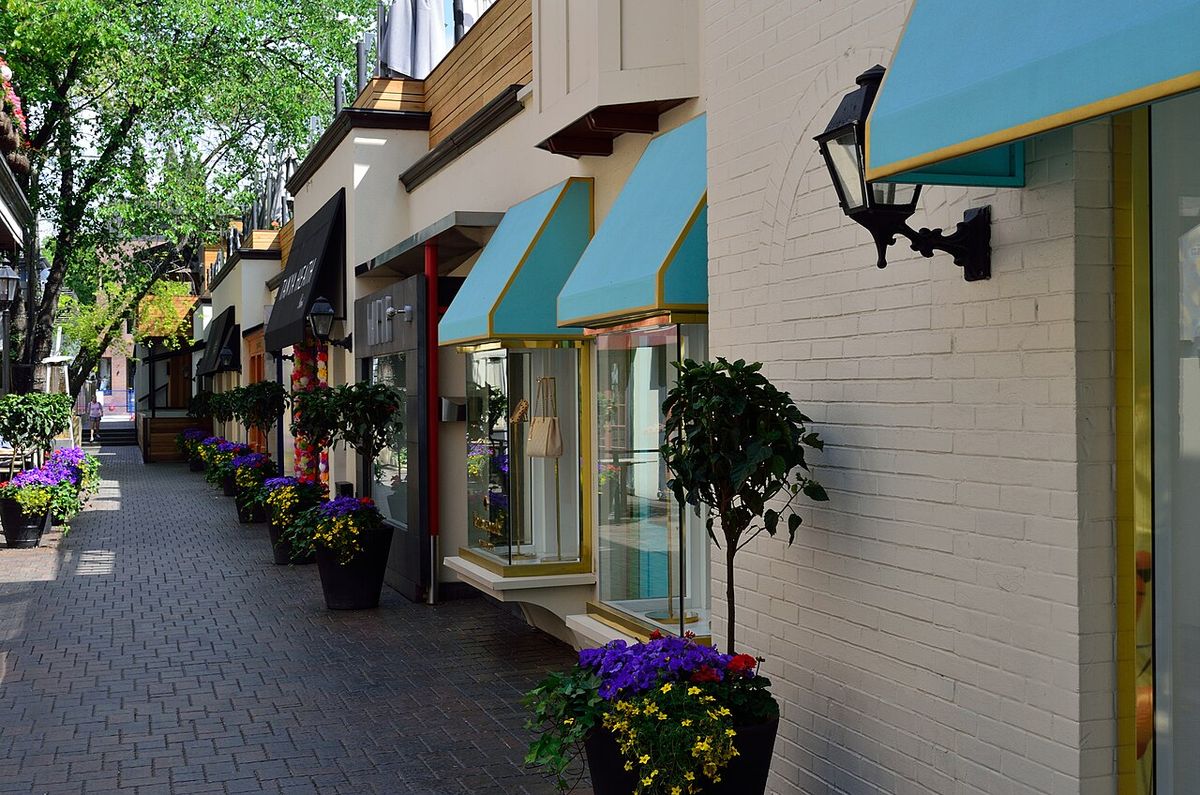
The retail core, known as the Mink Mile on Bloor Street, features international luxury brands in the lower floors of modern office buildings. The intersecting streets of Avenue Road and Bay Street north of Bloor are similarly developed with upscale retail. The character shifts on Yorkville and Cumberland streets, where lower-scale buildings host designer fashion, antique dealers, and fine dining establishments. Further north, the neighbourhood still contains pockets of 19th-century single-family detached and semi-detached homes, preserving a remnant of its original residential fabric.
Commerce and hospitality
Yorkville is a premier destination for luxury shopping, dining, and hospitality in Canada. The Mink Mile on Bloor Street is the country's most concentrated strip of high-end international retailers. The area also contains the Yorkville Village mall, a collection of boutiques and cafes. Yorkville's hospitality sector is equally distinguished, hosting several of Toronto's most renowned hotels. These establishments have cemented the area's reputation for luxury service and accommodation, including what was billed as Canada's first five-star hotel. The neighbourhood's restaurants range from casual cafes to award-winning fine dining establishments, catering to a wealthy local and international clientele.
- The Four Seasons Hotel Toronto, a long-standing landmark of luxury.
- The Park Hyatt Toronto, located at the corner of Avenue Road and Bloor Street.
- The Hazelton Hotel, known for its exclusive service and fine dining.
- The historic Windsor Arms Hotel, a boutique hotel with a celebrated tea room.
- The Residence on Bay, offering extended-stay suites.
- The Yorkville Royal Sonesta Hotel.
- The W Toronto, a modern luxury hotel.
Parks and public spaces
Despite its dense urban form, Yorkville features several distinctive parks and public squares that provide green space and commemorate local history. The most prominent is the Village of Yorkville Park, a unique series of interconnected gardens stretching along a block of Cumberland Street. The park's design incorporates diverse landscape features, including Scots pines growing from circular benches, metal archways among crabapple trees, a wetland area, a waterfall, and a massive 650-tonne granite rock sourced from the Canadian Shield. Frank Stollery Parkette is a small, wedge-shaped park named for a local businessman and politician, which commemorates the history of Davenport Road, one of Toronto's oldest thoroughfares.
Jesse Ketchum Park is a traditional greenspace with a playground, located next to Jesse Ketchum Public School and named for the 19th-century Canadian politician and philanthropist. Town Hall Square is an urban oasis on the site of the former Yorkville Town Hall. It features paths, benches, and seating areas sheltered by hedges, trees, and oversized planters, and it directly abuts the Yorkville branch of the Toronto Public Library. These spaces offer residents, workers, and visitors a respite from the active commercial streets.
Cultural legacy and influence
Yorkville's legacy is deeply rooted in its mid-20th century role as a cultural incubator. The coffeehouse and folk music scene of the 1960s provided a crucial platform for artists who would go on to define Canadian music and literature on the world stage. The area's association with the hippie counterculture made it a focal point for youth movement and alternative lifestyles in Canada. This creative environment influenced a wide range of figures beyond the famous musicians and writers, including cyberpunk author William Gibson, who was shaped by his time in Toronto during that era. The documentary Christopher's Movie Matinée provides a direct cinematic record of the Yorkville hippie scene in 1968.
The physical transformation of Yorkville from a countercultural hub to a luxury district is a well-documented case study in urban gentrification and shifting urban economies. The construction of the Bloor subway line was the key infrastructure project that enabled this change, increasing density and property values. Today, while the bohemian venues are gone, the neighbourhood's cultural significance is remembered through historical plaques, its influence on Canadian art, and the enduring fame of the artists it fostered. The area remains a cultural destination, though now centred on high art galleries, designer fashion, and luxury consumption rather than the folk and protest culture of its past.
Questions about Yorkville, Toronto
What is Yorkville famous for?
Yorkville is famous for its evolution through three distinct phases. It was originally a 19th-century residential suburb. In the 1960s, it gained national fame as Toronto's bohemian and hippie epicentre, launching the careers of musicians like Joni Mitchell and Neil Young. Today, it is known as one of Canada's most exclusive luxury shopping and dining districts, home to the high-end Mink Mile on Bloor Street and numerous five-star hotels.
When was Yorkville founded and by whom?
Yorkville was founded in 1830 by the entrepreneur Joseph Bloor and William Botsford Jarvis. Joseph Bloor, after whom Bloor Street is named, operated a brewery. William Botsford Jarvis was the Sheriff of the Home District. They purchased land in the Yorkville area and subdivided it into smaller lots for those interested in living outside the town of York.
Is Yorkville a good area for shopping?
Yes, Yorkville is a premier area for shopping. The Mink Mile shopping district on Bloor Street is located there. Along Bloor Street, office towers and department stores are present. North of Bloor, along Yorkville and Cumberland streets, there is high-end retail including art galleries, fashion boutiques, antique stores, bars, cafes, and eateries.
What are some notable parks in Yorkville?
Yorkville features several notable parks. The Village of Yorkville Park is a unique linear park with gardens, a massive granite rock, and a waterfall. Frank Stollery Parkette commemorates the history of Davenport Road. Jesse Ketchum Park is a greenspace with a playground, and Town Hall Square is an urban oasis on the site of the old Yorkville Town Hall, located next to the public library branch.
What happened to Yorkville in the 1960s?
In the 1960s, Yorkville flourished as Toronto's bohemian cultural centre. It was the breeding ground for noted Canadian musical talents like Joni Mitchell, Neil Young, and Gordon Lightfoot. It was also known as the Canadian centre of the hippie movement. In 1968, the nearby Rochdale College at the University of Toronto was opened as an experiment in counterculture education.
When was Yorkville annexed by Toronto?
Yorkville was annexed by Toronto on February 1, 1883. The annexation occurred because the cost of delivering services was beyond the Village's ability. Upon annexation, its name changed officially from the Village of Yorkville to St. Paul's Ward. The former Yorkville Town Hall became St. Paul's Hall.
Sources and further reading
- Yorkville, Toronto (Wikipedia)
- Neighbourhood: Bloor-Yorkville (destinationtoronto.com)
- Yorkville, A Neighbourhood Guide by SHANE (soldbyshane.com)
- Yorkville, Toronto Neighbourhood guide (neighbourhoodguide.com)
- Living in Yorkville: A Neighbourhood Guide (torontorealtyboutique.com)
Checked by the Your Space Hamilton desk. Last updated 2026-10-21.