The Hospital for Sick Children
The Hospital for Sick Children, widely known as SickKids, is a major pediatric teaching hospital and research centre located on University Avenue in Toronto, Ontario. Founded in 1875 by Elizabeth McMaster, it has grown from an eleven-bed rented house into a world-renowned institution, consistently ranked among the top pediatric hospitals globally. SickKids is fully affiliated with the University of Toronto and is a member of the Toronto Academic Health Science Network, providing advanced clinical care, conducting groundbreaking research, and training the next generation of pediatric specialists. The hospital has made seminal contributions to medicine, including the invention of Pablum infant cereal, the discovery of the cystic fibrosis gene, and pioneering work in pediatric intensive care and complex surgeries.
Historical Foundations and Growth
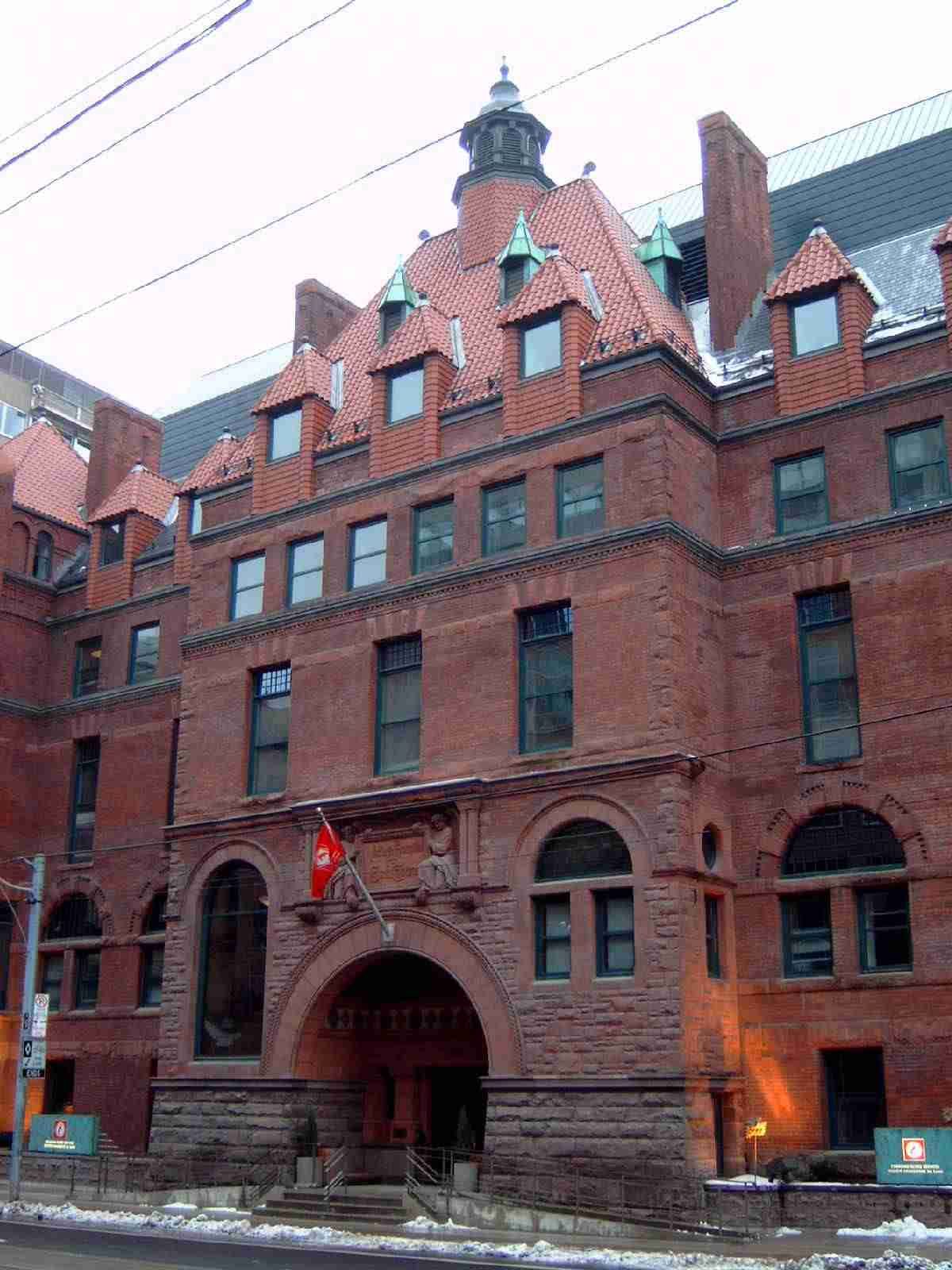
The Hospital for Sick Children opened its doors on March 1, 1875, in a rented eleven-room house secured for $320 a year by a women's bible study group led by Elizabeth McMaster. The facility began with six iron cots, admitting its first patient, a scalding victim named Maggie, on April 3 of that year. In its inaugural year, the hospital admitted 44 inpatients and treated 67 others as outpatients, establishing its foundational commitment to care for all sick children. The institution moved to larger rented facilities in 1876 before settling into a purpose-built building at the corner of College and Elizabeth Streets in 1891, where it operated for the next six decades as the Victoria Hospital for Sick Children. That historic building now serves as the Toronto area headquarters for Canadian Blood Services. The hospital's move to its current University Avenue campus occurred in 1951, into a nine-storey tower with 572 beds, located on grounds that once held the childhood home of movie star Mary Pickford. A rooftop helipad, designated CNW8, was added in 1972 to facilitate critical medical transport. The hospital's early dental care was provided by John Gennings Curtis Adams, who became its first dentist of record in 1883.
Pioneering Medical and Research Contributions
SickKids has been a leader in pediatric medicine and nutrition since its early days, establishing Toronto's first milk pasteurization facility at the hospital in 1908, three decades before it became mandatory. In 1930, hospital researchers Frederick Tisdall, Alan Brown, and Theodore Drake invented Pablum, a fortified infant cereal that significantly improved child nutrition worldwide. The hospital was also an early site for the application of insulin therapy following its discovery at the nearby University of Toronto, with Dr. Gladys Boyd pioneering its use in pediatric patients. Dr. Frederick Banting, a co-discoverer of insulin, had previously served an internship at SickKids and later worked there as an attending physician. The hospital's surgical innovations include the Mustard procedure for congenital heart defects, developed by Dr. William Thornton Mustard in 1963 to correct problems in blue baby syndrome. A landmark genetic discovery occurred in 1989 when a SickKids research team led by Lap-Chee Tsui identified the gene responsible for cystic fibrosis. The hospital has been the site of several Canadian firsts in surgery, including the separation of conjoined twins, bone marrow transplantation, multi-organ transplantation, and in-utero cardiac surgery. Its research prowess is housed in the Peter Gilgan Centre for Research and Learning on Bay Street, which, at 69,677.28 square metres, is the world's largest pediatric research centre by area. The hospital is also a member of the Biotechnology Innovation Organization, the world's largest biotechnology industry advocacy group.
Modern Operations and Technological Advancements
As of the mid-2020s, SickKids continues to be a leader in pediatric healthcare, integrating advanced technologies into its clinical and research missions. The hospital has initiated several projects using artificial intelligence, including the Precision Child Health program and the SickKids AI platform known as SKAI. One project produced a video narrated by Dr. Danielle Martin for the education and childcare sector, while a second project received a $440,000 grant from the Public Health Agency of Canada's Immunization Partnership Fund. The hospital's clinical operations are supported by a major administrative hub, the 22-storey Patient Support Centre on Elizabeth Street, which opened in September 2023 after construction began in October 2019 and the structure was topped out in September 2022. The hospital's future direction is guided by Project Horizon, a comprehensive redevelopment plan funded by a $1.5 billion fundraising campaign called SickKids VS Limits that ran from 2017 to 2022. This campaign funds the new patient care tower, the support centre, atrium renovations, and pediatric health research.
Governance, Leadership, and Notable Personnel
The hospital's governance involves a Board of Trustees and a Board of Directors. Notable Canadian figures from politics, business, and philanthropy have served on these boards. The medical and research staff at SickKids comprise many leaders in their fields. These individuals have driven the institution's reputation for excellence in pediatric care and research. The following list highlights a selection of notable staff members who have held significant positions at the hospital.
- Benjamin Alman: Professor and head of the division of orthopedic surgery, and a senior scientist in developmental and stem cell biology.
- Frederick Banting (1891 to 1941): Resident surgeon and later attending physician. Co-discoverer of insulin.
- Gladys Boyd (1894 to 1969): Pediatrician and head of endocrine services. Early adopter of insulin therapy.
- Mary Jo Haddad: Served as president and CEO for ten years.
- Kellie Leitch (born 1970): Orthopaedic pediatric surgeon.
- James Rutka (born 1956): Pediatric neurosurgeon who subspecializes in that field.
- Robert B. Salter (1924 to 2010): Renowned surgeon known for innovations in orthopedic surgery.
- Lap-Chee Tsui (born 1950): Geneticist who led the team that discovered the cystic fibrosis gene.
- Norma Ford Walker (1893 to 1968): First director of the hospital's Department of Genetics.
- Louis Siminovitch (1920 to 2021): Helped establish the department of genetics and became geneticist-in-chief.
Administrative and board leadership has included individuals such as former Member of Parliament Jean Augustine. Business leaders Prem Watsa and Michael McCain have also served on the Board of Trustees. Former Ontario cabinet minister Caroline Mulroney has been a board member. Other key figures have included former radio producer Jim Coutts as a board member. Banker Sabi Marwah has served on the board. Former Senator and social worker Aideen Nicholson was also associated with the hospital. This blend of governance expertise has been instrumental in guiding the hospital's strategic direction.
Controversies and Institutional Challenges
The hospital's history includes several difficult chapters that have prompted scrutiny and reform. Between 1980 and 1981, a series of up to 29 infant deaths led to suspicions of murder by a nurse using the heart medication digoxin, though subsequent inquiries left it unclear if any crimes occurred. Nurse Susan Nelles was charged but later acquitted, and some experts, like retired specialist Dr. Desmond Bohn, have suggested toxicological tests may have been misinterpreted, drawing parallels to the British Lucy Letby case in 2024. Another significant controversy involved the Motherisk Drug Testing Laboratory, housed at SickKids from 2005 to 2015. A review by Justice Susan Lang found the laboratory was not qualified for the forensic testing of 16,000 hair samples used in child protection cases, and criticized the hospital for a lack of meaningful oversight. Lang stated this failure must be considered in the context of the hospital's prior experience with forensic pathologist Dr. Charles Smith, whose erroneous testimony led to wrongful convictions, as detailed in the 2008 Goudge Report which also found Smith unqualified. In December 2022, the hospital faced a cybersecurity crisis when it was attacked by the LockBit ransomware gang, though the group apologized 13 days later and provided a free decryptor.

Future Development: Project Horizon
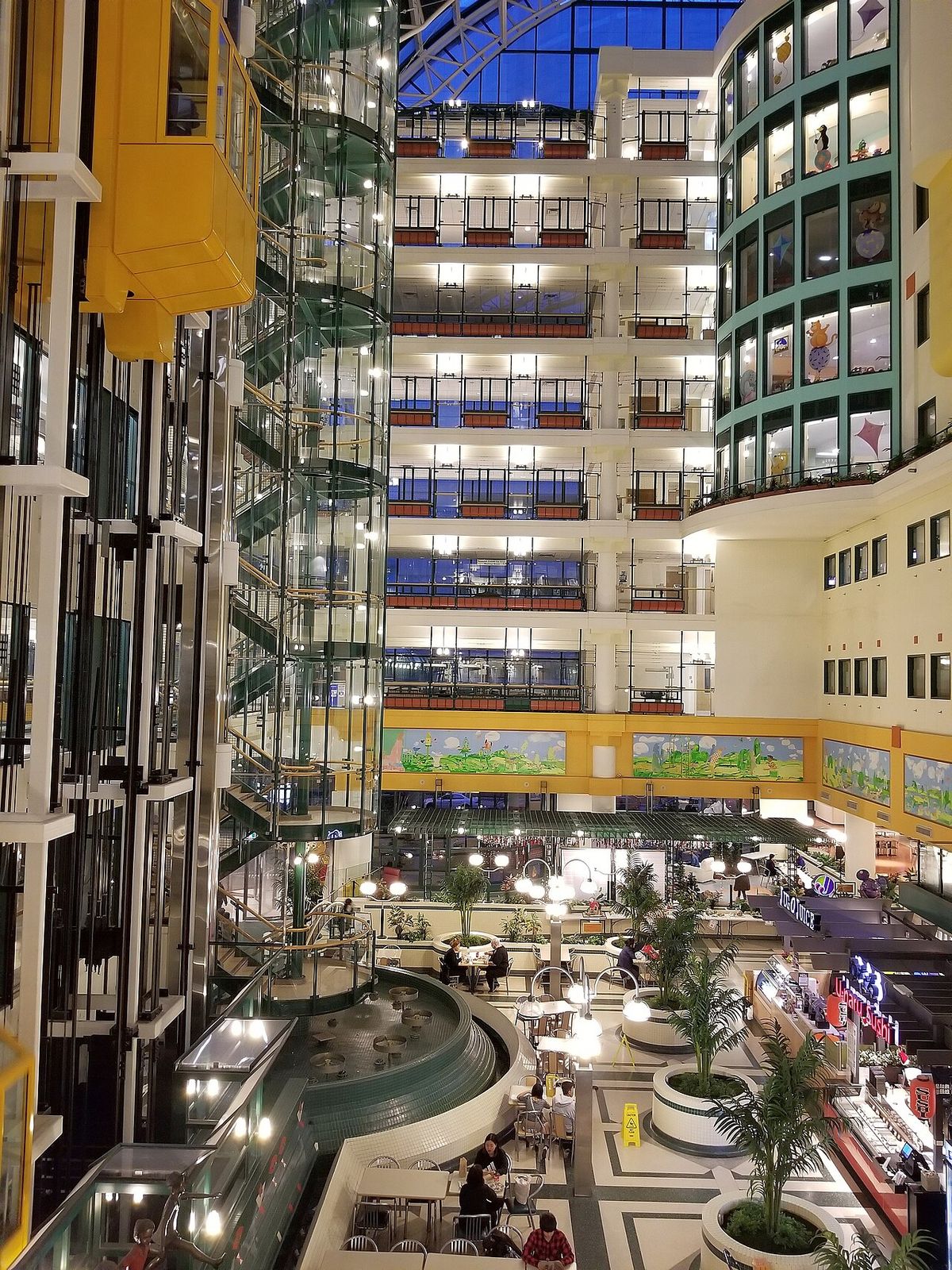
SickKids is undergoing its largest physical transformation in decades through Project Horizon, a multi-phase redevelopment of its downtown campus. The project, funded by the record-breaking $1.5 billion SickKids VS Limits campaign that ran from 2017 to 2022, aims to modernize facilities to meet future healthcare demands. Key components include the construction of the new Peter Gilgan Family Patient Care Tower on University Avenue for outpatient services, slated to open in 2029, and the renovation of the hospital's main atrium, expected to be completed by 2031. To make way for these new structures, several existing buildings were demolished, including the Elizabeth McMaster Building at Elizabeth and Elm Streets, a laboratory and administrative building, and a skyway spanning Elizabeth Street. The first major element completed was the 22-storey Patient Support Centre, built on the site of the demolished Elizabeth McMaster Building, which opened in September 2023 to house corporate and administrative services. This comprehensive redevelopment is designed to integrate advanced technology and flexible care models to support the hospital's mission for decades to come.
Clinical Activity and Patient Demographics
SickKids serves a vast and diverse patient population, handling a high volume of complex cases from across Ontario, Canada, and internationally. The hospital's broad scope of specialized services is reflected in the wide range of notable individuals who have been patients throughout its history. Their stories illustrate the institution's role in treating everything from common childhood illnesses to rare, life-altering conditions. The following table presents a selection of these notable patients and the reasons for their care at SickKids.
| Patient | Notability | Reason for Treatment |
|---|---|---|
| Peter Czerwinski (Furious Pete) | Competitive eater | Treated for anorexia as a teenager |
| Mel Hague (1943 to 2023) | Author and country singer | Admitted at age 9 for infantile paralysis (cerebral palsy) |
| Morgan Holmes | Sociologist | Underwent a clitorectomy at age 7 |
| Aqsa Parvez (1991 to 2007) | Murder victim | Died at the hospital in 2007 |
| Molly Burke (born 1994) | YouTuber and motivational speaker | Diagnosed with retinitis pigmentosa at age 4 |
| Peter Woodcock (1939 to 2010) | Serial killer | Received extensive psychiatric treatment throughout childhood |
| Peter G. Kavanagh (1953 to 2016) | Radio and television producer | Treated for paralytic poliomyelitis in infancy and childhood |
This cross-section of patients demonstrates the hospital's long-standing commitment to addressing the full spectrum of pediatric health challenges. These challenges include physical ailments, chronic diseases, mental health conditions, and rare genetic disorders. The hospital's capacity to treat such a variety of serious conditions is supported by its large bed count. It opened North America's first pediatric intensive care unit in 1968. Its deep integration with research programs translates discoveries into clinical care.
Research Institutes and Scientific Divisions
The research enterprise at SickKids is organized into several major institutes and divisions that focus on specific areas of pediatric health science. The hospital's research is primarily based in the fields of genetics and oncology, but its scope extends across many disciplines. The Department of Genetics, established with the help of Louis Siminovitch, has been a site of major discovery, including the cystic fibrosis gene finding. The Division of Biochemistry Research was led for many years by figures like Bibudhendra Sarkar from 1990 to 2002 and Harry Schachter. The hospital also hosts the Division of Orthopedic Surgery, led by Benjamin Alman, and the Division of Child Psychiatry, once headed by Susan Bradley. Key research programs and their leaders have included Monica Justice as program head of genetics and genome biology, Freda Miller as a developmental neurobiologist, and Rulan S. Parekh as a former senior scientist in child health evaluative sciences and associate chief of clinical research. This concentration of expertise allows for collaborative work that spans from basic cell biology, as practiced by scientists like Pleasantine Mill and Julie Forman-Kay, to clinical trials and health outcomes research conducted by individuals such as Anna Goldenberg, a senior scientist in computational health.
Architectural and Campus Evolution
The physical campus of SickKids has evolved significantly from its humble beginnings to a complex of modern towers supporting healthcare, research, and administration. The original 1891 Victoria Hospital for Sick Children building at College and Elizabeth Streets was a purpose-built facility that served for 60 years before the move to University Avenue. The 1951 move to a nine-storey tower represented a major modernization, providing 572 beds in a central location. Subsequent additions included the rooftop helipad in 1972 and various research buildings over the decades. The most recent transformation is driven by Project Horizon, which involves demolishing older structures like the Elizabeth McMaster Building to make way for new construction. The new 22-storey Patient Support Centre, opened in 2023, consolidates administrative functions that were previously scattered. The forthcoming Peter Gilgan Family Patient Care Tower will add significant outpatient capacity when it opens in 2029. The planned renovation of the hospital's atrium, to be completed by 2031, aims to improve public and family spaces within the existing complex. This architectural evolution reflects the hospital's ongoing adaptation to the changing needs of pediatric medicine, technology, and patient-centred care.
Questions about The Hospital for Sick Children
When was The Hospital for Sick Children founded and by whom?
The Hospital for Sick Children was founded on March 1, 1875, by Elizabeth McMaster. She led a Toronto women's bible study group that rented an eleven-room house for $320 a year to establish the hospital, which began with just six iron cots. The first patient was admitted on April 3, 1875. In its first year, it cared for 44 inpatients and 67 outpatients.
What are some of the major medical innovations from SickKids?
SickKids has been responsible for several major medical innovations. In 1930, researchers invented Pablum, a fortified infant cereal. The hospital opened North America's first pediatric intensive care unit in 1968. In 1989, a team at SickKids discovered the gene responsible for cystic fibrosis. The hospital has also been a site for numerous Canadian firsts in surgery, including complex separations of conjoined twins and pioneering multi-organ transplants.
Where is SickKids located and what are its main buildings?
SickKids is located on University Avenue in downtown Toronto, Ontario. Its main clinical tower has been on this site since 1951. The campus also includes the 22-storey Patient Support Centre on Elizabeth Street, which opened in 2023, and the Peter Gilgan Centre for Research and Learning on Bay Street, which is the world's largest pediatric research centre by floor area. The hospital is fully affiliated with the neighbouring University of Toronto.
What is Project Horizon at SickKids?
Project Horizon is the hospital's major campus redevelopment and expansion plan. Funded by a $1.5 billion fundraising campaign, it involves constructing a new patient care tower for outpatient services, set to open in 2029, and renovating the hospital's main atrium by 2031. The project also included building the new Patient Support Centre, which opened in 2023. The goal is to modernize facilities to support advanced, family-centred care.
Has SickKids been involved in any controversies?
Yes, SickKids has been involved in controversies. From 1980 to 1981, the hospital was the site of a series of baby deaths suspected to be murders, though it remains unclear if any murders actually took place. The hospital housed the Motherisk Drug Testing Laboratory, which was determined not to be qualified to do forensic testing. In December 2022, the hospital was attacked by the LockBit ransomware gang.
How does SickKids rank among pediatric hospitals worldwide?
The Hospital for Sick Children has been ranked as the top pediatric hospital in the world by Newsweek for 2021 and 2026. It has consistently ranked among the top three in other international rankings. This global recognition reflects its long history of medical leadership and innovation. Founded in 1875, the hospital is a major pediatric teaching centre fully affiliated with the University of Toronto. Its reputation is bolstered by significant contributions such as discovering the cystic fibrosis gene and pioneering North America's first pediatric intensive care unit. The hospital continues to advance through projects like Precision Child Health and SickKids AI, maintaining its position at the forefront of pediatric care.
Sources and further reading
- The Hospital for Sick Children (Wikipedia)
- About SickKids (sickkids.ca)
- The Hospital for Sick Children, Community Services Directory (peelfamilyconnect.cioc.ca)
- Hospital for Sick Children, Wightman-Berris Academy (wbacademy.utoronto.ca)
Checked by the Your Space Hamilton desk. Last updated 2026-10-20.