Mississauga City Centre
Mississauga City Centre is the planned downtown core of Mississauga, Ontario, a major suburban municipality west of Toronto. It is a modern, high-density urban district centred around Square One Shopping Centre, the second-largest mall in Canada, and characterized by a rapidly evolving skyline of residential and office towers. The area serves as the city's primary financial, commercial, and civic hub, home to key institutions like City Hall and the Hazel McCallion Central Library. Its development, catalyzed by the opening of Square One in 1973, represents a deliberate transformation from agricultural land into a significant urban centre within the Greater Toronto Area.
Design and Urban Form
Mississauga City Centre is a distinctly modern and fully planned greenfield development, unlike traditional downtowns that evolved over centuries. Its boundaries are sharply defined, with no transitional inner-city zone between the dense core and the surrounding suburban neighbourhoods. The area was predominantly agricultural until the early 1970s, with its origins traceable to the rural hamlet of Payne's Corners at the intersection of Hurontario Street and Burnhamthorpe Road. A key early design feature was an octagonal ring road encircling Square One, though subsequent development integrated parts of it into City Centre Drive and Duke of York Boulevard.
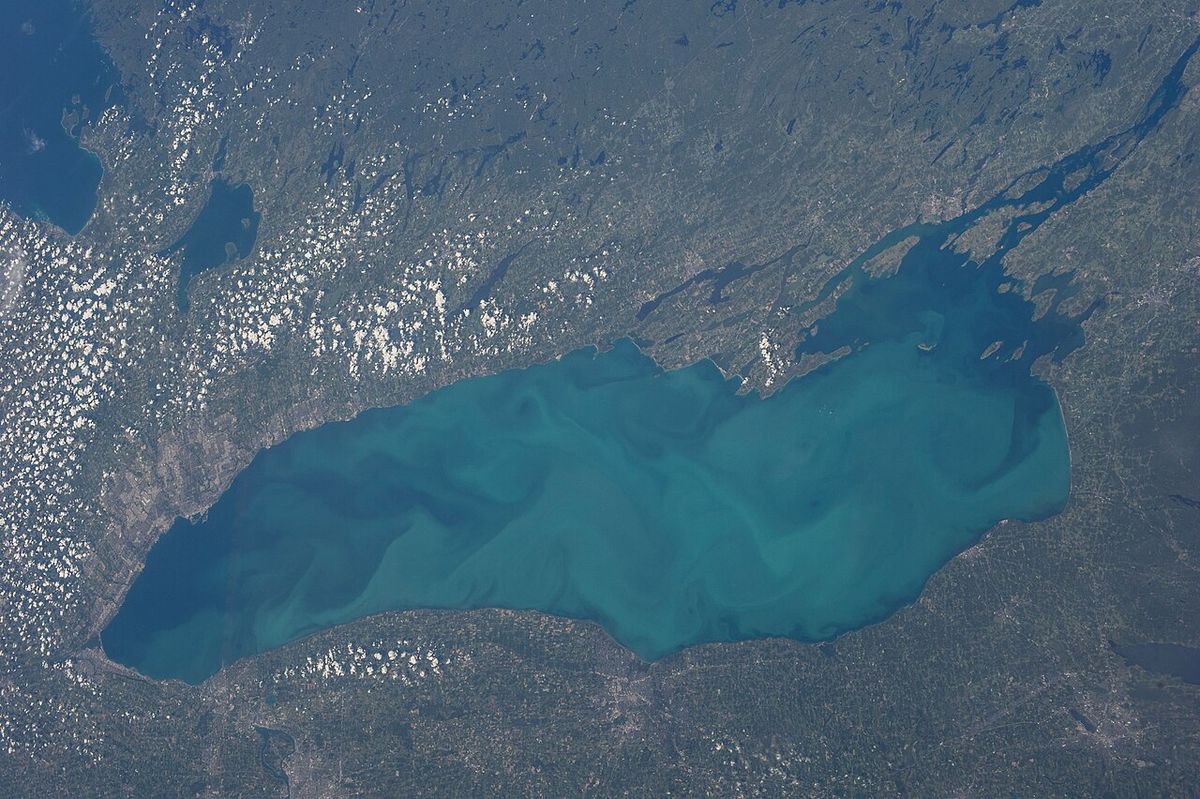
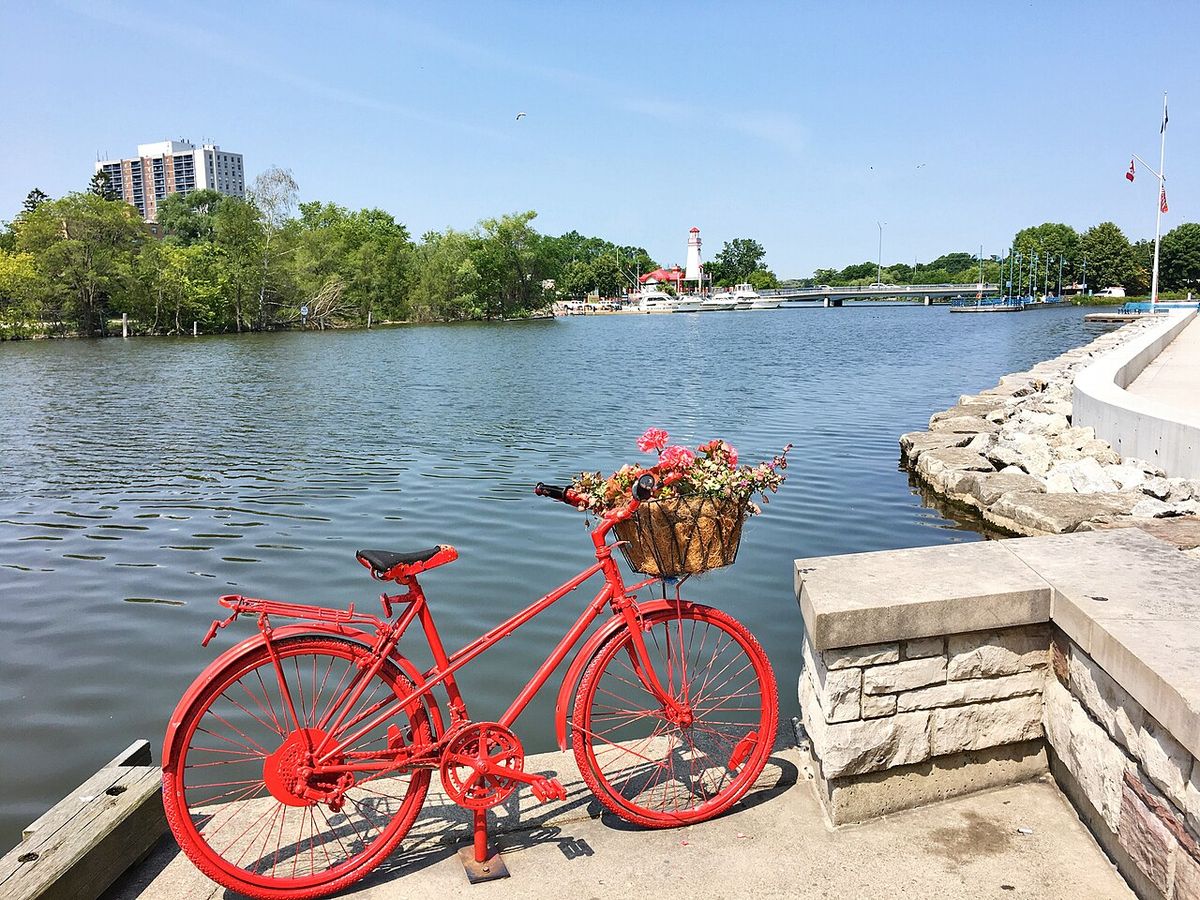
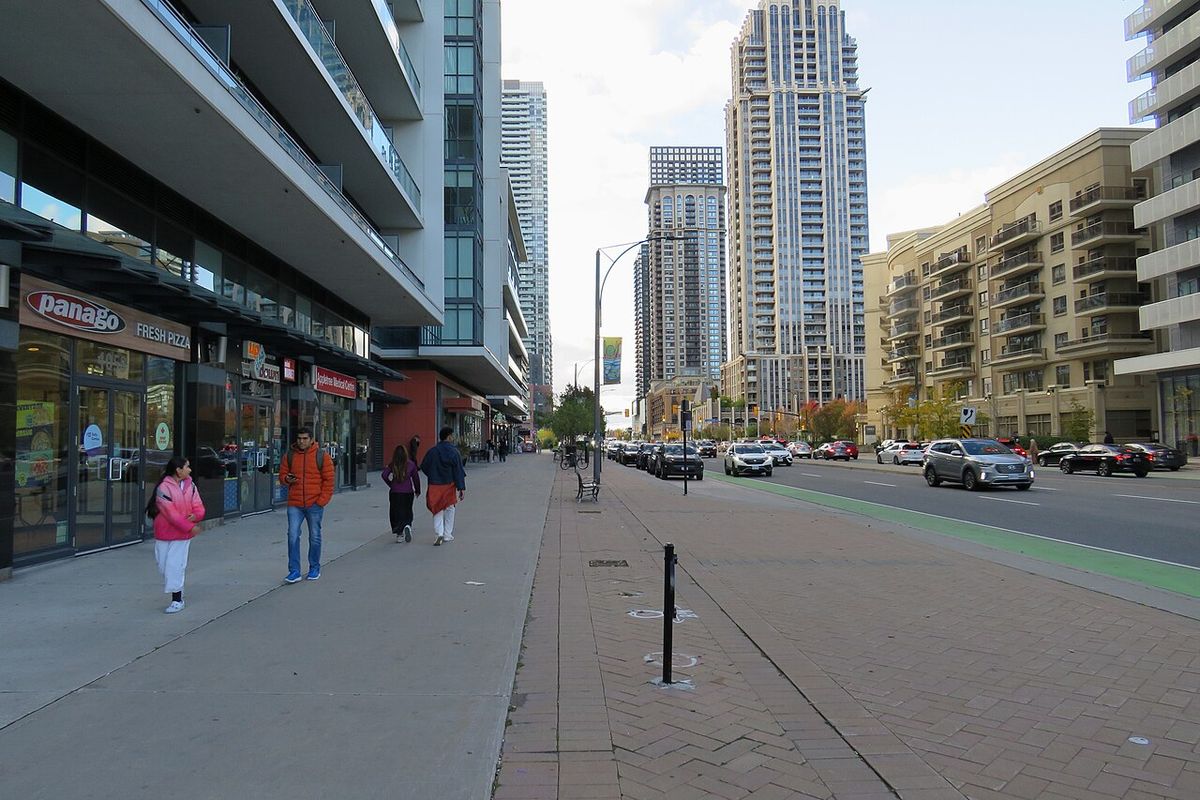
Notably, despite Mississauga's location on Lake Ontario, the city centre is situated well inland, approximately six kilometres north of the waterfront. The city's urban waterfront character is instead found in the historic community of Port Credit. The core's layout is organized around a grid of major arterial roads, with the newer, most densely populated urban corridor developing west of City Hall along Confederation Parkway. This sector, the last to develop, now features a streetscape with ground-level cafés, restaurants, and services, creating a more typical downtown atmosphere. The planning shift towards new urbanism principles has guided recent high-density developments, moving away from the isolated pod-style projects of the past.
Historical Development
The transformation of Mississauga City Centre began with the vision of developer Bruce McLaughlin in the 1950s, who purchased farmland in the then-rural Toronto Township anticipating future urban growth. A crucial moment occurred in 1969 when McLaughlin proposed building Square One Shopping Centre, and a fire that damaged the Town of Mississauga's municipal offices in Cooksville prompted the relocation of civic functions to the new core. Square One opened in 1973, providing the essential catalyst for surrounding development. Although early political leaders like Mayor Martin Dobkin and future mayor Hazel McCallion initially favoured intensifying the historic Cooksville community, the mall's popularity and the new civic centre location attracted major developers.
Key early projects included the Mississauga Executive Centre office complex in 1976, built by developers like Ignat Kaneff and Harold Shipp. Shipp also collaborated to open a Novotel hotel in 1986, which remains the only hotel within the city centre. When McLaughlin's corporation faced financial difficulties in the late 1970s, Mayor Hazel McCallion championed the construction of a new city hall, which broke ground in 1984 and opened in July 1987 with the Duke and Duchess of York in attendance. This period established the core's foundation, with subsequent growth accelerating in the 2010s with projects like the Chicago and One Park Tower condominiums, which spurred the newer urban centre west of City Hall.
Architecture and Major Buildings
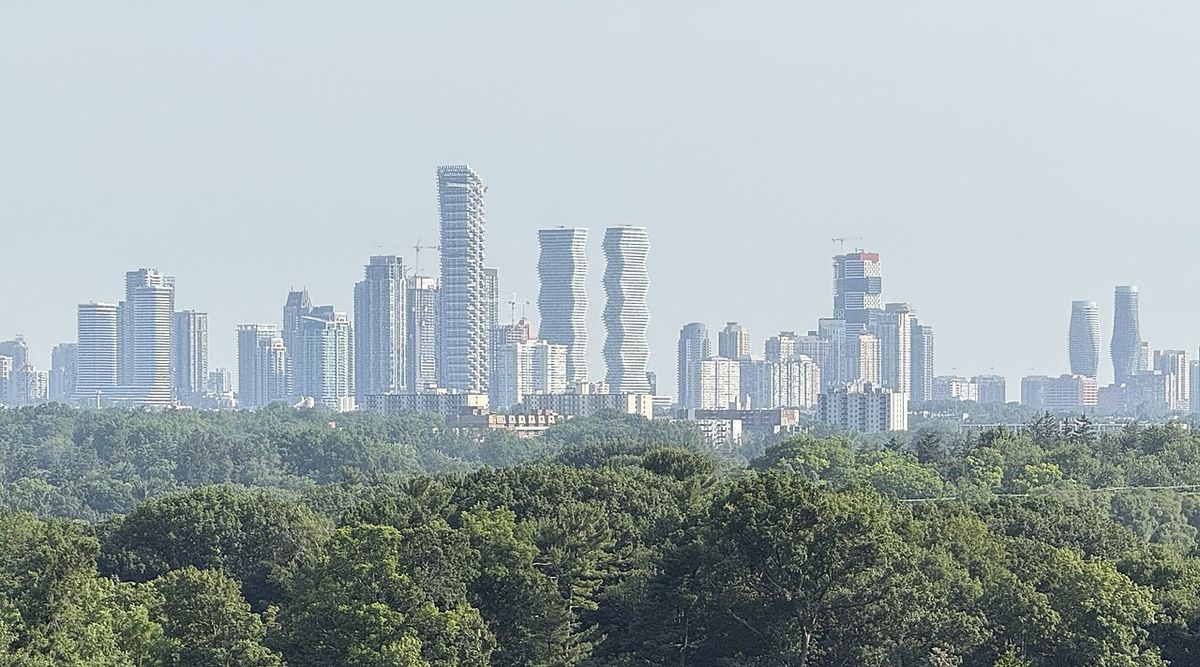
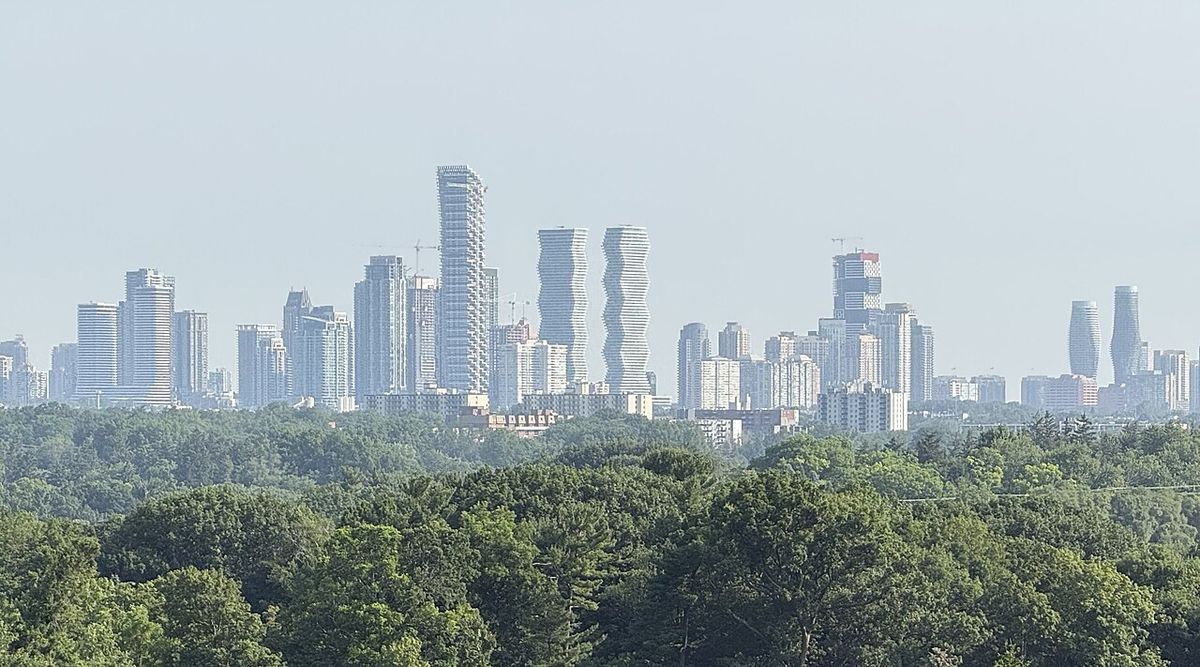
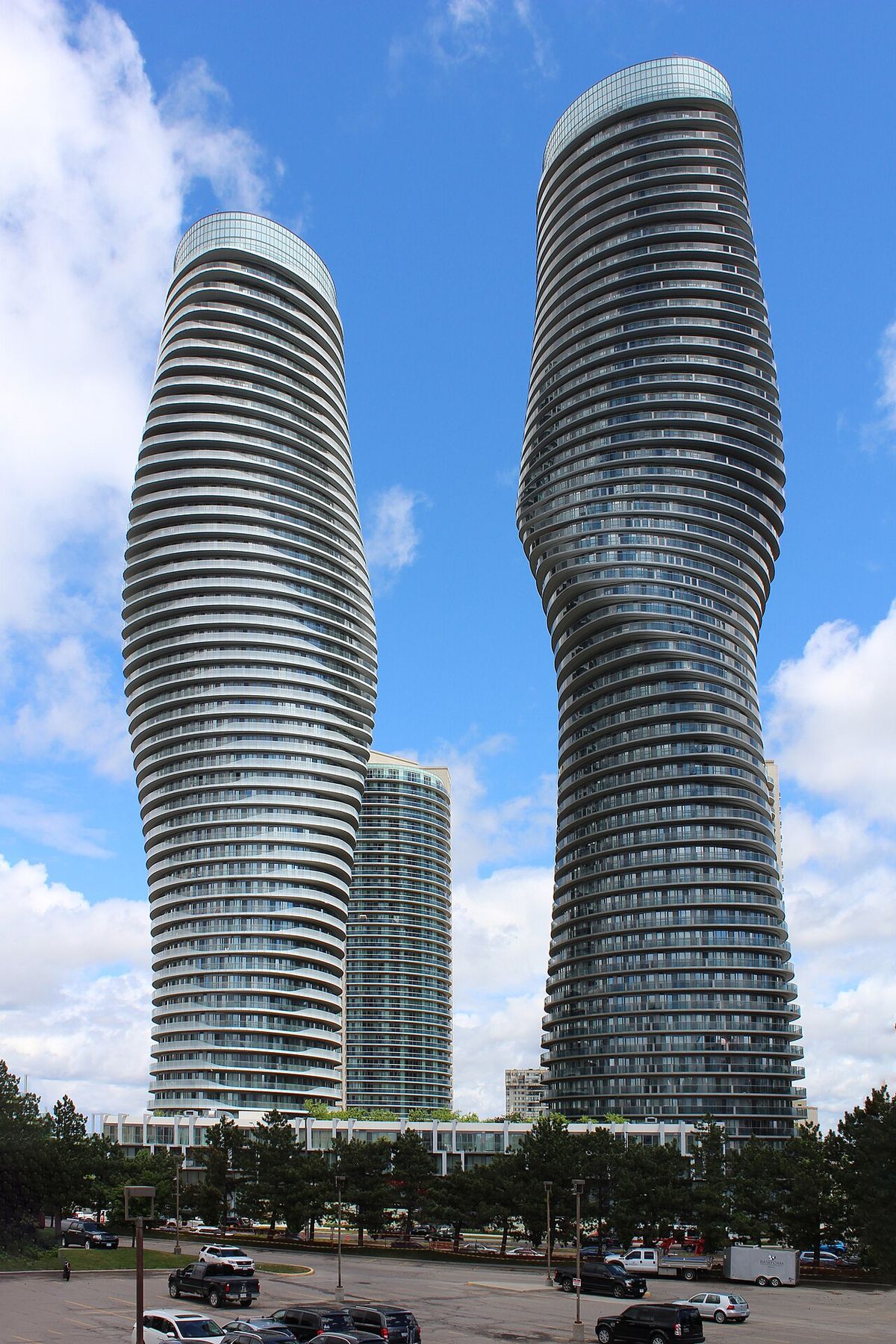
Mississauga City Centre has the largest concentration of high-rise buildings in Ontario outside of downtown Toronto, with a skyline continually reshaped by new construction. One of the earliest and most prominent civic buildings is Mississauga City Hall, opened in 1987. The residential Absolute World complex, at the northeast corner of Burnhamthorpe Road and Hurontario Street, is known for its twin curving towers, nicknamed 'the Marilyn Monroe', which stand 50 and 56 storeys tall. As of 2024, the tallest completed structures are the twin M1 and M2 towers of the M City development, each just under 200 metres. Other significant residential towers include Avia at Parkside Village, Square One District, The Exchange District, One Park Tower, and the Chicago tower. The city centre's architectural evolution reflects a shift from isolated towers to integrated, mixed-use districts. The financial district, centred along Hurontario Street and Robert Speck Parkway, includes landmarks like the Mississauga Executive Centre and One City Centre Drive. The newer urban corridor along Confederation Parkway features the most densely populated area in the core, with buildings designed to activate the street level with retail and services, creating a more walkable and active urban environment.
Major Development Projects
Several mega-projects are redefining the scale and density of Mississauga City Centre. The landmark M City development, located on the southwest quadrant of Confederation Parkway and Burnhamthorpe Road, is an eight-tower complex. Its first two towers, M1 and M2, are complete, while M3 is under construction and will rise to approximately 260 metres (81 storeys), making it the tallest building in Mississauga and the tallest in Canada outside Toronto upon completion. The development also includes M4, a 216-metre tower noted for its technological advancements, M5 at 123 metres, and a trio of matching towers called 'The Three Sisters' at 194, 175, and 159 metres respectively.
The Exchange District is another major four-tower development centrally located on Burnhamthorpe Road between Confederation Parkway and Hurontario Street. It will include residential buildings of 72, 60, 42, and 30 storeys, encompassing over two million square feet of space for commercial, retail, dining, office, and a boutique hotel uses. Other projects currently under construction include the Avia condominiums and further phases of the Square One District. These developments aim to establish Mississauga's downtown as a benchmark for modern urban living, significantly increasing the resident population and adding substantial commercial and retail space.
- M City: 8-tower mega-project. M3 tower will be ~260m tall.
- The Exchange District: 4-tower mixed-use development with over 2 million sq ft.
- Avia at Parkside Village: Residential tower currently under construction.
- Square One District: Multi-phase condominium development near the mall.
Institutions and Public Amenities
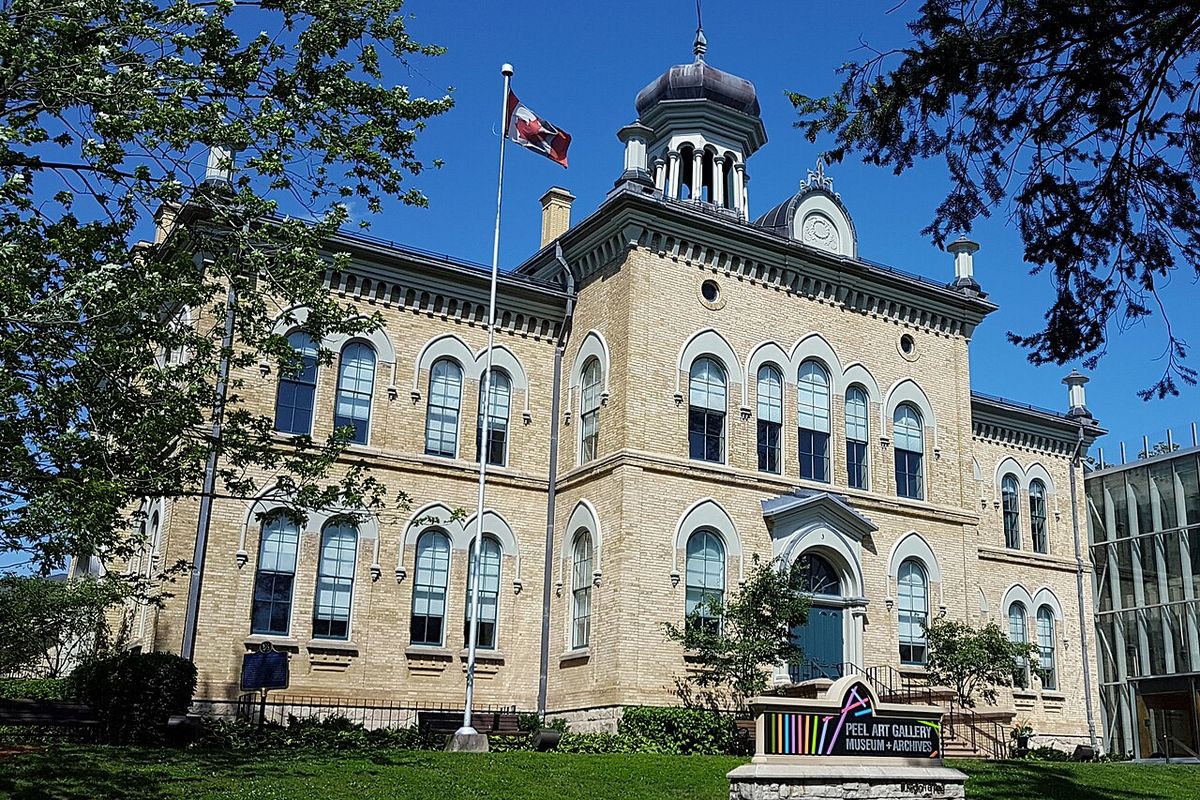
The city centre is home to Mississauga's most significant civic and cultural institutions. The Hazel McCallion Central Library, the city's largest public library, is located at 301 Burnhamthorpe Road West. Directly across the street at 325 Burnhamthorpe Road West is the local YMCA community centre. The Living Arts Centre, a major performing arts venue, opened in 1997 and hosts a variety of theatrical and musical productions. For post-secondary education, the Hazel McCallion Campus of Sheridan College opened its first phase in 2011 at 4180 Duke of York Boulevard, while TriOS College maintains a small campus at 55 City Centre Drive.
Celebration Square, adjacent to City Hall, serves as the primary public gathering space, hosting festivals, concerts, and frequent outdoor movie screenings. It features an amphitheatre, a sports field, a splash pad that converts to a skating rink in winter, gardens, and seasonal farmers' markets. This square is a central hub for community events and daily recreation, enhancing the quality of life for downtown residents. The concentration of these amenities within walking distance supports the core's goal of being a complete, live-work-play community, distinct from the purely suburban model that characterized Mississauga's earlier growth.
Transportation and Access
Mississauga City Centre is a major transportation hub within the region. Public transit is anchored by the City Centre Transit Terminal, which serves 21 MiWay bus routes and one Brampton Transit Züm bus rapid transit route. The nearby Square One Bus Terminal is a key node for GO Transit bus services connecting to the wider Greater Toronto and Hamilton Area. Future rail transit is set to arrive with the under-construction Hurontario LRT, officially named the Hazel McCallion Line, which will connect the core to Port Credit and Brampton via a spur along Rathburn Road to the City Centre Terminal.
The area is defined by four key arterial roads: Hurontario Street and Confederation Parkway running north-south, and Burnhamthorpe Road and Rathburn Road running east-west. Secondary streets like City Centre Drive, Centre View Drive, and Duke of York Boulevard provide local circulation. A notable feature is the city's only roundabout, located where Duke of York Boulevard and Square One Drive intersect south of Rathburn Road. Highway 403 forms the northern boundary of the city centre, with access provided via interchanges at Hurontario Street and Mavis Road. The latter is accessed via Centre View Drive, which runs parallel to the freeway. This multi-modal network facilitates movement within the dense core and connects it to the provincial highway system.
Demographics and Future Outlook
The population of Mississauga City Centre has grown dramatically with each new residential tower completion, making the Confederation Parkway corridor the most densely populated area in the city. This growth is driven by the ongoing construction of thousands of new condominium units in projects like M City and The Exchange District. The demographic profile is increasingly youthful and diverse, attracted by the proximity to employment, transit, and amenities. The future skyline will be dominated by the completion of the M City towers, particularly the record-setting M3 tower, solidifying the city centre's visual identity. The opening of the Hazel McCallion LRT line will significantly enhance connectivity and support further transit-oriented development. Challenges remain, such as integrating more ground-level retail and pedestrian-friendly spaces across the entire core and ensuring a diverse mix of housing. However, the sustained pace of construction and investment indicates that Mississauga City Centre will continue to mature as the primary urban heart of Canada's seventh-largest city, moving closer to its vision of a sustainable, and complete downtown.
Questions about Mississauga City Centre
What is Mississauga City Centre?
Mississauga City Centre is the planned downtown core of Mississauga, Ontario. It is a high-density urban district centred around Square One Shopping Centre, featuring a rapidly growing skyline of residential and office towers. The area functions as the city's primary financial, commercial, and civic hub, home to City Hall, major libraries, and educational campuses. Unlike traditional downtowns, it was developed on formerly agricultural land beginning in the 1970s as a fully planned greenfield project.
What are the tallest buildings in Mississauga City Centre?
As of 2024, the tallest completed buildings are the twin M1 and M2 towers of the M City development, each standing just under 200 metres tall. The well-known Absolute World towers, nicknamed 'the Marilyn Monroe' towers, are 56 and 50 storeys. However, the tallest building will soon be the M3 tower at M City, currently under construction and slated to reach approximately 260 metres (81 storeys). Upon completion, M3 will be the tallest building in Mississauga and the tallest in Canada outside of Toronto.
How did Mississauga City Centre develop?
The area was farmland and the hamlet of Payne's Corners until the early 1970s. Developer Bruce McLaughlin's vision and the 1973 opening of Square One Shopping Centre provided the initial catalyst. A 1969 fire at the town's Cooksville offices accelerated the move of civic functions to the new core. Major growth accelerated in the 2010s, with recent mega-projects like M City transforming the skyline and density west of City Hall.
What major developments are currently under construction?
Several large-scale projects are reshaping the core. The eight-tower M City development is underway, with its M3 tower set to become the city's tallest. The four-tower Exchange District on Burnhamthorpe Road is also under construction, promising over two million square feet of mixed-use space. Other ongoing projects include the Avia condominiums and further phases of the Square One District. These developments will add thousands of residential units, commercial space, and new retail, continuing the area's rapid transformation into a dense urban centre.
What major transit services the area?
Mississauga City Centre is well served by MiWay and GO Transit public transit services. The City Centre Transit Terminal is the city's main transit terminal, hosting 21 MiWay bus routes and one Brampton Transit operated bus rapid transit route named Züm. GO Transit buses serve the nearby Square One Bus Terminal, providing regional connections. A major future improvement is the under construction Hurontario LRT, officially called the Hazel McCallion Line, which will serve the terminal via a spur along Rathburn Road. This light rail line will run along Hurontario Street, linking the city centre to Port Credit and Brampton upon completion.
What are the main attractions and public spaces?
The main attractions and public spaces in Mississauga City Centre include Square One Shopping Centre, the second largest shopping mall in Canada, and Celebration Square. Celebration Square is home to festivals and concerts, frequent movie screenings, and farmers' markets during the spring and summer. It also features a sports field, an amphitheatre, a splash pad which doubles as a skating rink in winter, and a garden. Other key institutions are the Living Arts Centre, a performing arts venue that opened in 1997, and the Hazel McCallion Central Library, the city's largest public library. The area also includes educational institutions such as the Sheridan College Hazel McCallion Campus and TriOS College.
Sources and further reading
- Mississauga City Centre (Wikipedia)
- City Centre Neighbourhood Guide (hoodq.com)
- Mississauga Neighbourhoods | Homes | Real Estate Agent ... (thevillageguru.com)
- Mississauga City Centre Neighbourhood & Real Estate ... (getwhatyouwant.ca)
- Neighbourhoods & Villages (visitmississauga.ca)
Checked by the Your Space Hamilton desk. Last updated 2026-10-31.